Helyszín címkék:
Peaceful historical gardens: a castle tour in the heart of the Southern Great Plain
Hajdú Gábor
During the period of reconstruction after the Turkish occupation, János György Harruckern played a key role in the reorganization of the region as one of the main re-settlers of the depopulated region and later as the county governor of Békés County. The merger of the two families at the turn of the 18th and 19th centuries not only led to a change in land ownership, but also marked the birth of a new aristocratic manor. The following generations then created castles, mansions, farms, villages and road networks, shaping the image and cultural heritage of today's Békés County.
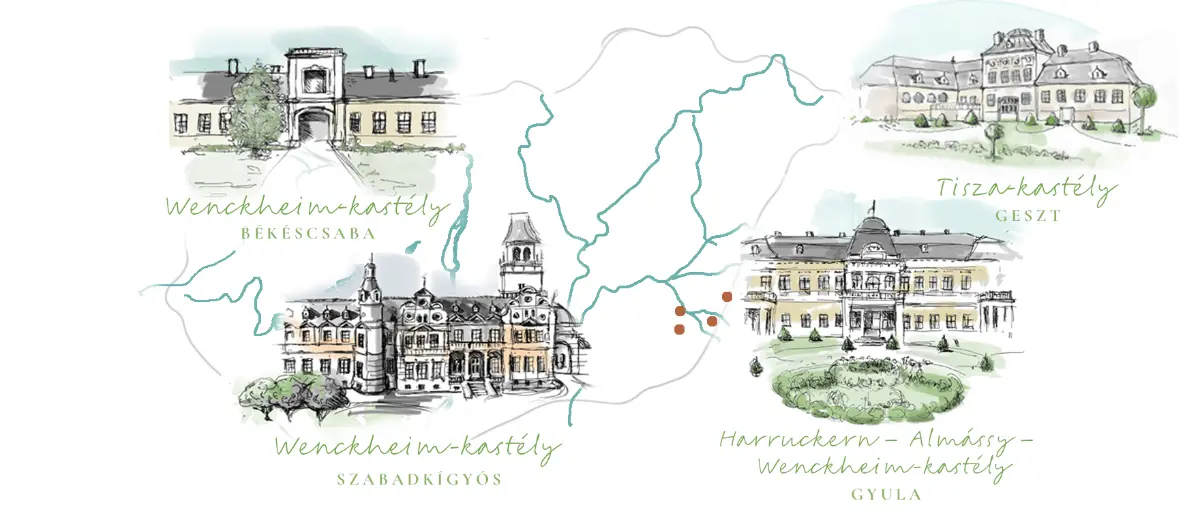
Our castle park hiking trail not only provides insight into the Harruckern-Wenckheim heritage, but also offers a meaningful weekend programme into the forgotten world of our historical gardens.
Gyula
Park of the Harruckern – Almássy – Wenckheim Castle
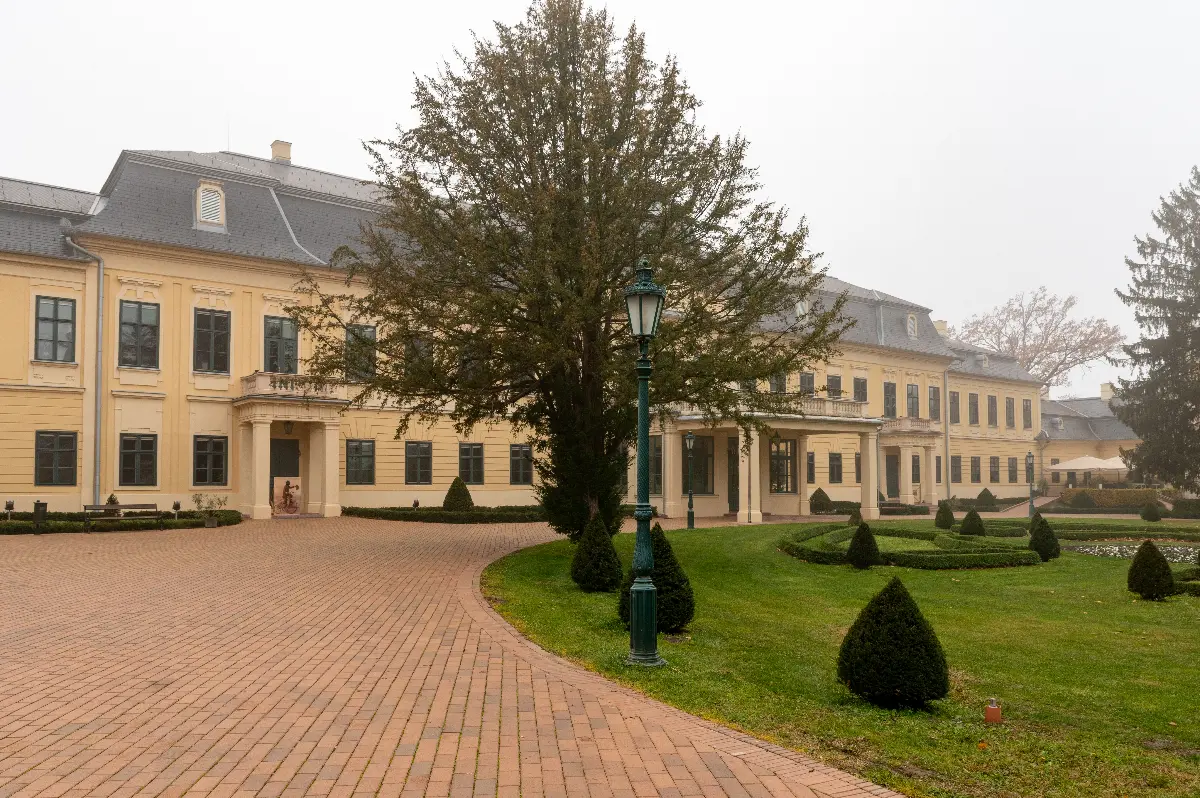
One of the most beautiful excursion destinations in the southern Great Plain is the Harruckern–Wenckheim–Almásy Castle in Gyula, which can hold surprises not only for history lovers, but also for all those who want to get close to nature in a calm, green environment. The history of the castle and park began in the 18th century, when the area came into the possession of János György Harruckern, and the revitalization of the wilderness began: the area was populated with settlers, manorial developments began, and then a Baroque castle with a forest-range was built in the areas near the castle between 1730 and 1743. F. A. Hillebrandt prepared plans for the castle, which was expanded to two storeys in 1760, which also included a Baroque garden. However, the building burnt down after 35 years and a classicizing, late Baroque castle was built in its place between 1801 and 1803 according to the plans of Antal Czigler. In 1833, a classicist riding school was built on the site of the present-day spa, with a landscape garden around it.
The castle, which stands on the lakeshore, functioned as a romantic ruin of the garden. In front of the southern facade of the castle, a branch of the Fehér-Körös flowed, and later the “Csigakert” (“Snail Garden”) was built, which got its name from the walking path leading to the artificial lookout hill. Further additions and extensions were made in a romantic, neo-baroque style. Over time, the castle went through many changes, at one time it functioned as a school and then as a children’s home, but the 21st century also brought a rebirth: the renovated building now functions as a visitor centre and in the park surrounding it, you can walk, relax, and gain experiences close to nature next to the municipal spa.
Békéscsaba GERLA
Park of the Wenckheim Castle
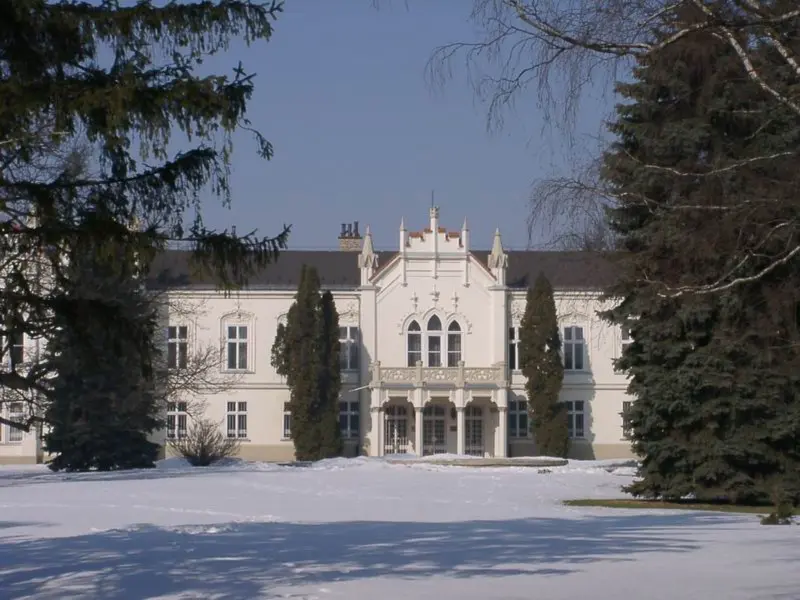
Wenckheim Castle is located in the Gerla part of Békéscsaba, which was once the home of aristocrats, but is now a hidden, forgotten treasure for many. The castle was designed by Miklós Ybl, commissioned by Károly Wenckheim.
The romantic-style building was completed in 1860. Once, a real English garden surrounded it, with an ornate cast-iron terrace, promenades and green vegetation. Some plane trees, oaks and columnar poplars that still stand today are presumably part of the original planting.
However, time has taken its toll on the castle, most of the farm buildings, such as the carriage house, the granary and the stables, are in ruins, and the building stands empty today. For today's visitor, the castle and its surroundings are no longer the luxurious residence they once were, but they still have a special, melancholic charm: wandering under the old trees, you can still feel the former tranquillity and elegance of the park.
Szabadkígyós
Wenckheim Castle
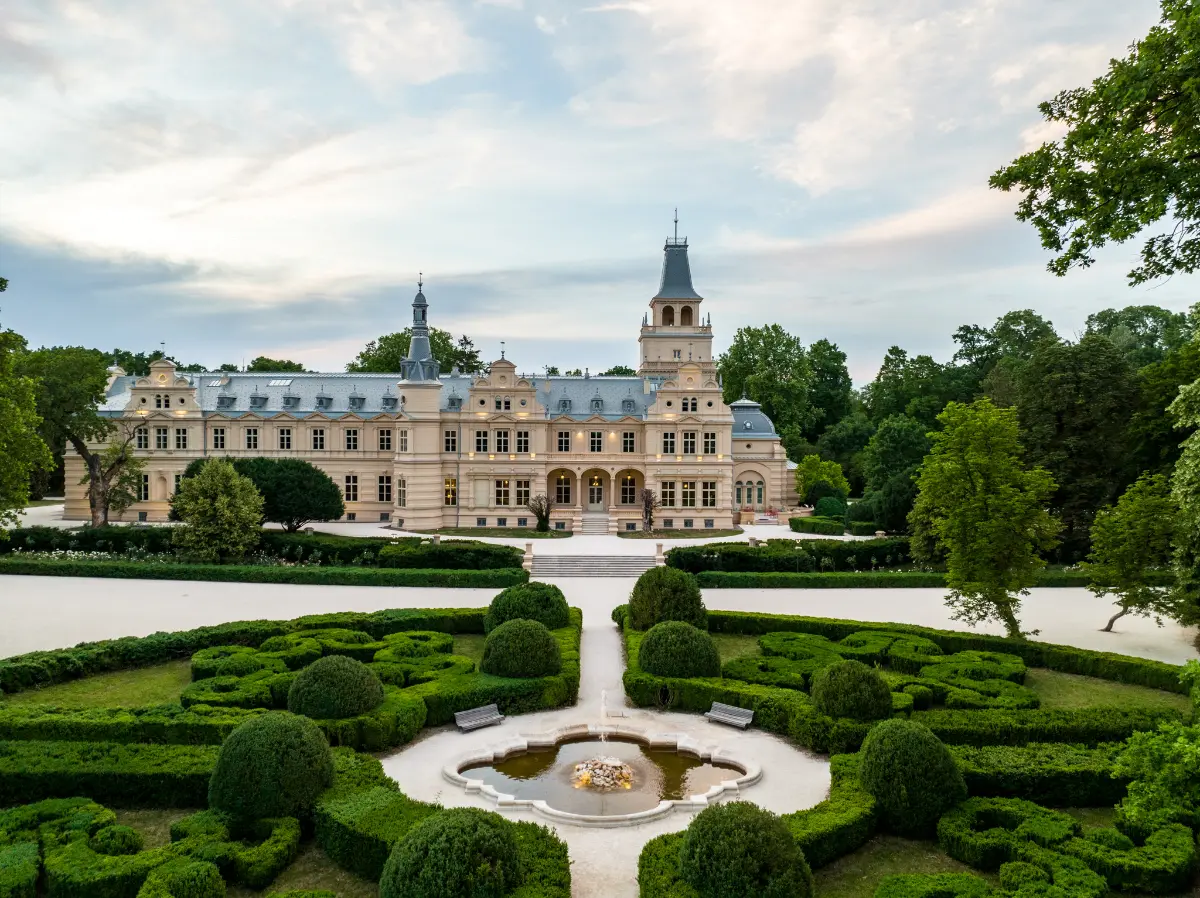
While we are pondering after our walk in Békéscsaba how vulnerable the built and natural heritage is, the Wenckheim Castle in Szabadkígyós can be a source of refreshment for us. The castle and garden together beautifully symbolize everything that marks the value-creating work of one of the richest noble families in our country. The castle was built more than a century ago, between 1875 and 1879, and its plans were made by the renowned architect Miklós Ybl. At that time, a carefully designed park of several tens of hectares spread around the castle, where friendly promenades, shady trees, ornamental garden areas and fountains awaited the visitor. Oaks, plane trees, bald-cypresses, lindens and chestnuts awaited the visitor. The smaller lakes, bridges, flower beds, and rows of shrubs spanning the park made the landscape even more charming.
Each walking path "bloomed" with different colours: some welcomed visitors covered in white and pink flowers, while others in yellow or red flowers. Stepping off the castle’s terrace, there are still carefully trimmed yew-trees and bushes lined up.
A graceful iron bridge spans the island of the artificial lake with a varied shoreline. Its shore is lined with waterside plants.
A doll's house was once built near the lake, but there was also an animal house, a romantic thatched feeder for swans and ducks, a swimming pool, a tennis court, a greenhouse, a hilltop summer-house with a rock garden, and even a runway for sport aircraft, as the Wenckheim family was the first to have powered aircraft in the country.
We can only discover traces of all of this in the park, but it still awaits visitors today, whether for a relaxing, calm walk or a contemplative excursion.
Geszt
Castle Tisza
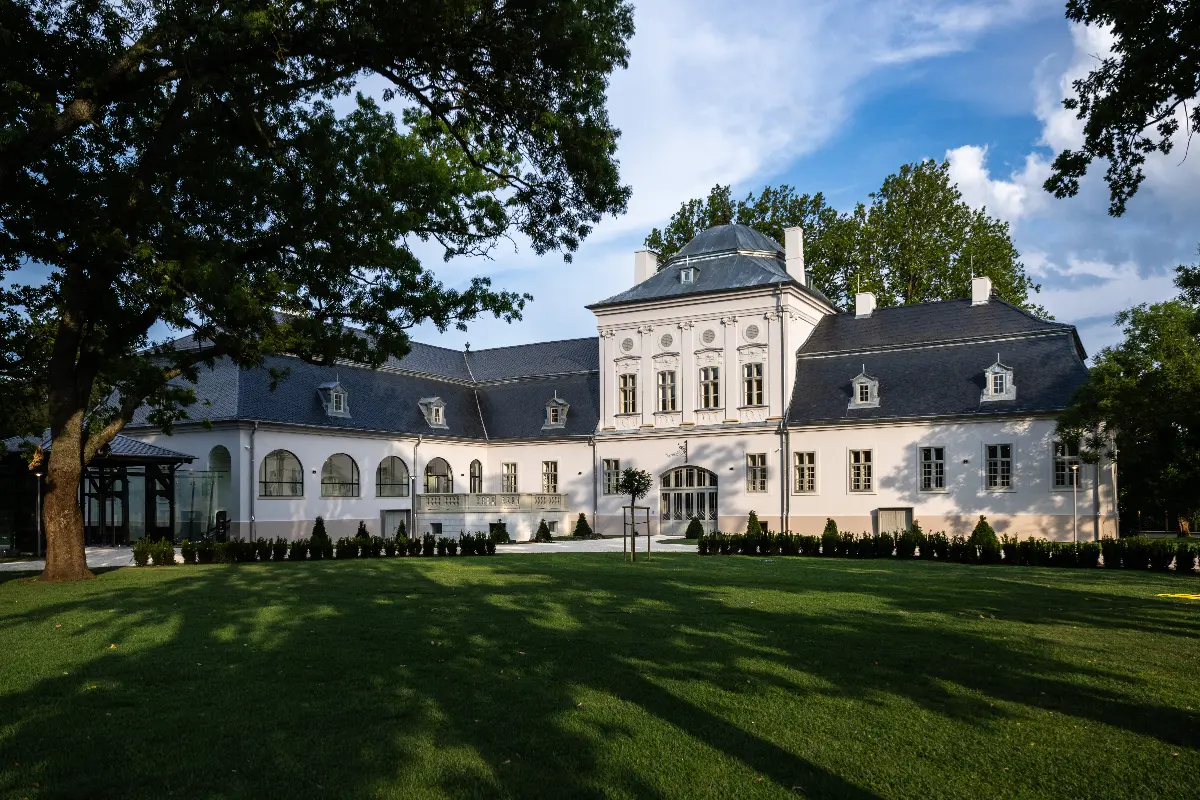
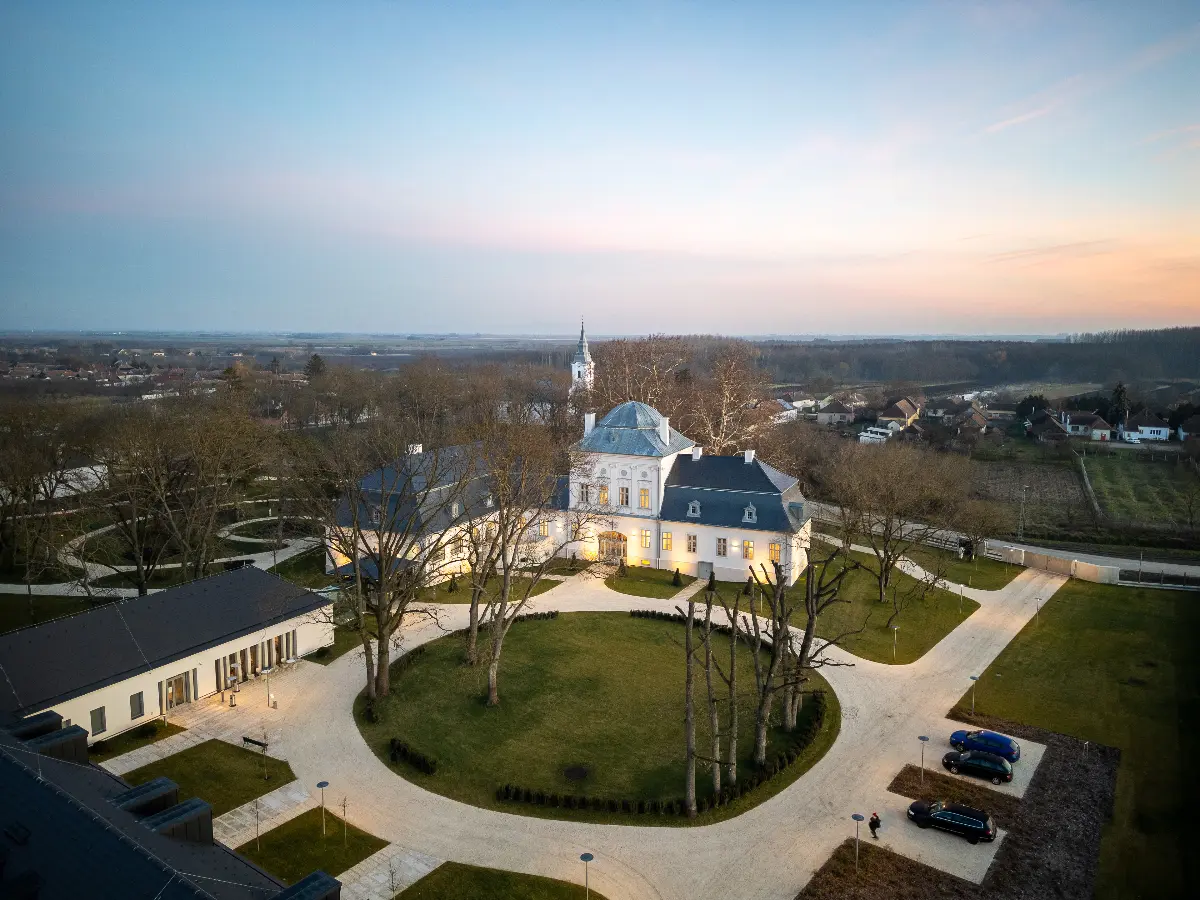
The history of the Tisza Castle, hidden on the outskirts of Geszt, began in the middle of the 18th century. After a long litigation, László Tisza received the area as a royal donation in 1760, on which he then began to develop the centre of his estate. In 1772, his son had the Baroque mansion that forms the core of today's castle built and the 15-hectare park torn out of the neighbouring forest. The oaks, ash trees, and maple trees of the old tree stock formed the main frame of the garden. The former farm buildings, the farm-bailiff’s house, and the manor stables can still be found in the park area today. János Arany also visited the estate once. There are two giant plane trees in front of the main facade of the building.
The special value of the park is that the traditions of the former English park have been partially preserved: islands, promenades, shady trees and – although the original palm house and greenhouse no longer exist – the abundance of trees, bushes and flowering plants still fill the historical garden with a romantic atmosphere.
The rebuilt castle and park are now more than just a tour option: the renovated castle building houses a hotel, where we can relax after exploring this undeservedly lesser-known part of the country, rich in historical gardens.