Helyszín címkék:
6 protected bird species and their fabulous habitats
Mészégető Marcsi
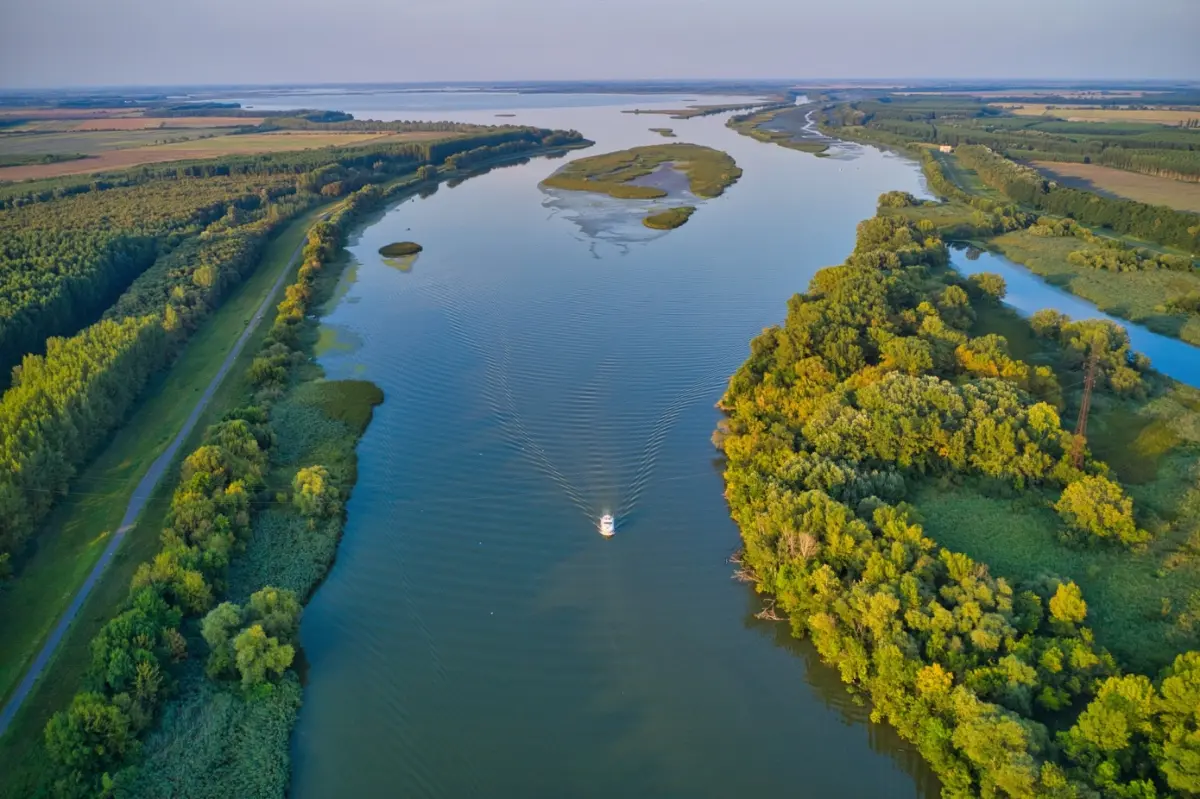
Before we dive into our top list, it is worth noting that vacation cruises are also an excellent choice for bird watching. The boats of MAHART Hungarian Shipping Co. Ltd. can be rented on the Bodrog, Tisza, and Tisza Lake, making bird watching an unparalleled experience – we can admire the Whiskered Tern or Kingfisher in silence, from the water, undisturbed. Boating holidays, which have long been popular abroad, are becoming increasingly common in Hungary, too: boats serve as comfortable, well-equipped accommodation, and anyone can drive them after a short training session. If desired, we can stop at any port, but the real value lies in the tranquility of nature, which we can experience firsthand during such a trip.
1. Whiskered Tern watch at Lake Tisza
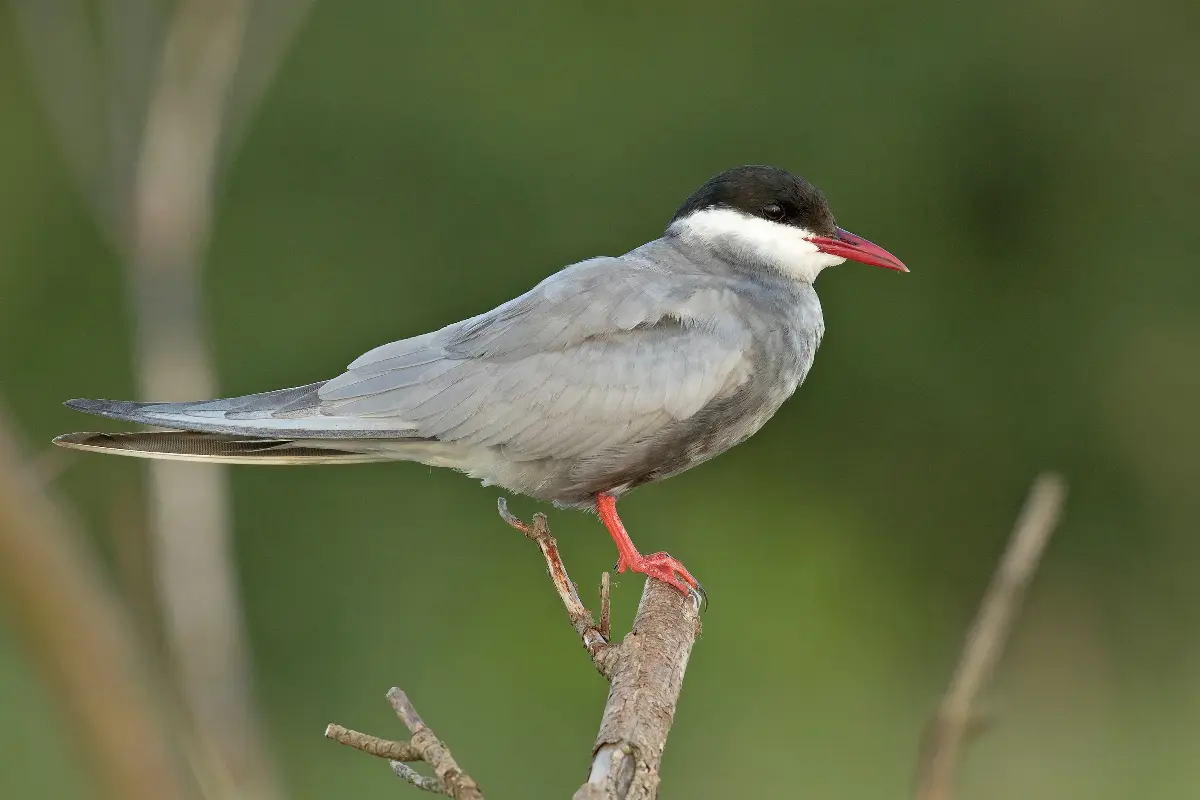
The landscape of Lake Tisza, dotted with islands, offers tourists a wide variety of recreational opportunities: On the beach areas of Abádszalók, Tiszafüred and Poroszló, water sports enthusiasts can try everything from canoeing to paragliding, while the wild landscapes of the coastline offer endless hiking and nature walks. The panoramic lookout of the Lake Tisza Ecocentre is also worth a visit, but if you want to admire the countryside from more than just a bird’s eye view, the Lake Tisza Water and Nature Trail is also worth a visit. Here you can walk along a 1,500-metre-long boardwalk to discover the flora and fauna of the area, including also the protected Whiskered Tern, whose only distinctive feature is its loud hoarse cry, its thick red bill, black cap and white face.
2. Eurasian Curlew, a special bird species of the Kiskunság National Park
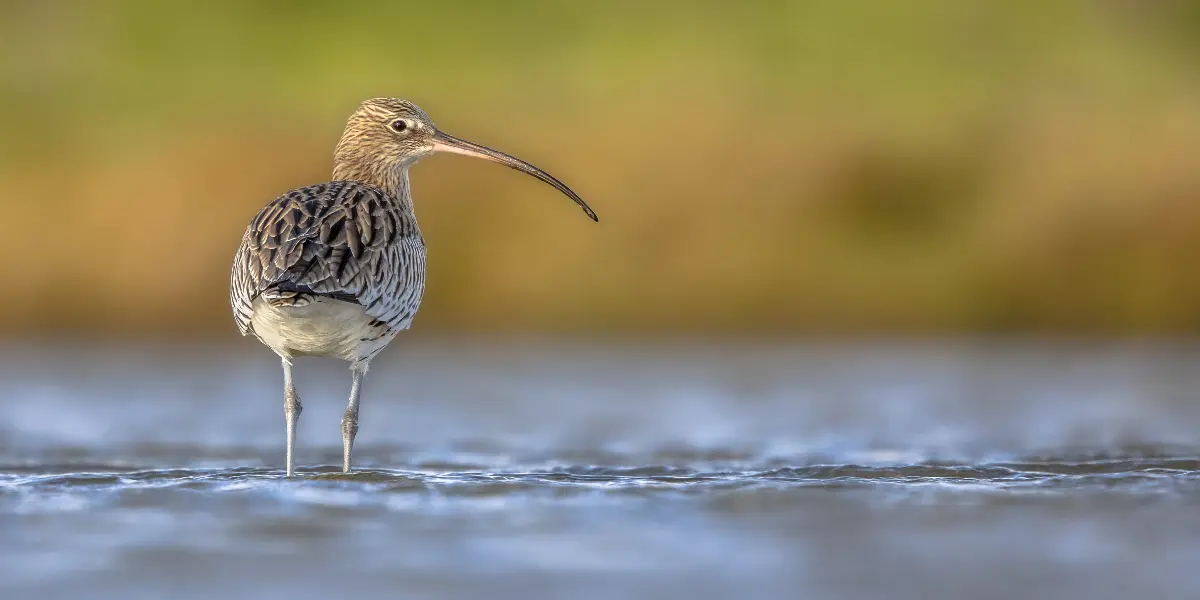
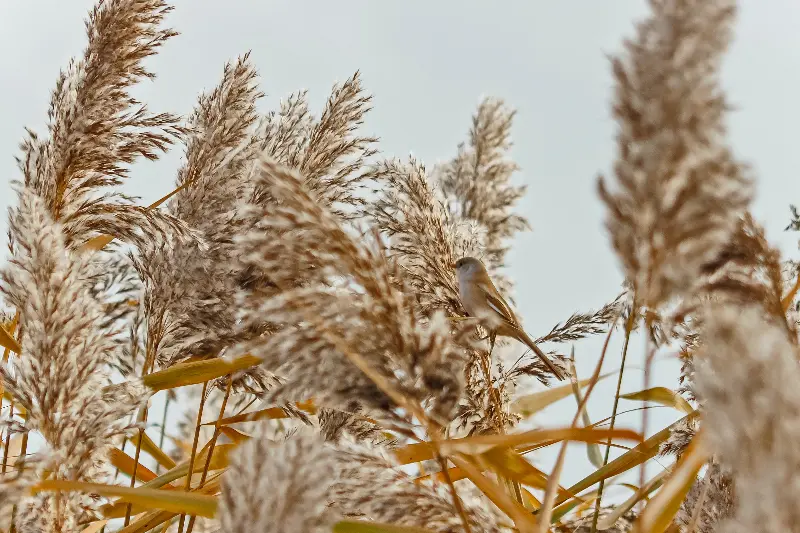
Hungary’s second national park, the Kiskunság National Park, established in 1975, preserves both the traces of nature’s constant change and the traditions of the people who live here. The House of Nature (Természet Háza) in Kecskemét, in addition to the wildlife of the national park, also pays great attention to the presentation of past activities, the Shepherd Museum (Pásztormúzeum) in Bugac takes you to a very special world, and in Jakabszállás, you can visit the largest botanical garden in the country, which – in addition to its size – has the special feature of drawing a proportional topographical map of the country. You can discover the unique flora and fauna of the Kiskunság salt lakes at the Csólyospálos geological site and on the Tiszakécske great reed warbler educational pathway, but it is also worth spending some time in the Büdös-szék area near Szabadszállás, and if you are lucky, you might spot some large curlews. Believe us, there’s not much chance of this elsewhere in the country, as the bird, also known as the ‘wind shouter’, only nests in small numbers in Hungary and spends the winter in southern Europe, Africa and southern Asia.
3. Kingfisher, the highlight of Szentendre Island
Many people are familiar with Szentendre and the best-known tourist destinations in the Danube Bend, but perhaps fewer with the Szentendre Island, which offers unforgettable sights. Kisoroszi’s indigenous, protected wildlife has made it one of the most popular holiday villages in the Danube Bend, where the island peak is one of the most popular destinations, offering stunning views of Visegrád Castle and the Börzsöny mountain ranges. The island’s tip and the northern areas along the Danube have been part of the Danube-Ipoly National Park since 1997. It says a lot about its breathtaking wildlife that one of the most colourful birds of our country also loves the Szentendre Island area.
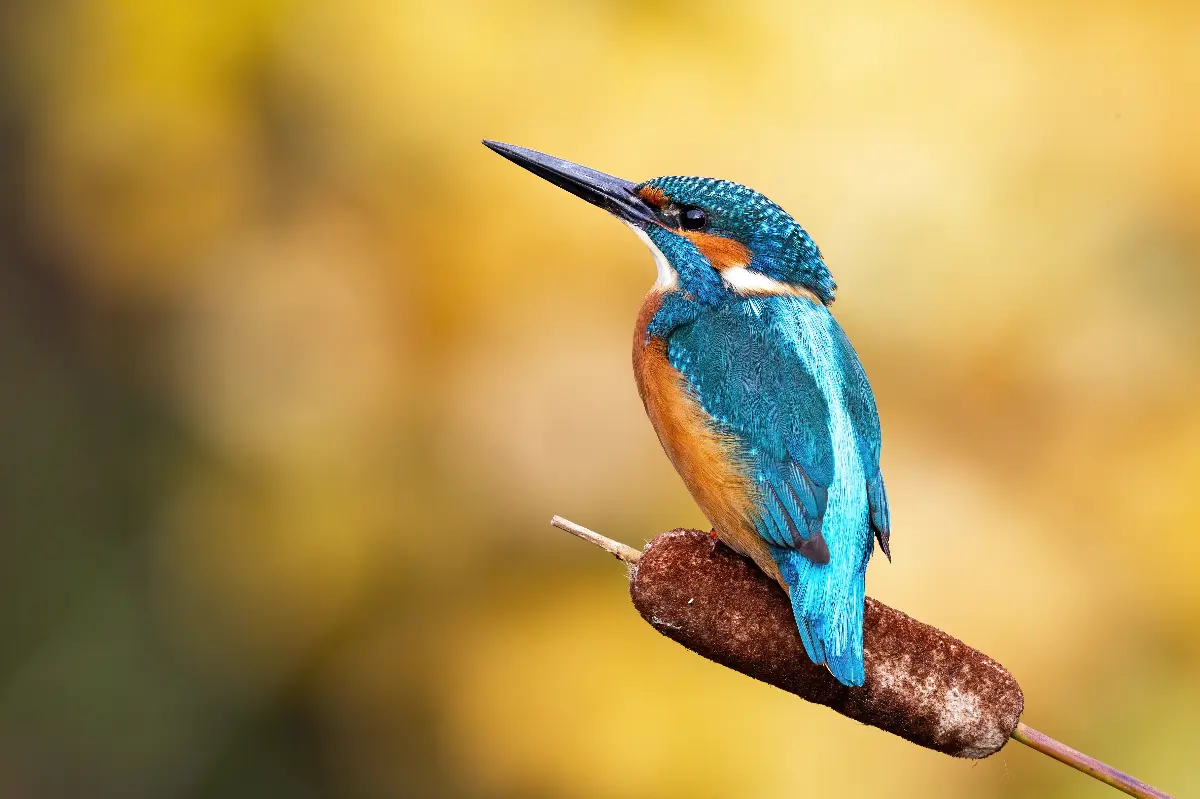
As the kingfisher breeds in the banks of rivers and lakes – of which there is no shortage on the island – it is worth keeping an eye on the sky around the water’s edge, as there is a good chance that a tiny patch of colour will appear and dazzle us with its hummingbird-like “hovering” in one place.
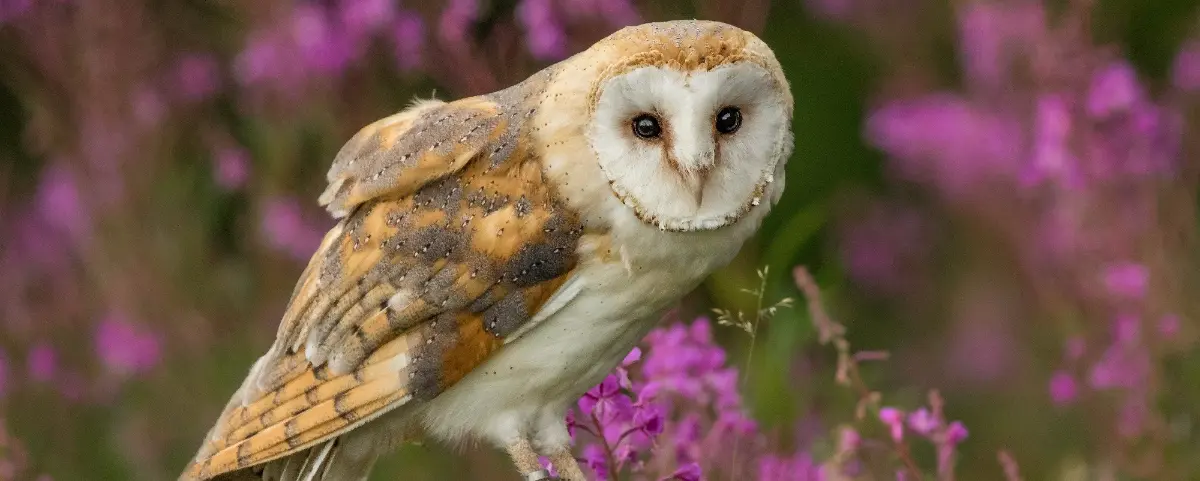
4. Barn Owl, a night hunter in Villány and countryside
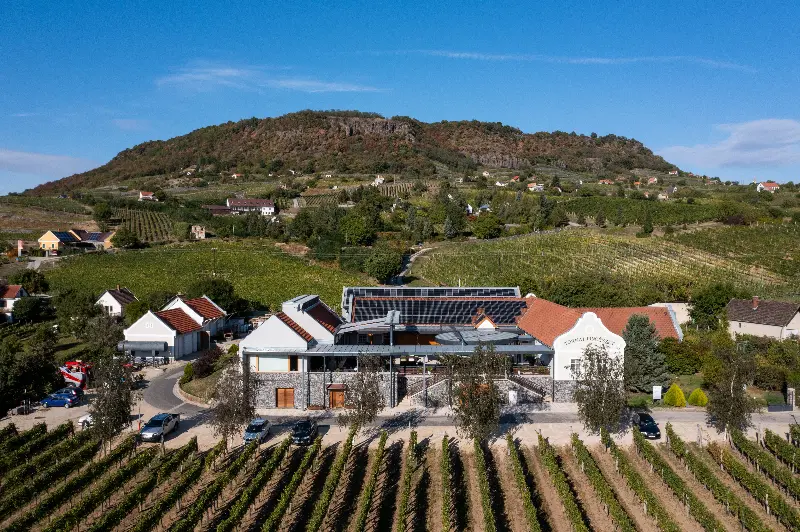
Villány and its surroundings are very popular with wine lovers, but in addition to the rows of cellars of renowned wineries, the area is rich in beautiful castles, lookouts and spas, and the Mecsek could also be called as Mecca for hikers. In addition, the city and the surrounding countryside boast an amazing variety of flora and fauna. Old trees in the orchards of the area are home to the night-whistling eared owl, while the highly protected white stork and the barn owl, which breeds in church steeples, attics and granaries, are also linked to human presence. The latter is mostly found in the southern Transdanubian region, so you can easily come across an example during night walks. It will be easy to recognise, as its heart-shaped face veil makes it look incredibly special.
5. Szalakóta (Eurasian Roller) Nature Trail in the Bükk National Park
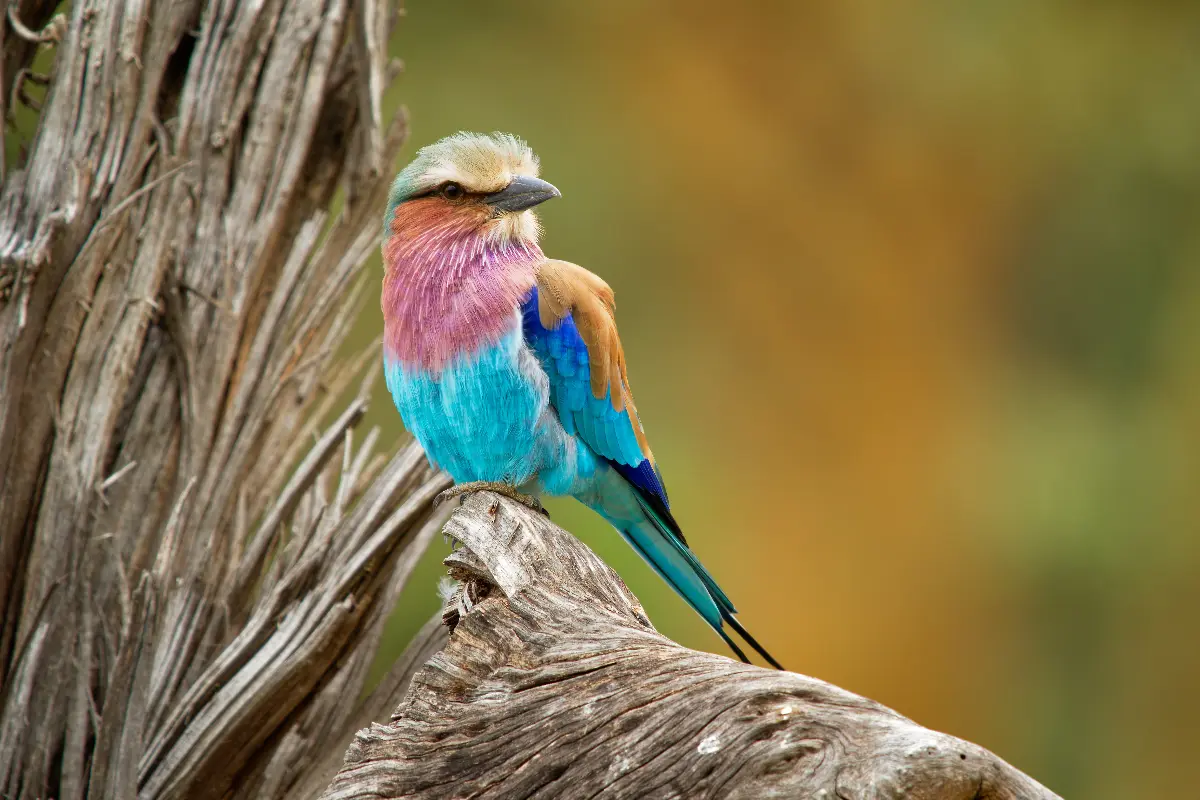
Like all nature reserves, the Bükk National Park is characterised by its unique flora and fauna, too. More than a thousand caves, as well as many natural wonders – such as the Veil Waterfall (Fátyol-vízesés) in the Szalajka Valley or the Udvar Stone –, furthermore, hiking trails and educational pathways attract tourists from far and wide. One of the local educational pathways is named after the Eurasian Roller (in Hungarian: Szalakóta), a protected bird that also lives in the Bükk National Park. On the hike from Bíbic-les (Lapwing watch) to the Csincsezug, it is worth keeping your eyes open for the Eurasian Roller, known for its impressive size and appearance, which is a real bird of prey: it likes to perch on a high point and patiently waits for the right moment to pounce on lizards, insects and small voles.
6. Wild geese in Tata, the “City of Waters”
Tata is the capital of biodiversity, a Ramsar City, located on the migration route of water birds. One of the most well-known birdwatching spots is the Öreg-tó (Old Lake) in Tata, which is surrounded by a promenade and marked hiking trails. Sitting on the shore of the lake, we can observe countless species of birds: herons, egrets, geese, ducks, eagles, seagulls, and terns populate the lake. The city’s most significant natural attraction is the peak migration season for wild geese, which falls between late November and mid-December, when tens of thousands of birds can be seen on the lake. The Tata Wild Goose Festival (Tatai Vadlúd Sokadalom), created to promote this phenomenon, is a nature conservation festival that “welcomes” the birds, hosted by the geese and attended by us humans.
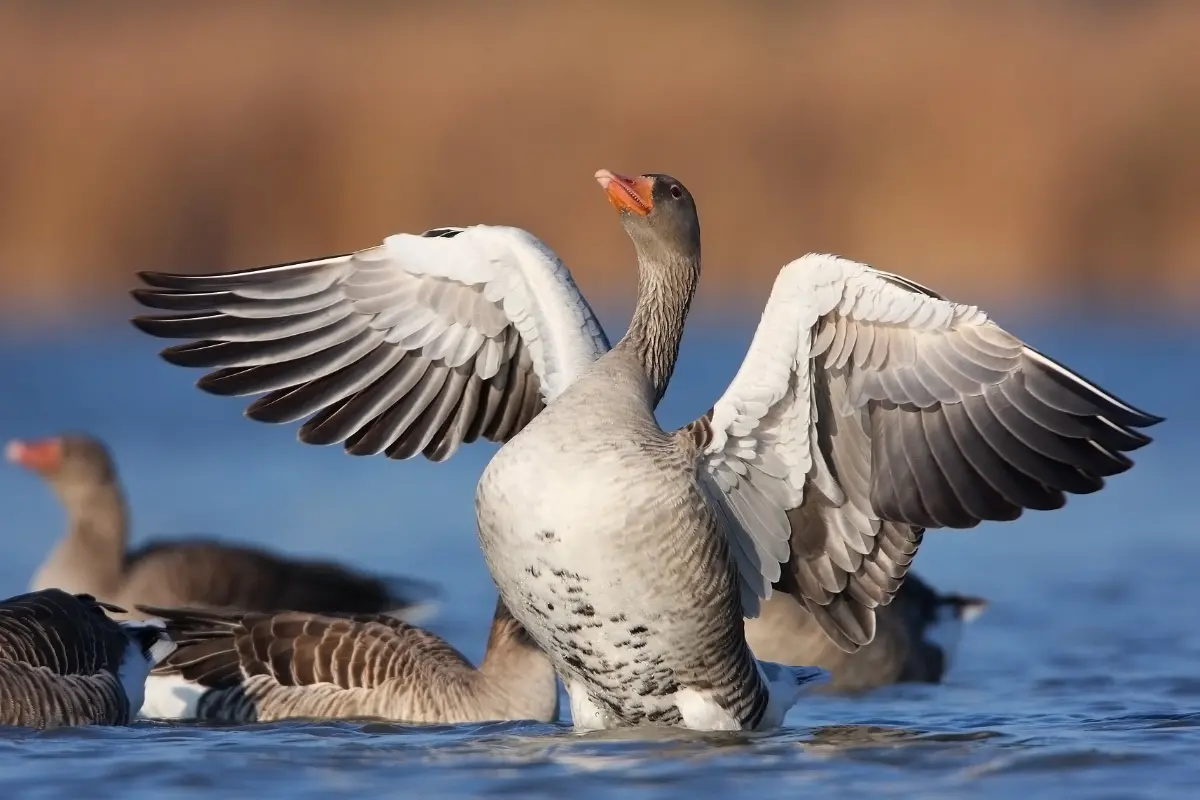
Migratory birds can be observed from late September until early March, but this is not the only time worth visiting Tata: on an average day, up to 80,000 water birds can gather in the lake. During the warmer months, the Korzó on the shore of the Old Lake is an excellent vantage point, offering a wonderful panoramic view of Tata Castle and the lake from its terrace. This place, which specializes in excellent burgers, salads, and street food dishes, is a great stop during our trip to Tata. Heading towards the castle, we find our next mandatory stop, the MICHELIN Bib Gourmand-rated Platán Bistro – a robust, ancient plane tree planted in 1785 indicates that we are in the right place! Chef Donát Mogyorósi brings contemporary Hungarian cuisine to the bistro, building on the traditions of the past with sustainable, modern culinary technology. It is also worth trying Platán’s “signature” dish, the peacetime plate meat, but the premium steak selection and dessert menu are also outstanding. It is also recommended to plan a trip lasting several days to explore Tata, and if you do so, book accommodation at Platán Udvarház or Platán Utca.