Helyszín címkék:
History, grapes and romance: discover the gardens of North-Eastern Hungary!
Hajdú Gábor
Our article will reveal:
- what a pleasure ground is,
- what the grape has to do with the rose,
- and where the country's first gymnasium was built.
Love nest in Tiszadob?
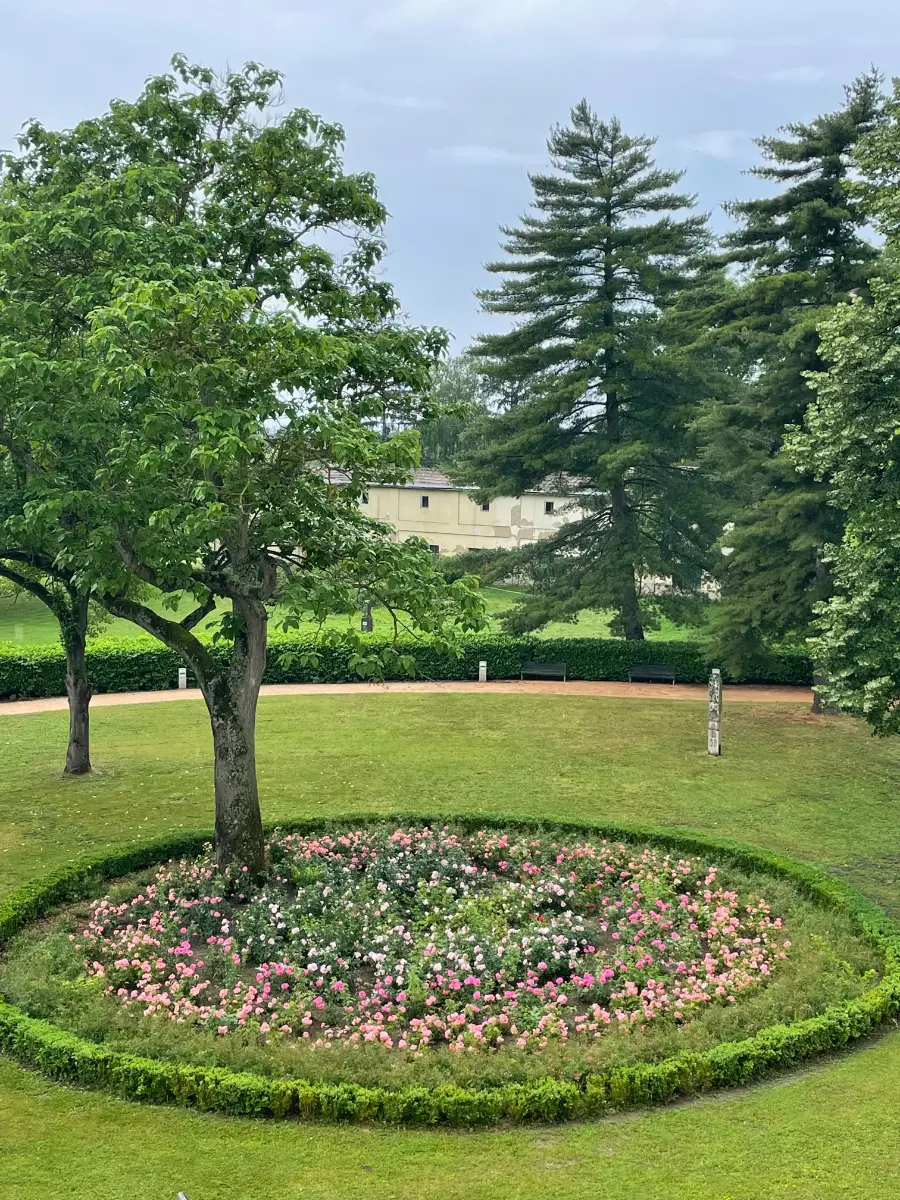
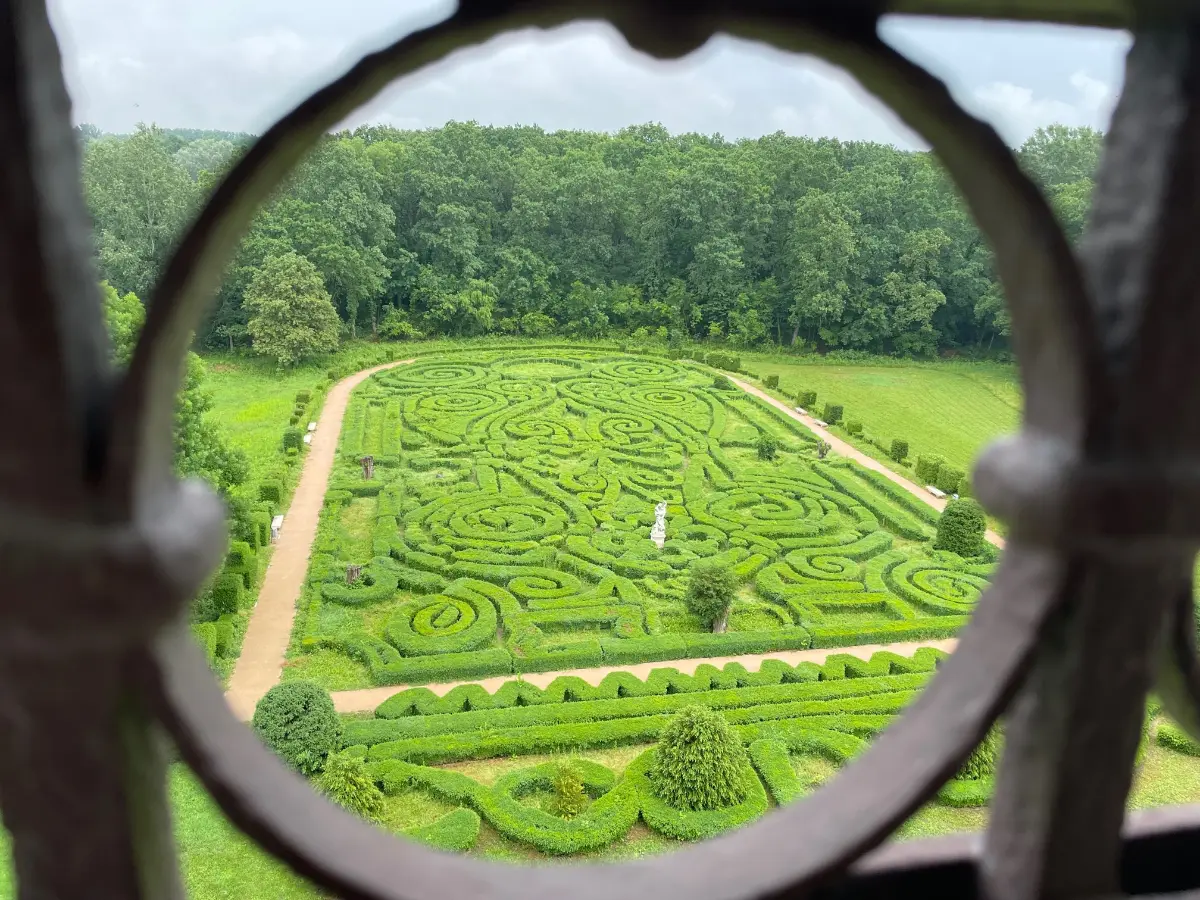
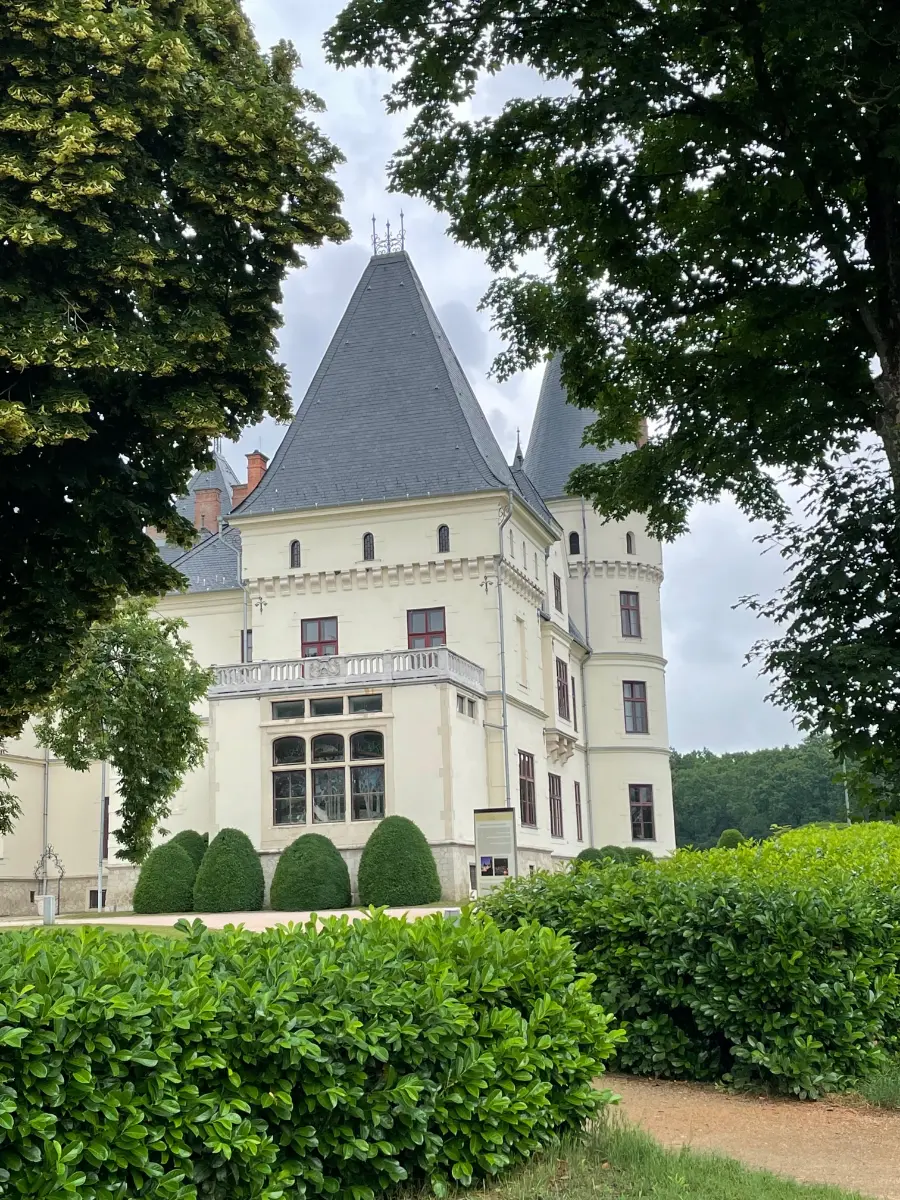
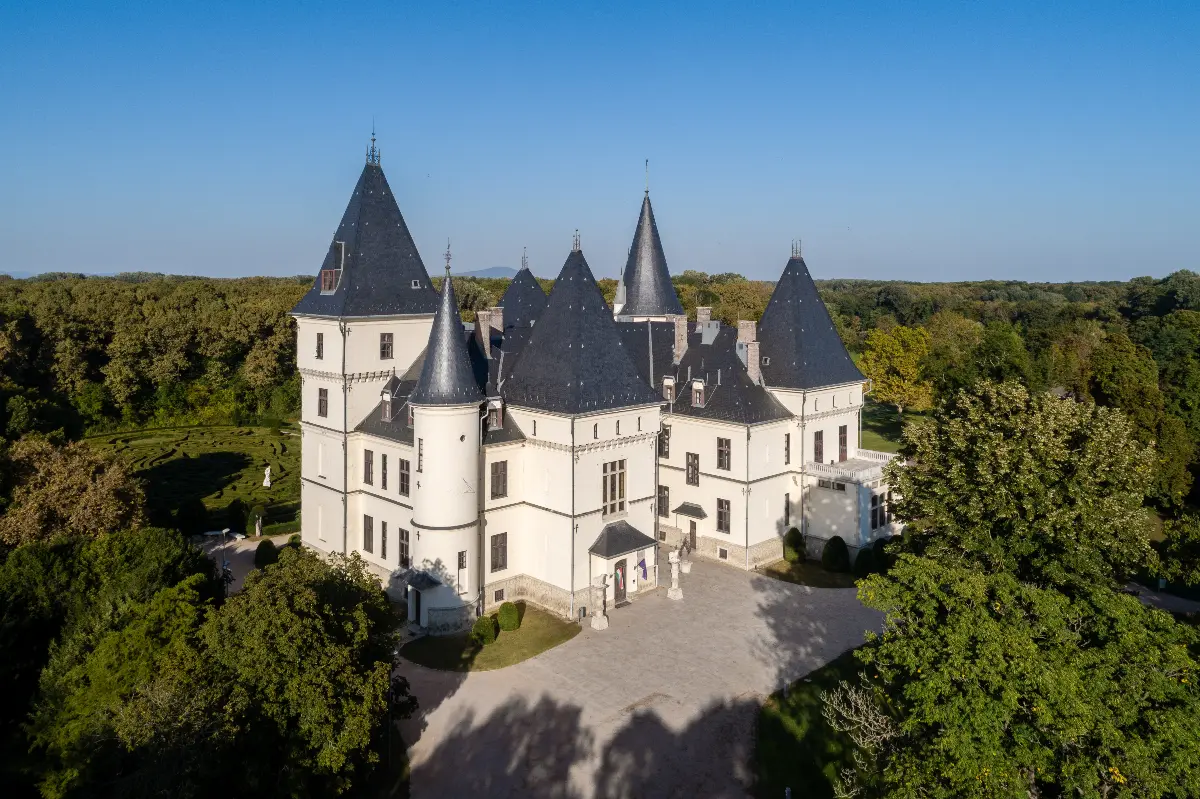
The park and the current castle were built in the 1800s by Count Gyula Andrássy, the first foreign minister of the Austro-Hungarian Monarchy, on the banks of the Holt-Tisza, next to a vast floodplain forest. The building, designed by Artúr Meinig, was built in the neo-Gothic-Romantic style, with many towers and a beautiful English park, according to legend, in honour of Queen Elizabeth, Sisi. The interior of the castle and the final design of the park can already be attributed to Gyula Andrássy the Younger, but the complex was further expanded in the 1920s. The result of such an expansion is the winter-garden terrace designed by István Möller, which was used as a dining-room. Its stained glass windows were designed by József Rippl-Rónai and manufactured by Miksa Róth. The park was designed in a landscape style in accordance with the garden architecture trend of the time, following the eclectic trend. According to the fashion of the time, visitors were impressed with geometric plant forms on the pleasure ground (ornamental garden suitable for entertainment) near the noble buildings. One of the most beautiful examples of this in our country is the embroidered boxwood parterre behind the Tiszadob Castle. The more spectacular, more sophisticated garden elements were placed near the building, but in addition to these, several farm and garden buildings were also added to the park. A boathouse was built next to the backwater, a summer-house was built in the park, but there were also stables, a forester's house, a large kitchen and an ice cellar. The original plants of the park were probably white and black poplars, plane trees, elms and oaks. The few old exotic trees that are still visible are probably living specimens of those brought in by Gyula Andrássy the Younger.
Tokaj vineyards
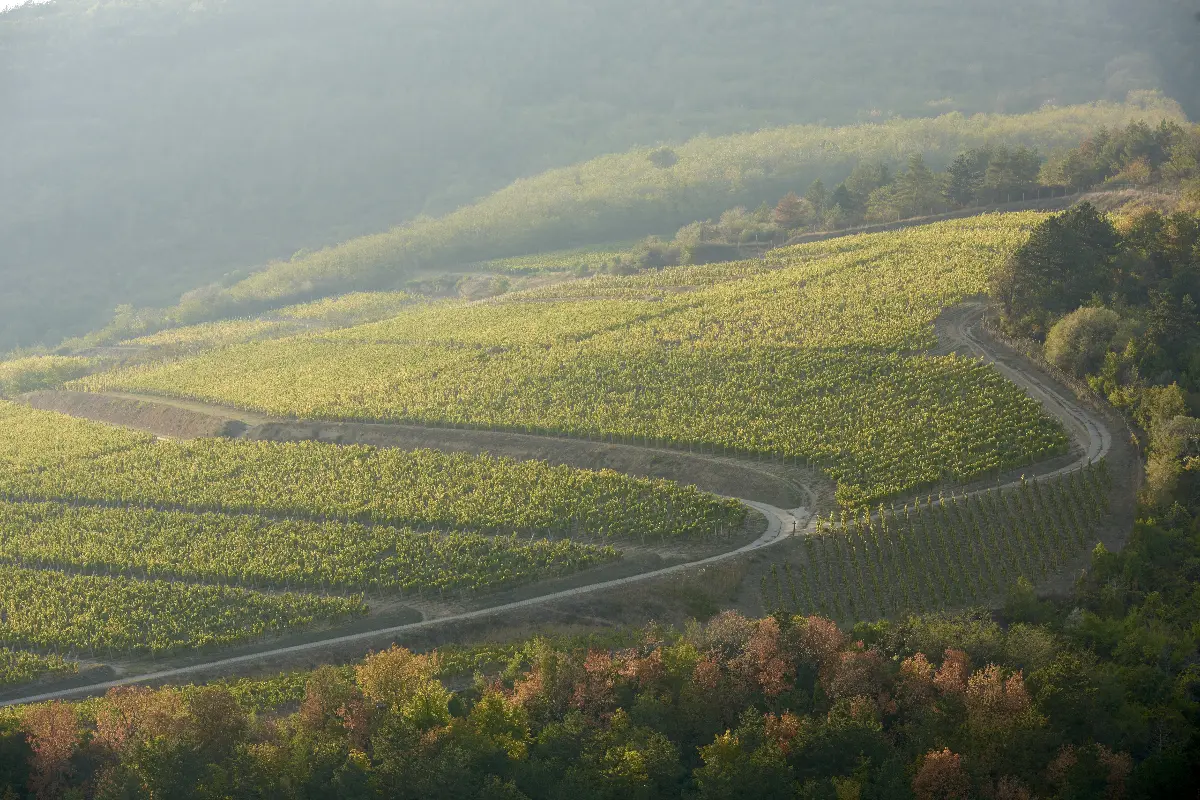
A unique and incomparable part of Hungarian garden heritage are ornamental and kitchen gardens, such as vineyards, in which plants that are popular and desirable for their usefulness and beauty are planted together. Rose bushes planted at the end of the grape rows, or grape arbours planted in ornamental gardens, are traditional.
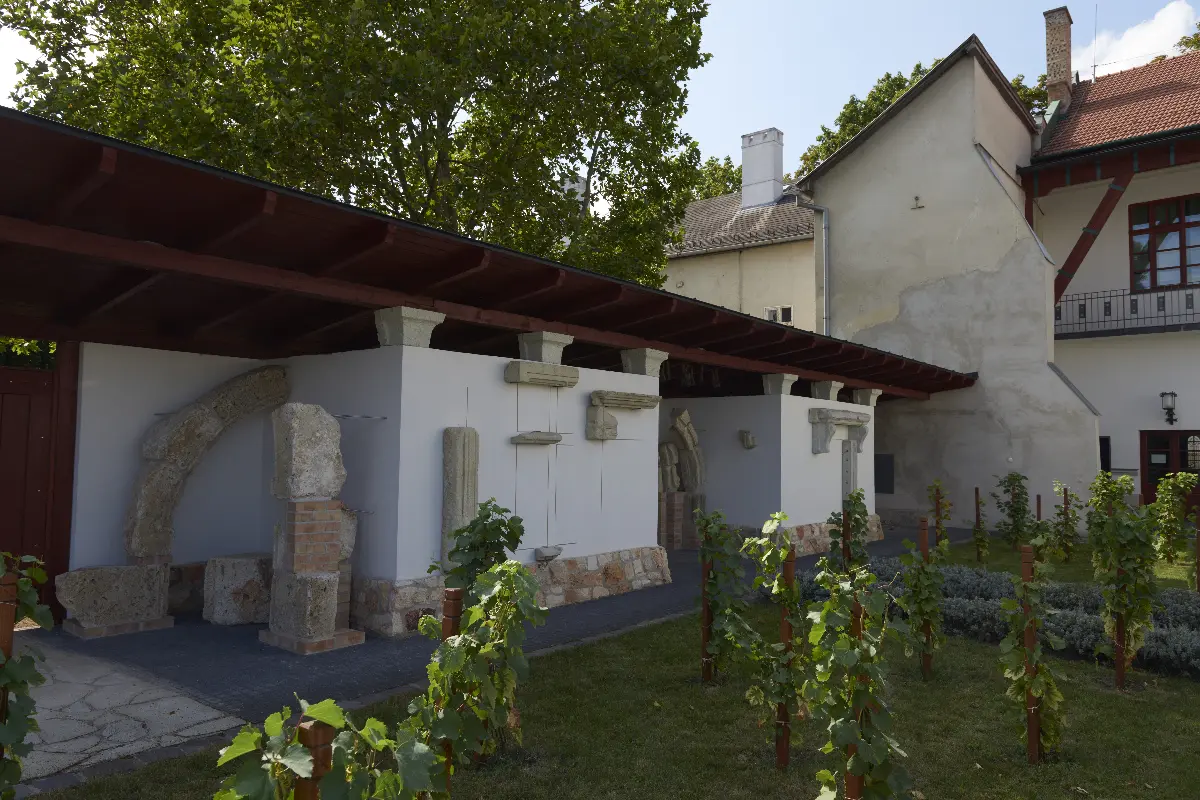
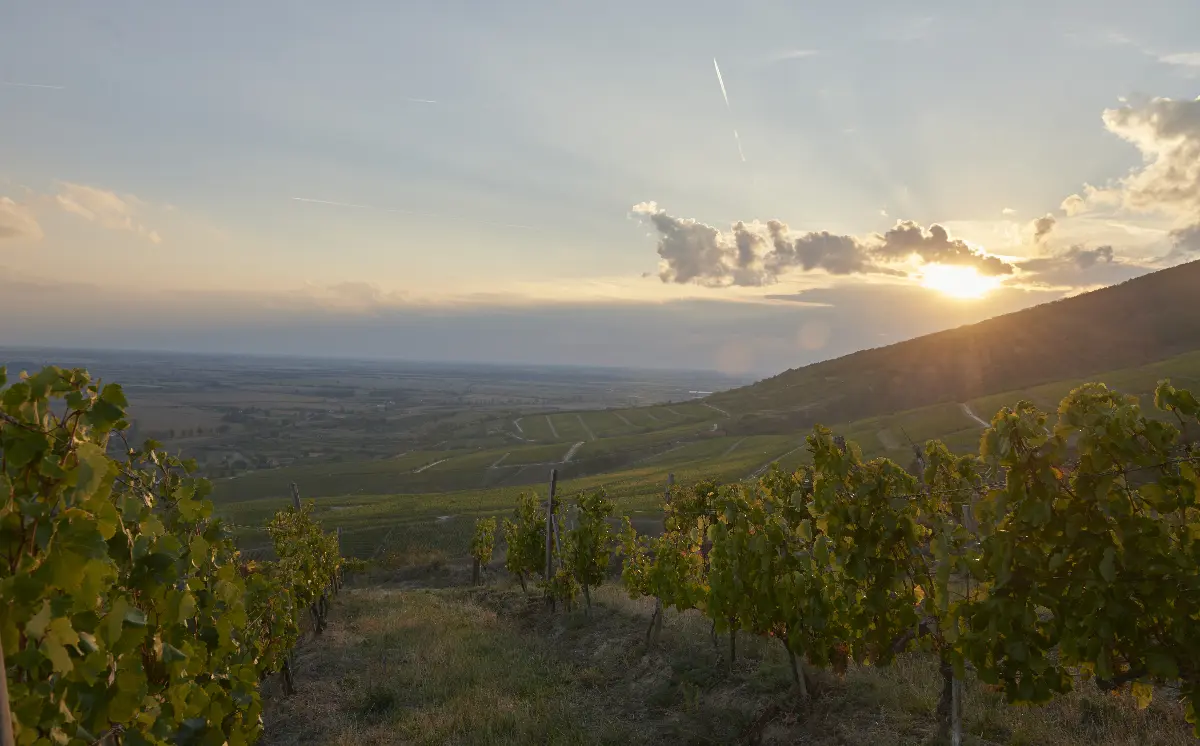
The art of viticulture and winemaking has defined the Hungarian landscape for centuries and shows the relationship between man and the landscape. The Tokaj-Hegyalja Historical Wine Region and Cultural Landscape, which is on the UNESCO World Heritage List, encompasses 27 settlements. Historical cellars, ornamental gardens and vineyards connected to castles and manor houses, vineyards, and grape variety demonstration gardens offer a variety of attractions. There are also opportunities for hiking, cycling, and water tours in the area.
“Athens on the Bodrog”
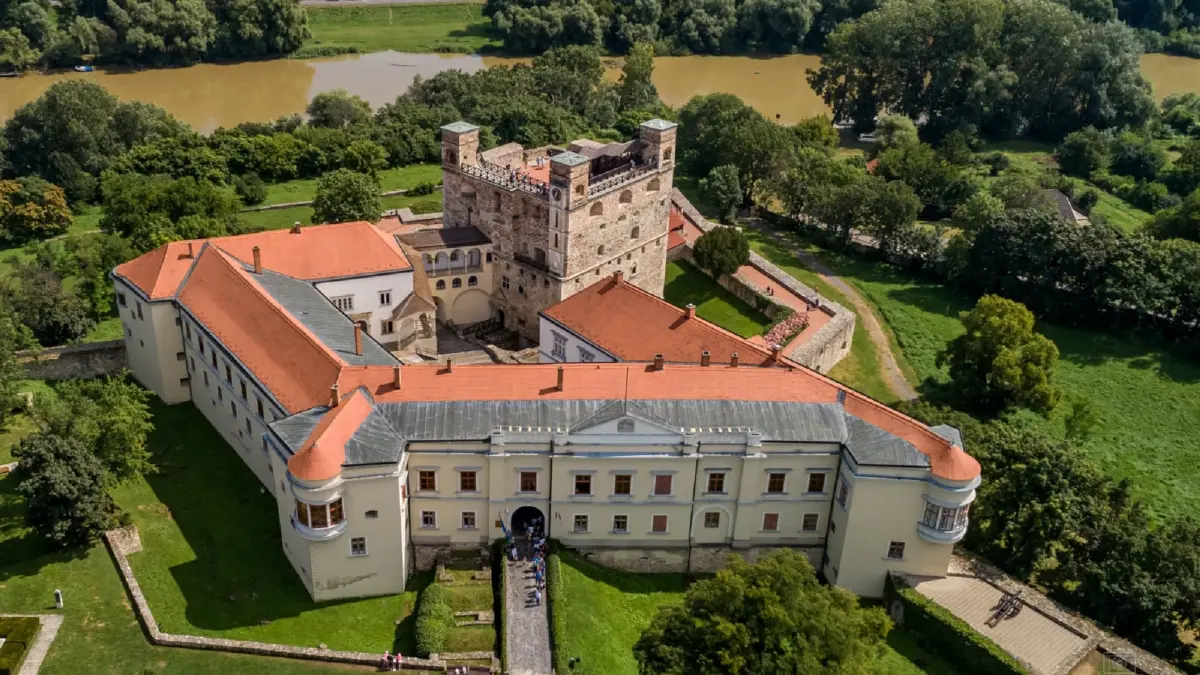
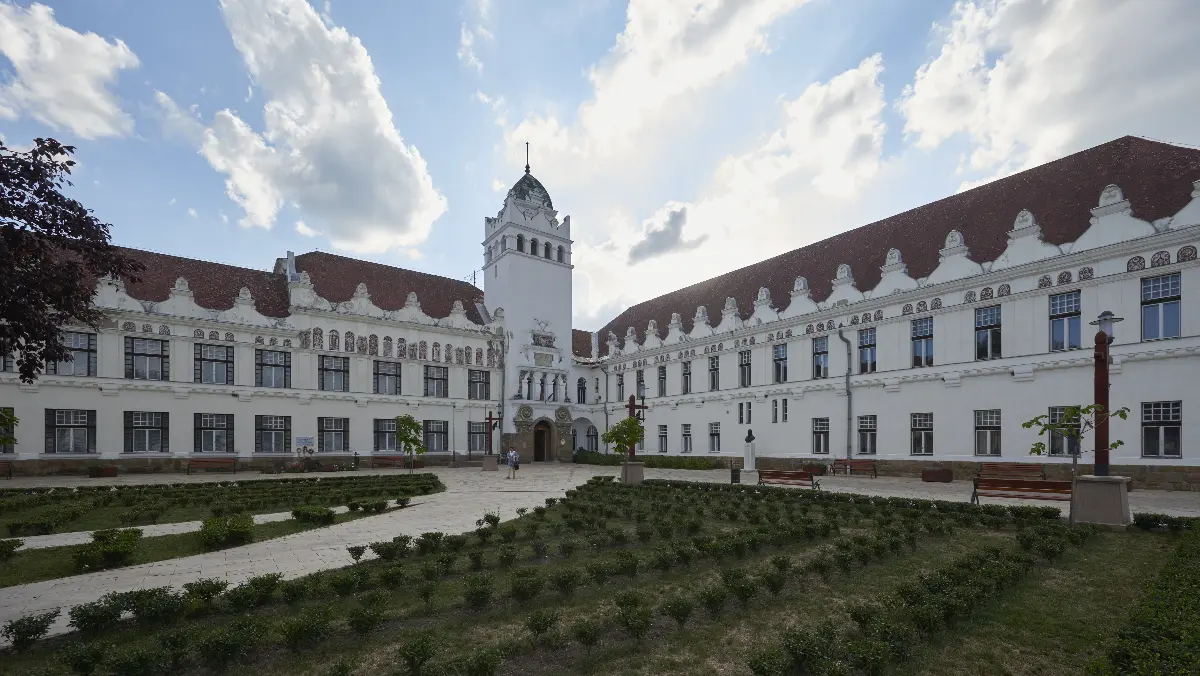
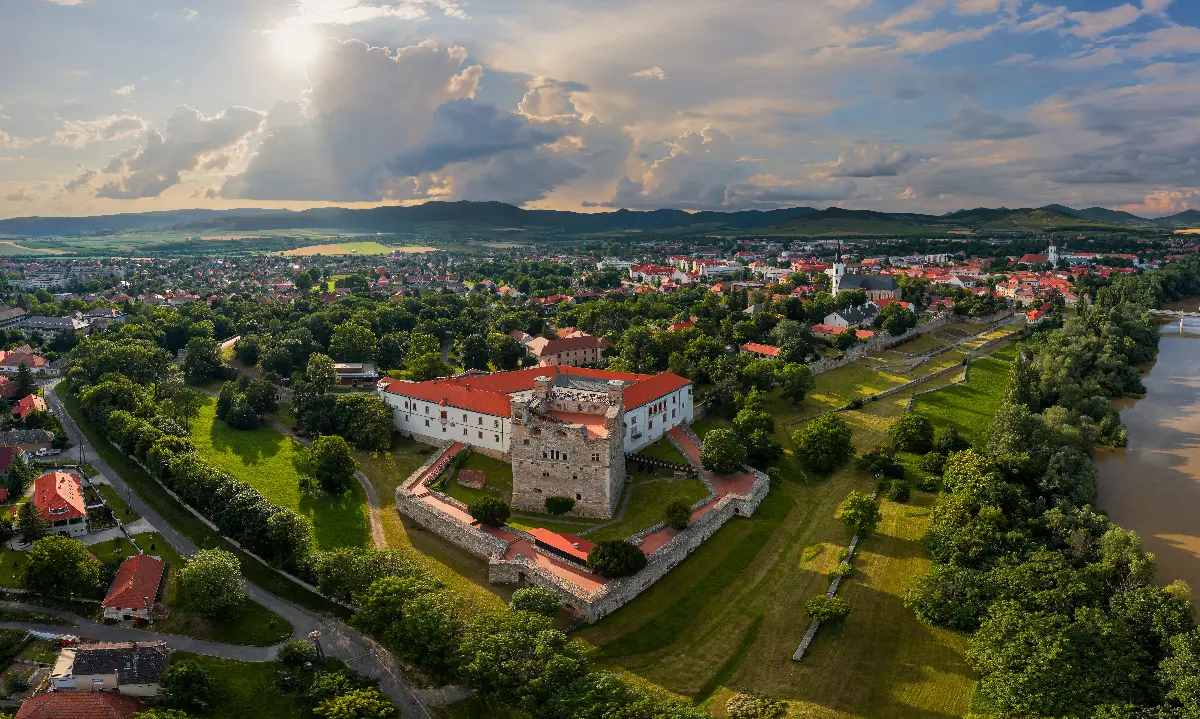
Sárospatak is a stronghold of Hungarian history and education. Its castle shows valuable medieval and Renaissance details. Its owners included the Dobó, Lorántffy, Pálóczy, Perényi, and Rákóczi families. We have information about its gardening past from the 1600s. Zsuzsanna Lorántffy, as a passionate gardener, sent her own pomegranates to Ferenc Rákóczi II during his exile in Turkey. The transformation of the castle garden into a landscape garden can be dated to the early 1800s. Romantic garden details were created using the medieval remains of the former castle, for example, the corner towers were transformed into artificial ruins covered in ivy, a lookout gloriette was built on the cannon hill, and the garden was decorated with statues, stone garden benches, bridges, and of course the usual plants of the time. The large Japanese acacias, huge white acacias, flowering ash trees, yews, oaks, and maples planted at that time can still be found today. When visiting Sárospatak, it is worth visiting the 7-hectare “school garden” founded in 1931, which includes the building of the former English and humanities boarding-school, today’s Kossuth and Erdélyi János College, as well as the country’s first gymnasium, which is still used by students according to its original function. Some of the old trees in the garden are from the old botanical garden. Many exotic species, ornamental trees, and ornamental shrubs can be seen here. The value of the garden is enhanced by the statues located in the park area, which commemorate the famous students of Patak.