Helyszín címkék:
Hungary awaits: The fabulous landscapes of the Crooked Country invite you to wander
Partner content
Castles, legends and sacredness
The Eresztvény Visitor Centre is located in a pleasant forest environment near Salgótarján, at the foot of the Medves mountain, on a vast basalt plateau in the northern part of Cserhát, where a playground, a forest gymnastics track, and a bird park await for the hikers. For those who would like to explore castle ruins, the castles of Salgó and Somoskő are also within easy reach.
Mátraverebély-Szentkút, one of the most important national shrines in our country, and its surroundings will amaze even those who do not visit it specifically for its sacred values.
The panorama in front of the centuries-old rock rooms of the fraters’ dwellings, the legend of Saint László's jumping in the narrow gorge valley, the crystal-clear water of the springs, and the telling stones and fossils are all part of the experience.
Nature trail, suspension bridge, ant railway
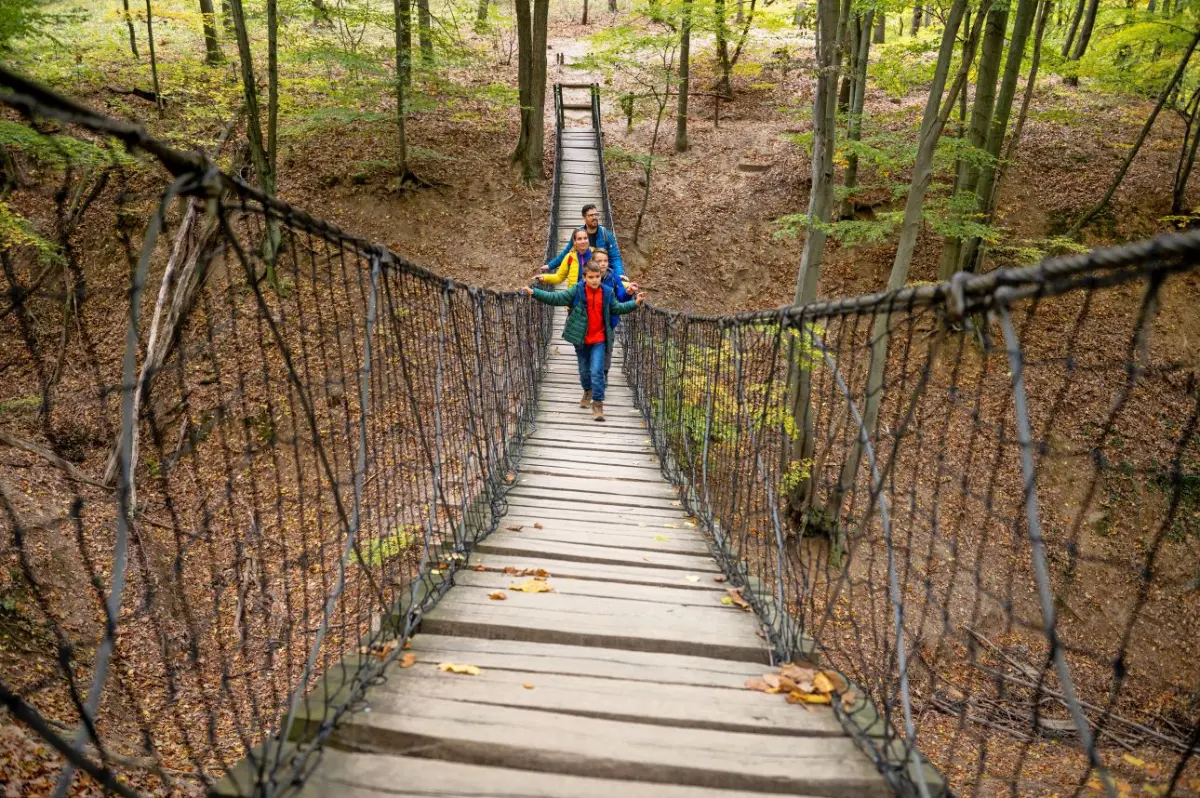
The almost 6-kilometre-long, easy but occasionally steep circular trail of the award-winning Gyadai nature trail can be completed in two to three hours. Along the way, the charming Lósi stream valley and the Gyadai meadow offer many exciting things to do, such as the swing bridge, the row of planks leading through the floodplain of the stream, or perhaps the most spectacular forest suspension bridge in the country. The Katalinpuszta Tourist Centre invites you to have a picnic, where you can take part in numerous family programmes. For the little ones, there is, for example, the Ant Railway, the wildlife park, or the “Become a little forester too!” nature trail for kindergarteners.
From the jewel box of Palóc Region to the Palm of God
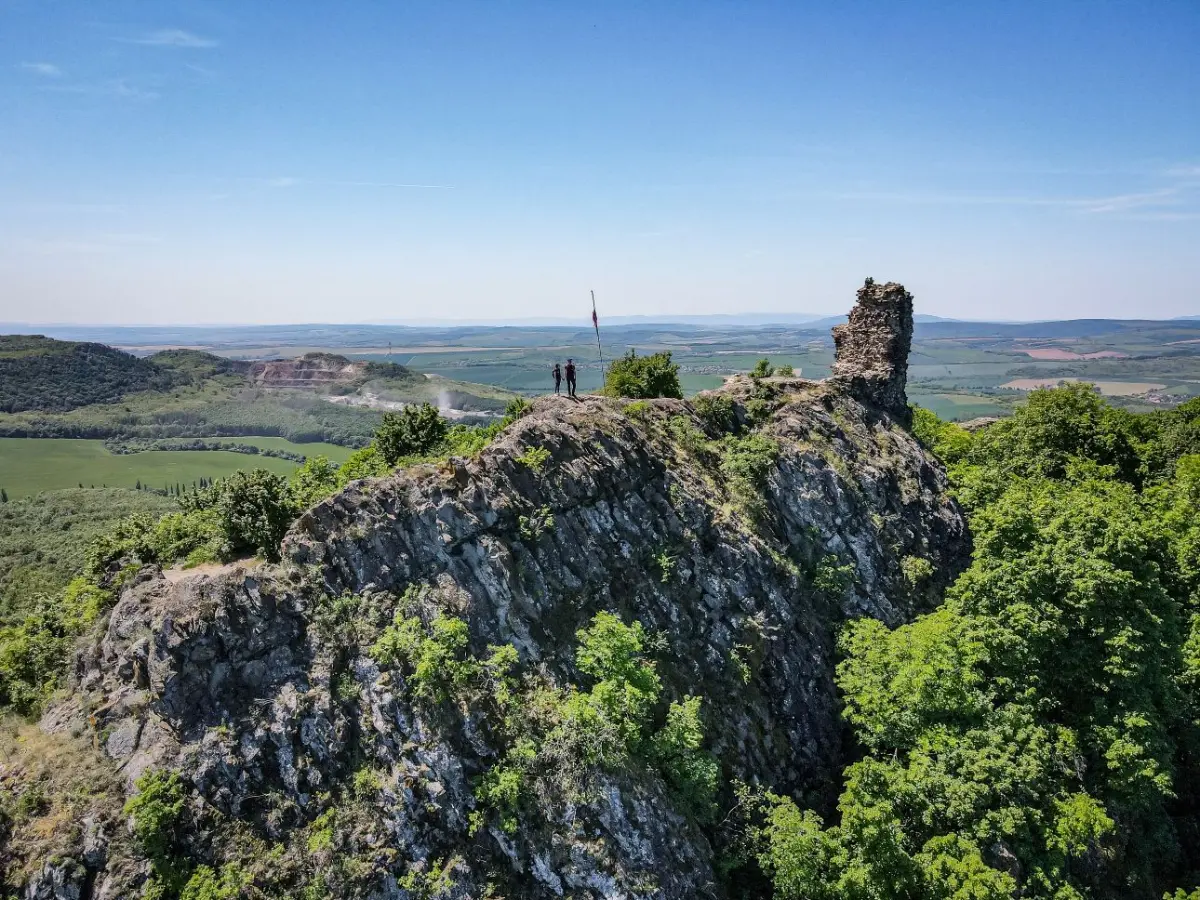
From the centre of the old village of Hollókő, which is part of the World Heritage Site, you can start on the charming steps and planks of the Kertekalja nature trail, touching the legendary castle ruins from the 13th century, which crown the idyllic landscape. Along the way, you can cross the largest wooden bridge in Cserhát and see the ruins of the former peasant bath.
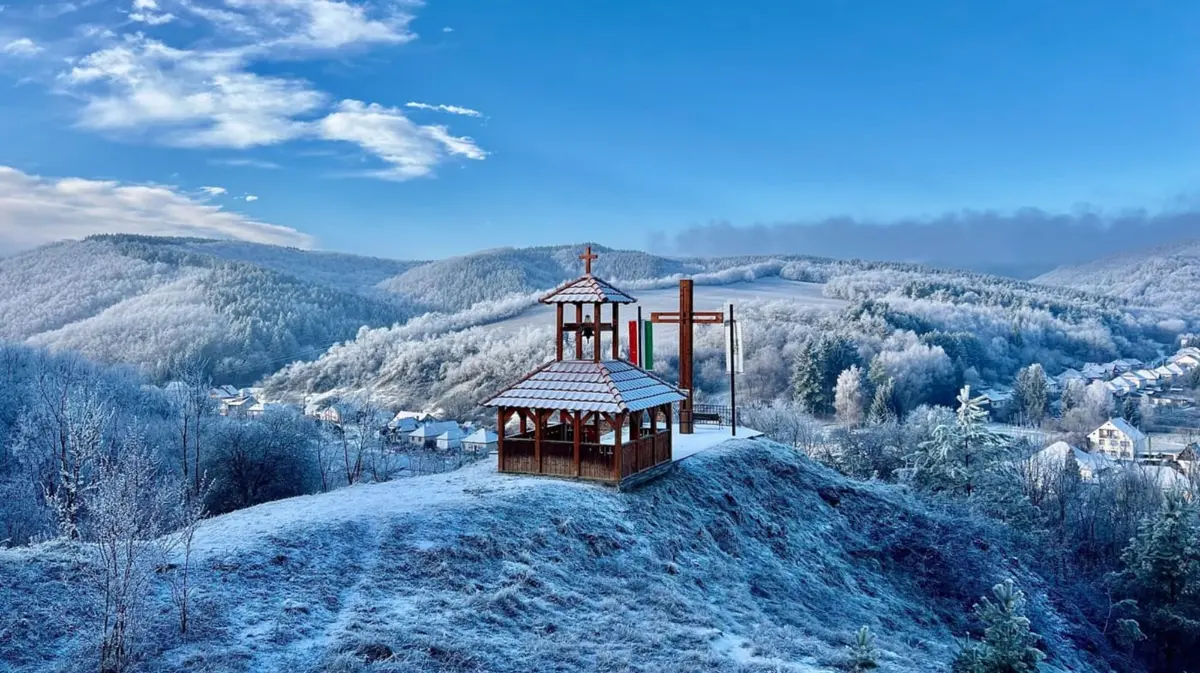
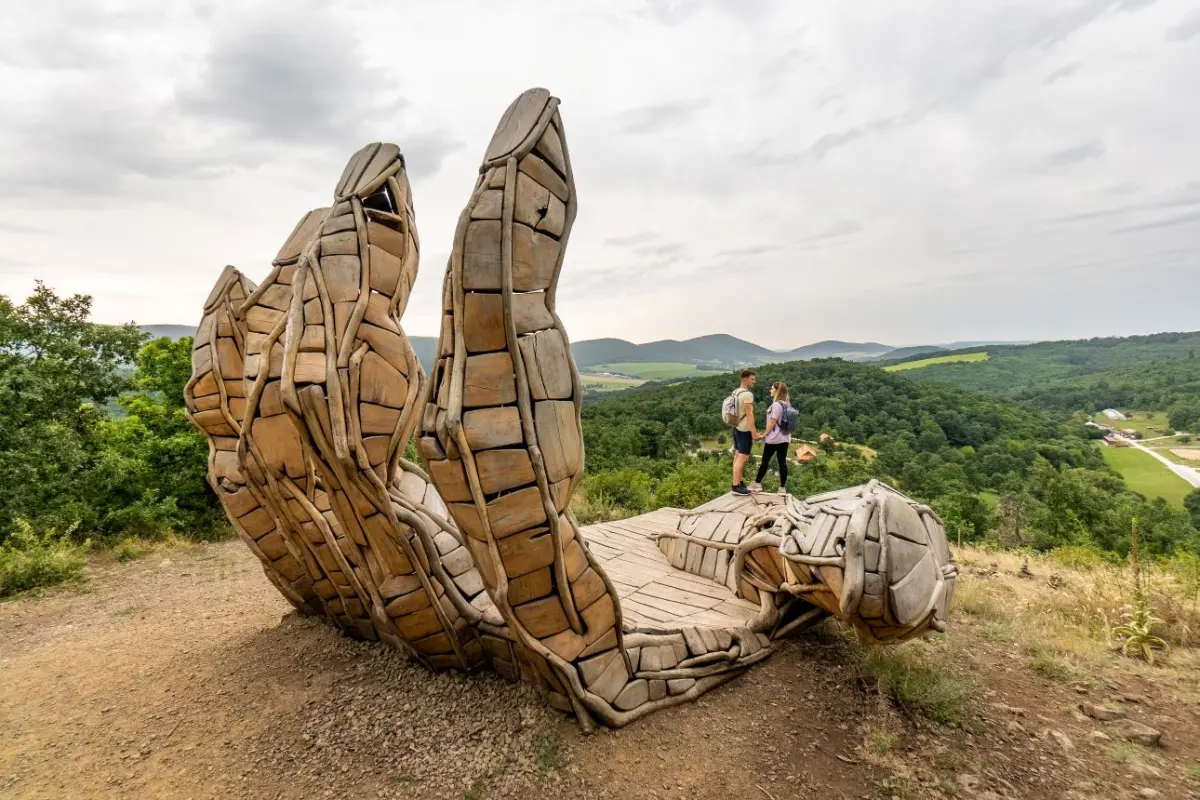
From the hilltop above the castle, a fabulous panorama opens up before you, the main character of which is the medieval fortress itself. You can climb to the new favourite of hikers, the Palm of God lookout tower, on Szárhegy above Felsőtold.
Standing on this wooden creation, it can truly seem as if you are looking down on the endless slopes of the Crooked Country from the hand of God.
Gastronomic experiences await
After a long walk, it will be good to replenish your energy, and the best thing you can do is try the local delicacies. You can eat potato dumplings with cottage cheese, bacon, sauerkraut, or fried onions, but what you really need on top is a lot of sour cream.
The snail-shaped sweet, the “ferentő”, is based on milk-loaf dough, which is poured with hot sugar water after baking, drizzled with honey, and eaten sprinkled with poppy seeds.
Palóc stew is a dish for true hikers, combining energy-rich ingredients that complement each other perfectly with a paprika cream and onion sauce, dill, and sour cream.
The “laska” is the burrito of the Palóc region, which is best made from old potatoes. It can be filled with (sheep) curd, fried bacon, fried onions, or those with a sweet tooth can spread it with jam.

Photos: Aktív Magyarország
The article was originally published in the Hungarian Tourism Association Foundation’s magazine titled Magyarország vár (‘Hungary awaits’’).