Helyszín címkék:
Wine, peace, Lake Balaton – Charming hiking trails among the vineyards of Lake Balaton
Kilár Boróka
What exactly will be covered?
Aszófő – Vineyards near the Tihany Peninsula
Pécsely – Zádorvár and the hills of the Balaton Uplands
Folly Arboretum and Badacsonyörs – Botanical rarities and volcanic wines
Badacsony – Basalt organs and historic wine cellars
Szent György Hill – Among chapels and basalt columns
1: Csopak – The home of Italian Riesling
1. Aszófő – Lanes in the neighbourhood of the Tihany Peninsula
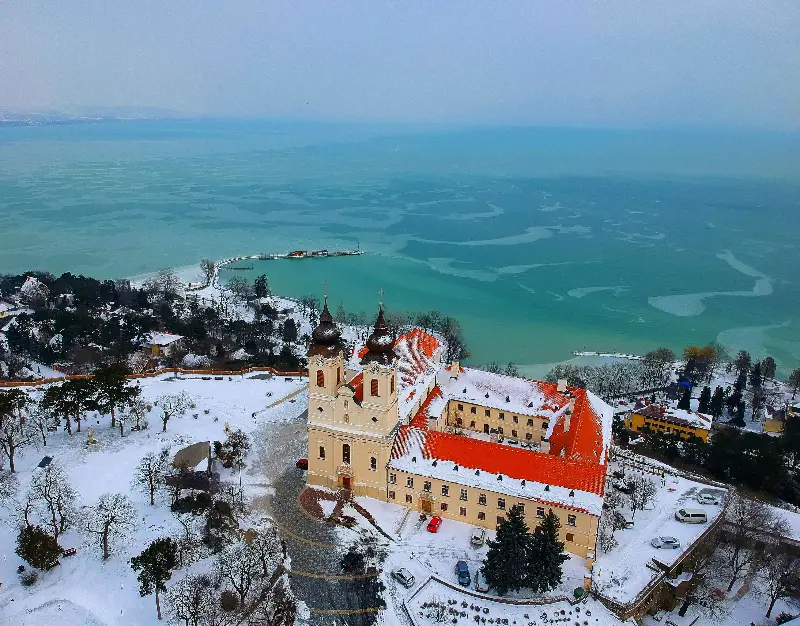
The name of Aszófő may be less well known, but the village’s quiet vineyards are well worth exploring. Starting from the church, we can begin our walk along charming houses built from local stone.
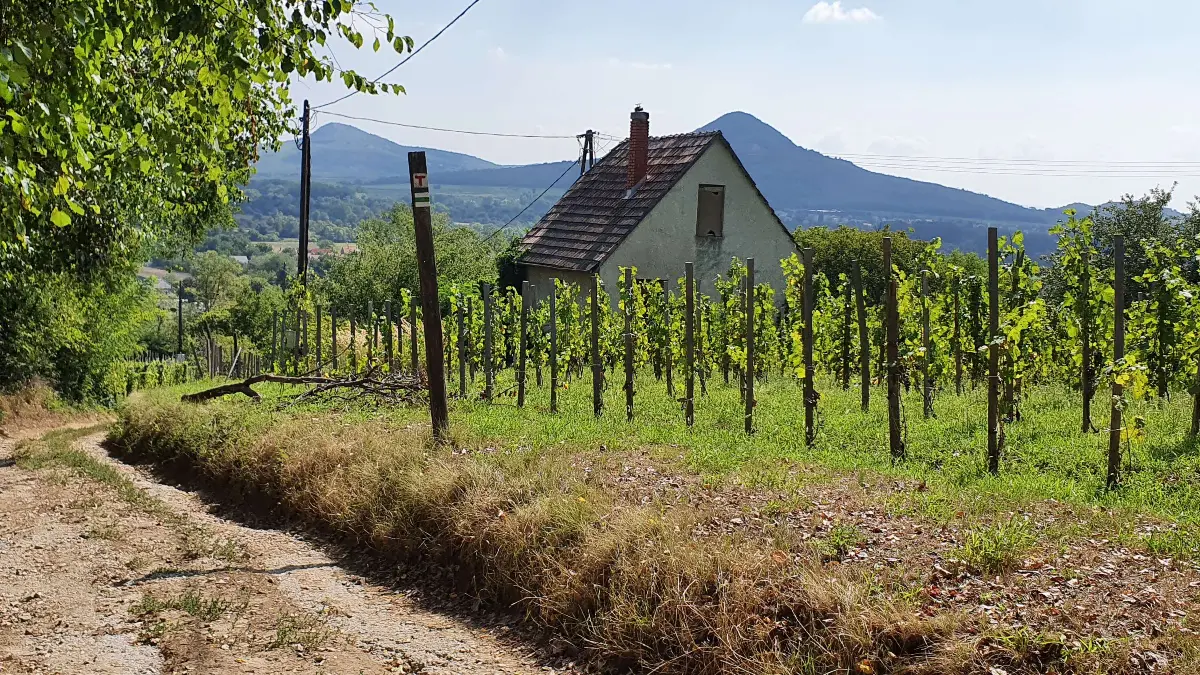
The national green trail leads to Vörösmáli lane, where the road winds its way between small cellars and wine press houses. The area is mainly home to small family wineries, so don’t expect to find any restaurants or cafés here. We recommend this route to those who are looking for true peace and quiet. We can climb up to Öreg-hegy (Old Hill) following the yellow markings. From the narrow, sometimes steep paths, we can see the Tihany Peninsula from a unique angle. Don’t expect loud signs or signals here – just go wherever you feel like going!
On the way back, it is worth stopping at the Kövesd church ruins: after the railway crossing, turn right and follow the dirt road to reach it. At the end of the walk, relax at the Nagyi Kertje Teaház és Étterem (Grandma’s Garden Tea House and Restaurant), or pop into the Aszófői Halsütő (Fish Fryer of Aszófő)!
2. Pécsely – Zádorvár and the hills of the Balaton Uplands
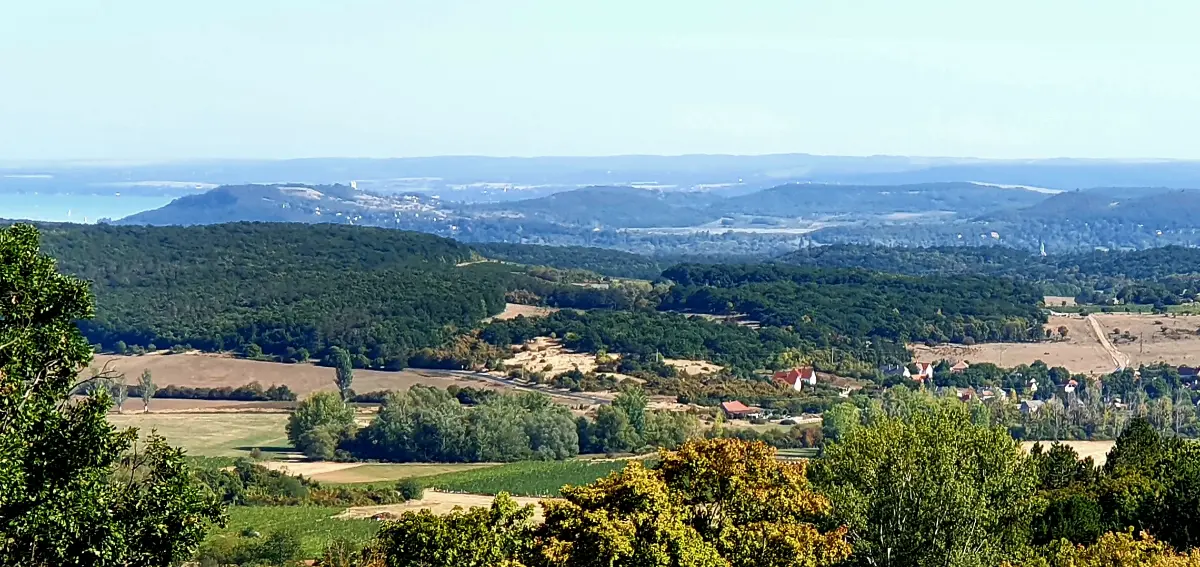
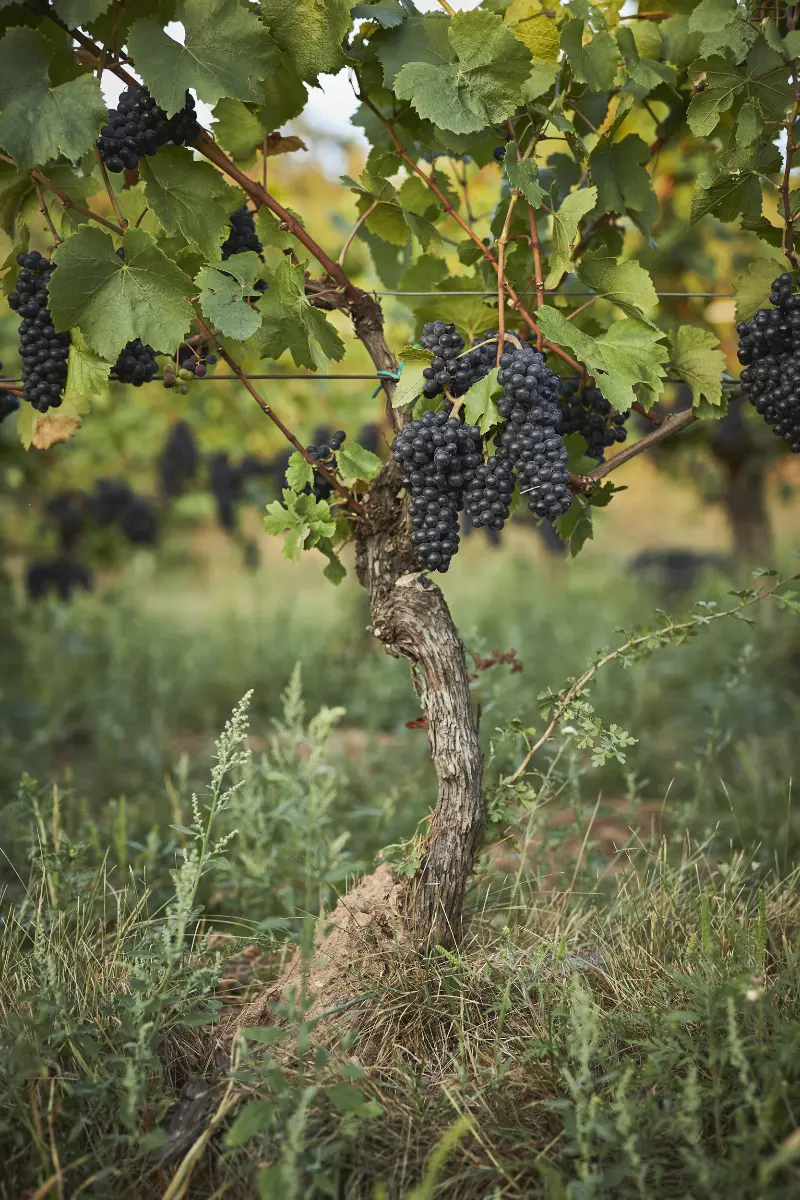
North of Balatonfüred, in the picturesque Pécsely Basin, lies Pécsely, a popular destination in the Balaton Uplands National Park. The village is part of the Balatonfüred–Csopak wine region; the hillsides mainly produce Riesling Italian, Chardonnay, and Blaufränkisch grapes. Due to the limestone-marl soil and the proximity of the lake, the wines produced in this region are well-balanced and distinctive.
The remains of the 13th-century Zádorvár Castle stand above the village. You can reach the mountain by following the red or blue L signs. Along the way, we pass old wine press houses and small wineries. Here, it is clear that wine culture is still a living tradition in the region. The medieval fortress was built in a strategic location: on a clear day, you can see all the way to the southern shore of Lake Balaton from the southern wall of the castle. In the summer heat, we can also take a break at the Séd spring, also known as the Zádor well, which has played an important role in supplying water to the area for centuries. The hilly terrain is moderately difficult; the hike takes about 2–3 hours there and back.
3. The Folly Arboretum and Badacsonyörs – Botanical rarities and volcanic wines
Badacsonytomaj is part of the Badacsony wine region, one of Hungary’s most famous historical wine regions. The volcanic basalt soil of the Tanúhegyek (Witness Mountains) gives the wines a unique minerality, especially the Kéknyelű (Blaustängler), Szürkebarát (Pinot Gris), and Olaszrizling (Riesling Italian) varieties.
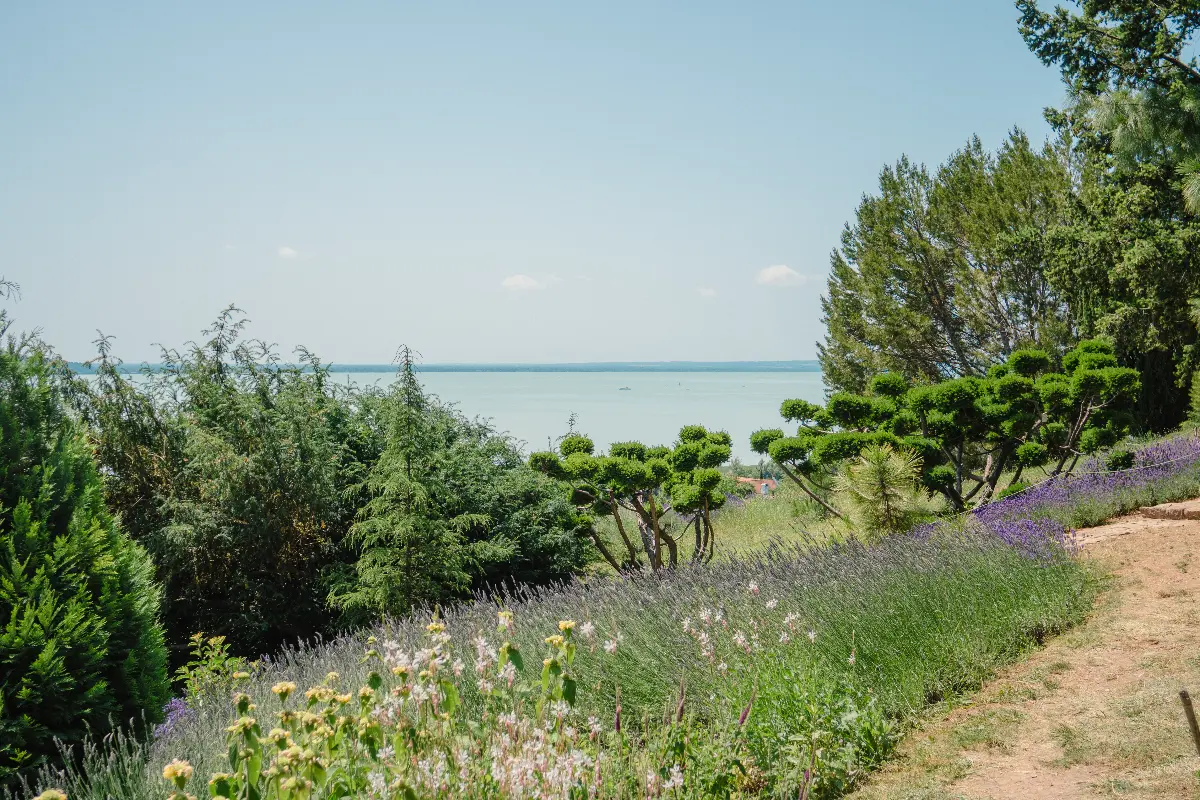
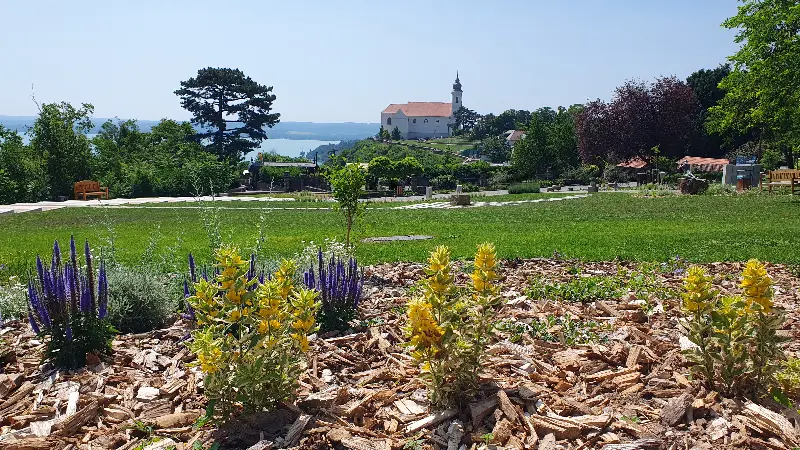
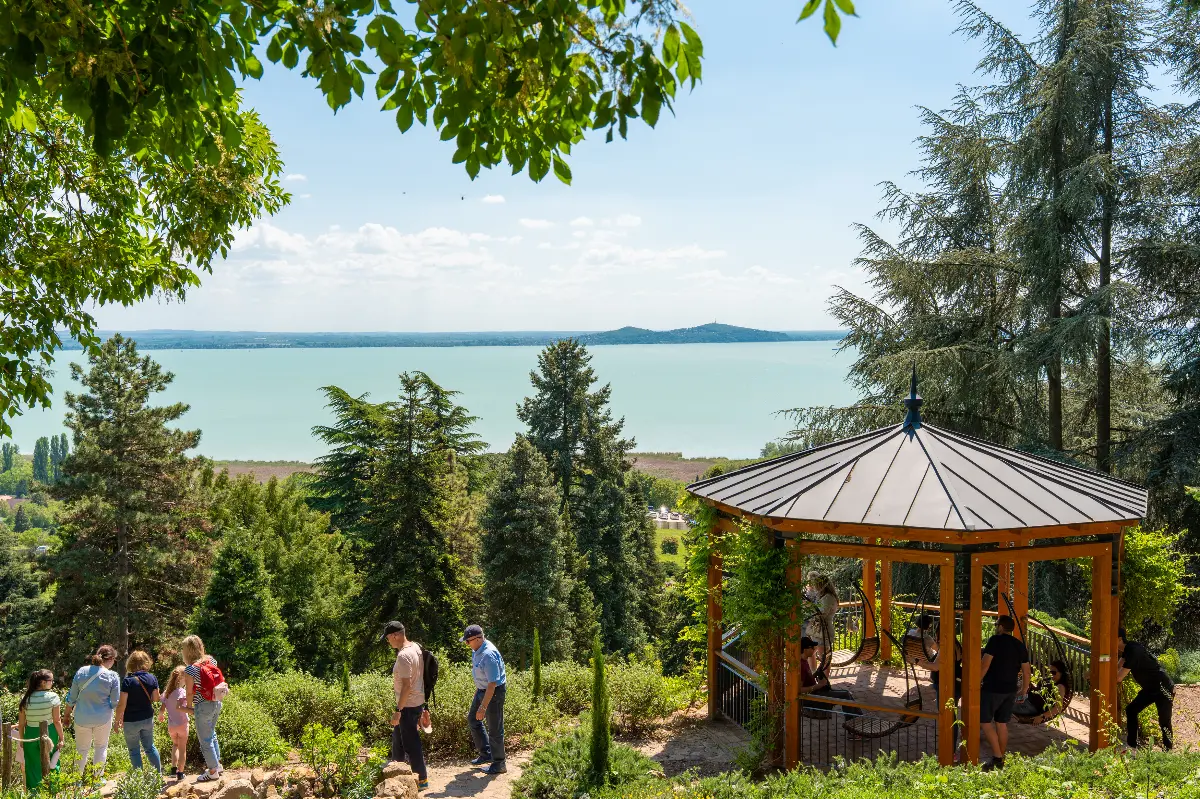
The town is home to the renowned Folly Arboretum, founded in 1905 by Dr. Gyula Folly. Starting from the Badacsonyörs railway station, you can reach this spot via Kápolnavölgyi Road, passing through charming vineyards. Admire the arboretum’s unique collection of cedars and cypresses, climb up to the Folly Lookout Tower, and enjoy the view of Lake Balaton and the surrounding vineyards from the hillside! There is also a winery and restaurant on the grounds of the arboretum, so at the end of your walk, you can relax with a glass of local wine or a light lunch.
4. Badacsony – Basalt organs and historic wine cellars
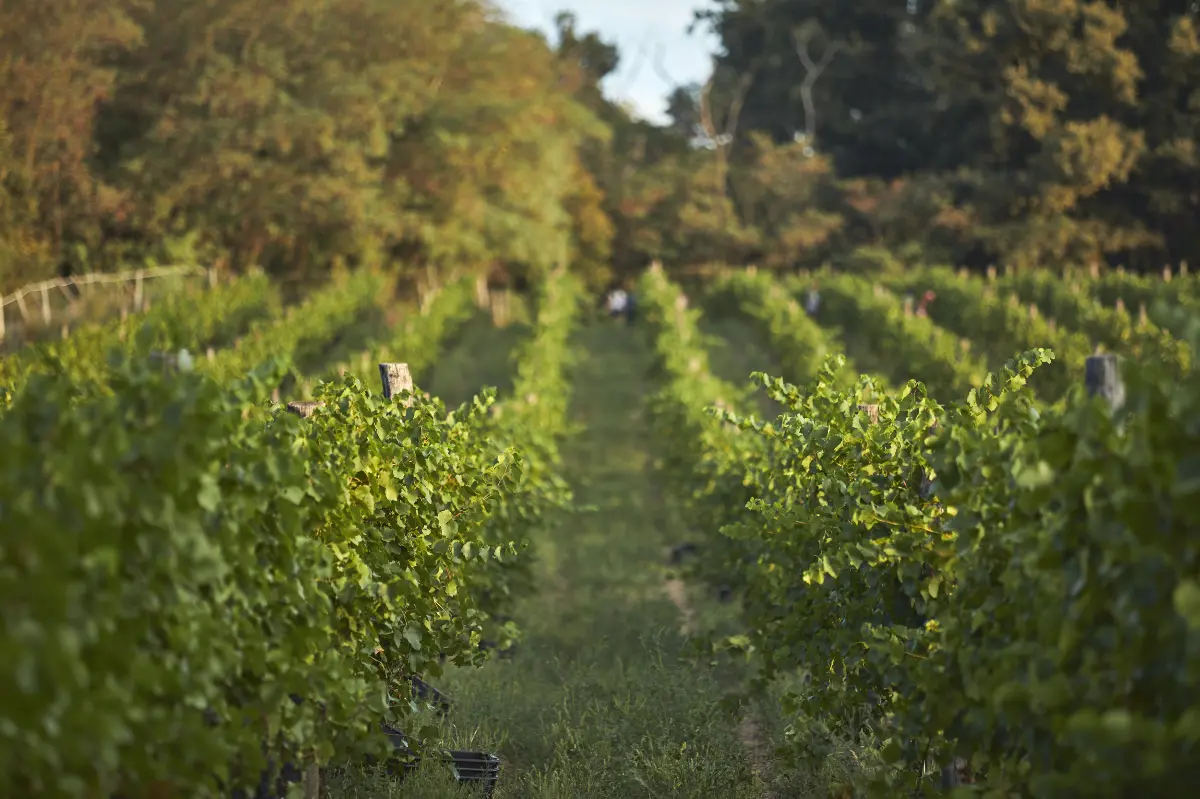
The iconic mountain on the northern shore of Lake Balaton is Badacsony, which is 437 meters high. Its volcanic basalt organs enjoy national protection. Viticulture on the hillside dates back centuries. In the 18th and 19th centuries, Badacsony wines were already renowned throughout the country. The basalt soil and sunny location are particularly favourable for white grape varieties; for instance, Badacsonyi Kéknyelű is still considered a rarity today.
There are various hiking opportunities along the rows of wine cellars stretching along the southern side of the mountain. Our destination could be the famous Rózsakő (Rose Stone) or the Kisfaludy lookout tower towering atop the mountain. This area is more bustling, as the wineries here are visited by many people.
To explore the quieter side of the mountain, it is worth setting off from Badacsonytördemic, on the national Blue Trail route. The length and difficulty of the tour can be adjusted flexibly. We can take a short walk among the vineyards, or climb up Rodostó and Újhegy streets to the Bujdosók lépcsője (‘the Stairs of Refugees’). A 464-step staircase leads up to the Tördemic lookout tower, from where you can see the surrounding area. From here, you can continue your hike to the Ranolder Cross or the József Egry Lookout Tower, then return to your starting point on the southern side of the mountain towards Badacsony. On the way, we can stop at a couple of wineries, or at the end of the tour, we can visit the Skizo Wine House in Badacsonytördemic.
5. St. George’s Hill – Among chapels and basalt columns
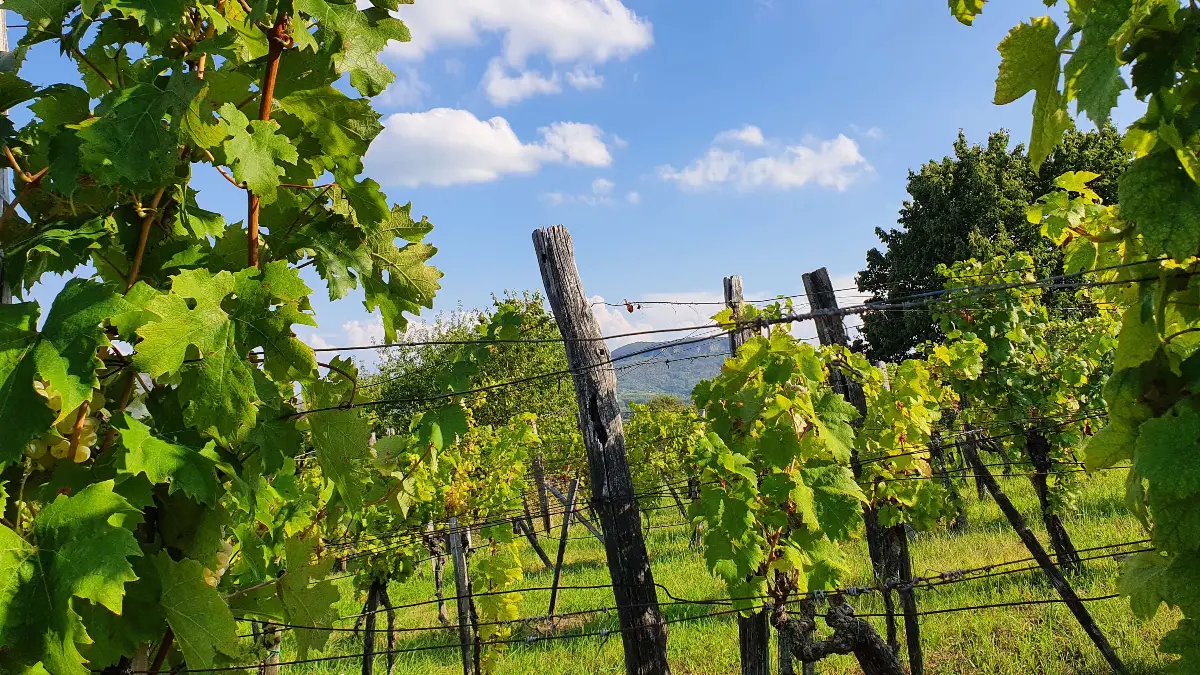
Szent György-hegy (St. George’s Hill) is a distinctive landmark in the Tapolca Basin and also part of the Badacsony wine region. Its vineyards mainly produce Riesling Italian, Riesling de Rhin, and the rare Blaufränkisch. Thanks to the basalt soil and sunny location, these wines also have a special, unique character. Viticulture is practiced on more than 500 hectares in the region, based on traditions dating back centuries.
Thanks to volcanic activity 3 million years ago, we can discover wonderful geological formations in the area. Basalt columns are considered a true geological rarity. There are several valuable architectural monuments among the fields, including the Lengyel-kápolna (‘Polish Chapel’), which is well worth a visit. Keep in mind that conquering the mountain is not an easy task, so comfortable hiking boots, plenty of water, and sun protection are recommended in summer.
The length and difficulty of the tours vary: the options range from short walks to 8–12-kilometer circular tours. The starting point could be the Polish Chapel on the southern side of the mountain, at the edge of the vineyards, but the route from Kisapáti is also spectacular, where you can climb the mountain on a steep slope between the rows of vines.
1: Csopak – The home of Riesling Italian
The name of Csopak is closely linked to Riesling Italian. As one of the central settlements of the Balatonfüred–Csopak wine region, local winemakers introduced their own system of rules for protecting the origin of their wines, known as the csopaki kódex (Csopak Code). The strict regulations serve to preserve the quality of the wines in the long term.
Walking along the dirt roads leading from the village to Paloznak, past almond trees and picturesque panoramic viewpoints, you can reach the border of the next village. On the way, we pass by the former romantic castle of János Ranolder, Bishop of Veszprém; the vineyards of Csopak once belonged to his estate, and he did much to enhance their reputation. Following the national Blue Trail sign, we can climb up to the Csákány Hill lookout tower.
If you fancy a longer hike, you can set off along the Blue Trail towards Balatonfüred and walk to the charming Koloska Valley. The road winds through varied landscapes: between holiday homes and neat rows of vines, through wooded sections, we reach the valley of the Koloska Stream.
It is worth ending an eventful day at one of the local wineries, such as the wine terrace at the Jásdi Cellar.