Helyszín címkék:
Journey in Time and Space in the Traces of Wind and Watermills
Kovács Kata
What will we be covering?
- Windmills and watermills that once formed part of the hungarian landscape
- Remnants of the ancient craft of millers across hungary
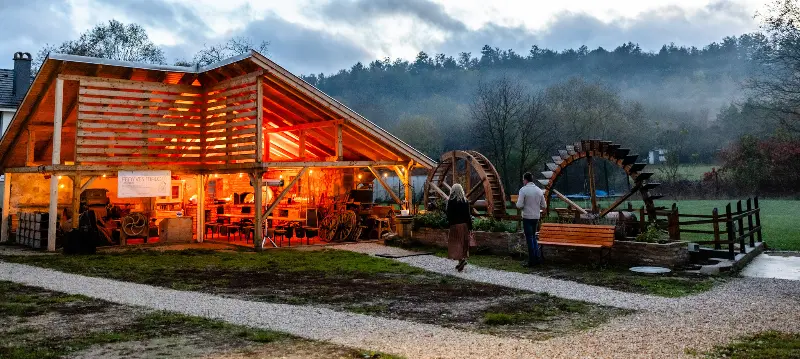
Although most of the mills in Hungary fell victim to the storms of time, it’s still possible to find buildings today that are standing in their original place and would be able to provide their original function even right now. Wind and watermills once were part of the view of Hungarian landscapes, and were important sites of the everyday life of settlements. In the 19th century more than ten thousand mills were kept account of in the country. However, industrial development did not leave this field untouched either. In the past two hundred years hundreds of milling structures vanished. However, some of them could be preserved; they can be admired in their untouched splendour, in eye-catching environment.
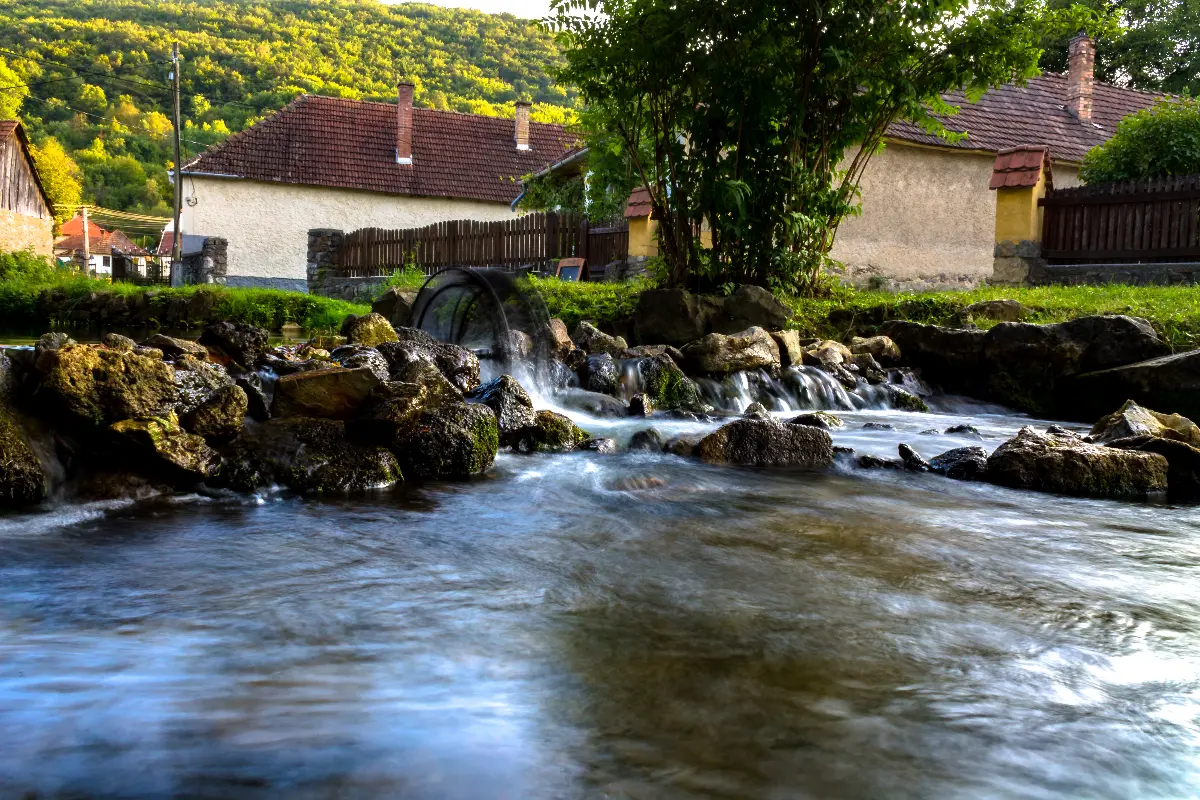
The devout miller grinds even at night
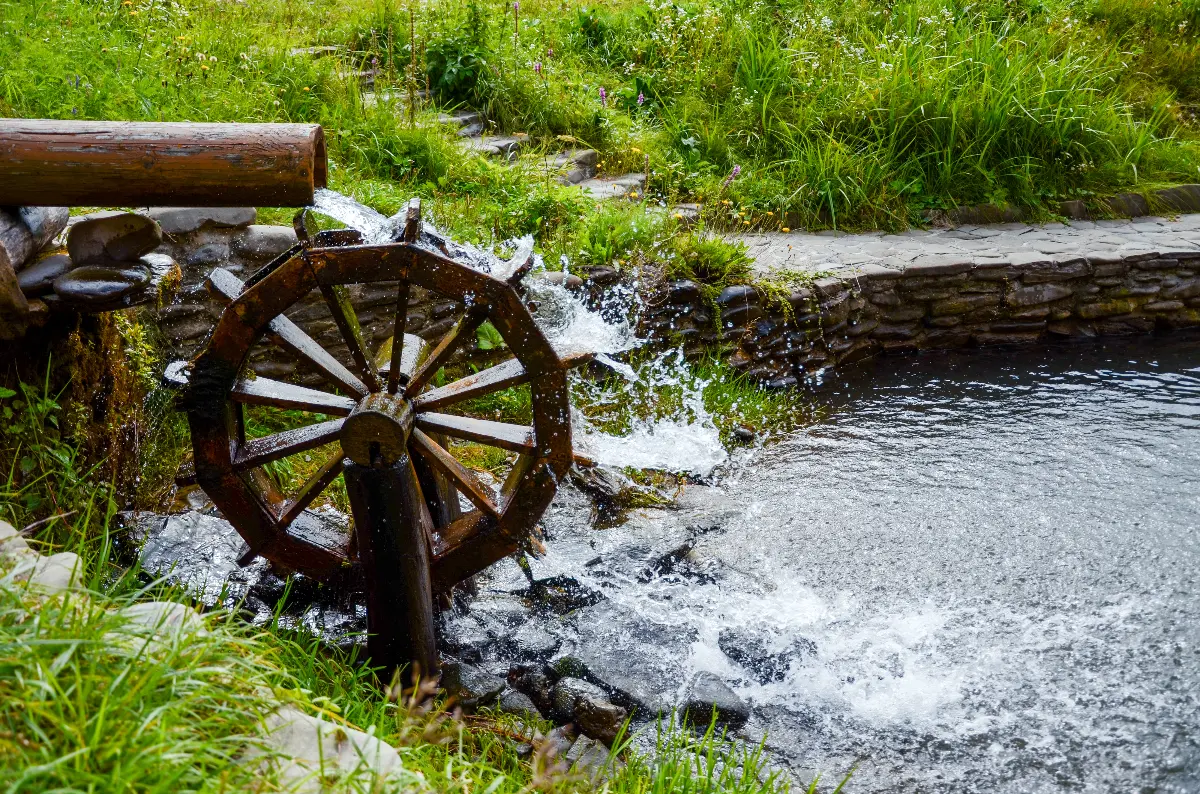
We may find precious mills in every part of Hungary, in the Transdanubia, the Great Hungarian Plain, in the mountains and along rapid water streams. They have one thing in common: all of them are memories of the ancient craft of millers. Mills are complex and at the same time amazing structures, which due to the versatile knowledge of millers prepared valuable flour from the grains of wheat. Millers also continuously maintained and repaired the mechanics ensuring grinding. The profession provided a good standard of living to the millers since the Middle Ages. In the Western territories of Hungary watermills were more popular and they had an important role in the life of communities. The size and the appearance of watermills were obviously determined by the energy providing watercourses. At the end of the 19th century thousands of stream mills and boat mills grinded in Hungary. The great advantage of the latter was that being a mobile structure, its position could be easily changed adapting to the flow of water. The structure was fixed on a boat, and they docked it at the highest current section of the river.
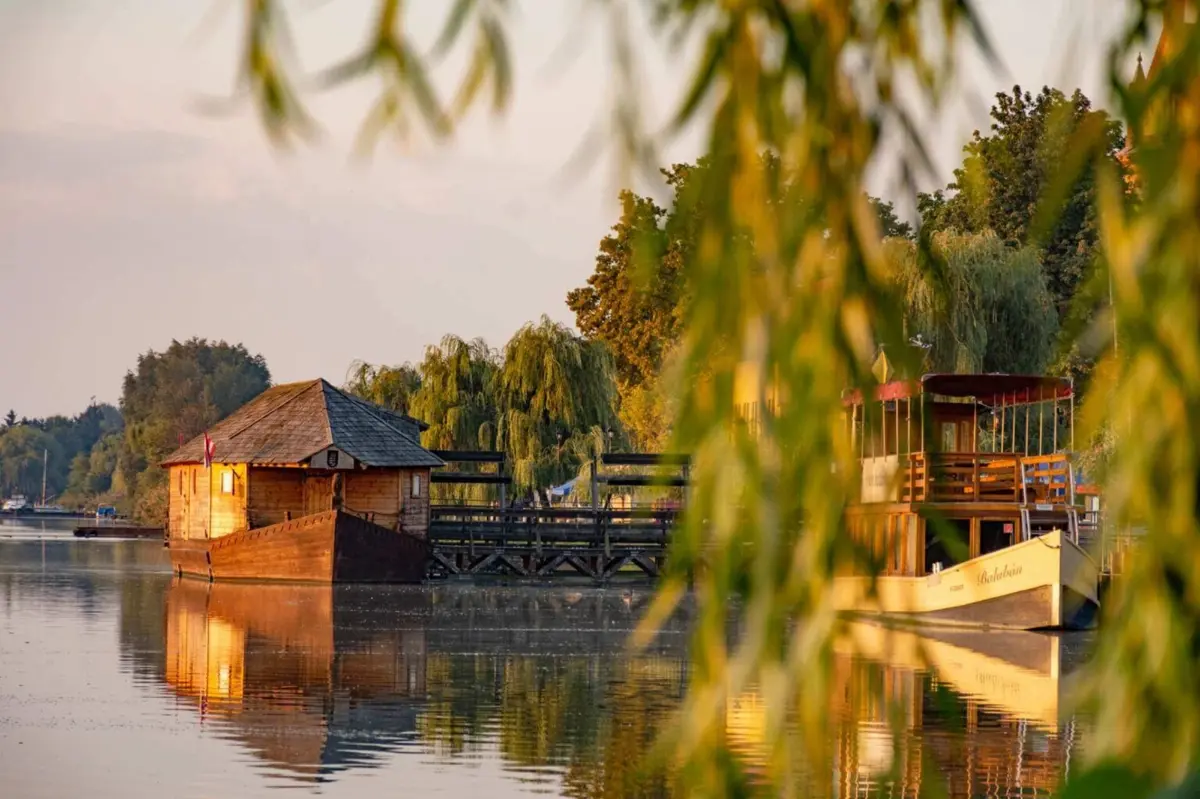
Luckily anyone see even today how such a structure looked like, as in Ráckeve visitors are welcome in the mill on the Danube.
Constant wind direction and wind speed are not typical of Hungary’s weather, therefore it’s understandable that windmills – following the Dutch model – started to spread only after the 17th century. The constructions provided with huge paddles and sails were built mostly in the regions of the Great Hungarian Plain and the Danube–Tisza Interfluve. Here millers had the most work in April, in the capricious moth millstones were grinding day and night.
An exemplary complex in the “City of Waters”
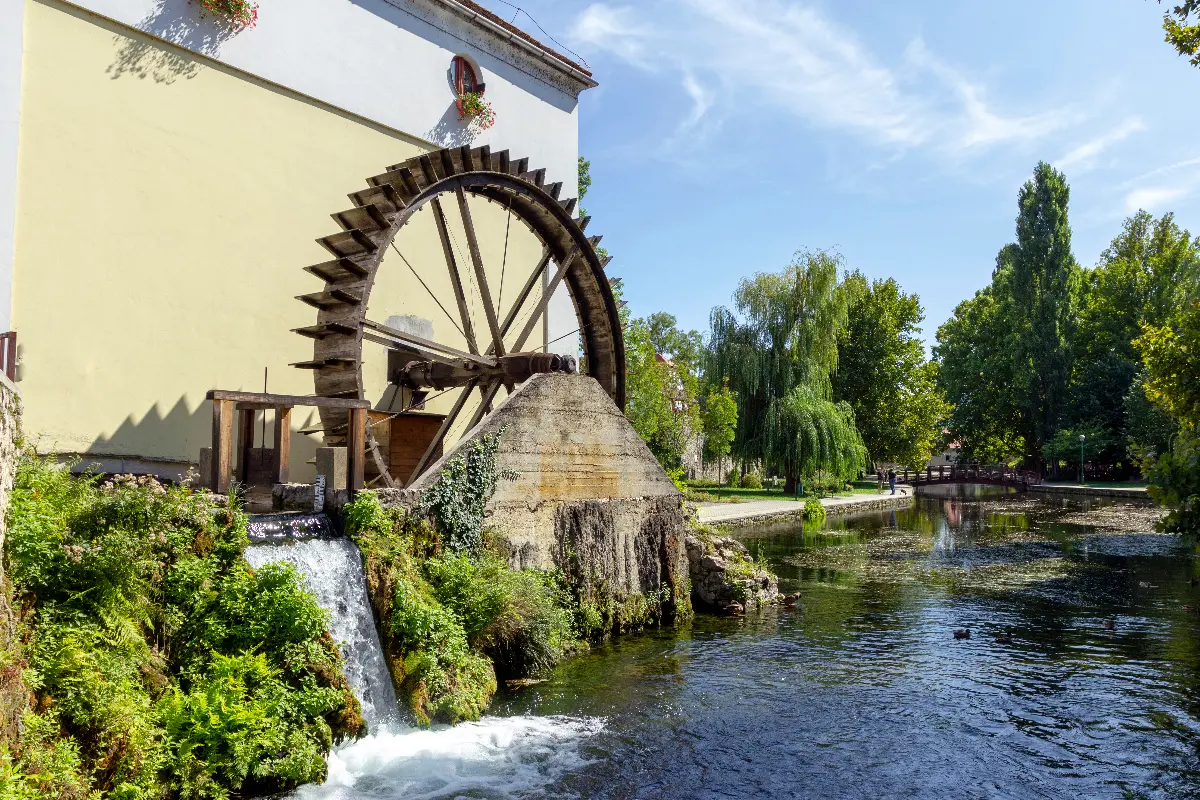
Tata, known as the “City of Waters,” can be a particularly exciting stop on a mill-exploring journey. Here, in the early 1830s, a total of 15 mills were in operation, and remnants of them can still be seen today. But it’s not just the mills that make wonderful Tata interesting: its built heritage, the Old Lake (Öreg-tó) and its wildlife, the lakeside promenades, the medieval castle, and the Esterházy Palace all combine to make this town one of the most charming in the country. A key player in the region is Platán Tata, led by Vivien Varga, and its affiliated entities, which are closely connected to the town’s historical and natural environment.
“It has never been a secret that we want to do good, that we want to preserve the wonderful natural treasures and the Baroque cultural and built heritage around us,”
- says Vivien.
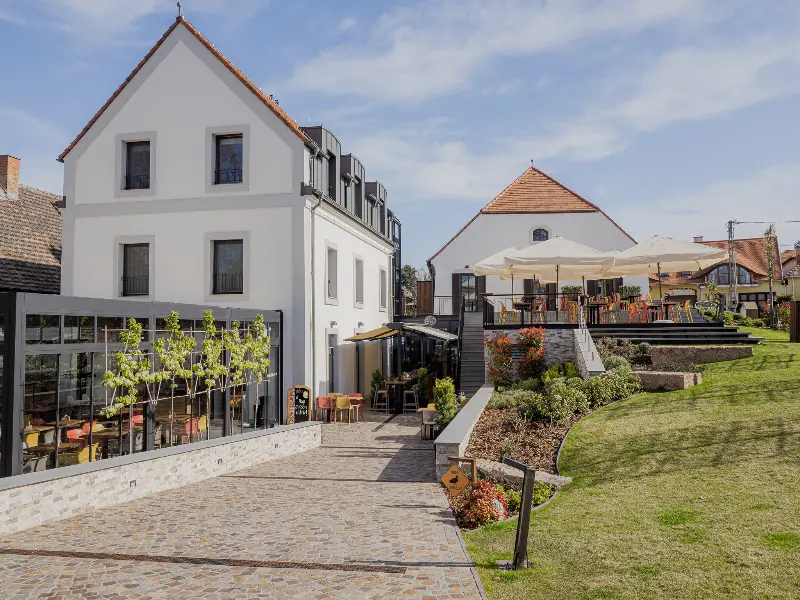
A prime example of historical preservation in Tata is the Platán Manor House and the Mirror Spa, built in the castle moat. In the case of the accommodation and wellness facilities, the medieval spaces have been given a new function while retaining their original character. The Platán Bakery and Platán Street are closely linked to the world of mills and breadmaking, as the building complex already functioned as a bakery in the 1800s. Today’s operations thus naturally connect to Tata’s past, to grain milling, and to the heritage of old crafts. The bakery, located next to the shop, supplies fresh bread and baked goods daily to the accommodations and to the MICHELIN Bib Gourmand-rated Platán Bistro, situated on the lakeshore.
The windmills of Tés preserve the memories of old times
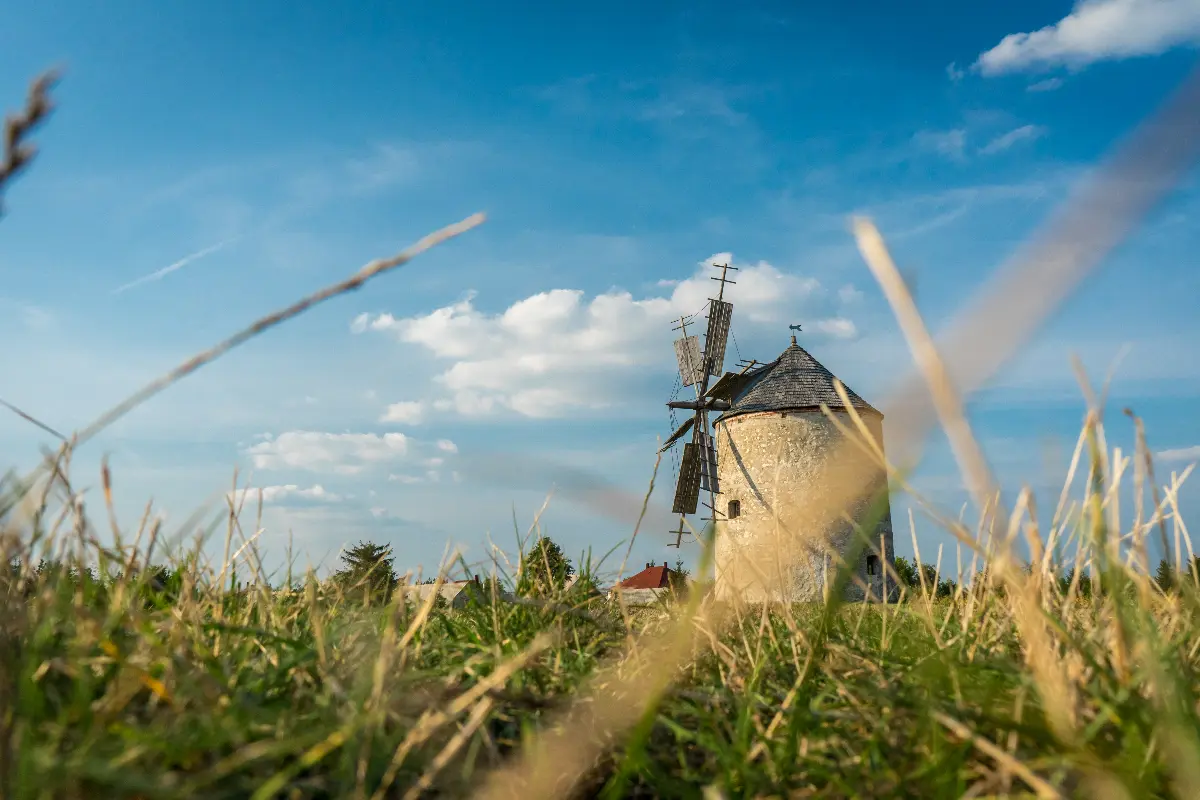
In the Bakony Plateau once four mills grinded the wheat, today only two of them show that millers had a lot to do in the windy zone. The building covered with wood shingles still attract many visitors, surrounded by wheat fields they look like postcards. The mill can be opened with a heavy and big key, inside former millstones and huge wooden gearwheels are remembering the past. From the top of the windmill we can have a bird’s-eye view of the landscape, exactly from the point where millers in the past could monitor the arrival of carriages filled with wheat and corn.
Romantic river works in the watermill in Túristvándi
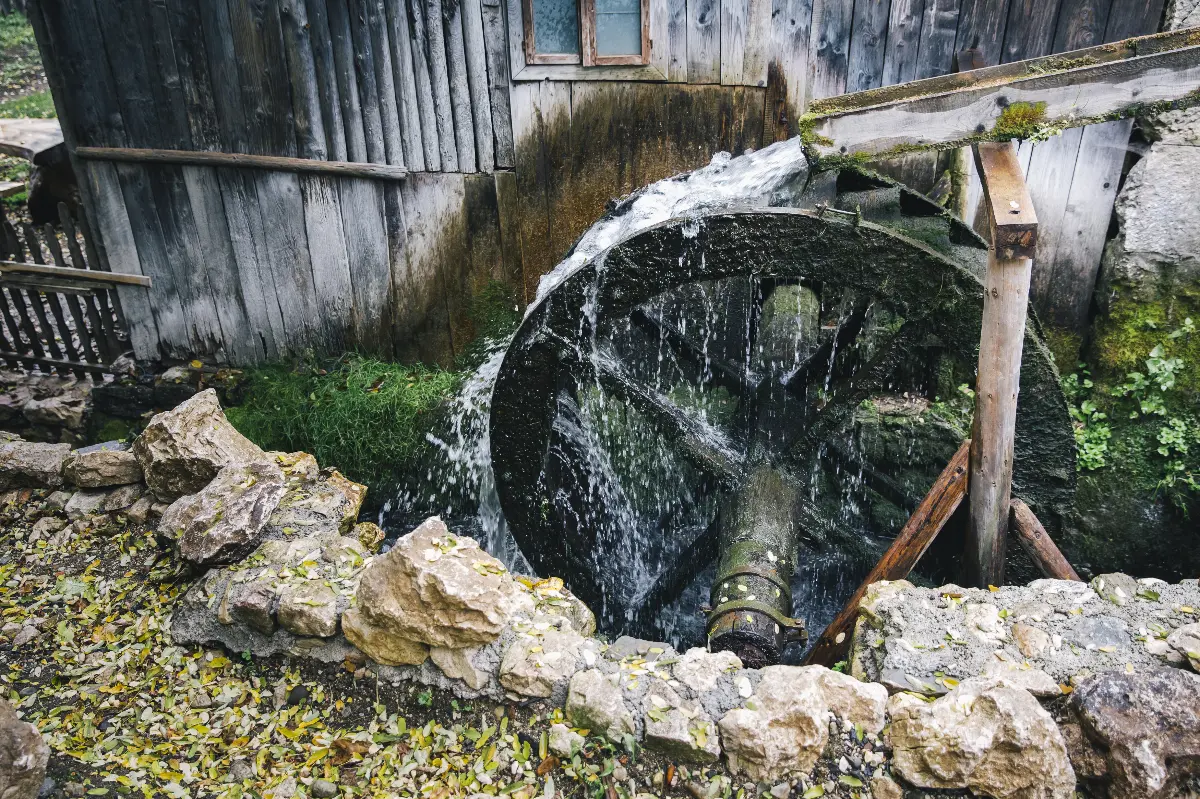
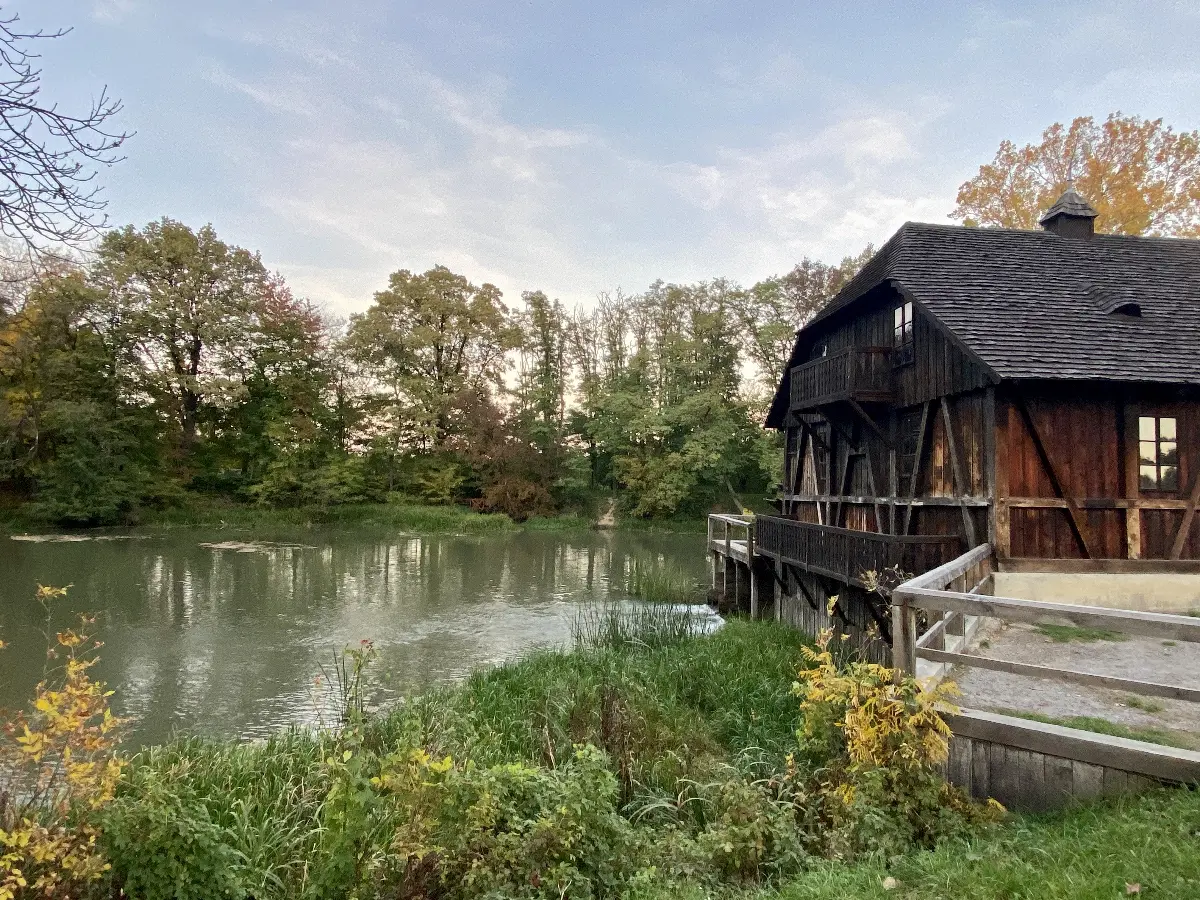
The centuries of turbulent history left hardly a trace on the wooden building. Walking on the terraces built around the mill we feel as if we were floating on the water of river Old Túr. The river gently flowing in the North Eastern corner of the country moved the mill’s water wheels from the end of the 1700s. The monument located in beautiful surroundings is the great pride of the region, it is unique in all Europe. The structure located in its spacious and bright interior is functional to this day, and on a special request it is also set in motion which makes a trip to Túristvándi really memorable.
The windmill in Kengyel rises above Baghymajor
The fabulous building is on top of a Cuman mound, its silhouette can be seen from a distance. The mill built in the middle of the 19th century is a monument today, stepping inside feels like time has stopped. At the sight of the impressive wooden structures we might have a strange feeling, and we can almost see the bags filled with grains, the creaking stairs covered in flour, thus the busy days of the ancient windmill. The blue water of the fishpond behind the building completes the panorama. The area is home to several bird species, so make sure to take a telescope with you.