Helyszín címkék:
The history of Hungarian cheese-making and cheese-making workshops across the country
Kata Kincső Bárdos
The article reveals:
- How the history of Hungarian cheese-making has evolved from medieval pastoral culture to the present day
- What role foreign master cheesemakers and domestic dairy farms played in the development of cheese culture
- Where to find exciting cheese workshops and familiar manufactories across the country
From shepherds to master cheesemakers
Although our ancestors were already familiar with milk processing before the Hungarian conquest, cheese-making as we know it today only gradually became widespread in Hungary. Medieval pastoral communities primarily made cheese from sheep’s milk, whilst the range of varieties was enriched by the ethnic groups that settled in the region. From the 13th century onwards, German settlers arriving to Upper Hungary also contributed to the development of cow’s milk processing, and cheese eventually became an important commercial product.
From the end of the 18th century, an increasing number of manorial dairy farms engaged in regular milk processing. Initially, Swiss and Italian masters played a decisive role in cheese-making; this is the origin of the term ‘svájcéria’, used to denote dairy farms. Dairy cooperatives emerged in the 19th century, and by the turn of the century, smaller dairies and private enterprises had also become involved in production. It was around this time that Hungarian cheese varieties such as Óvári and Ilmici were first produced.
Industrialisation in the 20th century and the spread of large-scale dairy processing fundamentally transformed the sector; however, in recent decades, smaller cheese workshops have once again come to the fore. Today’s Hungarian cheese culture extends far beyond the traditional Gomolya and Trappist varieties: we can now find long-matured, herb-flavoured, soft and uniquely rinded cheeses, often available directly from the producers.
Cheese workshops from Lake Balaton to Lake Tisza
The Tekeresvölgyi Family Estate is based in Nemesvámos, near Veszprém, where artisan dairy products have been produced since 2008. The family farm processes milk from its own Hungarian Fleckvieh cows, and the specialities of their range are the long-matured semi-hard cheeses. Alongside the distinctive Matuzsálem and the creamier Rusztik, you can also find spiced varieties. The estate also offers visitors a taste of rural life and accommodation options.

In the Etyek wine region, wine and cheese make a superb pairing. The Hegedűs Cheese Workshop is a family-run artisan cheese-maker specialising in matured cow’s-milk cheeses; its range includes Comté, Camembert and Rouge-style cheeses. At the estate in Újhegy, by booking in advance, you can take part in cheese tastings, live cheese-making demonstrations, butter churning and even a raclette party, whilst also getting a glimpse inside the maturing cellar.
The Csíz Cheese Workshop, located in Baracska in Fejér County, offers a wide range of delicacies, from fresh, herb-flavoured cheese balls and parenyica to matured Gouda-style cheeses. The products of this cheese-making business, which has enjoyed success at both domestic and international cheese competitions, can be purchased at the workshop in Baracska and at the farmers’ market in Biatorbágy, or ordered for nationwide home delivery.
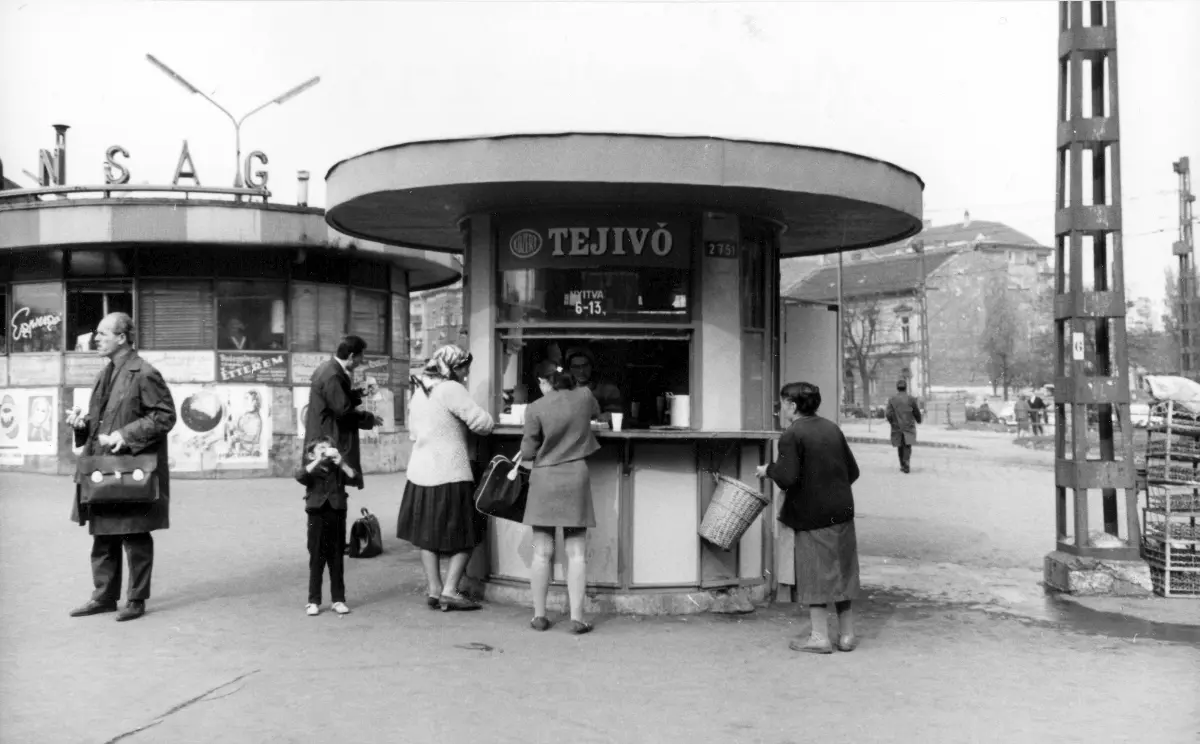
The history of the Cserpes Cheese Workshop, based in Kapuvár in the Rábaköz region, began in 1992 when István Cserpes founded his business. What began as a small workshop has since grown into a nationally recognised brand. In addition to its cheeses, the range includes cottage cheese, yoghurt and other dairy products, whilst the Cserpes Tejivók, which opened in Budapest in 2012, has revived a hospitality tradition dating back more than a century. The first Hungarian milk bars appeared as early as the turn of the 19th and 20th centuries, but they enjoyed their heyday in the 1960s and 70s: these establishments, offering milk, hot chocolate, coffee with milk and pastries, were once popular venues for quick, inexpensive breakfasts and afternoon snacks.
A visit to Lake Tisza can also be combined with culinary experiences: in Poroszló, the Füzes Cheese Workshop is at once a cheese factory, a milk bar and a breakfast spot. Alongside fresh curds and matured, Parmesan-style cheeses, you can also sample pancakes filled with orda and creamy cheesecake. With advance booking, you can also take part in cheese-tasting sessions and cheese-making workshops.
From shepherd’s cheese made from sheep’s milk to long-matured specialities – the world of Hungarian cheese has changed a great deal, but curiosity and a spirit of experimentation still drive the country’s master cheesemakers today. Thus, the next time you fancy some cheese, look beyond the usual Trappist varieties: you might well find your new favourite amongst the range offered by a rural artisan producer!