Helyszín címkék:
István Sajó gave Debrecen the wonders of Hungarian Art Deco
Imagine
This article reveals who István Sajó was.
We invite you on an imaginary walk to admire the Art Deco gems of Debrecen.
This is also the case in Hungary, where, in addition to the smaller and larger settlements surrounding Lake Balaton, we can also find villas, apartment buildings, and public buildings in Budapest and Debrecen that display the typical features of this style. Today, we will examine examples from Debrecen, also known as Calvinist Rome. These were designed by the now forgotten architect István Sajó (1896-1961).
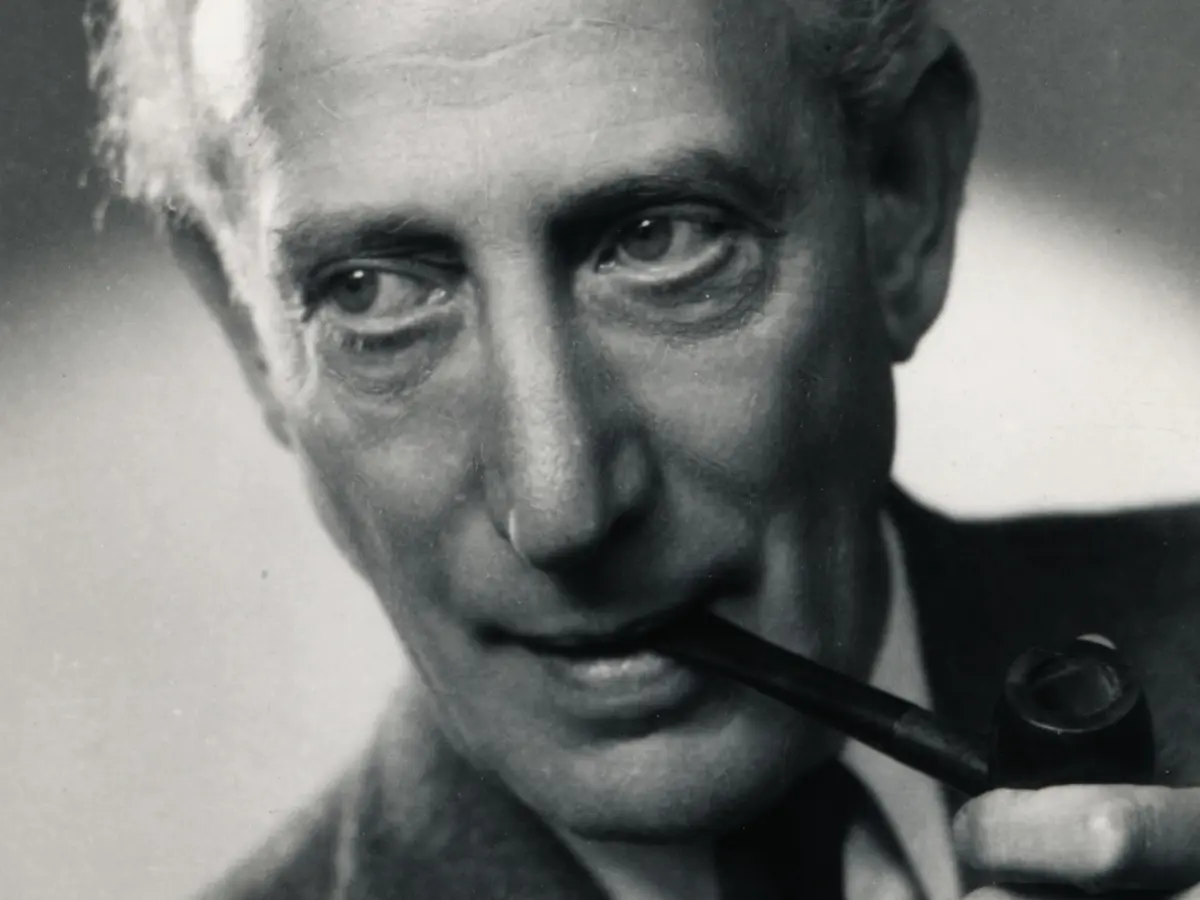
István Sajó / Fortepan
A talented fencer and even a youth fencing champion, the man from Debrecen continued his studies in Germany after graduating from the University of Technology, training in Dortmund, where he took a job at an architectural firm. His style was shaped by these three years and his previous periods spent in Western Europe and then the United States. Between 1923 and 1926, he returned to university, this time in Florida, and his first independent works were also created overseas, under the name Stefan S. Sajo. However, designing villas and holiday homes in Florida and apartment buildings in New York did not satisfy him, so he returned to Hungary, which was slowly recovering from the consequences of the Treaty of Trianon, and settled once again in his hometown. We are now presenting five of his works created here. We can see all of these during a pleasant walk.
The author’s own collection, postcard
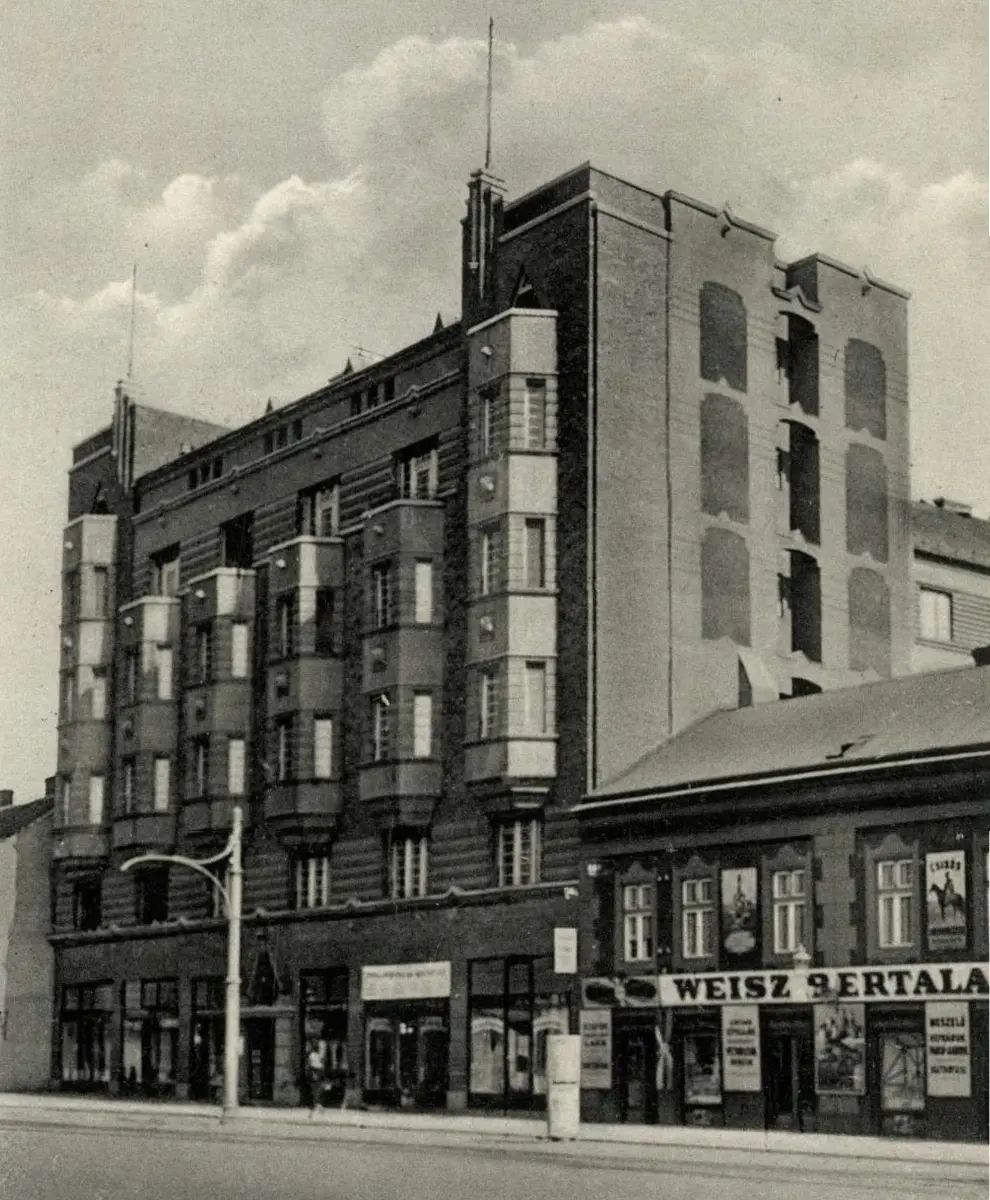
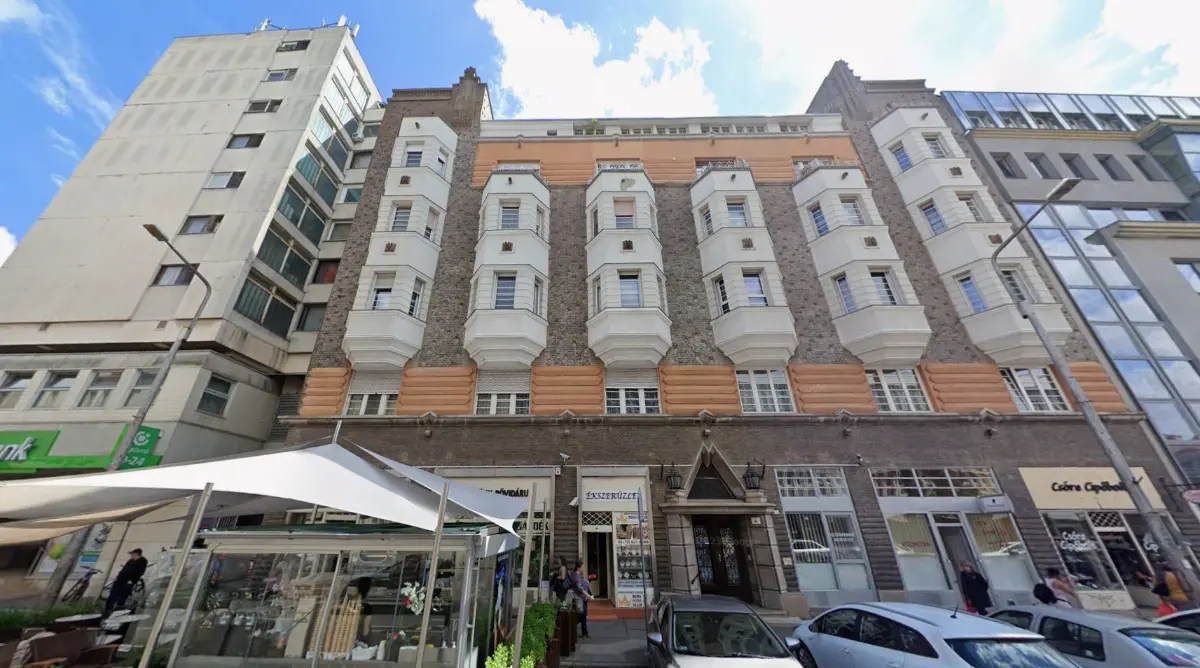
The first was built for the Jewish community status quo ante in Debrecen. The following year after his return, the architect, who came from an assimilated Jewish family, received the commission: they built a luxury apartment building on their plot on Hatvan Street. Completed in 1931 after three years of work, this five-story marvel is still in good condition today, with its brick cladding, coloring, and structure remaining in their original state.
Google Street View
The Fényes villa is just as interesting. Seeing its garden fountain guarded by statues, its typical Art Deco façade, and its unique fence, it’s easy to start dreaming: what if we could move into this house?
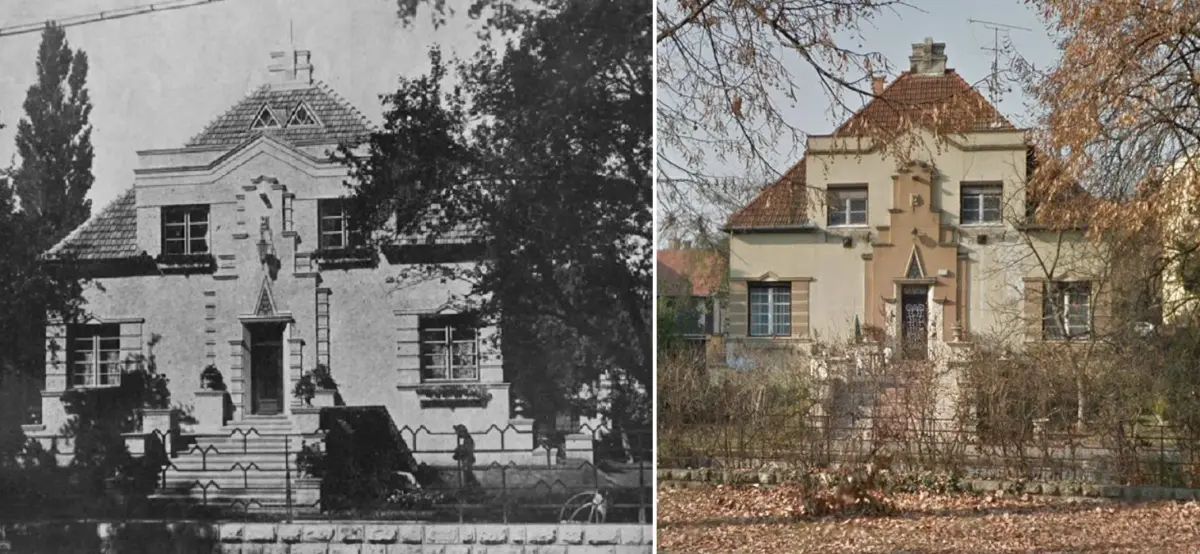
The author’s own collection, and Google Street View
The building, designed for Dr. Jenő Fényes, a wealthy lawyer in the 1930s, was renovated on the outside a few years ago, so in the fall, when the leaves have fallen, anyone can admire its ornate street façade.
If we get tired from walking, it’s time to take a break nearby. If you just want a bite to eat or a refreshing drink, head to Black Sheep Café (6 Csapó Street), which serves delicious sandwiches alongside coffee and other beverages, or Macskávézó (1 Cegléd Street), where friendly Maine Coons and rescued cats await guests.
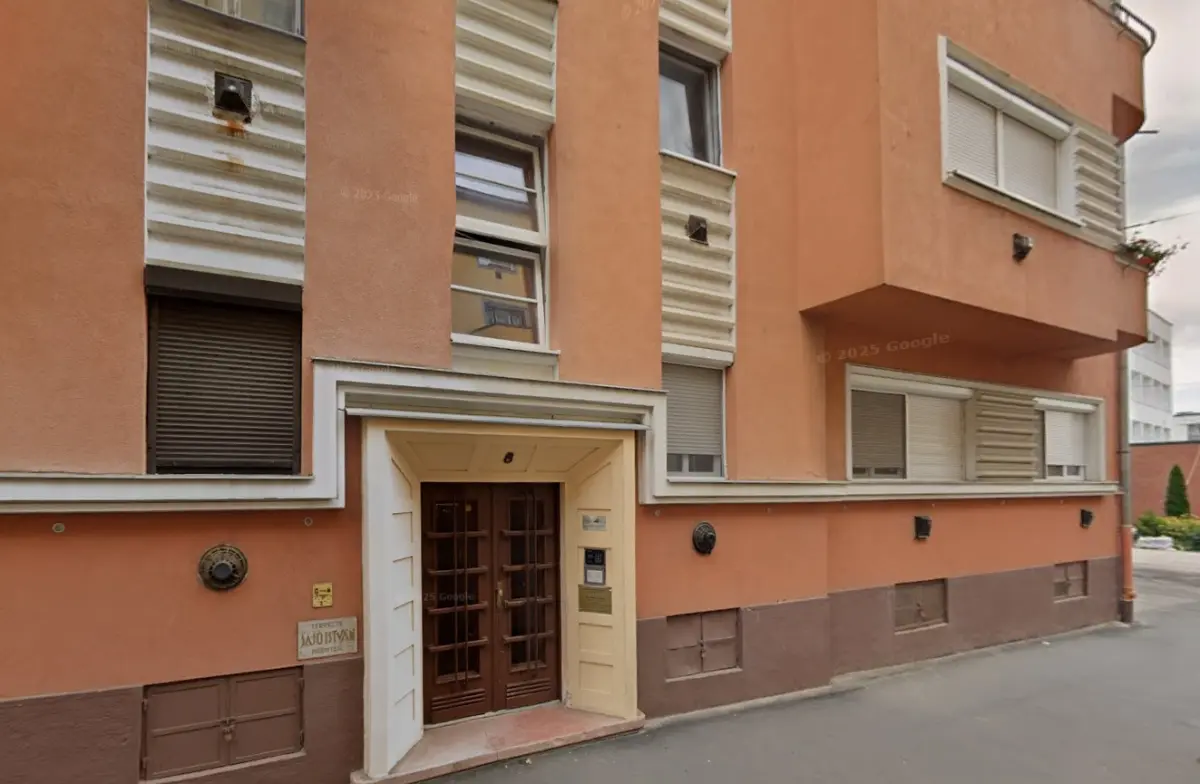
Google Street View
The last stop on our imaginary walk between the two world wars is the apartment building at 6 Vásáry István Street, which was completed in 1932. Although the horizontal stripes are now missing from its walls, it still retains some of its former beauty: the creative spirit of Sajó still hides in the centrally located staircase, the vertical strip windows, and the ornate doorway. Its neighbor, building no. 8, is in slightly better condition, with the plasterwork between the windows still intact and its unusual color – which is undoubtedly the original – attracting the attention of passersby.
The architect who survived the darkest period of the Holocaust in the Bergen-Belsen concentration camp and returned home safely with his two daughters (the family tragedy was not avoided, his father did not survive the train journey) immediately became the center of the architectural life of the civic city in 1945: he was entrusted with the restoration of the tower and roof structure of the Great Church, and then designed the clinic building of the National Social Insurance Institute (1949). His most important post-war works are not these, of course, but the Main Railway Station building (1955-1961), realized as the work of lead designer László Kelemen, whose undulating dome, mentioned in various parts of the world, was designed by Sajó in the early 1960s.
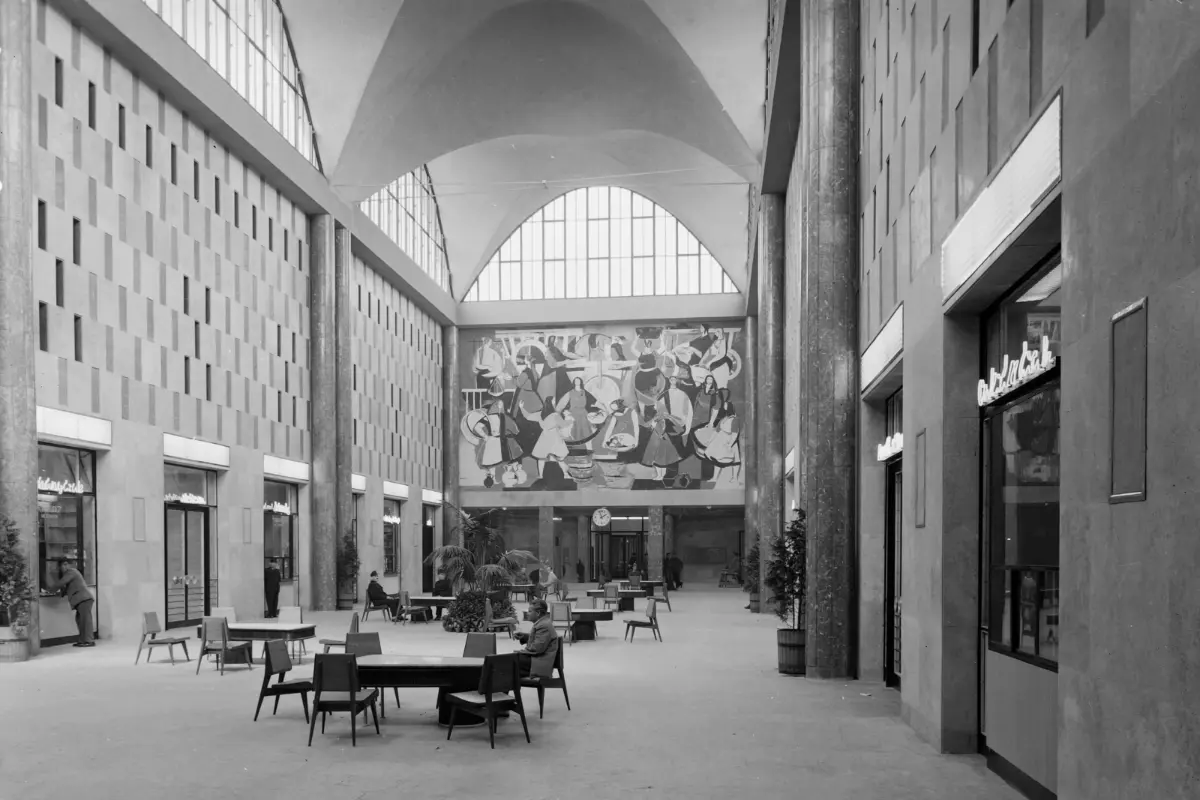
UVATERV / Fortepan
Another important milestone in the architect’s career was the Nagyerdei Stadium (1934), considered to be the world’s first earth-filled stadium. This building no longer stands; in the 2010s, a modern stadium was built in its place. For this reason, we could not include it on our list, even though Sajó spent the last moments of his life there: in a twist of fate, he suffered a heart attack during a match on 11 March, 1961, and died on the spot. He was 64 years old.
Do you like similarly exciting stories, time-traveling discoveries, and secret places? Then it’s worth discovering the country on organized city walks! For example, on Imagine's programs – they have been organizing city walks, exclusive building tours, gastro tours, and team-building events throughout the country for more than 15 years.