Helyszín címkék:
Stork, bear, ‘Pulyaszedő’ – Winter is also busy in Szatmár
Melinda Pótor
What does “costume festival” mean?
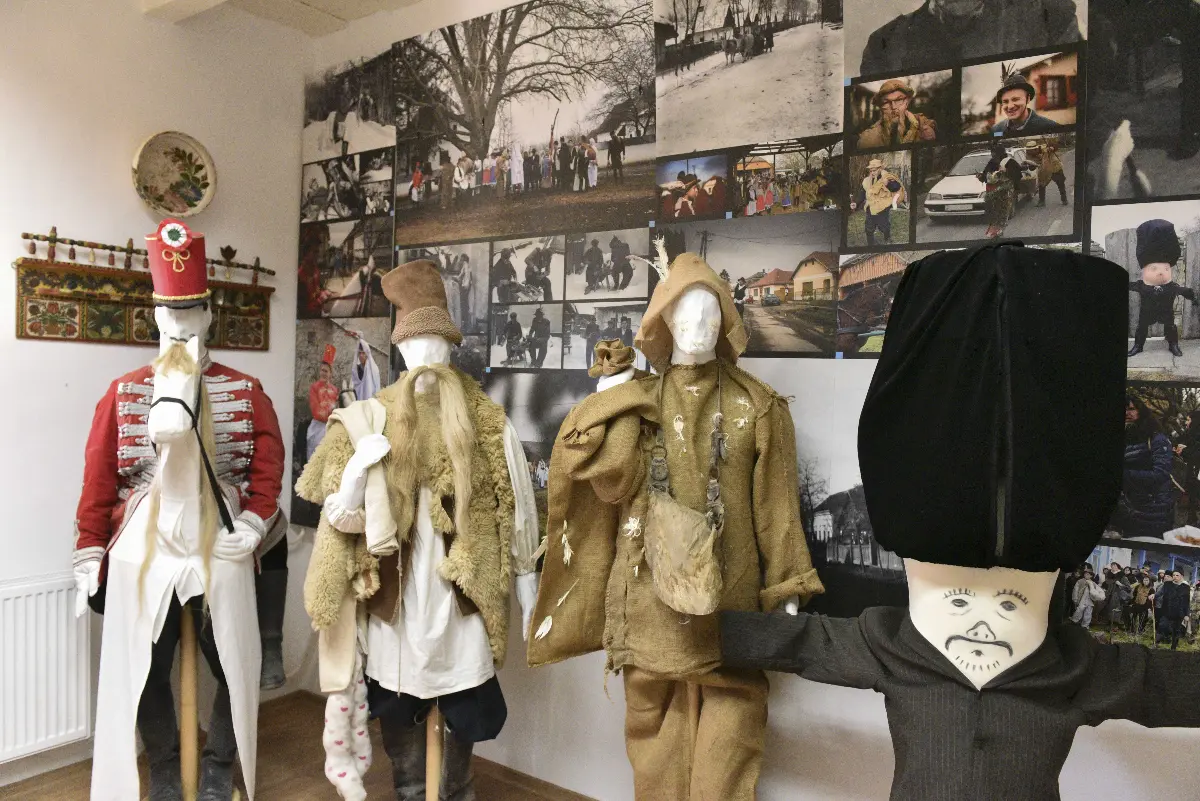
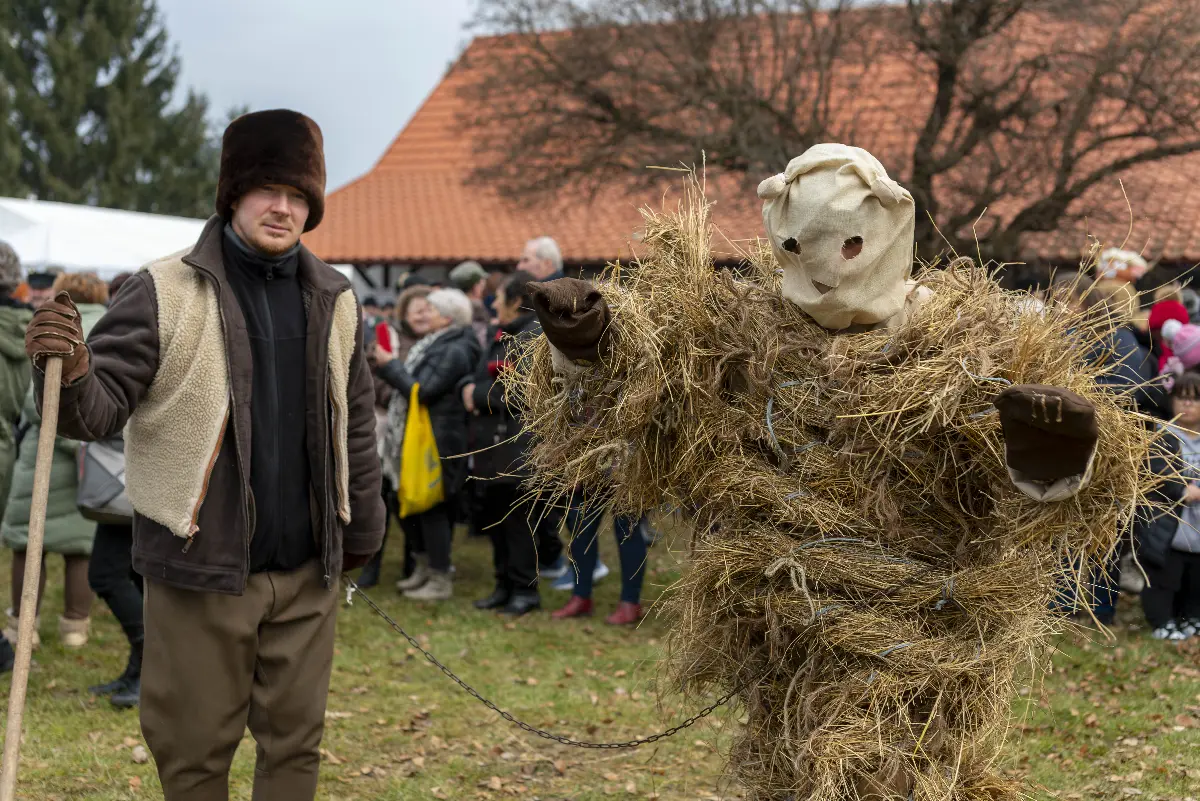
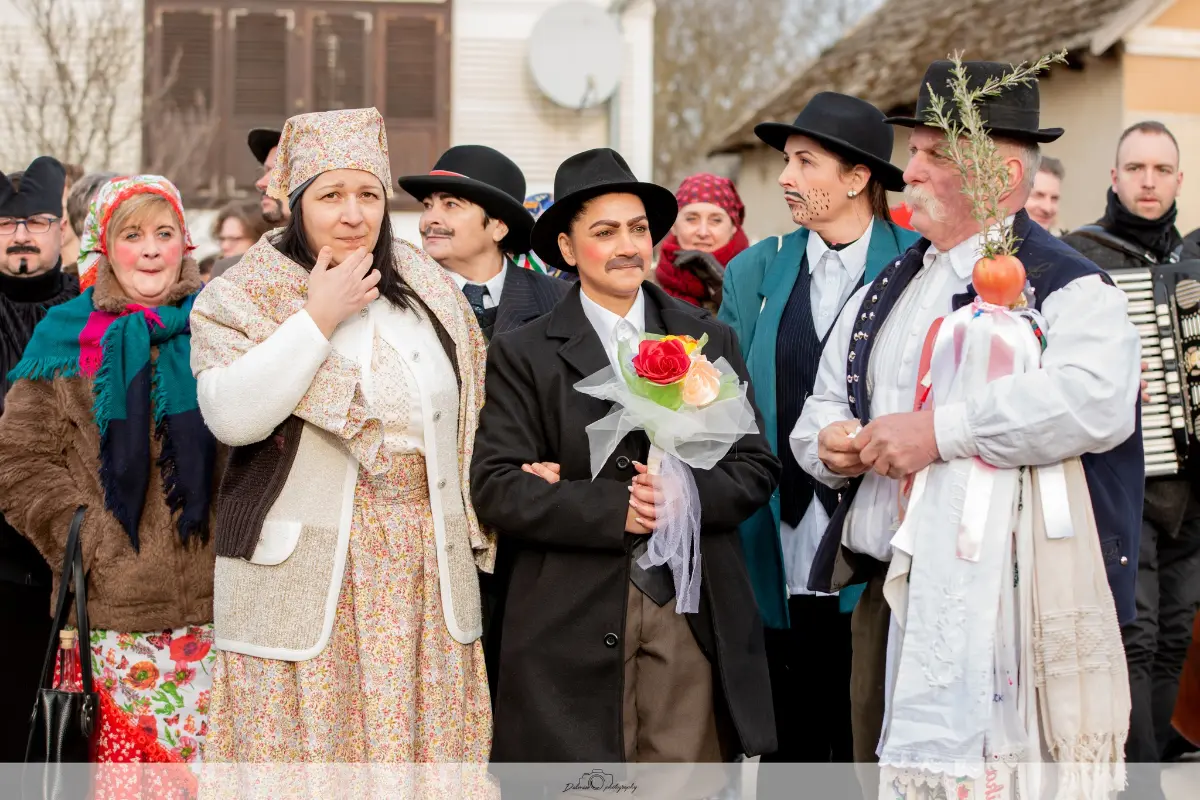
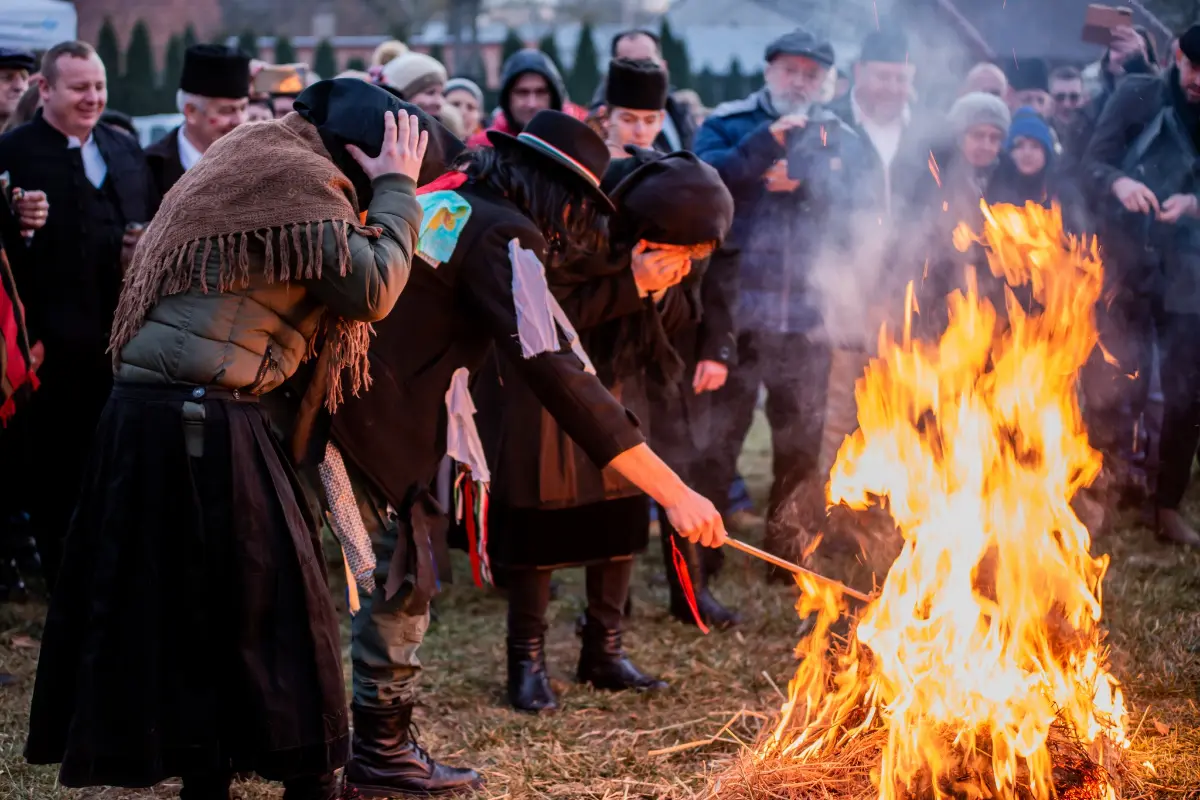
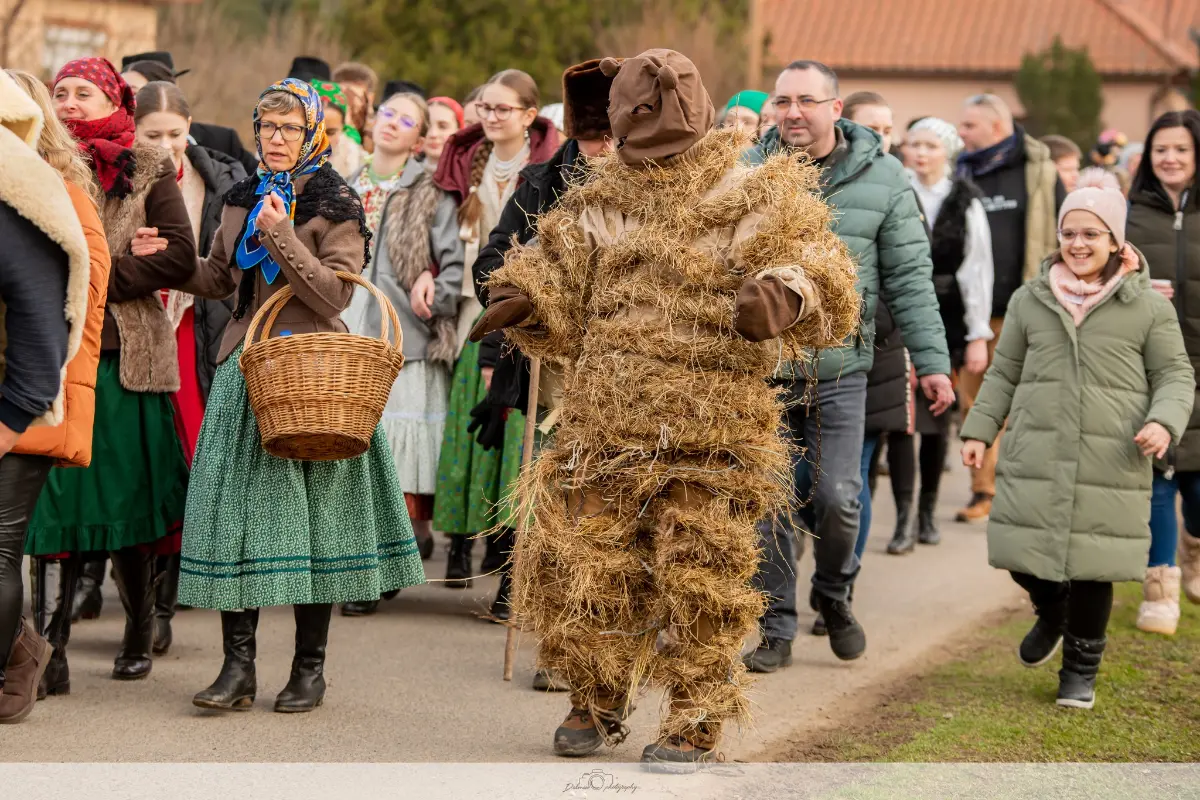
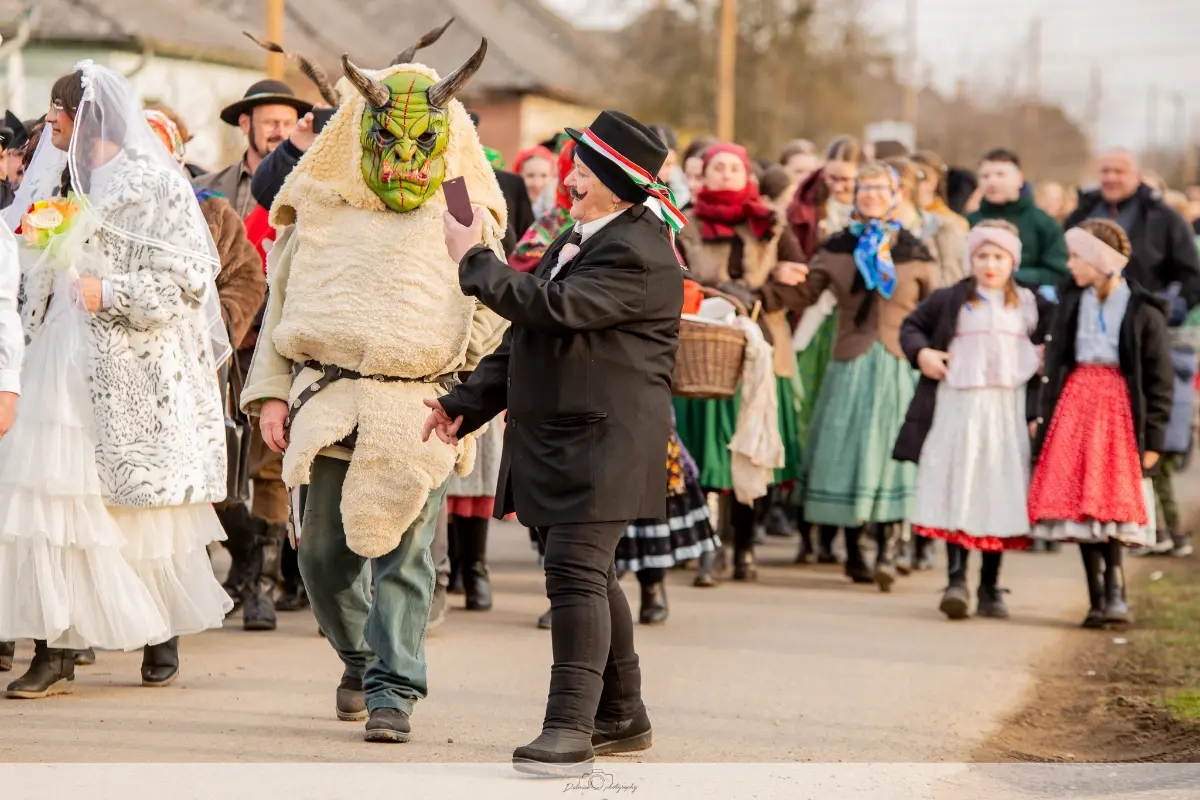
According to folk traditions, dressing up is a dramatic game during carnival season. If you visit the Traditional Carnival Parade in Panyola, which is typically held on the first weekend of February every year, you can be part of the magic. It is magic because the small village of five streets is filled with life and games, and visitors from the surrounding settlements and many parts of the country dress up in authentic costumes. The masked characters typical of the Szamoshát region carnival appear, including the gypsy woman, the stork, the hussar, the goat, the bear, the priest, and the ‘Pulyaszedő’. The old costumes were found in the grandparents’ attics more than ten years ago. A young, enthusiastic team dusted them off and brought them back to life. Initially, members of the Szamosparti Retirement Club in Panyola performed scenes they had seen their grandparents act out, but the younger generation also watched the dramatic performances with interest.
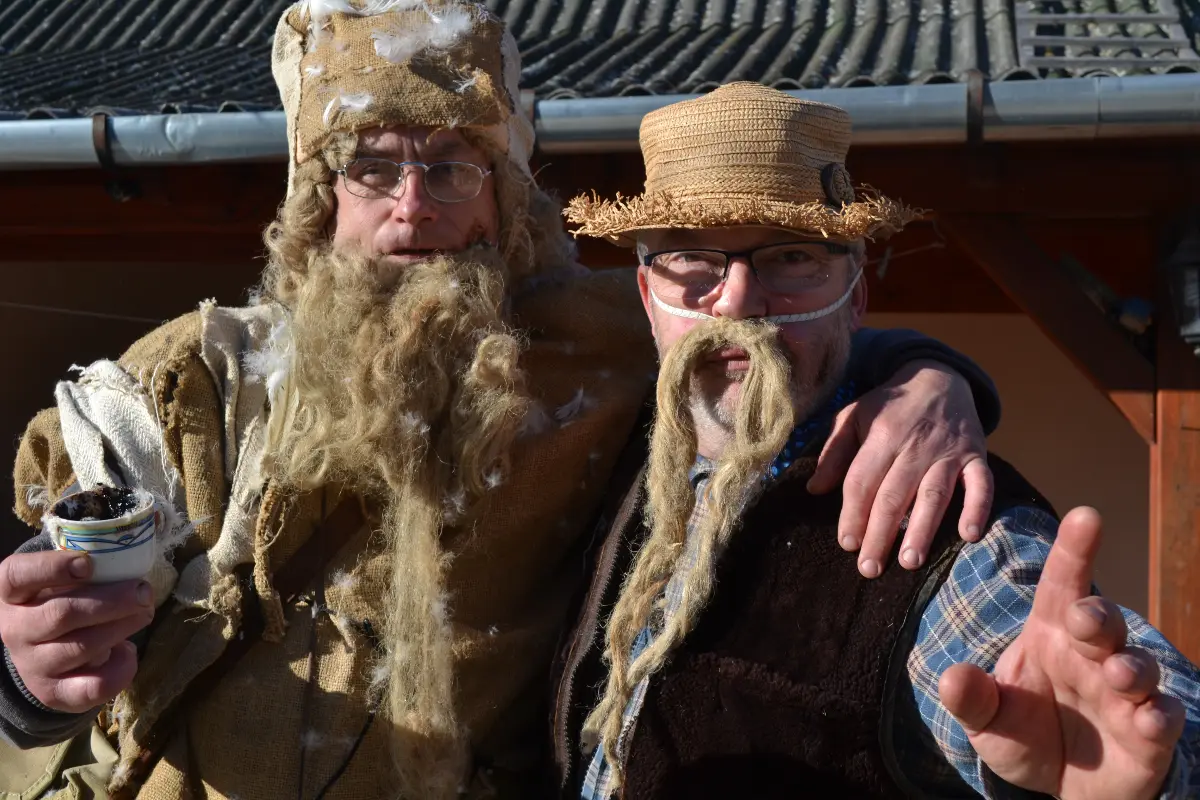
This is how they managed to keep it alive, show others the significant cultural value of the region, and revive the traditional carnival parade in the village every year for several years now.
Places of interest in Panyola
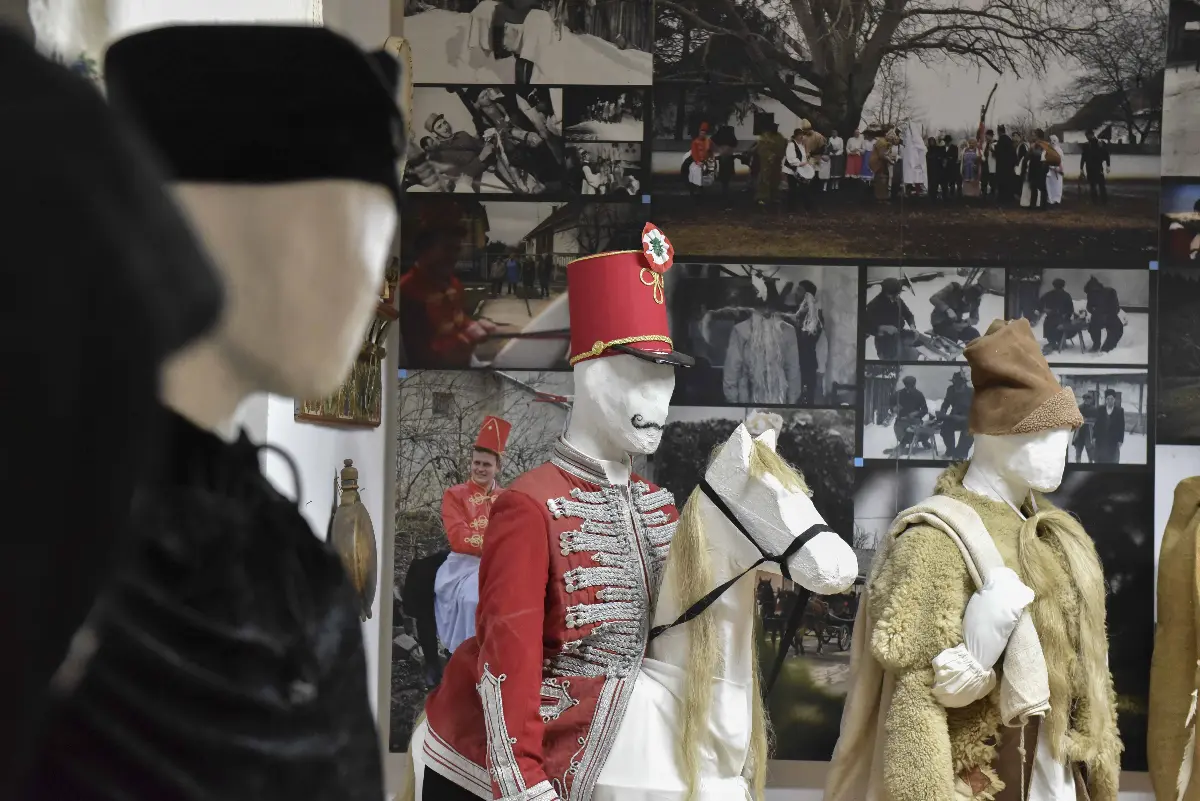
Panyola is located in the easternmost corner of the country, surrounded by beautiful scenery and countless natural treasures. The small village with only five streets lies embraced by three rivers and offers visitors many experiences. If we visit the Gyula Széles Exhibition and Handicraft House, we can learn about the carnival costumes of Szamoshát region and the history of the village. We can take a peek into an exciting workshop, Panyolium, where we can learn the tricks of making Szatmári dried fruits and jams. With advance booking, we can also explore the nationally renowned Panyolai Szilvórium distillery and taste Panyolai Elixír brandies. We can also enrich ourselves with many interesting stories by visiting the Reformed church in Panyola. The power of this community of nearly 500 people is enormous. It is a place where there’s always something happening.
The treasures of the region
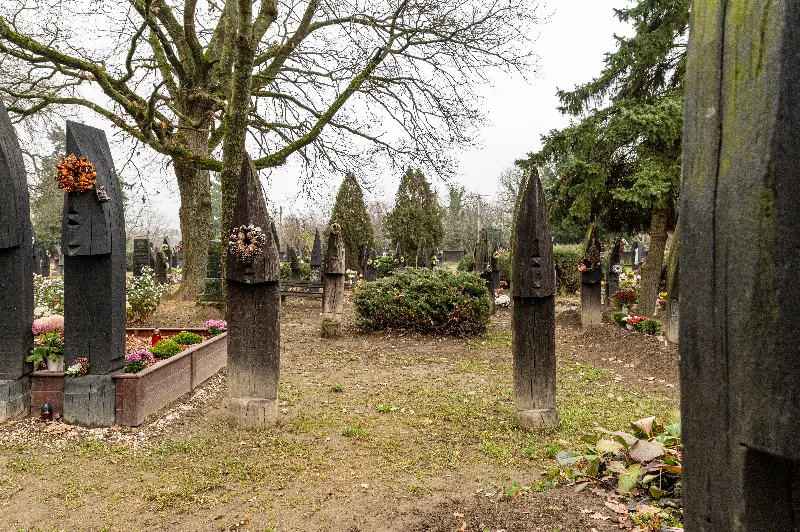
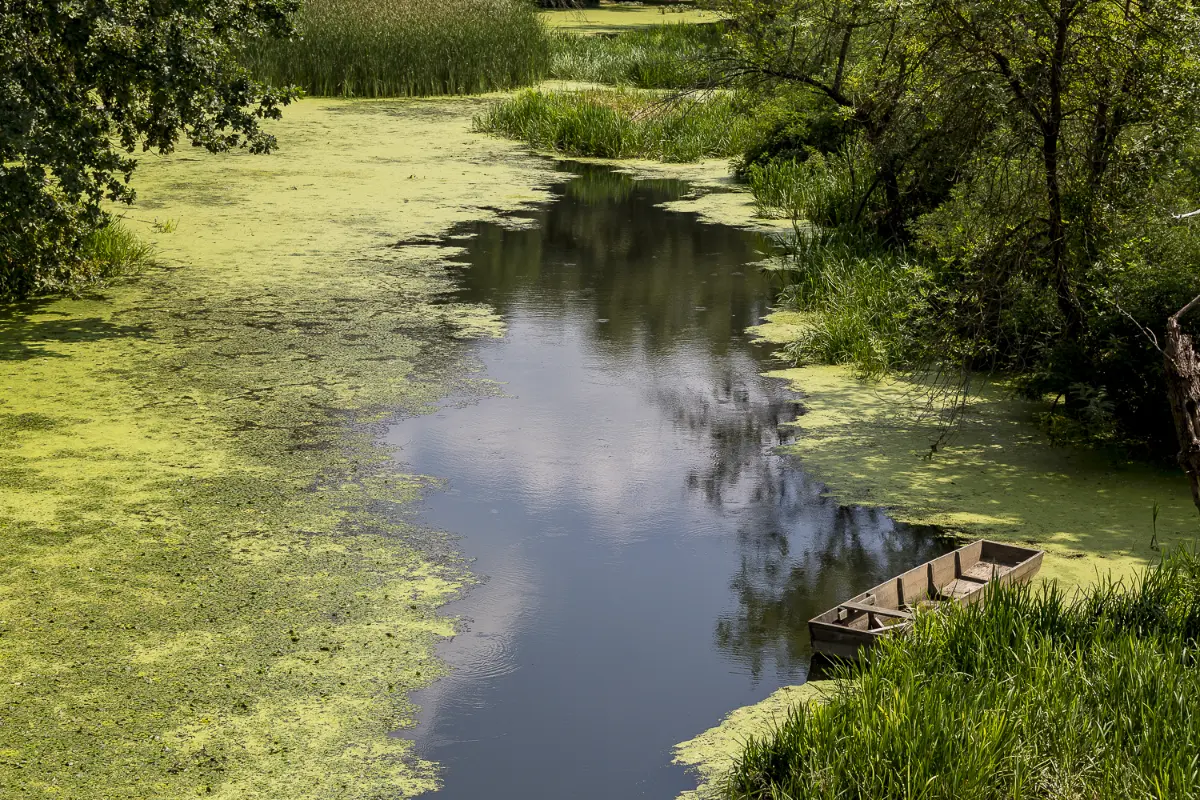
The Tisza, Szamos, and Öreg-Túr rivers show their beautiful faces in every season. Nature lovers can explore the river valleys even in winter and come across traces of protected animals. Many towns in Szatmár-Bereg have been home to outstanding poets and literary giants. Petőfi traveled extensively in this region and was a frequent guest of the Luby family in Nagyar. The beautifully renovated Nagyar Castle is now open to the public. Szatmárcseke is just a stone’s throw away, where you can find the tomb of Ferenc Kölcsey in the unique boat-shaped cemetery.
Every year on January 22, Hungarian Culture Day, the poet who wrote the national anthem is commemorated at this location.
A few kilometers away, in Túristvándi, you can see a watermill that is unique in Central Europe and still in operation today, its wheels driven by the Öreg-Túr River. In Tiszacsécse, we find the tiny thatched mud-brick house that preserves the memory of Zsigmond Móricz, whose novels so faithfully reflect the spirit of Szatmár and his love for the region.
Winter delicacies from the countryside
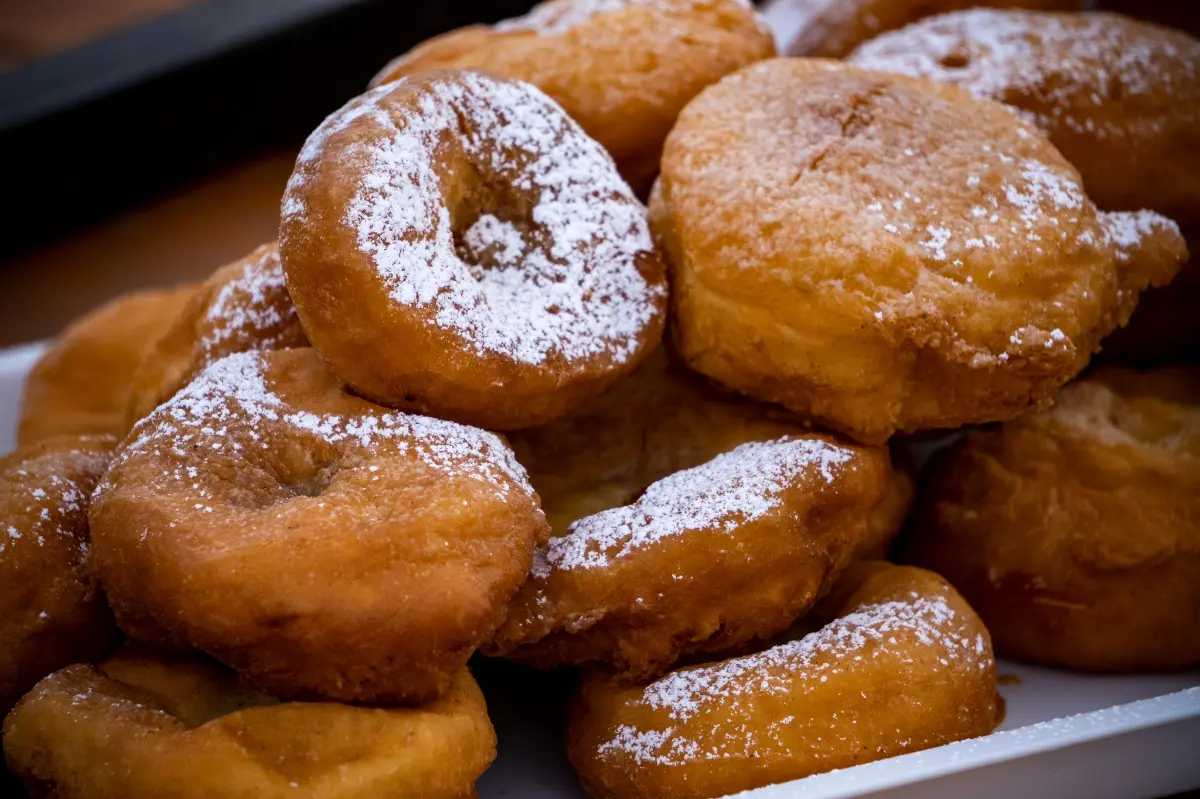
Pumpkin is a winter food in Szatmár. For example, the Téli parázs (‘Winter Embers’) trademarked pumpkin from Nagydobos is known by many people throughout the country, and more and more people are using it not only for consumption on its own, but also to make a variety of products, as it is excellent as a side dish, an ingredient in baked goods, or even as an ingredient in 100% fruit juices. At the carnival parade in Panyola, they offer the tender yellow meat of the Winter Embers roasted on a spit. The tradition of winter pig slaughtering is still alive in this region, and in winter, the mouthwatering aroma of ‘lesi’ meat, blood prepared with onion, hurka sausage, and kolbász sausage wafts through the air. A delicious delicacy in the villages of Szatmár is dough filled with plum jam – Szatmár’s “black gold” – as well as twisted doughnuts, csöröge, derelye, and lapótya filled with plum jam. You can discover the excellent flavors typical of the Szatmár region in Fülesd, at the Móni Restaurant, where you can taste gourmet dishes in a family atmosphere.
The waters of the region
The area is rich in high-quality medicinal waters, so if you want to take a nice bath and recharge your batteries after cold weather or a long hike, the local spas are ideal destinations. The water at the Mátészalka Municipal Swimming Pool and Beach Baths can be a cure for aching body parts: the thermal water, which rises from a depth of 950 meters, is suitable for treating degenerative diseases of the musculoskeletal system, such as the spine and joints. Whether it’s about healing, family recreation, sports, or quiet relaxation, at the Sárkány Wellness and Spa in Nyírbátor, you can heal, relax, and play sports – even with your family. The certified Báthory medicinal water, the modern playhouse, the beach, and the sauna world together offer a unique experience. The Szilva Thermal and Wellness Bath in Vásárosnamény is also popular: its thermal water has a beneficial effect on digestive, joint, and chronic gynecological diseases, and also promotes the healing of vascular diseases. The spa staff help visitors refresh their bodies and minds with wellness services.
Everything about Szatmár-Bereg
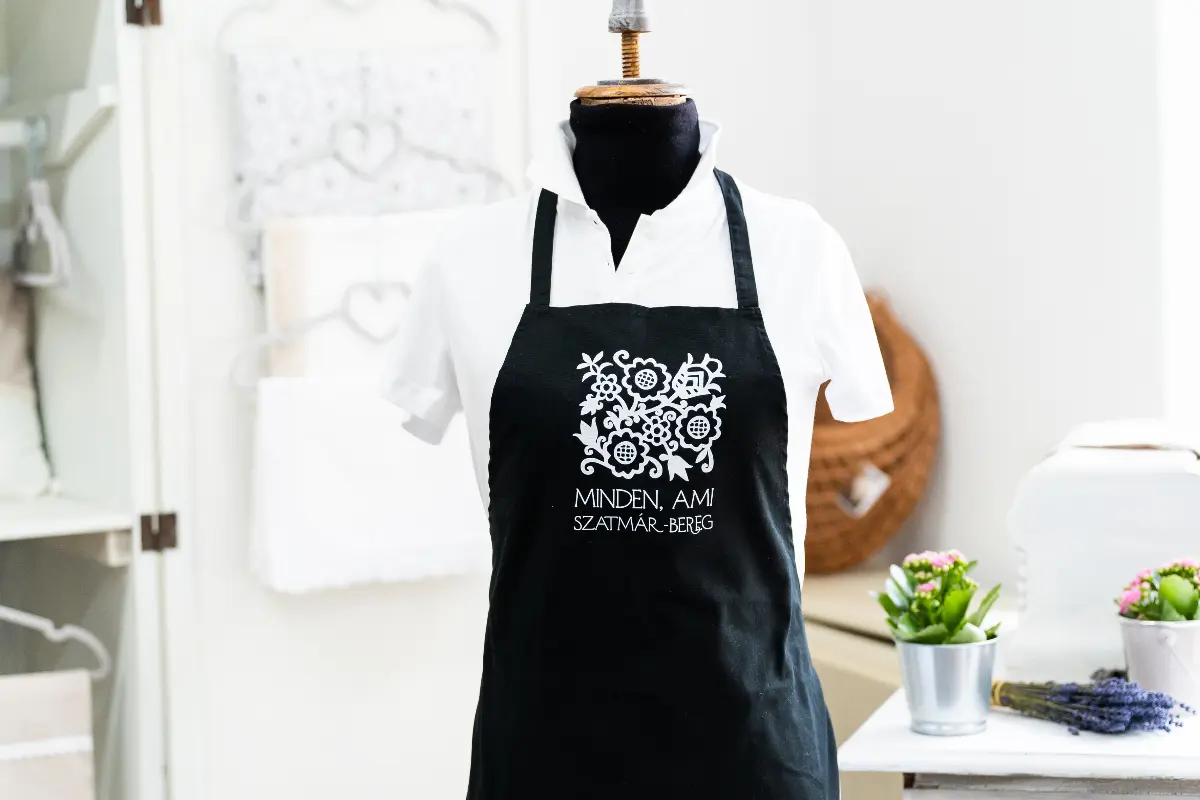
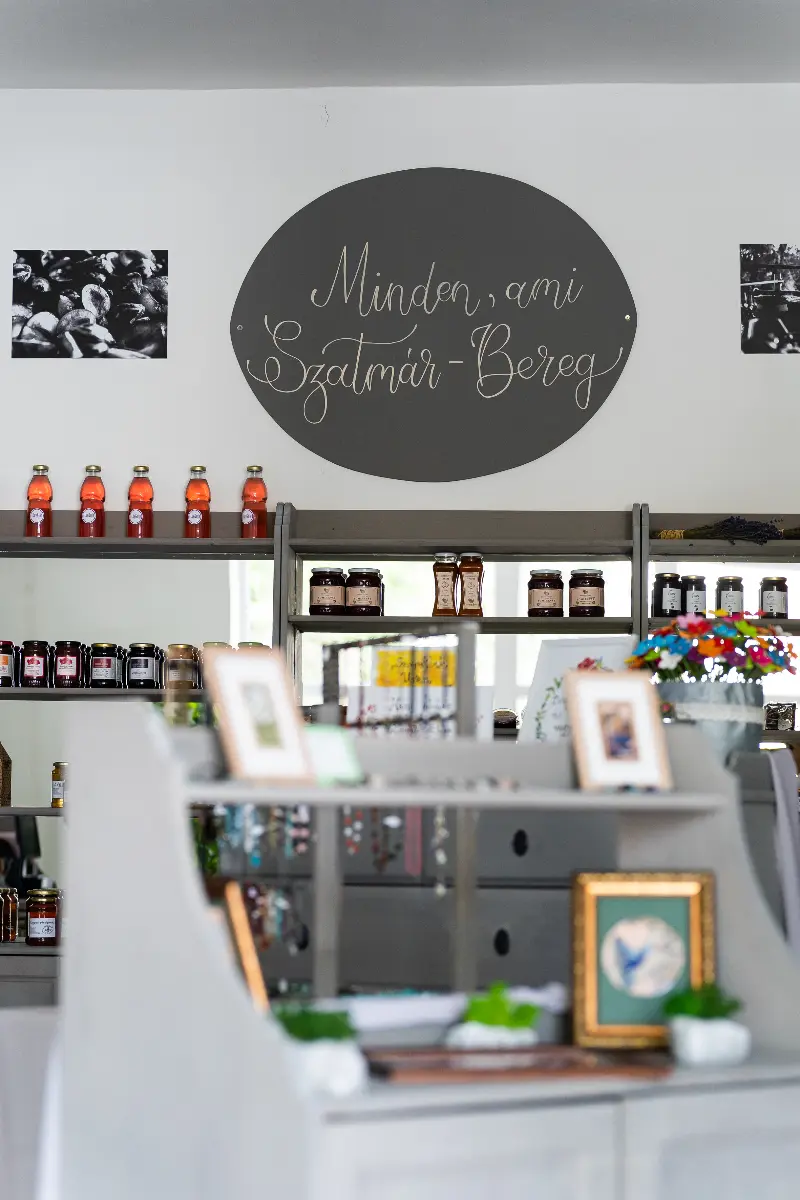
While exploring the area, it is also worth visiting Mátészalka, the “city of light.” If you want to take a piece of Szatmár home with you as a souvenir, the Minden, ami Szatmár-Bereg store offers nearly 100 m2 of beautiful local products from the region. Here you can find unique specialties from nearly 60 producers in one place, such as dried fruits, cross-stitch embroidery, honey delicacies, motif knockers, cheeses, plum jam, and syrups.