Helyszín címkék:
Let’s Start the El Camino in Hungary – The Way of St. James
H. Horváth Orsolya
• The psychological effects of pilgrimage are not limited to believers
• The Hungarian routes: the Camino Húngaro and the Camino Benedictus
• Lébény, the spiritual destination of the Hungarian St. James cult
• Connection to the European network and Spain’s El Camino
• Practical advice for preparation
The path that leads inward: the significance of the pilgrimage
During the pilgrimage, our attention gradually shifts from the external landscape to internal processes, giving us the opportunity to face ourselves. During long-distance walking, we come to realize how little we truly need to be happy, since we carry everything on our backs, and this physical limitation quickly teaches us to let go of unnecessary things. The path accepts us as we are; there are no expectations or social roles, so during our journey we can finally shed the masks of everyday life.
The El Camino network in Hungary: the Camino Húngaro and the Camino Benedictus
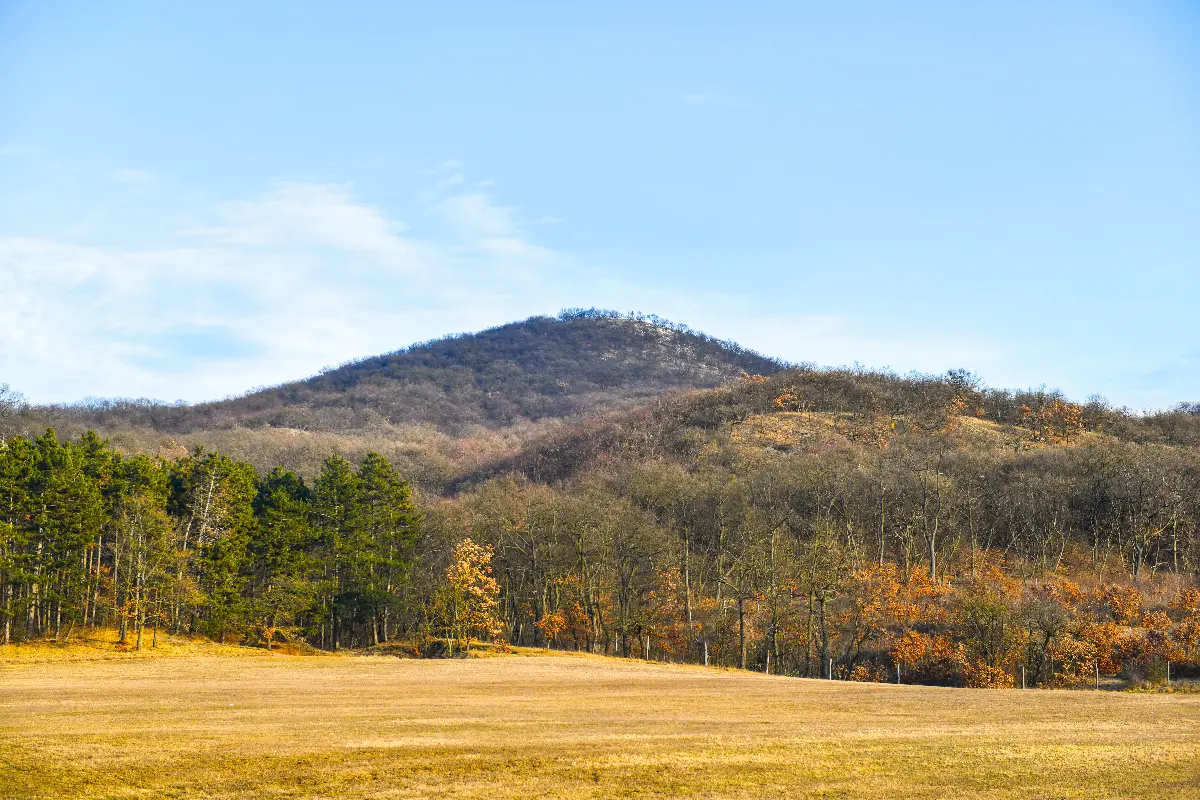
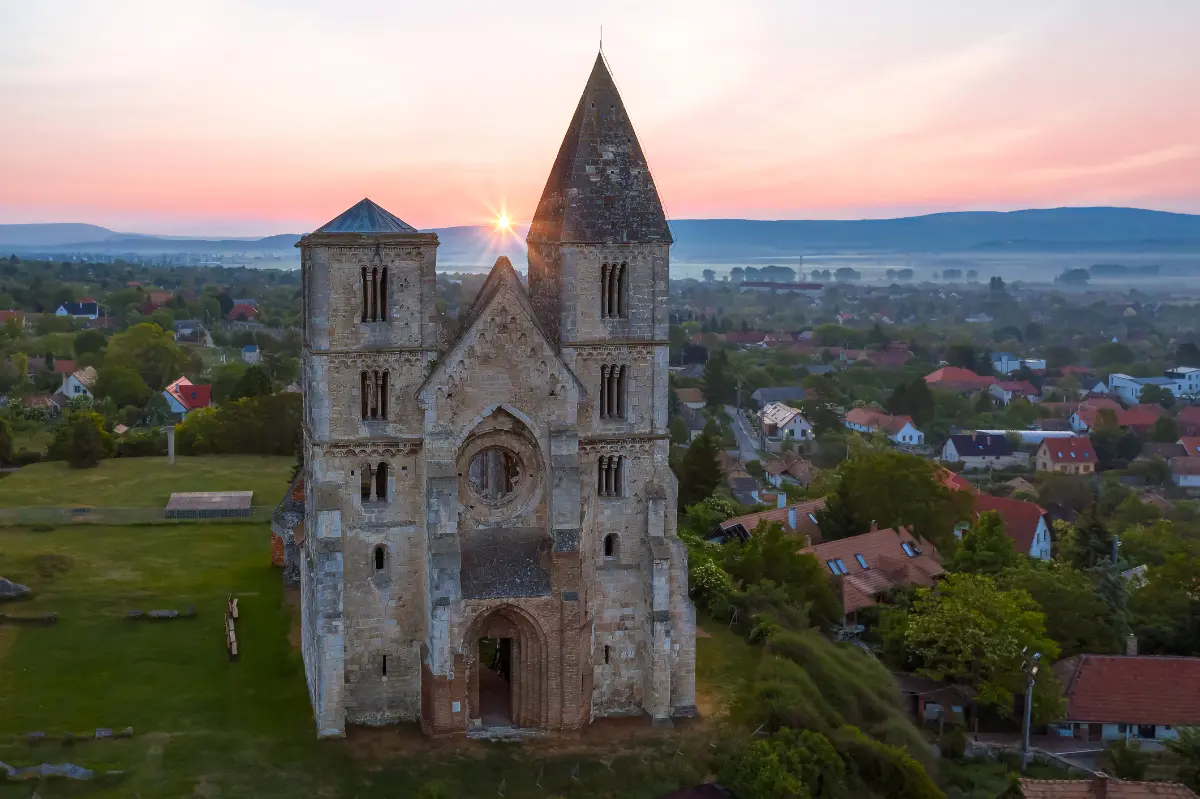
In Hungary, there are two main routes to choose from on the Camino. The main route, the Camino Húngaro, starts in the heart of Budapest at the Kilometer Zero marker and reaches the Church of St. James in Lébény after 200 kilometers. The route passes through the Buda Hills, the Gerecse Hills, and the plains of the Kisalföld. For a cultural break, it’s worth visiting the ruined church in Zsámbék for a cultural break and the Luxura café in Tata for culinary delights.
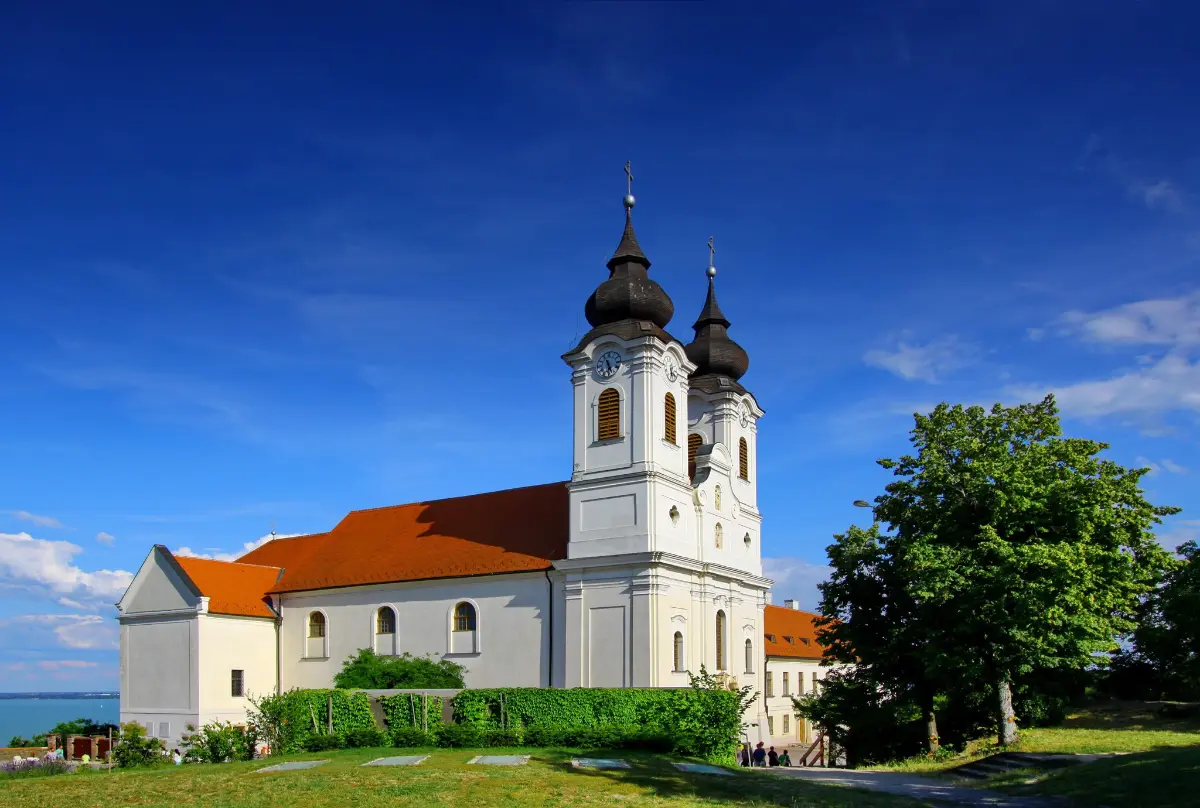
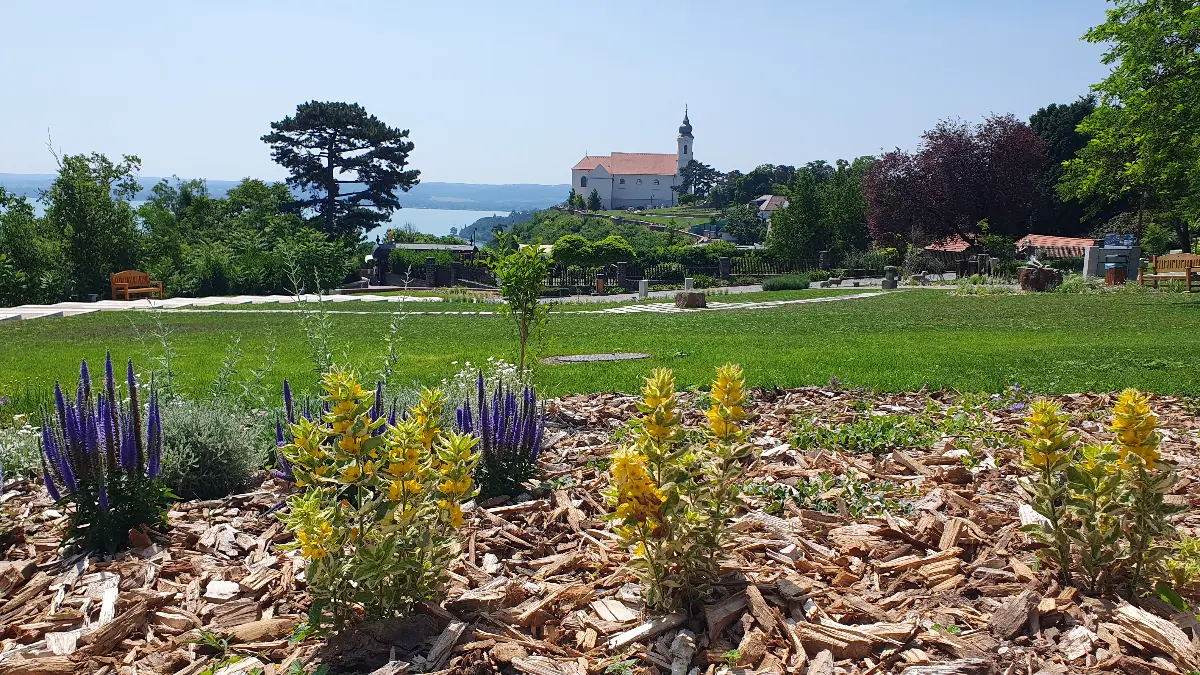
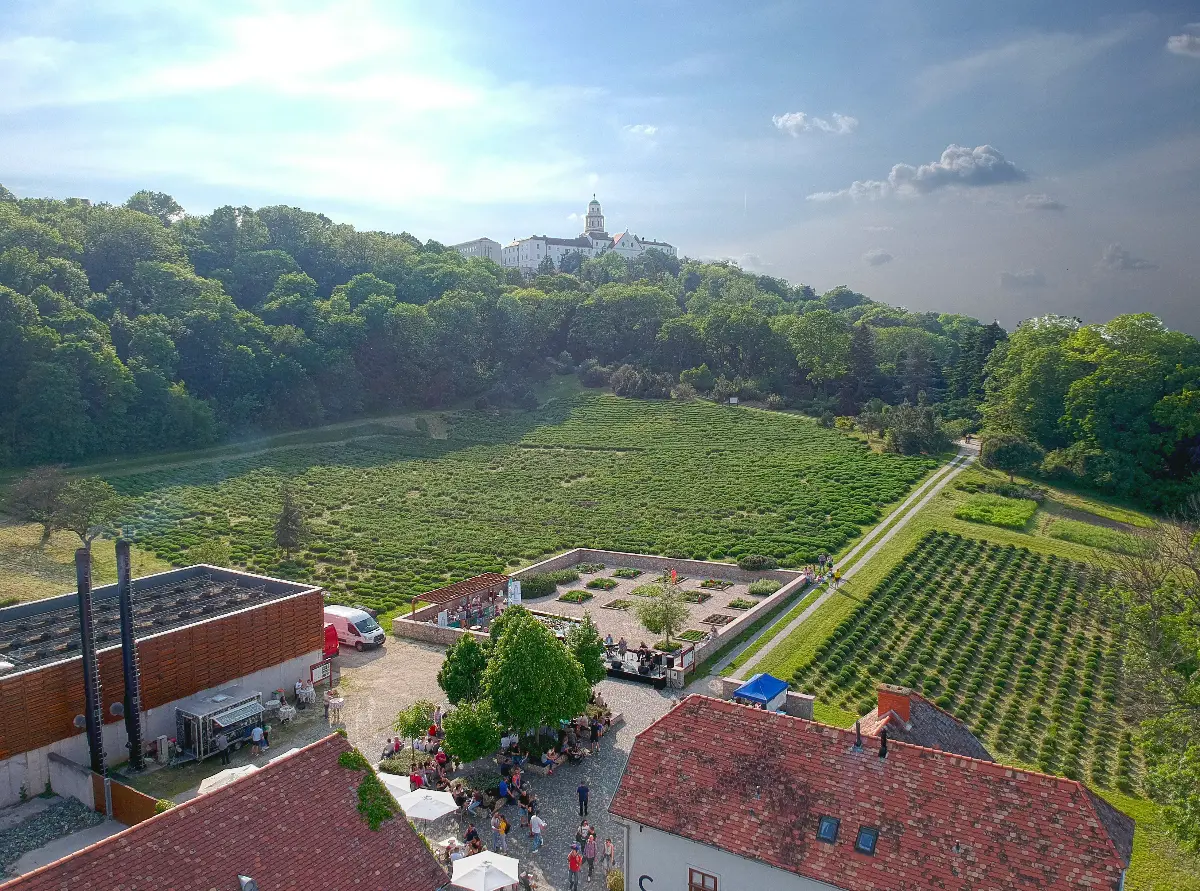
The other major branch is the Camino Benedictus, which starts at the Benedictine Abbey of Tihany and, following Benedictine monastic traditions, connects the most important monasteries. This section passes through the Balaton Uplands and the Bakony forests, touching on Bakonybél and Pannonhalma, then meets the main route at Lébény.
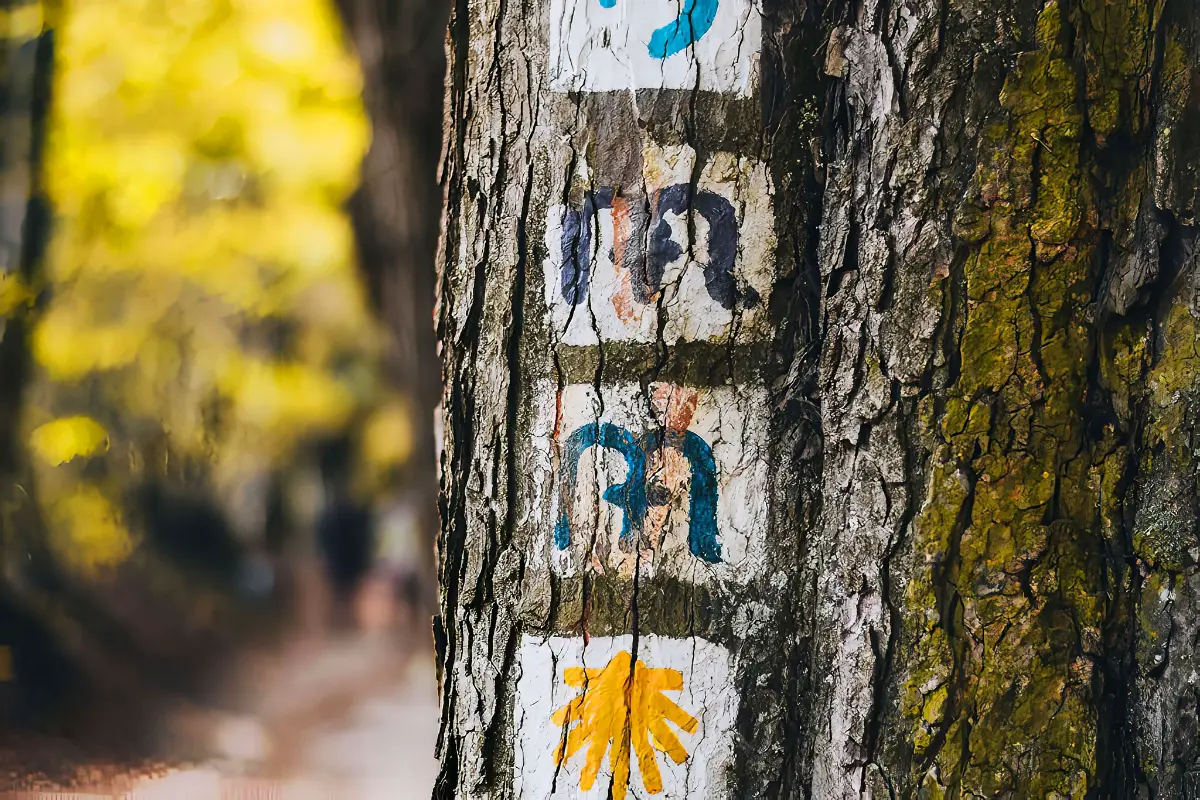
Both routes are marked by yellow shell and arrow motifs, which guide us through sections that are sometimes challenging but always breathtaking.
Lébény: Where Spirituality and History Meet
The destination of the Hungarian leg of the journey is Lébény, where one of the treasures of Romanesque architecture, St. James’s Church (https://www.facebook.com/sztjakabtemplom), “welcomes” visitors. This massive, twin-towered building was already an important stop for pilgrims as early as the beginning of the 13th century.
A modern visitor center has been built next to the church, which also houses a pilgrimage museum. The courtyard is an ideal place to rest; sitting on benches under leafy trees, we can reflect on our journey or even pitch a tent in the designated areas.
The church is open in the summer, from May through the end of September, Tuesday through Saturday from 9:0000 a.m. to 6:00 p.m., and on Sundays from 2:00 p.m. to 6:00 p.m. During the winter season, access is provided via a telephone service.
Connecting to the European network
The Hungarian section is part of a unified European network that connects to the Austrian Way of St. James and leads all the way to Spain through Switzerland and France.
Practical information
It is worth obtaining a pilgrim’s passport for the journey, which entitles you to discounted pilgrim accommodations. Accommodations range from more modest, donation-based lodgings to more comfortable guesthouses.
When packing, follow the principle of “less is more”; a comfortable, well-worn pair of hiking boots and a good backpack are essential. The journey can be interrupted and resumed at any time, so instead of the full 8–11-day route, you can also choose shorter weekend segments to explore the region’s sights.