Helyszín címkék:
Mystical places in Hungary where you can follow in the footsteps of ancient cultures
Szabó Sára
What exactly will we be looking at?
- The basalt giants of Haláp Mountain and the ‘Hungarian Stonehenge’
- The unique rock formations of the Káli Basin at the Szentbékkálla Stone Sea
- The archaeological treasures of the medieval Pétermonostora in Bugac
- The 2,700-year-old burial mounds at Várhely in Sopron
- A unique hotel in Tokaj inspired by the Inca culture
2,700-year-old burial mounds from the Early Iron Age Hallstatt culture
Várhely, situated within the Sopron Park Forest, is one of Hungary’s most significant archaeological sites from the Early Iron Age Hallstatt culture. The approximately 2,700-year-old earthwork is surrounded by a long system of ramparts, with a burial ground of burial mounds stretching out in front of it. The burial mounds and the decorated urns unearthed during excavations provide insight into the burial customs of Iron Age communities.

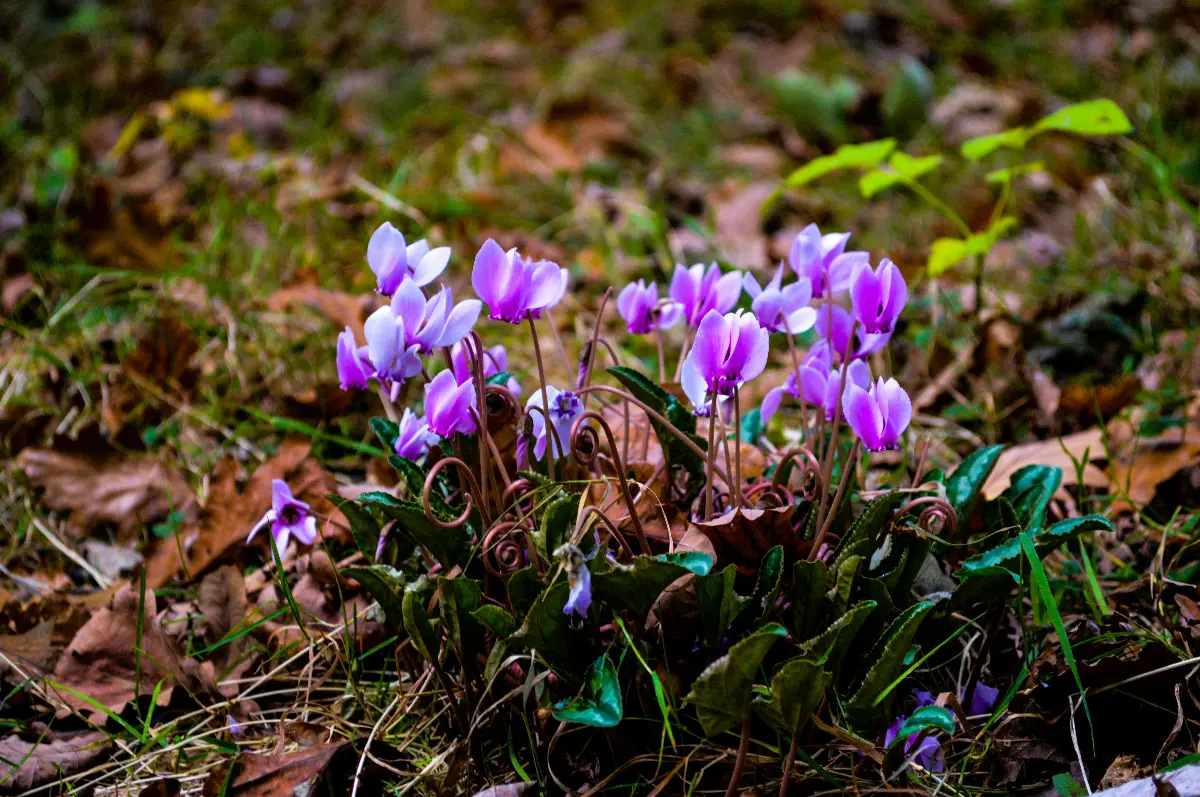
You can explore the area on foot by following the approximately 9-kilometre-long Cyclamen Nature Trail (if you set off between July and September, you’ll also be able to see the cyclamen for which the trail is named), and it’s well worth climbing up to the Várhely Lookout Tower, which offers a stunning panorama.
The ‘Hungarian Stonehenge’, or the Awakening Volcano
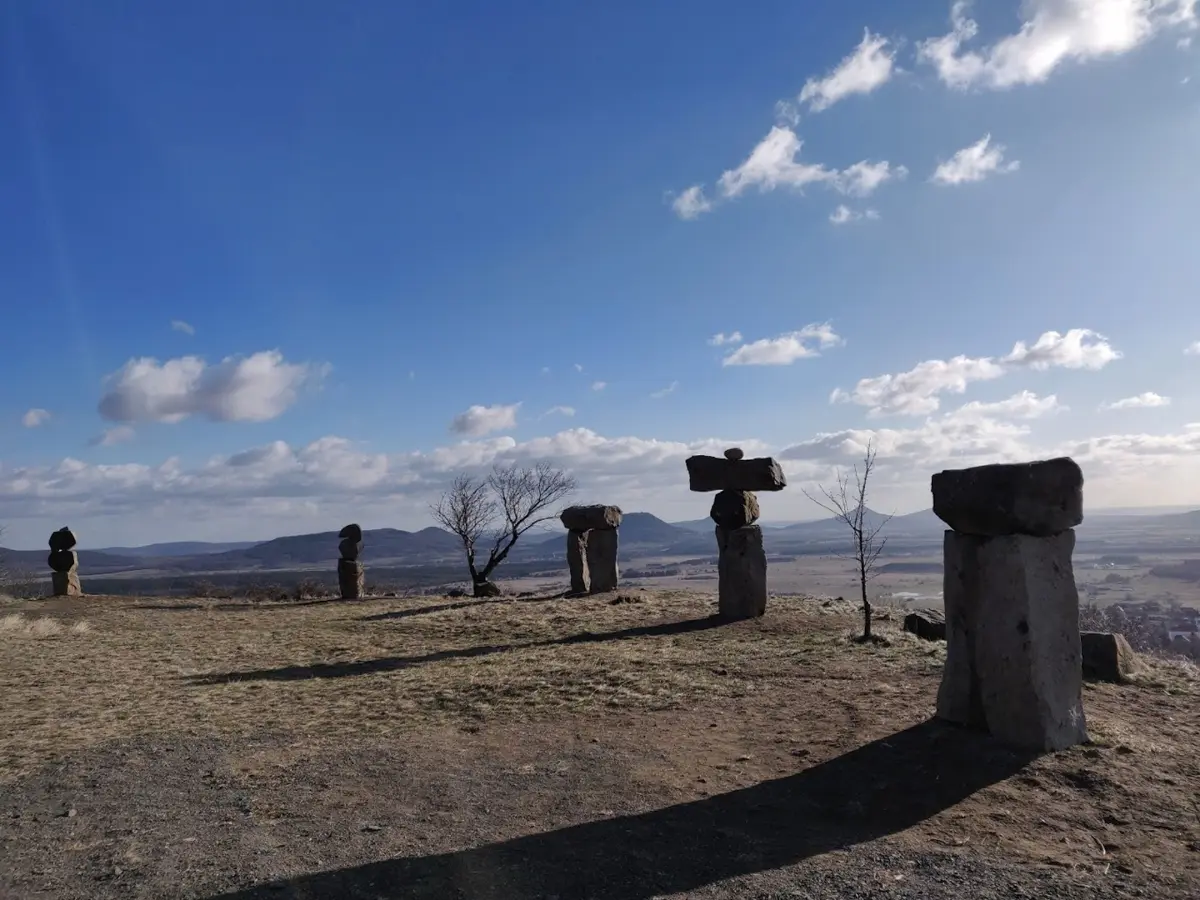
The Awakening Volcano sculpture park is situated on Haláp Mountain, one of the lesser-known hills in the Balaton Uplands, and is often referred to as the Hungarian Stonehenge due to its monumental basalt sculptures. The eight stone sculptures, created by sculptors Zoltán Balanyi and Rhea Marmentini, evoke ancient forms, whilst the surrounding volcanic landscape provides a unique backdrop for these contemporary artworks.
It is well worth combining a visit to the site with a walk along the 10-stop, 3-kilometre Haláp Nature Trail. The route passes through the site of a former basalt quarry, taking in wooded sections and the unique depressions formed during mining operations. During the walk, apart from the sculpture park, you can also admire the panoramic views from the hilltop and even walk inside a crater surrounded by a rock face. The walk is suitable for younger children, and there is parking available at the start of the nature trail.
In the footsteps of a Medieval settlement, in Bugac
In the sandy plains of Kiskunság, near Bugac, you can discover the remains of a former medieval settlement and monastery. Excavation of the ruins of the Árpád-era Pétermonostora began in 2010, when the remains of the church, a significant part of the monastery and the associated cemetery were uncovered. Based on the finds, the settlement appears to have been an extensive centre: a paved main square and numerous buildings stood around the monastery. The complex’s most prominent building was a monumental, twin-towered, three-nave basilica, to which a Premonstratensian monastery was attached.
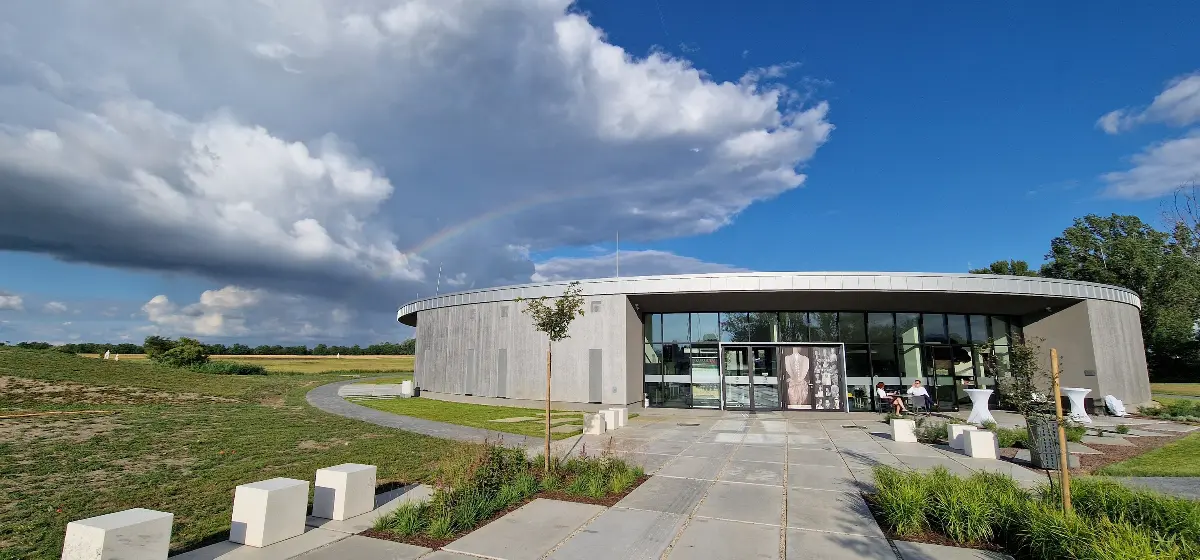
At the exhibition in the Aranymonostor Visitor Centre, visitors can admire the excavated artefacts, including gold and gilded objects. Don’t miss the virtual tour either, which allows you to explore the site of the former monastery! Interestingly, archaeological excavations are still ongoing, so you can even get a glimpse of the archaeologists at work.
“Liquid gold” and the Inca culture in Tokaj
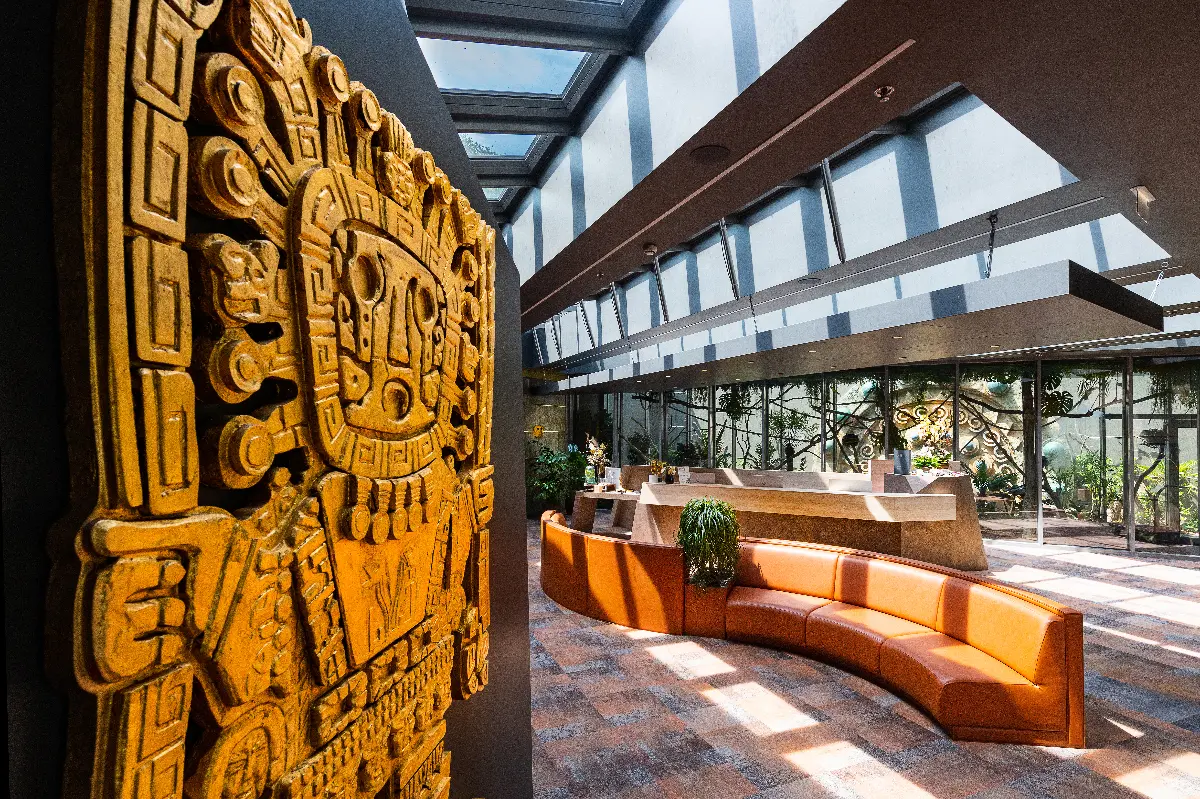
If you’re captivated by the mystical cultures of South America, would love to relax amidst the atmosphere of the Amazonian rainforests, or are fascinated by the legend of the lost city of gold, El Dorado, then Tokaj is definitely the place to head for! Built on the site of a former andesite quarry, the Minaro Hotel Tokaj MGallery Collection is a five-star, adults-only retreat whose design is inspired by the Inca culture.
Alongside the golden details and geometric patterns, it’s well worth admiring the monumental Tumi statue, as well as the hotel’s most special resident; Mino, the rescued Peruvian sloth!
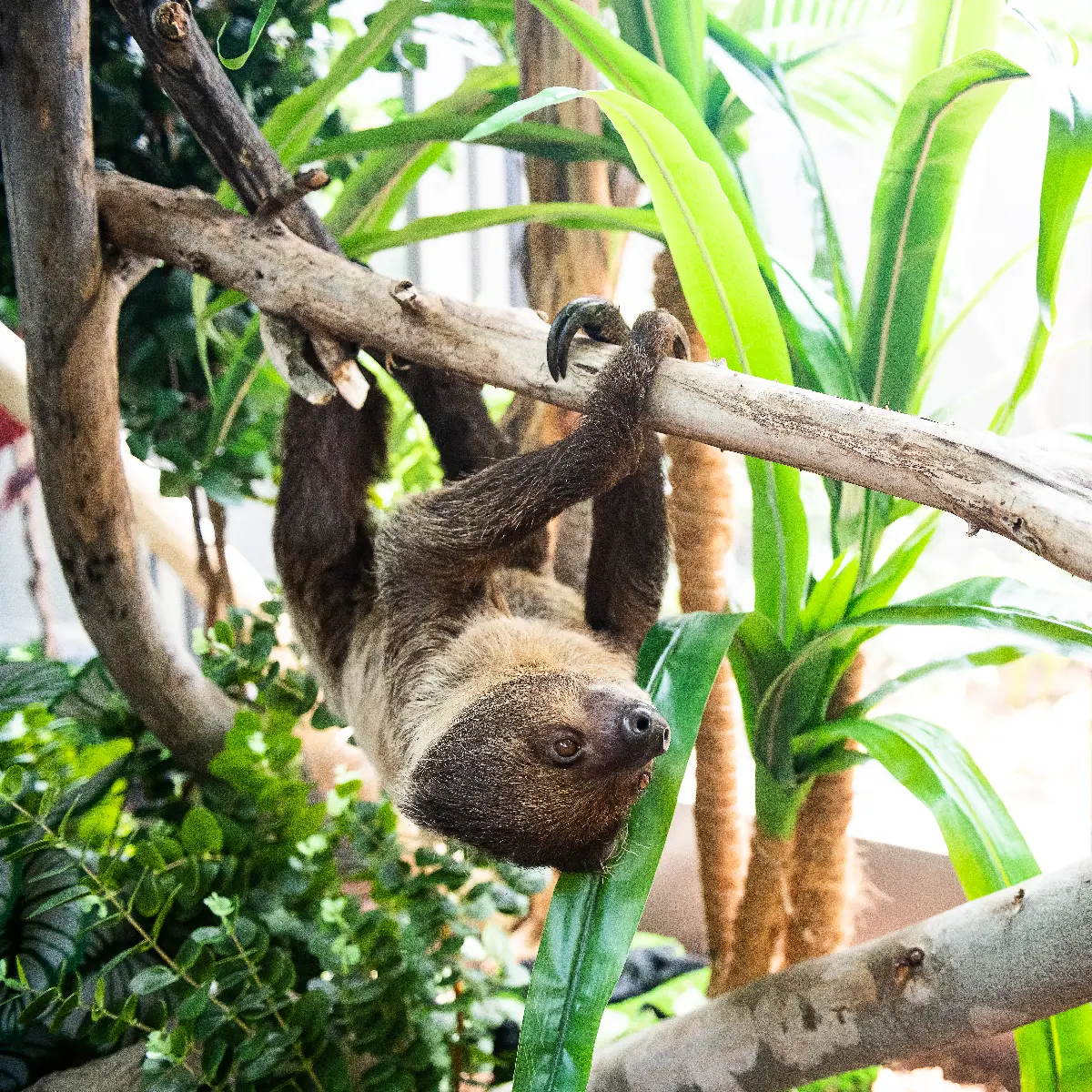
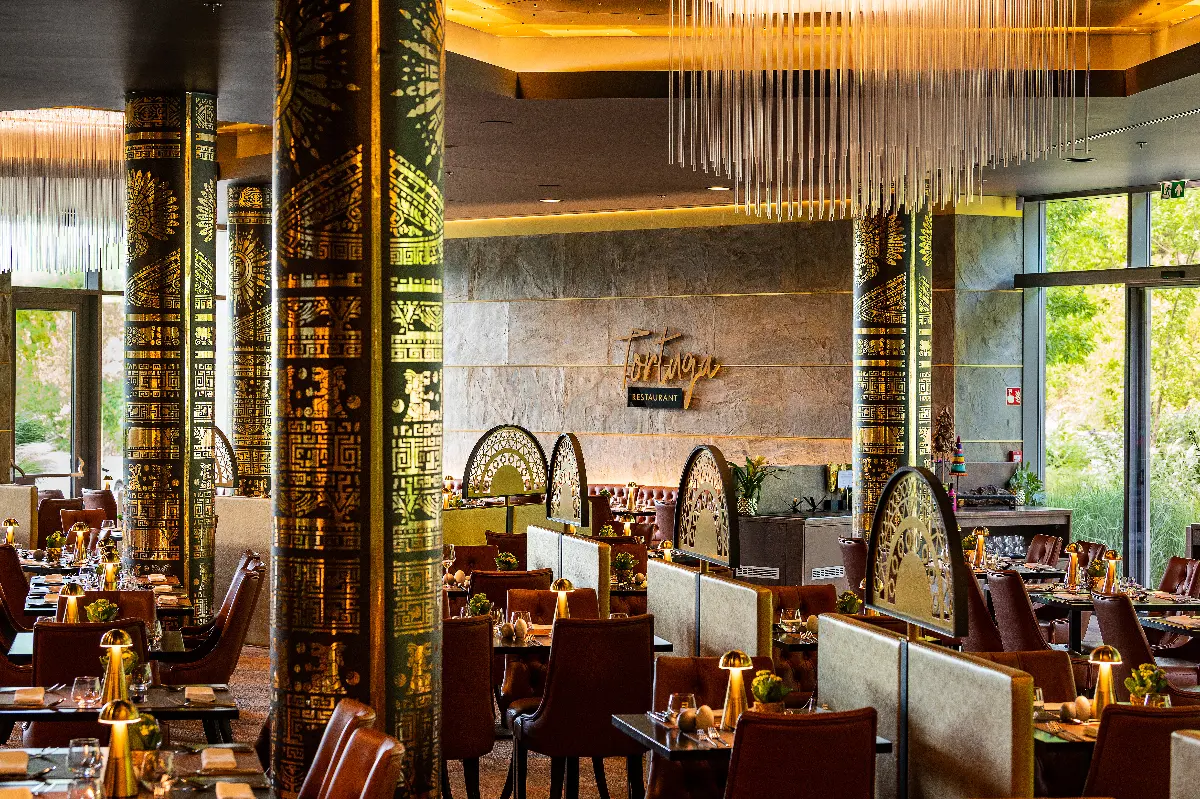
One of the main venues for South American-style relaxation is the 1,600-square-metre Amazonas Spa, where, surrounded by lush vegetation, you can unwind amongst the rock walls of the former andesite mine. In this jungle-like setting, it’s well worth trying the themed sauna programmes, the Temazcal steam ritual and the guided relaxation sessions. At the Tortuga Restaurant, the cuisines of Tokaj and South America come together: under the guidance of chef István Csorba, exciting international dishes are prepared using premium local ingredients. At the Viracocha Bar, you can sample magnificent cocktails, and the drinks menu naturally features Tokaj’s ‘liquid gold’, Tokaji Aszú.
A journey back in time to the ancient Pannonian Sea
One of the most marvellous and, at the same time, most mystical natural sights in the Káli Basin is the Szentbékkálla Stone Sea, where you can walk amongst strangely shaped boulders formed over millions of years. These bizarre rocks, situated along the National Blue Trail and the Theodora-Kékkő nature trail, are formed from sediments of the Pannonian Sea, and their present shape has been sculpted by wind, water and erosion. The best-known formation is the 10-tonne rocking stone known as the Kelemen Stone, which rests on just three points, therefore anyone can ‘rock it’ using their own body weight.
The area is easy to explore on foot, and discovering the rock formations makes for a brilliant short excursion. On the 15-stop, approximately 8 km long Theodora-Kékkő Nature Trail, you can gain an insight into the deeper secrets of the earth by following tiny blue beetles.