Helyszín címkék:
Hungary awaits: The wonders of the August sky
Partner content
What will this article cover?
- Hungary’s Dark Sky Parks
- Observatories and planetariums
- Astronomy experiences
Leading Zselic
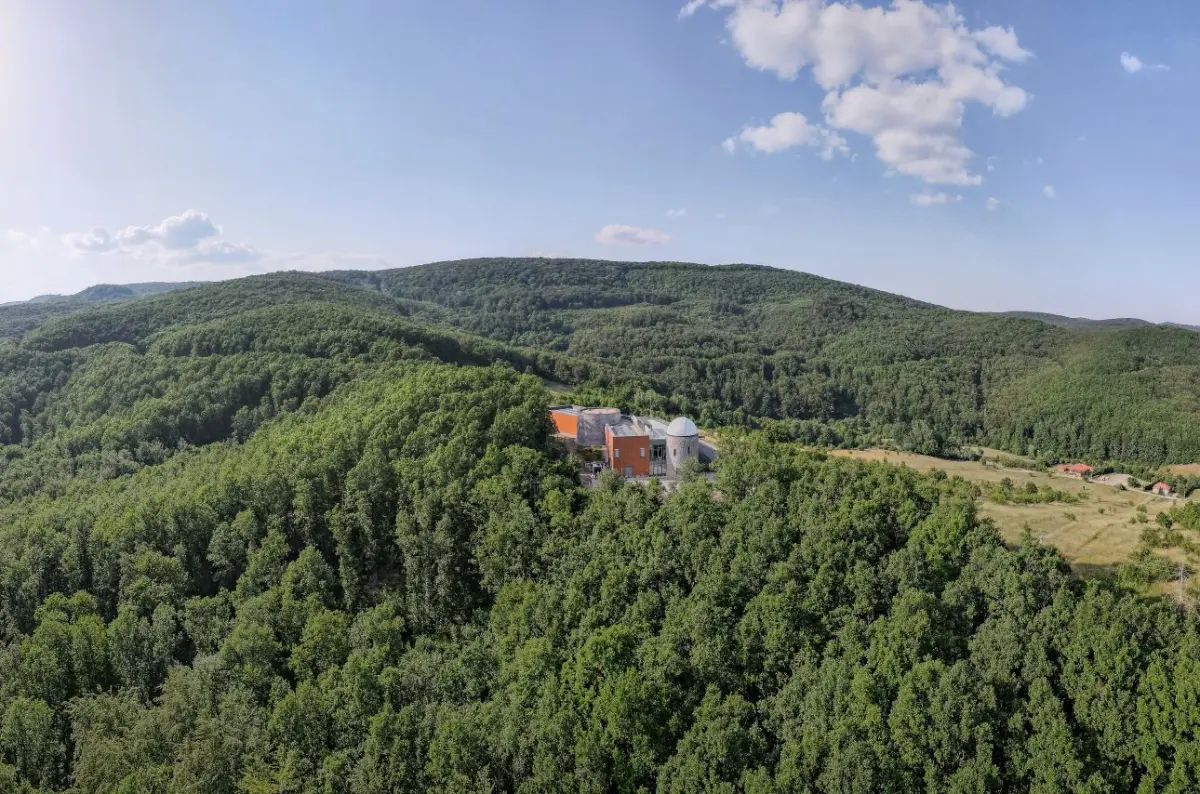
The Zselic Landscape Protection Area was the first in continental Europe to receive the title of international starry sky park. Located in the majestic forest environment of Zselic Star Park, visitors can enjoy an observatory, planetarium, and interactive meteorite exhibition, where they can even see a piece of the largest meteorite ever to fall to Earth. At the planetarium, you can watch films about astronomy and nature conservation, and after dark, you can observe the planets of the solar system and various star clusters and galaxies through a reflecting telescope. Next to the building, visitors can enjoy a relaxation area suitable for gazing at the sky and a 25-meter-high lookout tower, which offers a view of the splendor of the Zselic forest.
Sunbursts in the Bükk Mountains
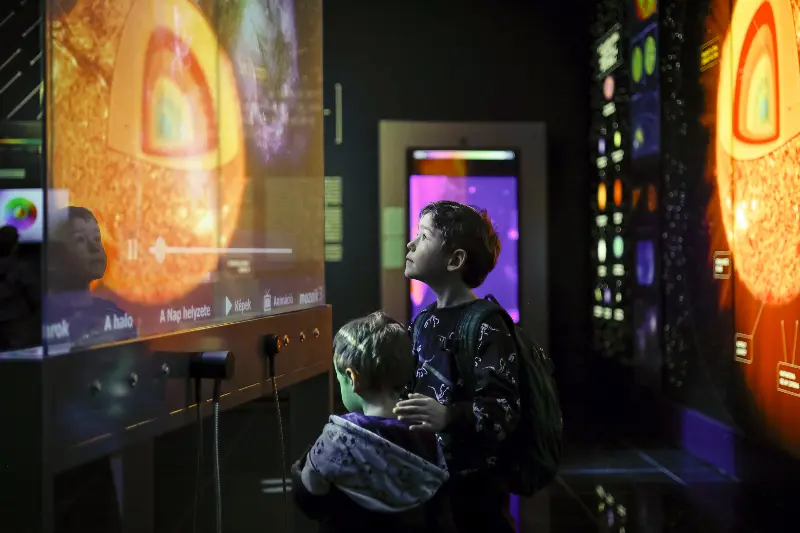
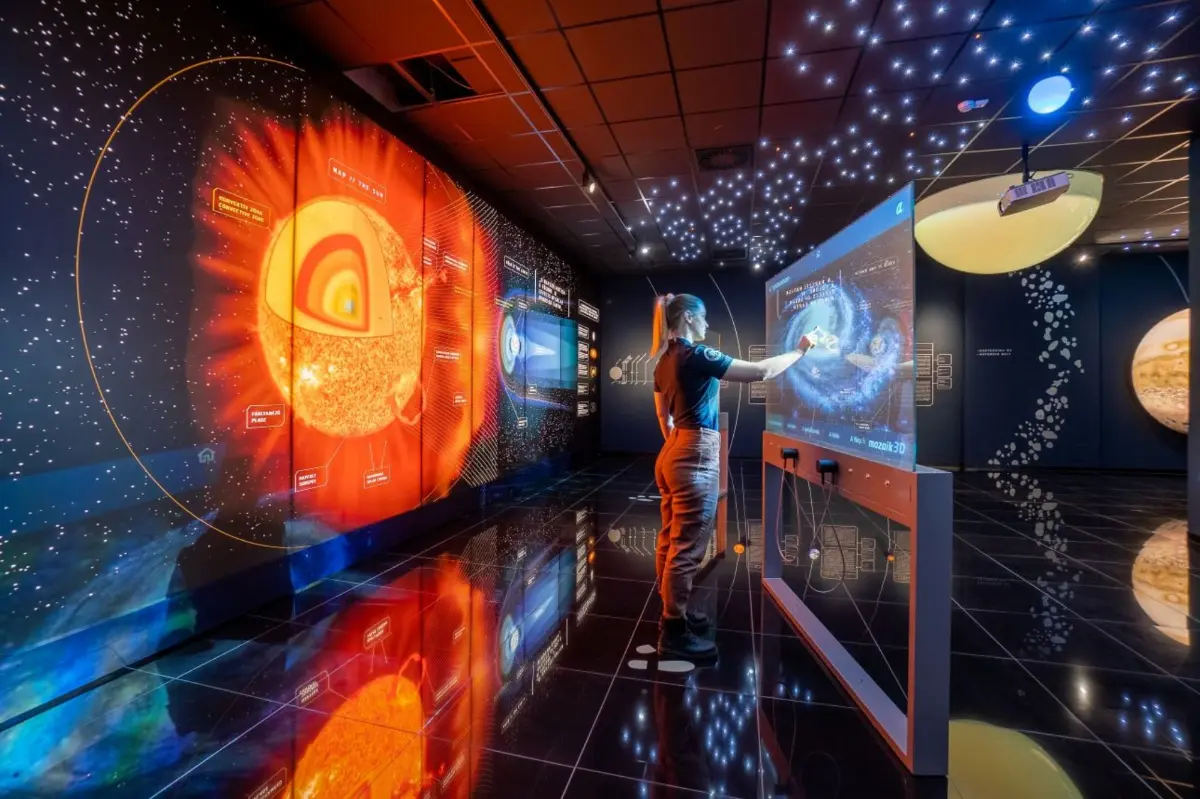
Our country’s third starry sky park is the area with the highest average altitude in the country, so the wonders of the sky are physically closer to us. This is where Central Europe’s most modern astronomical visitor center, the Bükki Csillagda, was established, offering attractions that combine adventure and learning through play for almost all age groups.
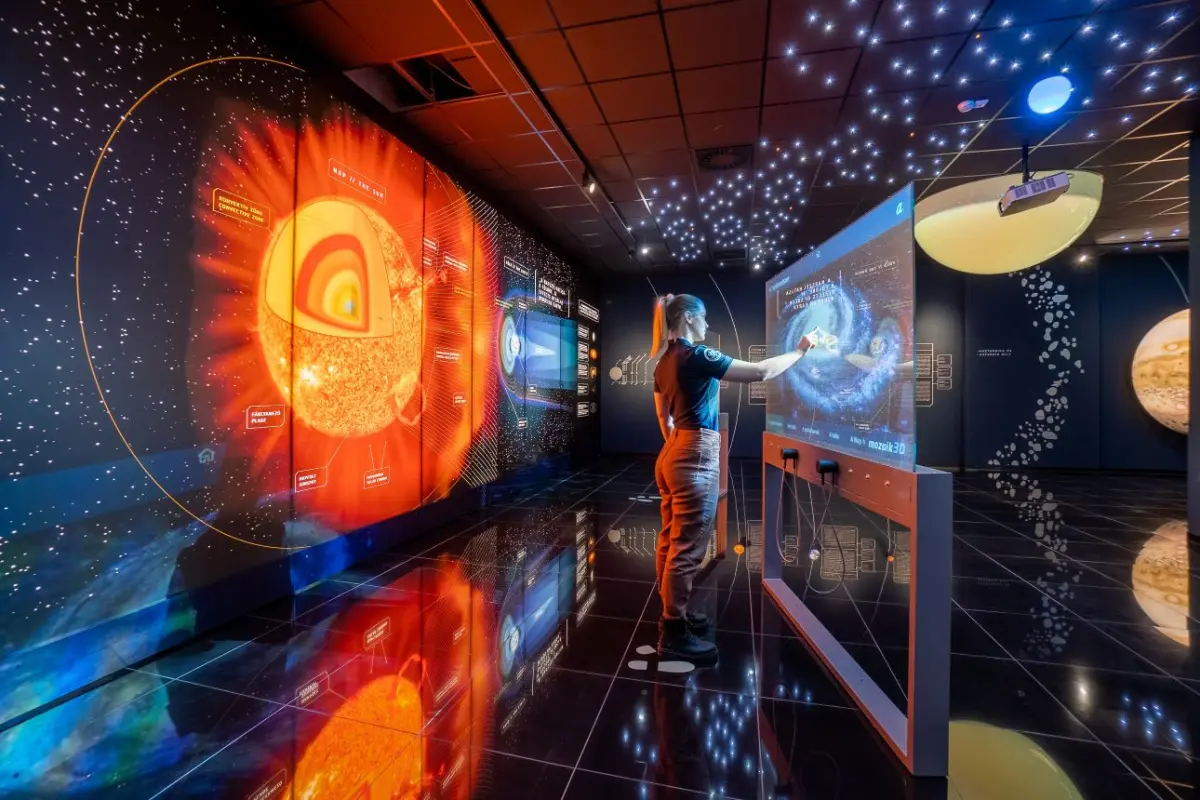
The central theme of the exhibition is the Sun. With the help of a solar telescope, visitors can observe sunspots and solar flares. The museum also has a significant meteorite collection, including the largest lunar meteorite in Hungary.
The 4-kilometer-long Planet Trail is connected to the star, which, in addition to the geological and cultural-historical values of the area, also includes a walkable model of the solar system.
Where we can become space tourists
The Pannon Observatory, located in Bakonybél, is the country’s first complex astronomical educational experience center. With a modern telescope park, Hungary’s most advanced digital planetarium, a 3D Mars cinema, and interactive space exploration and astronomy exhibitions, it welcomes visitors day and night.
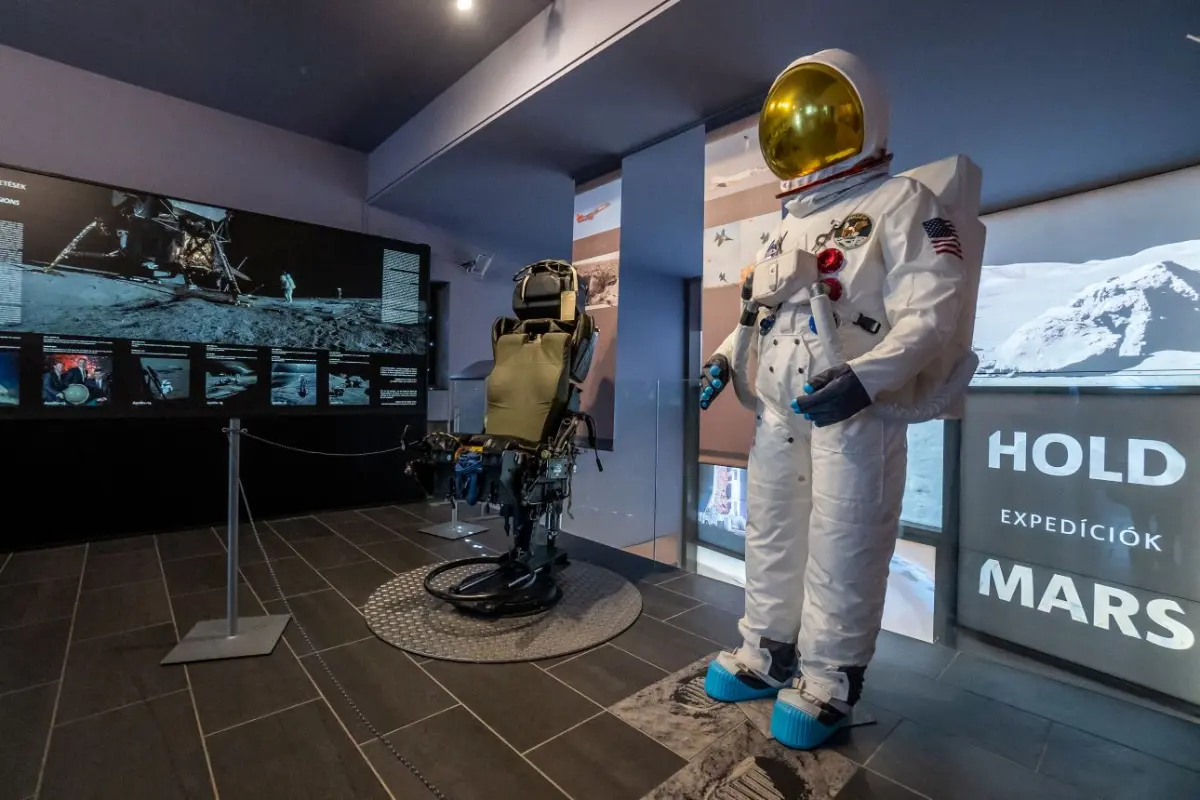
The famous Gibeon meteorite, dating back to the formation of the solar system, is kept here, and visitors can watch the film Acta Galilei about the work of the great astronomer. Visitors can even become space tourists for a short time and experience the excitement of landing on the moon or going on a Mars expedition.
In the starry sky, the wilderness
The first thing visitors to Hortobágy Starry Sky Park notice is that the star-studded sky spreads over the plains like a magical blanket. While only a dozen or so stars can be seen from the center of large cities, nearly two thousand points of light are visible to the naked eye in the sky above Hortobágy. Here, nothing disturbs the meeting of heaven and earth on the horizon, and no artificial lights dim the stars.
The park’s telescope demonstrations and nighttime stargazing tours offer a rare opportunity to experience the natural night sky. The highlight of August is the Perseid meteor shower, which will be accompanied by a birdwatching tour and stargazing.
The article was originally published in the Hungarian Tourism Association Foundation’s magazine titled Magyarország vár (“Hungary awaits’’).
Source: turizmus.com