Helyszín címkék:
Keep going even when you can’t anymore – The teachings of Camino Benedictus
Szalay Ibolya
More than just walking
Buen Camino!
– In the first few days, this greeting may sound strange, but later it will become familiar.
The greeting “Buen Camino!” means the same thing throughout Europe: Have a good journey! However, the Camino is much more than that. The Camino Benedictus is a Central European pilgrimage route that follows the spirit of traditional caminos, yet has its own rhythm and character, passing by Benedictine monasteries.
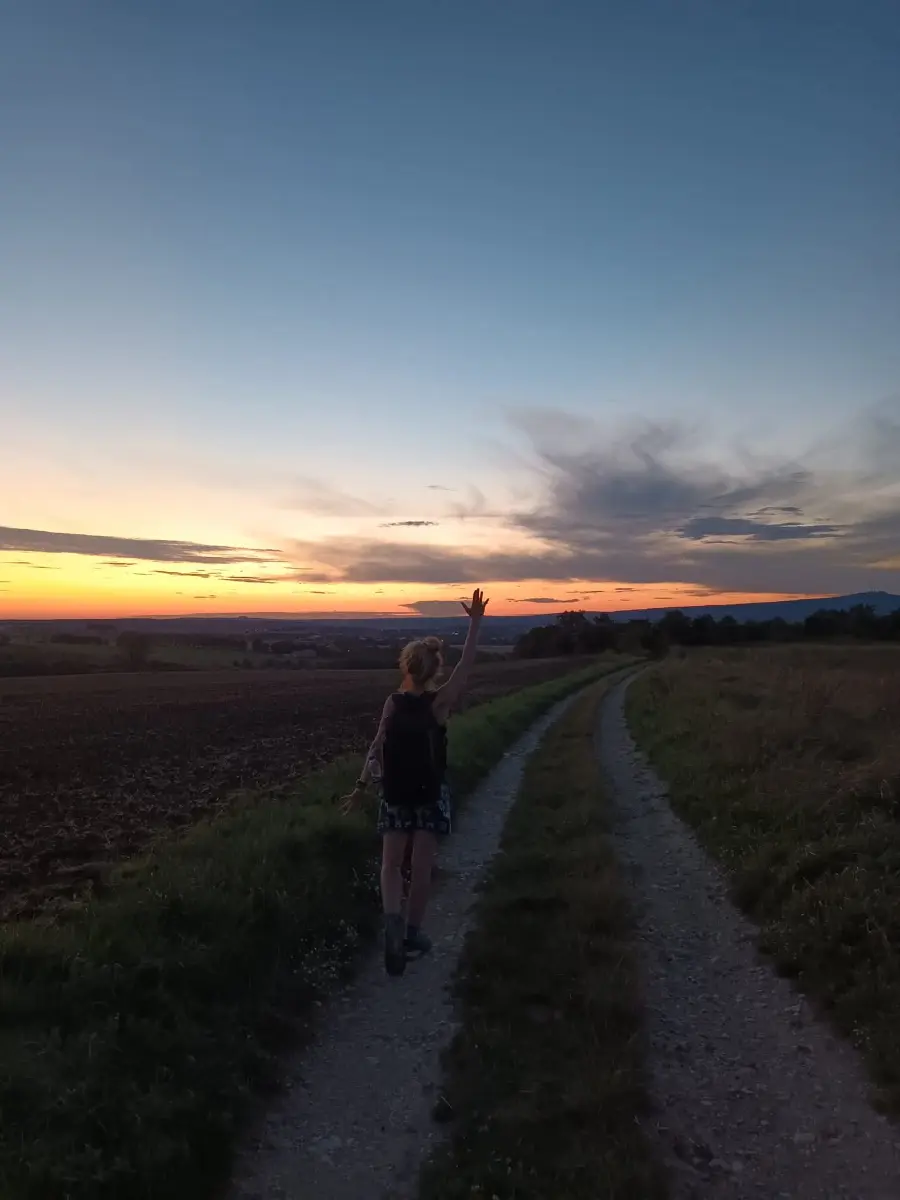
It is not based on spectacular sights, nor is it a simple endurance hike, but rather a route where monotonous walking, silence, and simplicity come to the fore. The rhythm of the days becomes clear: departure, progress, arrival – again and again. In this repetition, everything that is often hidden by everyday life becomes visible.
Starting from Hungary towards the Camino
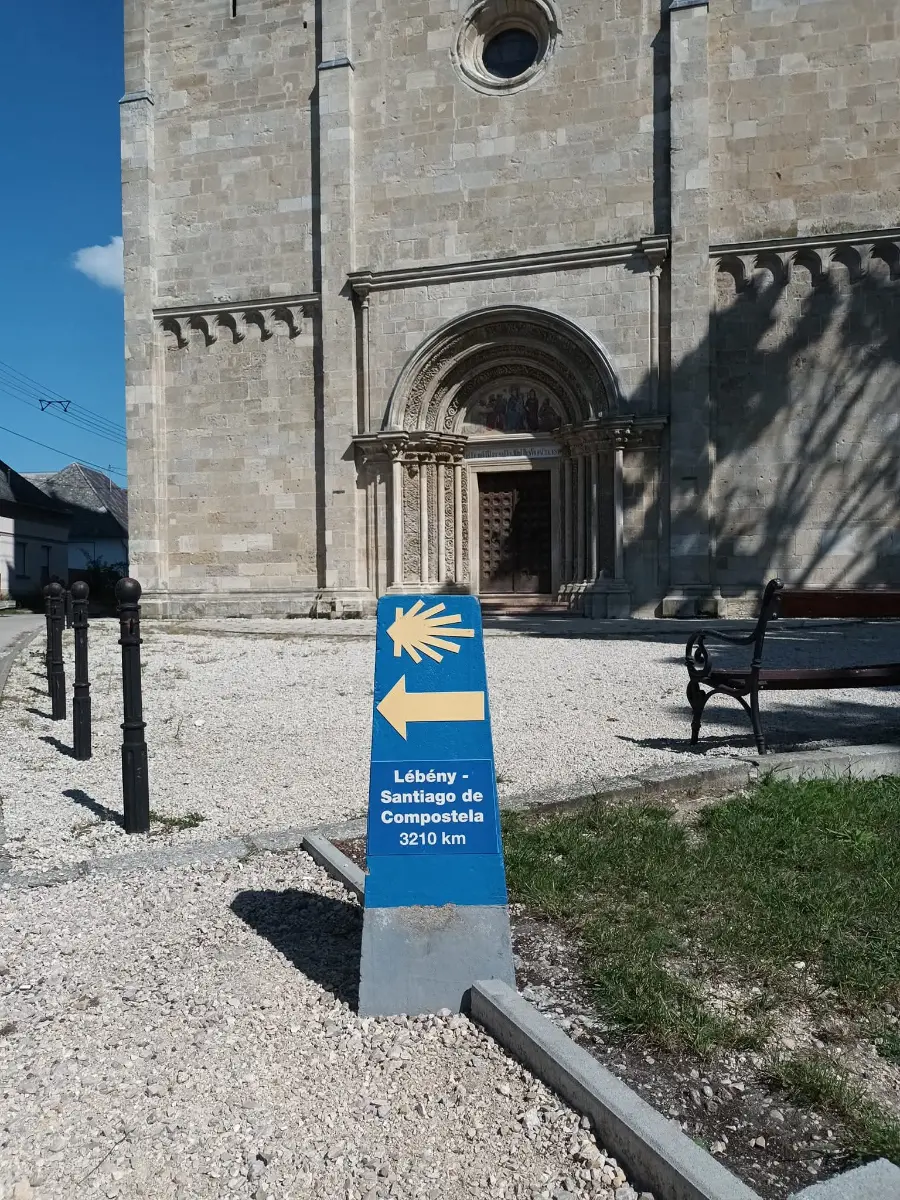
One of the lesser-known but particularly exciting features of the Camino is that it is now possible to start from Hungary and head towards Santiago de Compostela. The various European sections of the Camino, including the Camino Hungaro, form a
coherent network,
so that the route can be traveled without interruption.
This means that those who join the Camino at home become part of the same centuries-old pilgrimage tradition that ultimately leads to the city of Santiago de Compostela in Spain.
Companions, stages, separations
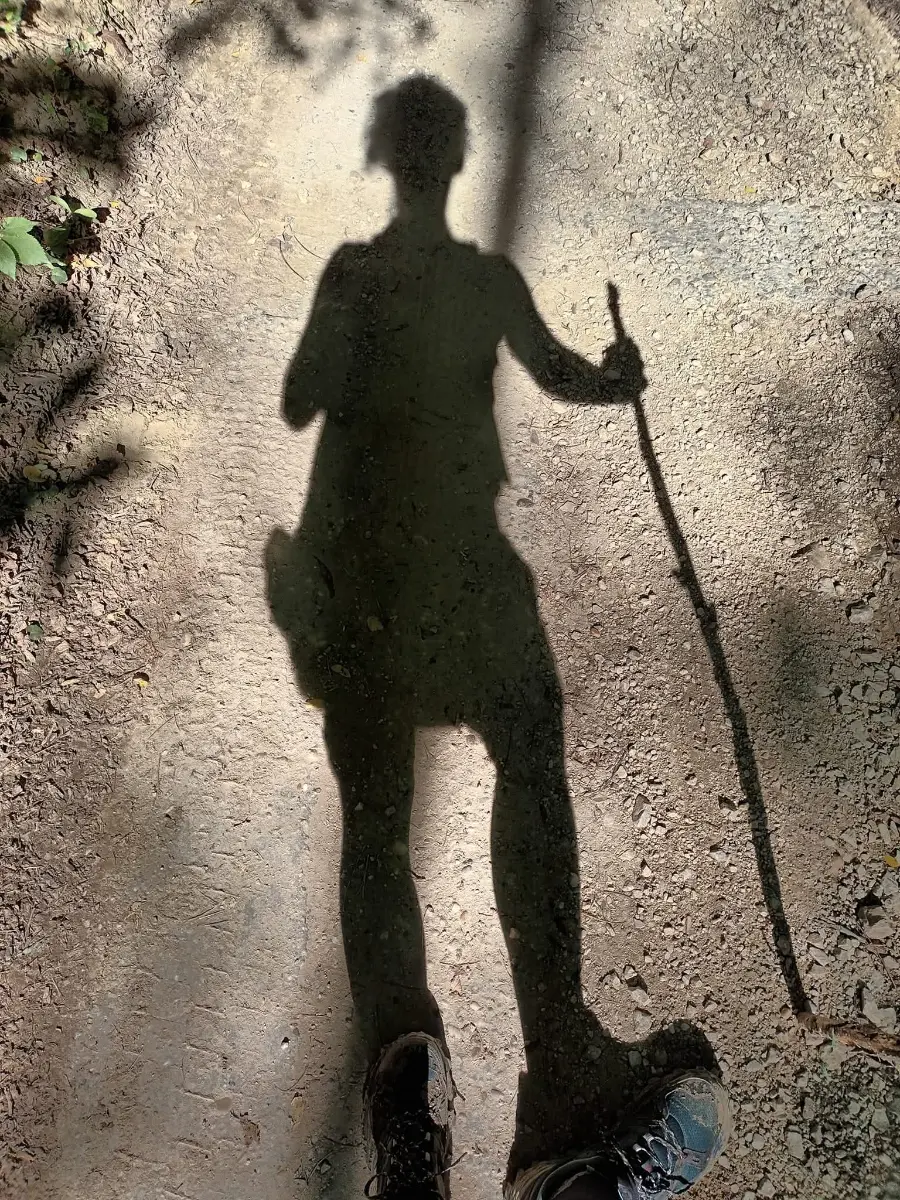
One of the fundamental experiences of pilgrimage routes is that not everyone follows the same path. Walkers join in, accompany you for a while, and then set off in a different direction. This constant change is a natural part of the journey.
The barely noticeable alternation between walking together and walking alone gives the Camino a special dynamic. Sometimes conversations carry us forward, other times it is silence itself. In this respect, the Camino Benedictus holds up
a distorted mirror:
it shows us how we relate to letting go, independence, and human connection.
When the greatest challenge lies within
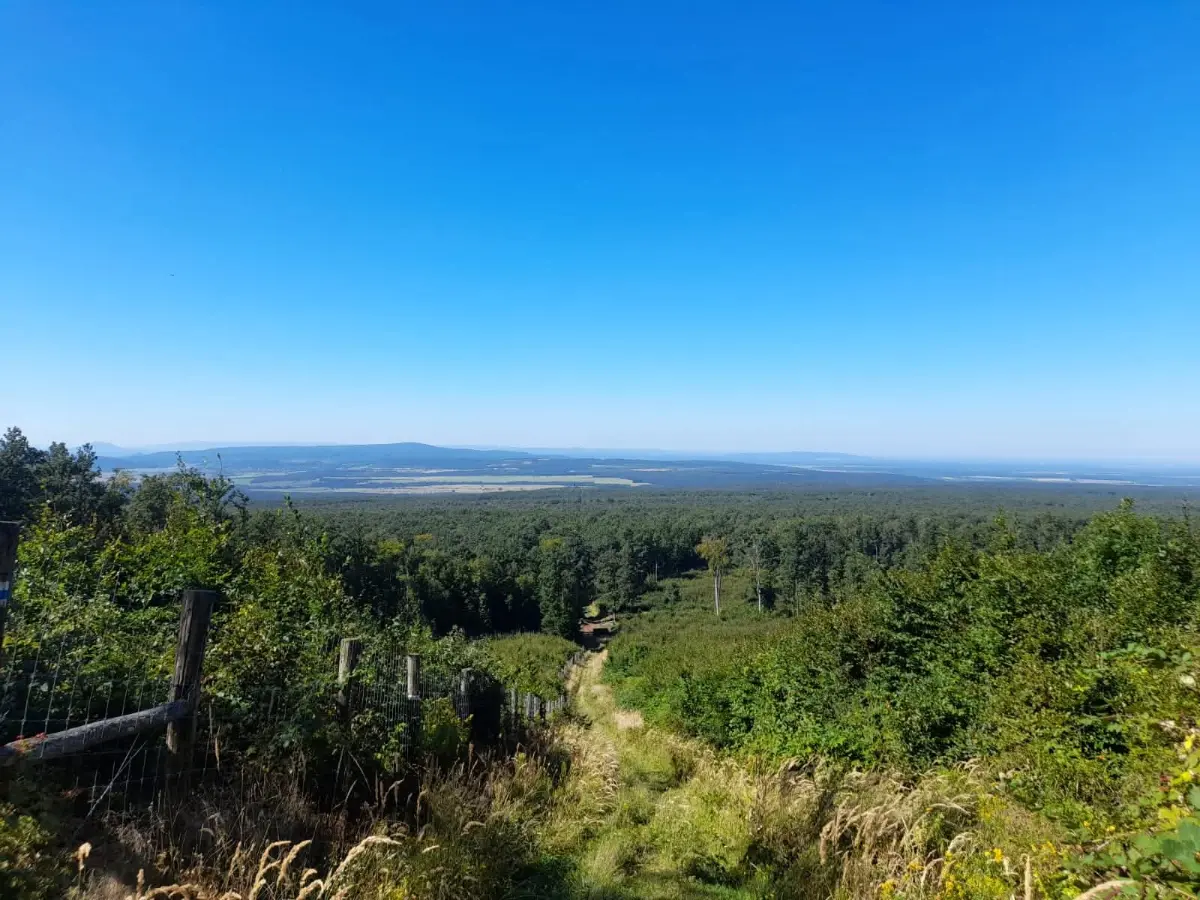
A long pilgrimage is not only a physical test. Due to pain, fatigue, and monotony, walking becomes
a tough mental challenge
over time. One inevitably faces one’s own limits – and also the fact that these limits can often be shifted.
It is often said that “those who fight with themselves always lose.” The experience of the Camino shows that facing oneself is not necessarily a struggle. Rather, it is a process of acceptance and cooperation with one’s true self.
Stopping as a conscious decision
In the narrative of pilgrimages, reaching the destination is often the focus. However, one of the most important teachings of the Camino Benedictus is that stopping the journey does not necessarily mean giving up. Sometimes the most important decision is to recognize that you have had enough.
In this sense, stopping is not a failure, but a conscious choice. It is the recognition that the value of the journey is not measured solely by the number of kilometres travelled, but also by what it gives the traveller along the way.

What do we take home from the journey?
When traveling the Camino Benedictus – and the Camino network in general – we do not get ready-made answers. Instead, questions arise in us about perseverance, boundaries, goals, and letting go. At the end of the journey, not everything in us necessarily changes, but we see things from a different perspective.