Helyszín címkék:
Let’s leave a smaller carbon footprint! Sustainable restaurants and accommodation
H. Horváth Orsolya
The article is about:
- Tata: Energy self-sufficiency next to the castle
- Balatonszemes: Locally sourced ingredients and afforestation
- Tokaj: Centuries of history and organic viticulture
- Balaton Uplands: Low-impact architecture in the countryside
- Zebegény: Zero waste and 100 per cent renewable energy

An energy-independent ecosystem in Tata
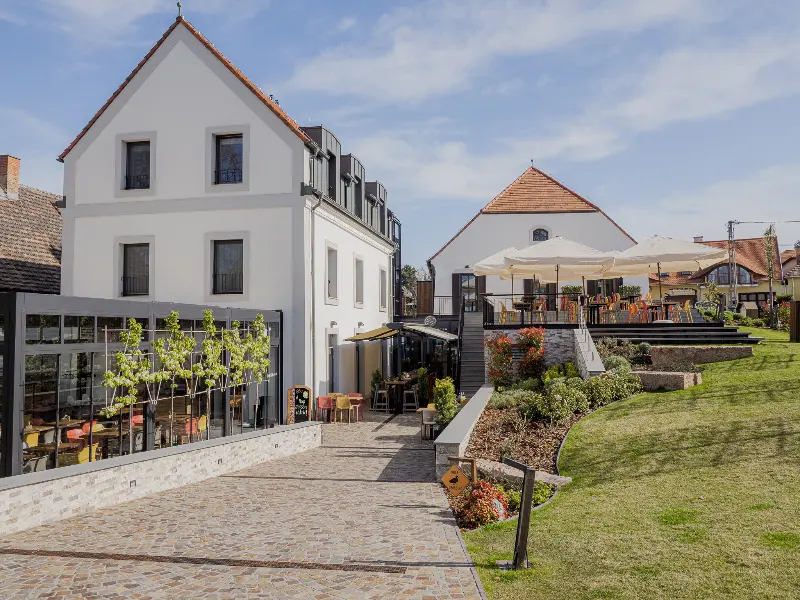
The Platán Tata complex, situated next to the historic Esterházy Castle, has developed into a multifaceted ecosystem. The boutique hotel, bistro, bakery and street food outlet are excellent examples of circular economy and sustainable operations. Their heating and hot water requirements are met entirely through the use of energy cane grown on site. The chefs prepare mouth-watering dishes using fresh ingredients grown in their own vegetable garden and meat from their own Angus cattle farm. This experience, which blends seamlessly with nature, is complemented by the Öreg-tó (Old Lake) nature and bird sanctuary in Tata, a site of outstanding importance. Sitting on the terrace, you can also admire the flocks of wild geese resting here.

Regional flavours and afforestation in Balatonszemes
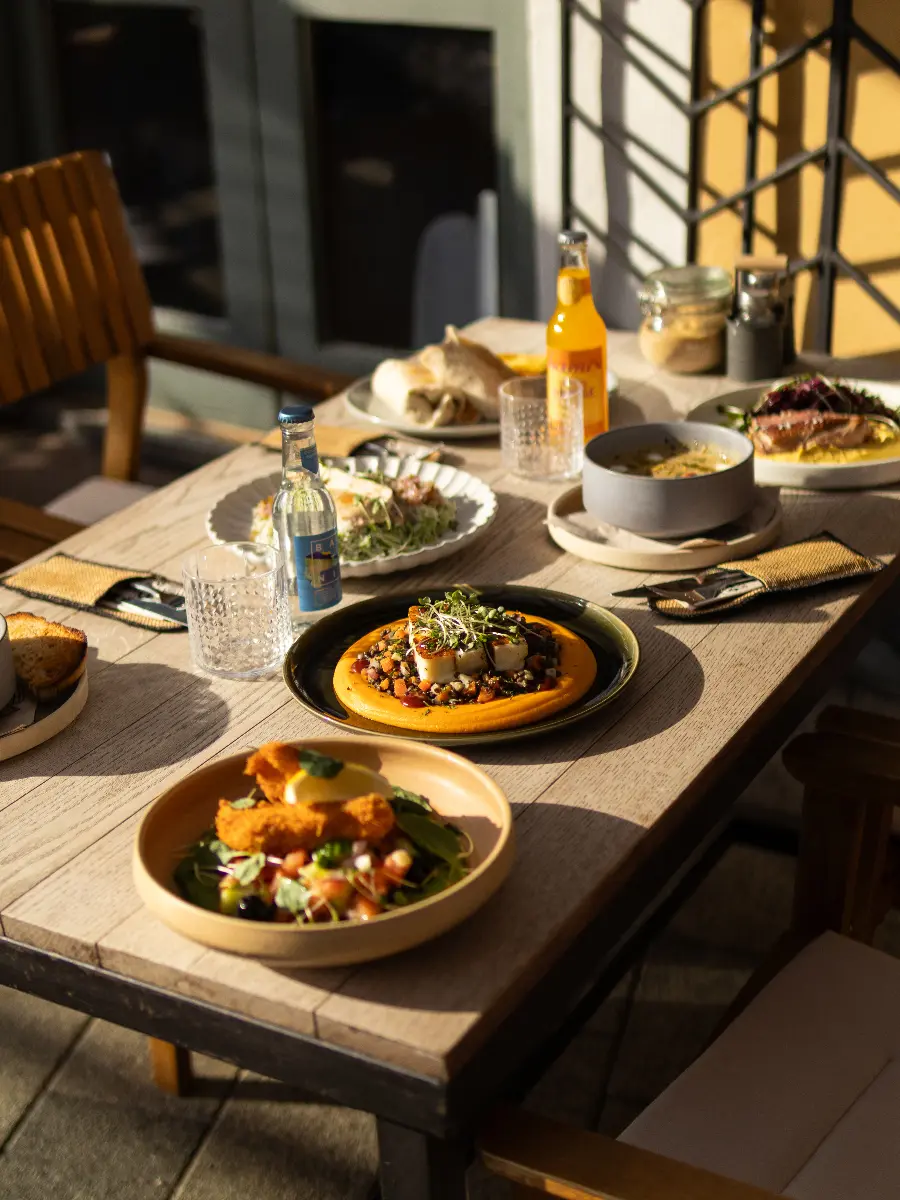
Kistücsök, situated on the southern shore of Lake Balaton, has been relying on seasonal and local produce for decades. The restaurant sources 80 per cent of its ingredients from within a 50-kilometre radius, from around thirty to forty producers. They also minimise their environmental impact by having a local glass artist recycle broken glass into new plates and vases, which are then used in the restaurant. Their commitment to environmental protection is further demonstrated by the fact that they have funded a five-hectare forest restoration project near the village. The gastronomic experience is rounded off by their nineteen-room hotel, making a visit here an excellent choice for a longer weekend break.

Centuries-old heritage and organic farming
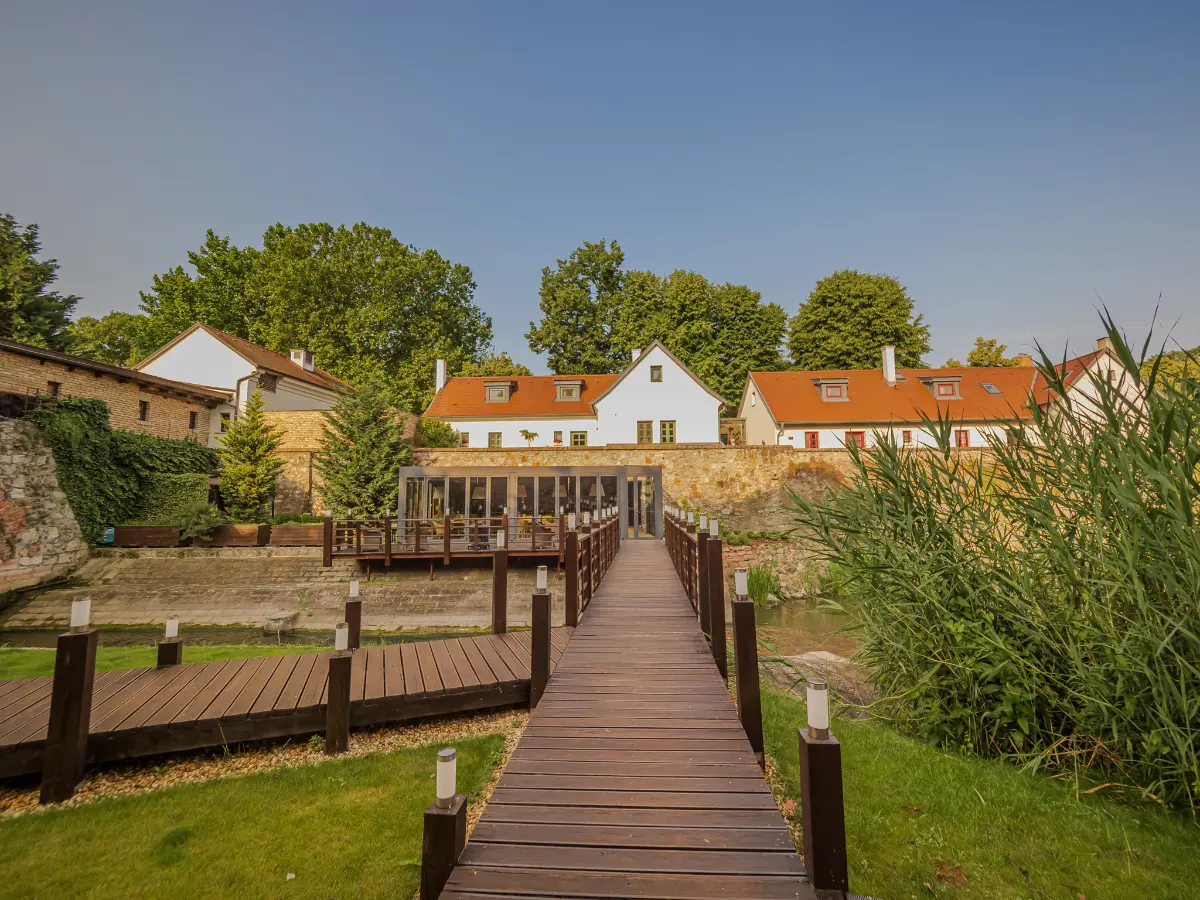
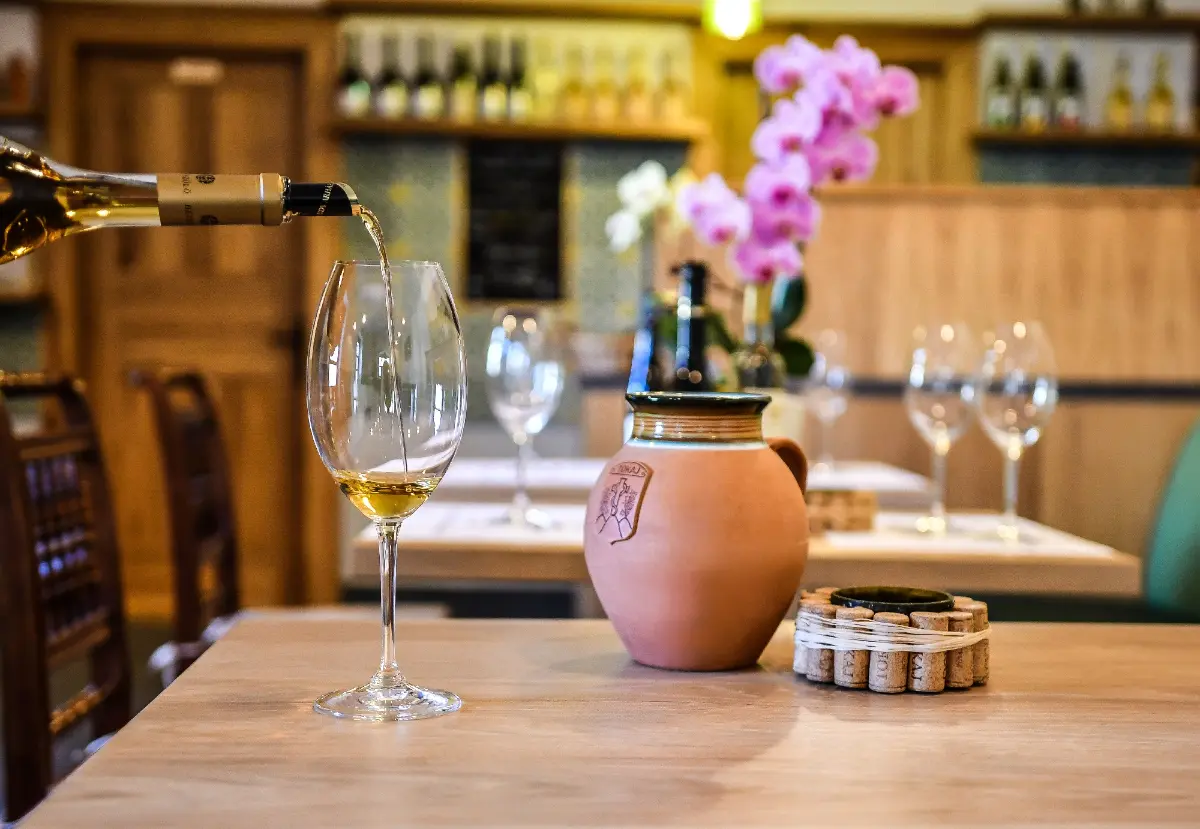
The Tokaj wine region is also home to forward-thinking initiatives, such as the Tokaj Hétszőlő Organic Vineyard, founded in 1502. The 55-hectare estate is managed entirely without synthetic chemicals, following an ecological approach. Ecological islands created amongst the rows of vines provide habitats for birds and insects, whilst rainwater is collected from the rooftops and reused for cleaning and irrigation. The estate is open to visitors all year round, and the cellar tours and tastings offer adults a wonderful few hours’ relaxation.

Low-impact architecture in the Balaton Uplands
Whilst visiting the Balaton Uplands, you can try out a unique type of accommodation that blends seamlessly into the landscape. The cabin houses at Kapolcsi Sziklák (The Rocks of Kapolcs), designed by Hello Wood, are shaped to evoke the region’s stone formations. During the design phase, care was taken to minimise disruption to the natural terrain using prefabricated elements and raised foundations, thereby preserving local biodiversity. Cooling and heating are provided by modern inverter air-conditioning units, whilst ingredients for guests’ meals are sourced from local producers. This secluded accommodation is ideal for adults seeking a quiet, nature-centred break.

Renewable energy and zero waste in the Danube Bend
Natura Hill in Zebegény is a true eco-luxury retreat in the Danube Bend, easily accessible by train; what’s more, they provide a free transfer from the station in their electric van. The estate’s energy needs are met entirely from renewable sources, using solar panels and a ground-source heat pump. The kitchen operates on a zero-waste principle, and ninety per cent of the fruit and vegetables used come from their own 100-hectare organic farm. An interesting detail is that their tableware is made exclusively by Hungarian potters. This venue is the perfect choice if you’d like to slow down for a few days in the heart of nature.