Helyszín címkék:
Adventures in Lillafüred: Discover the Enchanting Szinva Valley
Szabó Sára
What exactly will we be covering?
- A walk around Lake Hámori, combined with a cave tour
- A ride on the Lillafüred State Forest Railway, followed by a hike to the Zsófia Lookout
- Picnicking and trout fishing
- Recommended accommodation: the wonderful Hotel Palota Lillafüred
Where should we start?
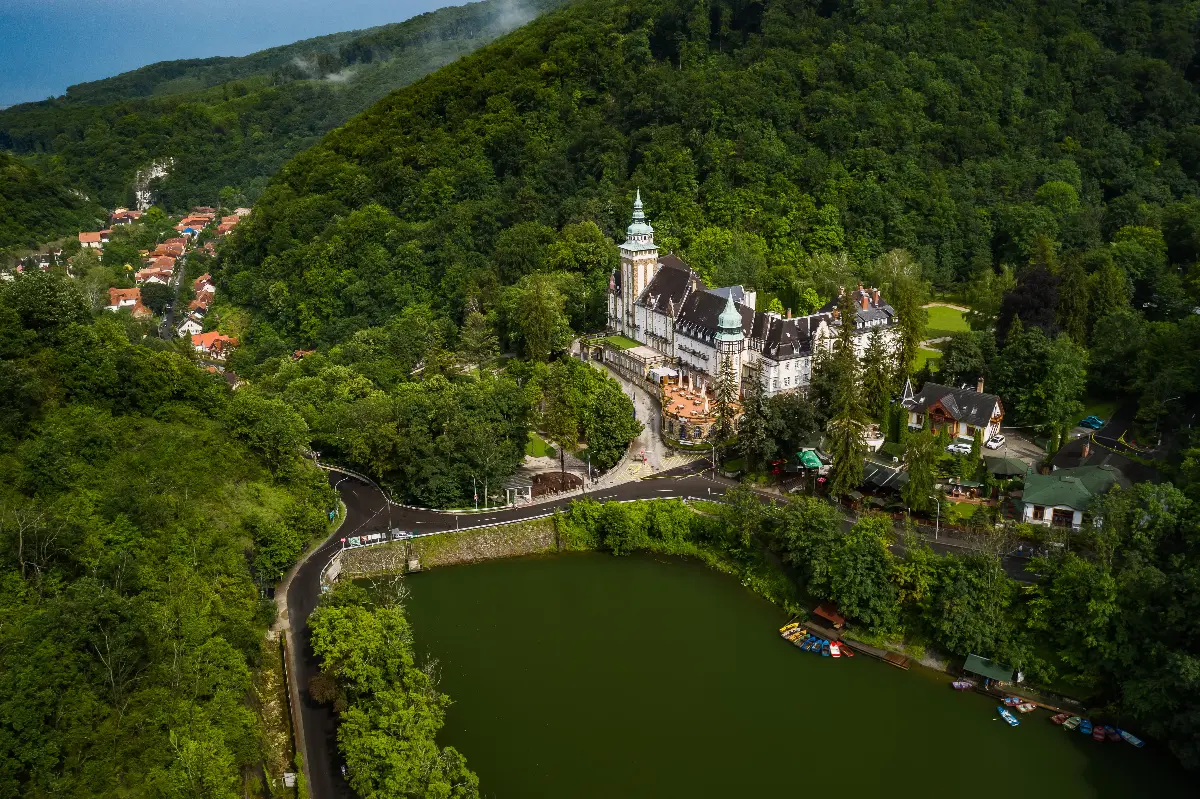
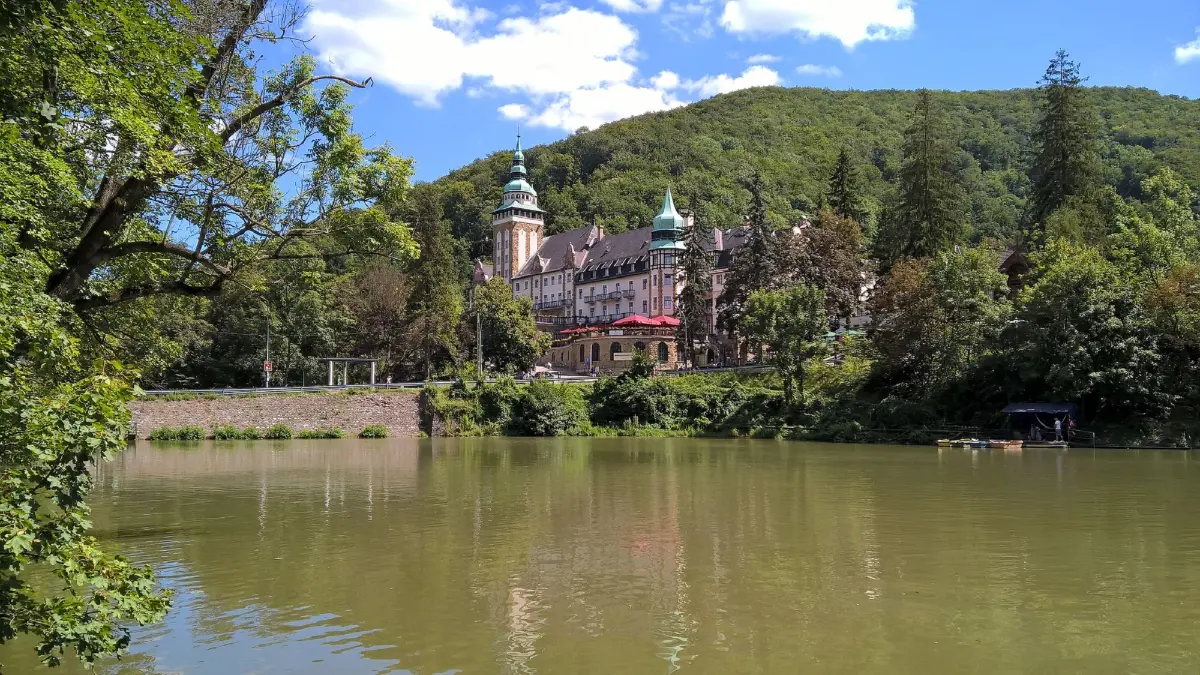
It’s worth beginning the itinerary around one of Hungary’s most beautiful lakes, the emerald-green Lake Hámori. From here, we can head in several directions; the lakeside walk is easy to complete, with sections accessible even with a stroller. From here, the Lillafüred Waterfall and the system of hanging gardens are just a few minutes away, where you can stroll along terraced walkways with views of the lake and the valley. It’s worth taking in the lush aquatic world that thrives year-round, stopping at the Eszperantó Spring and the lookout points set up around the lake.
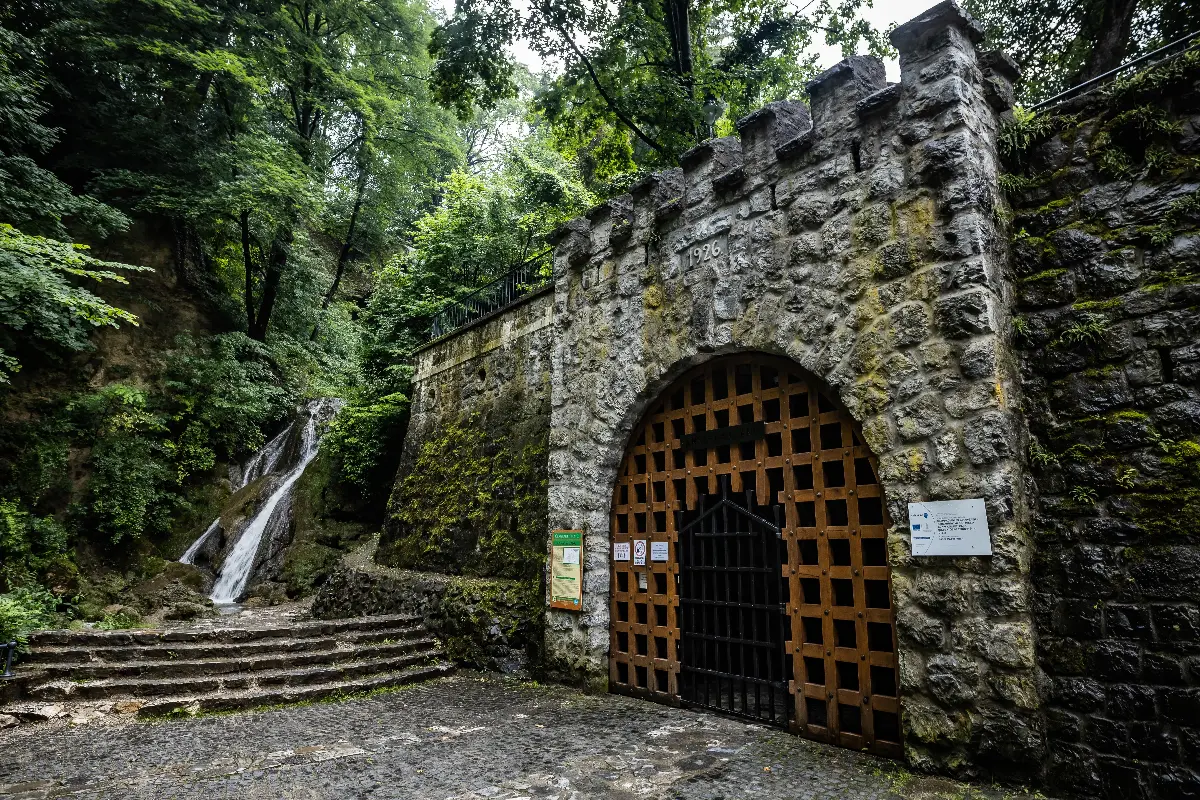
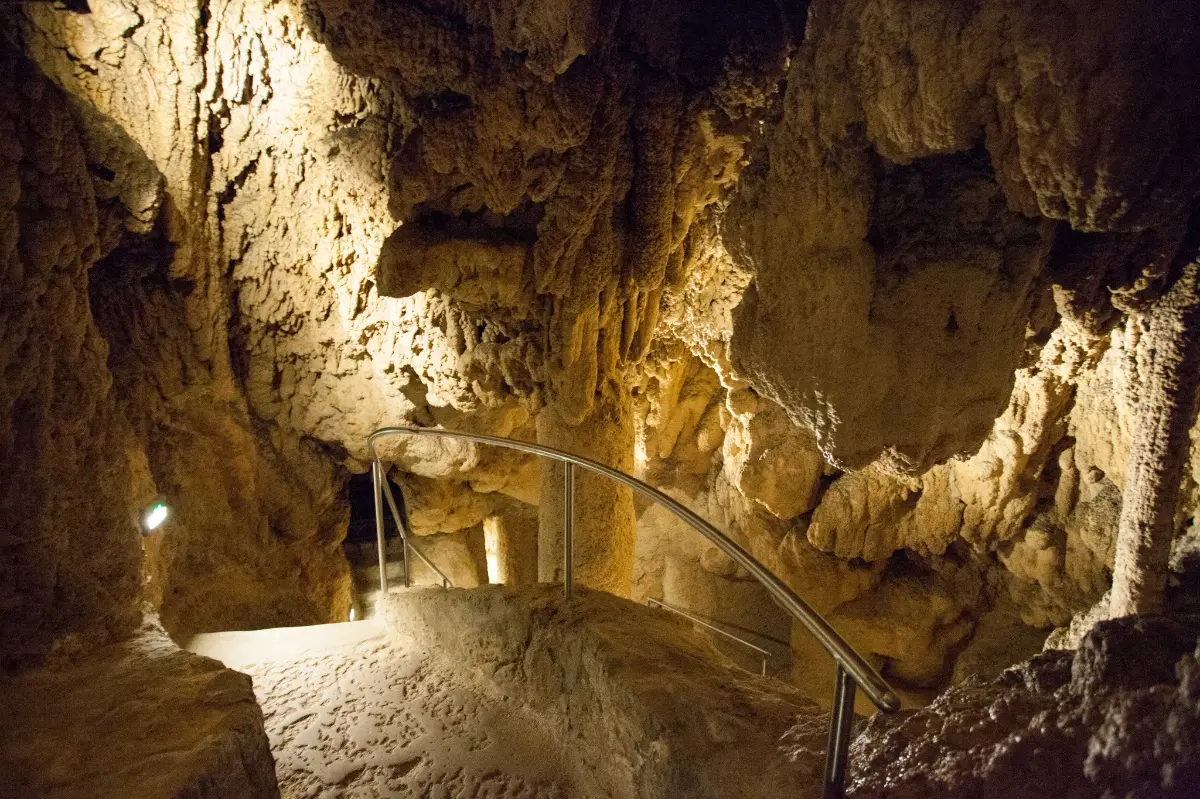
For those planning a cave visit, we recommend the guided tours offered by the Bükk National Park Directorate: the Anna Cave, located near Palotaszálló (Palace Hotel) and unique even on a global scale, or the guided tours of St. Stephen’s Cave are excellent options for both children and adults. The former is notable for its travertine formations, while the latter is known for its spacious passages. Both can easily be incorporated into a half-day itinerary.
Narrow-gauge railway and countless photo spots in the area
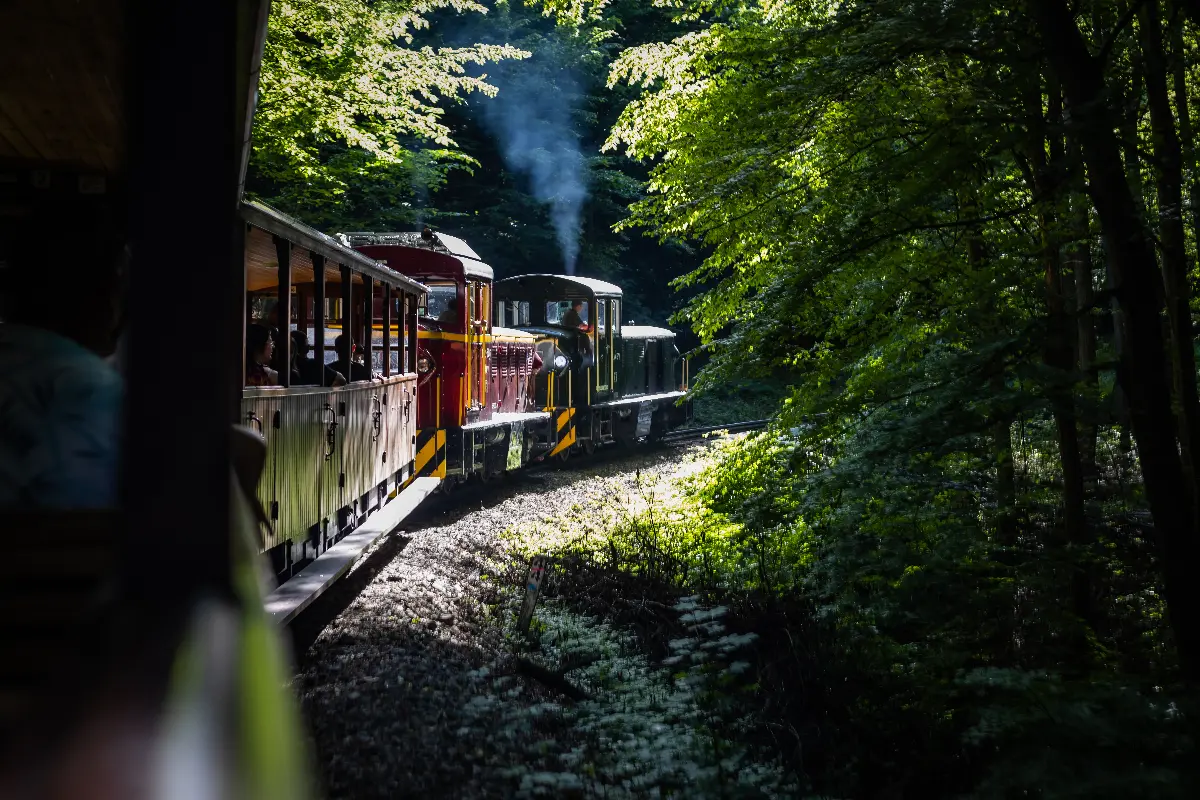
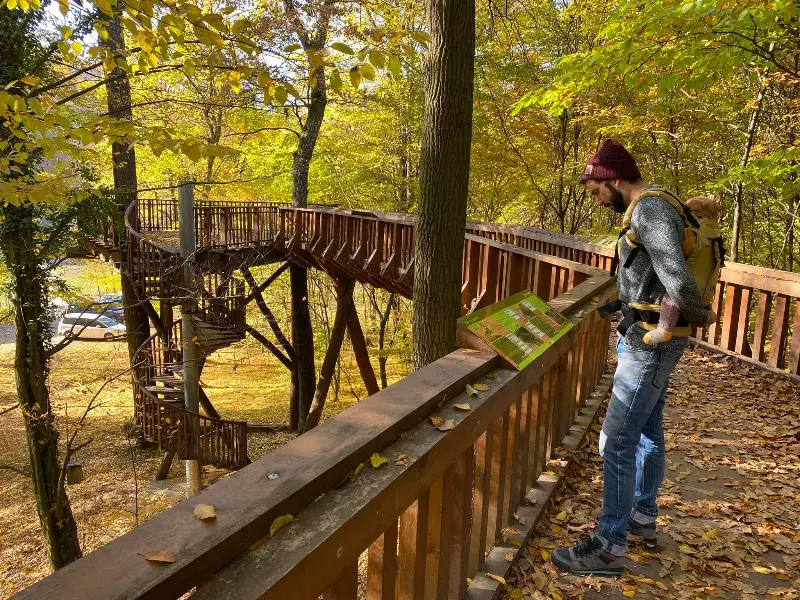
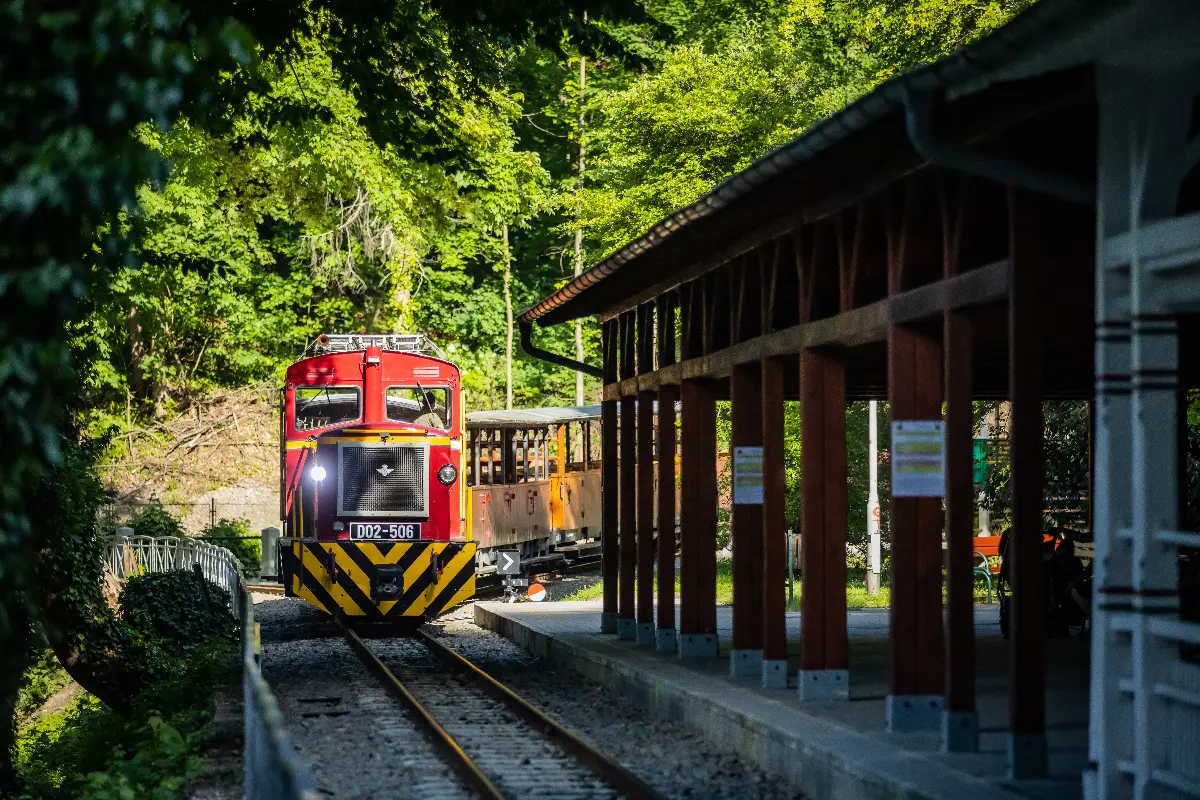
The hiking trails in the area vary in difficulty. A shorter, family-friendly option, for example, is the Hámori Lake–Garadna section, which has fewer elevation changes. If you’re traveling with children, you should definitely take the Lillafüred State Forest Railway: this 13-kilometer-long narrow-gauge railway runs between Miskolc and Garadna, and you can get off at several stops to explore.
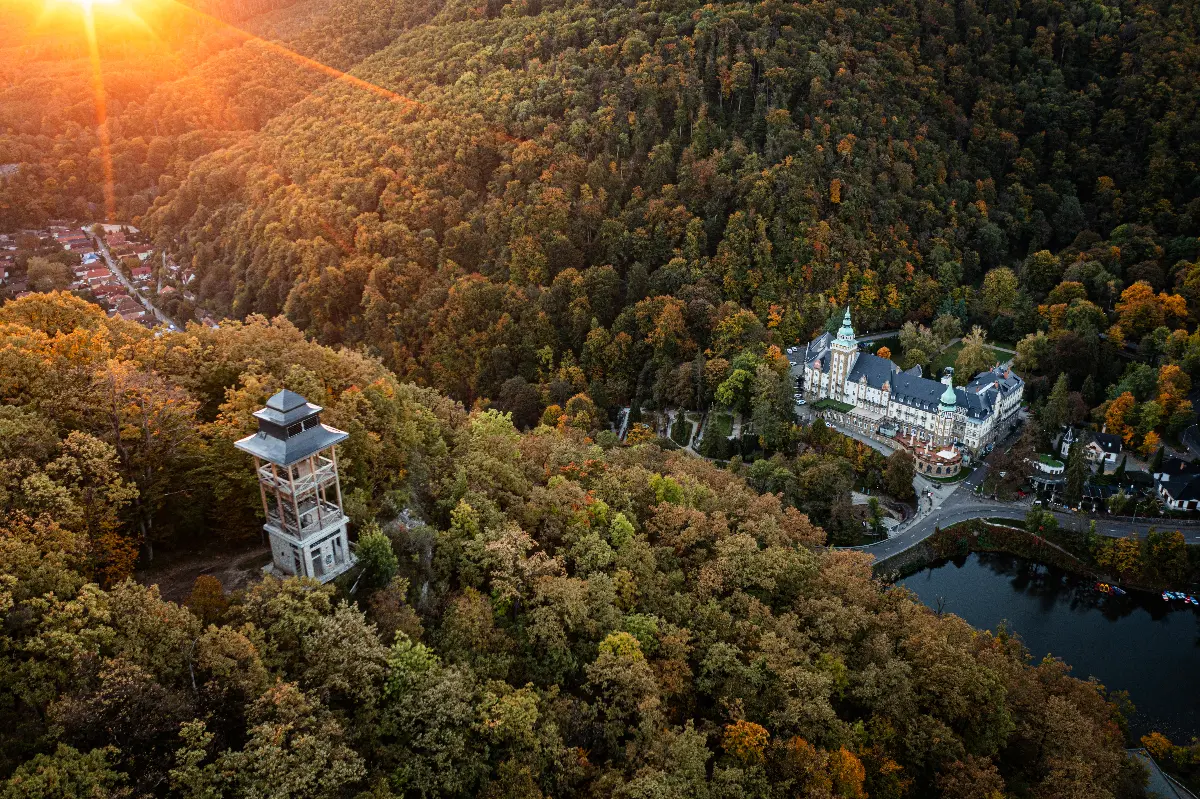
If you’re not afraid of a bit of a climb, it’s worth tackling Dolka Hill, at the top of which stands the Zsófia Lookout. From the tower, you can take excellent photos of Palotaszálló, which is particularly spectacular in the spring and summer. We can continue the roughly 10-kilometer hike over the Lencsés Saddle, then follow the Kis Plateau to first reach the Büdös-pest Pass, and from there descend from the Szeleta Peak to one of the country’s most famous prehistoric caves, the Szeleta Cave. At the end of the hike, we can return to the Szinva Valley while enjoying a beautiful view.
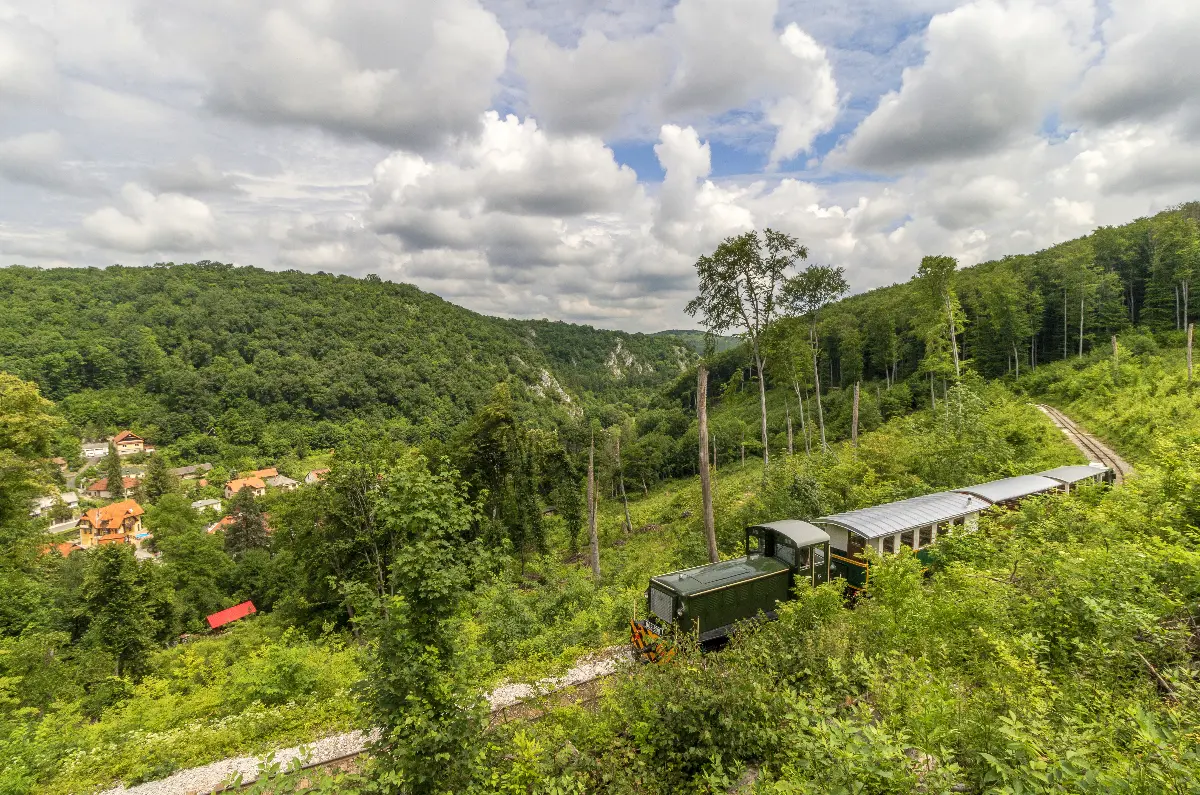
Photo: Gyula Bózsó
A Magical World, Even with Young Children
If you’re visiting with young children, it’s best to choose shorter, circular routes – for example, a walk around the lake combined with a stroll through the hanging gardens. There are several designated picnic areas in the vicinity, complete with shaded benches.
During the summer, it’s best to set out early, as the more popular spots – caves, waterfalls – fill up quickly with visitors. Guided tours of the cave depart every hour on the hour, and while advance booking isn’t required, it’s worth arriving on time!
During the trip, you can stop at several places for lunch or a pastry. Trout dishes are common in the area: head to the restaurant called Vendéglő a Pisztrángoshoz, or the terrace of the Lillafüredi Pisztrángtelep (Lillafüred Trout Farm), which follows a farm-to-table concept!
Where history and activities meet: Hotel Palota Lillafüred
The Hotel Palota Lillafüred is one of the most iconic buildings in the region and the country, rising above the lake and valley with its Neo-Renaissance style and 46-meter tower. Opened in 1930, the postcard-perfect hotel required significant landscaping; the site was literally transformed for its construction.
Interestingly, to build the hotel, workers had to remove nearly 4,000 cubic meters of earth and blasted rock, as well as an entire mountain.
In the early 20th century, the Palotaszálló (Palace Hotel) was a hub of vibrant cultural, sporting, and musical activity. Carrying on this tradition, the hotel still offers a wide range of programs today. In addition to wine and champagne tastings, literary and chamber theatre evenings, classical music festivals, as well as themed dinners and culinary programs, there is also room for nature-based and active experiences. The wine tastings, with their unique atmosphere, take place in the Palotaszálló’s wine cellar, which is connected to the Anna Cave via a cave passage, so genuine limestone formations can be seen in part of the cellar.
The hotel regularly organizes guided tours of the building’s history and QR-code-based building tours, and the 46-meter-high tower features an exhibition space and a lookout point. The offerings are rounded out by guided daytime and nighttime walking tours, though the area can also be explored by electric bike. You can also take part in unique, educational programs; for example, you can visit the Bükkszentkereszt Herb Garden or sign up for the “Gastroexpress” or even a visit to a trout farm combined with a mini-train ride. Last but not least, there are interactive programs: among others, the “Palota Krimi” (Palace Crime) with actors, which transports participants back to the world of the 1930s.