Helyszín címkék:
The Mecca of Rhododendrons and a host of other “firsts”: A touristic overview of garden tourism in Western Transdanubia
Hajdú Gábor
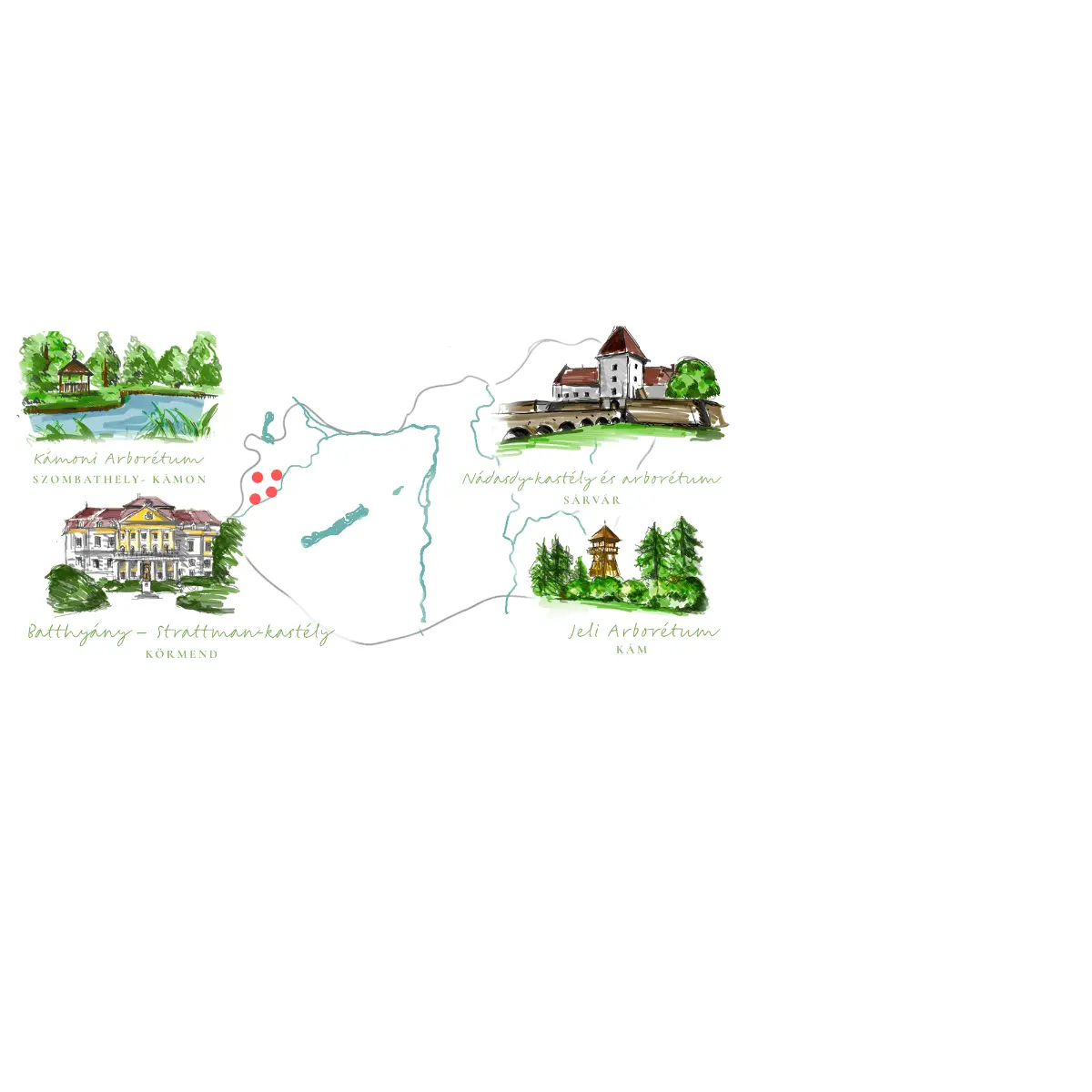
- The Mecca of rhododendrons: the Jeli Arboretum
- The most extensive collection of woody plants in Kámon (Szombathely)
- The park of the Batthyány–Strattmann Castle in Körmend
- The garden of “My Beloved Orsika” in Sárvár
Where the evergreens established their realm
The founding of the Jeli Arboretum in Kámi is linked to the name of Count István Ambrózy–Migazzi, who created this unique garden between 1922 and 1933. What makes it special is that it was not established in the immediate vicinity of the family estate, but in another town. The concept behind the garden was to create a garden rich in evergreens despite the local climate and soil conditions.
During the landscaping process, the peat bog in the area was preserved, and the opportunities offered by the natural springs were utilized. The plant life is extremely diverse: species from the Alps, North America, the Caucasus, the Carpathians, and East Asia can all be found here. The rhododendron collection is particularly notable, offering a spectacular display of colours during the blooming season.
After the founder’s death, the garden began to fall into disrepair; it was finally designated a nature reserve in 1953, and restoration work began. Today, the arboretum is one of Hungary’s best-known botanical attractions.
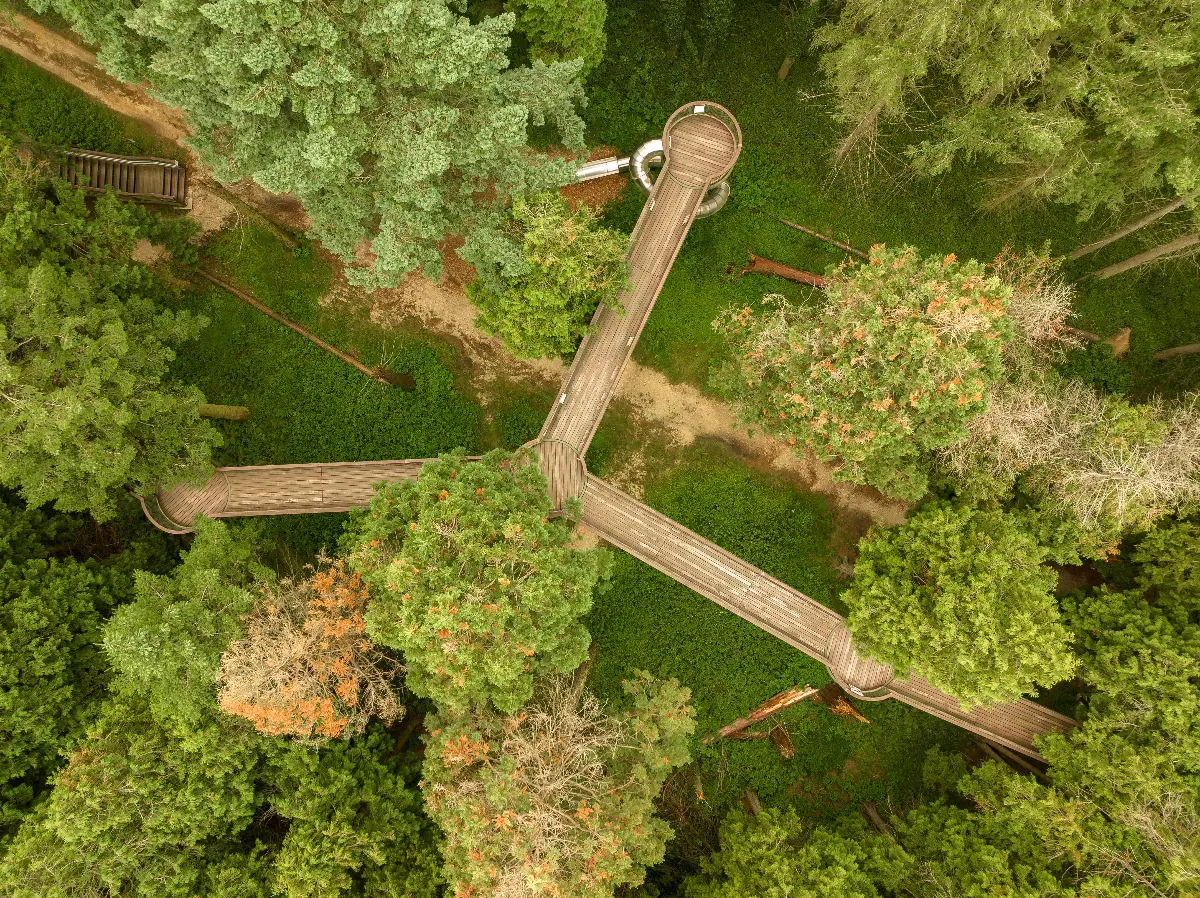
A collection garden in the service of science
The history of the Kámoni Arboretum dates back to the mid-19th century, when the area came into the possession of the Sághy family. Mihály Sághy began developing the arboretum in the 1860s, and his work was continued by his son, István Sághy, who enriched the collection with exotic plants.
The development work carried out by the Forestry Research Institute starting in the 1950s played a decisive role in the arboretum’s growth. As a result, it is now home to one of the country’s richest collections of woody plants. A significant collection of maples and oaks, as well as massive Swiss pines, cedars, and swamp cypresses, can be seen here.
A special feature of the garden is the rose collection, which includes hundreds of varieties, as well as a cactus collection that is outstanding even by Hungarian standards. The lakes created by damming the Gyöngyös Stream and the rock garden further enrich the garden’s landscape.
Layers of centuries in a single garden
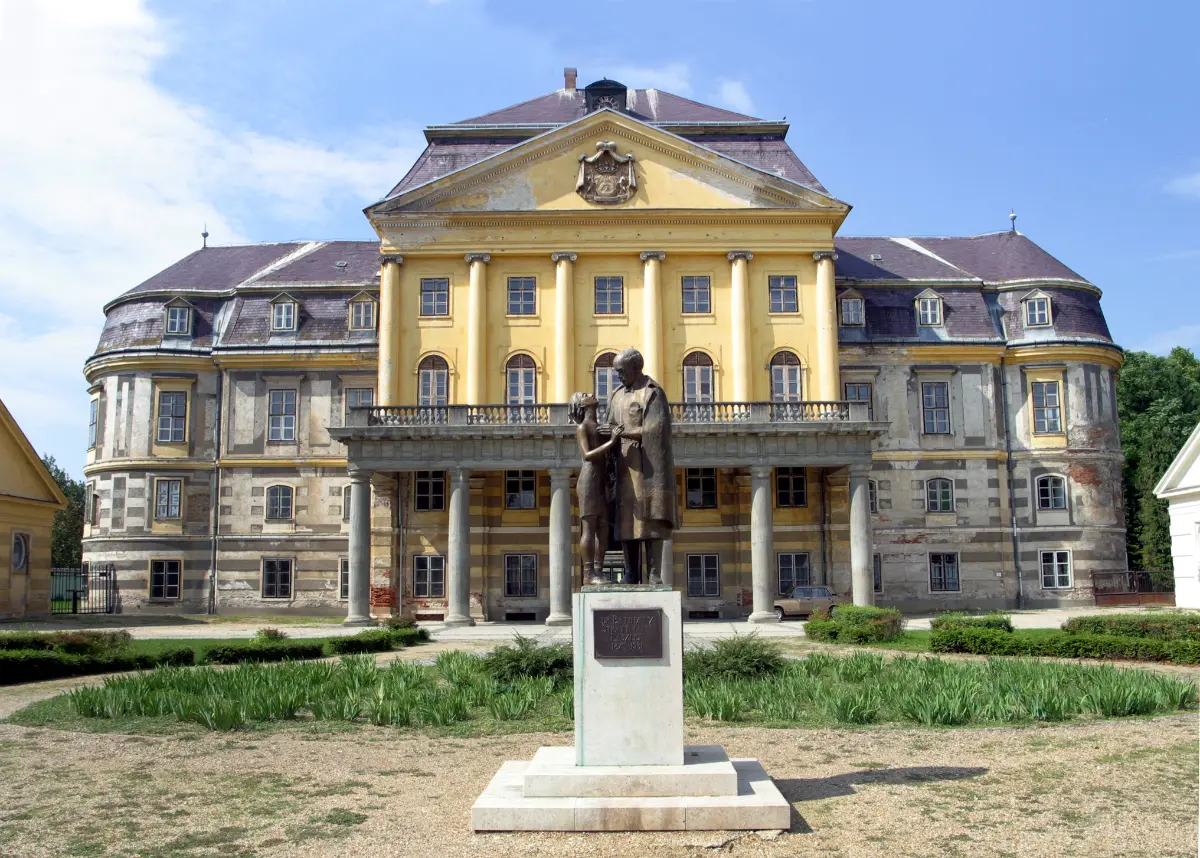
The park of the Batthyány–Strattmann Castle in Körmend is one of Hungary’s most significant historic gardens, organically linked to the castle of medieval origin. The Batthyány family continuously developed the garden over the centuries, always in keeping with the style of the era.
The history of the garden can be divided into several periods: by the 18th century, the Baroque layout had already taken shape, defined by long axes and tree-lined avenues. The paths leading to the castle opened up views stretching for several kilometres, while the garden featured ornamental gates, statues, and various structures.
By the mid-18th century, the garden was divided into three main sections: an orchard, an area planted with exotic plants, and a strolling garden. The “Fasangarten,” created later, and sentimental garden elements further enriched the overall picture. At the turn of the 18th and 19th centuries, the development of the landscape garden began, which continues to define the park’s character to this day.
Among the park’s outstanding natural features are one of the country’s largest plane trees, as well as numerous old beech, ash, oak, and other deciduous trees. The water features – a stream, a pond, and an island – further enhance the garden’s aesthetic value.
The Nádasdy Castle and Arboretum in Sárvár
The Nádasdy Castle in Sárvár reached its heyday in the 16th century, when Sebestyén Tinódi Lantos was a frequent visitor. The design of the garden is attributed to Tamás Nádasdy’s wife, Orsolya Kanizsai, who created a plant collection of European renown. In the early 19th century, Archduke Ferenc Bajor carried out significant improvements: he planted a hornbeam-oak grove and established the arboretum along the Gyöngyös Stream. The oldest trees – yew trees, tulip trees, and horse chestnuts – date back to the 1810s. In the later period, plants from the “pine era” – various pine species and exotic tree species – also appeared in the garden. By damming the stream, a 1.5-hectare lake was created, which became an important element of the landscape composition.
Today, the arboretum is separate from the castle garden and serves as a site for forestry research across approximately 9 hectares. The combination of the historic garden and the scientific collection represents a unique value.
The gardens of Western Transdanubia are a fine example of the diversity of Hungarian garden art: the romantic flora of the Jeli Arboretum, the scientific collection of the Kámon Arboretum, the historical layers of the Körmend Castle Park, and the developmental history of the Sárvár Arboretum together provide a comprehensive picture of the richness of Hungarian garden culture. These sites are significant not only for their botanical value but also as outstanding destinations from a cultural and historical perspective.