Helyszín címkék:
The sparkling face of the grape, or welcome to the world of sparkling wines!
Szabó Sára
Where do the bubbles come from?
In order to understand the world of sparkling wines, and especially to distinguish between the different varieties, let’s embark on a journey of discovery led by Sándor Mérész.
In short: after the harvest, the grapes eventually turn into must, which becomes wine as alcohol is formed from the grapes’ sugar content through fermentation. Yeast converts the sugar in the grapes into alcohol, thus the alcohol content gradually increases during fermentation while the sugar content decreases. In addition to alcohol, carbon dioxide and heat are also produced during fermentation. When making still wine, the carbon dioxide is released during the process; however, when aiming for a sparkling result, the carbon dioxide is retained during fermentation or added later – a process known as carbonation.
Sparkling and semi-sparkling wines
A significant portion of commercially available semi-sparkling and sparkling wines are made with added carbon dioxide, although there are also varieties containing carbon dioxide derived from natural fermentation. The winemaker produces the base wine as described above but releases the carbon dioxide produced as a byproduct during fermentation – just as they would with still wine. Before bottling, the base wine is cooled – since carbon dioxide saturates best at 2–3 degrees Celsius – and then the carbon dioxide is reintroduced from an external source, meaning it is “re-carbonated.” During this process, the wine becomes bubbly again under controlled pressure and in controlled quantities; only then does the winemaker bottle the wine through a closed system.
“The most important difference between semi-sparkling and sparkling wines is the pressure inside them: the pressure in semi-sparkling wines ranges from 1 to 2.5 bar, while that in sparkling wines is higher” – says Sándor Mérész, adding that we can also start with must if we want to achieve a bubbly result; in this case, we use the sugar content of the grapes and retain the carbon dioxide. As he says, from the selection of the Etyeki Kúria, it’s worth trying the Pláne Frizzante White, a wine made with added carbon dioxide.
Premium champagne types, or the méthode traditionnelle
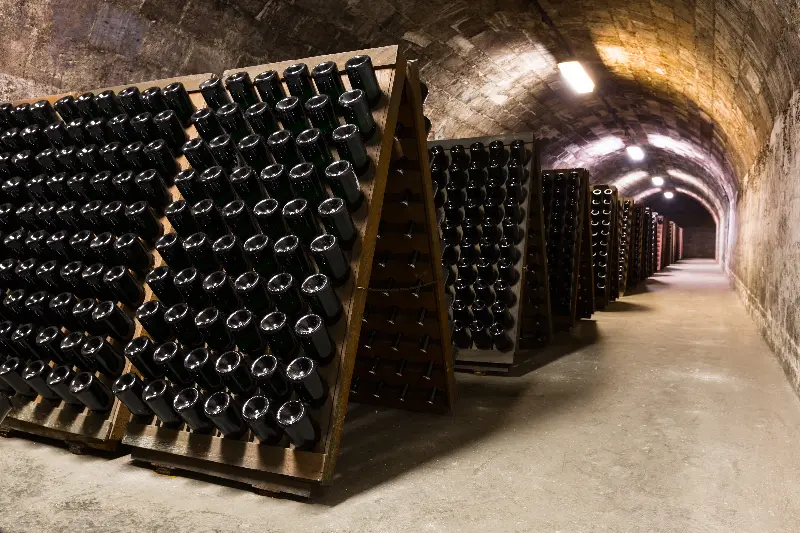
Drinks that produce natural carbon dioxide can be made using various production methods. In the case of premium champagnes, the best-known method is the “méthode traditionnelle,” or traditional bottle fermentation. In this method, sugar and yeast are added to the base wine, and the second fermentation takes place in the bottle. The carbon dioxide produced during fermentation remains in the wine, while the longer aging on the lees results in more complex aromas and finer bubbles. Tank champagnes – that is, tank-fermented champagnes – are, in contrast, mostly produced using the Charmat method, in which the second fermentation takes place not in the bottle but in large, pressure-resistant steel tanks. This technology preserves the wine’s fresh, fruity character while enabling faster and more cost-effective production. Pét-nats form a special group of natural champagnes; the name derives from the French “pétillant naturel,” meaning naturally sparkling. These drinks are made using the “méthode ancestrale” process: the wine is bottled before the first fermentation is complete, thus the bubbles form naturally in the bottle.
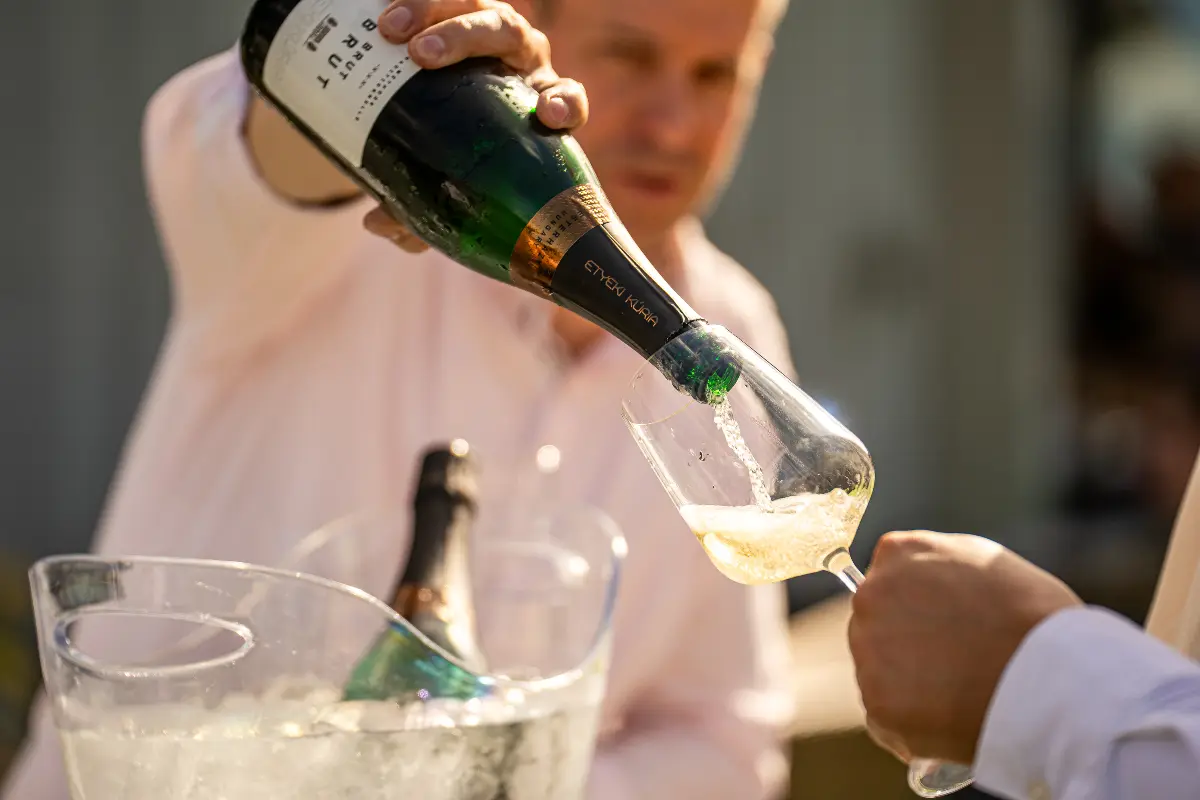
Sándor Mérész explains that Etyeki Kúria now offers tank-fermented champagnes, as well; these include the Chardonnay Brut, Rosé Brut, and Sauvignon Blanc Brut, but there are also bottle-fermented, top-tier méthode traditionnelle champagnes, such as the Brut Non-Vintage and Brut Blanc de Noirs.
The world’s greats: Prosecco, Cava, and Champagne
Prosecco is the world’s most widely produced sparkling wine. The name of the drink also serves as a geographical indication, as Prosecco may only be produced in specific protected-designation-of-origin areas in northeastern Italy, primarily from the Glera grape variety.
The geographical area, the grape variety, and even the production method is given. The end result is usually a fresh, fruity, light-bodied drink, whose aroma often features notes of apple, pear, and white flowers. Its price is generally affordable, making it widely accessible as one of Italians’ favourite alcoholic beverages – the very embodiment of the dolce vita lifestyle.
Spain’s sparkling wine, Cava, also deserves a mention when discussing carbonated alcoholic beverages. As with Prosecco, Cava is typically made from several traditional local grape varieties using the “méthode traditionnelle” method, involving bottle fermentation and extended aging. Although both Prosecco and Cava are mass-produced beverages, in recent years there has been a growing demand in both Italy and Spain for producers to enter the premium market. Rarely, but it is possible to find bottle-aged Prosecco products made without added dosage, as well as premium Cavas.
Last but not least, we must not forget Champagne, considered the quasi-birthplace of champagne. Champagne – which is not only the name of a world-famous drink but also designates a wine region – is a champagne produced exclusively in a specific growing area, using prescribed grape varieties and following strict technological rules. Champagne is made through lengthy aging in massive cellars, with traditions dating back hundreds of years. Although several grape varieties are permitted in Champagne production, the vast majority of production comes from Chardonnay, Pinot Noir, and Pinot Meunier. Thanks to centuries-old professional traditions, long aging periods, and strict rules of origin protection, Champagne remains one of the world’s most famous champagne styles today.
Rediscovering sparkling wines
The first Hungarian sparkling wine was bottled in Sümeg in the early 19th century, and domestic champagne production later became significant at the Törley Champagne Factory in Budapest and the Littke Champagne Factory in Pécs. Few people know that as part of the Törley Champagne Cellar in Budafok’s program called Pincejárat, you can explore the exciting, underground, vaulted tunnels while gaining insight into the history of the Törley family and Hungarian champagne production. The highlight of the guided tour is, of course, the tasting, during which visitors can sample three Törley vintages fermented in tanks.
Where should we go?
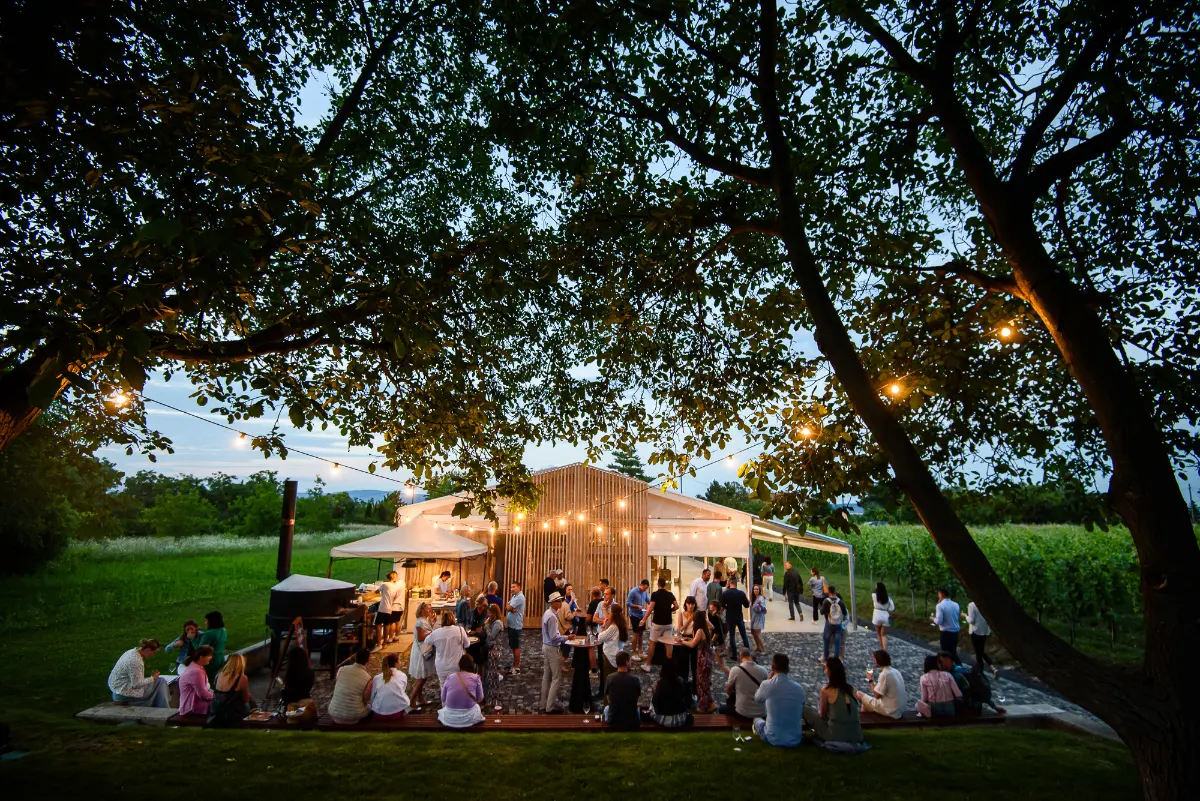
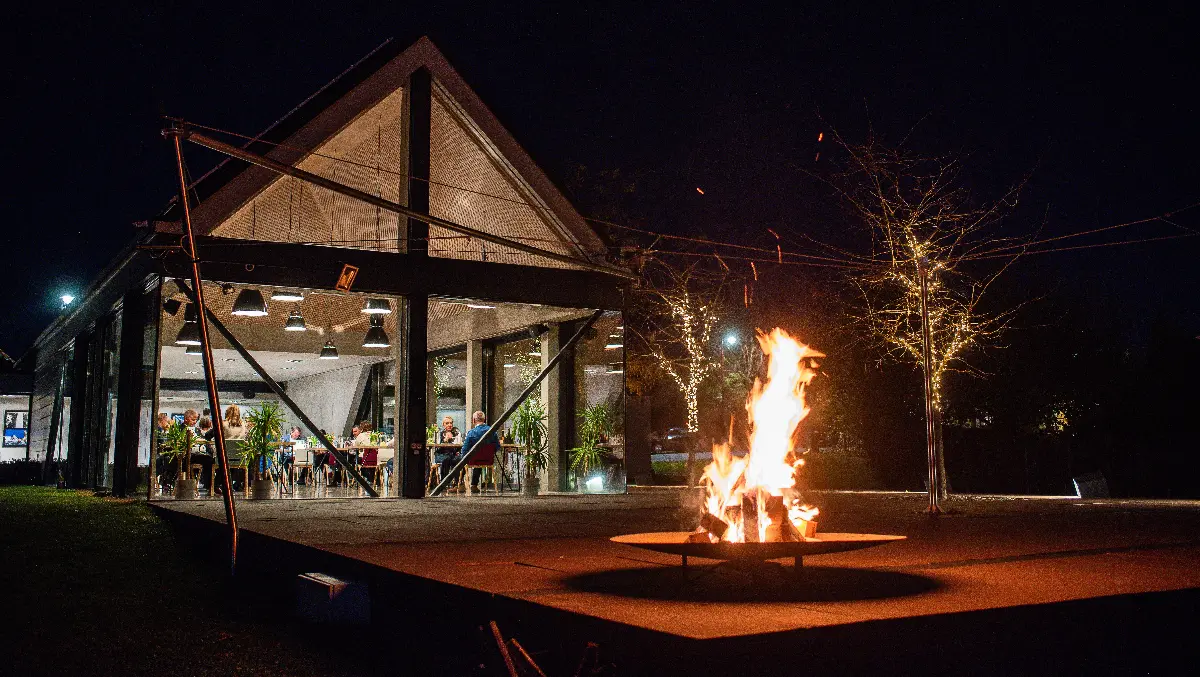
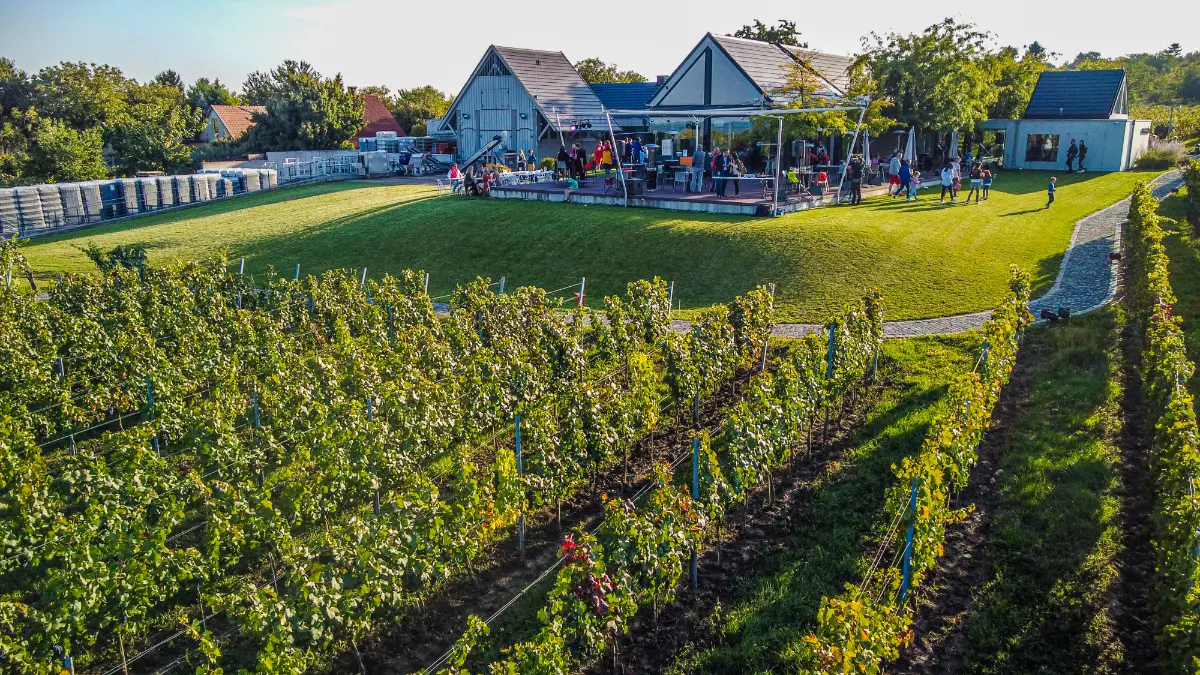
Today, there are more and more places where you can taste high-quality sparkling wines, such as the Borista Tasting Room and Deli in Sárvár, the Kettesben Wine Shop & More in Balatonkenese, the Tastevino Wine Bar in Sopron, and, of course, the Etyeki Kúria. The four-course “Bubbles Flight” tasting is available all summer long at the sparkling wine estate, allowing you to compare the winery’s sparkling wines and choose your favourites. And if you’d like to enjoy the fizz at your own summer garden parties, you can order the “All Bubbles” selection from the Etyeki Kúria website. The package includes several brut selections, making it an excellent opportunity to find your favourite.
There are several festivals and events across the country worth marking on your calendar if you’d like to immerse yourself in the world of sparkling wines as well as still wines. At the Rosalia Wine Picnic, sparkling wines and champagnes take center stage alongside rosés, and wineries also regularly showcase their sparkling wines at the MBH Bank Gourmet Festival. The Budafok Champagne and Wine Festival is also an excellent opportunity to compare different sparkling wines, as is the Gasztrohegy series of events in Badacsony.