Helyszín címkék:
A Map for Those Starting Over
Szabó Vivien
These places don’t spring from multigenerational traditions, but from personal decisions. Now we are visiting bakeries, wineries, and restaurants where the flavours are backed by clearly visible new beginnings – paths that build slowly, often full of twists and turns.
BREAD THAT BEGAN WITH A NEW PATH
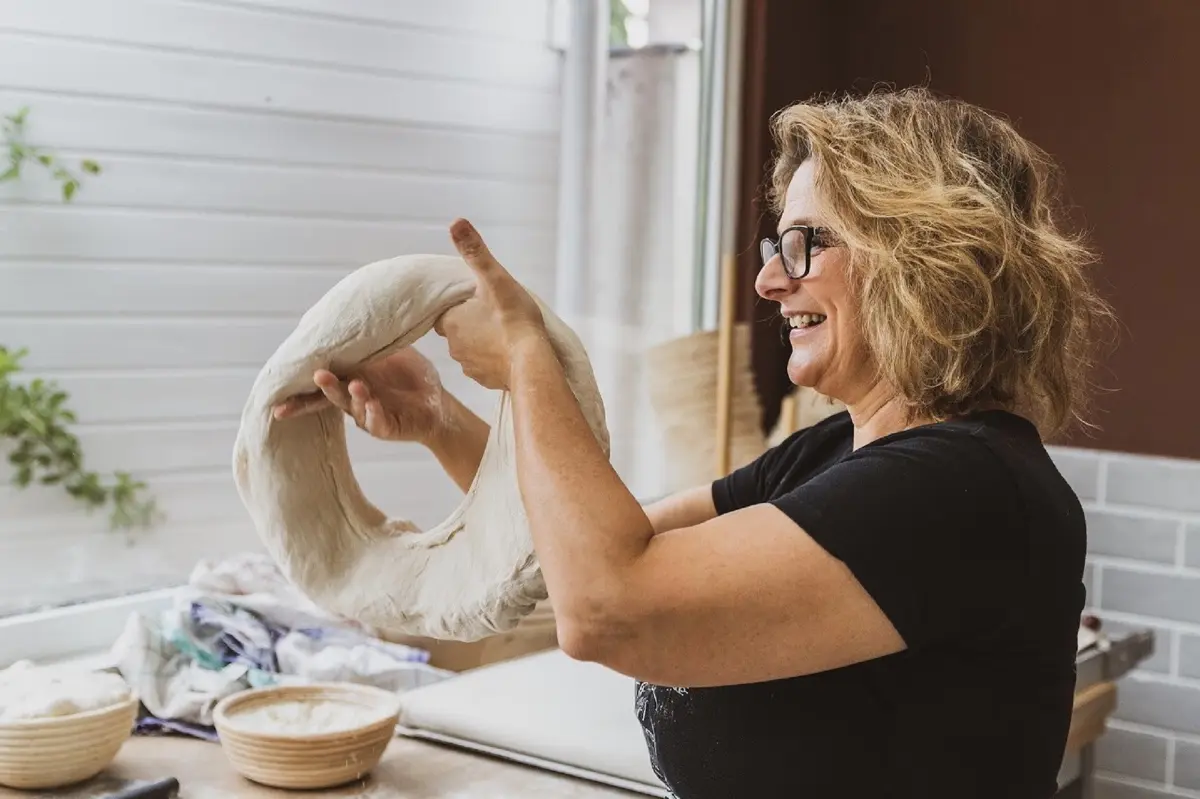
The story of Búzalelke Bakery also began with such a shift, not in a flour-filled bakery. Bea Kovács worked as an economist and then taught music before turning to breadmaking. The change of direction began with simple home baking, after which the world of sourdough gradually took up more and more space in her life.
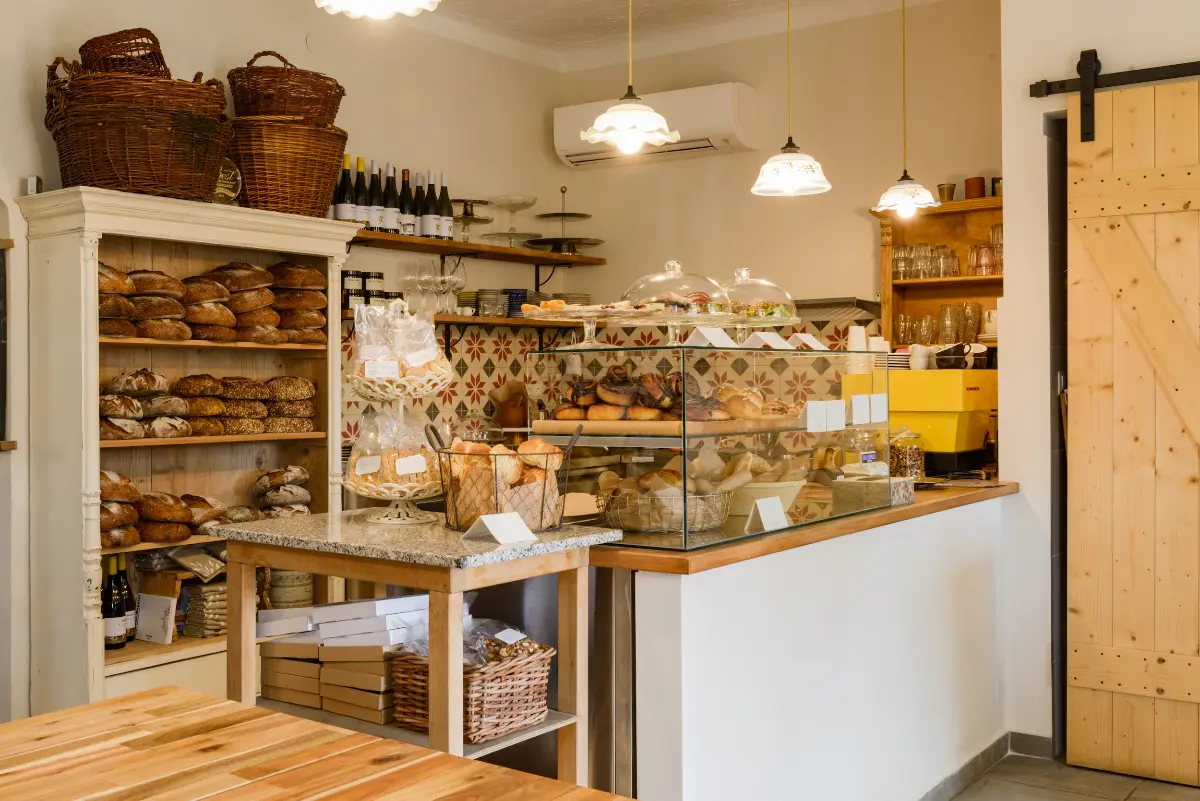
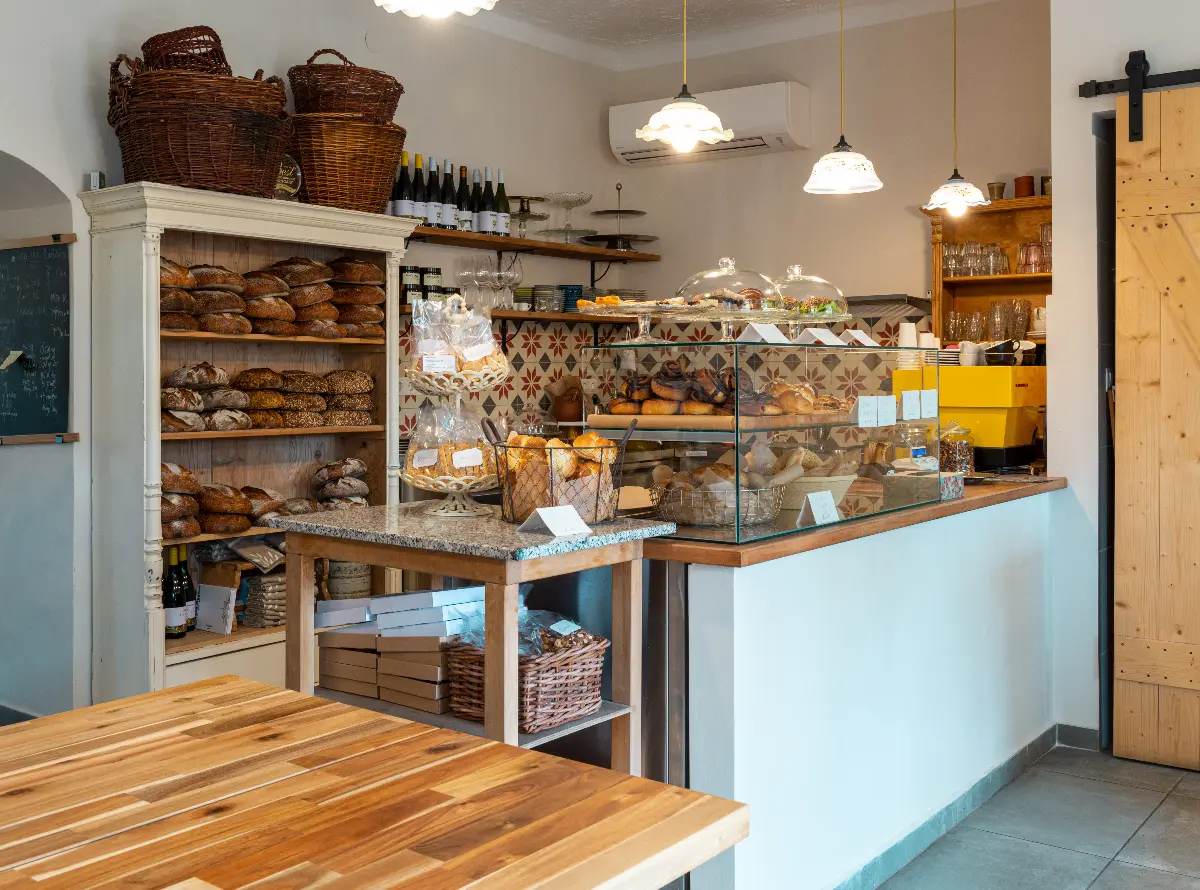
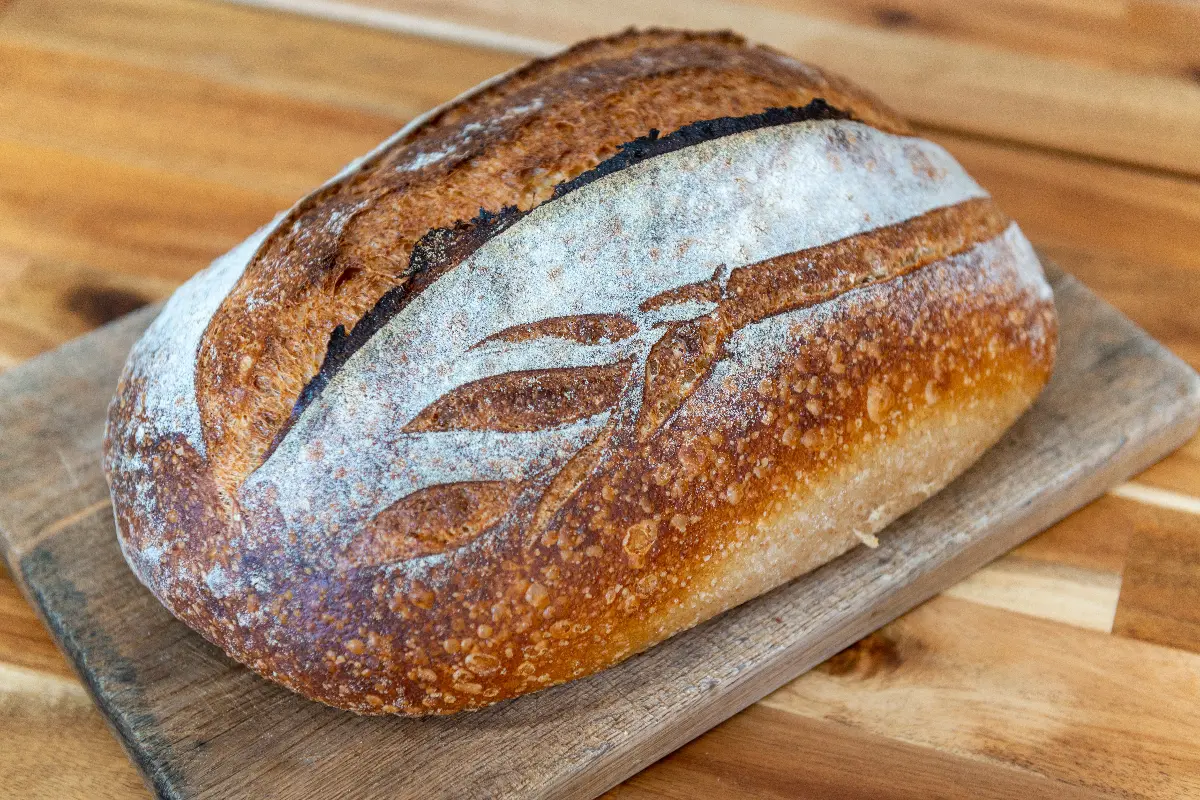
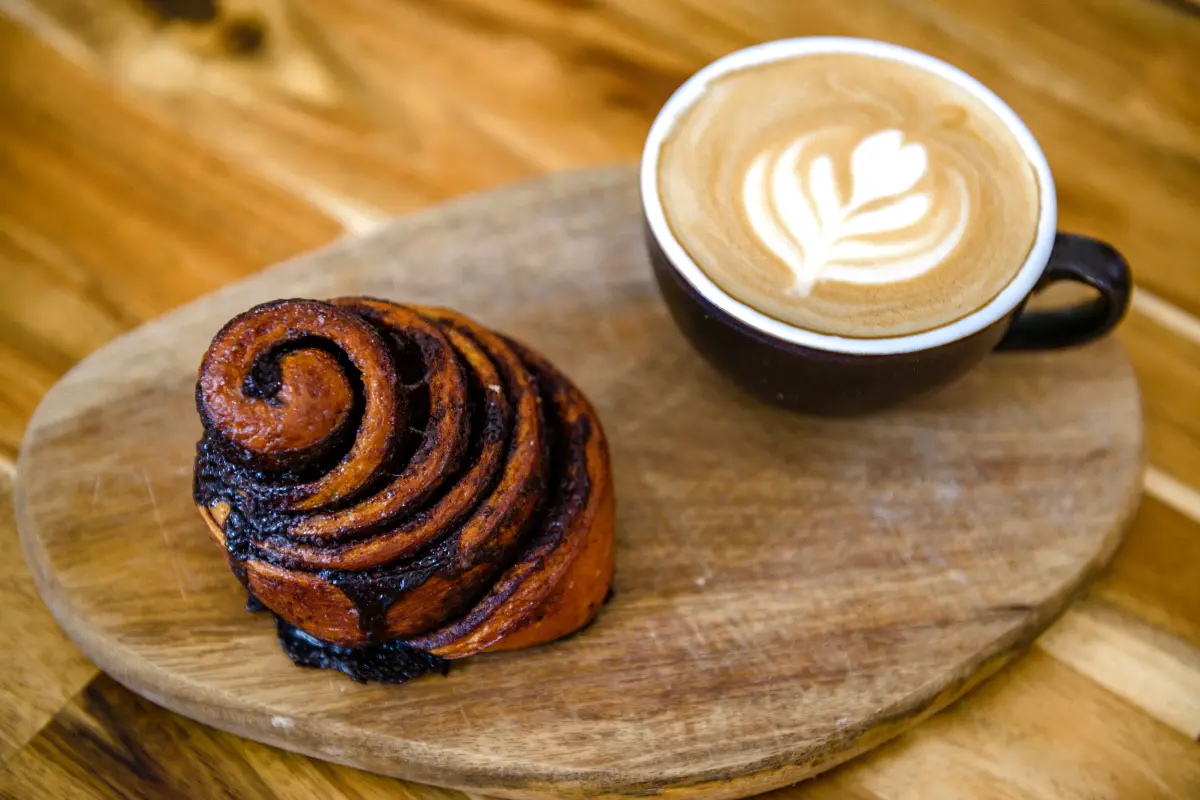
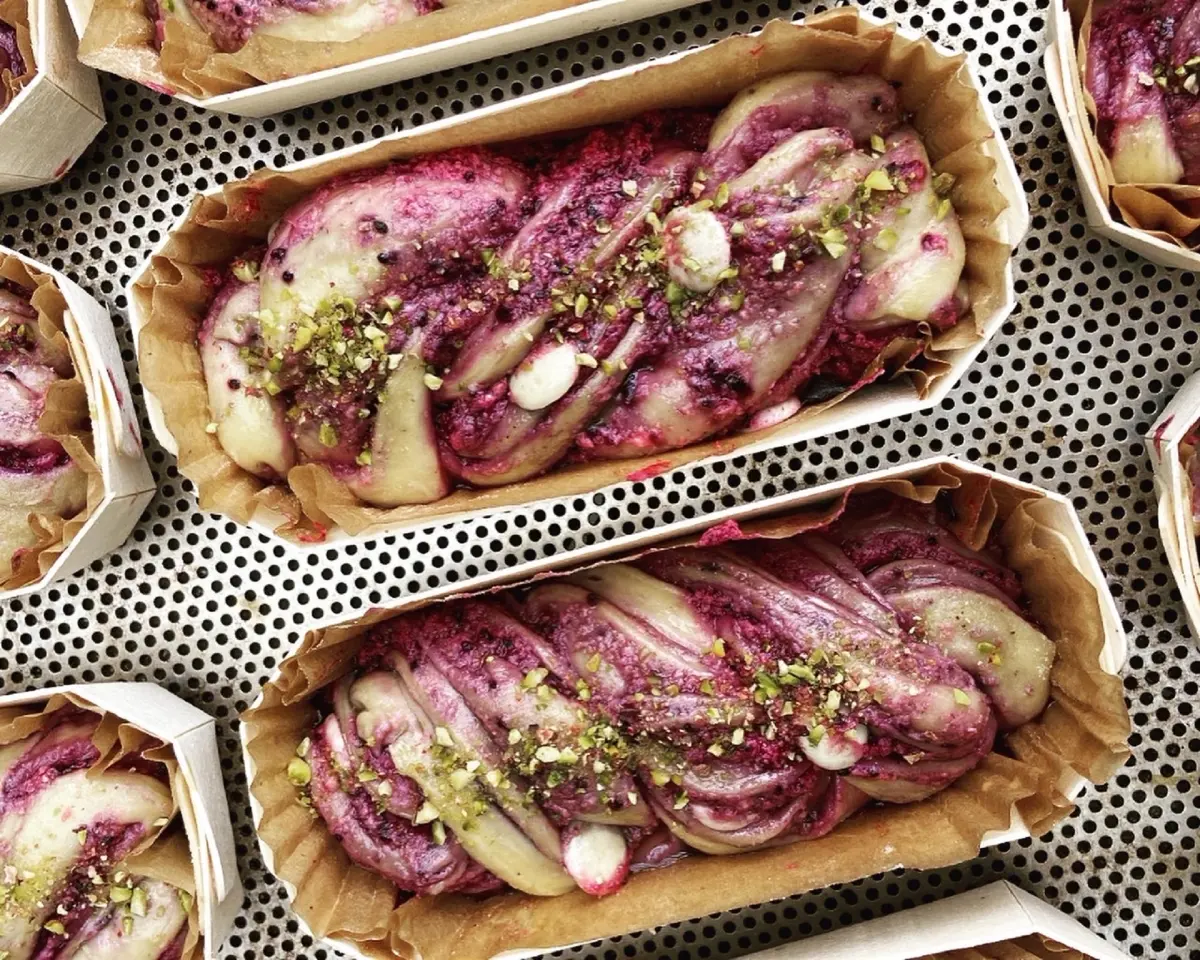
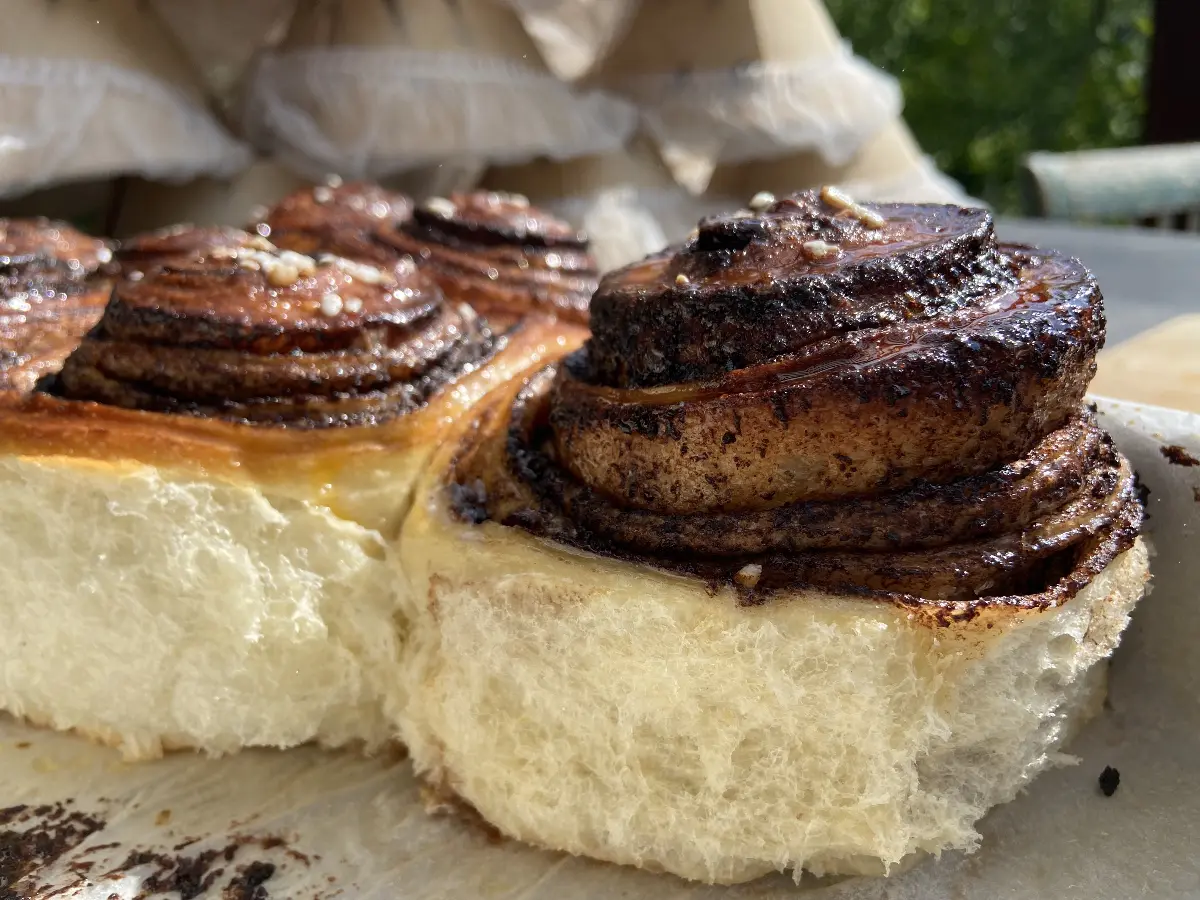
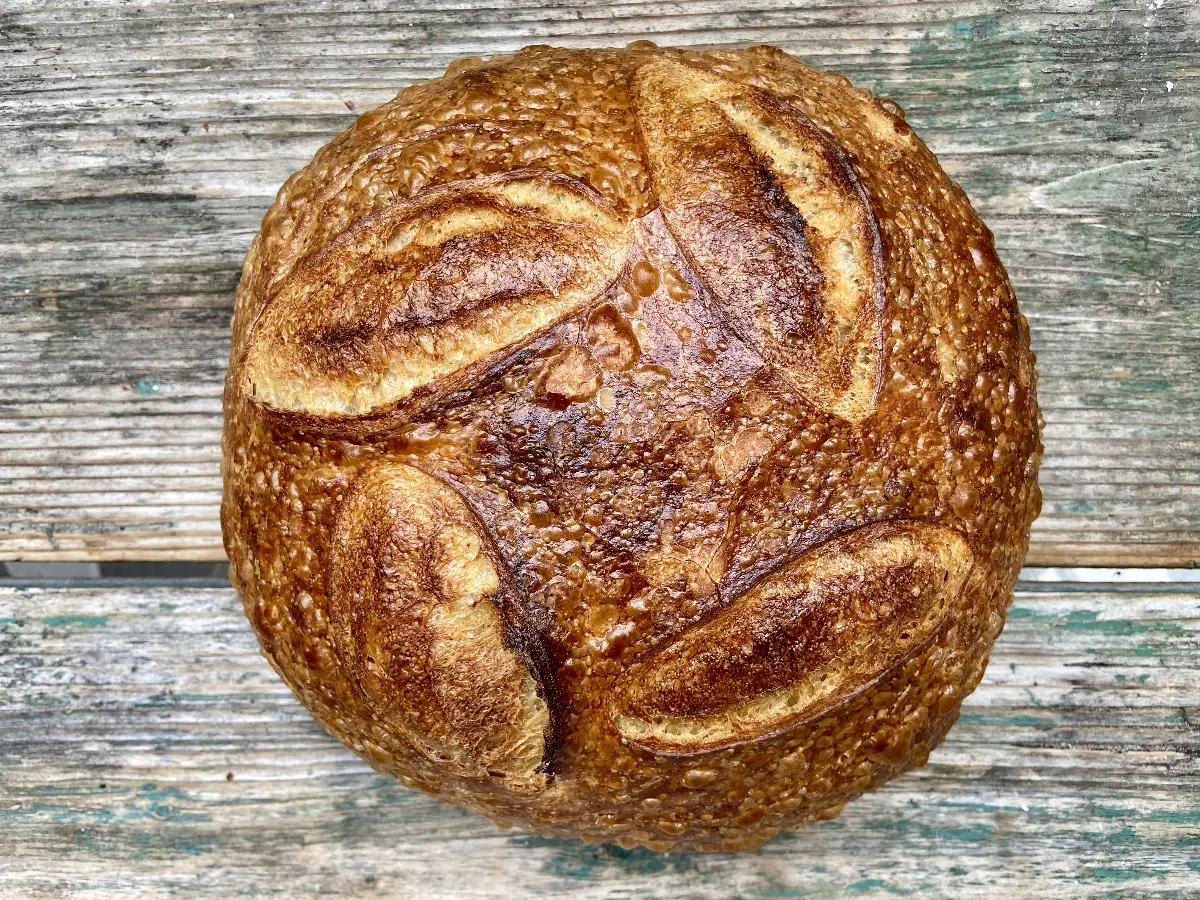
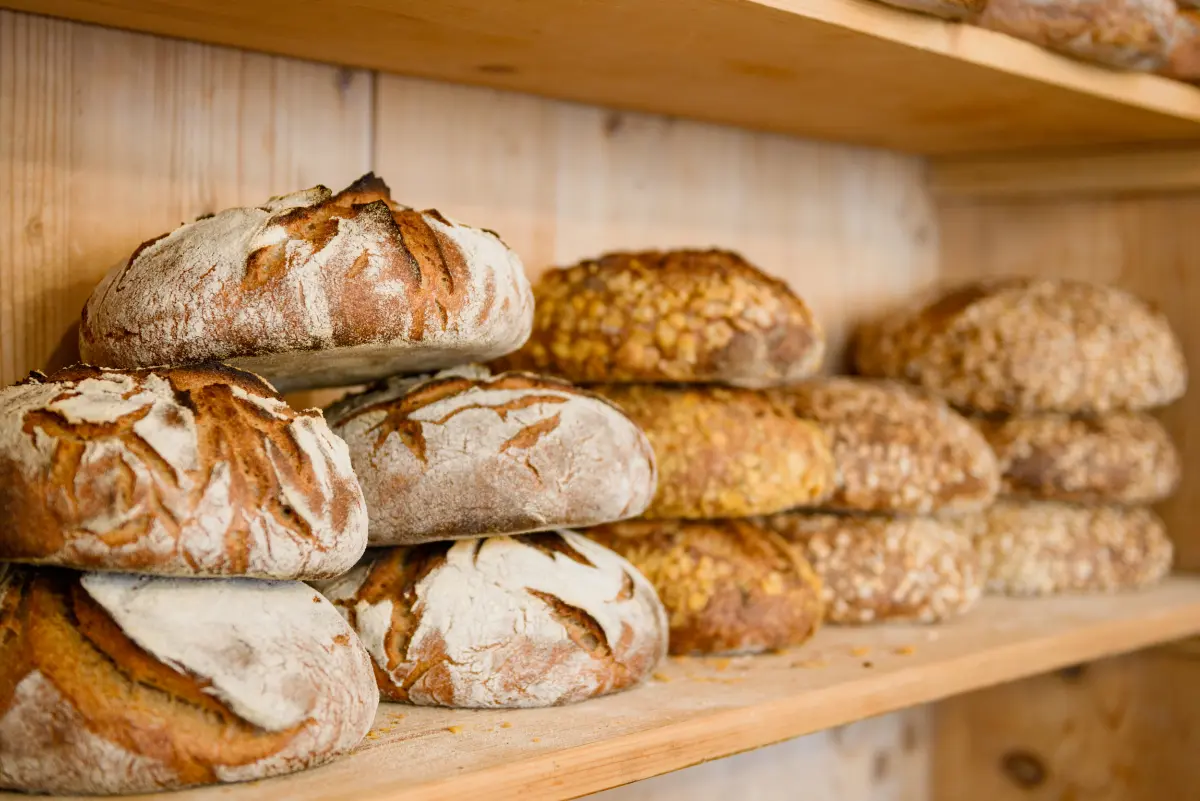
In Kisapáti, in the Balaton Uplands, the day now begins at dawn. The doughs rise slowly, and everything around the oven is tailored to sourdough techniques. At the Búzalelke (meaning: The Soul of Wheat) bakery, the breads are made with long fermentation times, and they often feature special ingredients – the sourdough starter, for example, contains Riesling grape must. Bea’s connection to music is still part of the work today: she often sings to the dough, which has become one of the shop’s well-known quirks. The counter features not only classic loaves but also flavoured breads and savoury pastries, such as potato-rosemary rolls or quiches.
The freshly baked bread sells out quickly, so it’s worth arriving early if you want to be sure to get some. The selection changes constantly, but you’ll often find flavoured loaves and savoury pastries on the counter, as well. When you come here, you don’t just see a bakery; you also see how a craft comes together in everyday life – from flour, time, and a lot of practice.
DETOURS LEADING TO THE VINEYARDS
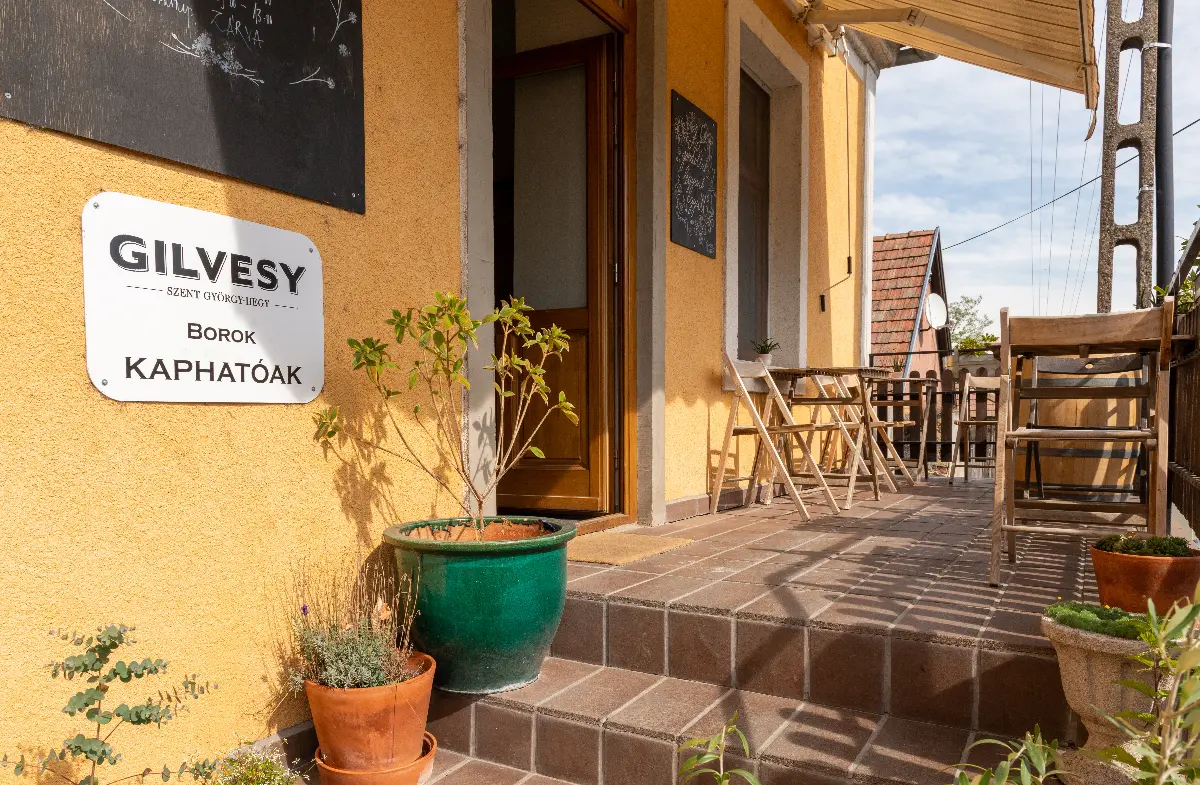
Sometimes the path to the vineyards leads through a completely different landscape. The Bencze Family Estate on Szent György Hill is another example of such a transition: István Bencze worked as an IT specialist before turning to winemaking. He didn’t join an existing family farm, but began building the estate from scratch.
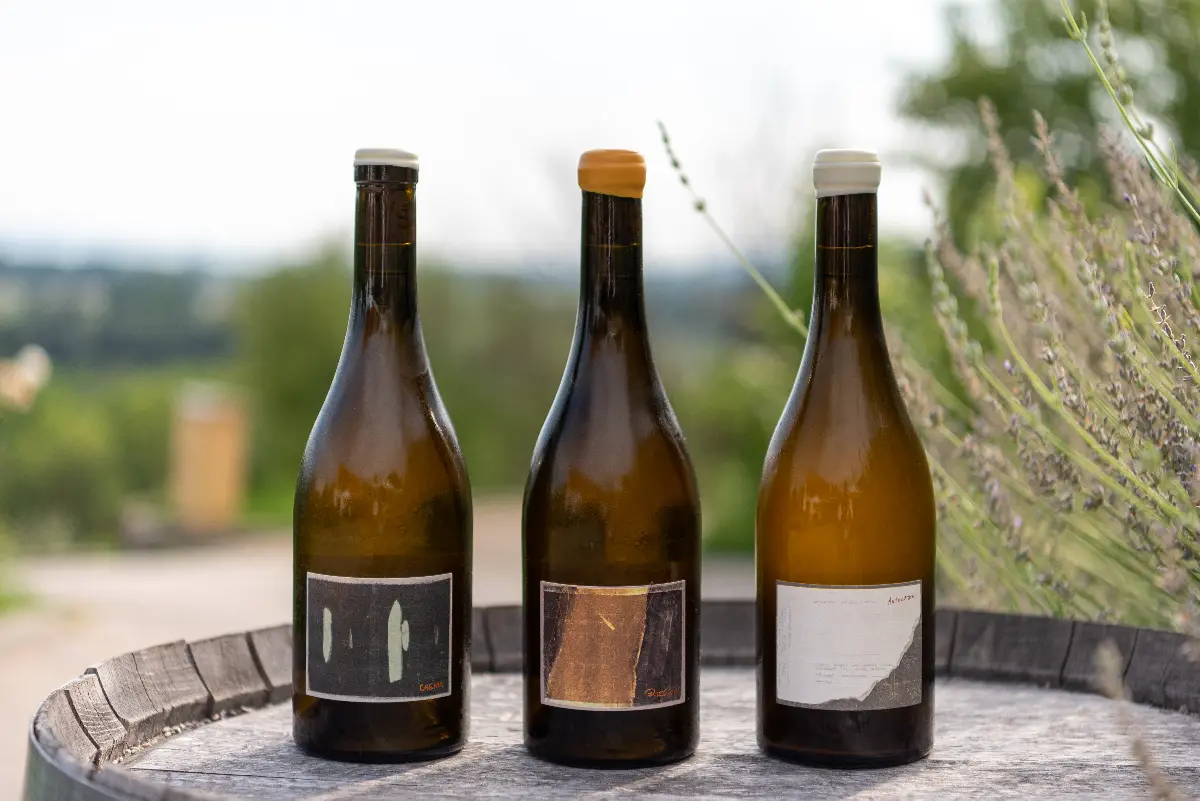
The direction of the farm was clear from the very beginning. They started with organic farming on the nearly 20-hectare area, and since 2015, the entire estate has been managed according to biodynamic principles. Old Hungarian varieties – such as Kéknyelű and Bakator – have taken center stage, as they are better suited to the site’s conditions.
This decision is also reflected in the wines. They do not produce a style “set in stone” from the outset, but rather vintages that vary from year to year, revealing what each specific year has to offer. Processing involves as little intervention as possible, so the character of the wines is closely tied to the terroir.
The estate is open to visitors, welcoming guests with guesthouses and tasting opportunities. When you visit here, you’ll encounter not only the wines but also the process of building a winery from scratch, starting from a completely different profession.
The Rhythm of a Village Bakery
The Jenői Bakery is located in a small village in the Balaton Uplands, where we encounter the story of a very deliberate fresh start. Gabriella Ormós worked in the communications industry for more than twenty years before turning her attention to breadmaking.
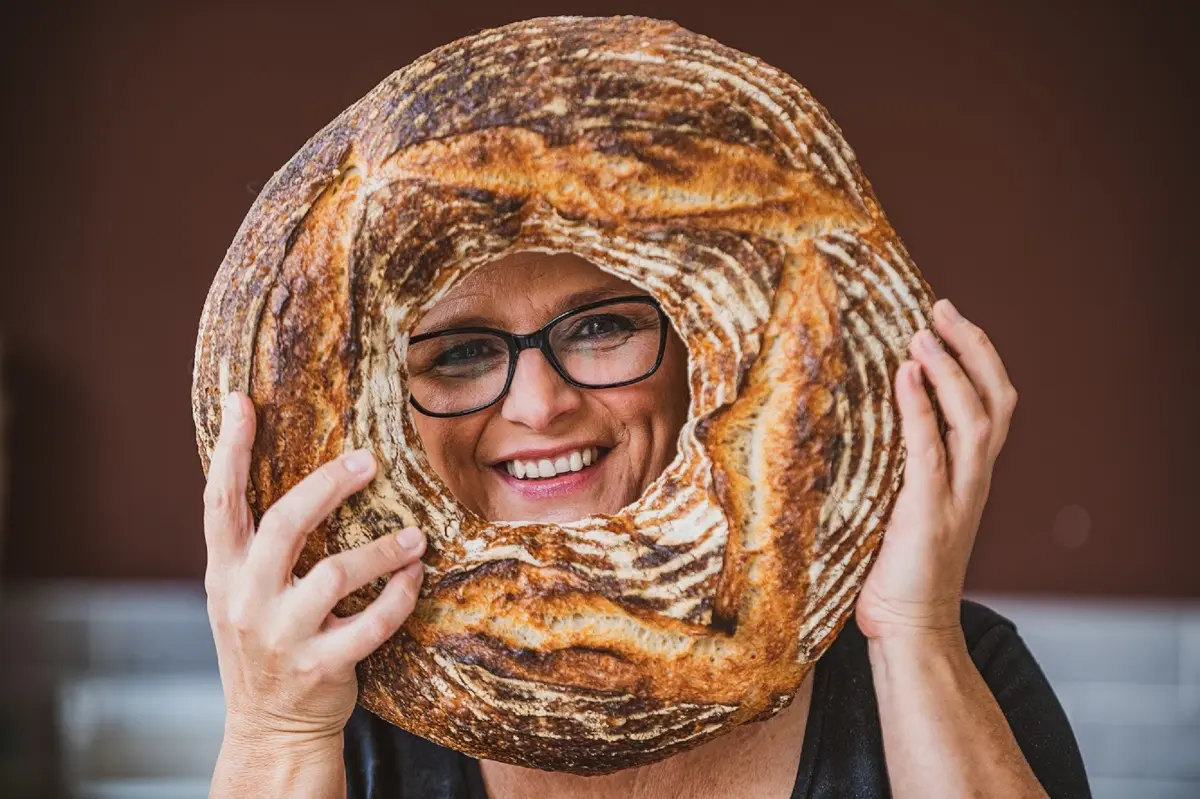
The switch wasn’t a sudden decision. She began baking sourdough bread around 2013, and alongside her learning and experimentation, she gradually built a community around herself. Over the years, her blog and online community, KovászLabor, reached tens of thousands of people, while she personally taught thousands how to make sourdough bread.
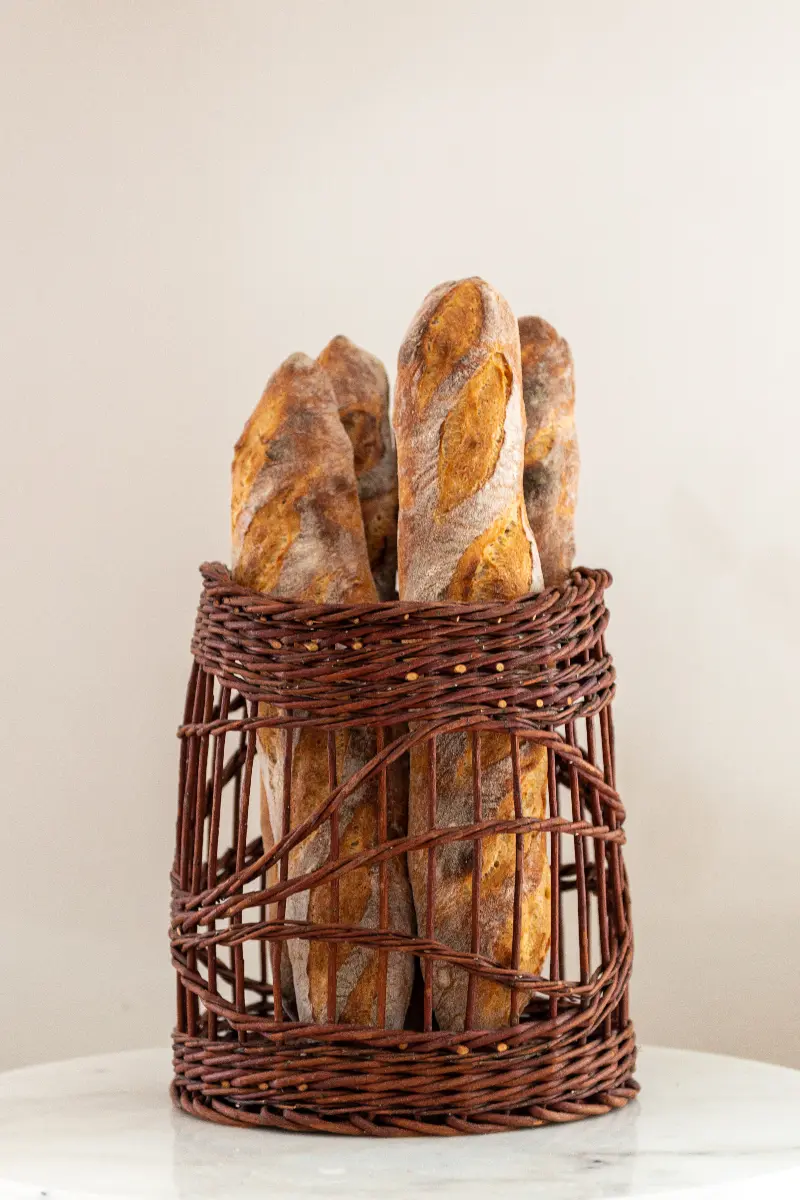
The bakery finally opened in 2020, and today it functions not only as a workshop but also as a vehicle for a particular philosophy. The breads here are made using sourdough techniques, often with farm-grown flours that reflect a collaboration with local producers.
When we arrive at the bakery, conversations often strike up at the counter, and the bread is not just a product but the result of shared knowledge and years of experience. The way the place operates clearly shows how a simple career change can become a true community-building force.
An Experimental Cellar in Tokaj
The story of Baráth Borműhely (Baráth Wine Workshop) doesn’t begin in the vineyard either. Sándor Baráth worked as a chemist, then turned to wine as he approached forty – first out of curiosity, later with increasing dedication. He first immersed himself in the subject as a wine merchant, through books, tastings, and training courses, and then, starting in 2002, he participated in the development of the Somló winery at the Kreinbacher Estate. His own path only came together later. Today, he works on a small plot on the southern and western slopes of Somló, where every row of vines stands as proof of his decision: it’s never too late to start over.
There is no rush at the winery. The must ferments in barrels or amphorae; the wines mature over a longer period and are often bottled unfiltered. Each vintage does not repeat the same profile; rather, they reveal what the mountain yielded in that particular year. The basalt soil, the wind, and the light all shape what ultimately ends up in the glass.
In Search of New Beginnings
If we explore these places, one common thread certainly emerges: they weren’t shaped by sudden changes, but by longer processes in which a previous path gradually faded into the background, making way for something new.
The change is often not spectacular. Rather, it is a series of decisions building upon one another: a tried-and-true recipe, a training course, a small step after which it is already difficult to turn back. By the time a bakery is ready or an estate is built, it is no longer a question that this is a completely new life.
When we visit these places, we see this process, as well. In the bread, the wine, or the operation itself, there is a journey that didn’t start here but ultimately led here. And perhaps this is precisely what makes these places more personal: because we don’t just see finished products, but stories built from a series of small decisions.