Helyszín címkék:
Autumn walks through Sopron’s cobbled streets
Kilár Boróka
What is this article about?
- Sopron Fire Tower
- Museum Quarter: the Storno House, the General’s House and the Fabricius House
- The Main Square and the Goat Church
- Sights on Új Street and the Lenck Villa
- Where can we rest after a walk?
The Fire Tower and the Museum Quarter
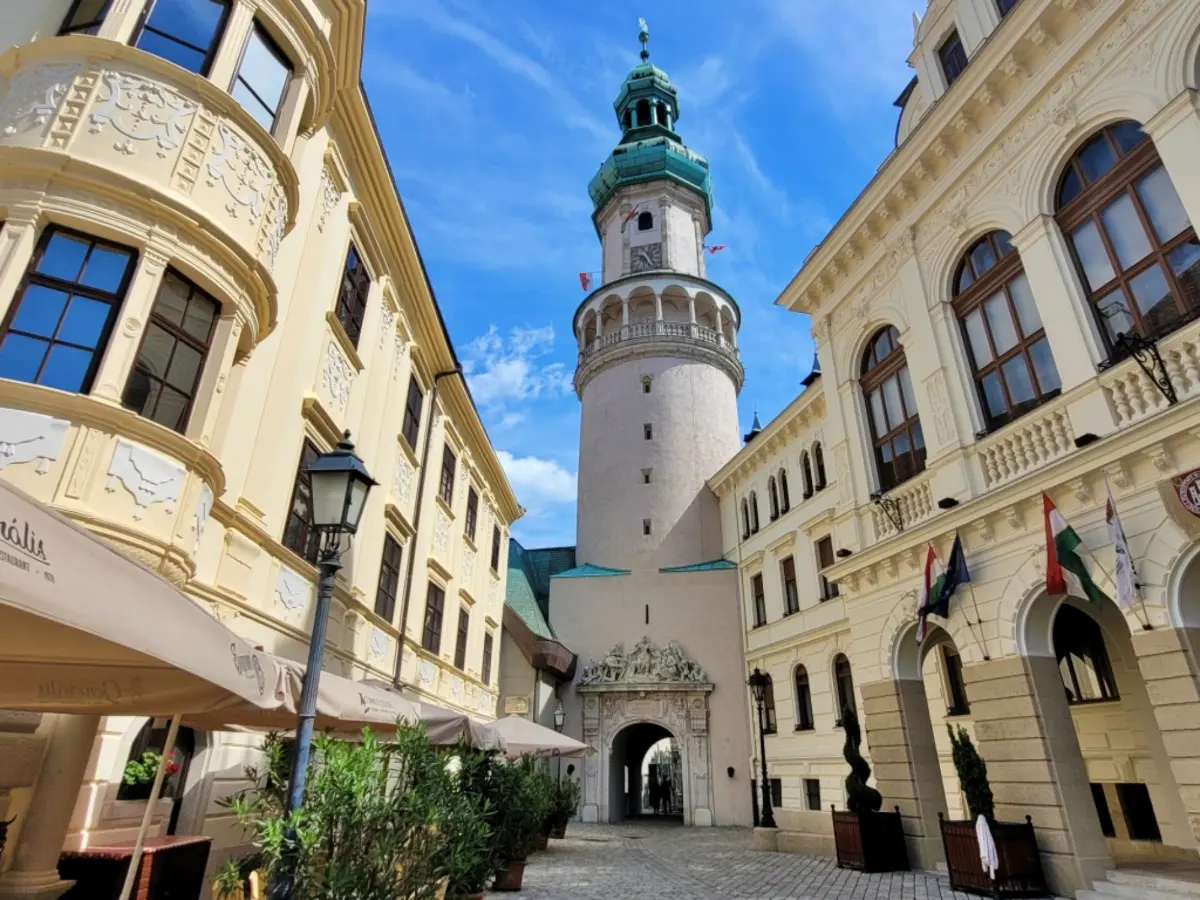
It’s worth starting your walk around Sopron at the Fire Tower. 119 steps lead up to the 58-metre-high tower, and on a clear day, the Lővérek Hills and the nearby ranges of the Alps can be seen from the circular balcony. Up there, tower musicians once lived, who also served as guards. They kept watch for fires and other dangers, welcomed high-ranking guests, and even signalled the arrival of wine shipments with a trumpet call.
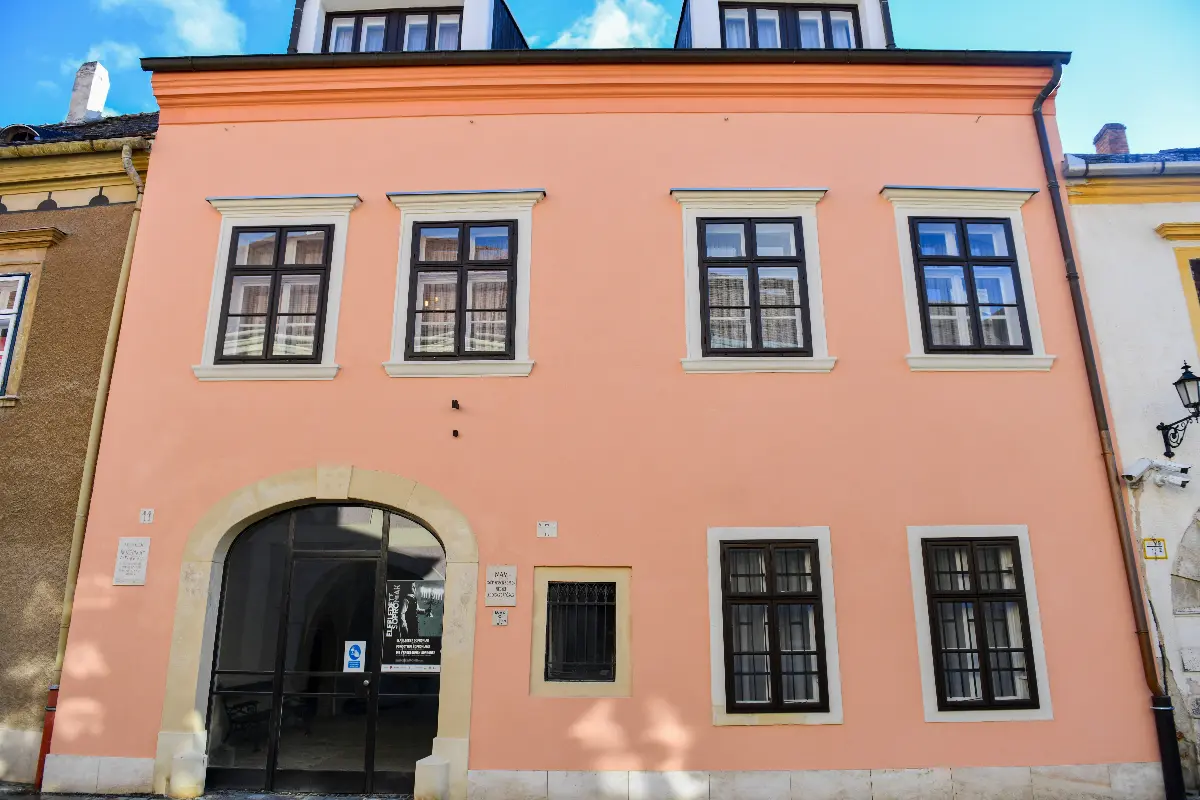
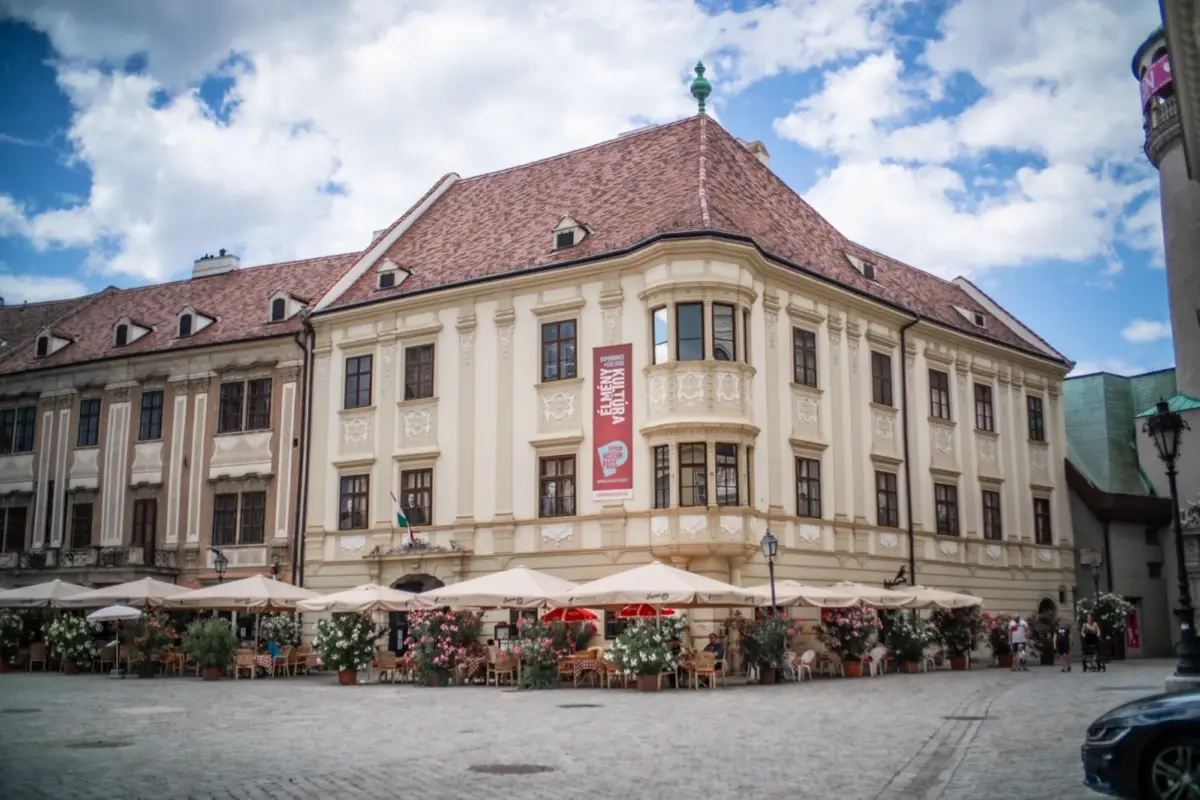
Next to the Fire Tower lies the Museum Quarter, where, within the complex comprising the Storno House, the General’s House and the Fabricius House, you can choose from a variety of exhibitions. On the second floor of the Storno House, for example, you can view the 19th-century living quarters of the Storno family and items from their collection. The family’s best-known member, Ferenc Storno, began his career as a master chimney sweep. He gathered the first items for his collection from old attics and junk shops. Later on, he became a renowned restorer and art collector.
In the neighbouring Fabricius House, we can also see what artefacts have survived from Roman-era Sopron: here, the archaeological finds from Scarbantia are on display for visitors. In the General’s House, alongside artefacts from Sopron’s old guilds and trades, the exhibition entitled Sopron and the Crown offers a wealth of fascinating insights into Sopron’s past as a coronation city and the history of the Hungarian crown jewels.
The Main Square and the old city walls
After your tour of the museum, it is well worth popping into the Goat Church on the Main Square. Dedicated to the Assumption of the Virgin Mary, this former Franciscan and now Benedictine church was first built in the 13th century. An old legend is attached to its name: it is said that its construction was paid for from a treasure unearthed by a goat. What we know for certain is that in 1625, the 17-year-old Ferdinand III was crowned King of Hungary here. This was the only royal coronation to take place in Sopron.
From here, let’s head towards the Castle Wall Promenade! In the Middle Ages, Sopron was surrounded by a triple ring of castle walls, and the central wall is thought to have been built as far back as the time of the Roman town of Scarbantia, at the end of the 3rd century or the beginning of the 4th century. In the Middle Ages, newer defences were built on top of this ancient Roman wall, the remains of which can still be seen in several places today. One of the most pleasant parts of the promenade is the Várfalkert (Castle Wall Garden), where you can relax amidst greenery between the old stone walls.
Cobbled streets and exhibitions

It’s also worth popping into the Sopron Tourinform office – and not just for ideas on what to do. Beneath the office, at cellar level, you can explore part of the former forum of Scarbantia, approximately four metres below today’s street level.
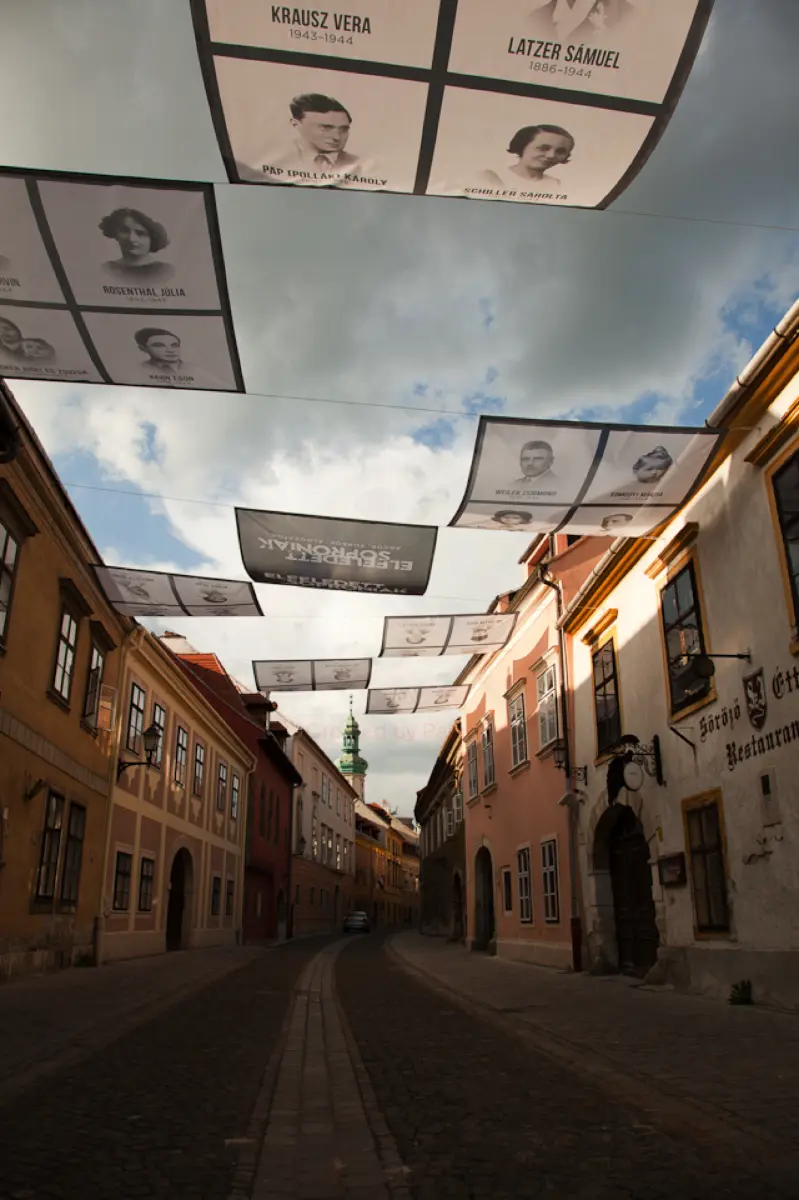
We can then continue our walk along Új utca, one of Sopron’s oldest streets. In the Middle Ages, the town’s Jewish community lived here, and the neighbourhood was home to two synagogues, a school and a ritual bath. After the great fire of 1676, many houses were rebuilt here, within the town walls. According to contemporary accounts, the fire broke out in the town mayor’s house whilst his children were roasting chestnuts.
It is also worth popping into the Bezerédj Palace, situated on the parallel Templom Street. In February 1840, Ferenc Liszt gave a private concert here. According to contemporary accounts, after the performance a veritable scramble broke out amongst the admirers for the artist’s glove: one lady managed to get hold of it, whilst the others tore it to pieces so that everyone could have a little souvenir.
On Templom Street, we can also find the Esterházy Palace, which houses the Central Mining Museum, furthermore, the neighbouring Forestry Museum. The buildings were once owned by the Esterházy family, and Joseph Haydn also made a visit here.
It is worth continuing your walk through the town centre to Deák Square, where the historicist Lenck Villa stands. In the permanent exhibition entitled Masterpiece, you can browse through more than a thousand objects and get a taste of bourgeois life in Sopron at the end of the 19th century. Furnished craft workshops, a dining room, a conservatory and the preparations for a family wedding are all featured in the exhibition – complete with the little details that reveal what life was like for a well-to-do family in Sopron over a hundred years ago.
Where can we rest after a walk?

After or during a long autumn walk, it’s also good to know where to pop in for a coffee or a cake. At Café Nana, for example, even those who prefer gluten-free, egg-free, dairy-free and sugar-free treats will find plenty to choose from: dairy-free, egg-free, gluten-free and sugar-free cakes and pastries are all available here.
If you’re looking for a classic patisserie, it’s worth visiting Hoffer Patisserie, where pastries have been made for 90 years. The family business is now run by the fourth generation. At number 86 in the Castle District, you can sample old favourites such as Rotschild sponge cake, Moscauer or homemade cream cakes.
If possible, let’s stay in Sopron for the evening and round off the day at the Deák Restaurant! The building has housed a restaurant since the turn of the century, but it has also been home to a café and a dance school. Then, after dinner, let’s take another stroll through the illuminated city centre.