Helyszín címkék:
What did the Romans give us? – A special journey through time at the Roman villa farm in Balácapuszta
Kilár Boróka
What this article is about:
- Romans along Lake Balaton
- The history of the Baláca Archaeological Park
- Sights in the Baláca Archaeological Park
- More to explore in the area
- Active recreation by bike
Treasures of the plowland – The history of the Baláca Archaeological Park
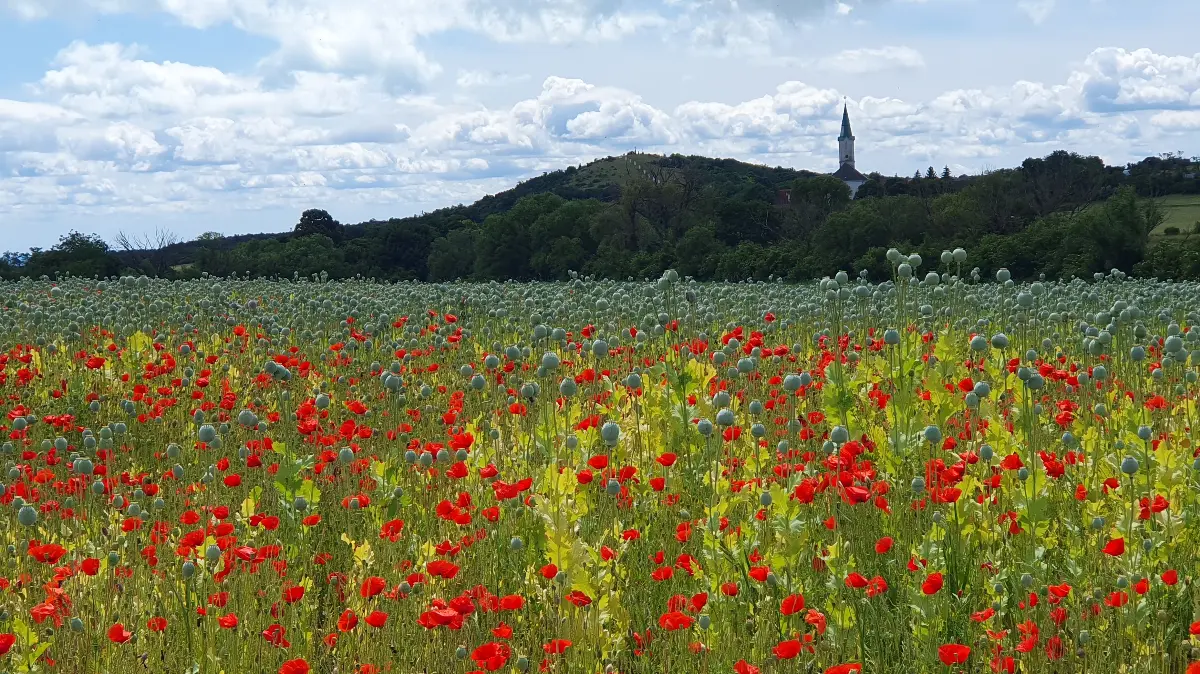
The story began in a quite ordinary way. In 1904, farmers were plowing the slopes of the Balaton Highlands when they came across the remains of walls and stones with unusual patterns. The accidental discovery quickly became an archaeological sensation. Although the significance of the site was already recognized at that time, comprehensive excavations only began in the 1970s. Decades of research have revealed a picture of a Roman-era economy that is considered rare even in Central Europe.
Since 1984, the area has been open to visitors as an archaeological park, which is now maintained by the Hungarian National Museum. Although only part of the former 55-hectare estate is accessible, this section is also impressively rich in sights.
What can we see in the park?
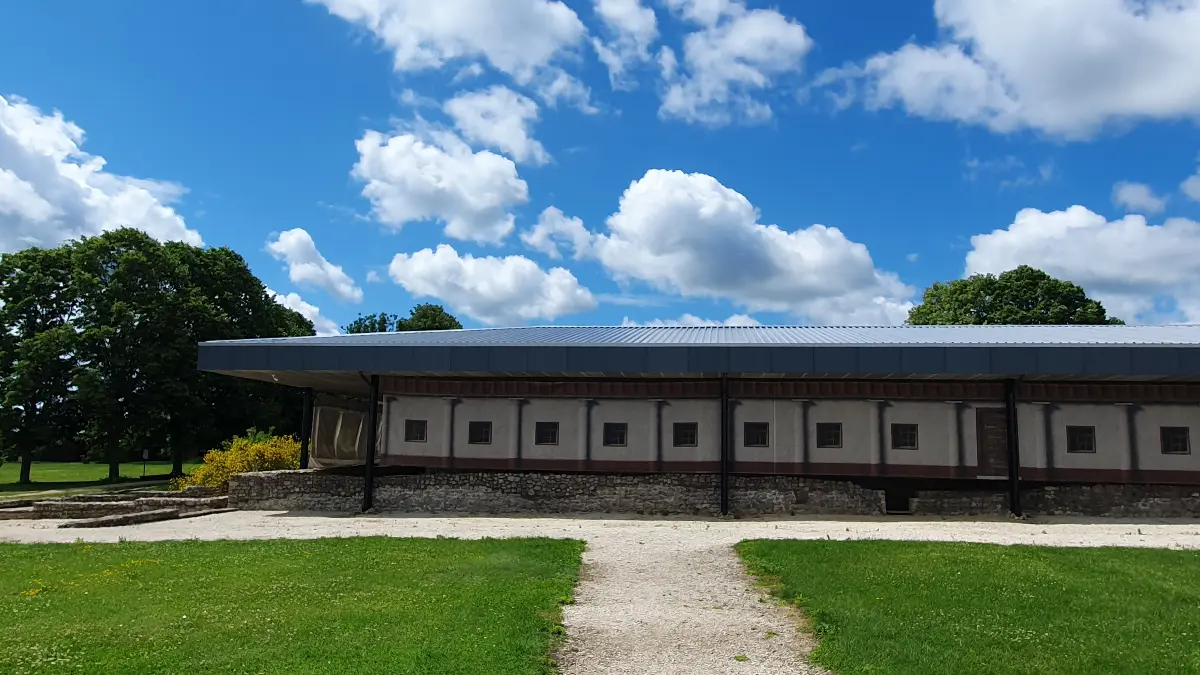
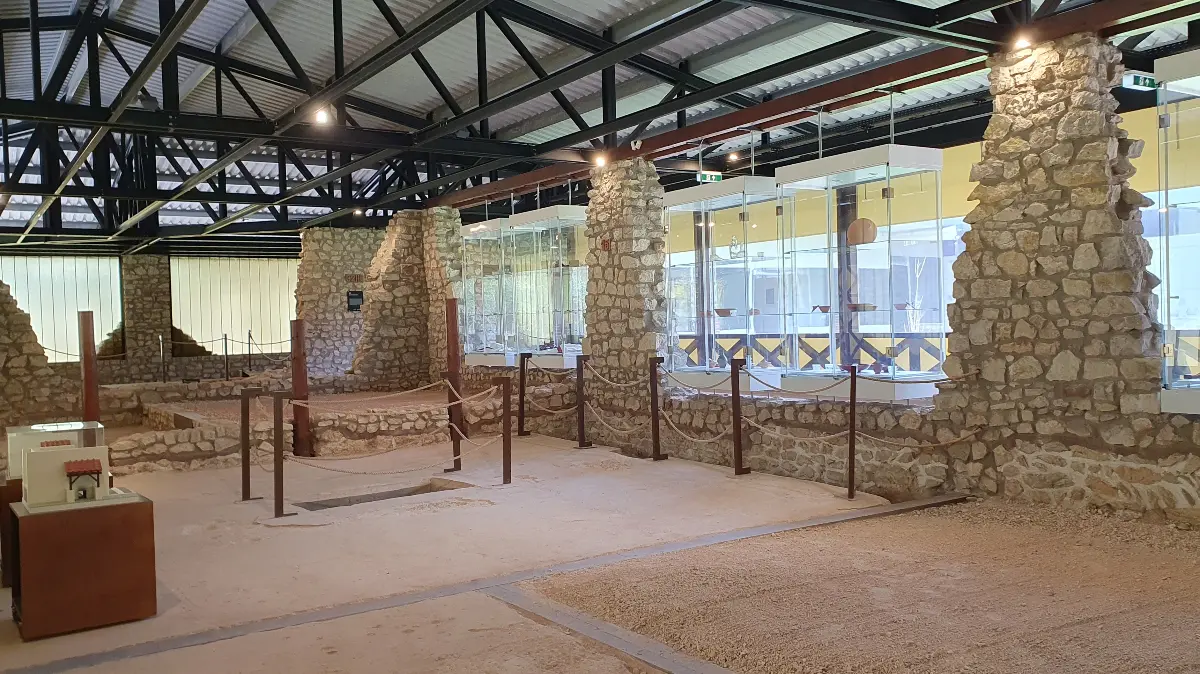
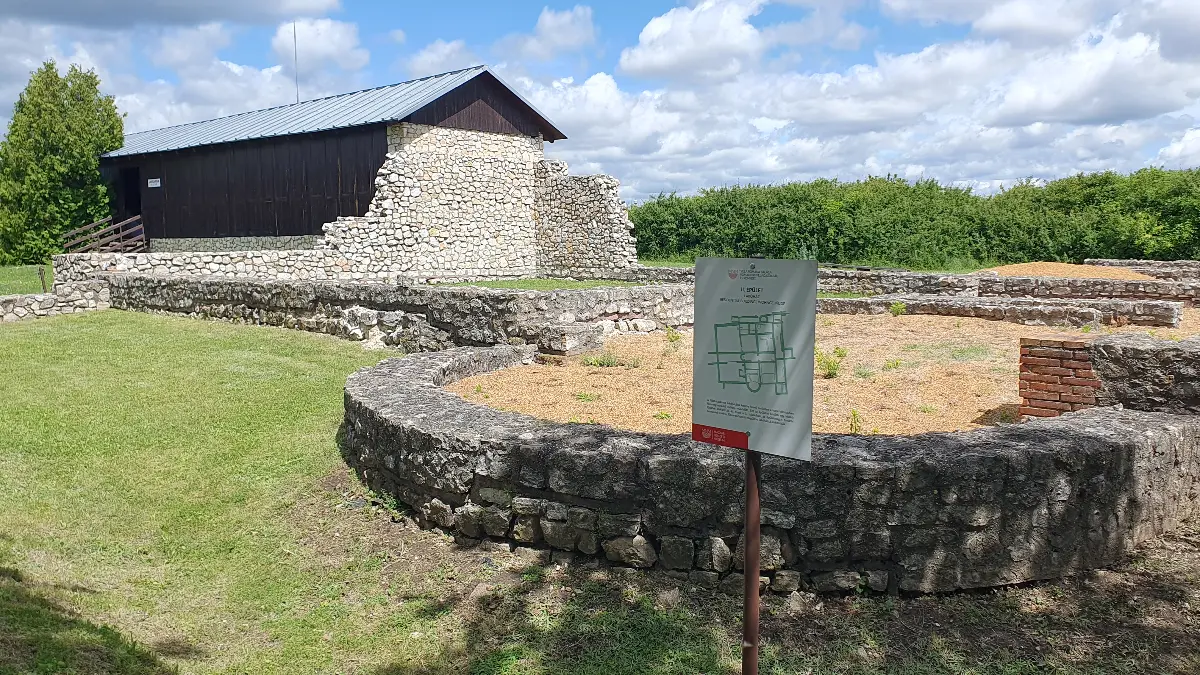
Balácapuszta once had a so-called villa rustica, or rural villa economy. This did not mean a luxurious palace, but rather a well-organized agricultural center where residential buildings, farm buildings, warehouses, and craft workshops formed a unified whole. Archaeological evidence suggests that the estate already existed in the 1st century and continued to develop until the end of the 4th century.
It is likely that the area was given to a retired Roman soldier as a reward, as was often the case in the border regions of the empire. The initially modest farm had developed into a large estate by the 2nd–3rd centuries, producing grapes, grain, and other crops, and was closely linked to the economic network of Pannonia.
Mosaics, baths, and Roman comfort
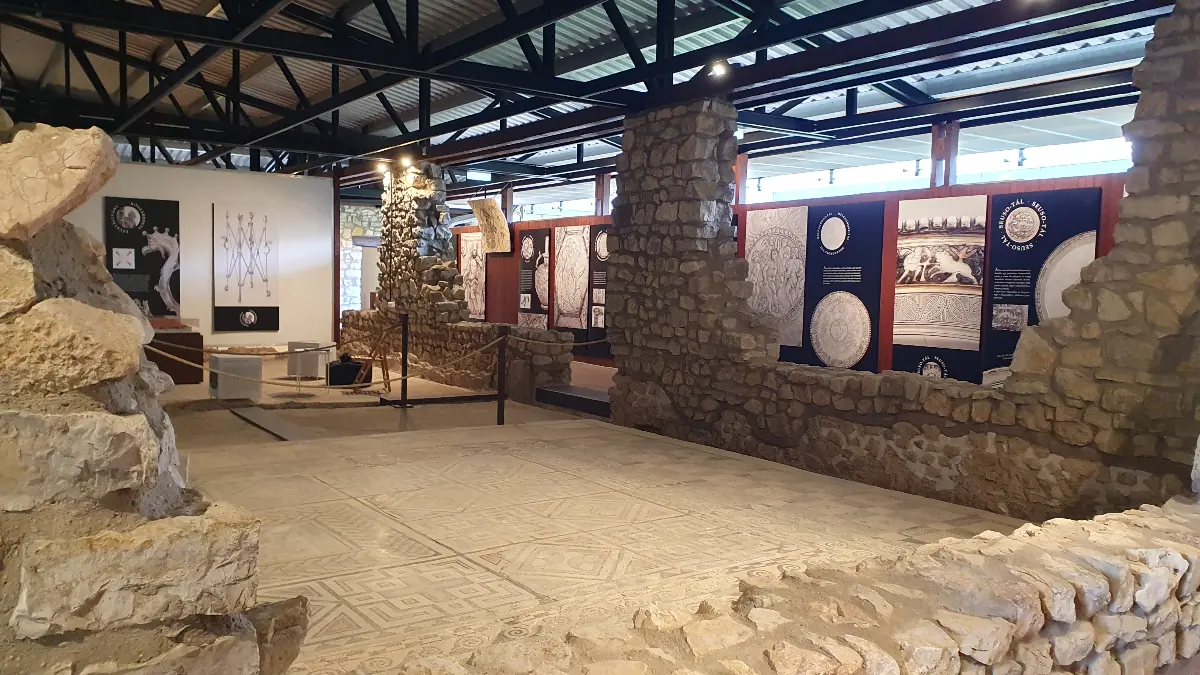
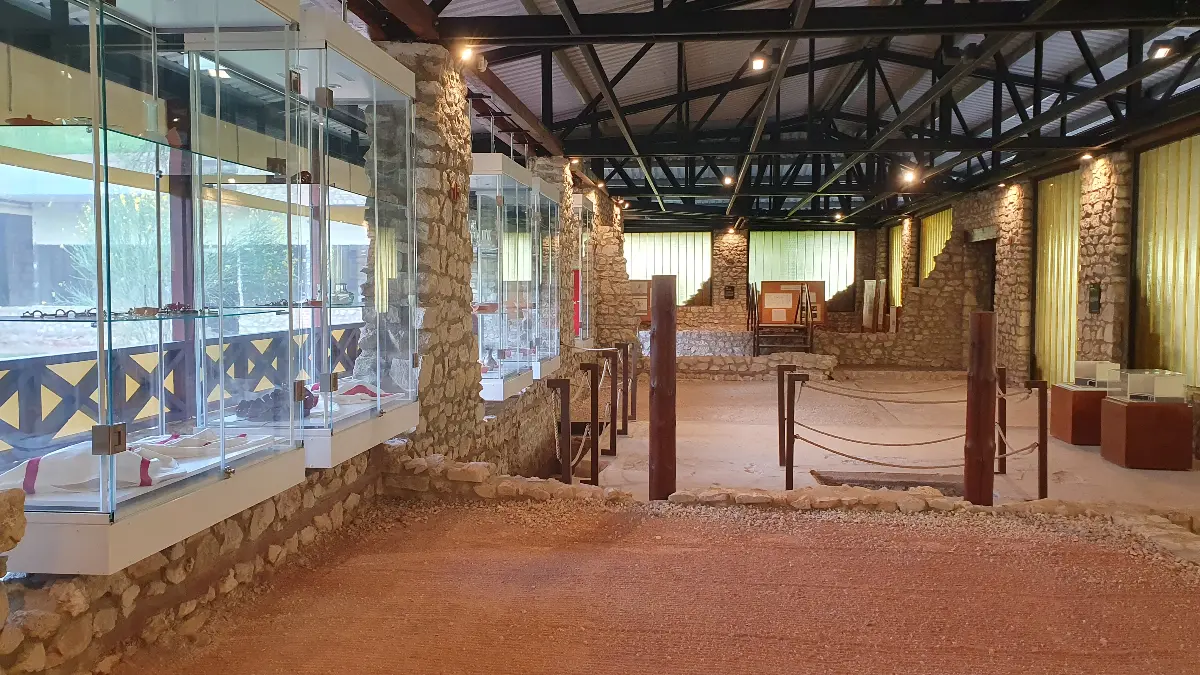
The most spectacular part of the ruins is the central residential building, which once covered an area of nearly 2,400 square meters. During the excavations, four unique floor mosaics were discovered, three of which can still be seen in their original location today, while one, a mosaic measuring nearly 70 square meters, is preserved in the Hungarian National Museum. Only its authentic copy is available in Baláca. These floors, decorated with geometric and plant motifs, are not only aesthetically unique, but also reveal a great deal about the social status of the villa’s residents.
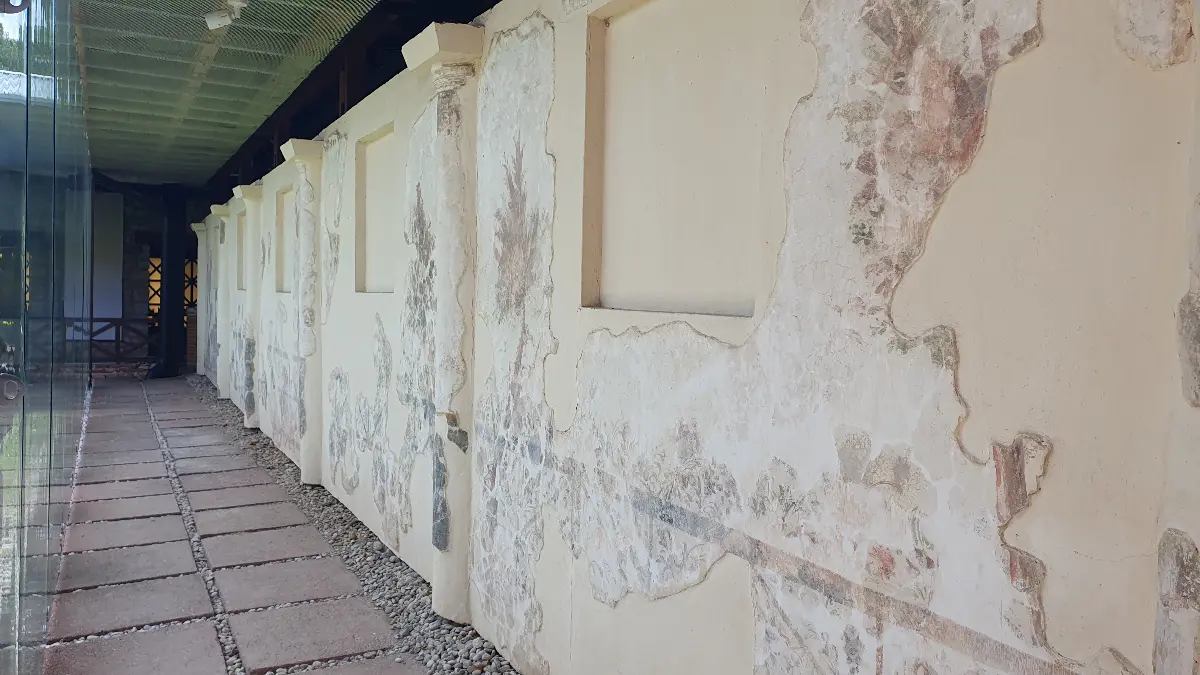
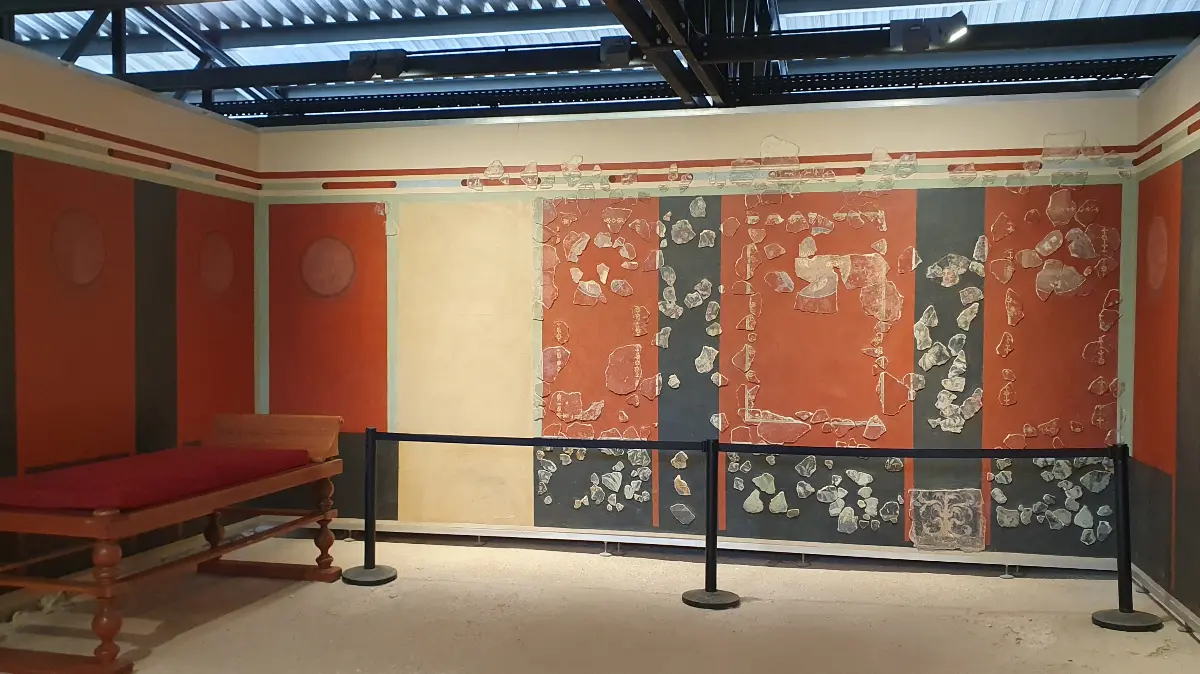
The residential building also included baths, reception rooms, and a cellar, which was found fully equipped. The park’s special features are the interior reconstructions, which were created based on the excavated wall paintings and help visitors imagine what a Roman feast might have been like at the time.
Faith, death, and everyday life
The farmstead also included a burial mound built according to Italian design, which stood not far from the residential building. This form of burial is rare in the region.
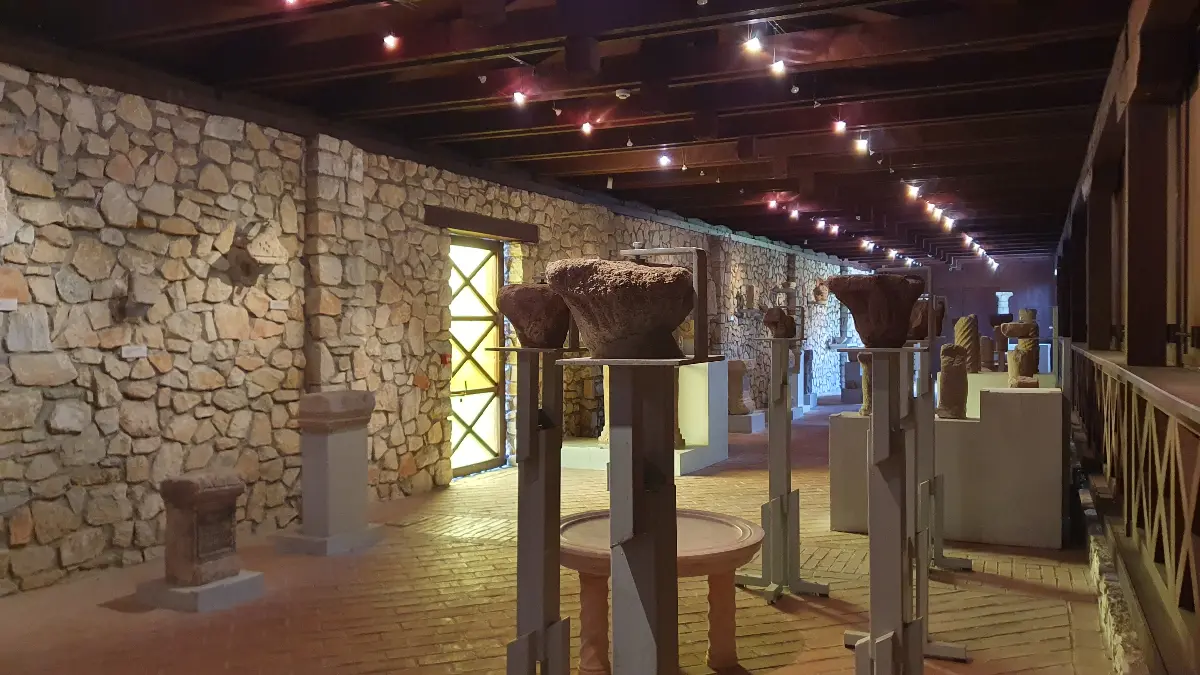
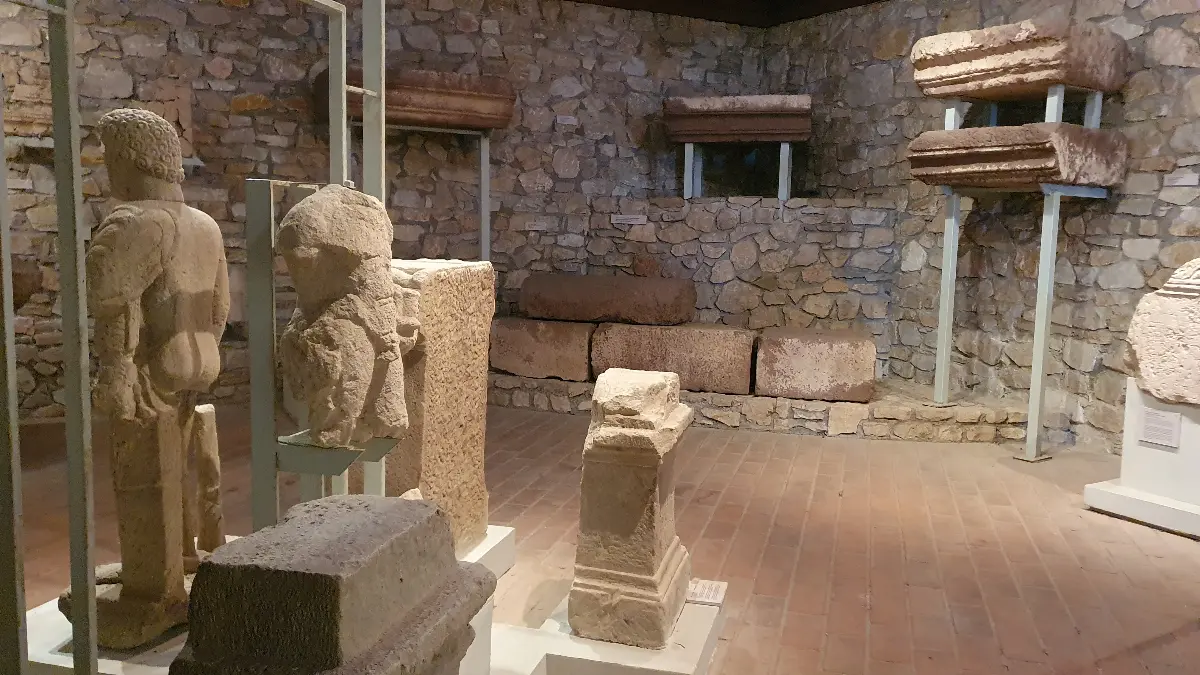
The lapidarium, located between the residential building and the farm buildings, displays carved stone monuments from the Roman period: gravestones, sarcophagus fragments, religious relics, furthermore, architectural elements. The everyday objects on display in the showcases and exhibition rooms – pottery, lamps, jewelry, and coins – give us a glimpse into everyday life in rural Rome.
From spring to fall, the Baláca Archaeological Park offers a number of exciting cultural programs and historical experience days for those interested in ancient cultures. On these occasions, they authentically bring Roman history to life.
More to discover in the area
While you are here, it’s worth taking a stroll through the charming streets of Nemesvámos, or even continuing on towards Tótvázsony and Veszprém, where you can discover even more natural and cultural treasures: beautiful hiking trails, castles, art venues, and, of course, gastronomic experiences.
If you are looking for an active program, it is worth exploring the area on two wheels! The well-developed BalatonBike365 cycle route network makes it easy to explore the area, for example on the 26-kilometer Balatonfüred–Nemesvámos circular route, which offers picturesque viewpoints and varied landscapes. Balácapuszta is also located on this route, so you can combine cycling with a historical adventure.
But if you haven’t brought your own bike, don’t worry. The BBT bike rental point operates in Nemesvámos, where you can easily rent a two-wheeler, whether it’s a classic or electric bike. This way, we can easily reach the Baláca Archaeological Park and comfortably explore the area.