Helyszín címkék:
Scents and flavours from Szatmár – spring in the land of plums
Melinda Pótor
What this article is about:
- Flowering nature, from blue-bells to fritillaries, from apple blossoms to saffron
- The antique rose garden of Luby Castle
- Rural tourism
- Heritage tours
- Water sports and where to catch catfish and carp
- Local religious customs during Easter, for example, finding out what yellow curd cheese is
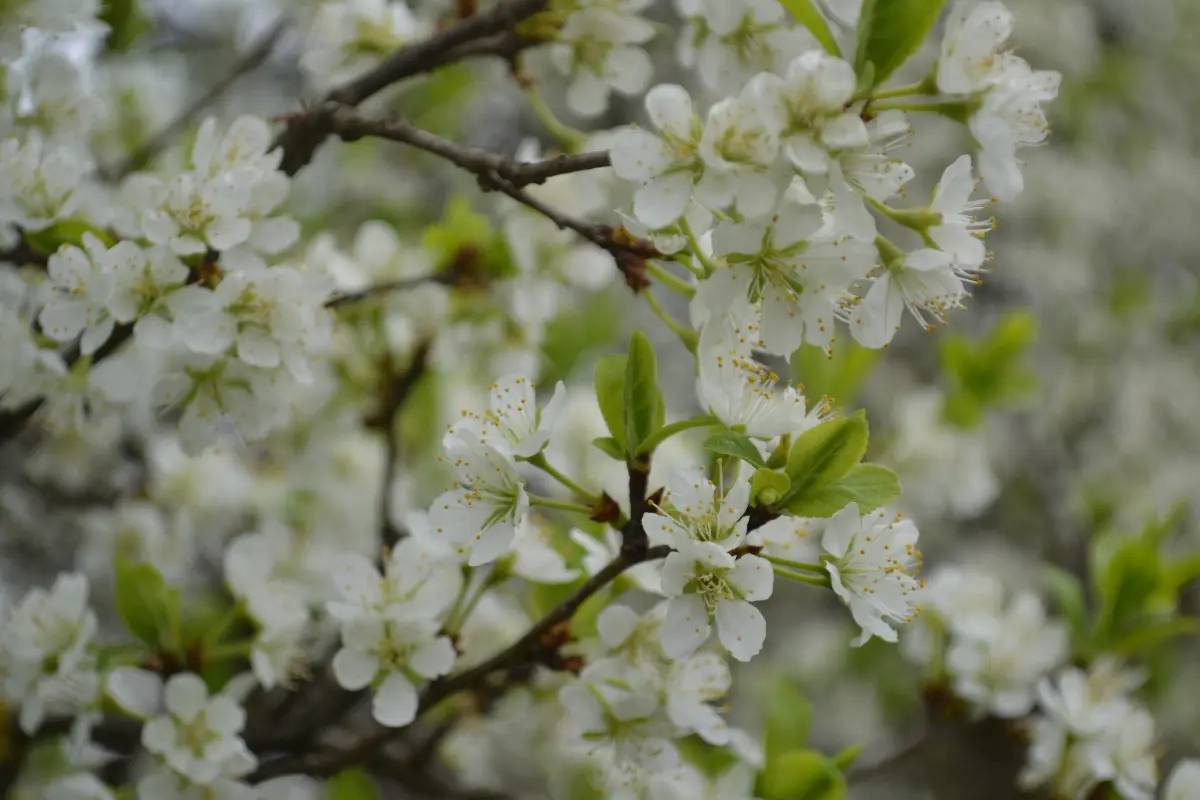
Apples, pears, and plums are in bloom
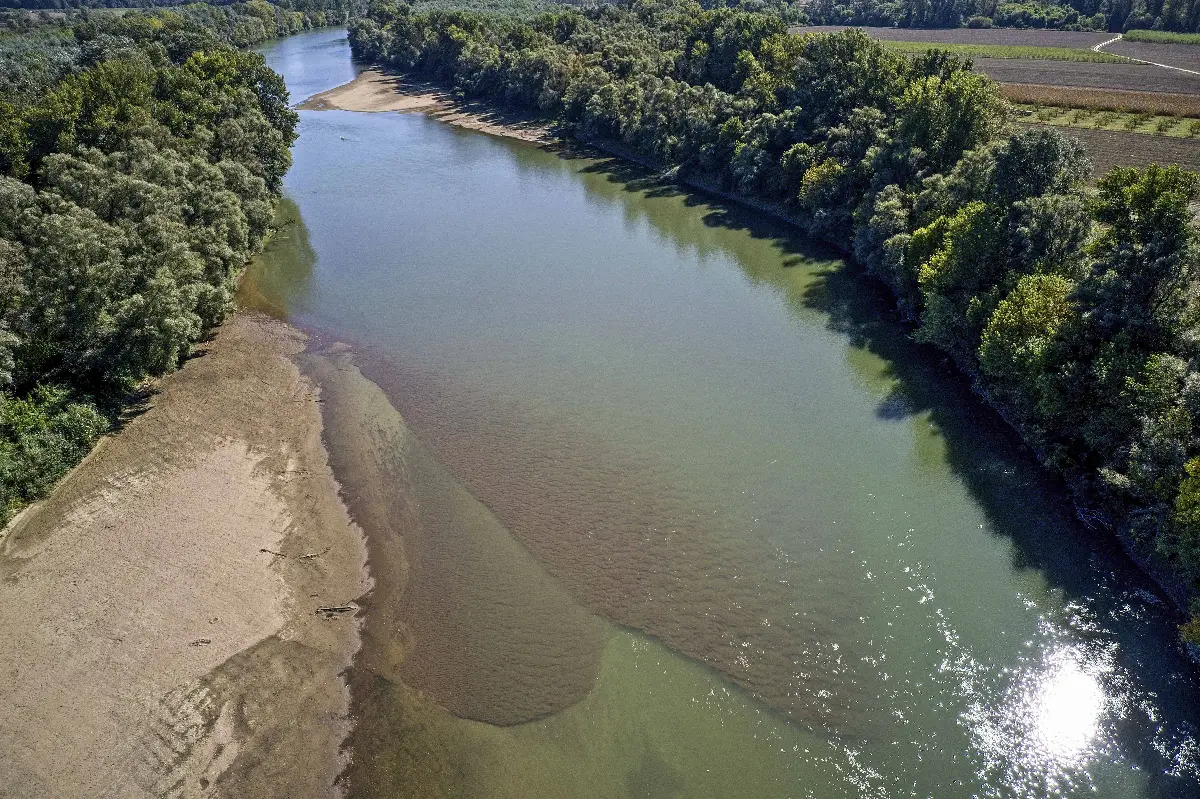
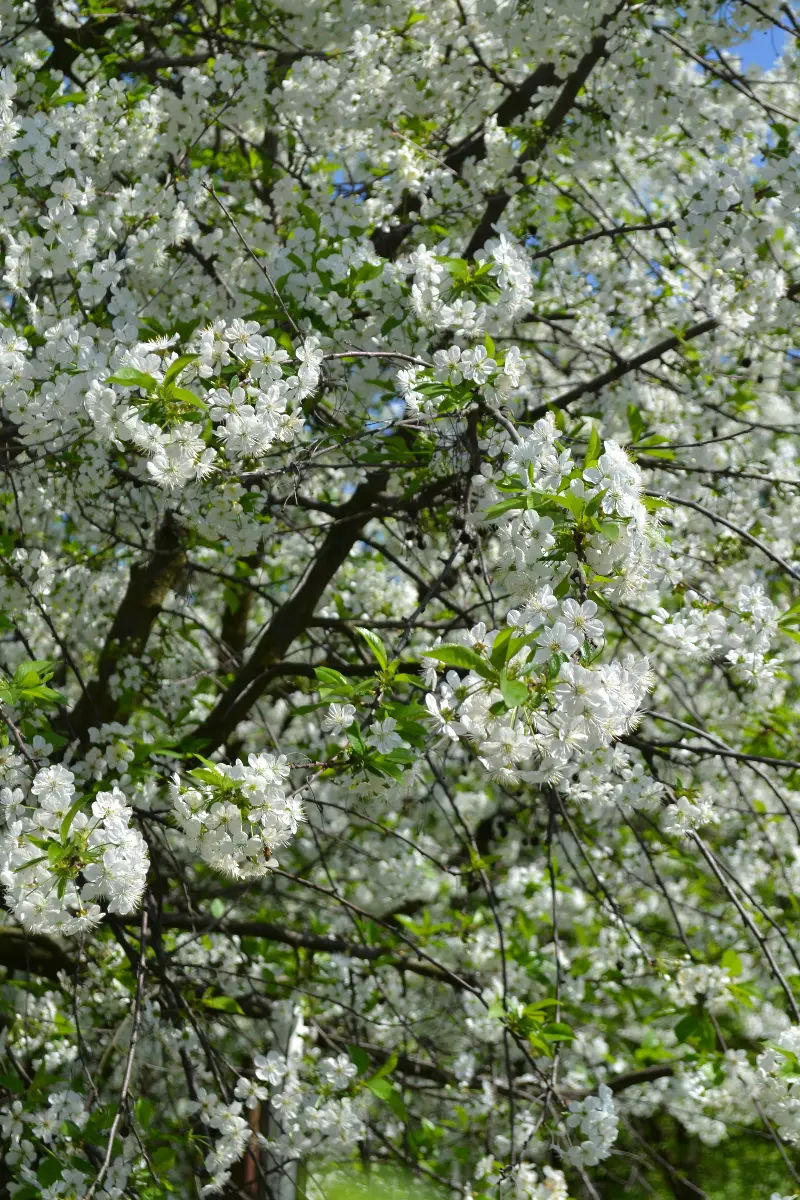
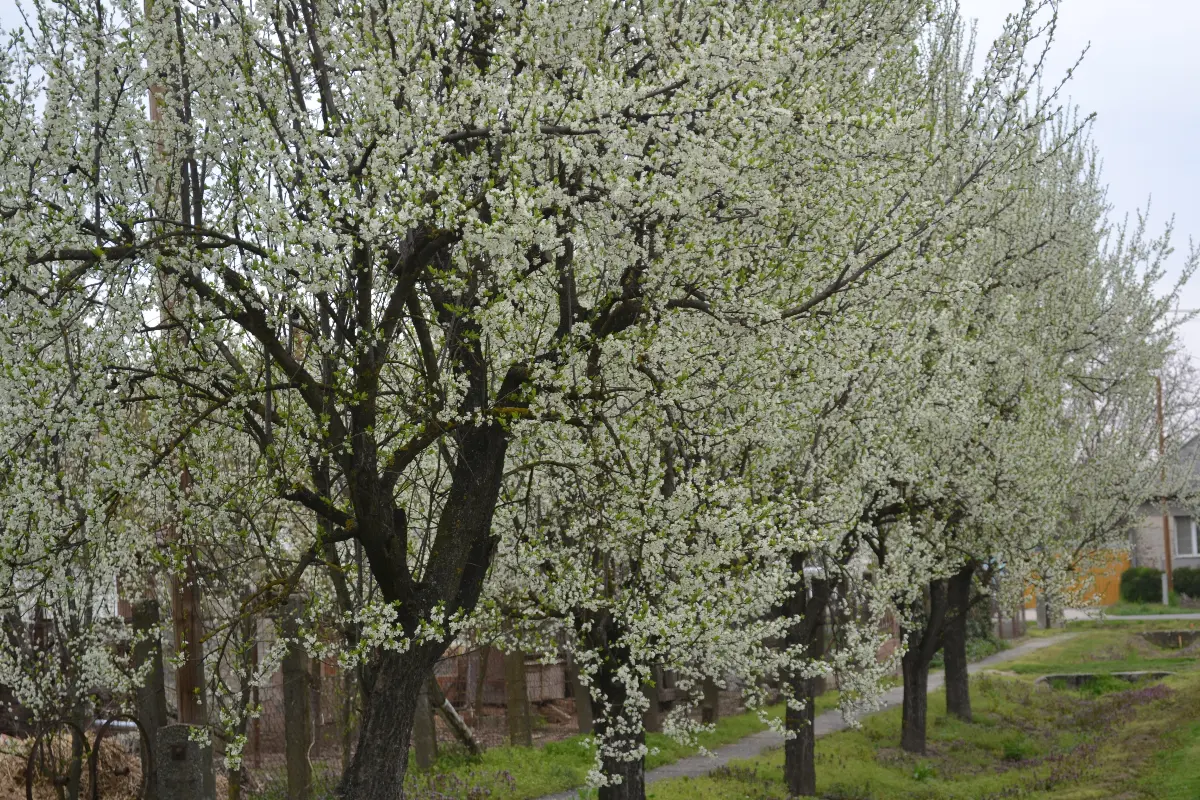
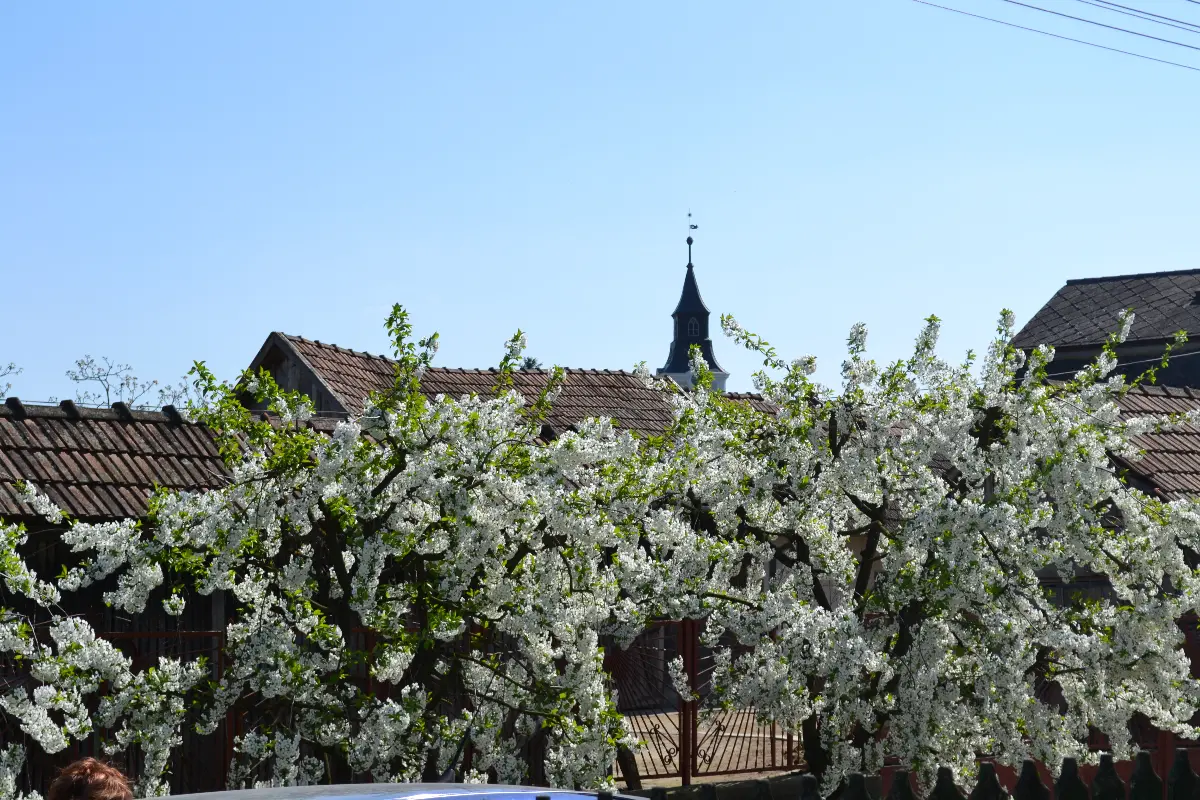
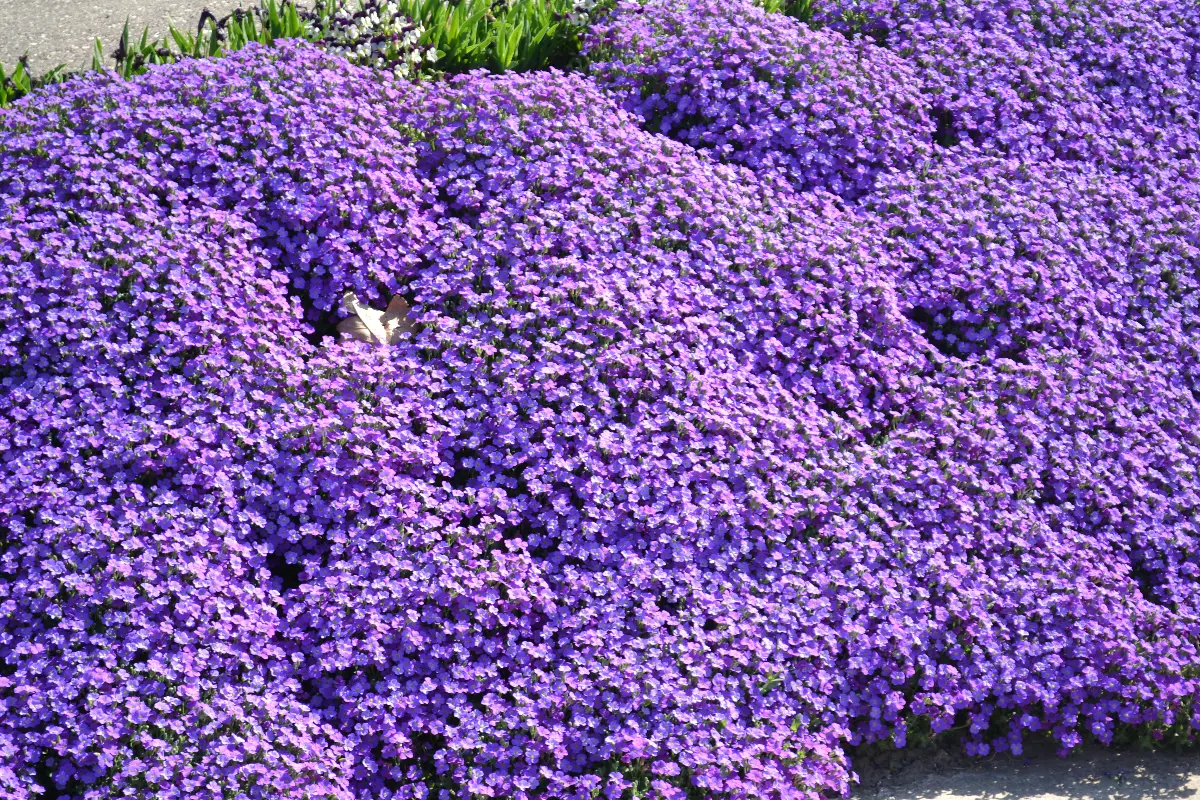
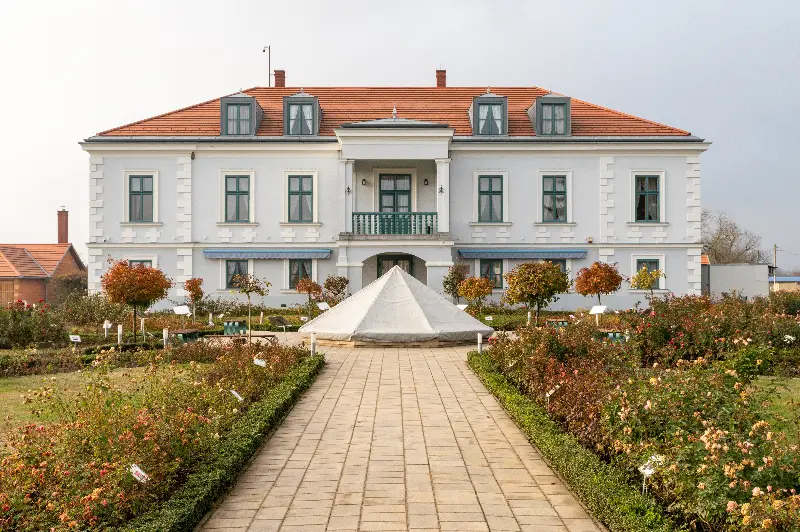
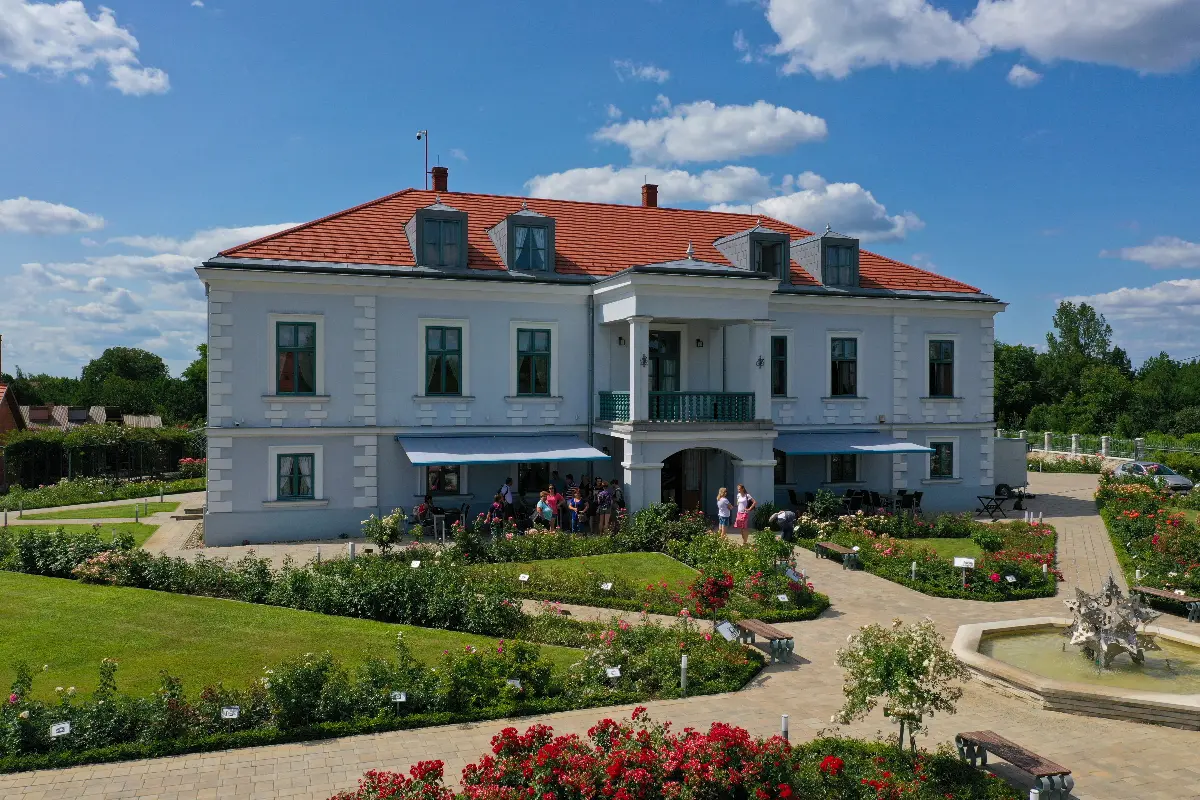
Szatmár is famous for its juicy fruits. Walking or cycling along the banks of the Tisza, and looking down from the embankment, you can enjoy a dazzling view: snow-white snowballs, green grass, and lots of colorful little flowers. After a long winter, it is truly refreshing to walk along the untouched waterfront while witnessing the rebirth of nature. If you want to smell the scent of roses, be sure to take a detour to Nagyar, to Luby Castle. The front garden is decorated with nearly 5,000 bushes and more than 400 varieties of antique and rare roses!
Spring in Szatmár-Bereg
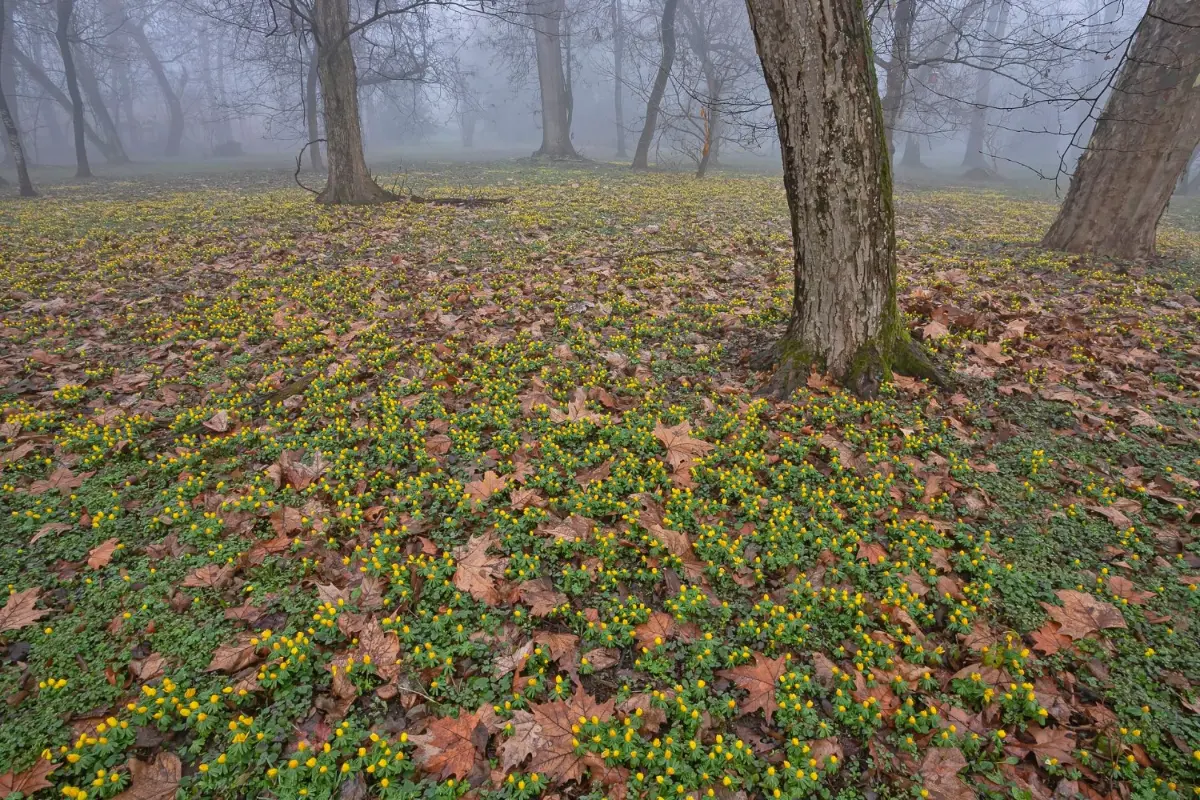
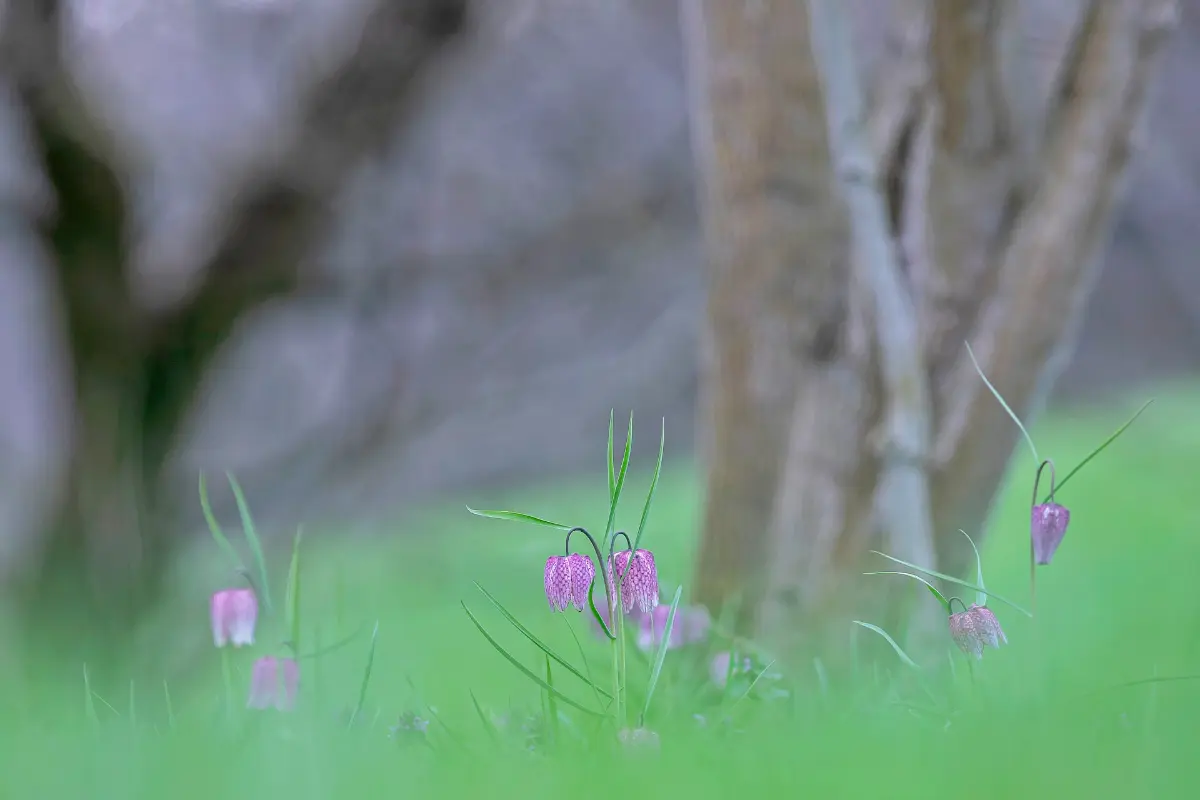
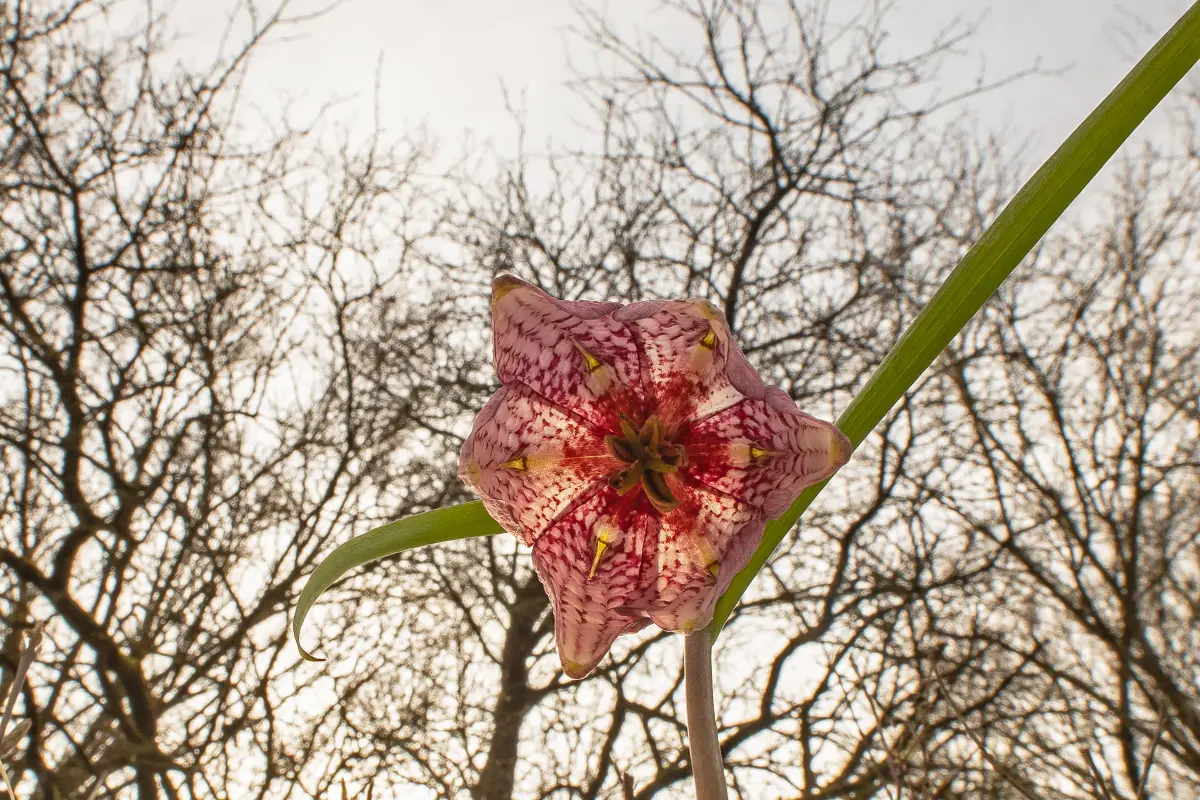
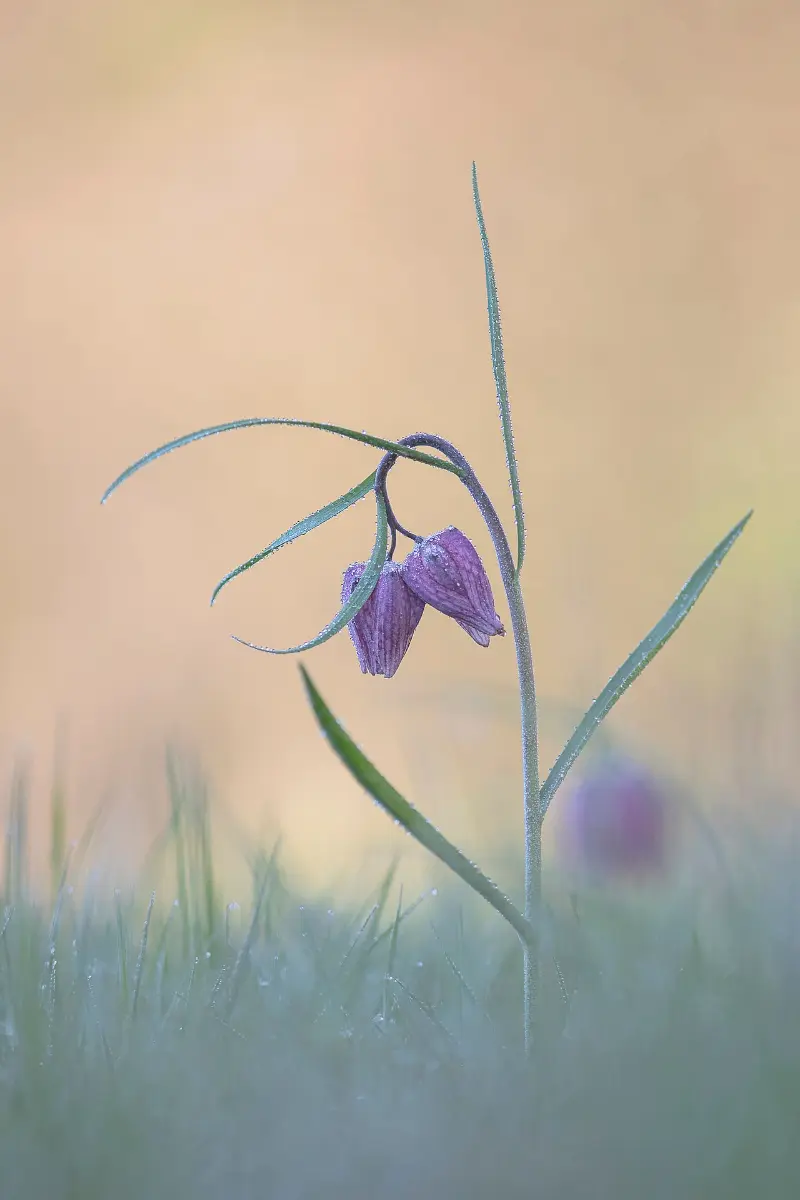
The earliest protected plant to appear in the Cégénydányád Park Nature Reserve is the winter eranthis. At the beginning of flowering, the plant already shows off its yellow petals in small and large patches in suitable habitats of the park, and during the peak flowering period, tours are also organized. The snowdrop is considered the harbinger of spring in Szatmár-Bereg. The protection of the species is also served by a European Union nature conservation directive, and has been under protection in Hungary since 2005. In the fresh hornbeam-oak forests of the Bereg-Szatmár plain, early spring bulbous plants bloom in large numbers, covering the forest floor like an almost continuous carpet before the leaves appear. The most abundant are the pale violet Carpathian crocus and the light blue Transylvanian blue-bell, but in many places you can also see hollowroot and spring fumewort. In the Garbolc Forest Nature Reserve, located near the Hungarian-Romanian-Ukrainian tri-border area as a part of the Szatmár-Bereg Landscape Protection Area, the protected and extremely rare marsh fritillary, also known as the snake's head fritillary, blooms in spring.


For fans of active recreation, an ideal leisure activity is to sign up for cycling heritage tours at the Reformed heritage sites of the magical Upper Tisza region, organized by the Medieval Churches Route Association: Medieval Reformed churches can be seen along these tour routes. The Visitor Centre in Csaroda provides a comprehensive overview of the churches in the region, while the visitor centre in the Szabolcs area presents the county castles and hillforts.
Water hiking on the Túr, fishing on the Szamos
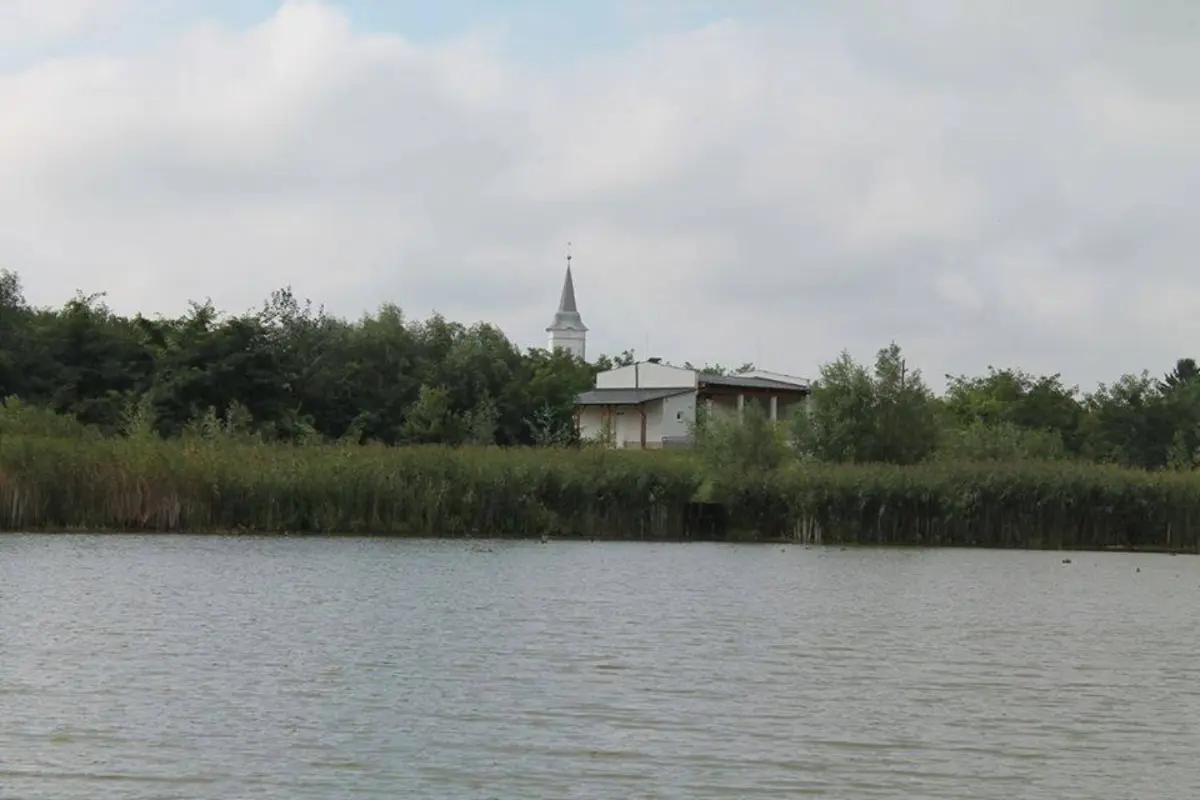
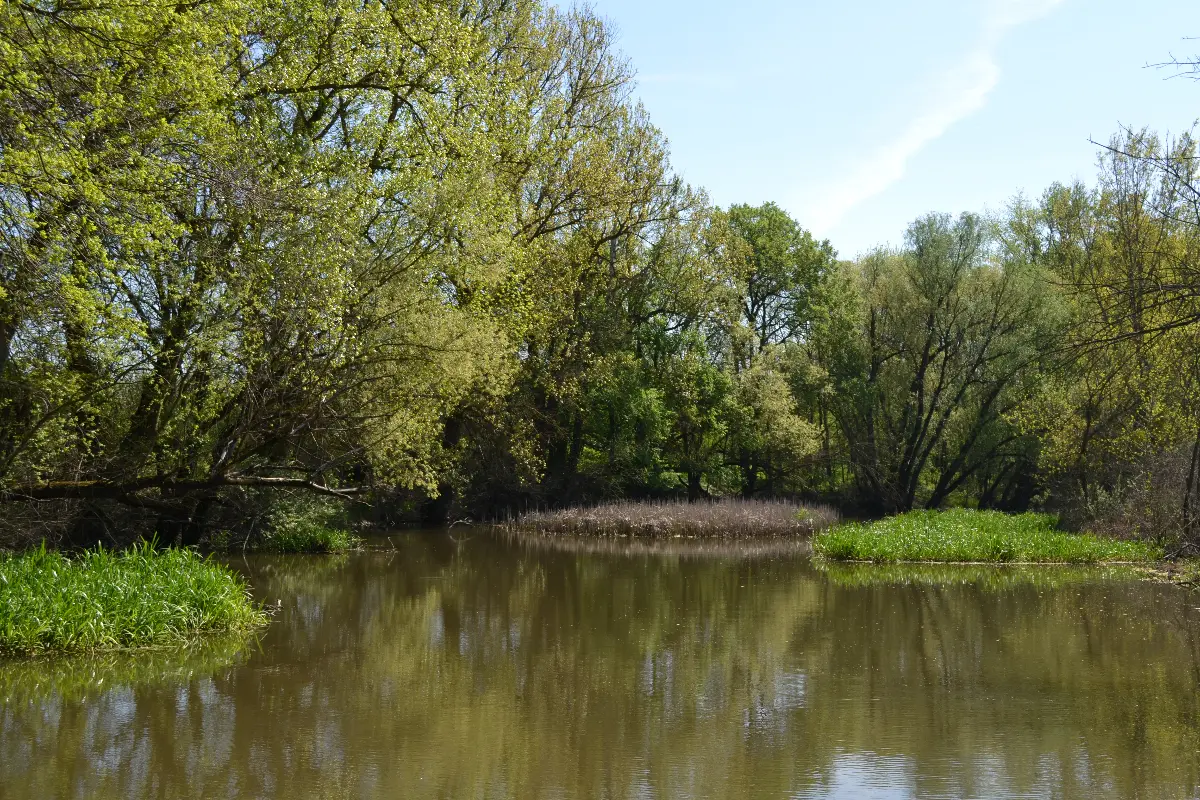
The landscape is particularly beautiful in April and May, which is also the season for fishing lakes, water tours, and rural hospitality. The largest backwater of the Szamos is the 185-hectare, 17-kilometre-long Holt-Szamos, which borders five villages in Szabolcs-Szatmár-Bereg County. The rich wildlife of this romantic stretch of water stretching from Tunyogmatolcs to Ököritófülpös is also popular among anglers, especially those who like to fish for catfish and carp. The shallow Túr is the perfect choice for beginner water tourists thanks to its slow current. The winding riverbed and fallen trees create a special atmosphere – you can enjoy the soothing chirping of birds in an unspoiled environment rich in wildlife.
Yellow curd cheese, basket blessing
Among the 229 settlements of the county, many small villages, farmsteads, and small urban communities also keep their traditions alive. In most of Szatmár-Bereg, Reformed believers strengthen the congregations, but Catholic religious customs have also remained in the county. Thanks to the Catholic religion, the tradition of blessing Easter bread, cakes, and baskets is alive in several small settlements near Mátészalka, and yellow curd cheese is also an important "accessory" to the holiday. This Easter food is made from milk, lots of eggs, and sugar. It is prepared one day before consumption, left to rest overnight, then blessed in church the next day, and finally eaten in Catholic villages.
Rural tourism and open-air museum
In this region, countless rural guest-houses open their doors in early spring, and it is worth resting in such places. Once you have explored the unique natural and built heritage of the Szatmár-Bereg region, your next destination could be the Sóstó Museum Village in Nyíregyháza. This is one of the most significant open-air ethnographic museums in Hungary, showcasing the folk architecture and traditions of the five regions of Szabolcs-Szatmár-Bereg. At the Sóstógyógyfürdő open-air museum, you can immerse yourself in the authentic peasant world of the Upper Tisza region.