Helyszín címkék:
Tihany's forgotten treasures in the Tihany Country Houses
Kilár Boróka
What's the article about?
- Tihany Country Houses: folk architecture and basalt tuff houses
- Fishermen's guild house and smoky kitchen at Lake Balaton
- Tihany farmhouse and peasant life
- Old kitchen utensils and traditions
- Program tips in Tihany – Pisky promenade and Rege Confectionery
What can we see in the country houses?
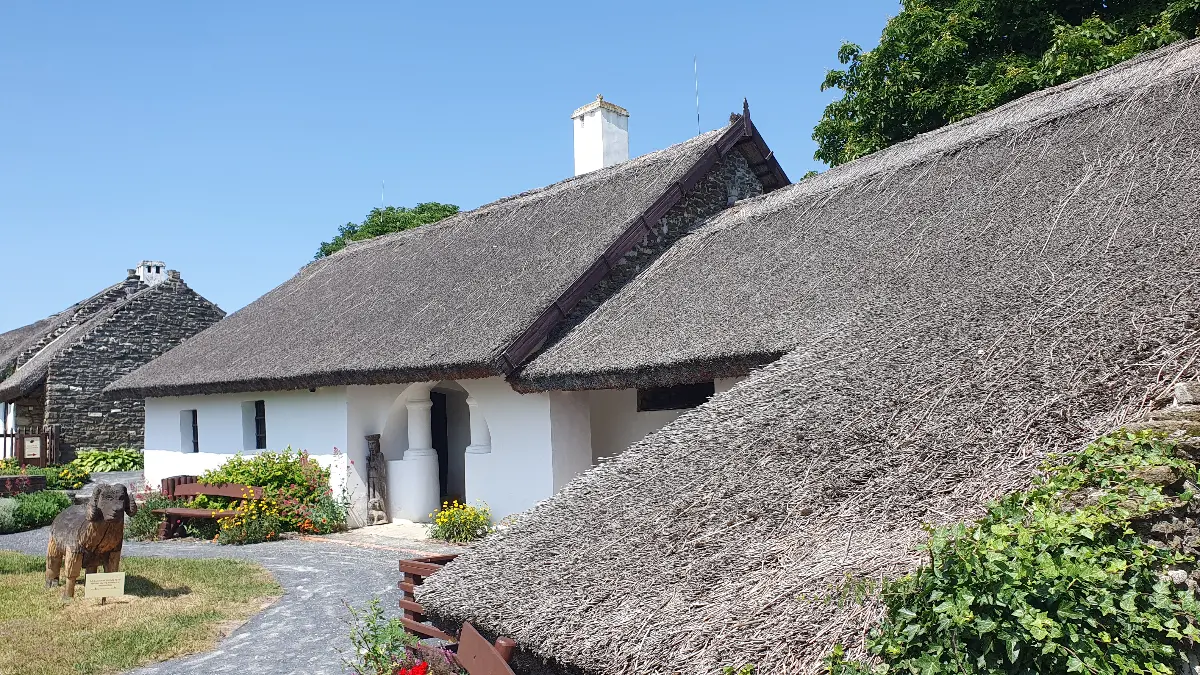
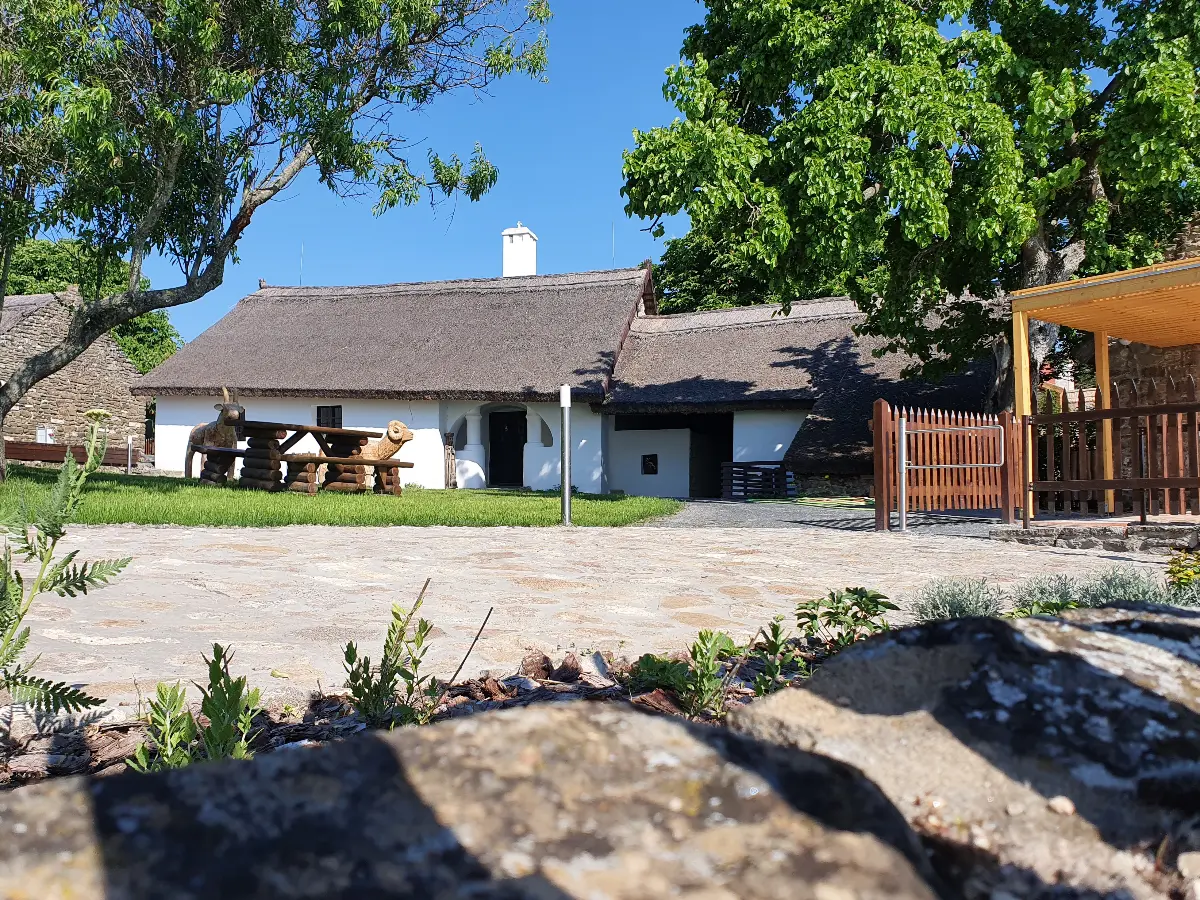
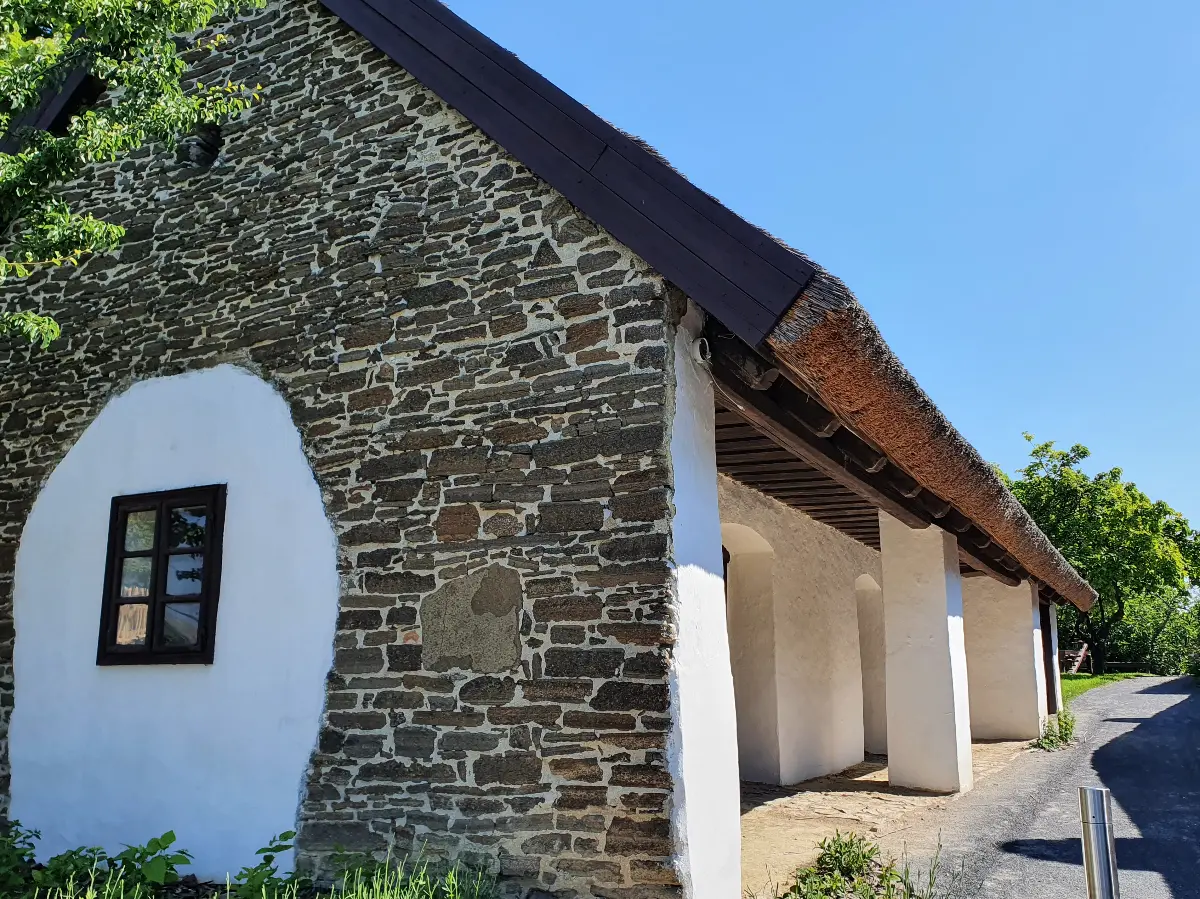
The buildings of the Tihany Country Houses are typical Tihany houses, which preserve the characteristic elements of the unique village landscape of the peninsula. Two things make this landscape special: the local building material and the construction method. Basalt tuff, a bluish-gray volcanic rock, was found everywhere on the peninsula: houses, cellars, farm buildings, and even fences were made of it. The stones were laid without mortar, mixed with mud from the rock, and only the window and door frames were painted or whitewashed. This colourful architectural world has been preserved to this day in the Tihany Country Houses.
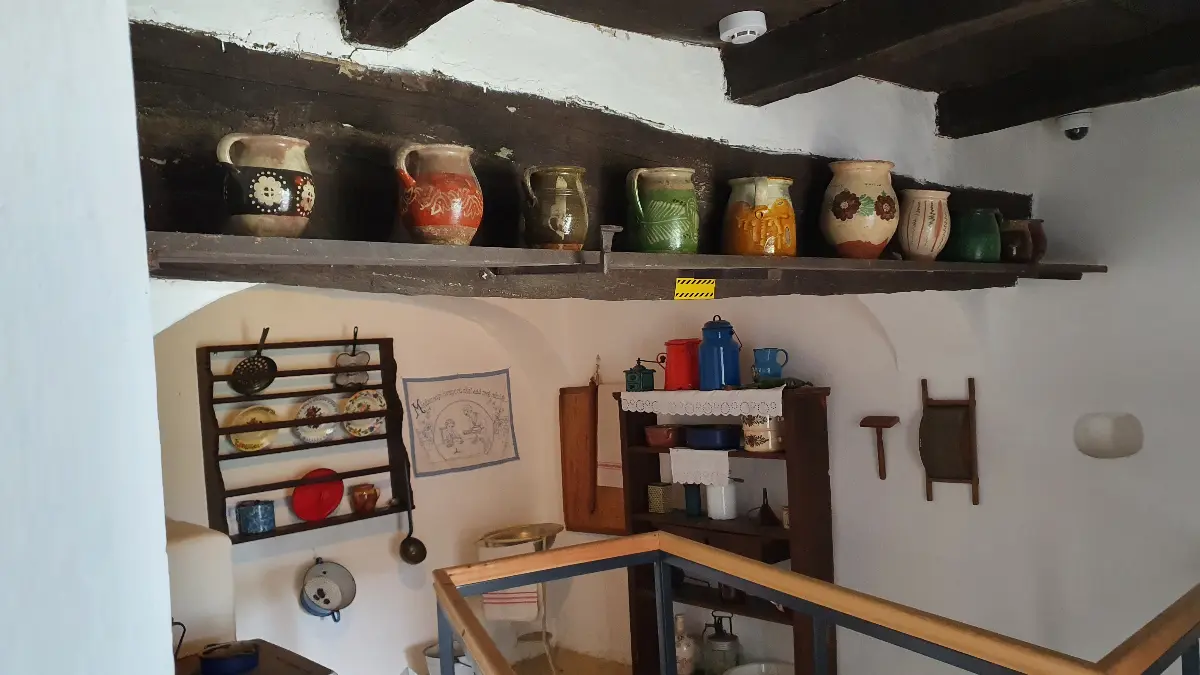
In the furnished rooms, we can learn about old tools and observe the details of everyday life. We can see how our ancestors stored food, how they processed raw materials, how they cooked, or how they prepared for holidays. The exhibits show the everyday practices of peasant life and give us a picture of how our ancestors coped with everyday life. What was an essential part of every household at the time may seem strange to us today.
How did the fishermen of Tihany live?
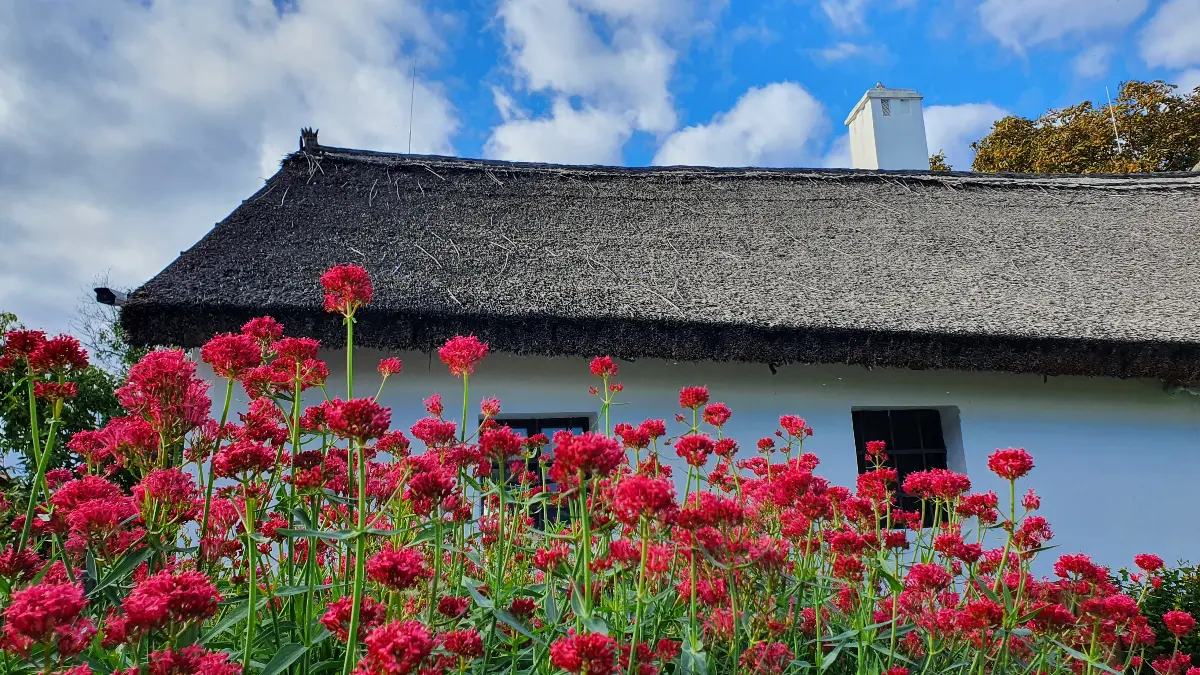
The only building that survived in the Balaton area was the house of the Disznósi Társaság fishing guild. This is where the guild’s symbols were kept: the guild chest, the guild seal, and the guild mug. The guild’s meetings were also held here. Fishing was the main source of livelihood on the peninsula. As the land belonged to the abbey, life on the water ensured freedom for the people of Tihany.
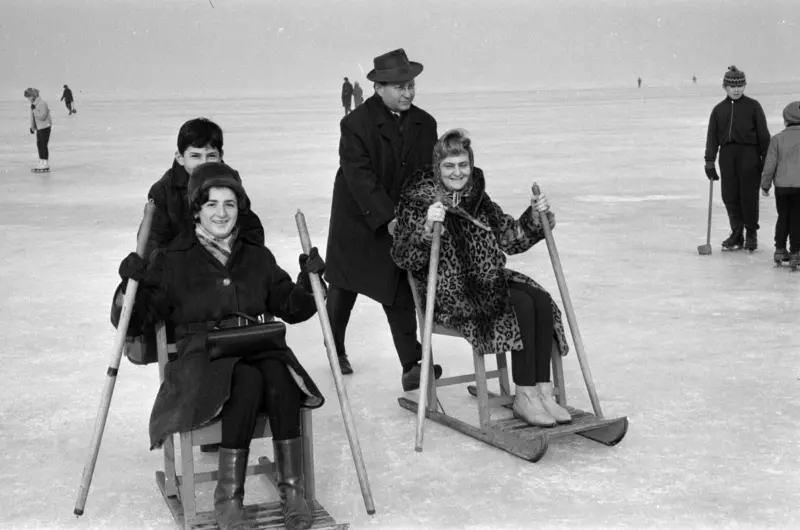
The local fishermen organized themselves into groups of ten, known as “bokrok” (meaning”bush”), and went out on the water in oak dugout canoes or flat-bottomed boats. A special method of ancient fishing in Tihany was the catching of “seen fish”, which was mainly used at the end of autumn, during the mass migration of the garda. Each fishing group had a “mountain walker” who watched the schools of fish swimming in the water from above and directed the boats with his signals. Thanks to this unique technique, the catch was almost always abundant, often reaching a hundred quintals. This is why the people of Tihany called the garda “bread fish”. The fish were smoked or pickled for their own consumption, and the surplus was transported in baskets to nearby villages for sale.
What does the only surviving fishermen’s guild house of Lake Balaton hide?
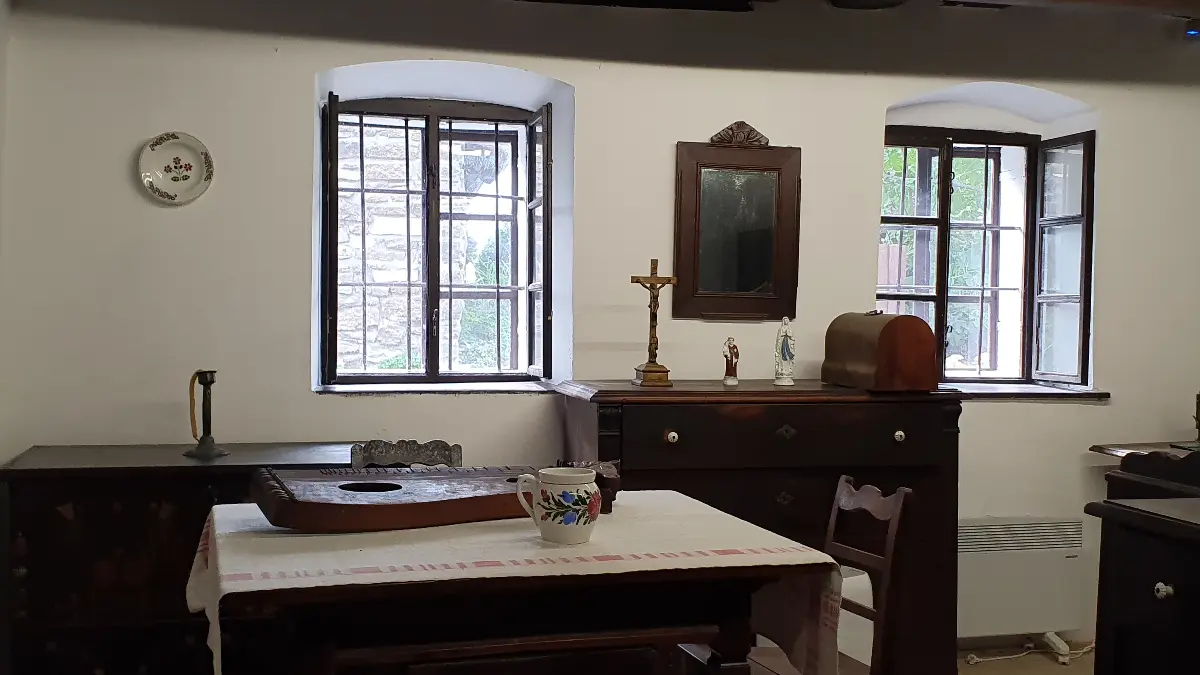
The value of the exhibition lies in the multitude of objects on display. The carved chair backs, painted chests, and furniture decorated with scratched and engraved patterns are outstanding examples of peasant craftsmanship. The tools associated with smoking and pipe smoking evoke the atmosphere of social gatherings of the time.
A special object is the “cibék”, a tool used to lift the net during ice fishing. Those who broke the rules of the fishermen’s guild were hung from the ridgepole with this tool as punishment.
Another interesting feature of the fishermen’s guild house is the smoky kitchen. In the Balaton Uplands, these kitchens were still an integral part of peasant households in the first half of the 20th century, especially in more modest or older families. In these rooms, cooking was done over an open fire, with the smoke escaping through a double door. Among the exhibits are old fire starters, fire dog stands, and iron pots that were used over open fires. These old everyday objects reflect the difficulties of everyday life and the ingenuity of the peasants.
What secrets does the kitchen of the Tihany farmhouse hold?
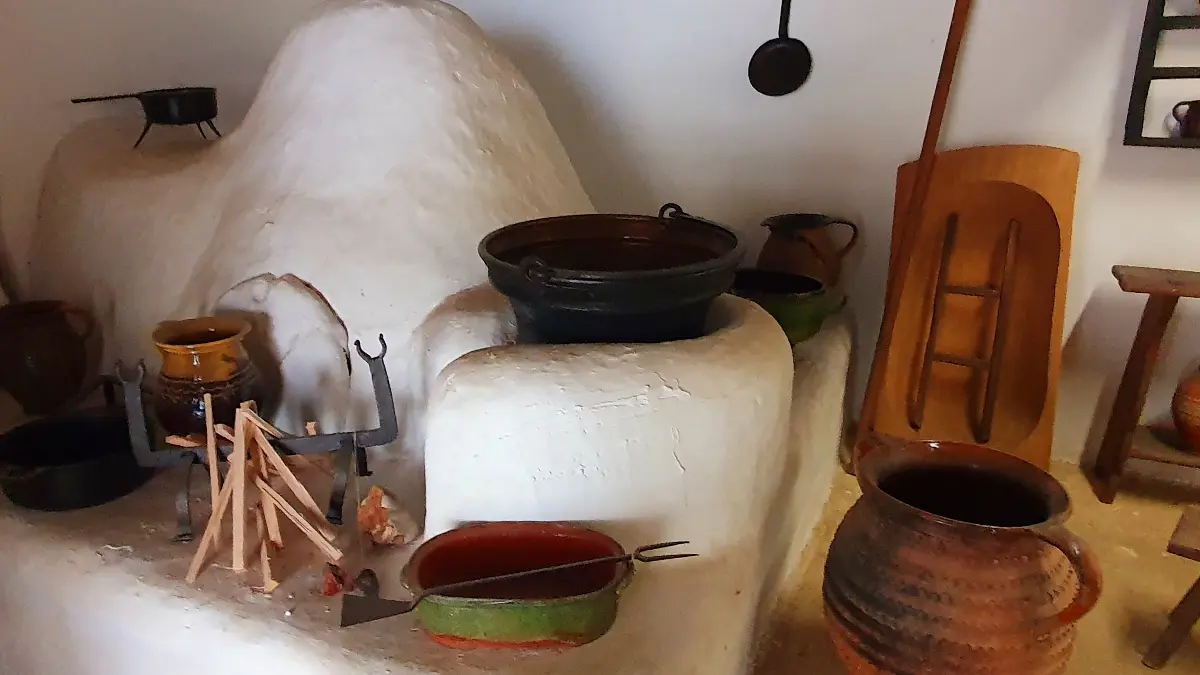
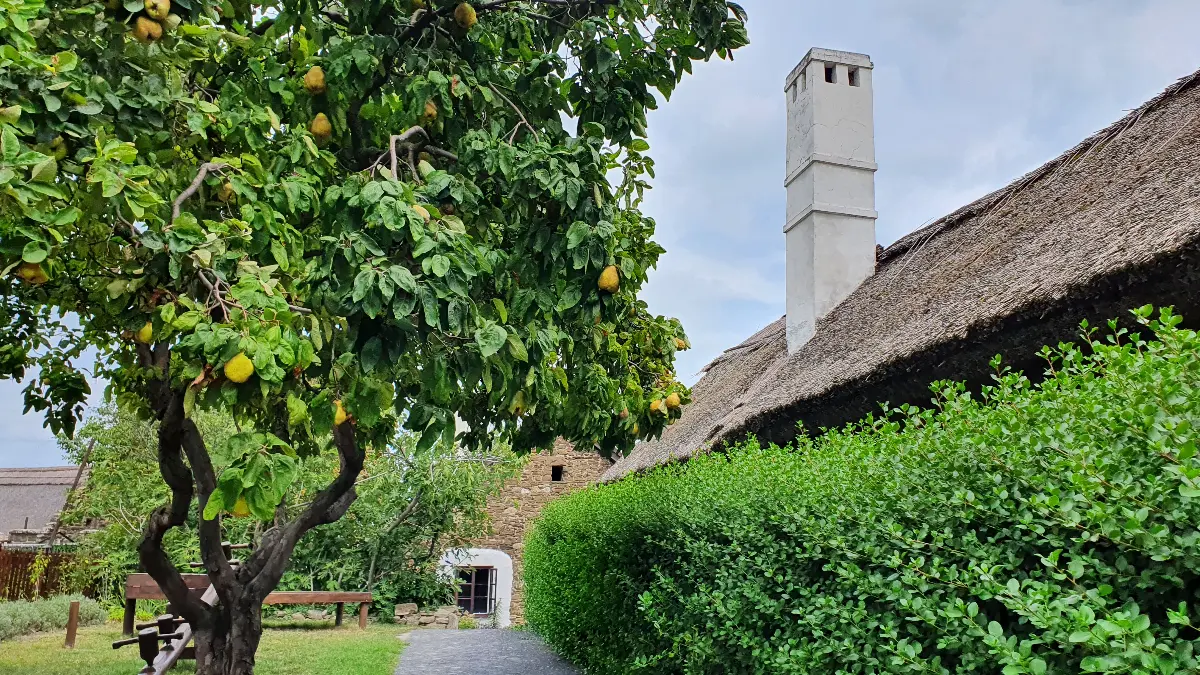
The Tihany farmhouse is an example of more advanced folk architecture. The kitchen had an open chimney, allowing smoke to escape quickly. This room provided access to the other rooms. The porch was converted into a new living space, reflecting the modernization of the era and the clever use of space.
In the kitchen, we can learn about milk processing, a central element of peasant households. We can follow the meticulous and persistent work involved in making butter from curdled milk or sour cream using a strangely named tool called ‘zurboló’. Baking bread was also a serious task; kneading troughs, sourdough wood, and bowls were essential tools in the process. In addition to its well-known function, the sieve was also used for a very special type of fortune telling, which involved the use of beans. Predictions were made based on the random scattering of the beans, their card-like arrangement, or their relationship to each other. Most often, they were used to predict love, but sometimes they were also used to determine the whereabouts of lost animals.
After discovering old kitchen tools and peasant practices at the Tihany Country Houses, it’s worth taking a little break. Stop by the Rege Confectionery for a delicious pastry, or choose a local restaurant and taste the current flavours of Tihany!