Helyszín címkék:
In the footsteps of the Festetics heritage
Kata Kincső Bárdos
- the influence of the Festetics family on Keszthely and its surroundings
- a weekend at Lake Balaton with cultural programmes
- the Helikon Festival in Keszthely
- Festetics Castle, Hévíz Lake Baths
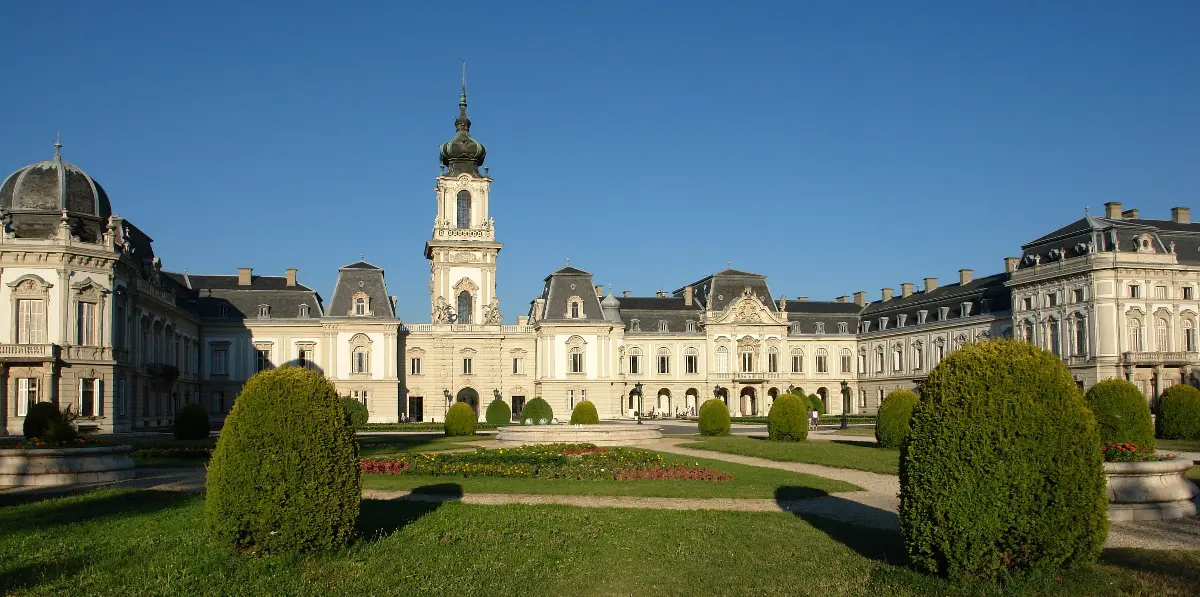
The castle where history survived the war
The Festetics Castle in Keszthely is the most richly furnished castle in Hungary today, where original noble interiors can be seen, which is unique in the country. The castle's current appearance was formed in the 1880s, when Tasziló Festetics II initiated a large-scale renovation. The exhibited furniture and artefacts do not merely retain a representational value: the collection of the Festetics family has truly survived the wars of the 20th century. Laura Kardos, the castle's public collection manager, explains:
“At the end of World War II, the commander of the Soviet troops occupying Keszthely ordered the walling up of the library wing to protect the valuables kept within. Thanks to this, the book collection and numerous artifacts survived the war intact.”
The museum library collection contains about eighty thousand items, it is the only intact private library of a noble family in the country. In addition to the library and the elegant salons, another main attraction of the castle's exhibition is the ceremonial dining room, which opened in 2022, where a richly laid table evokes the former princely feasts.
Helikon Festivals then and now
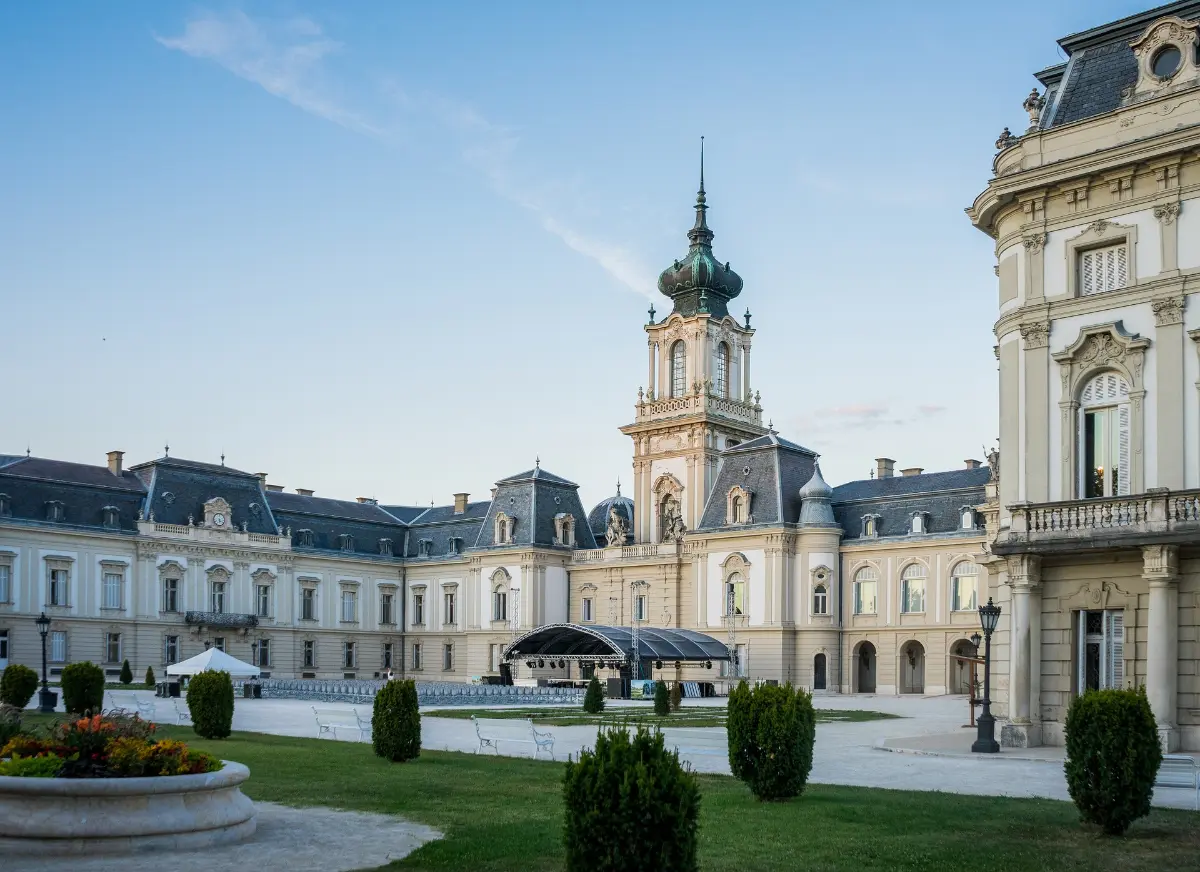
At the beginning of the 19th century, György Festetics organized the first Helikon Festivals, where poets and writers could present their works. This tradition was revived in the 20th century and is still alive in Keszthely today: the event is organized every two years, and has grown into one of the largest student festivals in Transdanubia. During the three-day cultural festival, hundreds of secondary school students will perform in categories such as instrumental music, visual arts, choir, prose, drama, and dance. The programmes take place almost everywhere in the town: in the Balaton Theatre, in the main square, in the library, in the museums and in the sports hall. The first two days are for competitions, and on the third day the festival closes with an awards ceremony and a gala show, when the best productions take to the stage. Keszthely is filled with young people, music and theatre at this time, thus Helikon still serves the same purpose today as it did two hundred years ago: a meeting point for different art forms, talents and communities.
Fenékpuszta Manor
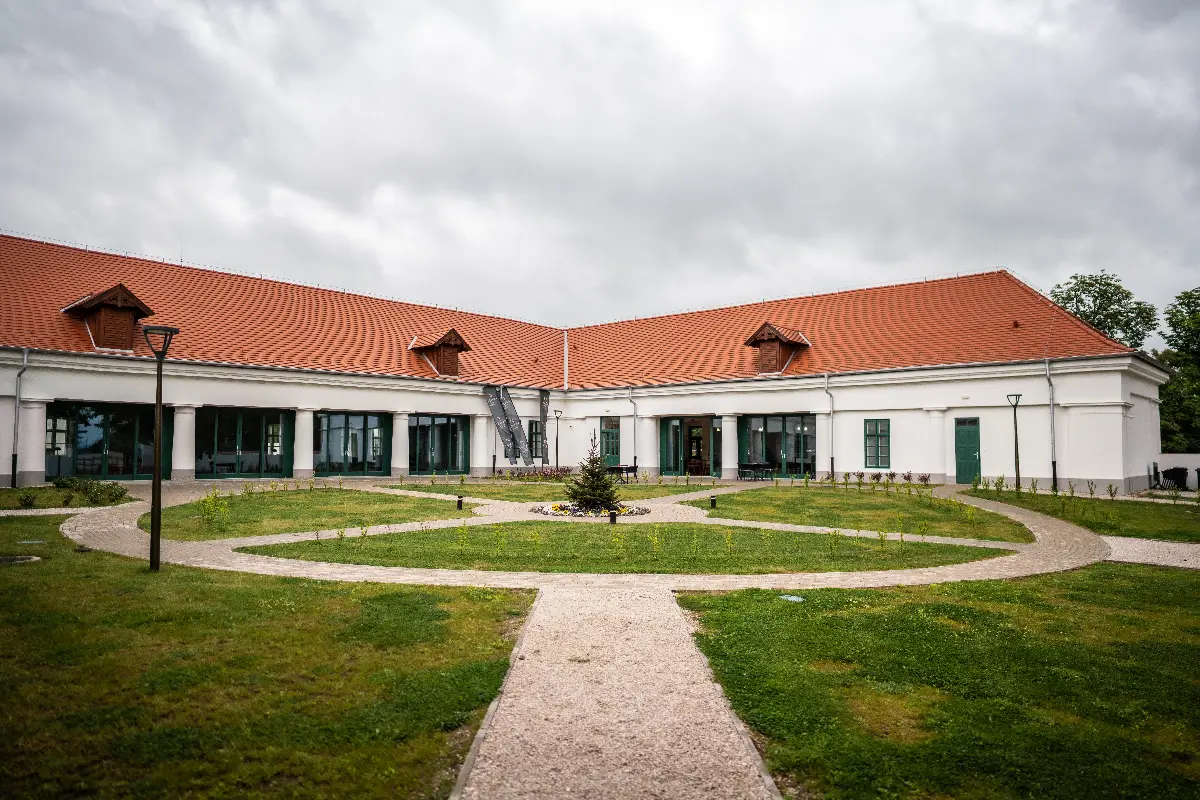
In the 19th century, the Festetics family’s stud farm in Fenékpuszta was one of the most important centres of Hungarian horse breeding and equestrian sports. Today, it operates as a complex leisure centre. "Visitors can learn about the history of horse breeding and horse racing of the Festetics family through exhibitions using classic and interactive tools in the small castle and former stables," we learn from Laura Kardos. The meticulously furnished building complex is a period-accurate environment – when you walk around the manor, it is easy to imagine how this model farm once operated.
Hévíz Bathhouse
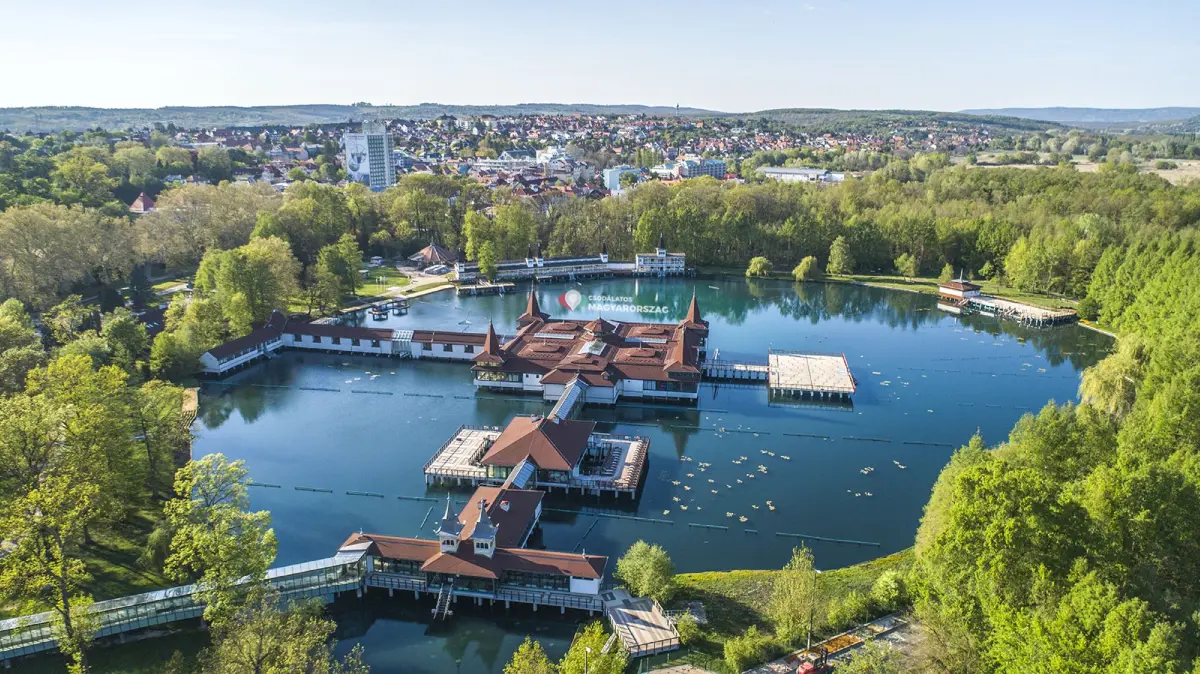
A few kilometres from Keszthely you find Hévíz, with one of the largest natural thermal lakes in the world. The area around Lake Hévíz began to develop at the end of the 18th century, when György Festetics I arranged the surroundings of the lake, provided medical supervision for the treatments, and had the first bath buildings built in 1795. During the past two hundred years, the bath has been rebuilt several times, but its name still preserves the memory of the Festetics family.
Keszthely Fish Tavern
The Keszthely Fish Tavern has long been an iconic venue for local gastronomy. The region’s wines go well with the Balaton fish dishes – fish soup, Hungarian Catfish Paprikash, fried perch. A hearty dinner at this place would be the perfect end to your trip in the footsteps of the Festetics heritage.