Helyszín címkék:
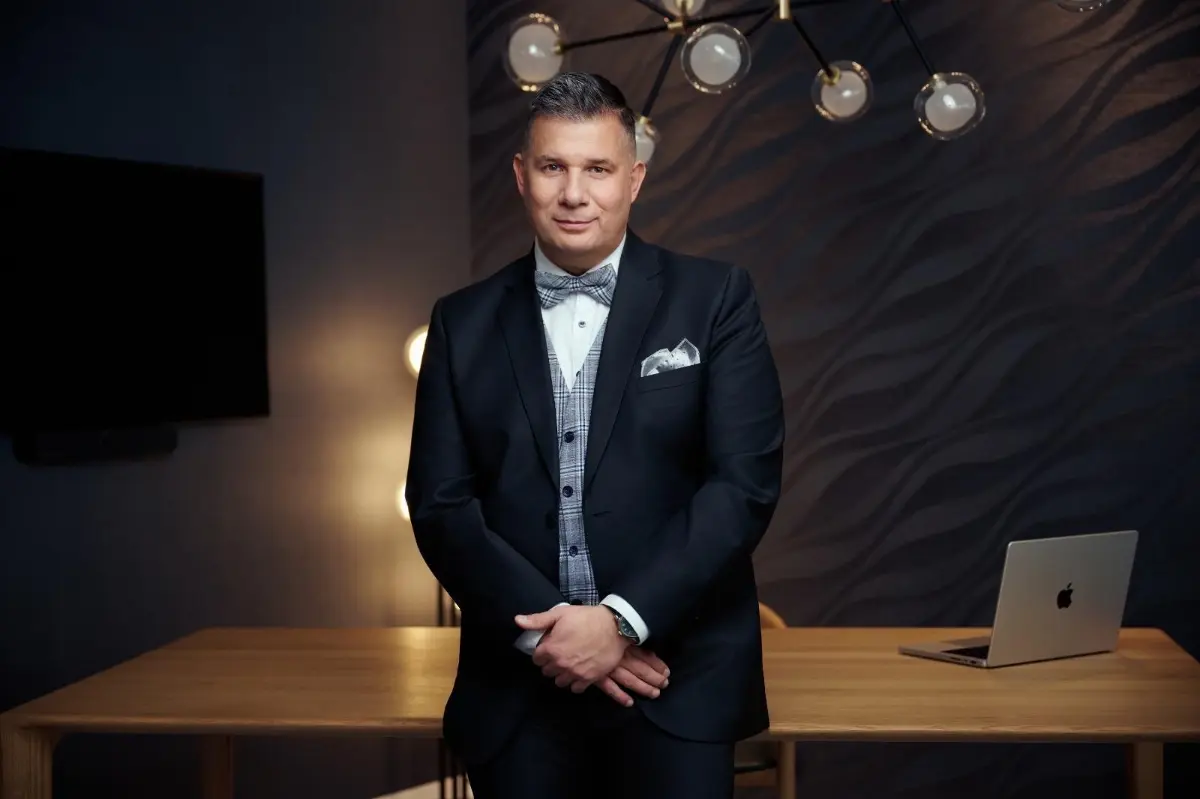
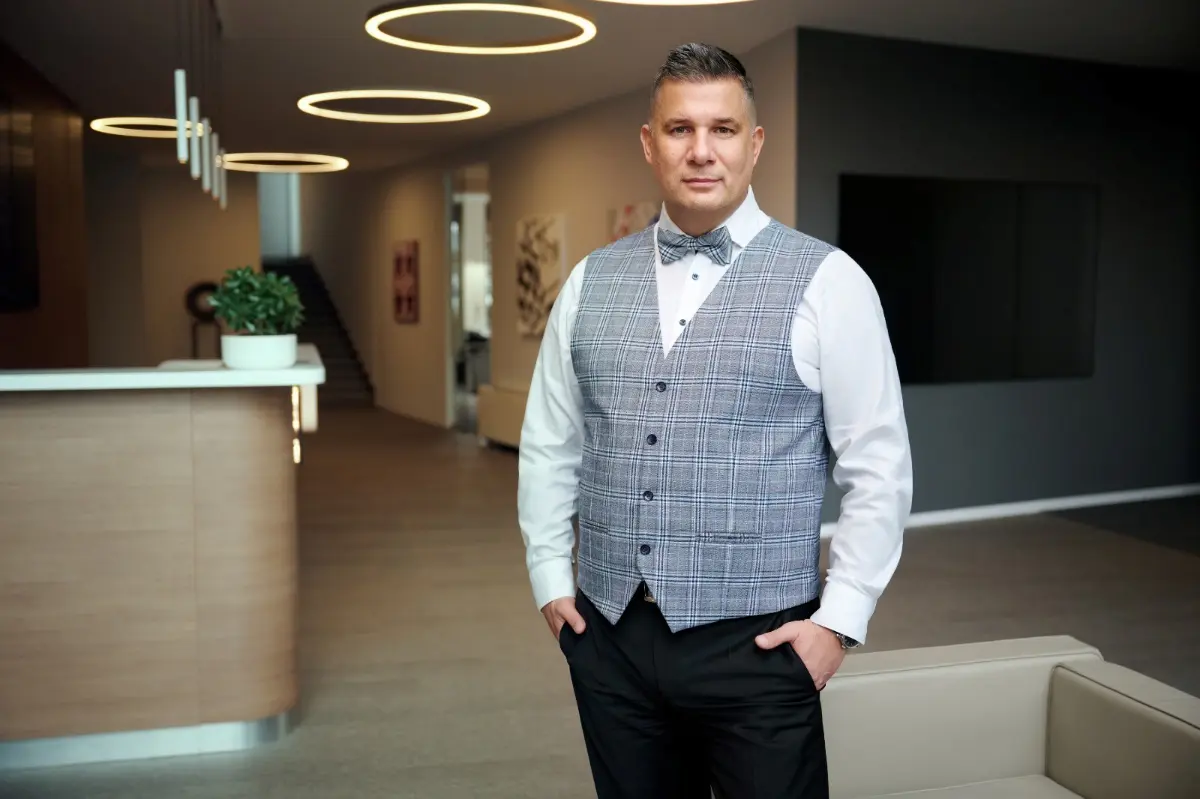
I am convinced that rural Hungary is not “second-rate” compared to foreign destinations – an interview with Péter Zentai
Szabó Sára
Over the past few years, Hilaris Hotels has grown into one of the most dynamically developing domestic hotel groups. What were the most important milestones of the past year, and which developments are you most proud of?
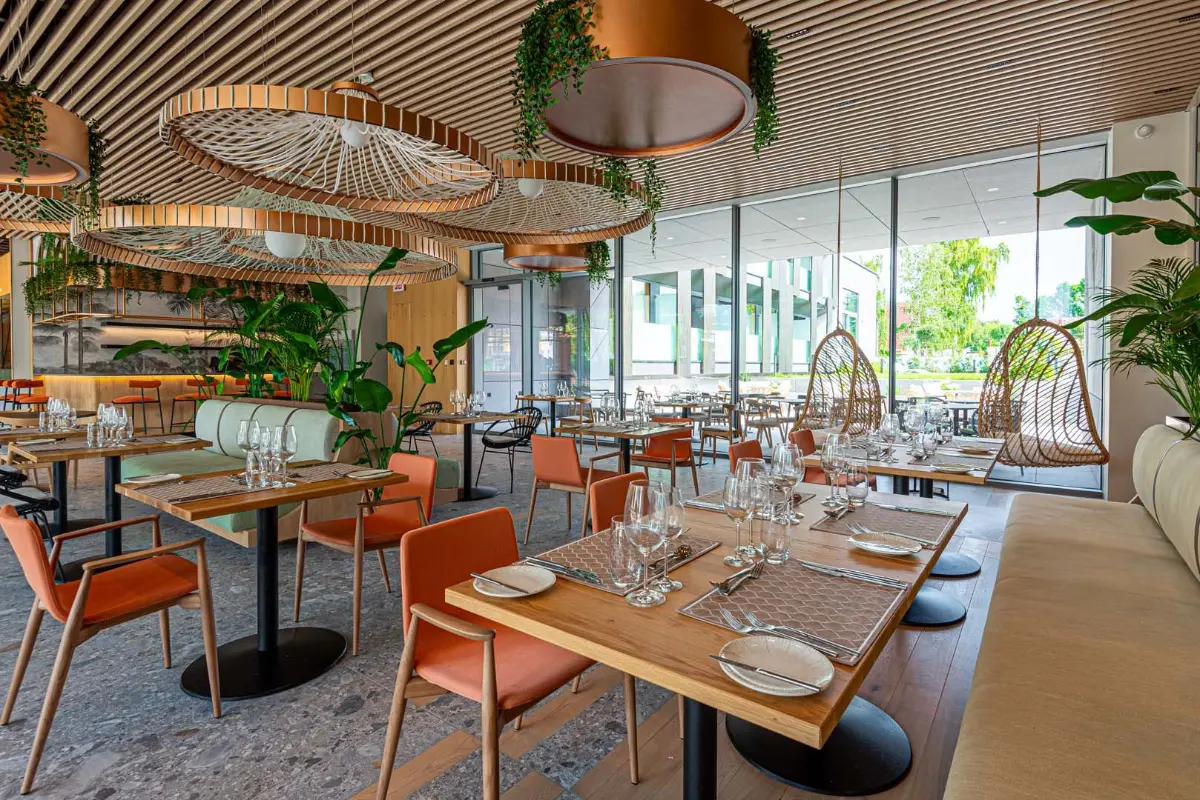
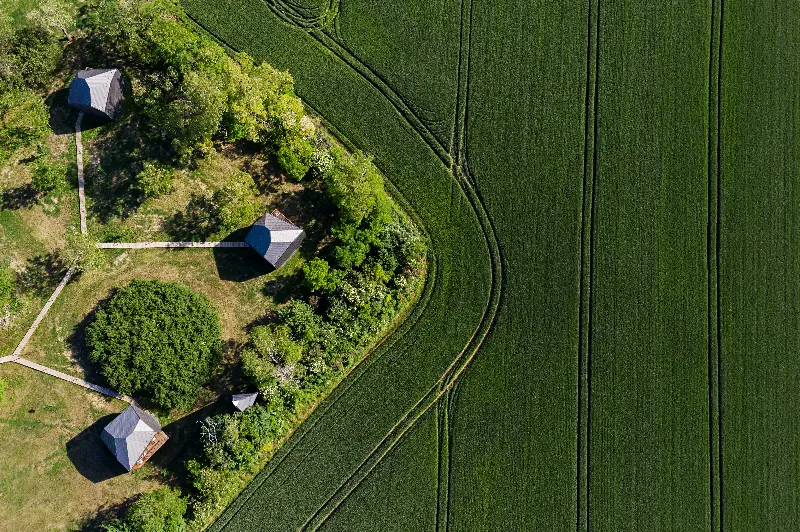
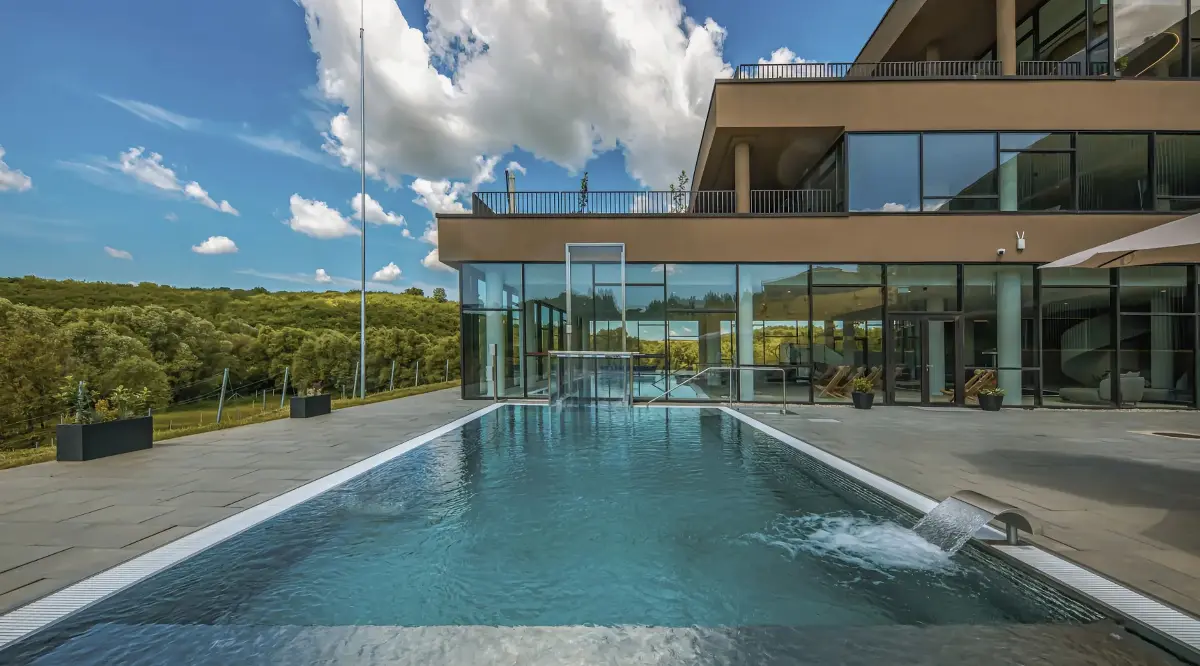
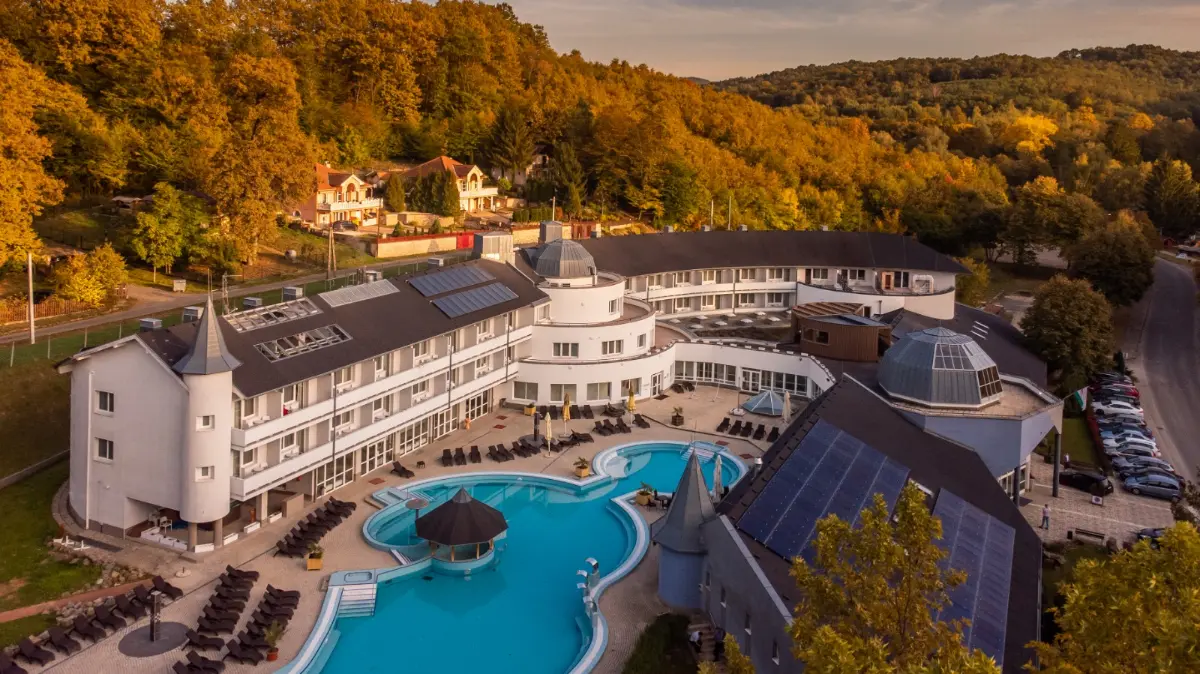
When we started out, we were thinking in terms of a five-year strategic plan – we set out to reach a certain size and coverage within five years. Compared to what we planned for that five-year horizon, we have largely achieved our goals by now. Today, we operate more than thirty hotels in six countries, and last year we surpassed one million guest nights. But if I had to highlight just one thing, it would be the “return” of our hotels in Noszvaj. Three properties – the Oxigén Family Wellness Hotel, Tündérkert, and De la Motte Castle – have rejoined our portfolio, and we haven’t just reacquired them; we’ll also be completely repositioning them in the coming months. We recently purchased a plot of land spanning nearly four hectares next to the Oxigén Hotel, where ten new, four-star standalone cottages and a new bathhouse will be built; we’re also beginning to expand the restaurant to accommodate the growing number of guests. I’m particularly proud of this because our developments are based on guest feedback – they asked for it, and we’re making it happen.
In addition to domestic expansion, your international presence is becoming increasingly significant. What role do operations in Croatia, Monaco, Italy, Austria, and Slovenia play in your vision for the future?
We think of it as a unified system, where each country plays a different role. Austria is our stable winter base: our resorts in Kreischberg (Murau) and Heiligenblut cater to lovers of skiing and mountain sports. The Mediterranean region – Croatia, Italy, and Slovenia – provides our summer presence; these destinations are accessible by car and attract a strong flow of Hungarian tourists. We go to places where the location itself holds value, therefore investing there is an experience in itself. Our latest investment, however – Monaco – represents a standalone category. It’s not a matter of prestige, but rather a strategic base from which we can also organize our local construction projects. Moreover, it’s a place every Hungarian should see – and Hilaris now offers this opportunity at an affordable price.
Growth can also bring new challenges. What lessons have you learned in terms of operations, team building, work organization, or even marketing communications and loyalty programs?
I won’t sugarcoat it: entering a new country consumes a tremendous amount of resources. There’s no one-size-fits-all solution, because every country operates within a different regulatory and economic environment – local taxation, legal frameworks, and government regulations all require individual attention. The only way to handle this is by having a unified operational logic that we apply to every unit and by relying on key Hungarian personnel. Our loyalty program is one of our strongest tools: returning guests are an organic channel that reduces acquisition costs and stabilizes revenue. One of the best measures of growth is precisely the fact that more and more people are coming back to us.
It was mentioned earlier that you want to offer guests the same Hilaris experience regardless of the hotel’s category. What does that mean in practice today?
Our portfolio is intentionally diverse: we have three-, four-, and five-star properties, hotels in the mountains and by the water, and both family-friendly and adults-only properties. A family of skiers is looking for something different than a couple arriving for a wellness weekend, and we don’t want to force everyone into the same mold, nor will we strictly standardize our hotels. In practice, the Hilaris experience doesn’t depend on the number of stars, but on attention – on the staff noticing what a guest needs, often even before they ask.
As I always say: we don’t promise luxury, just personalized attention. In the end, it turns out that this is actually the ultimate luxury.
Based on your experience, what factors do Hungarian guests consider when choosing accommodations today? How have their needs changed the most in recent years?
Guests today are much more discerning than they were a few years ago. They’re not just looking for a place to stay, but for an experience, and they’re very sensitive to value for money. Hotels can be easily filtered based on online reviews; it’s difficult to attract guests if a hotel’s guest rating is below a 9. There is a clearly growing demand for wellness and health-conscious relaxation. The Hilaris concept incorporates a longevity approach, which we consistently integrate as a wellness experience, not as a medical service. The other major change concerns customer loyalty: once a guest has a positive experience, they are now much more likely to return to the same brand than in the past. This is why we invest so much energy in the guest experience – we consistently receive ratings above 9 across our entire portfolio, and this is no coincidence but the result of deliberate effort.
From the very beginning, rural Hungary has played a prominent role in Hilaris Hotels’ philosophy. How is the competitiveness of domestic destinations currently evolving, and what opportunities are emerging for domestic tourism in the coming years?
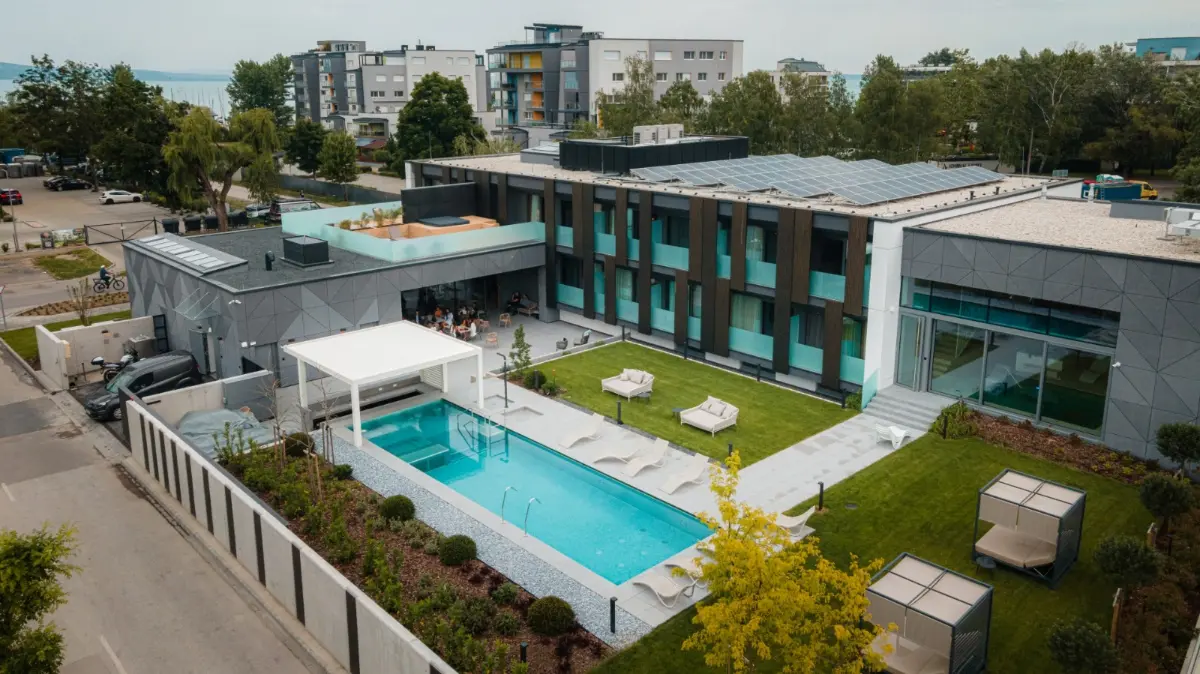
I am convinced that rural Hungary is not a “second-rate” destination compared to foreign destinations but is competitive in its own right.
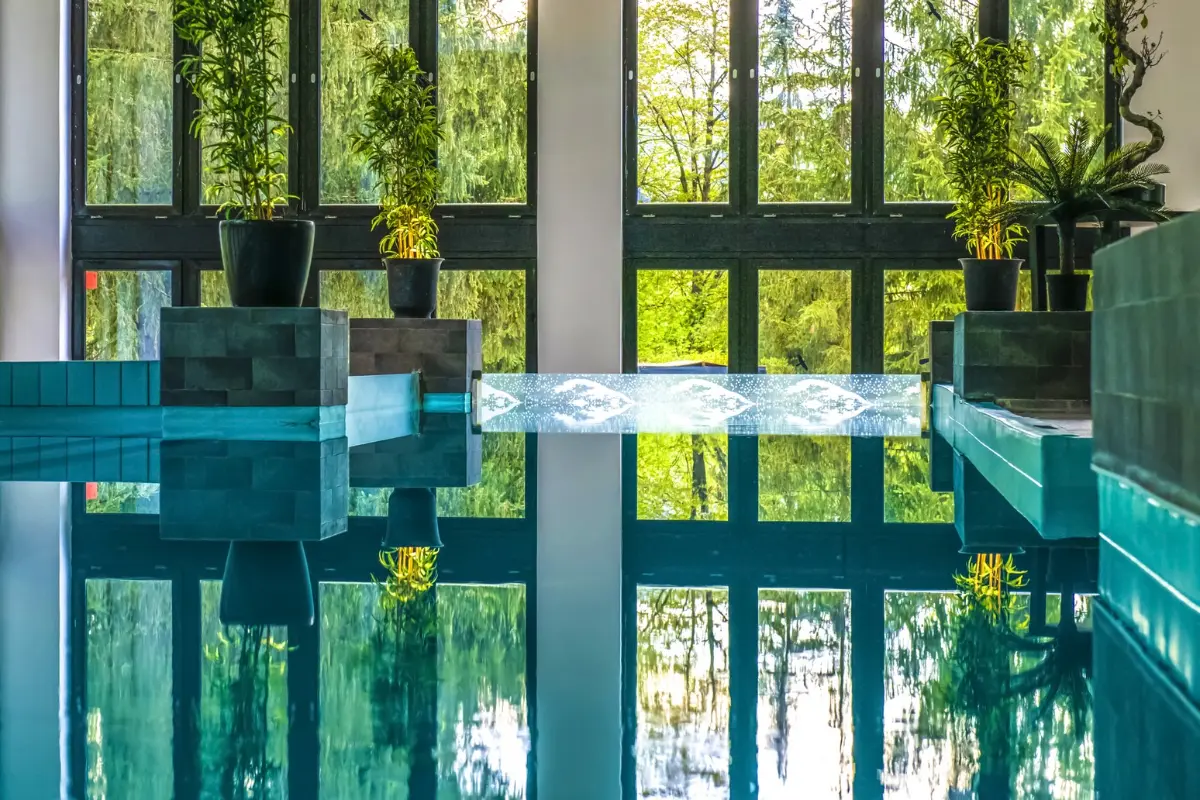
Take Noszvaj, for example: few people know that it is one of the towns with the cleanest air in the world, and this is not just marketing hype, but measured data. As an extension of the forests of Eger, an ecological balance has developed here that is unique in Europe – eight different species of protected woodpeckers live in a single location, something that does not occur anywhere else on the continent. It is on such natural treasures that truly high-quality tourism can be built. The potential is enormous: if we provide Hungarian guests with the same standard of service at home that they would seek abroad, they will stay here. That is our job – to make domestic vacations competitive through high-quality offerings.
If a potential guest were to encounter the name Hilaris Hotels for the first time, what values, philosophy, and message are worth associating with the brand?
Three things. First: we’re a Hungarian-owned chain that offers European-standard service – and we’ll remain 100 percent Hungarian-owned. Hungarians can count on us; that’s a fundamental principle for us – —discounts, opportunities, and seamless integration across our systems. Second: personalized attention as a core value – for us, it’s not the category that matters, but the attitude. Third: diversity with consistent quality, from the mountains to the sea, winter and summer alike. Ultimately, I’m truly interested in only one process: how a local Hungarian business becomes a player that’s competitive on an international level. I feel we’re making good progress on this path, and soon the Hilaris brand will be familiar not only to Hungarian guests.