Helyszín címkék:
Matyó Easter in Mezőkövesd: tradition and festive revelry
Szalay Ibolya
What this article is about:
- Presentation of the Easter traditions of Matyó people in Mezőkövesd
- Easter customs, water sprinkling, and community events
- The meaning and role of Matyó folk costumes during the holiday
- Festive programs and experiences for all ages
- Easter as a living community and cultural experience
Easter in Mezőkövesd: when tradition comes to life
Mezőkövesd in Borsod County shows its special side during Easter. In the festive period, visitors can enjoy traditional programs at several locations around the city, where they can learn about Matyó folk customs.
Easter here is not just a long weekend, but a community event
in which locals actively participate in reviving and passing on festive traditions.
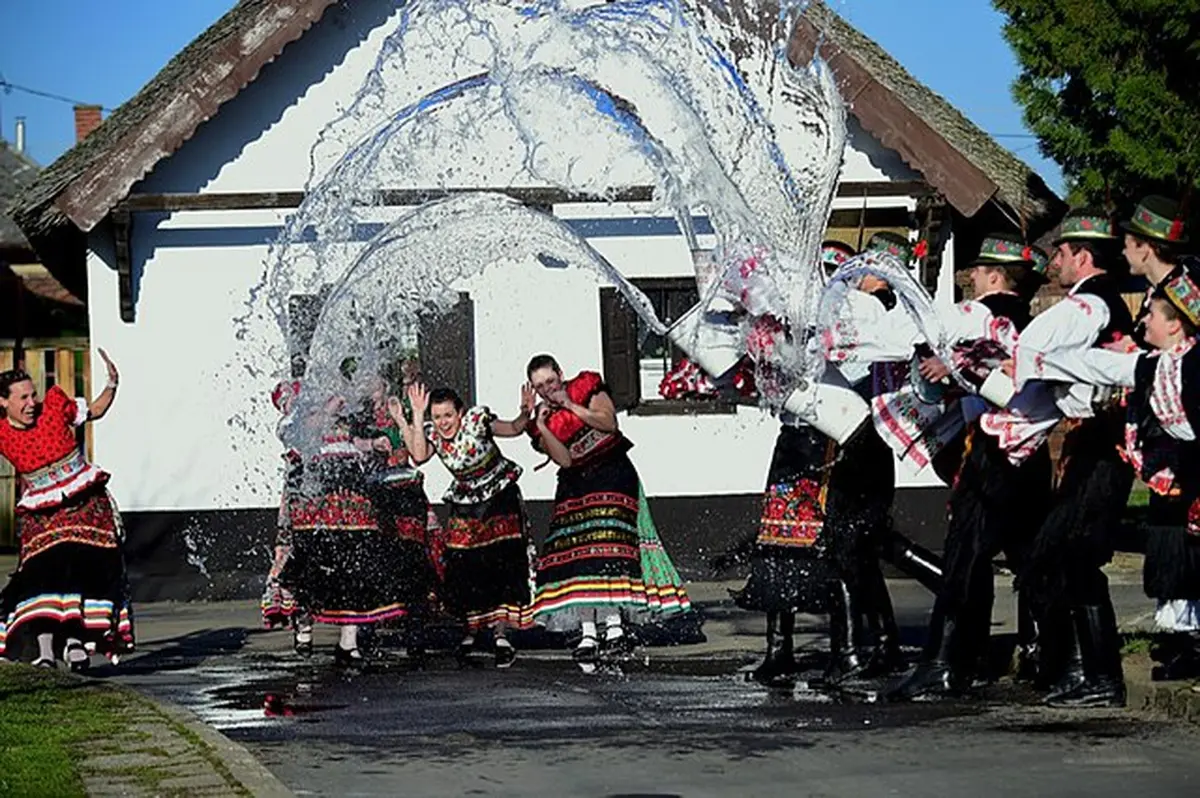
The Easter Monday water sprinkling ceremony in Mezőkövesd is still one of the most important events in community life. Accompanied by poetry, music, and good cheer, this centuries-old tradition comes to life, involving both locals and visitors alike. It is not uncommon for visitors to strike up conversations with locals, who are happy to talk about the meaning of Easter customs and share their family stories related to the holiday. This informal atmosphere is what makes Easter in Mezőkövesd so special.
The colours of Matyó folk costumes and their meaning
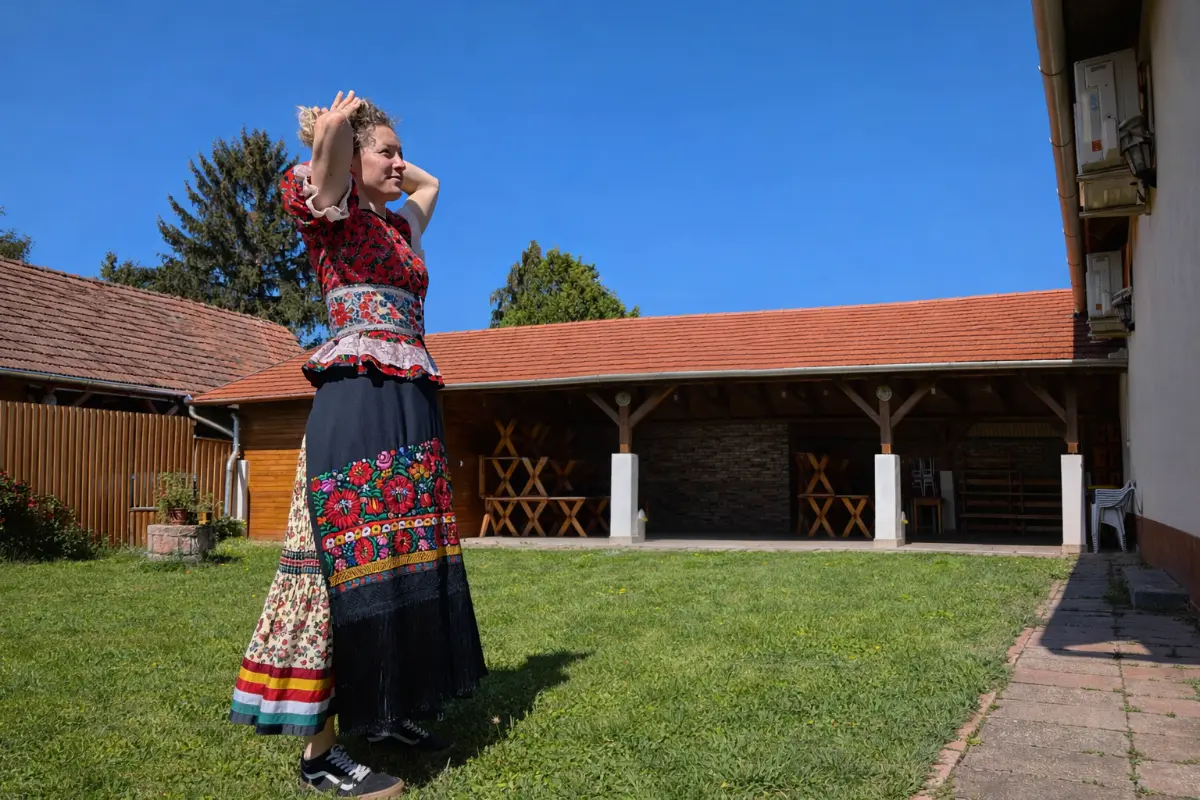
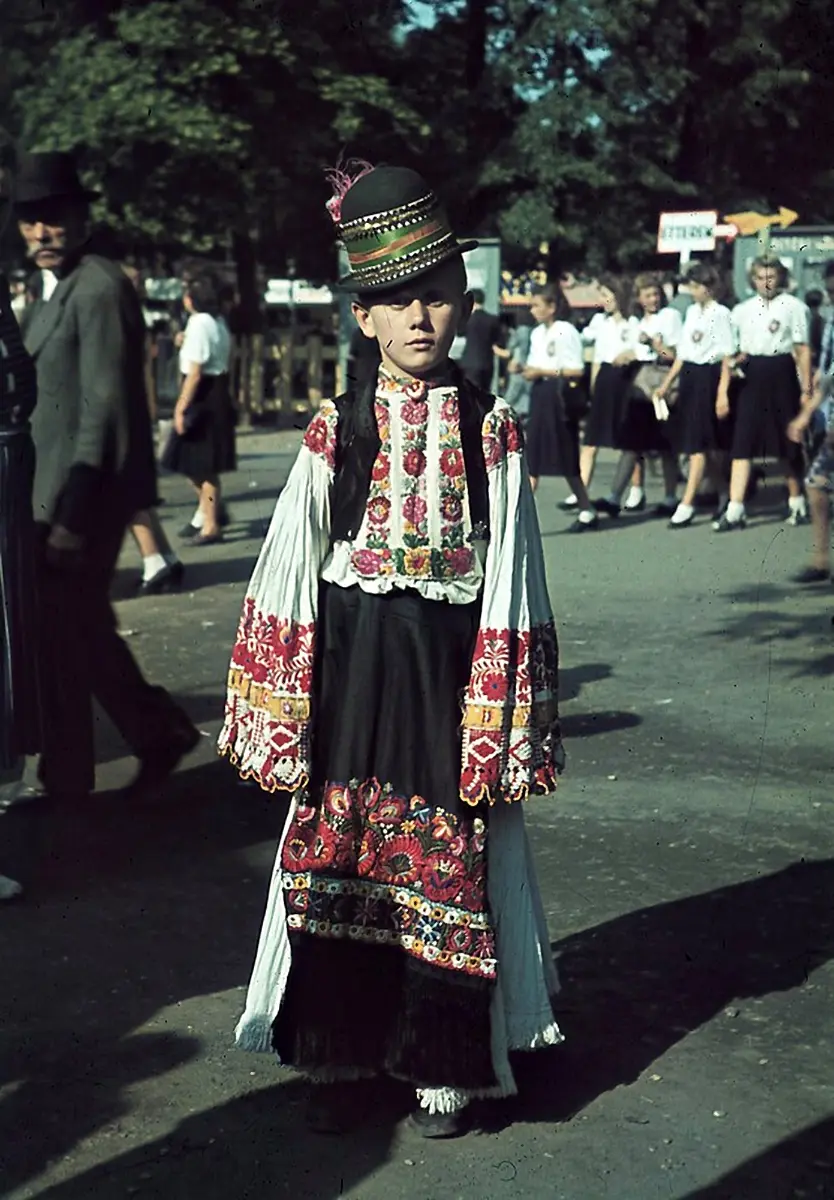
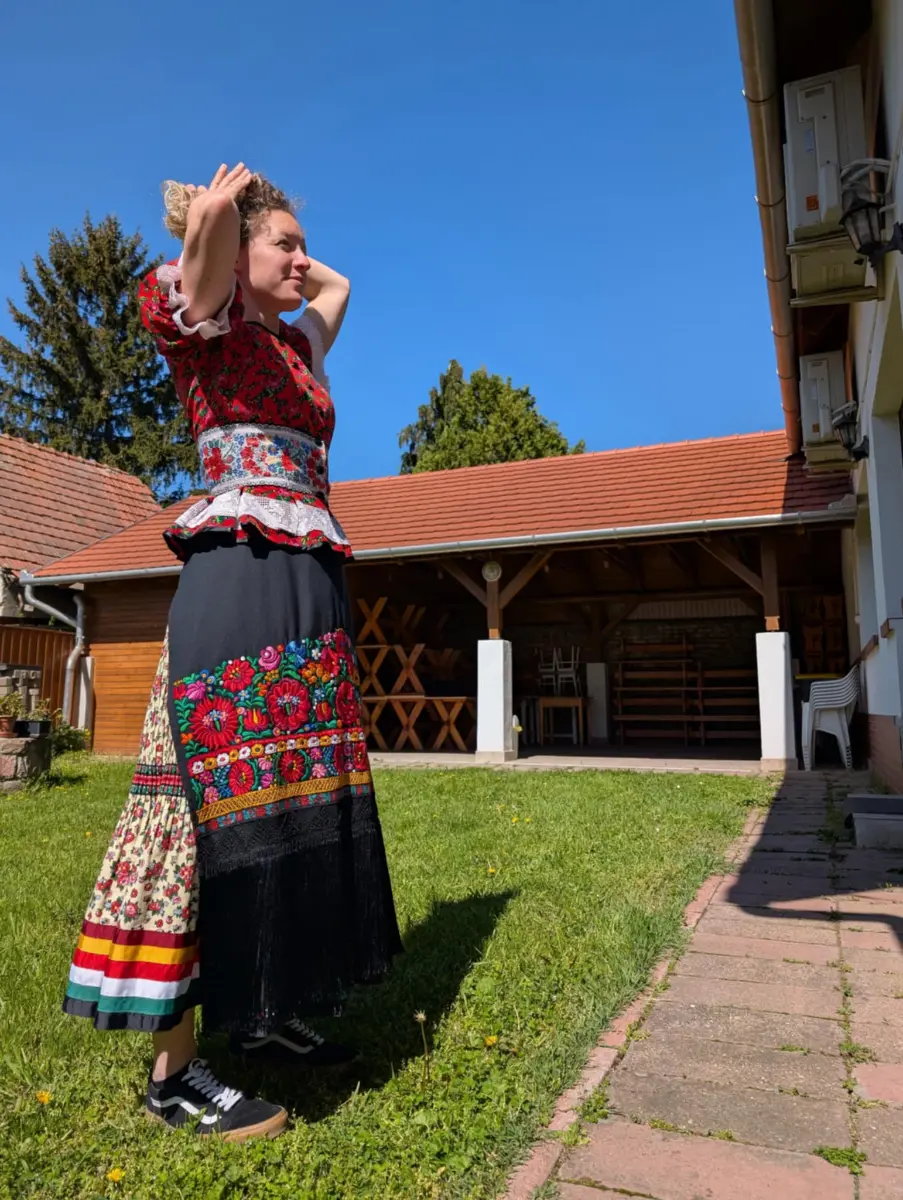
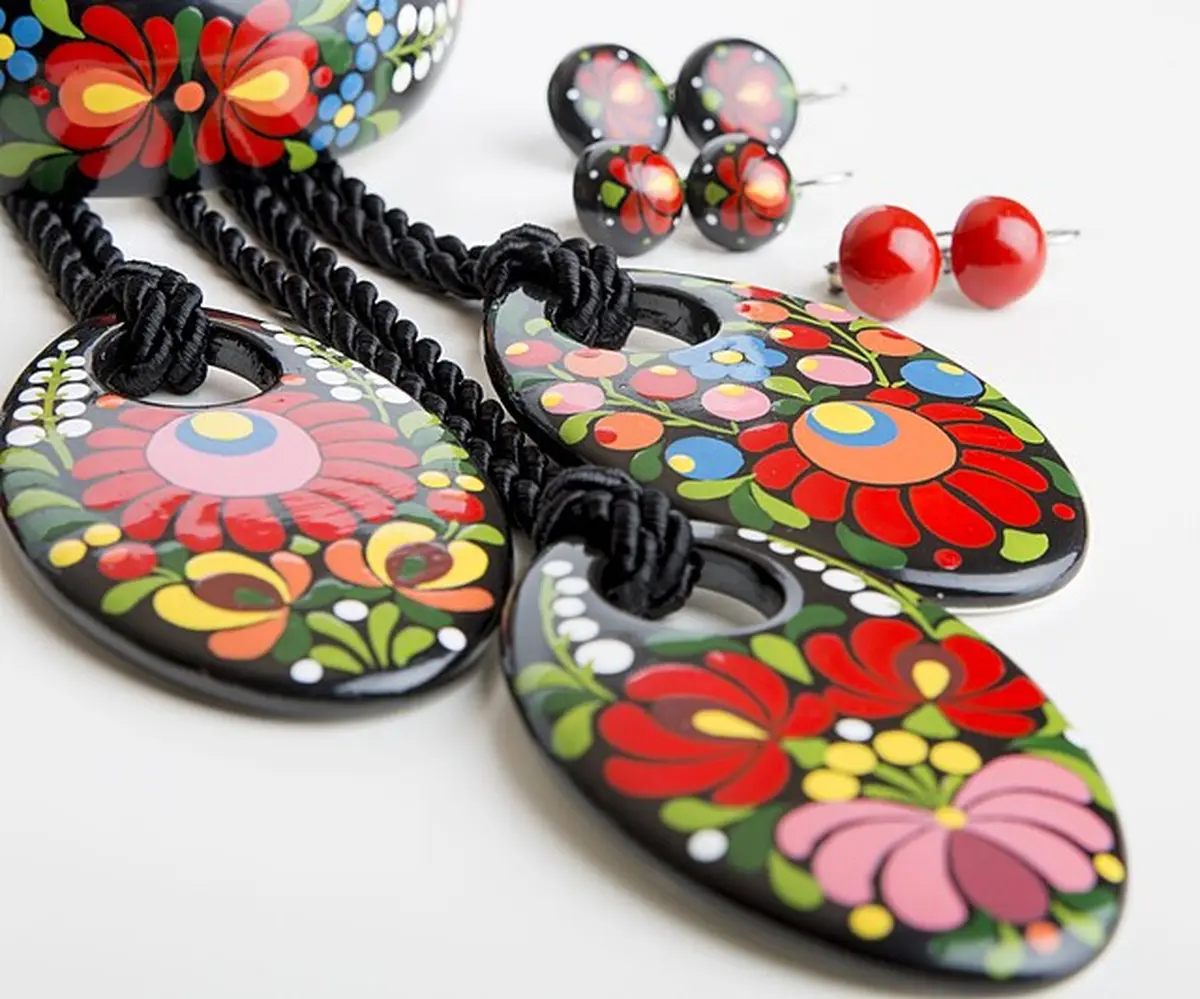
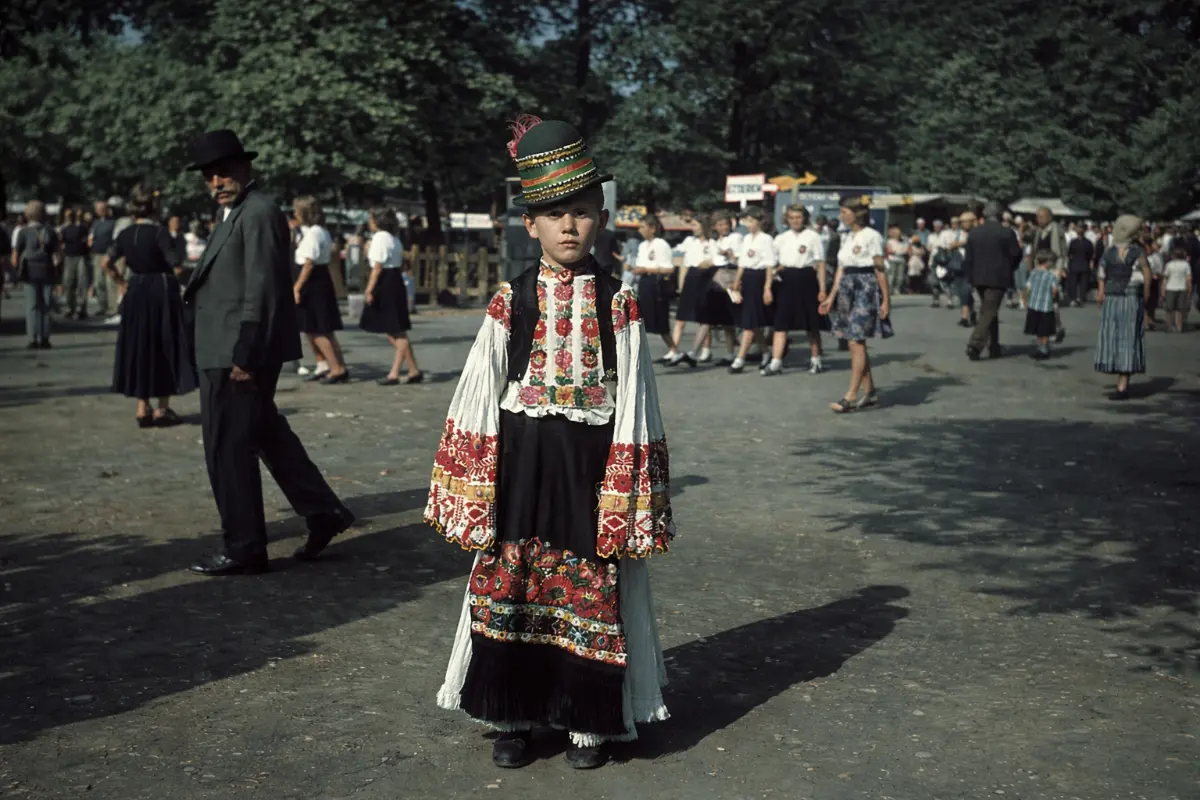
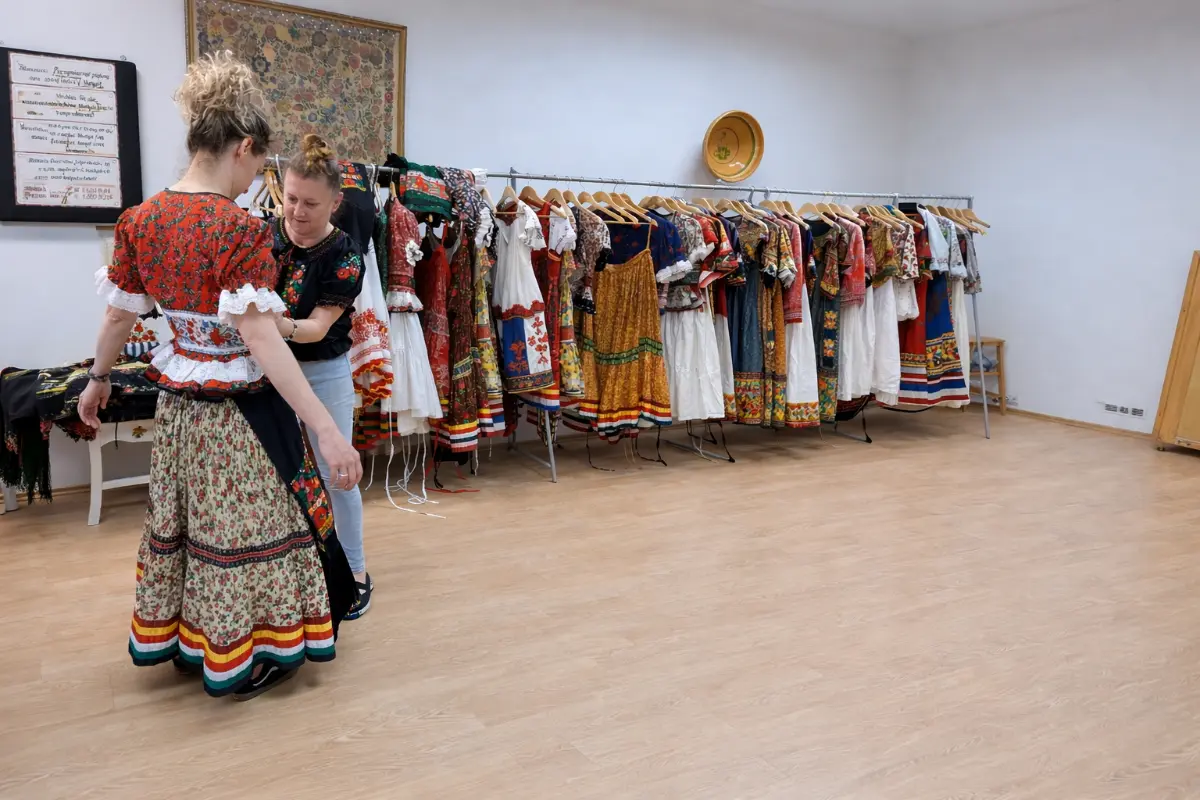
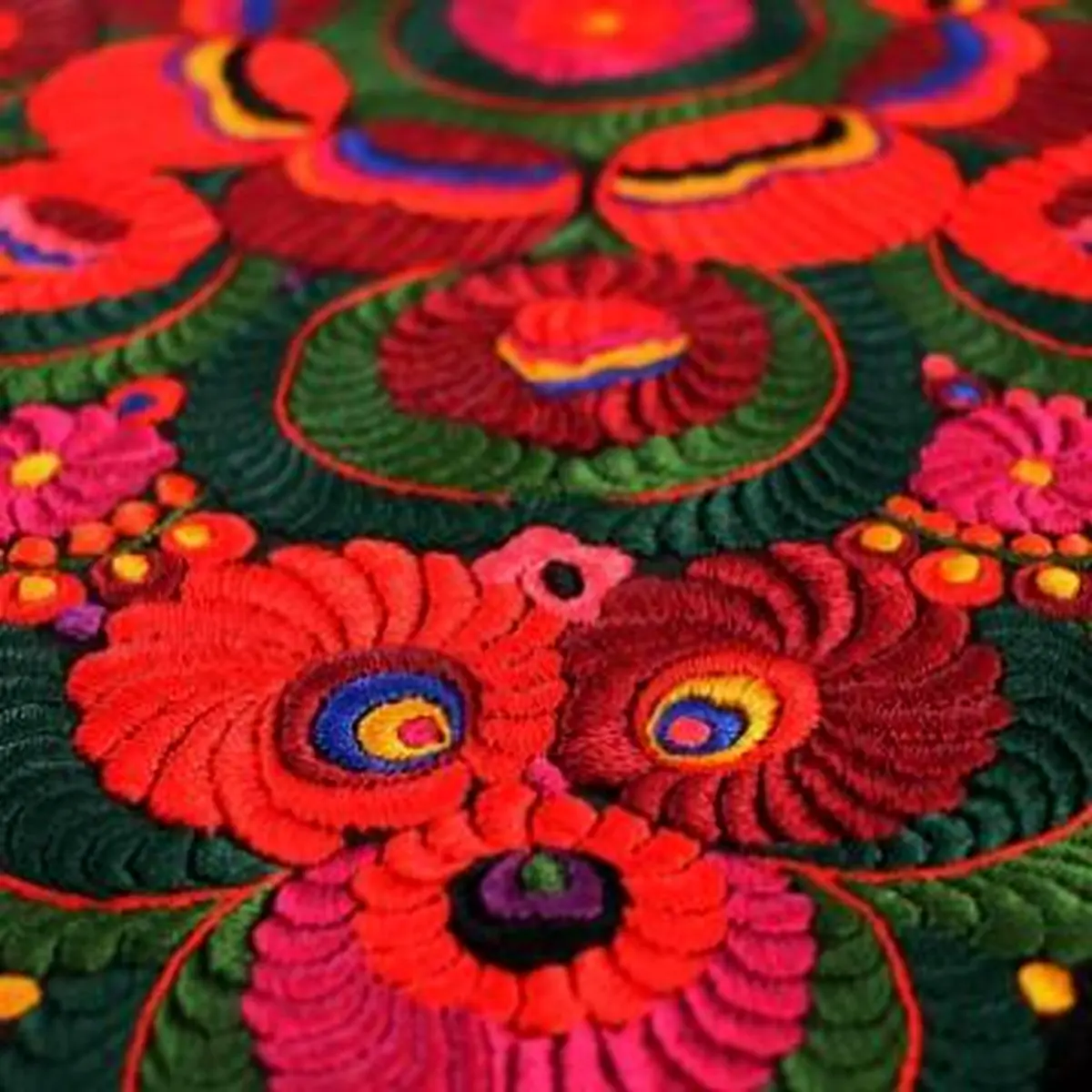
One of the most spectacular elements of Easter in Mezőkövesd is undoubtedly the richly decorated Matyó folk costume. The colourful garments are not just festive attire; every motif, colour, and shape carries a message that is closely linked to the festive occasion and the person wearing it.
The folk costume functions as a kind of visual language
through which the history and values of the Matyó community are expressed.
At Easter, many locals wear these folk costumes, transforming the streets of the town into an open-air exhibition space. For visitors, this is a rare opportunity to encounter the tradition of Matyó folk costumes in a living environment rather than in a museum setting.
A cavalcade of programs and experiences for all ages
Matyó Easter in Mezőkövesd is not just for lovers of tradition. The long weekend also features concerts, dance performances, children’s programs, furthermore, community events, so there is something for everyone to enjoy. The aim of the programs is to make the holiday an exciting experience and to allow visitors to actively participate in the town’s celebrations.
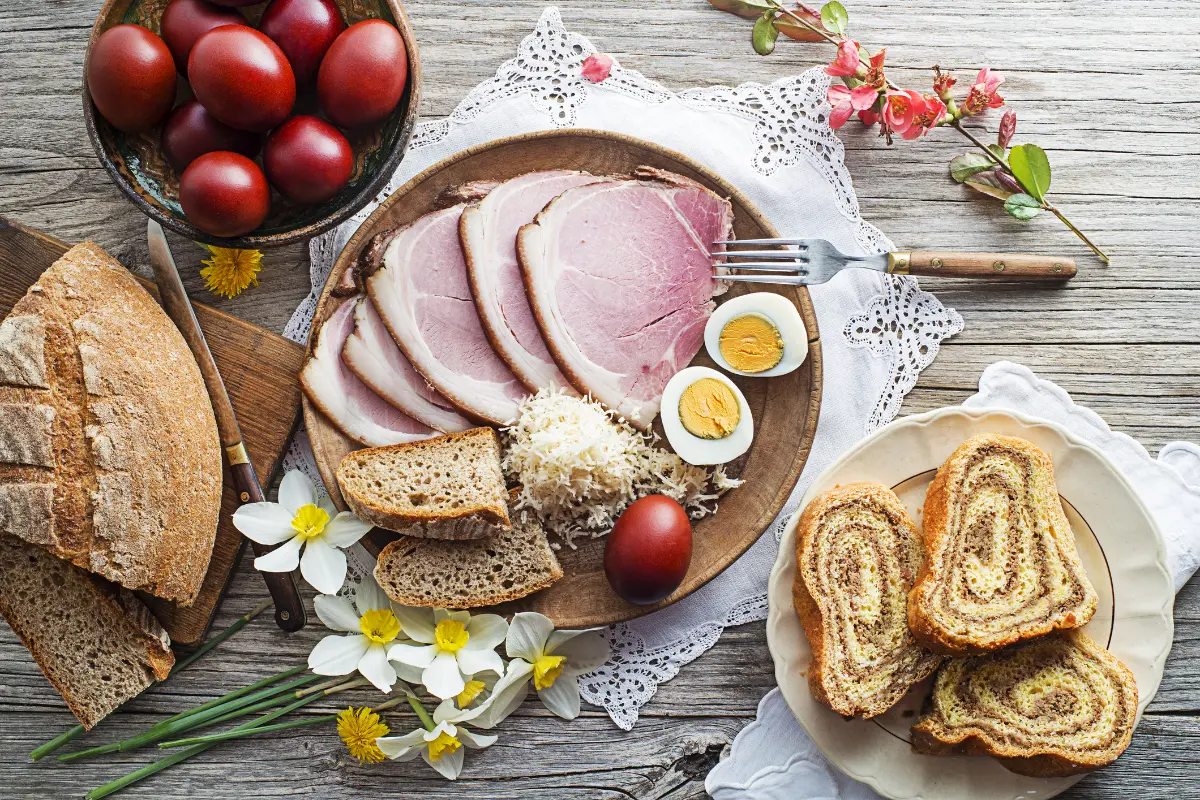
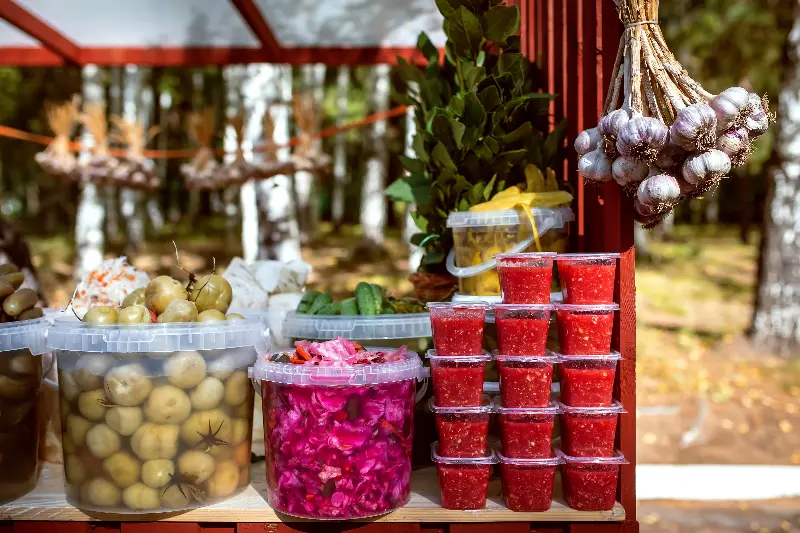
The Hadas district is particularly popular, where themed walks and interactive presentations help visitors gain a deeper understanding of the local culture. During the festive season, the gastronomic offerings are also closely linked to the events, with Easter-themed dishes appearing at several locations.
The tradition lives on
Matyó Easter in Mezőkövesd is not just a regular event on the calendar, but
an important part of the local identity.
The holiday provides an opportunity for community members to experience together the traditions that have defined the cultural identity of the city for generations. For visitors, this experience often goes beyond the festive programs, as it also introduces them to the spirit of the place.
Who is Matyó Easter recommended for?
The Easter program series in Mezőkövesd is an ideal choice for families, couples, and those seeking cultural experiences. Most of the events take place outdoors, so the spring weather and the urban environment also contribute to a pleasant experience. The programs can be easily combined with walks, sightseeing, or even multi-day excursions in Mezőkövesd and the surrounding area.
With its relaxed pace, welcoming atmosphere, and direct human connections, Matyó Easter is an excellent choice for anyone who wants to escape from everyday life and is looking for an authentic holiday experience.
The time spent here gives
visitors the opportunity to not only observe, but also participate in a living and vibrant cultural heritage.
Easter in Mezőkövesd offers immersion, community experience, and genuine connection to a world of traditions that is still a natural part of everyday life today.