Helyszín címkék:
The works of the Hungarian Gaudí – Ede Magyar and Art Nouveau in Szeged
Imagine
What can you read about in this article?
- Art Nouveau in Szeged and the role of Ede Magyar
- The Reök Palace – an iconic building of Art Nouveau in Szeged
- The Ungár–Mayer Palace and other works by Ede Magyar
- The Reformed Palace on Kálvin Square and the culmination of his life’s work
- Ede Magyar’s tragic fate and a guide to Szeged’s culinary delights
You can see Ede Magyar’s finest works on a short walk, but the experience will stay with you for a long time to come.
When most people hear the name ‘Art Nouveau’, the first things that come to mind are Ödön Lechner’s works in Budapest (including the Museum of Applied Arts) or various other buildings in the city; yet this style, which spread to Hungary at the turn of the century, shaped the skyline of many of the country’s major cities.
Among these, Szeged stands out – a city that suffered severe damage in the great flood of 1879 – and which was filled with beautiful residential buildings by the unjustly overlooked Ede Magyar (1877–1912).
The most significant of these is the Reök Palace (1907), designed for the hydraulic engineer Iván Reök – a cousin of Mihály Munkácsy – and his family, and now the focal point of the square named after the architect.
The house, which faced the street and featured a whole series of lilies – popular at that time in Szeged – as well as decorative plants evoking the aquatic world, originally displayed an image of water nymphs in its main staircase, where master blacksmith Pál Fekete (1873–1908) had hidden his spectacular iron vines and iron lilies; but these were soon replaced by the bands visible today due to pressure from the more conservative members of the family. The building now houses the REÖK – Regional Centre for the Arts, hosting a whole range of exhibitions and cultural events. On the ground floor, at the Reök Artisan Confectionery and Café – which has won several medals in the ‘Cake of Hungary’ and ‘Sugar-Free Cake of Hungary’ competitions – visitors can sample sweets that were popular in Szeged at the turn of the century, whether in their classic form or given a modern twist.
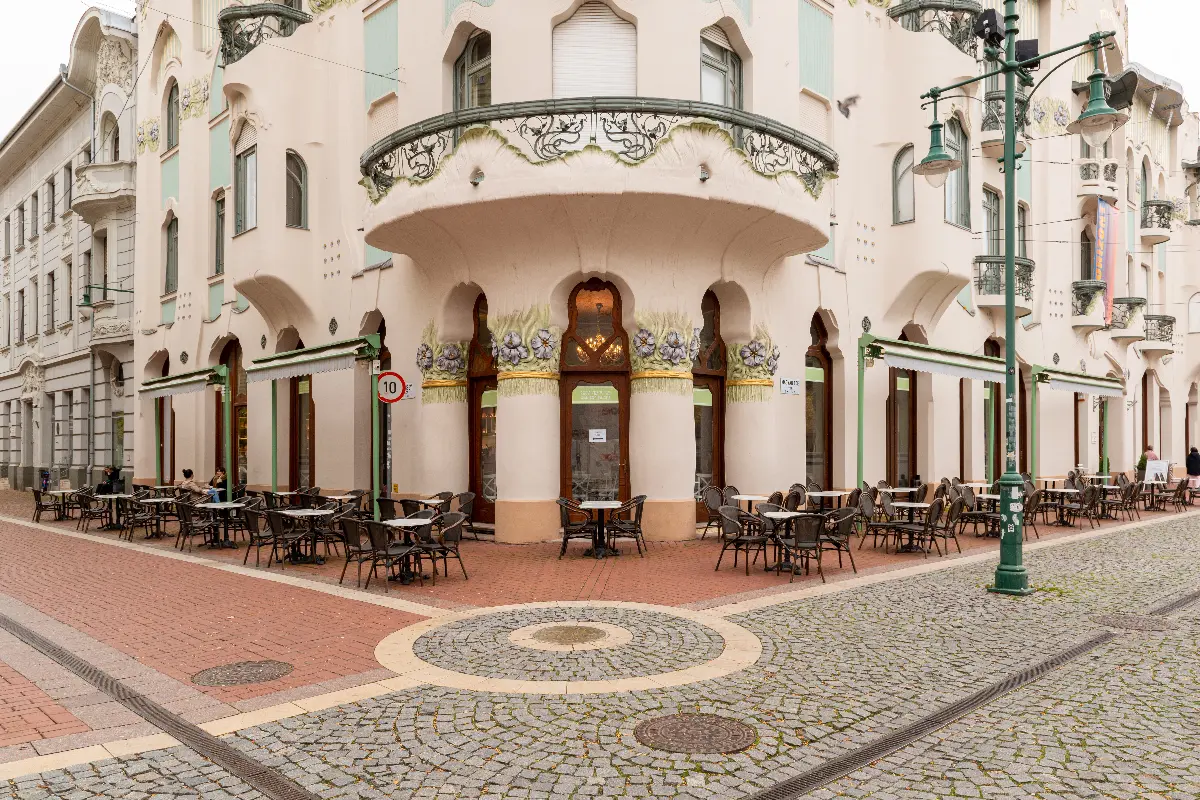
Magyar also deserves attention for another of his nearby works, the Ungár-Mayer Palace (1908–1911): the building, commissioned for two entrepreneurs, attracts the eye from afar with its corner domes – reminiscent of half-naked Parisian dancers standing side by side – but the wonder does not end there when one looks at the lower storeys either.
Known as Szeged’s first reinforced concrete-framed building and its first luxury apartment block, the mansion once had an ornate central shopfront: a beautiful detail of the space once occupied by the Corso Café can be admired on the ceiling of today’s shoe shop, whilst to see the garlands of flowers and beetles, you need to step inside one of the neighbouring shops.
Although the Hungarian artist had spent time in Paris in his youth, it was not there that he first drew inspiration from French dancers: his plaster figures stand in the entrance hall of the Goldschmidt House (5 Tábor Street, 1905), which lost its decorative features when an extra storey was added in 1959. Nothing from the street gives any hint of this surprise, apart from, of course, the beautifully carved gateway, so we can only hope that a partial restoration will take place soon.
Whilst strolling through the city, there is at least one more work by Magyar worth visiting: the Reformed Palace on Kálvin Square (1909–1912), the final major chapter of his brief career. Built on a pentagonal plot, this three-storey building is palatial not only in name but also in size and appearance; its decorations – including the colourful mosaics depicting ploughing, sowing and harvesting – are among the hidden wonders of Szeged’s city centre.
It was a house, albeit indirectly, that brought Ede Magyar’s life to an end: having witnessed his successes, a man approached him to commission the design of a family home. The architect accepted the commission, and gradually the plans for the tenement at 14 Jósika Street began to take shape. After a while, love took the lead, for he soon fell in love with the wife of his client, János Herczeg.
The feeling was not unrequited, therefore they both planned to leave their own families to continue their lives together. The woman did indeed get a divorce, but Magyar was unable to do the same; consequently, the man – who in the meantime had been struggling with increasingly severe financial difficulties – shot himself in the heart with a revolver on the mezzanine floor of the house on 5 May, 1912. He was thirty-five years old. The house still stands today, almost exactly as Magyar would once have seen it.
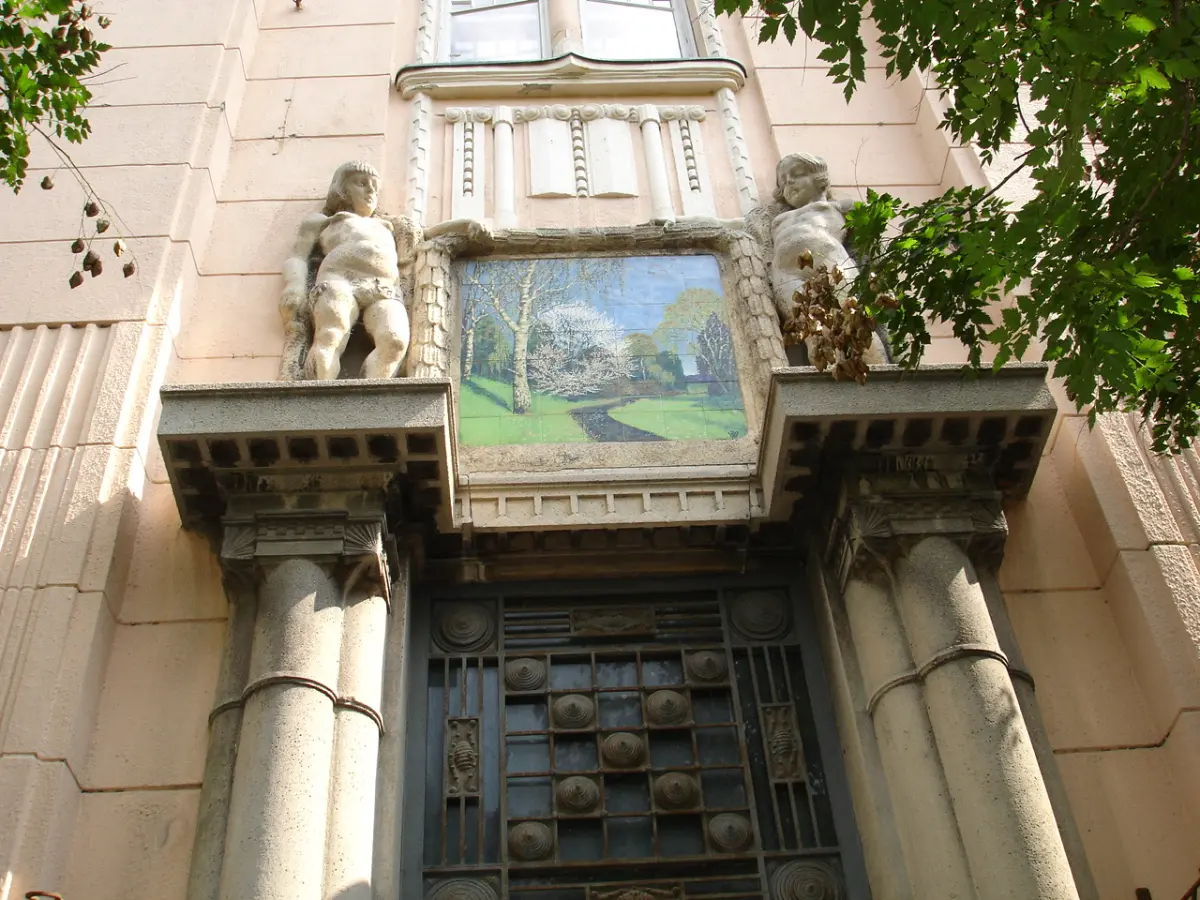
There is, however, one significant difference: amongst the cherubs guarding the gateway, there is now a tile painting, created a decade and a half after the house was handed over, depicting a landscape to which the couple could never travel together.
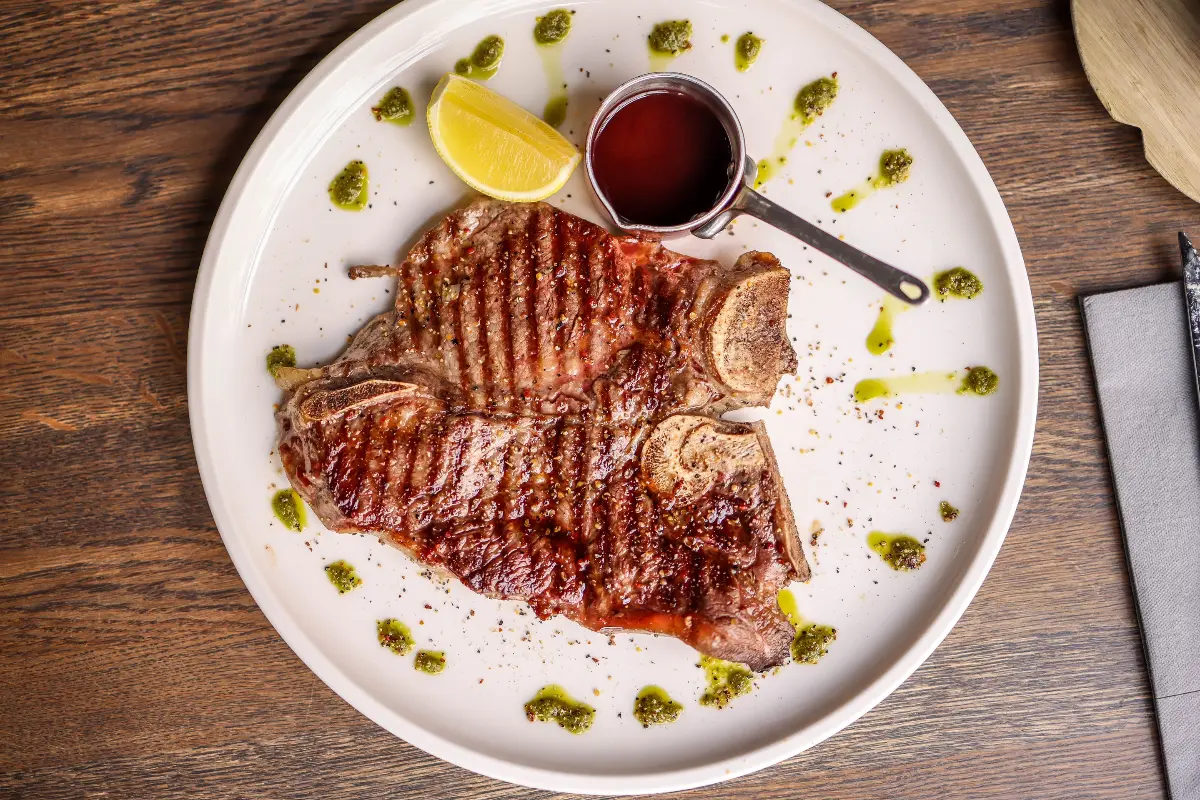
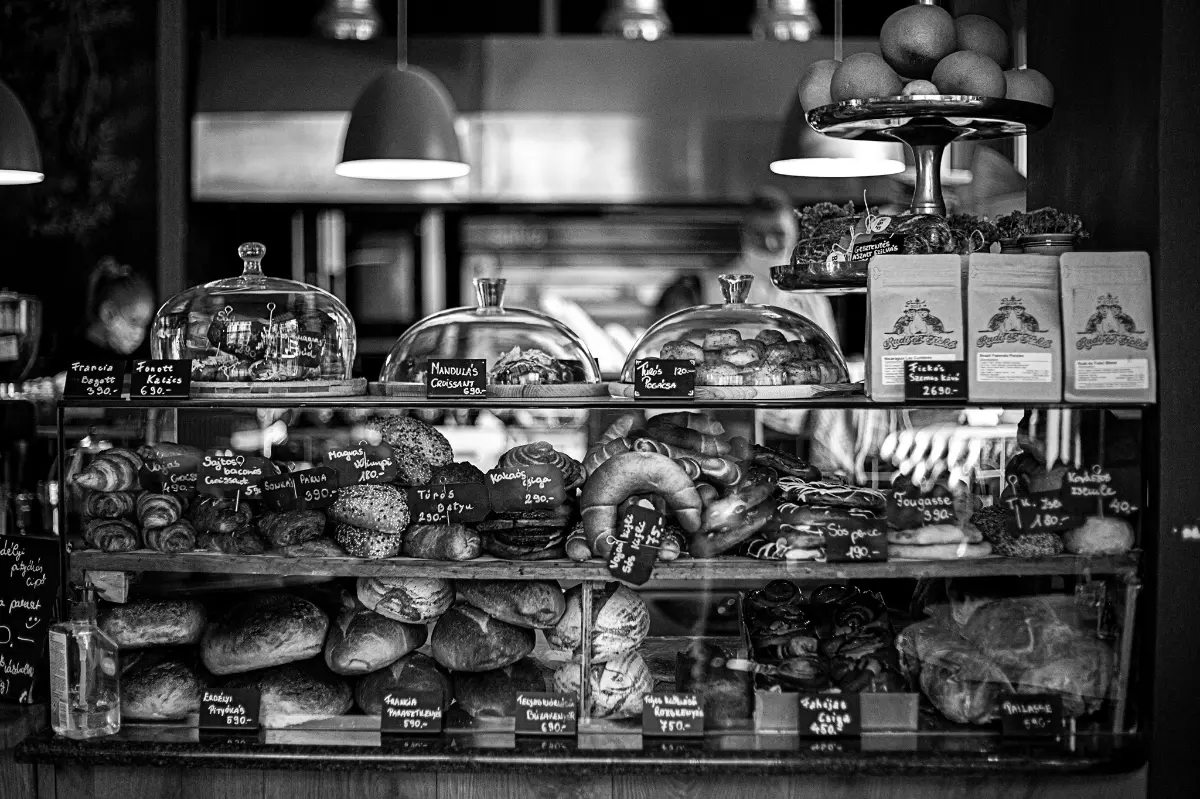
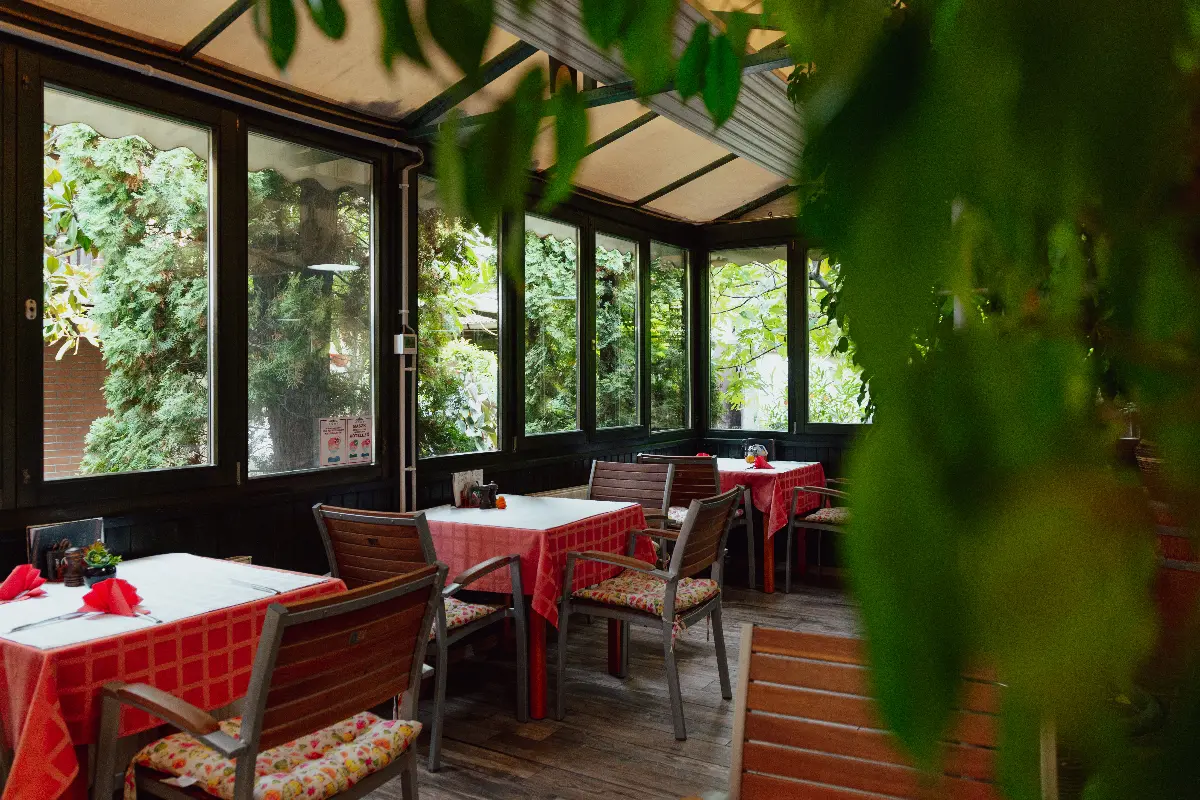
After the walk, it’s a good idea to visit one of Szeged’s excellent restaurants to refresh yourself or to sample the vibrant culinary scene of this city on the banks of the Tisza: an excellent choice for this is Rudi & Fickó (4 Oroszlán Street), where Neapolitan pizzas, sourdough breads and other baked goods await visitors. Those with a heartier appetite can even visit Gőry Pince (9 Liszt Street), often described as the city’s most flourishing restaurant, where everyone can find their favourite dish, and to accompany the generous portions, you can choose your drink from one of the city’s most extensive wine lists.
Do you love similarly exciting stories, time-travelling discoveries and secret spots? Then it’s well worth exploring the country on organised city walks! For example, Imagine’s programmes – they’ve been organising city walks, exclusive building tours, food tours and team-building events across the country for over 15 years.