Helyszín címkék:
In the wake of blue dyeing
Szabó Sára
The roots of blue dyeing date back to the late 17th century, when the technique reached Central Europe, including Hungary. The craft was first brought by German-speaking craftsmen, and it was only incorporated into Hungarian applied arts in the second half of the 20th century, in which the applied artist Irén Bódy played a significant role. Blue dyeing workshops flourished in the early 19th and late 20th centuries, when the demand for patterned textiles soared. The dye, made from indigo plant, gave the fabric a special blue hue, decorated with carefully designed, meticulous patterns.
Blue dyeing is not only a traditional technique, but also a symbol of the preserved values of Hungarian culture.
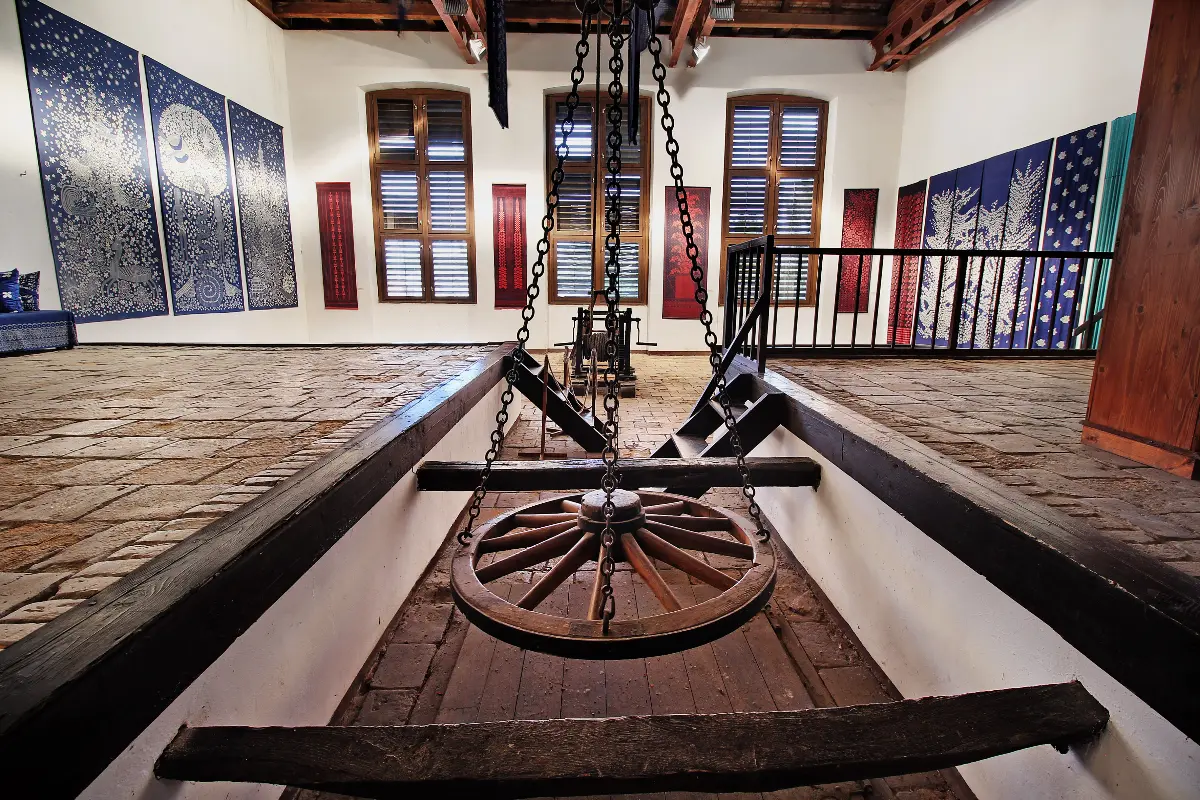
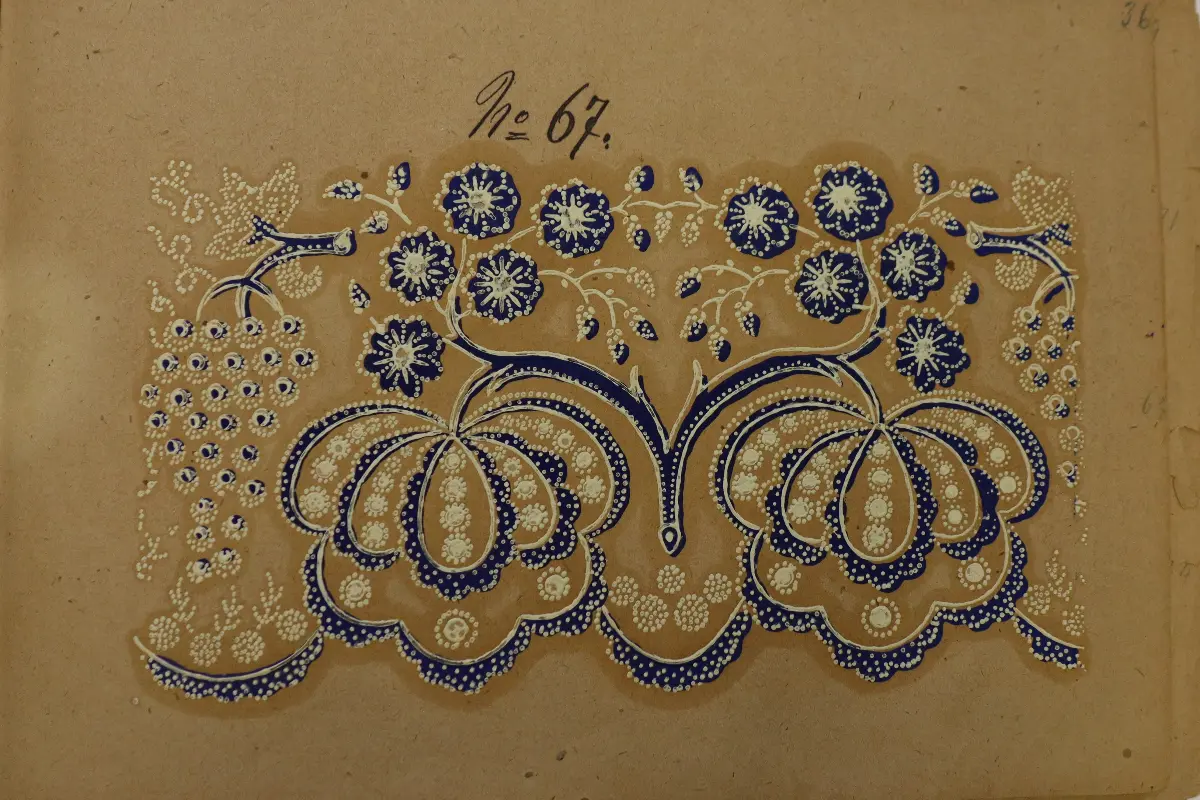
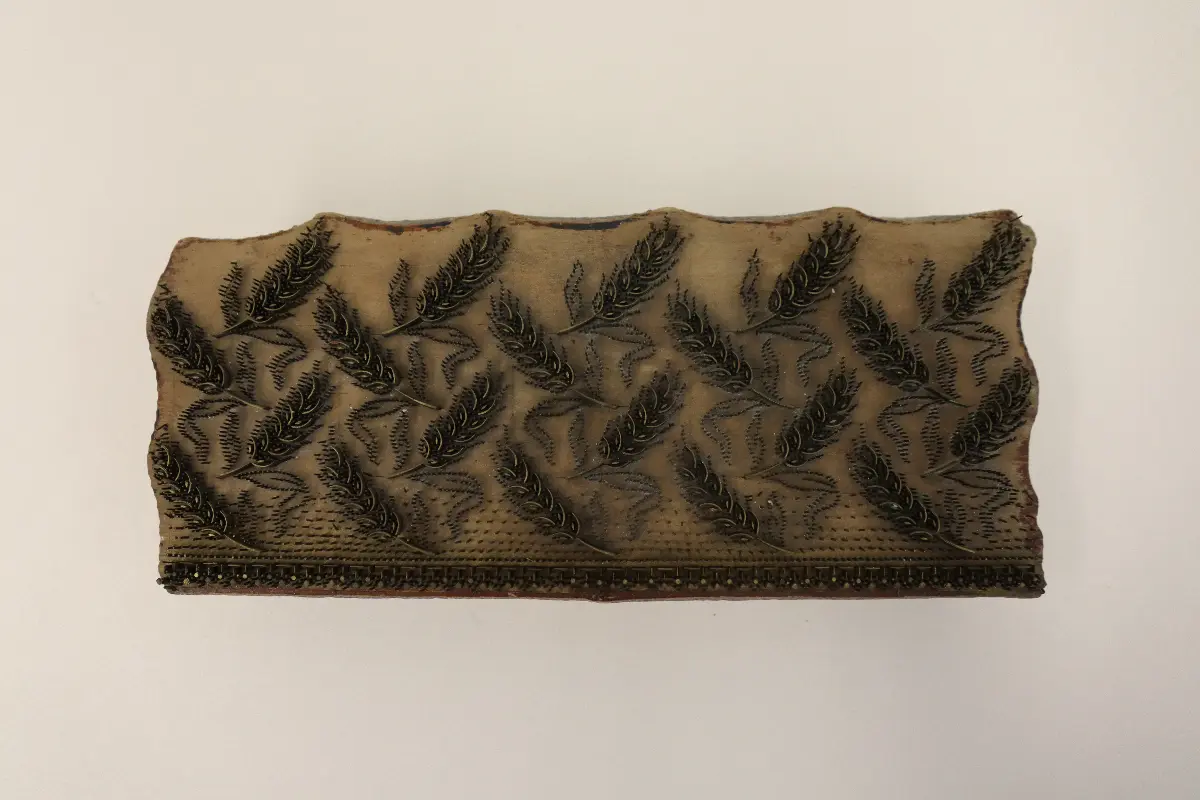
The essence of blue dyeing lies in the patterning of textiles. During the process, white cotton or linen fabric is first pressed with a special covering mass, the so-called “pap”. This protective layer protects the patterned parts during the painting, so that after the painting and the covering mass are removed, the white motifs stand out in contrast against the blue background. The technique requires great expertise and precision, and the end result is unique, elegant and timeless. Modern fashion designers and craftsmen are also increasingly incorporating blue dyeing into contemporary design, giving a new interpretation to this ancient process and thus ensuring the survival of the tradition.
Workshops in Hungary
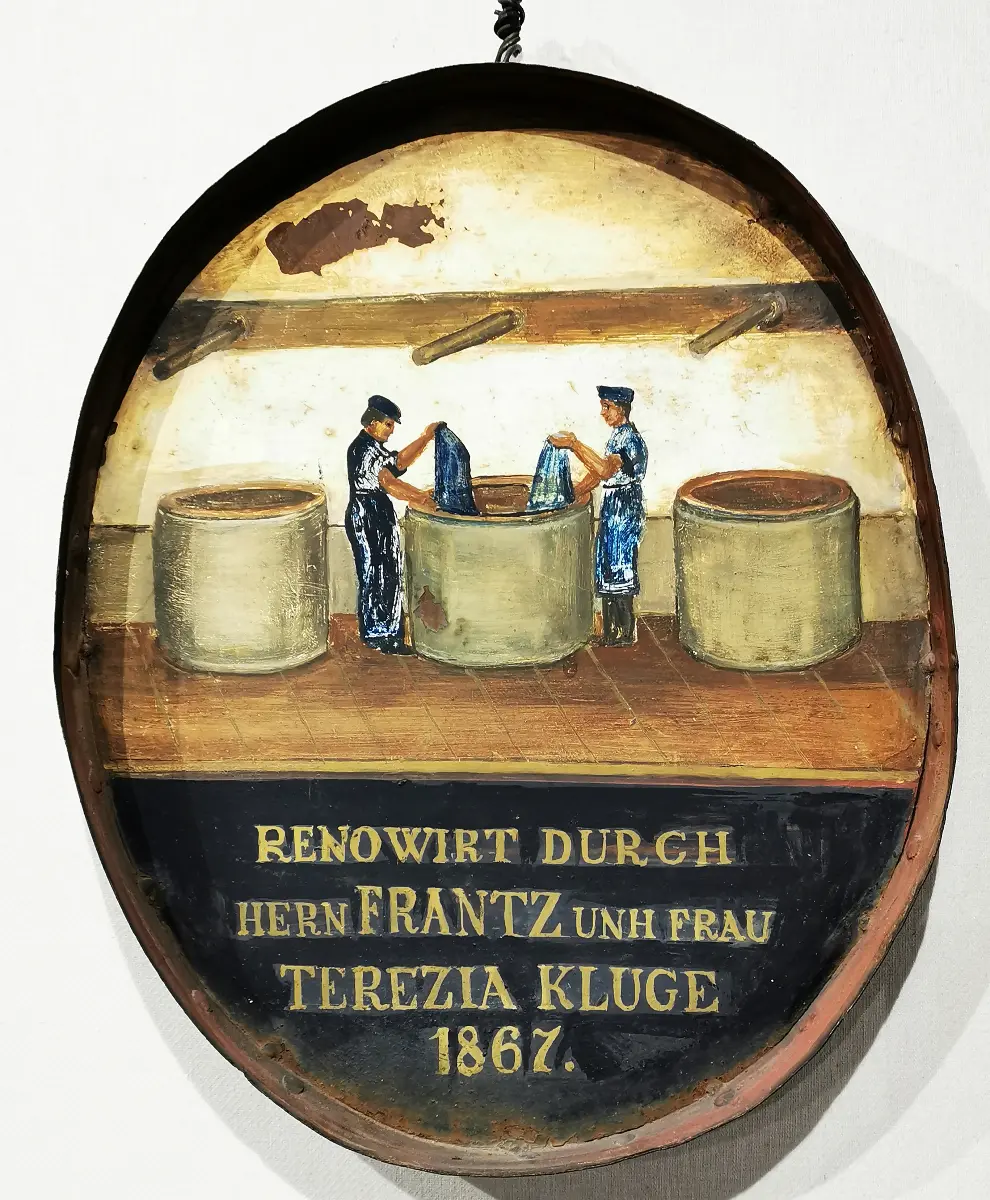
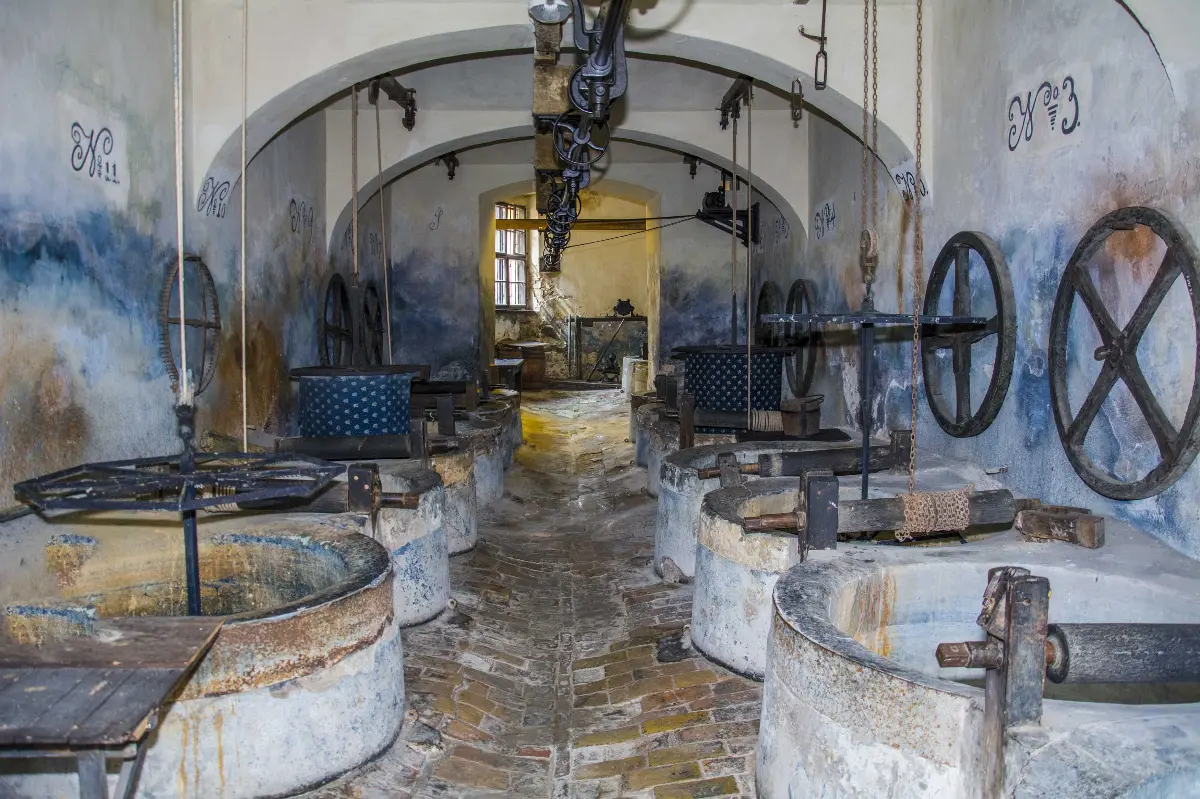
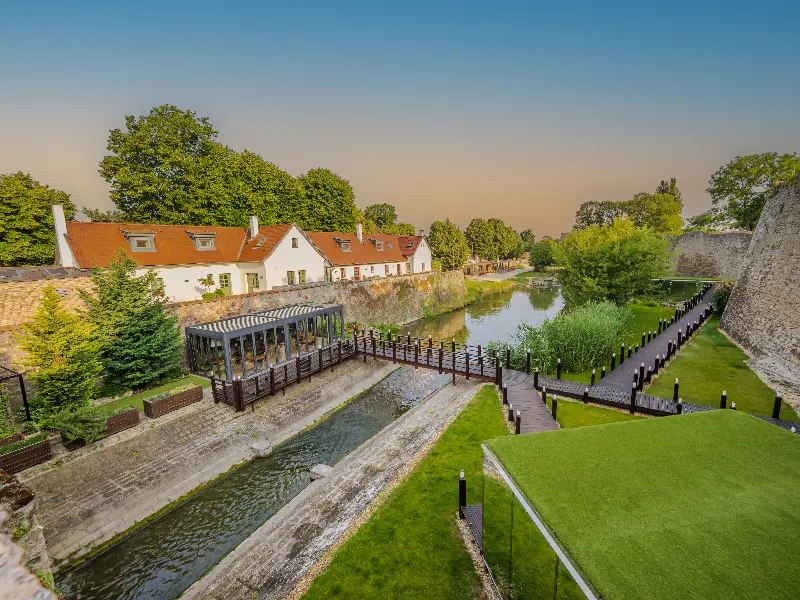
Today, the original technique is practised only in five workshops. Although it is not a working workshop, one of the best-known centres is the Blue Dyeing Museum in Pápa, which is the only fully equipped blue dyeing workshop in Central Europe that can be visited. Here, visitors can learn about the processes up close, admire the old patterning forms, and get an insight into the history of the craft.
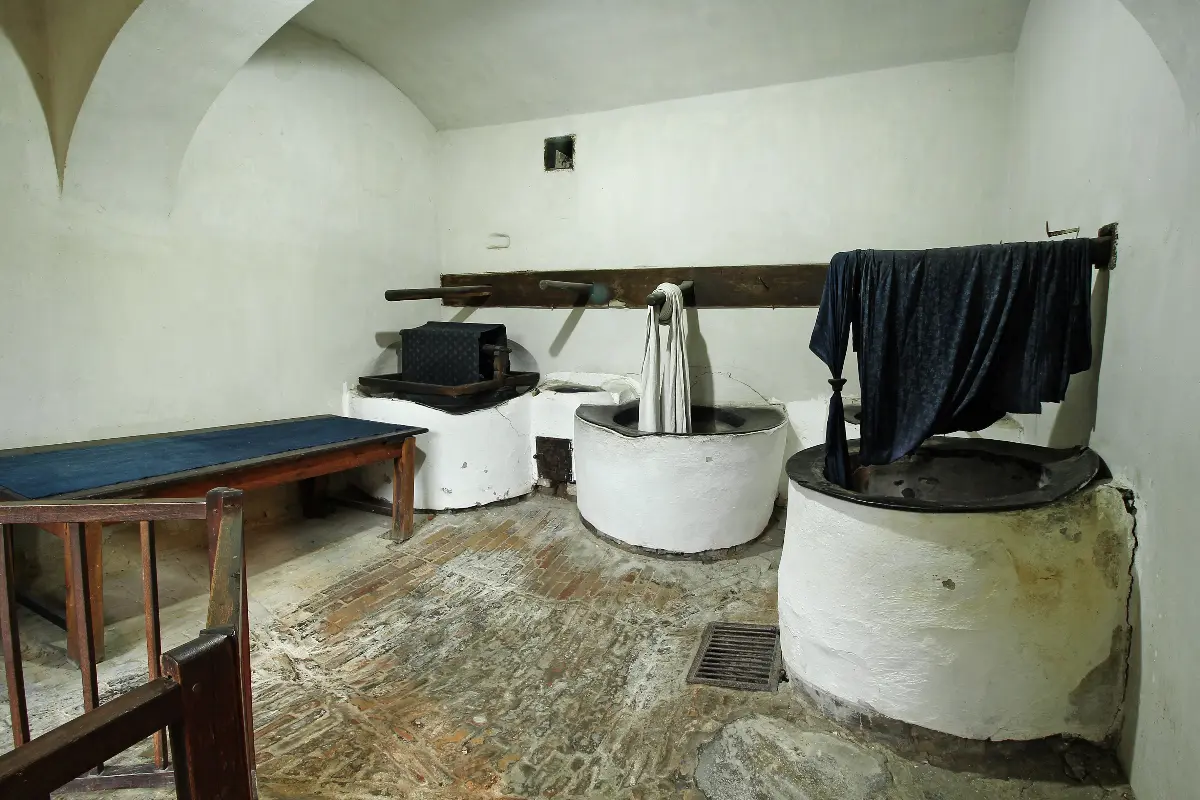
Within the walls of the three-storey drying building, which is more than 250 years old, the guided tour is a real journey through time!
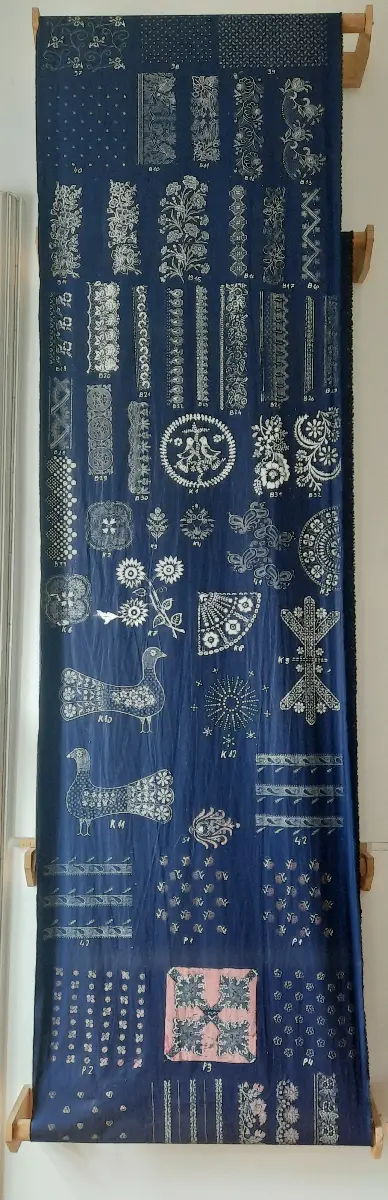
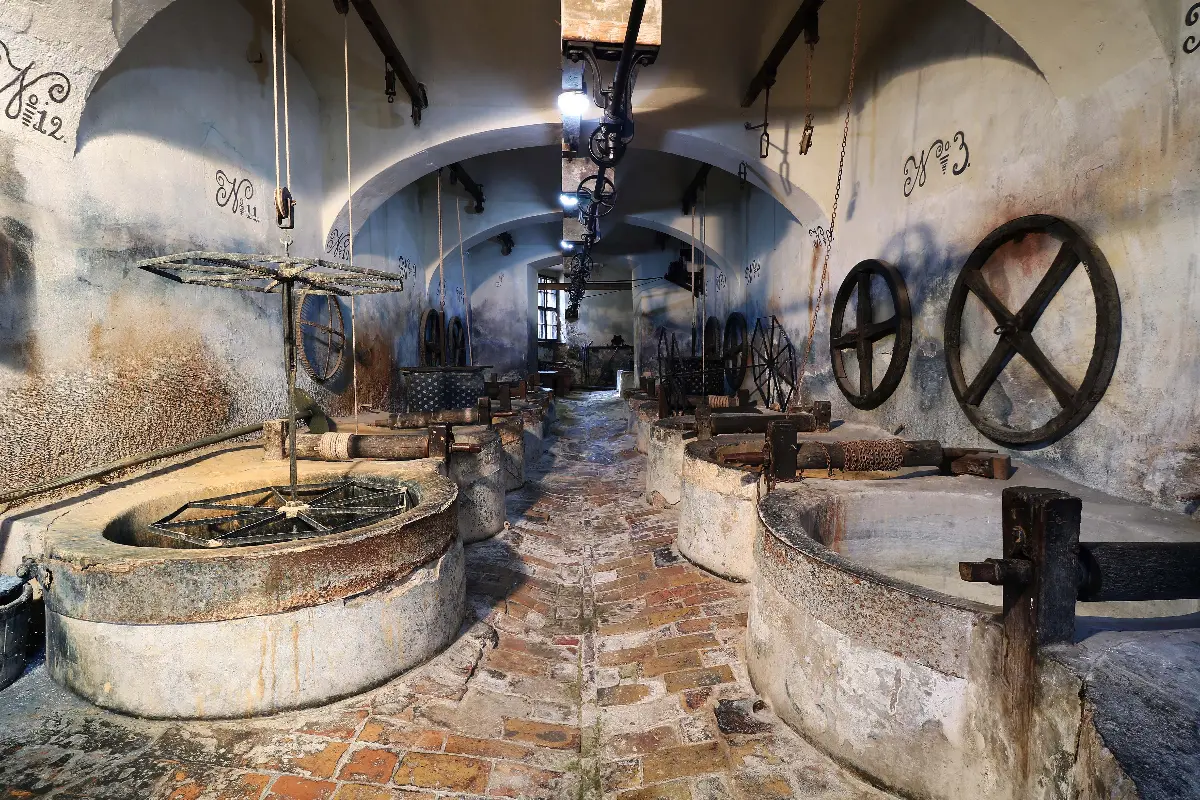
In the museum, you can follow the transformation of simple canvas: the preparation of the material, boiling, hardening, patterning and its incomparably rich world of motifs. During the permanent exhibition, you can marvel at the laboratory's now unfamiliar-sounding chemicals, as well as the imposing vat room with 16 paint basins and the impressive drying attic.
Hello Hungary tip: It is worth taking part in the museum's workshops, where you can make your own blue-dyed bag, tablecloth or T-shirt! During the programme, you can try positive patterning with a cliché, and there are also many interactive workshops waiting for visitors: the youngest can get to know the blue elf, the older ones can follow in Samu's footsteps, or even take on the role of the blue-dyeing apprentices. Prior registration is required for the programmes!
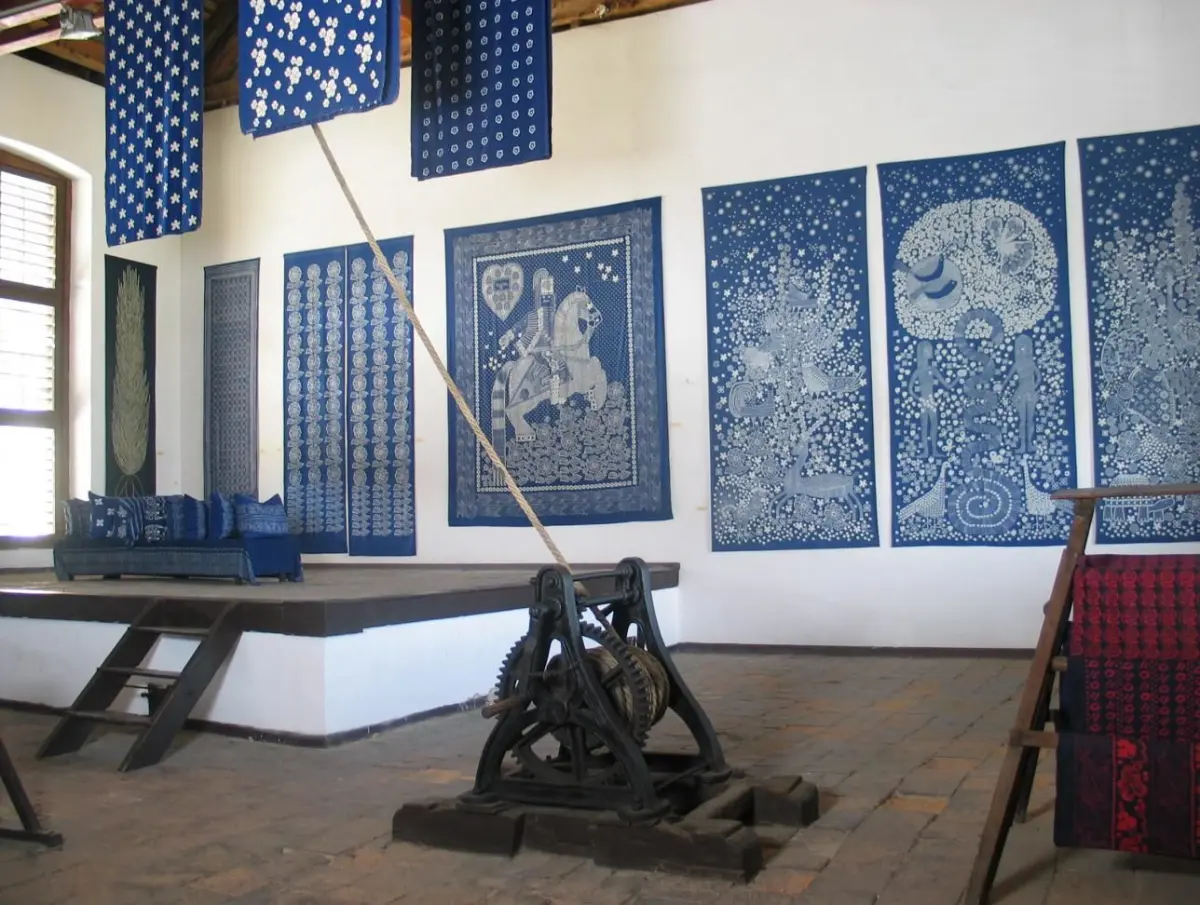
A similarly important location is Tolna, where the Tolna Blue Dyeing Workshop, founded in 1810, still uses traditional techniques today, now led by the sixth and seventh generation of masters. In Nagynyárád, in the workshop of János Sárdi, the materials are made using the original indigo process while in Győr, Ildikó Tóth and Zsolt Gerencsér continue the craft in the workshop founded in 1906. In Tiszakécske, the Kovács family preserves the tradition that has been existing since 1878, and in Bácsalmás, the workshop of János Skorutyák presents the process and products of blue dyeing.
The Hungarian tradition of blue dyeing was added to the UNESCO's Representative List of Intangible Cultural Heritage in 2018, as part of a joint European nomination.