Helyszín címkék:
Unicorns, palm houses and lookout towers in the Bükk Mountains: a journey through time in the historic gardens of Northern Hungary
Hajdú Gábor
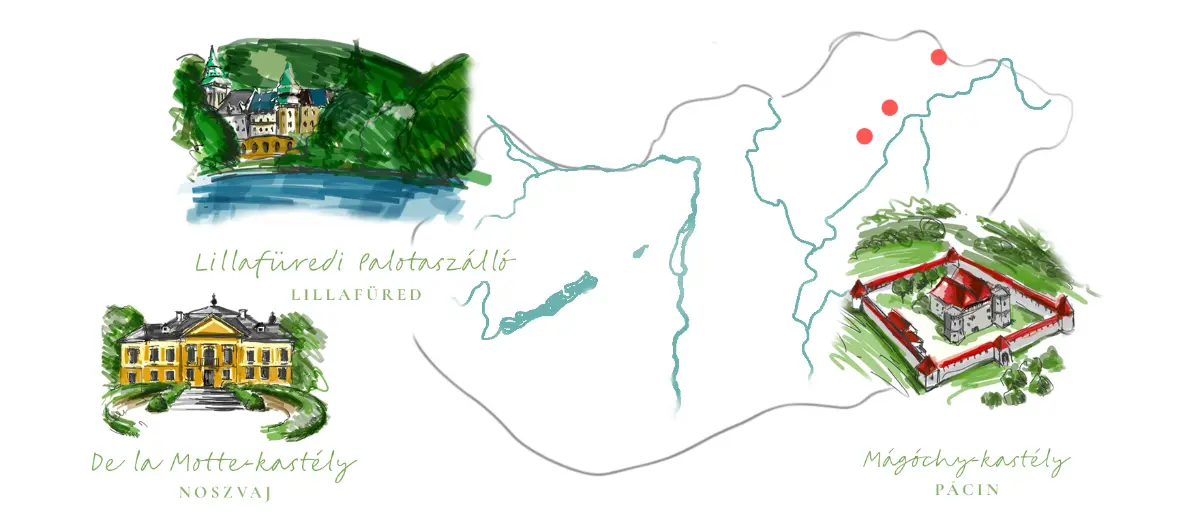
What exactly will we be seeing?
- A castle park in Copf with a sala terrena and artificial caves – Noszvaj
- A terraced hanging garden with waterfalls in the heart of the Bükk Mountains – Lillafüred
- The landscape park of Hungary’s largest Renaissance castle – Pácin
Noszvaj: where wrought-iron unicorns guard the Copf-style castle
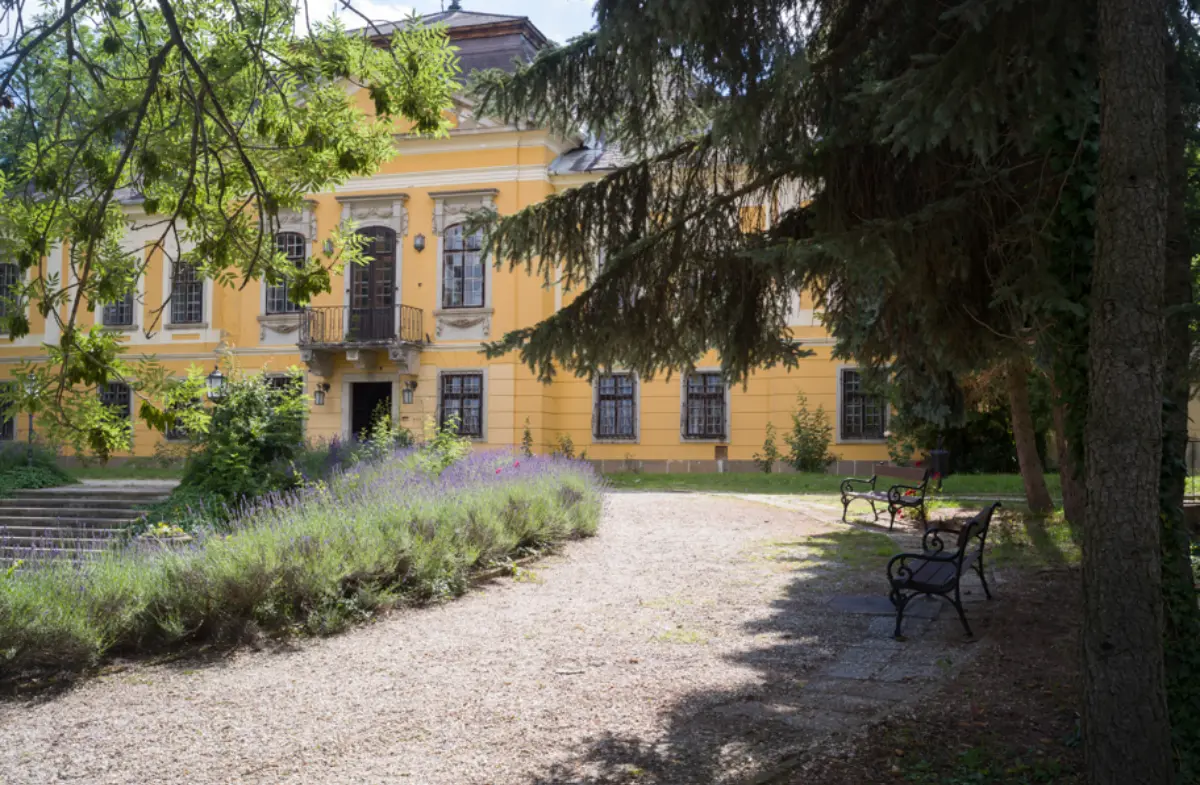
The park of the De la Motte Castle in Noszvaj is one of the most significant historic gardens in Heves County, distinguished by the fact that it embodies both the freer spirit of the early landscape style and the stricter order of the French Baroque ornamental garden. The castle was built between 1770 and 1780 in the Copf style by János Povolny, a master builder from Eger; however, the construction costs exceeded the financial means of the original owner, Sámuel Szepessy. In 1782, he was therefore forced to sell it to Anna Vécsey, the future wife of Imperial Colonel Antoine de la Motte, who had the building completed in the style of Louis XVI – and with it, a unique garden was born.
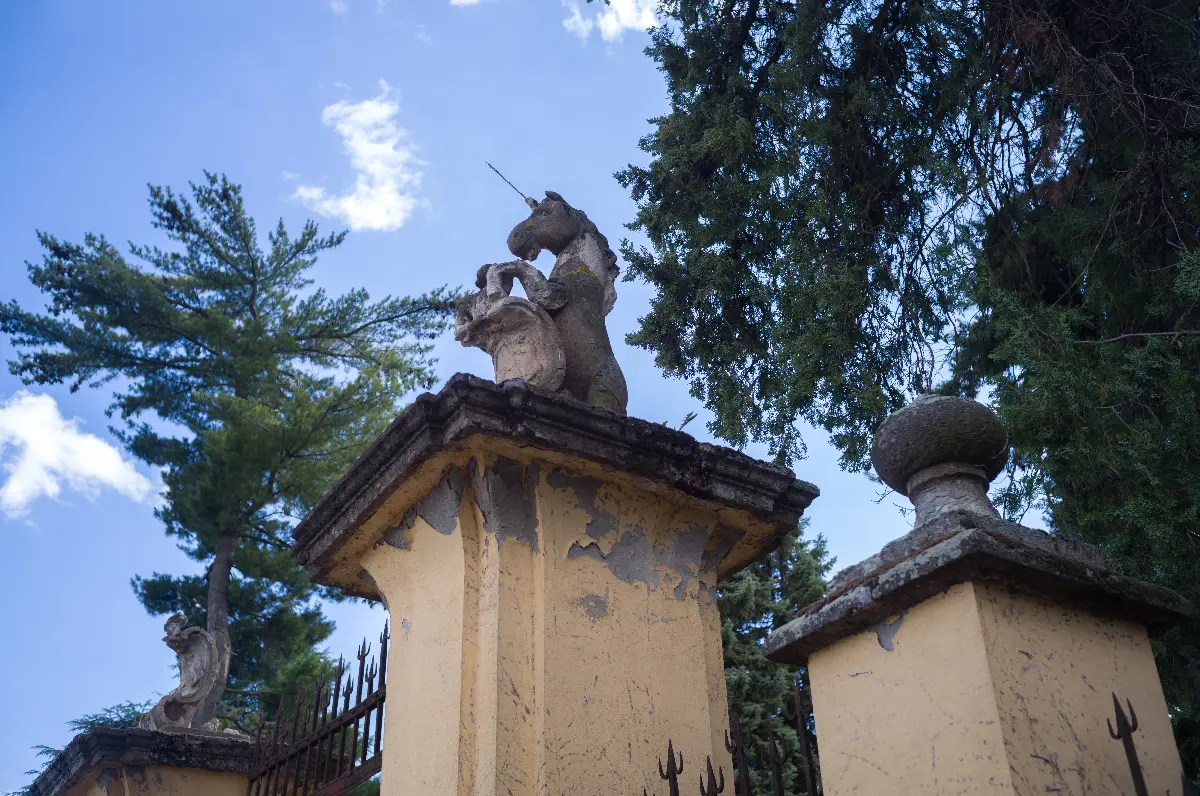
Visitors are greeted by unicorns holding a coat of arms atop the two columns of the ornate wrought-iron main gate – this unique touch immediately indicates that we have arrived at a place out of the ordinary. The arched carriageway is lined with trimmed boxwoods, the wide main staircase with yew trees, and the ornamental courtyard enclosed by the outbuildings, the so-called cour d'honneur, exudes Baroque elegance. The connection between the building and the garden is completed by an ornate sala terrena, or ceremonial hall, built by Sámuel Szepessy: its walls feature the latticework of small garden pergolas with lush vegetation, and in the distance, the castle buildings hidden among the foliage.
Among the park’s structures, a special attraction is the artificial cave carved into the tuff; in the southern part, the former palm house appears unexpectedly, which today no longer serves as a collection of exotic plants but operates as a café. The two nearby caves once served practical purposes, as did the garden cottage known as the “French Guards,” which likely functioned as a birdhouse. Among the park’s trees, native species – linden, oak, and maple – dominate, though fine specimens of weeping ash, red-flowered horse chestnut, and hackberry can also be found. The winding paths and the terrace at the end of the park offer a beautiful view of the surrounding Bükk landscape – this alone is worth a detour.
Standing at the edge of the terrace, with the panorama of the Bükk hills in the background, it’s easy to forget that we’re walking in a castle garden – the landscape and the garden’s boundaries blend together almost imperceptibly.
Lillafüred: where the palace hotel rises from the cliff face, and the garden seems to float in the air
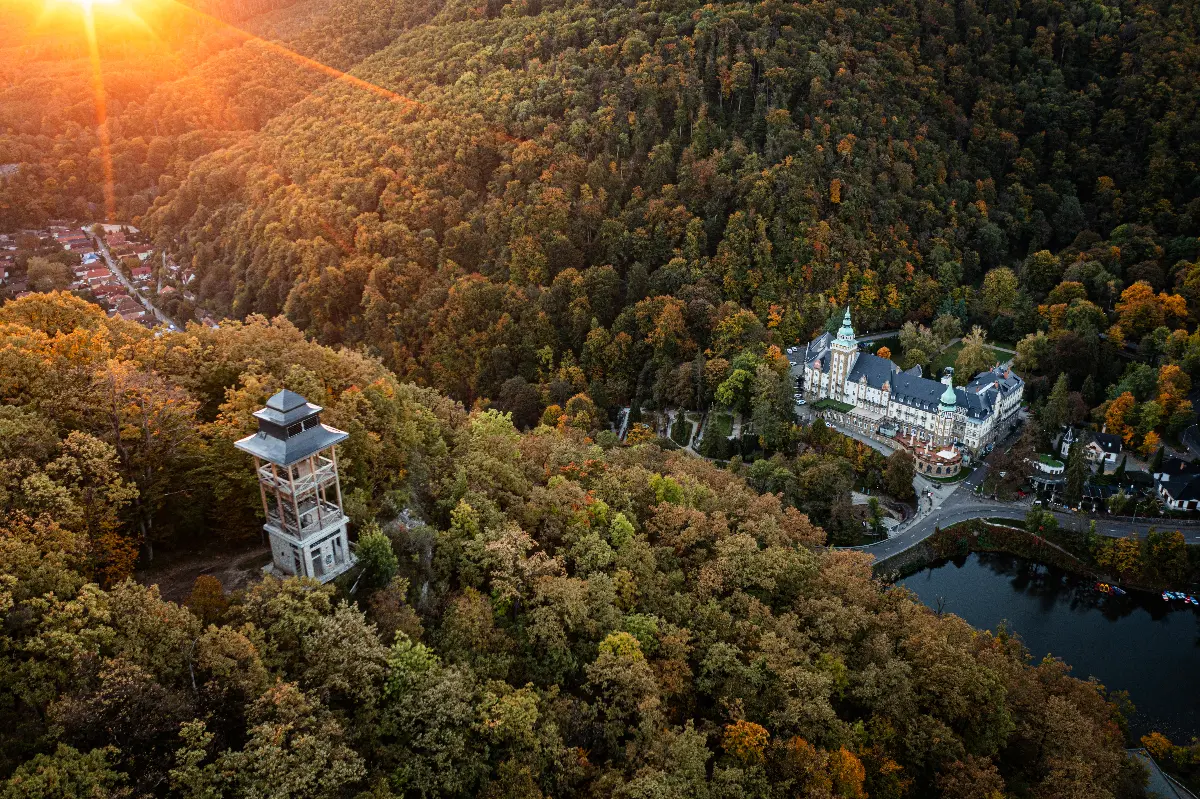
One of the country’s most naturally beautiful resorts is nestled in the Bükk Mountains, in the Garadna Valley – and anyone who has visited Lillafüred knows that the place’s charm lies not only in the lake and the forests, but also in that extraordinary garden, which clings to the cliff face and descends from terrace to terrace. Lake Hámori is already mentioned in documents dating back to 1319, and the original smaller lake was dammed in 1813 to provide water for the operation of the ironworks.
According to oral tradition, Count András Bethlen named the area in the 1890s in honour of his niece, Lilla Vay. The idea for the palace hotel was conceived in 1920 by Count István Bethlen, who intended it to serve as a government retreat, and the complex was completed between 1927 and 1930 in the Neo-Renaissance style based on plans by Kálmán Lux.
The hotel stands atop a steep slope, surrounded by a terraced garden divided by retaining walls and a park rich in rare plants – this is the so-called hanging garden, which is the most beautiful manifestation of the connection between the building and the rocky landscape.
Next to the hotel is the Lillafüred Waterfall, which was created during the construction of the palace and remains one of the valley’s most popular attractions today. Few places in Hungary can rival the trio of water gushing from the rock face, the Neo-Renaissance façade, and the terraced garden. For decades after World War II, the complex served as a trade union resort; today, it welcomes guests as a top-class European hotel – but the park and the waterfall are also open to visitors.
Pácin: Hungary’s only authentic Renaissance castle and the secret of the Black Poplar
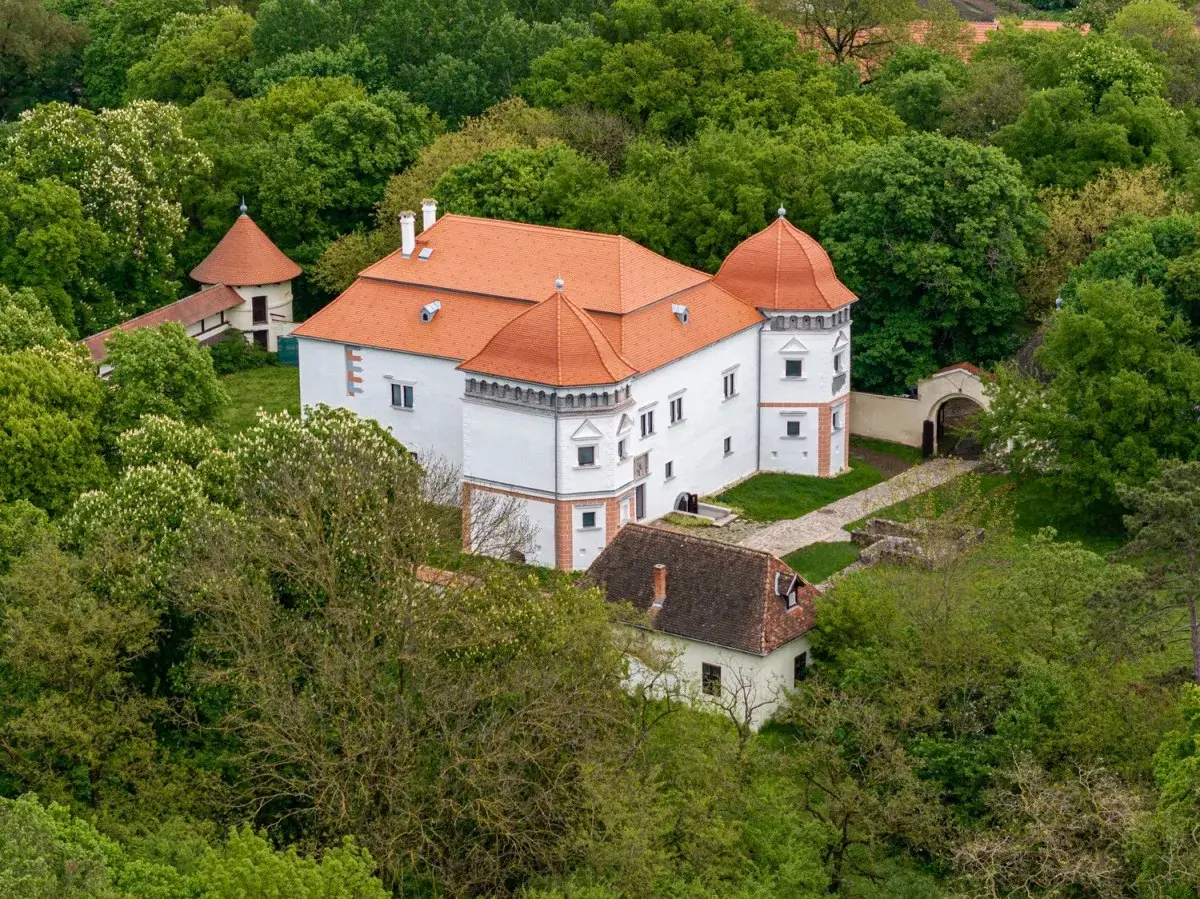
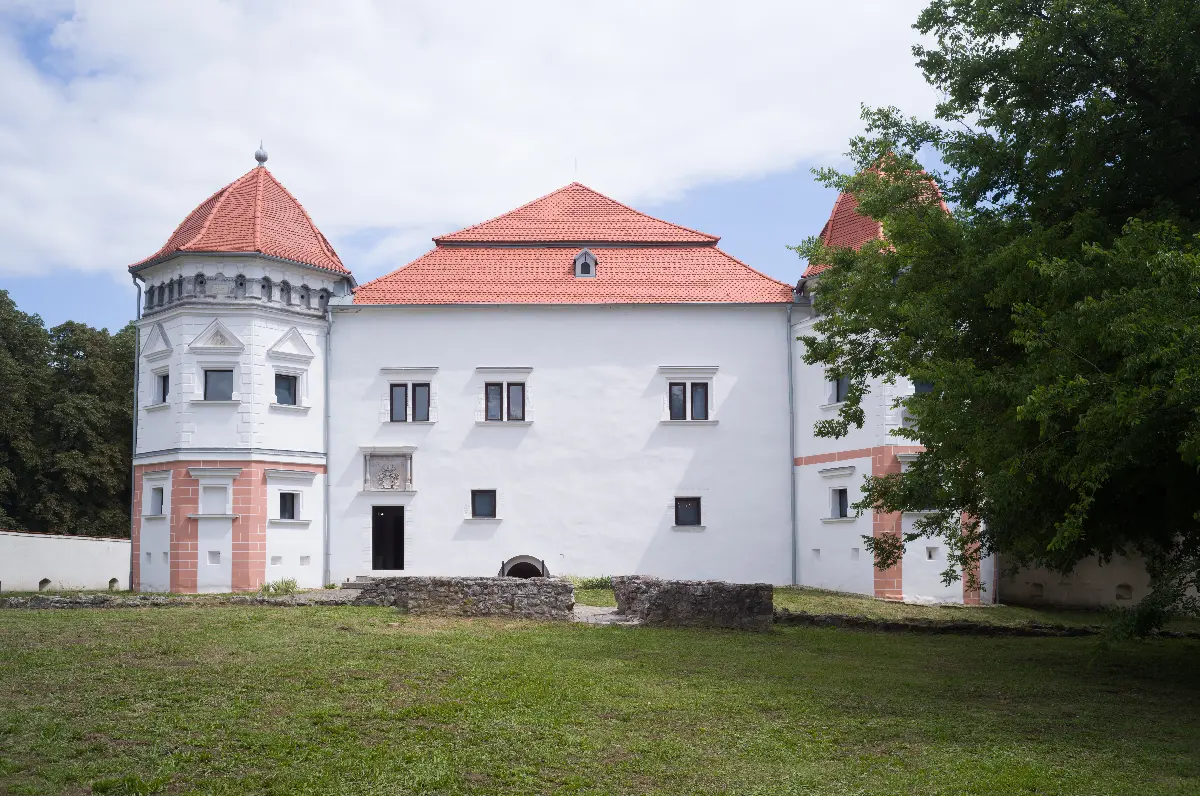
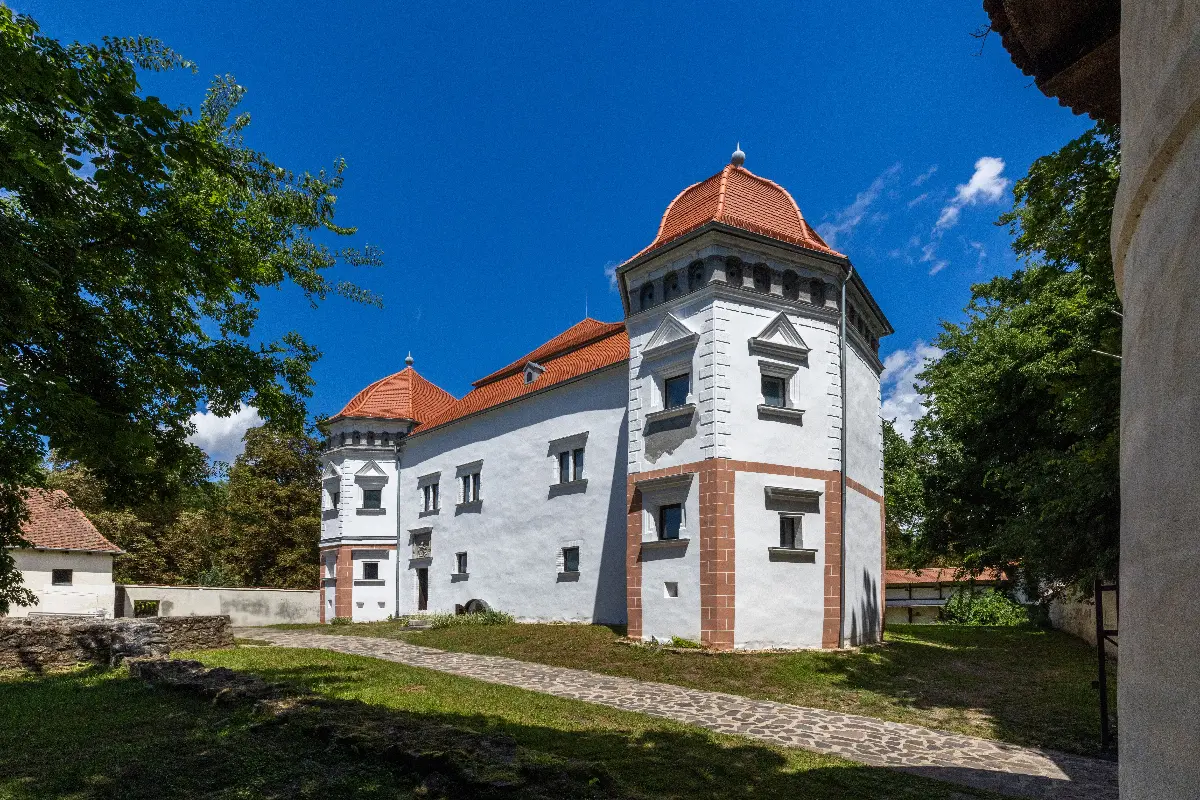
Hidden in the northeastern corner of the country, in the heart of Bodrogköz, lies a unique castle park that most travellers know nothing about. The Mágóchy Castle in Pácin is Hungary’s largest Renaissance castle – and the only one in the country that offers an authentic glimpse into the intellectual heritage of late Renaissance castle architecture. Originally a fortified castle, it was built at the end of the 16th century, featuring two corner bastions and a charming inner courtyard, the main highlight of which is the restored well house.
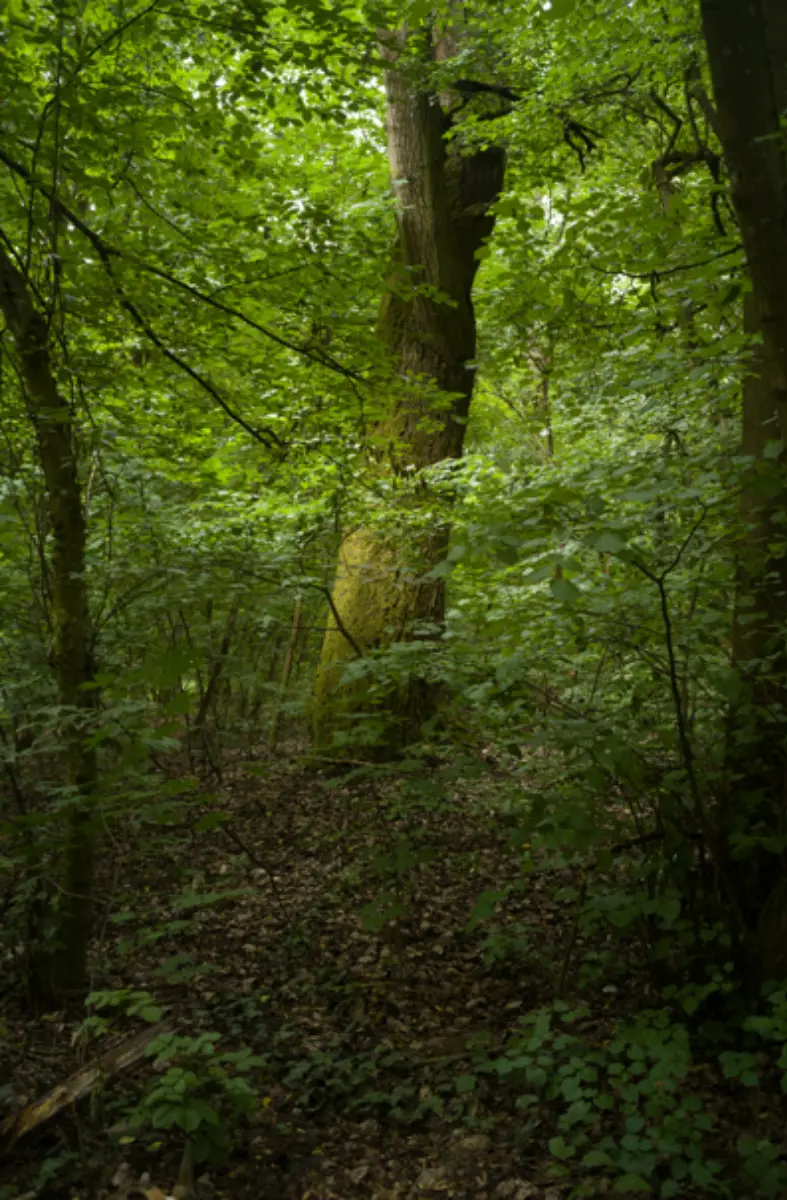
The nearly 20-hectare landscape park grew out of the former floodplain grove, and although it has lost territory over the decades due to road construction and the development of sports fields, it has preserved its valuable, old-growth tree population to this day. Impressive linden trees, ash trees, grey and black poplars, field maples, centuries-old oaks, and groups of pines catch the eye. The botanical highlight, however, is a much rarer species: a well-developed specimen of the black poplar, which is rarely found in Hungary, can also be found in the area – this alone makes it a pilgrimage site for nature lovers and botanists.
On the western side of the castle, there was once a horseshoe-shaped lake, which was filled by damming the Karcsa Stream. The southern wall has since disappeared; it was likely demolished during the landscaping of the park to ensure a natural transition to the rest of the garden. The landscape garden is a nature reserve, therefore a visit here is not only an experience but also an opportunity to discover a unique ecological heritage.