Helyszín címkék:
Revitalization Instead of Preservation or Reconstruction – The Revival of the Ruined Church in Fót Has Become a Community Cause
Partner content
Article of hely.hu
What exactly is this article about?
- The rebirth of a forgotten ruin
- Contemporary reconstruction based on historical foundations
- Archaeologists, volunteers, and locals are working together to reshape the future of the ruined church
- Living heritage in the 21st century
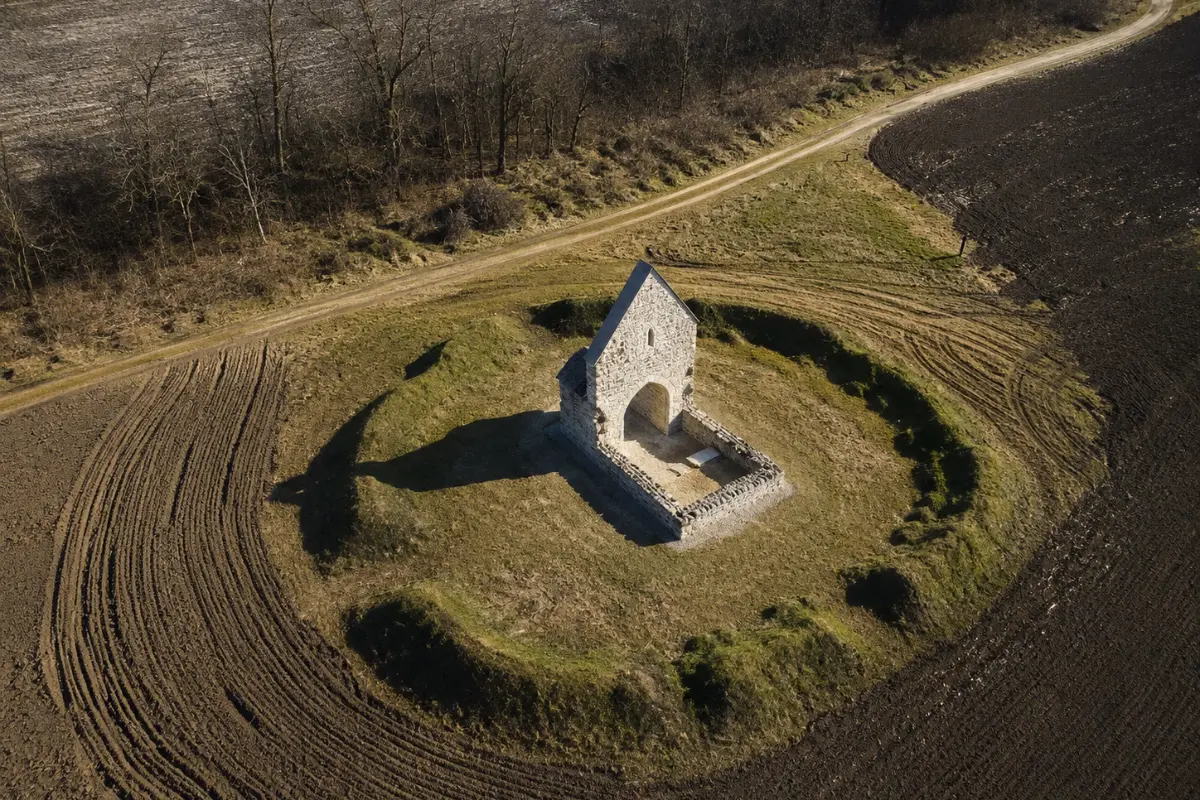
For a long time, the ruins of St. Martin’s Church in Fót were more sensed than seen in the landscape. Tucked away on the outskirts of town near an industrial area, these medieval remains had been overgrown by vegetation for decades; some of its stones had been scattered, and its walls barely rose above the ground.
Today, however, it has become the focal point of an architectural and community initiative that speaks to heritage preservation, contemporary thinking, and a reinterpretation of the spirit of the place.
The designer of the reconstruction, Csaba Jakab, is an architect who previously worked on the interior design of the main building of the Ervin Szabó Library in Budapest, as well as on the 2014 Venice Architecture Biennale exhibition; in Fót, he is seeking a new balance between the past and the present.
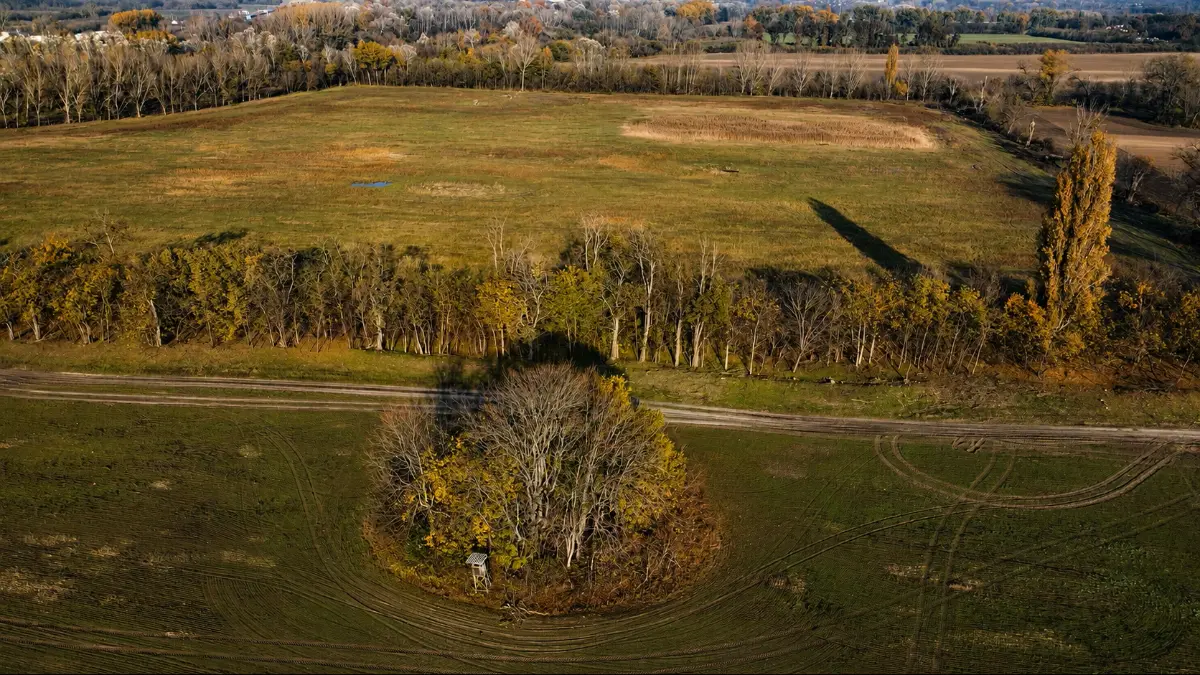
Photo: St. Martin's Ruined Church in Fót, Facebook
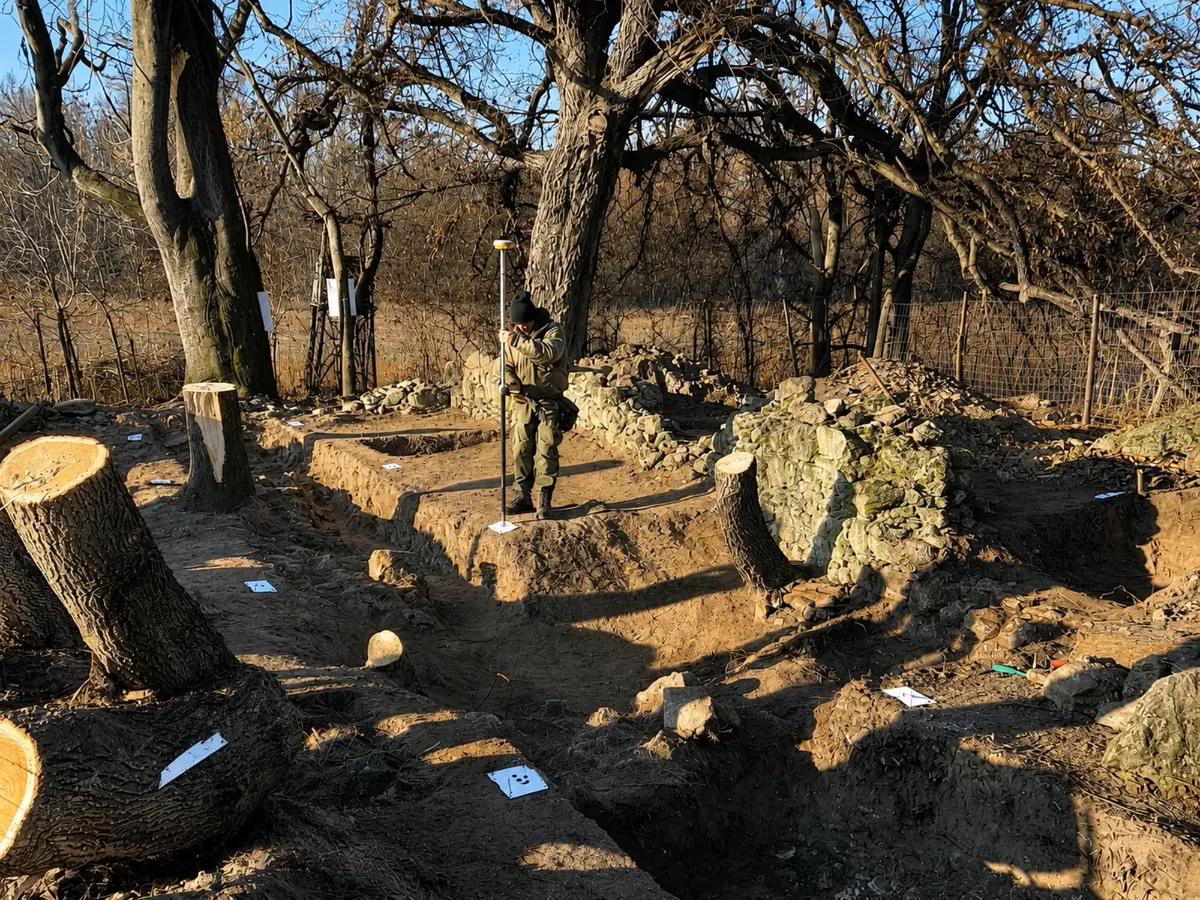
The history of the ruined church dates back to the Árpád era, to the turn of the 13th and 14th centuries. According to archaeological excavations, a smaller Romanesque-era village church may have originally stood here, which was later expanded with Gothic elements. It was likely destroyed for good during the Ottoman period, and its remains were further eroded over the centuries. Excavation began in 2021 under the direction of archaeologist Miklós Zsombor Makoldi and with the cooperation of the St. Martin Church Preservation Society.
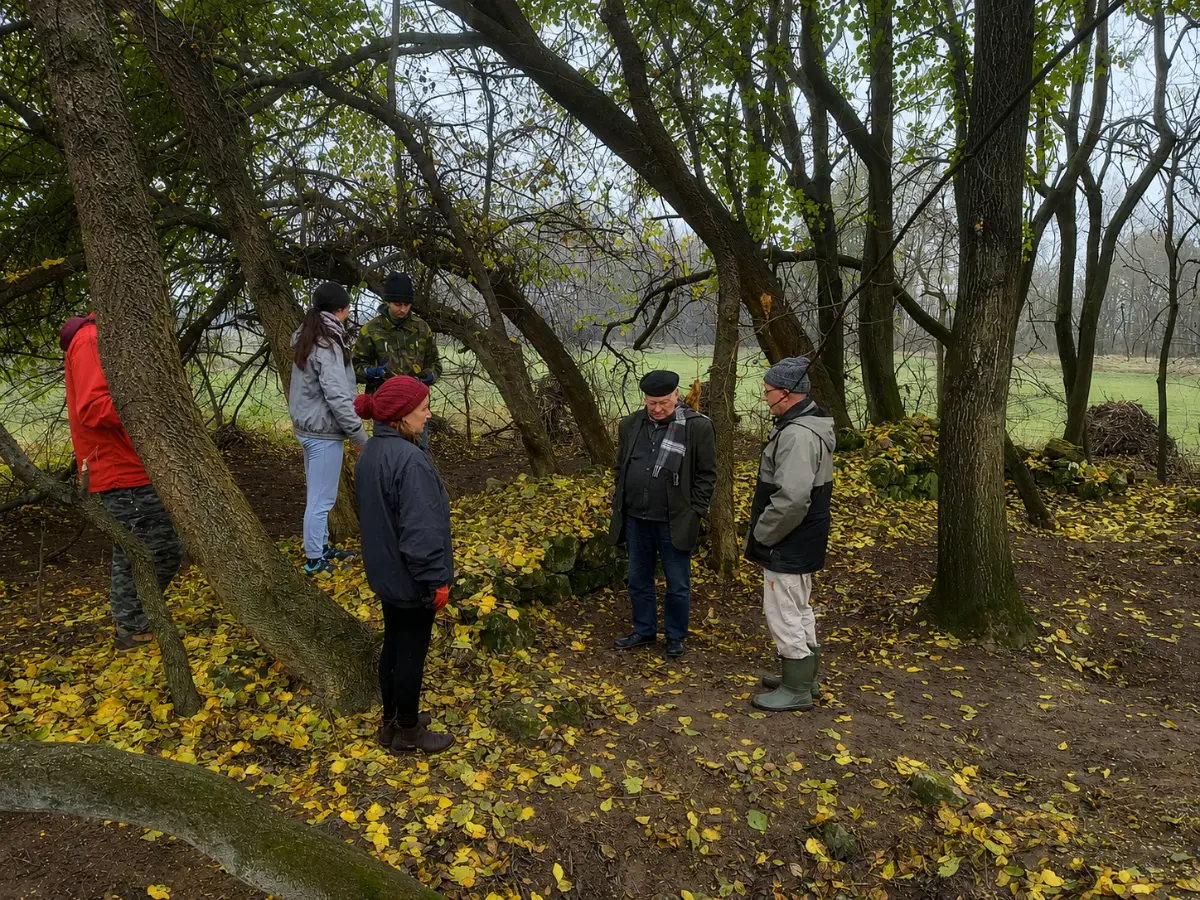
At that time, only knee-high sections of wall were visible on the site.
As work progressed, the church’s floor plan and structure gradually came into view, while local residents, volunteers, and supporters became increasingly involved in the cause. The effort to save the ruined church in Fót thus quickly transcended the traditional framework of historic preservation, becoming a community undertaking.
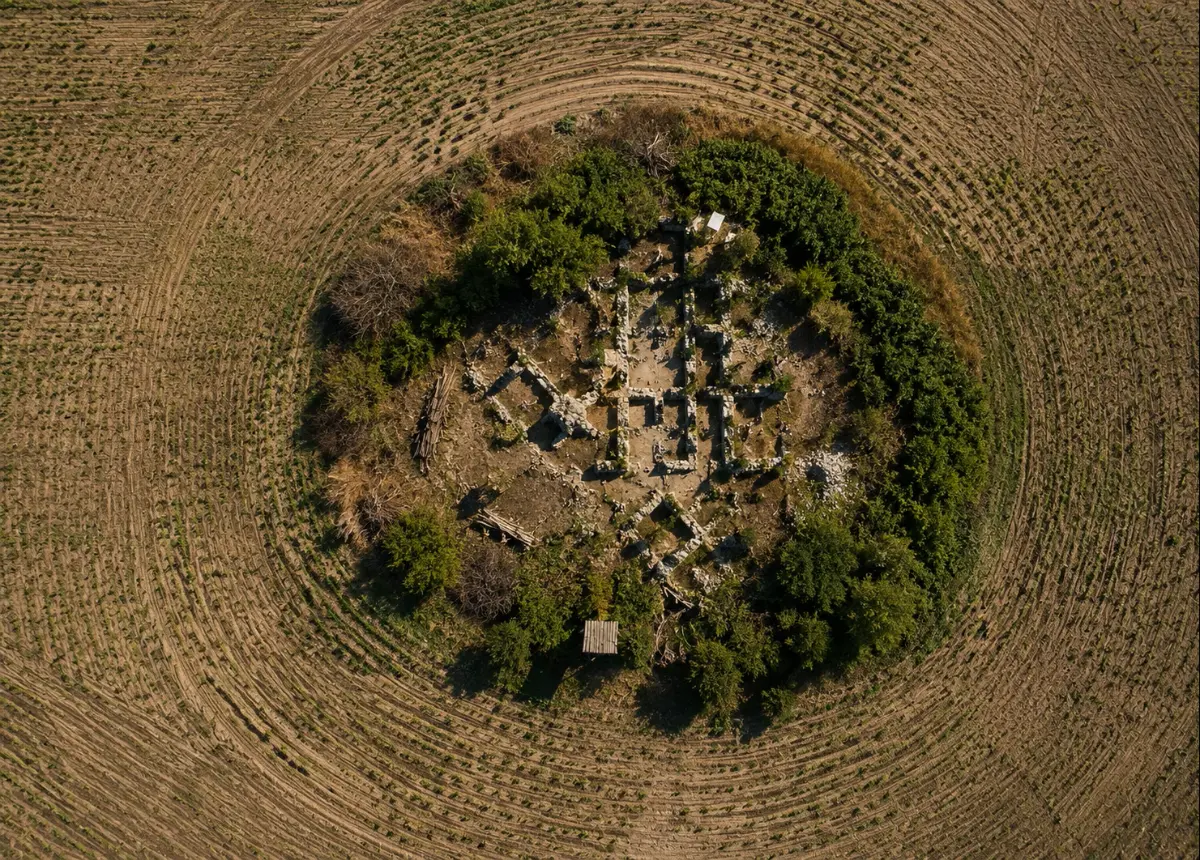
Photo: St. Martin's Ruined Church in Fót, Facebook
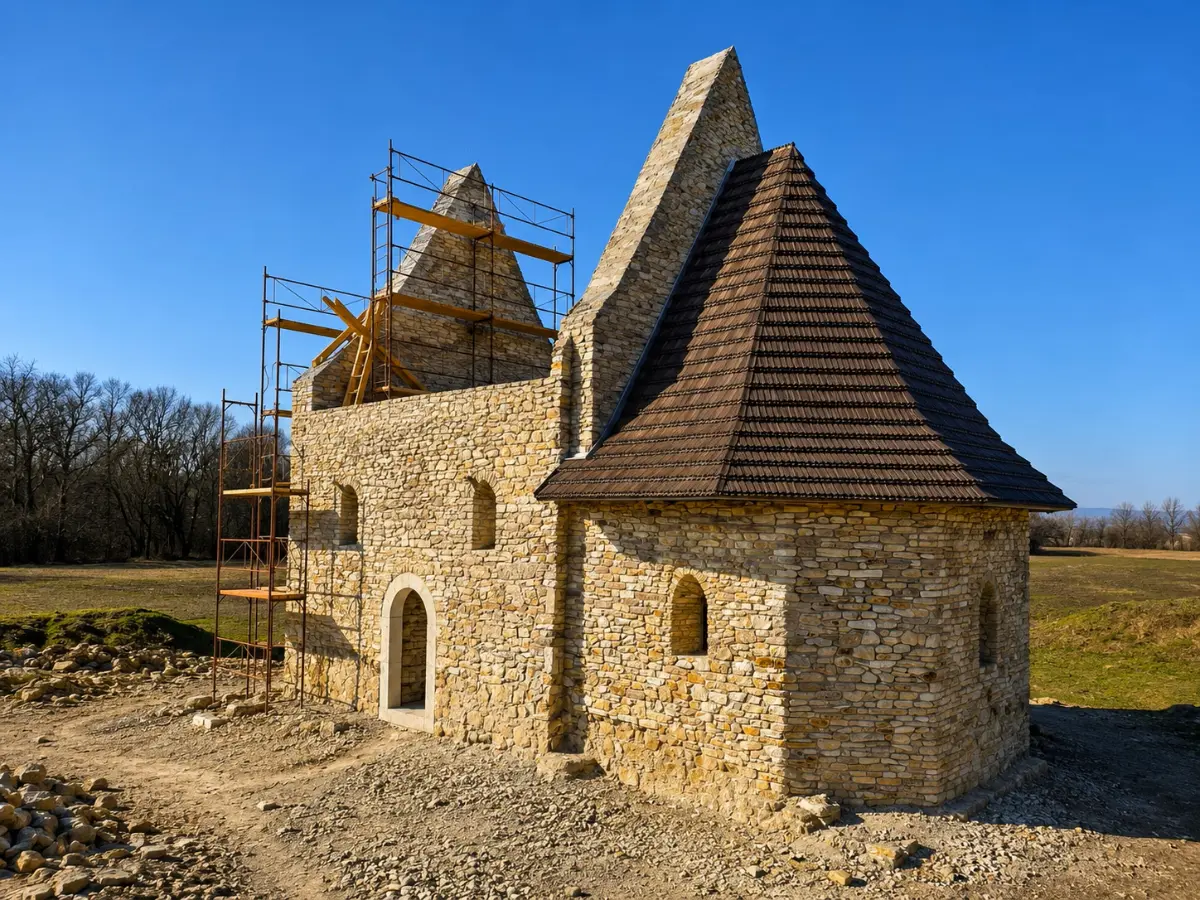
Csaba Jakab’s design played a key role in this process. From the outset, the architect emphasized that the goal was not to create a medieval replica that was authentic in every detail. This is because the surviving records do not allow for a reconstruction with absolute certainty.
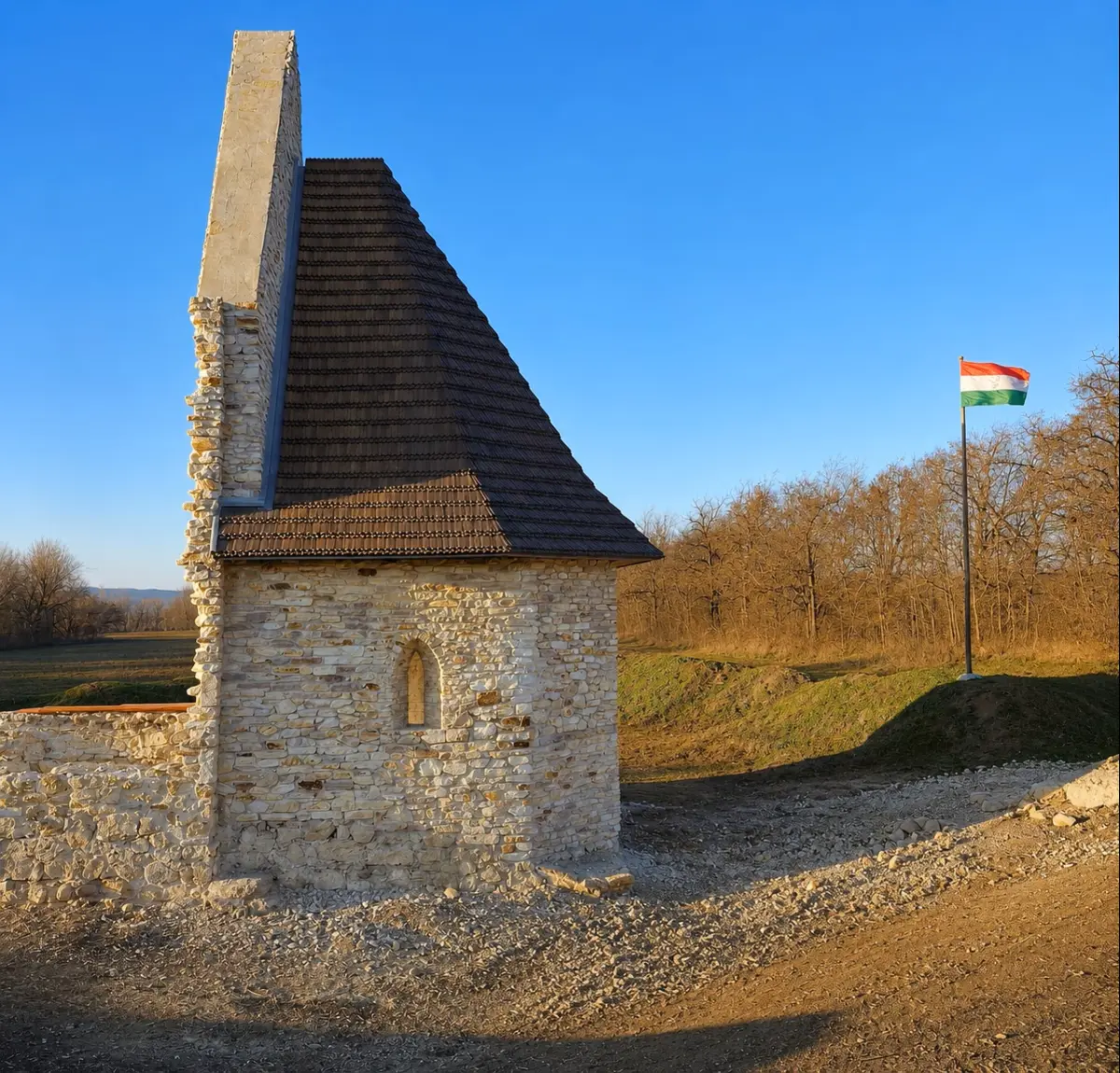
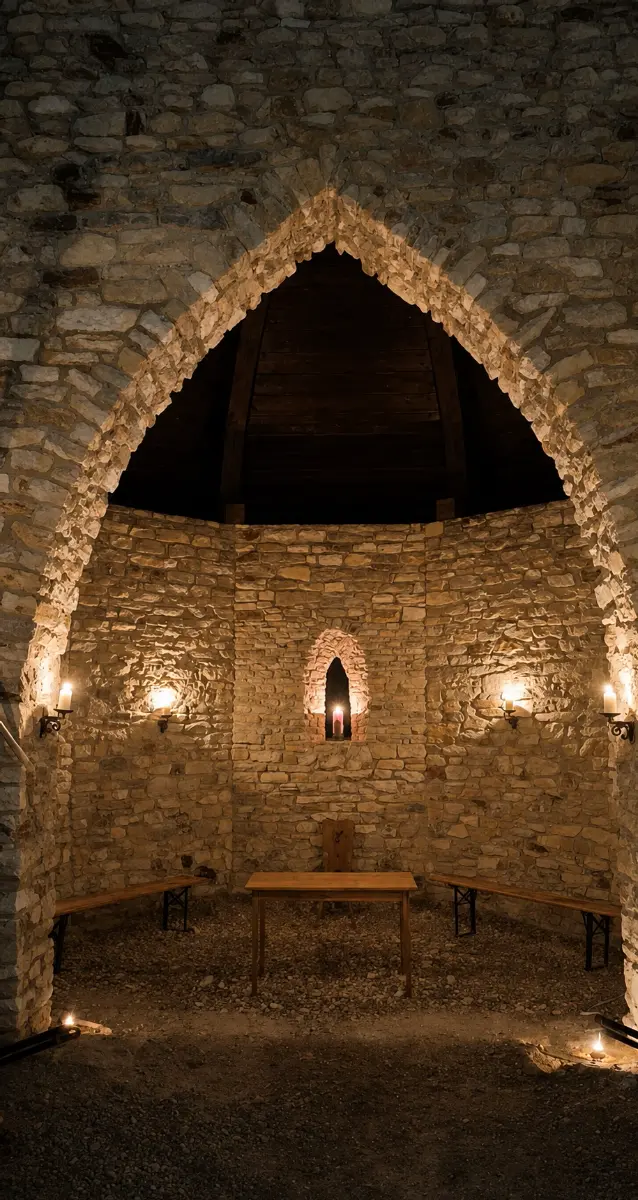
Instead, the result is a building that respects the proportions, materials, and spirit of the original church, while also meeting today’s liturgical and community needs.
As he put it, the goal is revitalization – that is, for the church to once again become a living space. This approach is particularly exciting in contemporary Hungarian architecture, where the restoration of historic monuments often oscillates between two extremes. On one side are historicist reconstructions; on the other, the preservation of ruins as untouchable relics. One of the greatest strengths of the Fót project is that it does not drift entirely in either direction but rather initiates a dialogue with the existing ruins. The planned new structure will have a contemporary character, yet it will respect the spatial organization and lighting conditions of the medieval church.
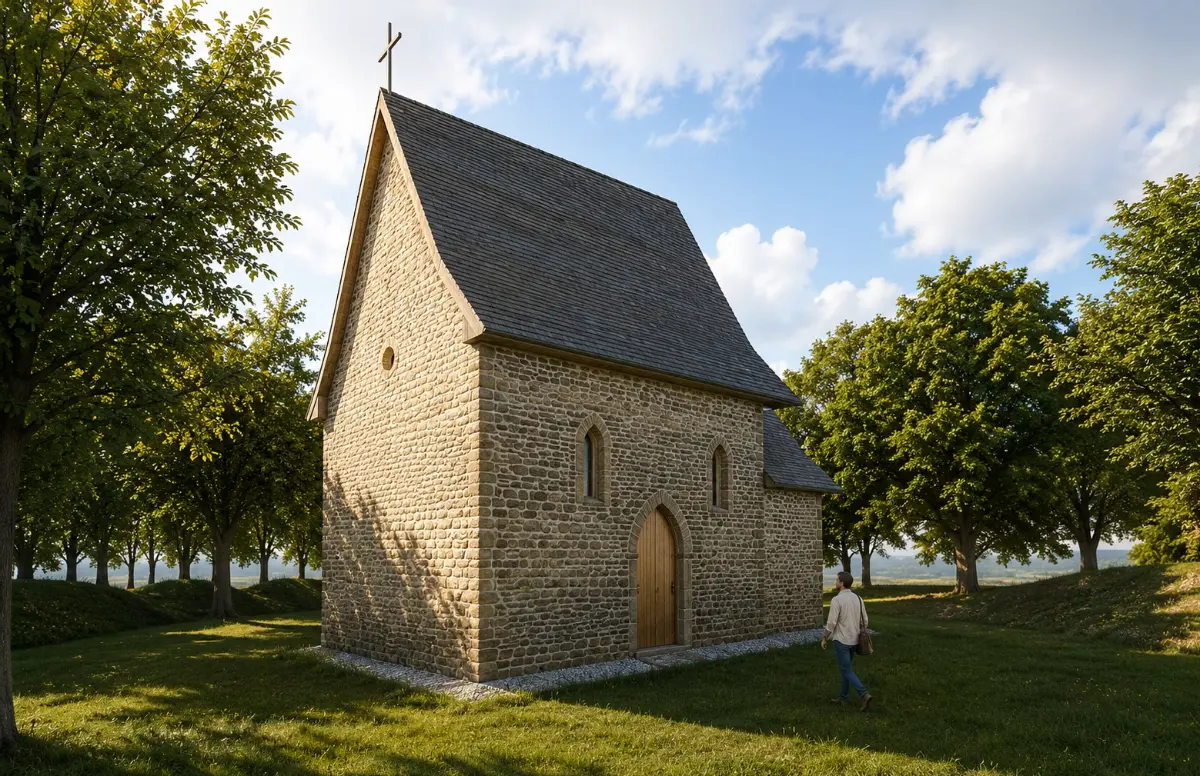
Photo: St. Martin's Ruined Church in Fót, Facebook
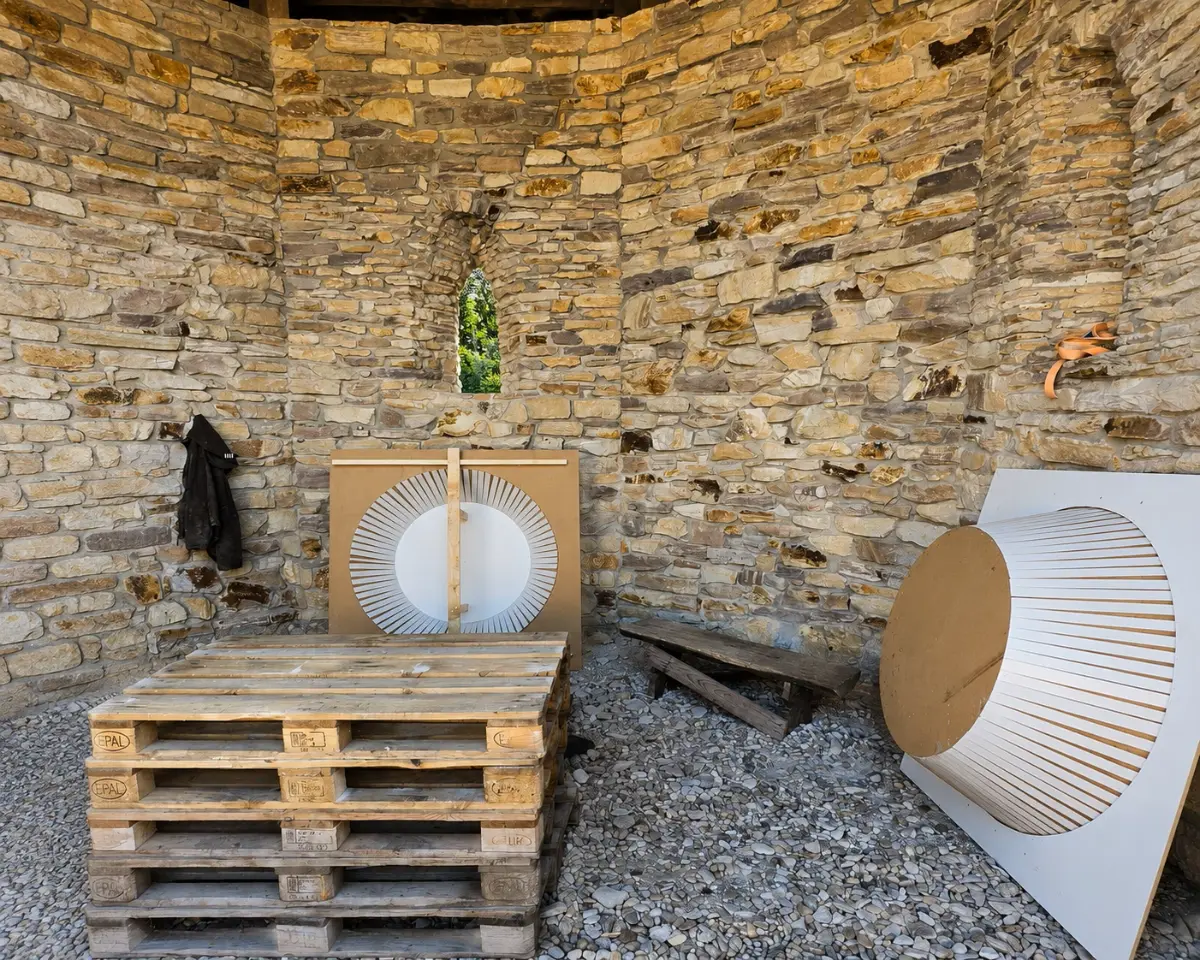
Natural light plays a particularly important role. According to the plans, the play of sunlight will deliberately shape the atmosphere of the interior – a technique that was one of the most important tools of medieval church architecture.
Here, light is not merely a technical consideration, but rather a spiritual element that, together with the changing times of day, shapes the experience of the building.
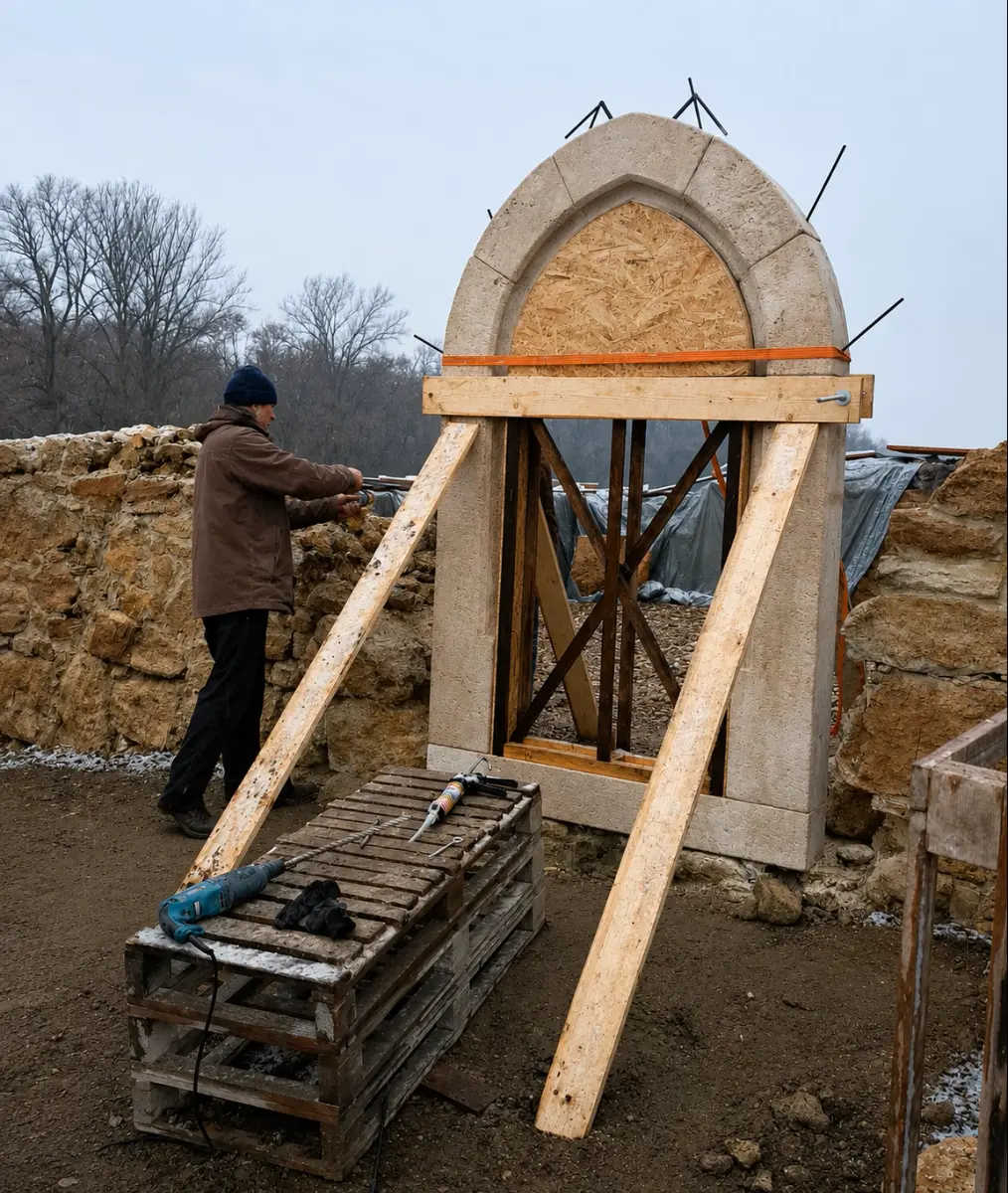
Construction is taking place in several phases. First, the sanctuary was built and roofed; this was followed by the construction of the nave; the final step will be landscaping the surrounding area. The project is funded through grant money, private donations, furthermore, local collaboration. This background is almost as important a part of the story as the building itself: in recent years, programs, church tours, and community events have been organized around the ruined church, gradually reintegrating the site into Fót’s cultural life.
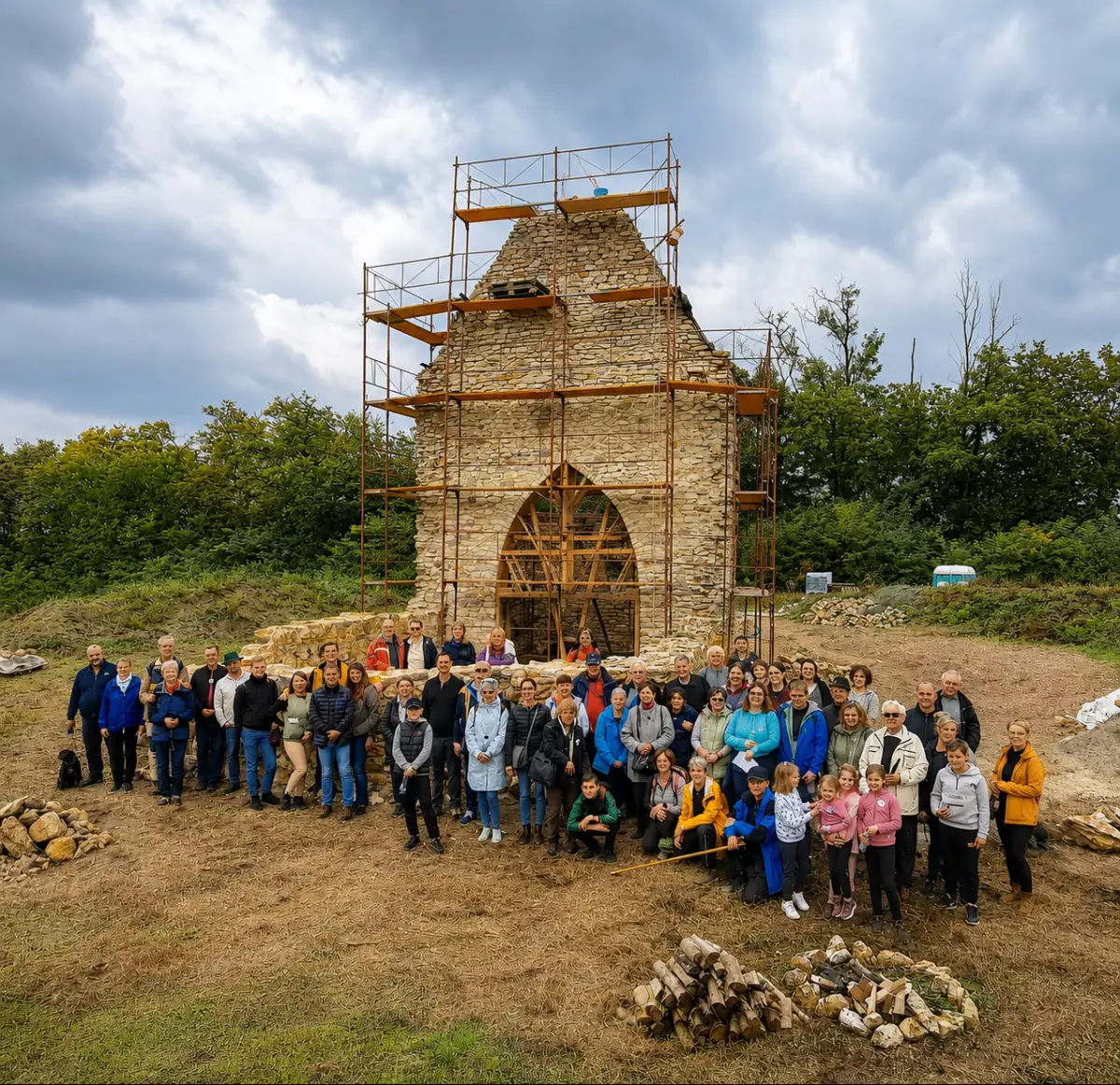
Photo: St. Martin's Ruined Church in Fót, Facebook
The reconstruction of the ruined church in Fót is also noteworthy because architectural thinking that so openly embraces uncertainty is rare today. Csaba Jakab’s design does not seek to definitively declare what the church once looked like; rather, it provides an opportunity for fragments of the past and the architectural language of the present to come together to create new meaning.
This approach is much closer to the international perspective on contemporary historic preservation than the creation of a complete historical illusion.
In Fót, therefore, what is actually taking place is not the “eradication” of a ruin, but the reactivation of an old site. A building is emerging that simultaneously recalls its medieval origins and reflects the present. Perhaps this is precisely why the project’s atmosphere is particularly powerful; the church does not seek to exist as a museum piece, but as a usable, living space. A place where it is once again possible to build community, celebrate Holy Mass and pray, pause for a moment, or simply realize that history is not a closed chapter of the past, rather it is an integral part of our lives.
Eszter Szilvia Paár
Architecture is the art form that perhaps has the greatest influence on our thinking and well-being. The goal of Hely.hu is to stimulate architectural discourse through news, engaging articles, and videos. Because architecture is a shared concern and a shared responsibility.