Helyszín címkék:
The Sanctuaries of the Harvest: 5+1 Beautiful Hungarian Wine Cellar Lanes You Must See This Autumn!
Partner content
Article of Hely.hu
What exactly will we be discussing?
- Hercegkút – the fairytale-like wine cellar lane of the Tokaj wine region
- Budajenő – the charming wine cellar lane of the Zsámbék Basin and the legacy of local wine culture
- Palkonya – the Villány wine region, where tradition meets modern winemaking
- Gyöngyös – the centuries-old wine culture of the Farkasmályi wine cellars
- Hajós – Hungary’s largest wine cellar village
- Györköny – the three-century-old Swabian wine cellar village
Hercegkút
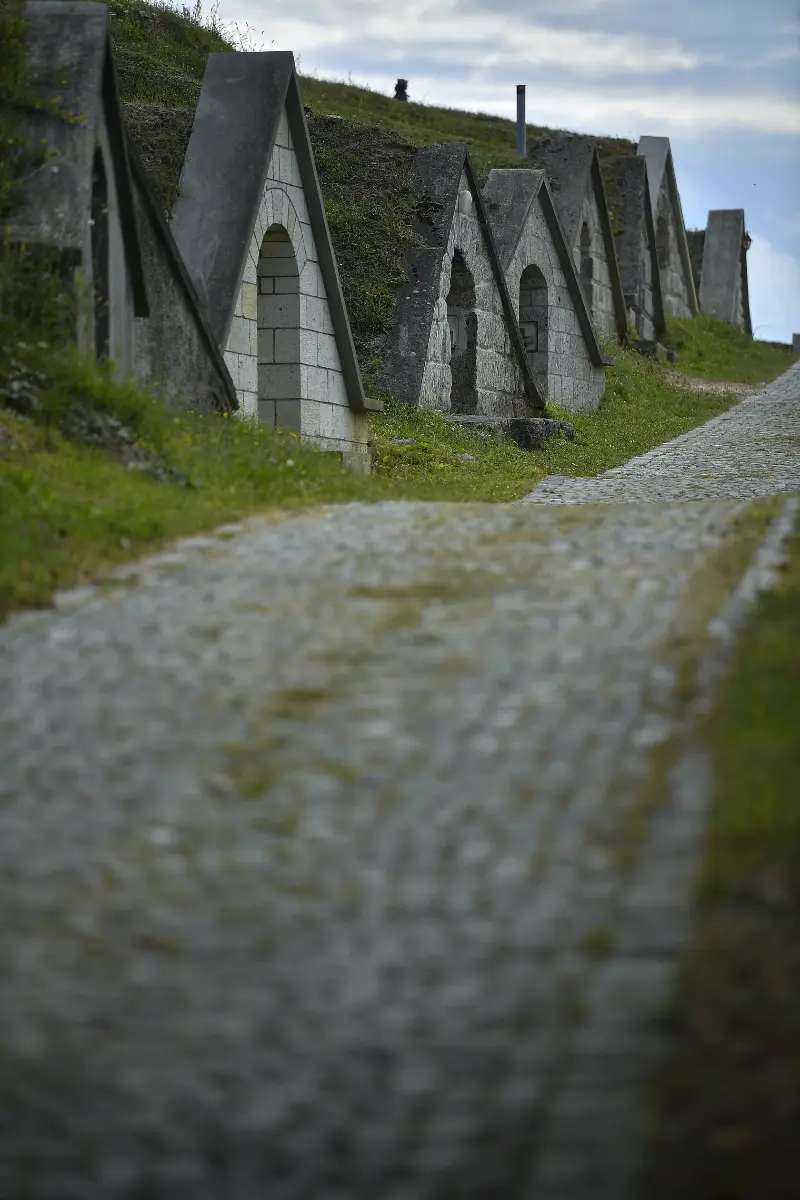
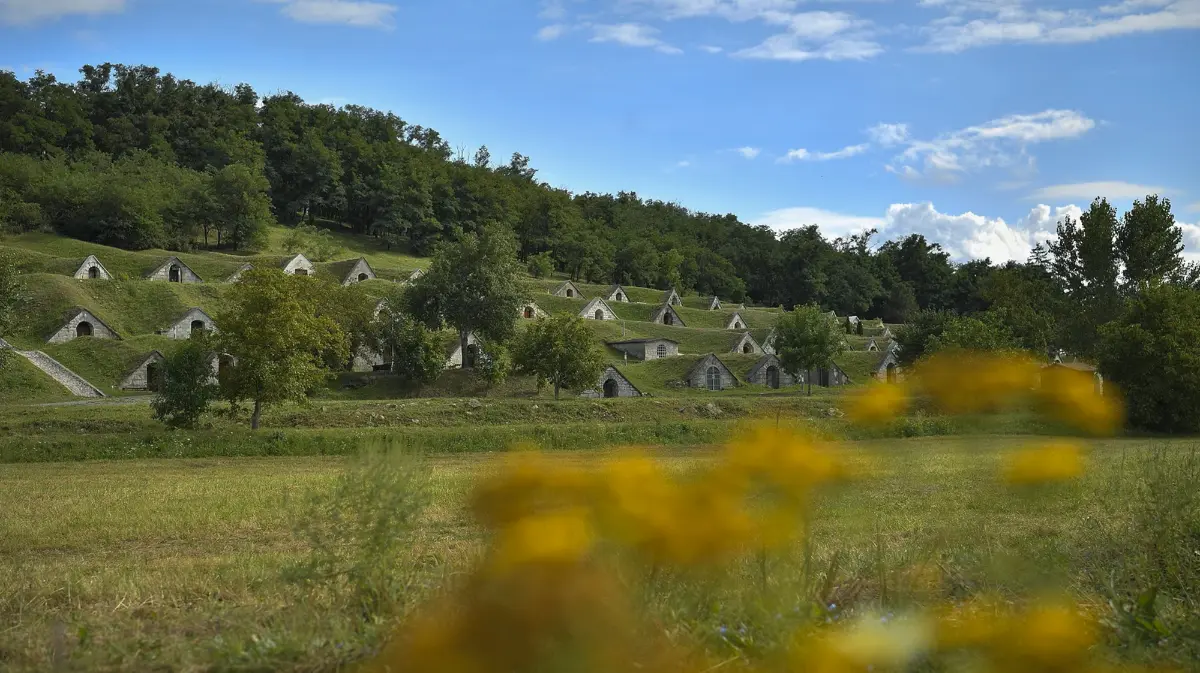
Nestled on the slopes of the Zemplén Mountains in the Tokaj wine region lies the Gombos Hill row of cellars in Hercegkút, which could have been built by the hobbits from *The Lord of the Rings*. The sight of the cellars here evokes the legendary fantasy film, as they playfully peek out of the ground, one atop the other.
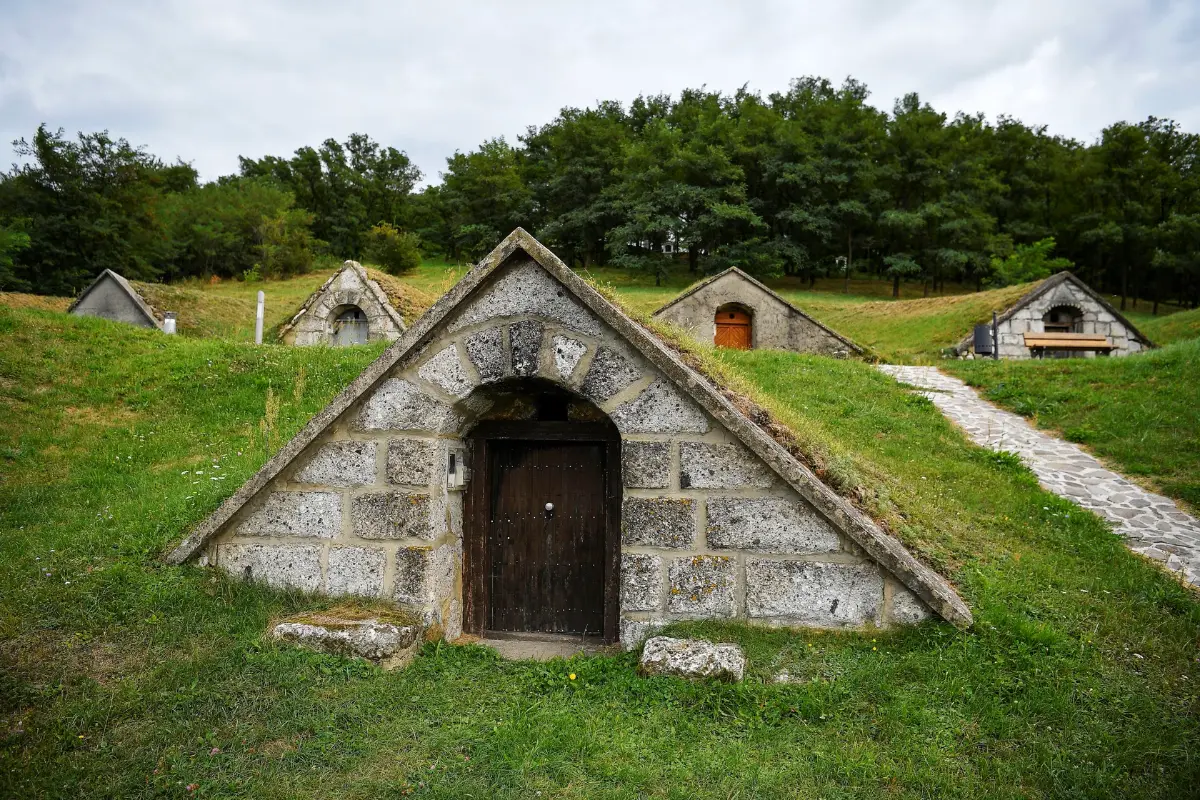
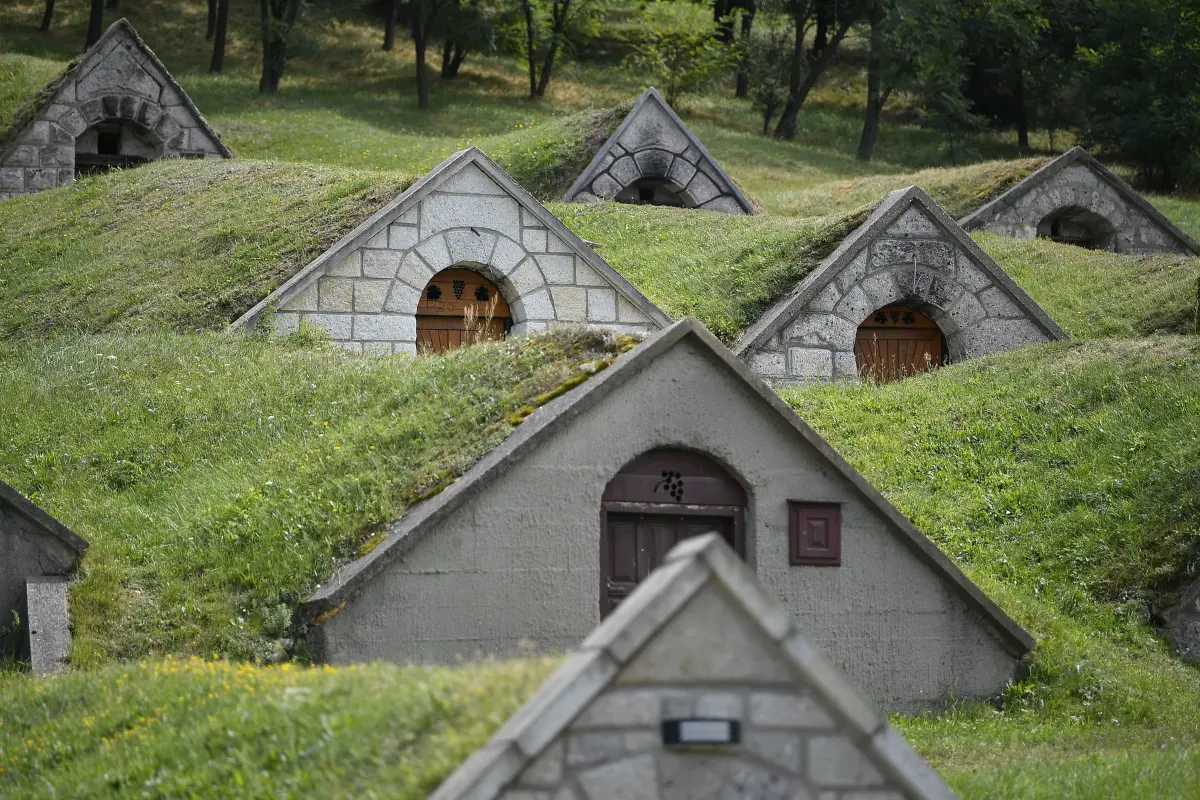
The triangular gables built of off-white stones and the beautiful, iron-reinforced wooden doors create a unified look for this hillside row of cellars nestled beneath the forest.
The village of Hercegkút was originally called Trautsonfalva, a name that reveals its origins: after the defeat of the War of Independence, this former Rákóczi estate was granted to Prince Trautson, who brought German settlers here in 1750 to found a new village. Viticulture immediately became the main occupation of the settlers who arrived here, which is why they built their row of cellars with a uniform appearance on the hillside.
What’s more, in the early days, the settlers even took up residence in the cellars here until they had built their houses in the new village; from then on, they began using their cellars to store wine, vegetables, and potatoes. It can therefore be said that the entire prehistory and very heart and soul of the people of Hercegkút are embodied in the hillside filled with cellars that can still be seen today.
Budajenő
In the Zsámbék Basin, located west of Budapest, lies a whole string of the country’s wealthiest towns: Budakeszi, Telki, and Budajenő are all popular and exclusive places to live today – but originally, hardworking farmers and rural dwellers lived here, leading lives closely tied to nature.
After the total devastation wrought by the Turkish wars in this region, Budajenő became the estate of the Scottish Benedictines from Vienna, who sought to revive the land that had been lying fallow. They, too, invited settlers here from German territories, and the Swabians immediately set about reviving viticulture, as well.
If you pass through Budajenő today, you’ll notice a row of wine cellars densely clustered alongside the main road in the center of the village.
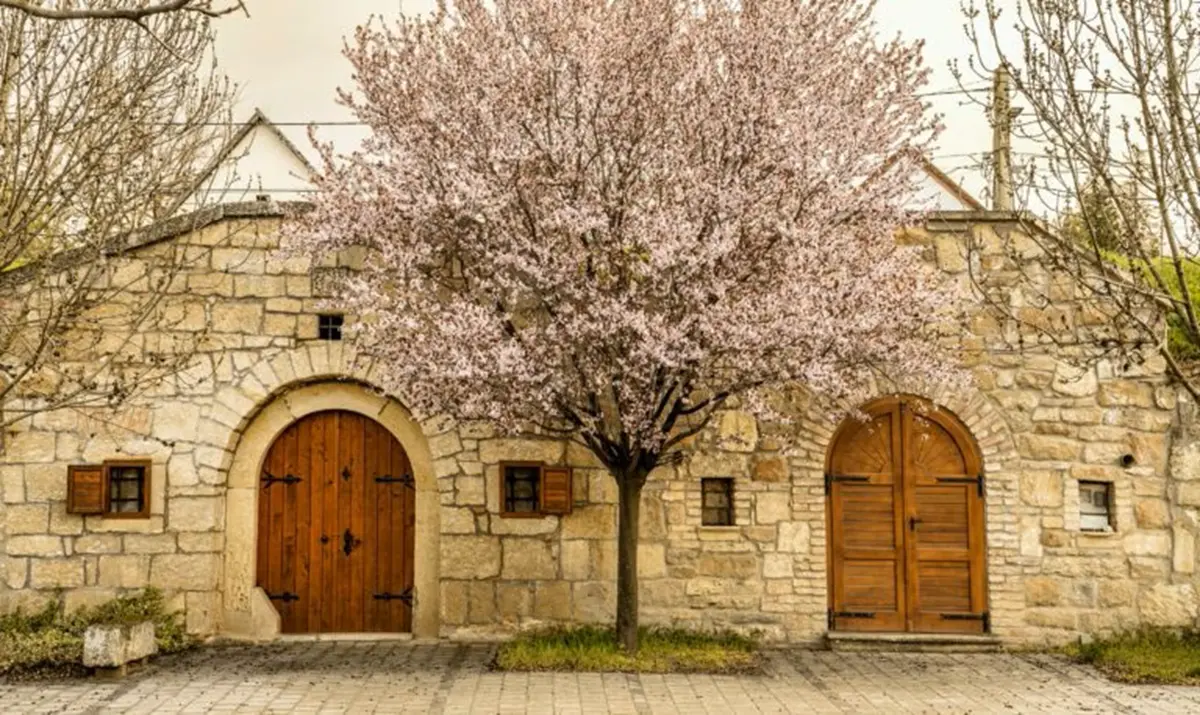
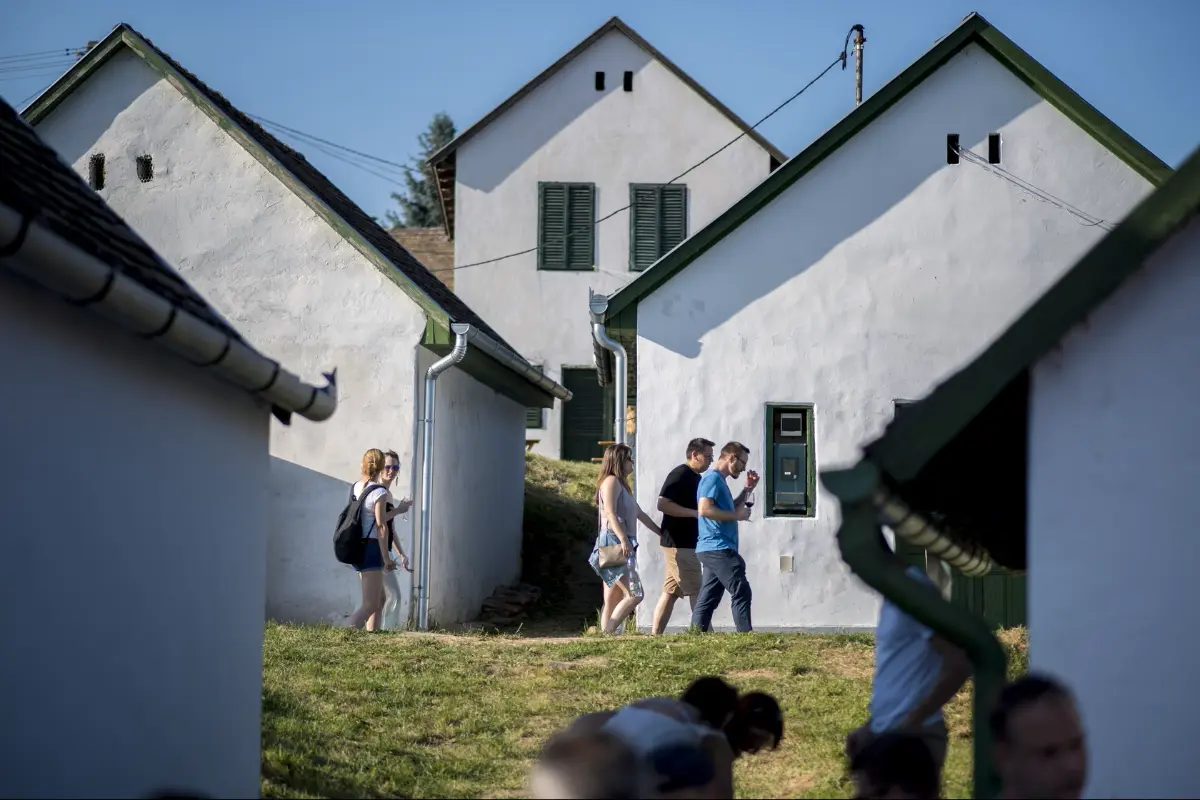
Hidden behind a row of trees, these cellars – roughly the same size but varied in appearance – form a playful and striking feature of the village, which remains well-kept to this day.
Even the wooden doors of the cellars themselves, though serving the same simple purpose, each possess a unique character, shape, and colour scheme. According to records, the row of cellars visible today was built between 1829 and 1866, and to this day they serve as the venue for the annual harvest festival and wine-tasting events.
Palkonya
If the area around Budajenő suffered greatly at the hands of the Turks, what can we say about Tolna and Baranya? By the early 1700s, entire districts in this region had been left deserted, and new settlers had to be invited to reestablish dozens of villages; among others, Count Mercy played a major role in the revival of this region.
Palkonya, located at the northeastern end of the Villány Mountains in Baranya County, was also reborn during this period; and here, too, a valuable, traditional row of wine cellars bears witness to the results and legacy of that work. On the hillside at the edge of the village, 53 cellars have survived to this day, and unlike many other declining rows of cellars, they are held in high esteem here.
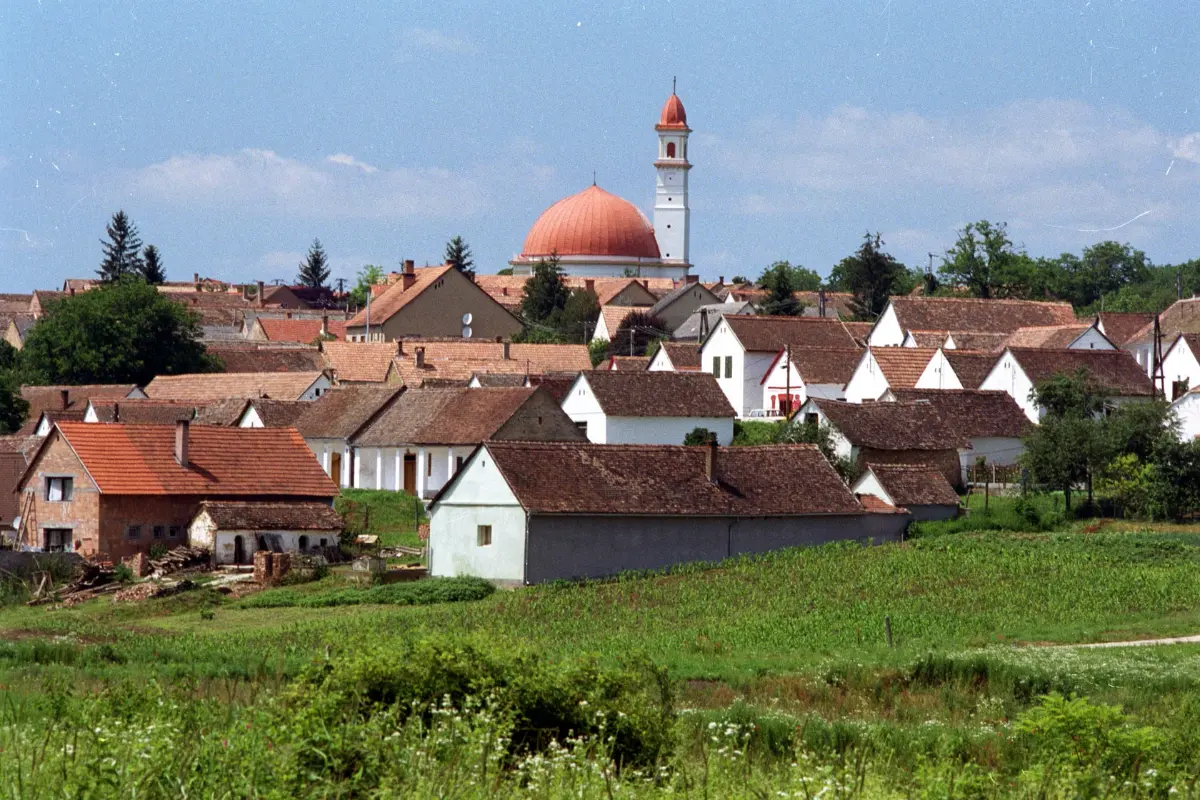
Numerous cellars are still used by winemakers today, including the Hárságyi, Zsirai, Blázsovics, and Haraszti wineries.
The row of cellars visible today was established in the early 19th century, and while they present a unified sight as a whole, the buildings differ individually, thus creating a captivating overall picture on the village hillside.
Gyöngyös
In Gyöngyös, at the foot of the Mátra Mountains, viticulture and winemaking were already practiced as early as the 13th century; thus, the hillsides surrounding the town boast an ancient tradition of grape cultivation. A charming spot among the local vineyards is the Farkasmályi wine cellar row, where massive wine press houses – each with a character distinct from those in other cellar rows – stand side by side. Here, at the foot of Sár-hegy (meaning ‘Mud Hill’), the soil consists of andesite tuff, which is ideally suited for carving out cellars – cellars that were excavated not downward but upward into the belly of the hill.
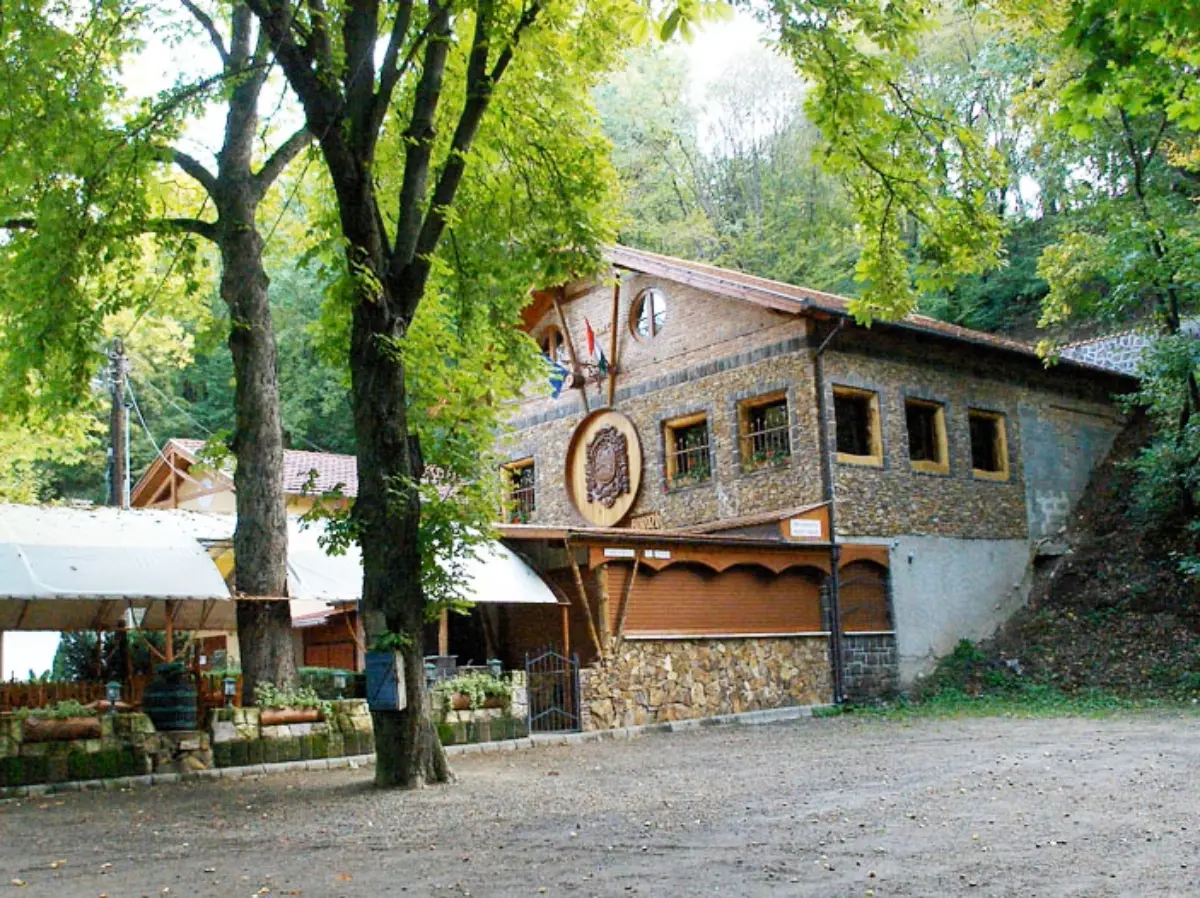
Construction of the local row of cellars began in the 18th century. In the center of the row stood the cellar master’s house, from which the 26 cellars here were guarded.
Several sources refer to an old tax collector from Gyöngyös, Antal Balla, who built his wine house here in 1834 and planted the plane trees that still stand in front of it today. There are still 26 cellars on this lane, where harvest festivals have been held for two centuries and continue to this day. During World War I, the festivities were suspended; however, thousands of Gyöngyös residents found refuge here from the front lines, weathering the weeks of war in the cellars.
The Farkasmályi lane of cellars remains a popular destination for Gyöngyös residents, where the annual “Wine Day Cellar Tour” is held.
Hajós
The wine cellar village of Hajós really does feel like a village: the tent-roofed cellars, which are captivating even in their simplicity, stand in neat rows across this plain of the Southern Great Plain. The Hajós-Baja wine region stands apart from most of the Great Plain wine region because the local vineyards grow not on sand but on clayey, loess soil. In addition to the soil, sunshine plays a decisive role: this is the sunniest wine region in Hungary, making the area ideally suited for producing not only white wine but also red wine.
Here, too, life began anew after the Turkish Wars. On April 10, 1728, Cardinal Imre Csáky formalized in a contract the obligations regarding the tasks of the settling Swabians related to vineyard planting and their resulting rights. It was likely the archbishop’s own wish, therefore, to revive wine production in Hajós.
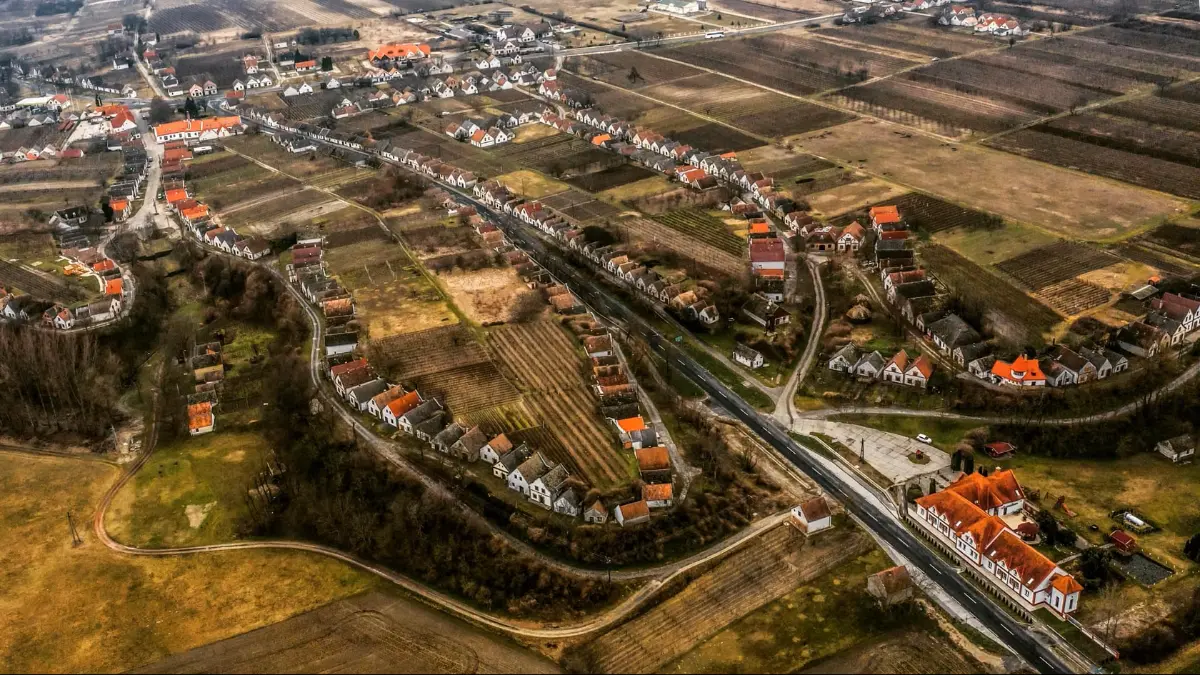
The lane of wine cellars in Hajós stretches along several streets and winds its way through the town: cellars that share a common character yet are each slightly different stand here in vast numbers.
All in all, there are 1,250 cellar buildings on 24 streets in Hajós, which is a national record.
Thus, the old saying may well be true: there are more cellars in Hajós than there are houses. Locals used these small cellars not only for wine but also for storing potatoes, apples, and peppers.
The cellar holes here extend 20–35 meters into the loess, mostly dug by hand, 3–6 meters deep, and generally without brick flooring. One half of the adjoining press houses is used to store winemaking tools – the press, the crusher, and the fermentation tub. The living room, meanwhile, serves as a place of rest for the farmer weary from work. This room is also used to welcome friends and guests.
Györköny
A cellar lane of exceptional beauty stretches along the hillside near Györköny in Tolna County. In this quiet countryside, far from today’s main roads, we find a Swabian village that remains well-preserved to this day and cherishes its traditions, with a row of wine cellars that dates back three centuries.
As the chronicle states: “The first written record of the settlement of Györköny dates back to the 13th century. However, its significant boom can be traced to the 18th century. Under the leadership of landowner János Meszlényi, the settlement – which had been depopulated during the Ottoman rule – began to be repopulated from the beginning of the century. Meszlényi promised the settlers that they could cultivate grapes tax-free for seven years, and that every family could plant its own vineyard and build a house in Györköny.”
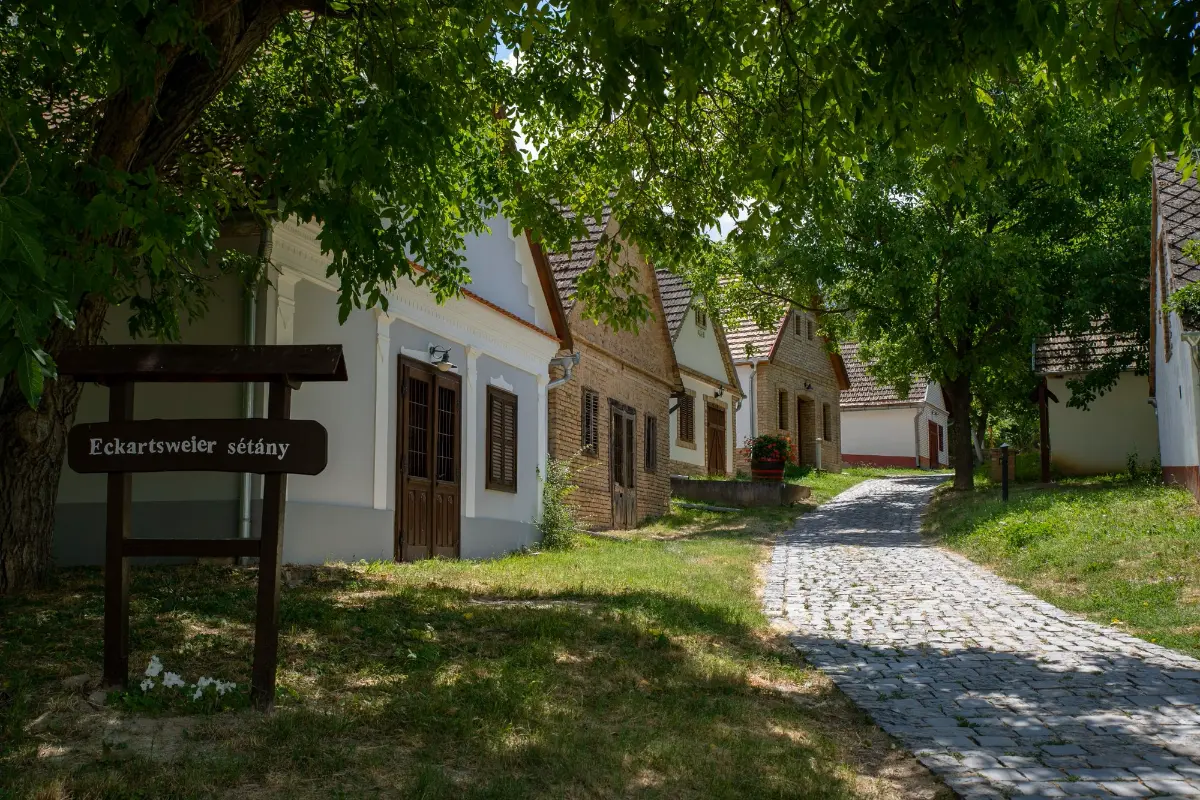
For many, many generations, grapes and wine were one of the local population’s main sources of income, and a strong sense of community developed through the constant work in the vineyards.
Today’s descendants continue to preserve the traditions of their ancestors.
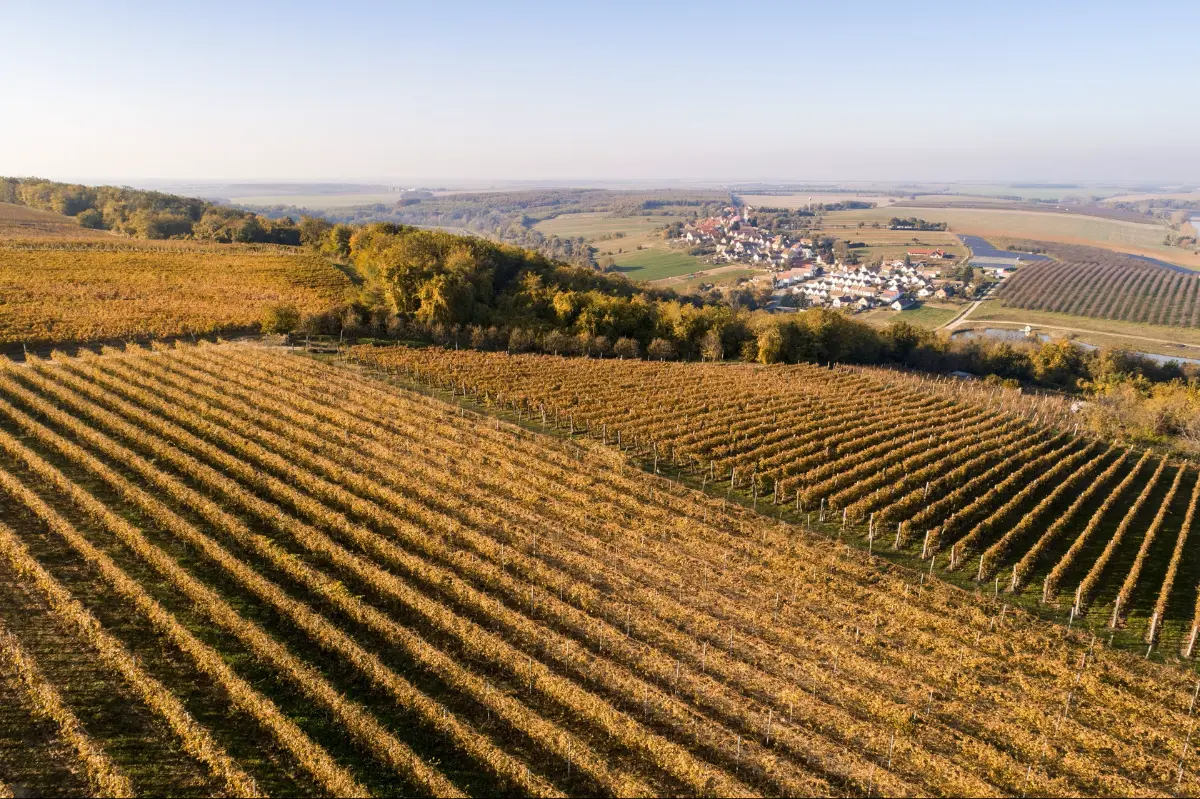
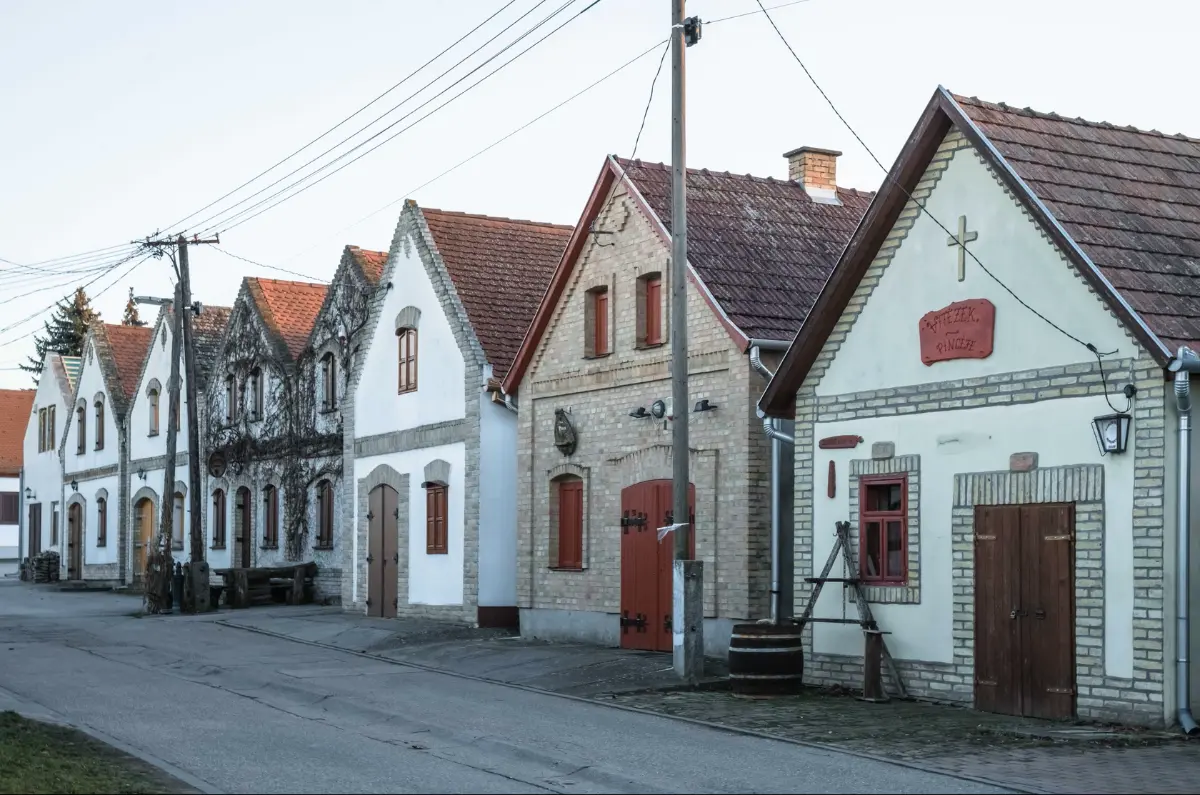
The wine cellar village spans 11 hectares and comprises 300 wine press houses, the oldest of which are more than two centuries old. Hundreds of these wine press houses – some with whitewashed walls, others with brick façades, gabled roofs, and hipped roofs – exude a unified atmosphere on a grassy, tree-lined hillside. Bathed in autumn light and colours, the row of wine cellars in Györköny is truly enchanting; in 1990, the village became the first in Hungary to receive the European Village Renewal Award for its preservation efforts.
Enikő Máté
Architecture is the art form that perhaps has the greatest influence on our thinking and well-being. The goal of Hely.hu is to stimulate architectural discourse through news, engaging articles, and videos. Because architecture is a shared concern and a shared responsibility.