Helyszín címkék:
The Wine of Wedding Nights: Why Somló Juhfark Is So Special
Szabó Sára
What exactly will we be discussing?
- Volcanic heritage in a glass
- Juhfark’s long journey from oblivion to rebirth
- Why was juhfark called the “Wine of Wedding Nights”?
- From Somló to the Balaton Uplands: Where to taste this unique variety
The wine born of basalt
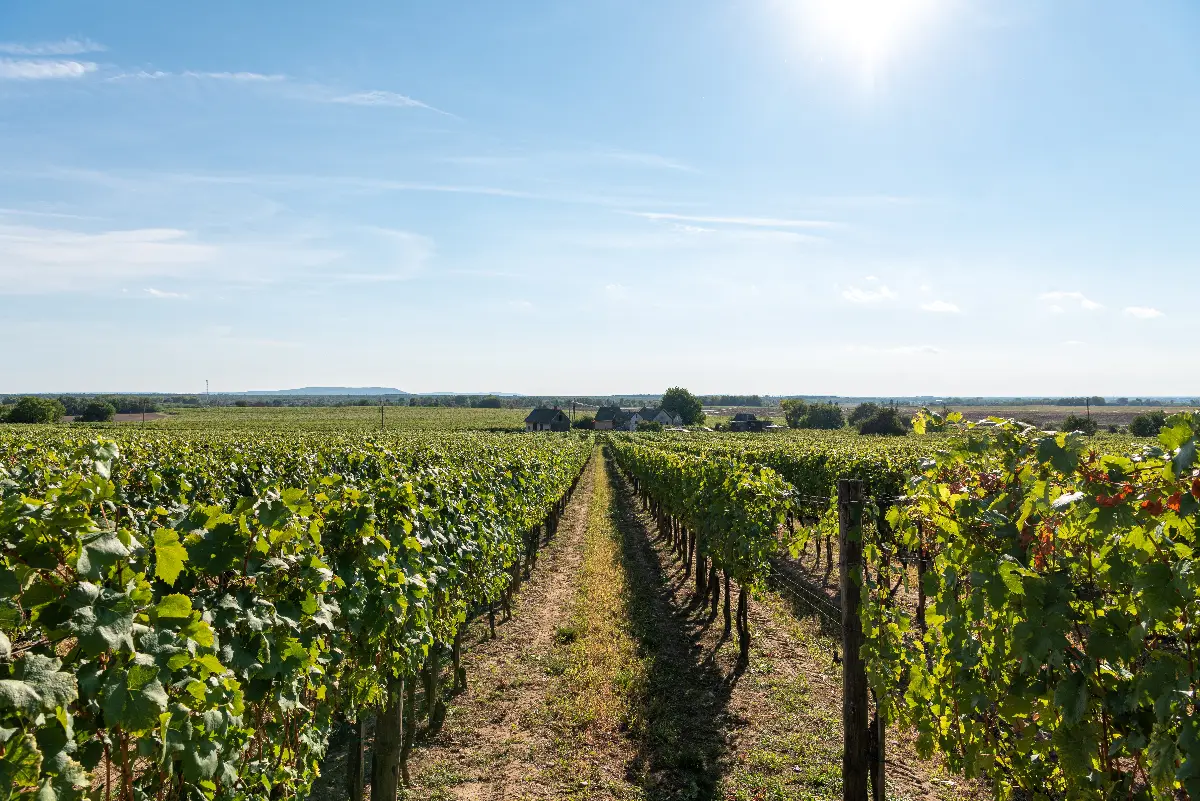
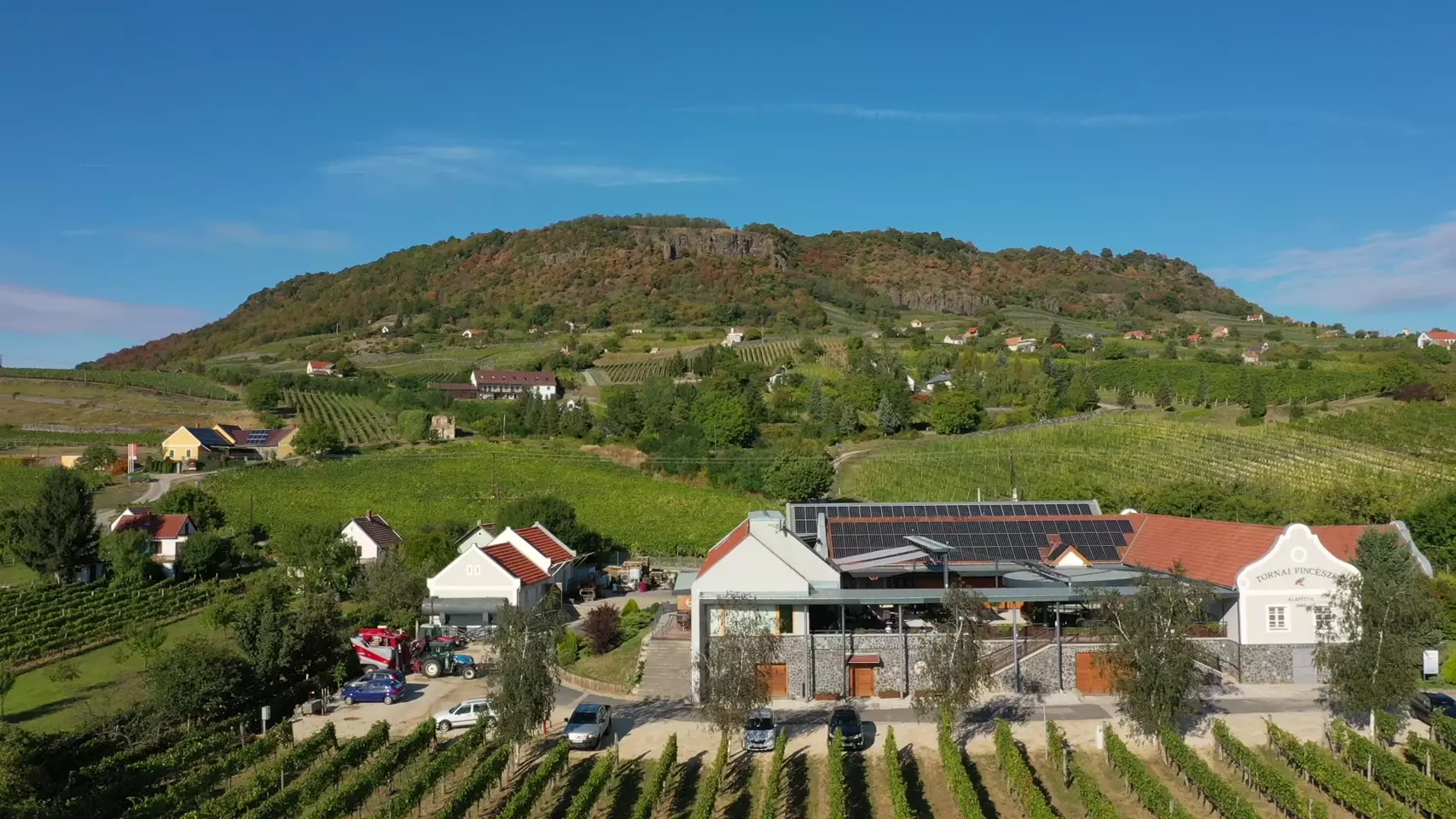
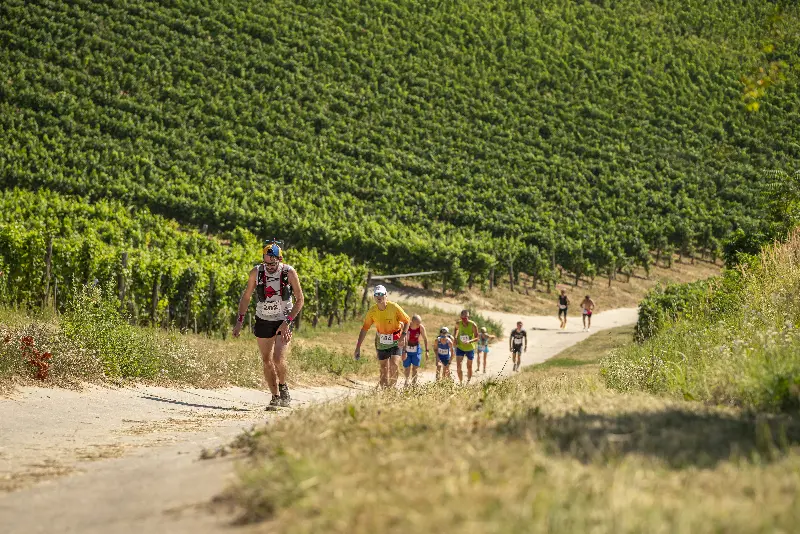
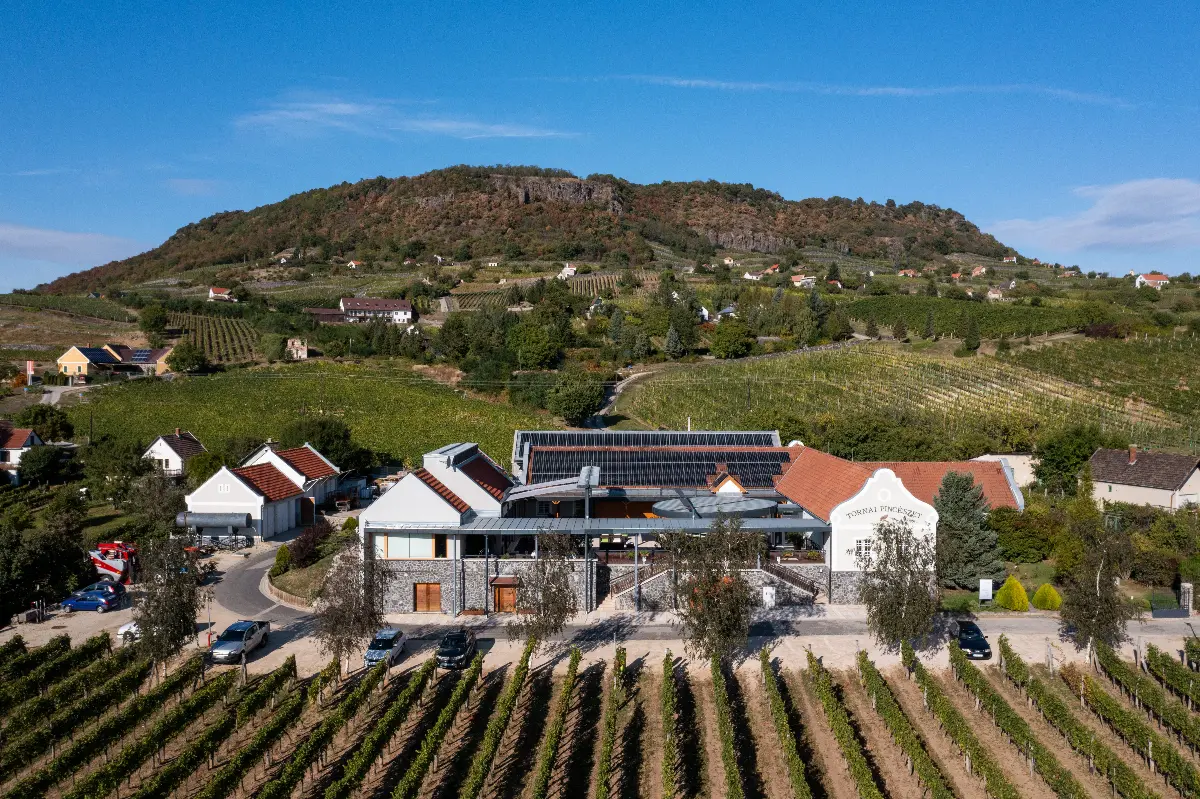
Somló rises 431 meters high as a uniquely shaped isolated peak on the edge of the Marcal Basin. Today’s mountain preserves the memory of volcanic activity that took place millions of years ago: layers of basalt solidified from lava withstood erosion, while the surrounding, softer rocks gradually disappeared. Thus, the mountain – which stands out from its surroundings – has been preserved, with rows of grapevines now running along its slopes.
The volcanic soil is a key element in the character of Somló wines. The basalt bedrock, the mountain’s orientation, and the local natural conditions combine to create a terroir that is particularly well-suited to the Juhfark variety. This is not a variety with a bold, aromatic profile; rather, it captivates with its acidity, delicate fruitiness, and terroir-driven characteristics.
An old Hungarian variety back in the spotlight
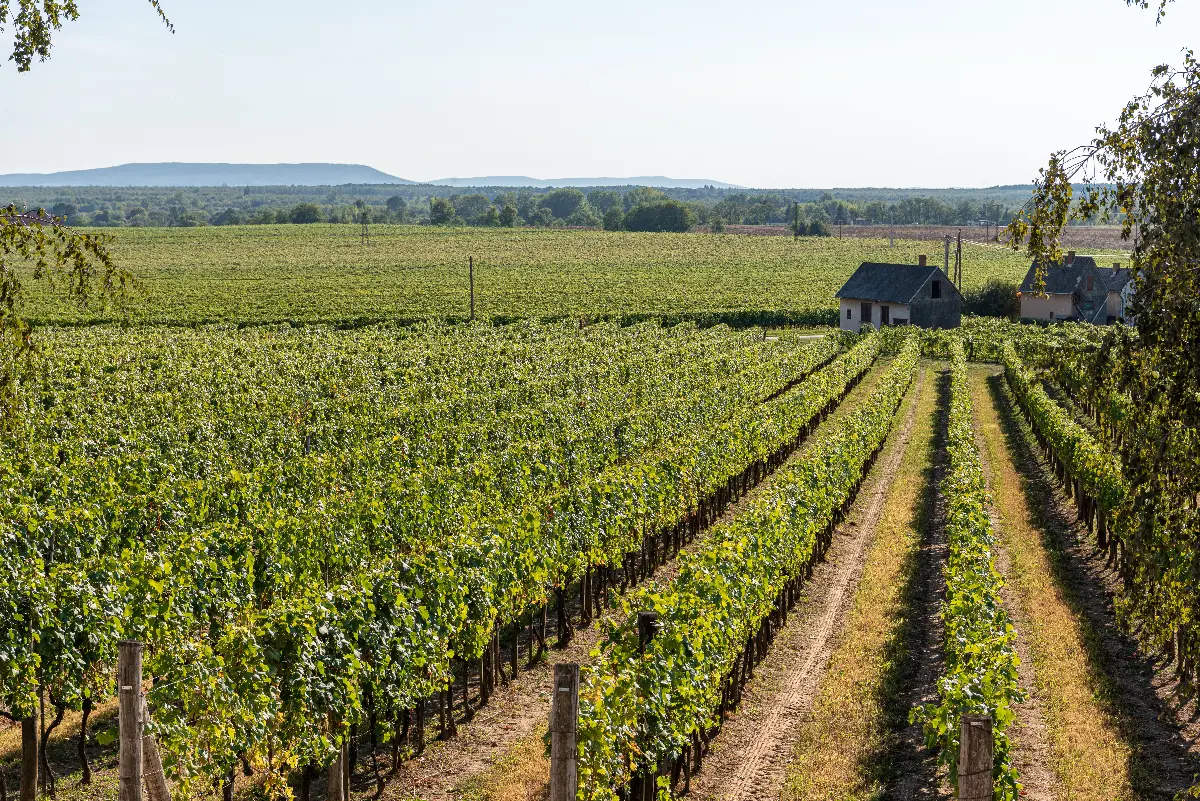
Juhfark gets its name from its characteristic, elongated clusters. It is considered an old Hungarian grape variety that was widespread in several wine regions of the Carpathian Basin before the phylloxera epidemic.
Somló Juhfark appears in written sources as early as the beginning of the 19th century; it is certainly one of Hungary’s oldest grape varieties.
“While it played a significant role in the Neszmély region and the Balaton Uplands as well as on Somló, it originated on Somló Hill and became native there. Endre Tornai began consciously rebuilding the variety’s role in the late 1980s and working to revive it. He recognized that although Juhfark is not a high-yielding variety, it is nevertheless the one best able to express the Somló terroir and its volcanic character. Today, there are a total of approximately 70–80 hectares of Juhfark vineyards in Hungary, and with its 10-hectare vineyard, the Tornai Winery is currently the largest producer of Juhfark.” – says Júlia Naszer, the great-granddaughter of Endre Tornai.
Unfortunately, the phylloxera epidemic decimated the vineyards, and during the socialist era, Juhfark was completely sidelined for a long time. In the early 1990s, however, it was once again approved as an authorized grape variety, and since then it has gradually returned to the map of Hungarian wine culture.
One interesting characteristic of Juhfark is that it does not seek to dominate at all costs. In its aroma and flavour, intense fruitiness typically does not take center stage, allowing the influence of the terroir to come through more prominently. In the Somló versions, therefore, it is worth observing how the variety’s more restrained character interacts with the characteristics of the volcanic terroir.
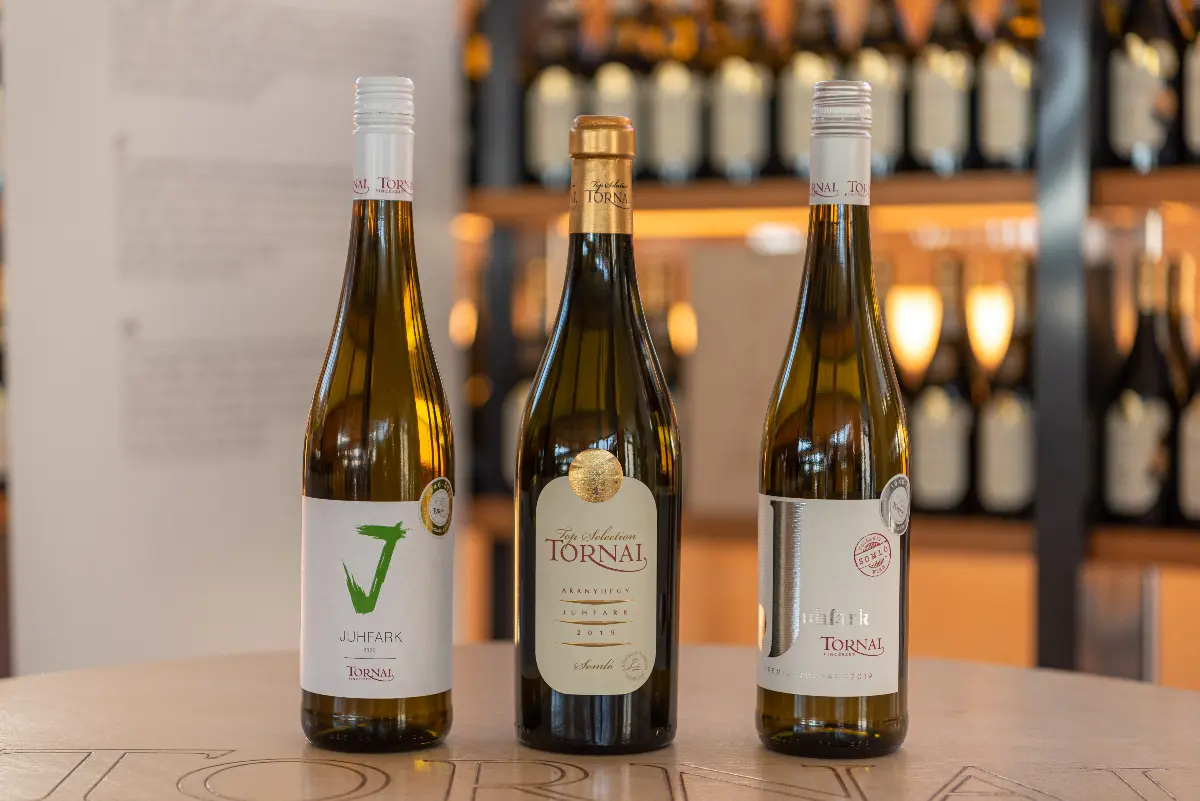
Today, it is primarily encountered as a single-varietal wine, though it was previously used as a component in blends. A well-crafted Juhfark can be elegant, crisp, and full of character all at once, while retaining the distinctive individuality that gives it a special place even among Hungary’s rare grape varieties.
From legend to glass
The wedding-night legend associated with the history of Juhfark has undoubtedly contributed at least as much to the variety’s popularity as the wine itself. According to an old belief, drinking Somló wine increases the chances of having a son. Although there is, of course, no scientific evidence for this, the superstition has now become an integral part of the cultural history of Somló Juhfark.
Where can you taste Juhfark?
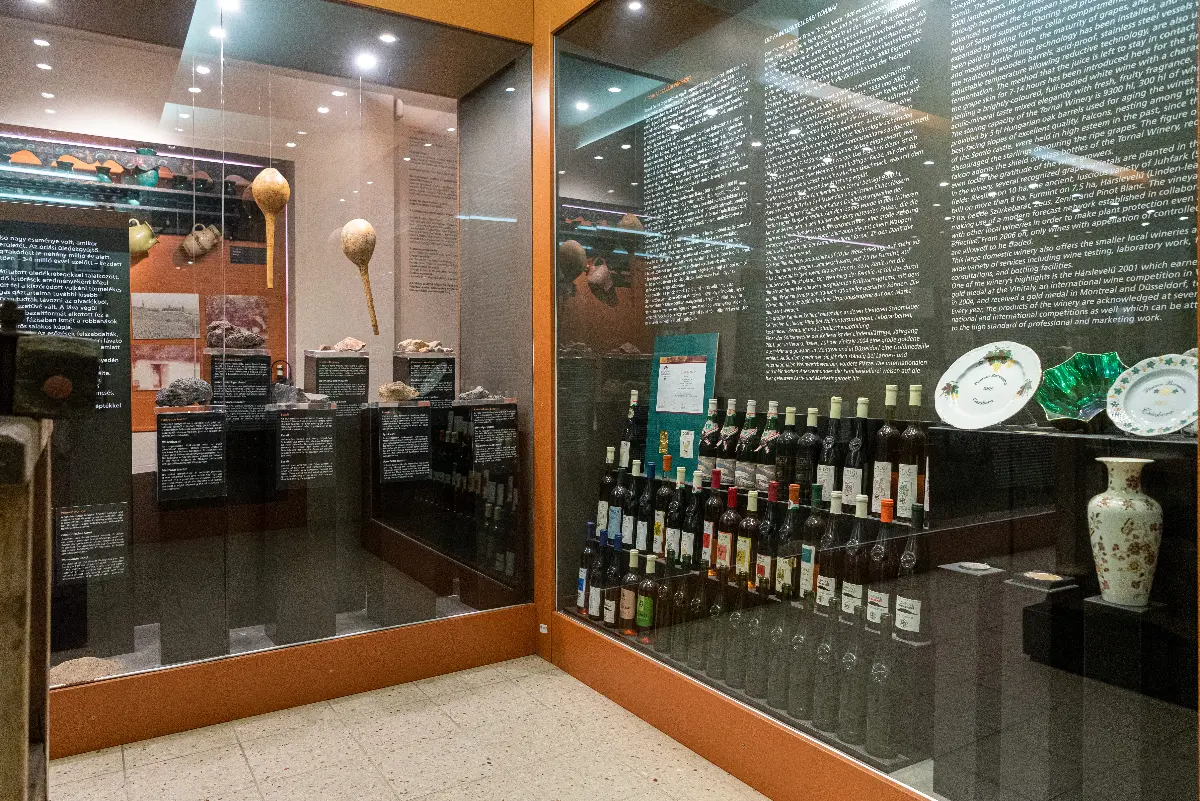
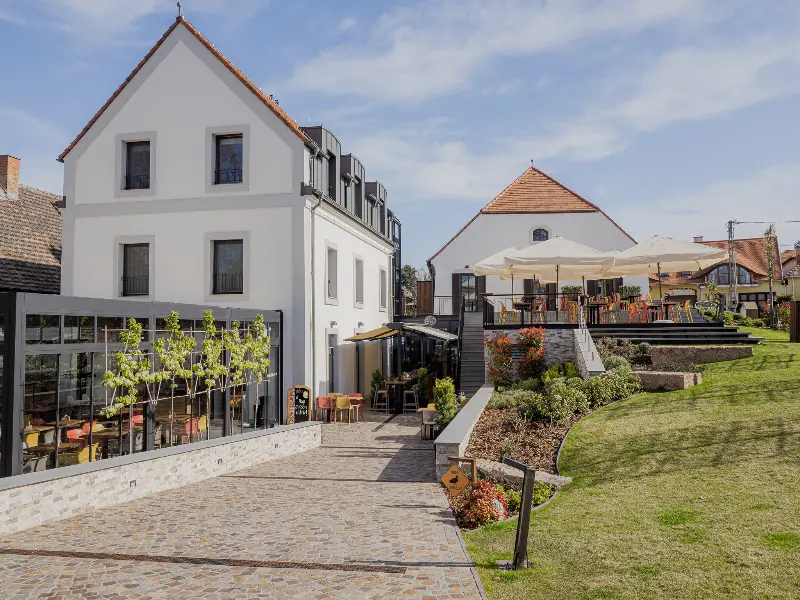
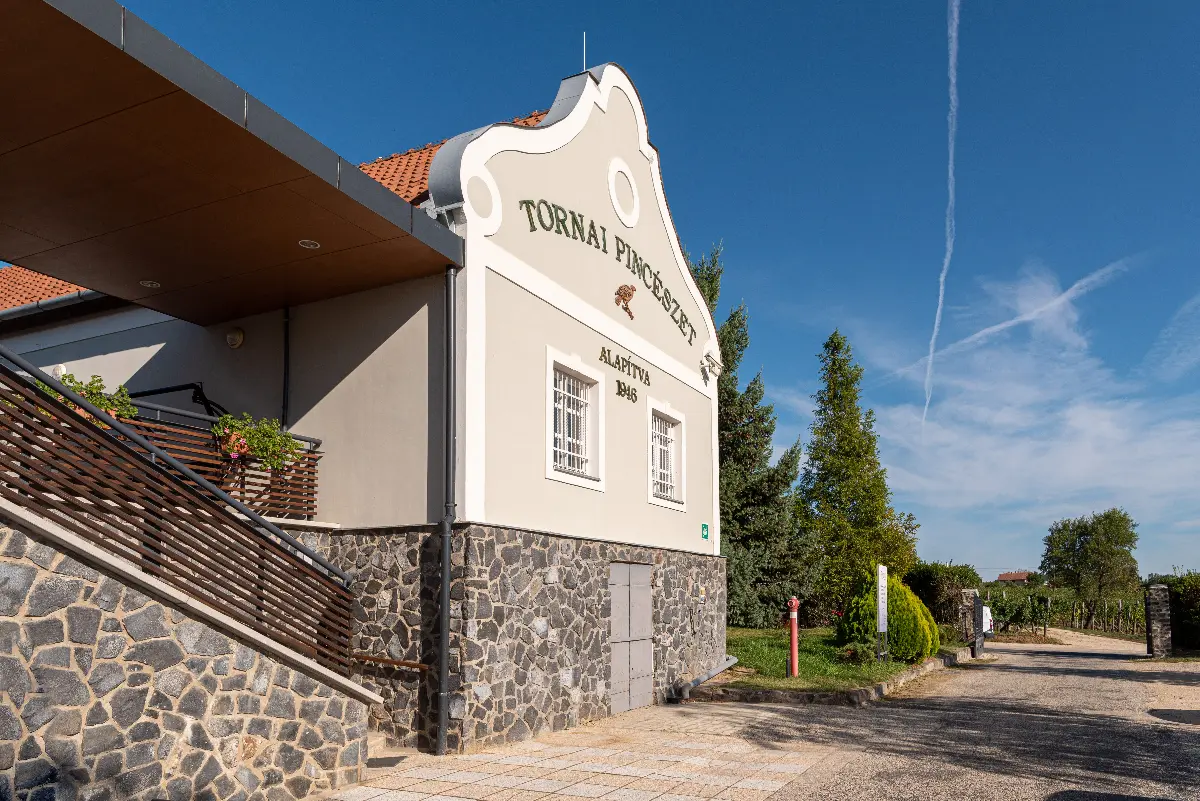
Actually, all over Somló Hill! You can taste excellent vintages, for example, at the oldest family-owned winery on Somló Hill, the Tornai Winery. Those interested can participate in wine tastings accompanied by wine snacks, wine dinners, as well as cellar and vineyard tours. The estate also features a restaurant that serves as an event venue, a huge wine terrace, a guesthouse, and a private wine museum.
One of Somló’s leading wineries, the Kreinbacher Estate Winery, is a great starting point for exploring Somló wines and the Juhfark variety. Juhfark is part of the winery’s current lineup, and guests are welcomed with guided estate tours and wine tastings. Juhfark is also available at the Laposa Estate, but the Szabó és Fia Winery and Inn in Balatoncsicsó is also worth a visit, especially since Juhfark is one of the winery’s flagship wines. The family-owned estate has its own Juhfark vineyard, and in addition to wine tasting, visitors can experience the atmosphere of the Nivegy Valley wine region.