Helyszín címkék:
Images from the past: the legend of the Lillafüred Palace
Szabó Sára
What exactly will be discussed?
- The design and construction of the palace hotel
- Amazing interest in the opening of the palace hotel
- Celebrities, film shoots: the heyday of the hotel
- The Second World War and its consequences
- The palace hotel today
The building for which mountains were moved
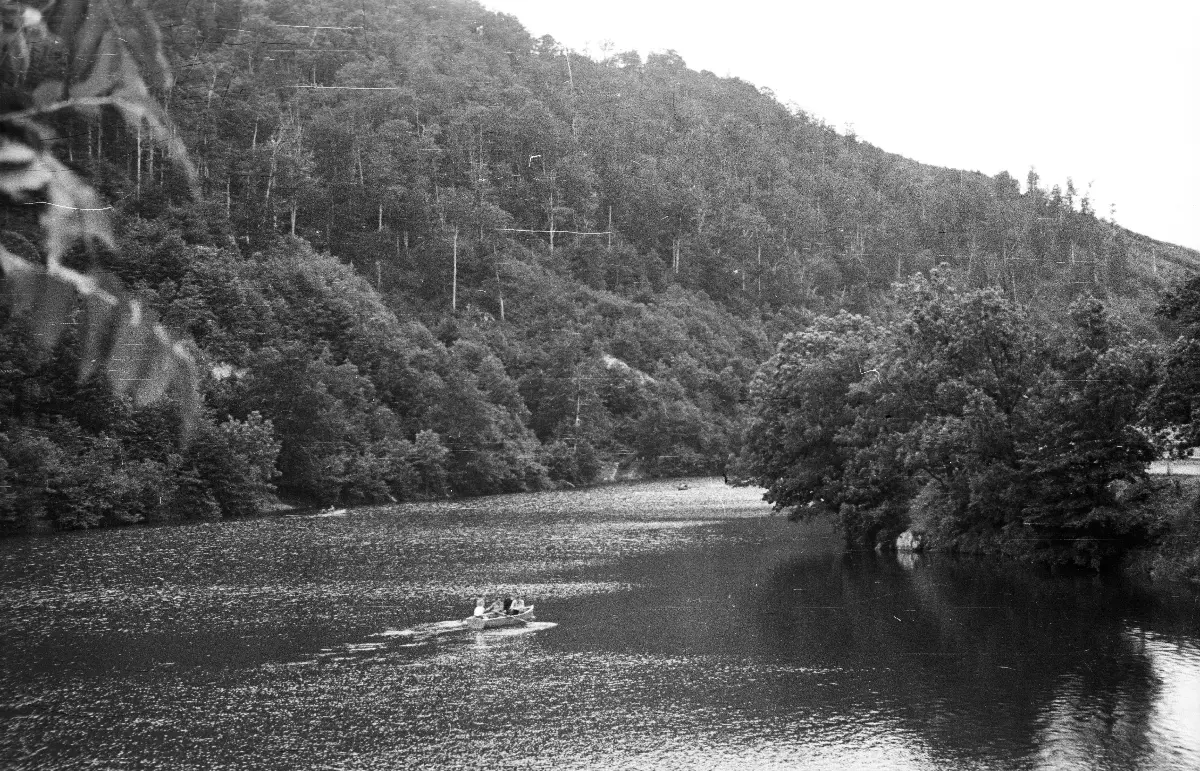
According to anecdotes, at the end of the 19th century, Count András Bethlen, Minister of Agriculture, noticed a special location in the Bükk Mountains during a hunting trip, which he named Lillafüred in honor of Lilla Vay. The conscious development of tourism in the area can be linked to Prime Minister István Bethlen: his goal was to create a representative government resort where diplomatic and social events could also serve to foster international relations.
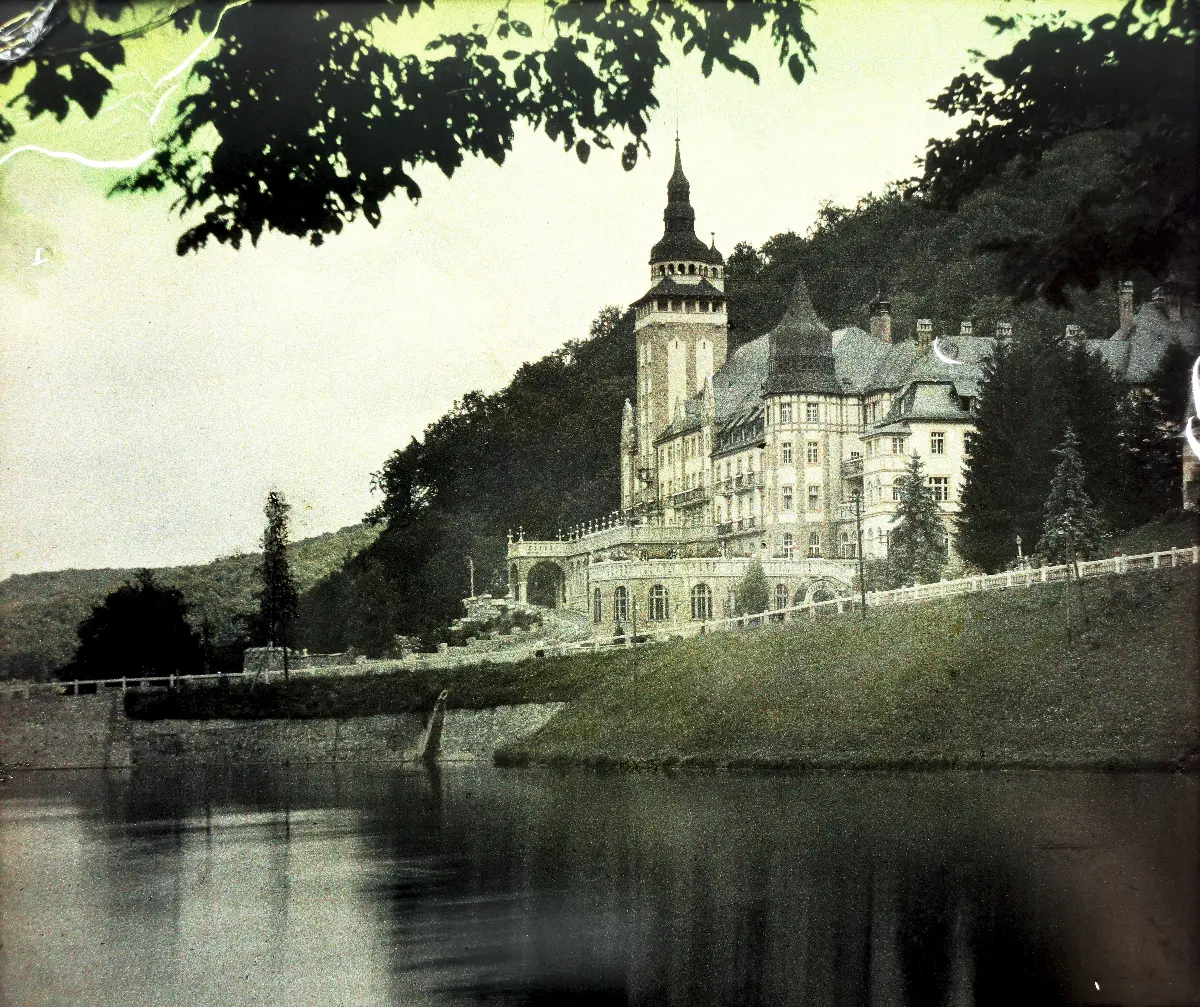
Source of the photo: Fortepan
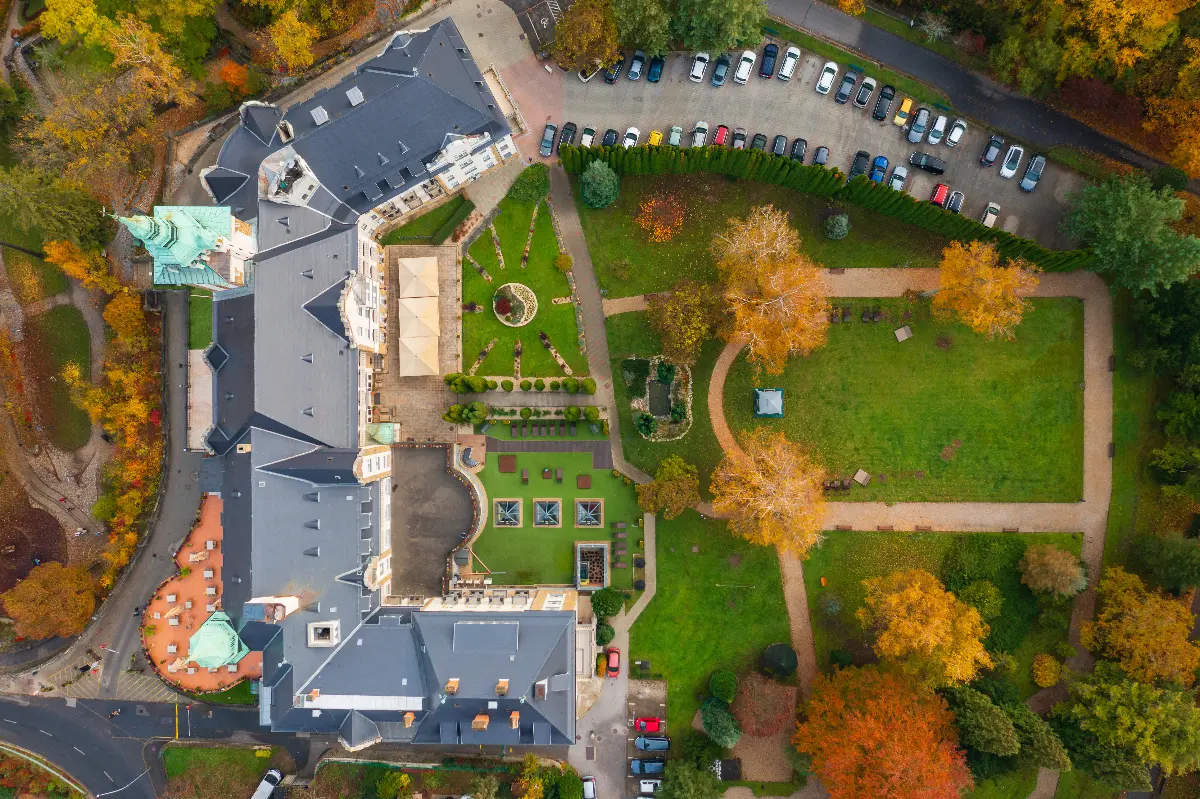
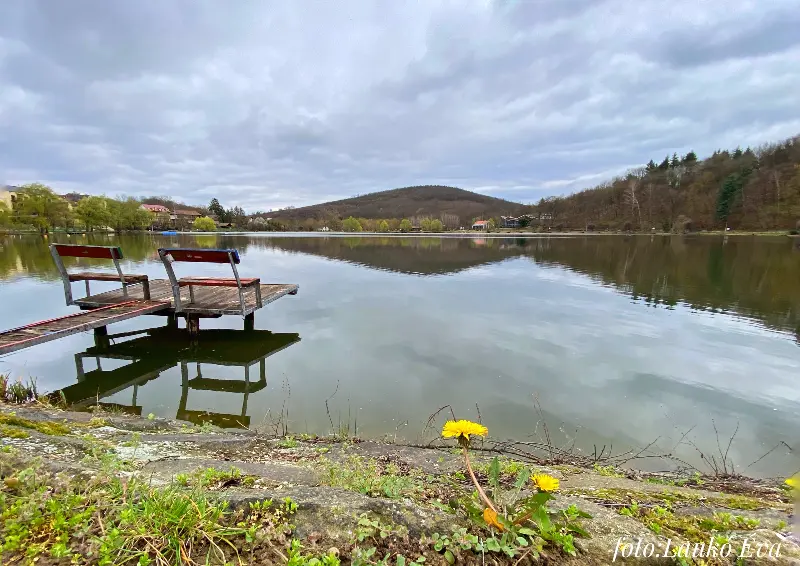
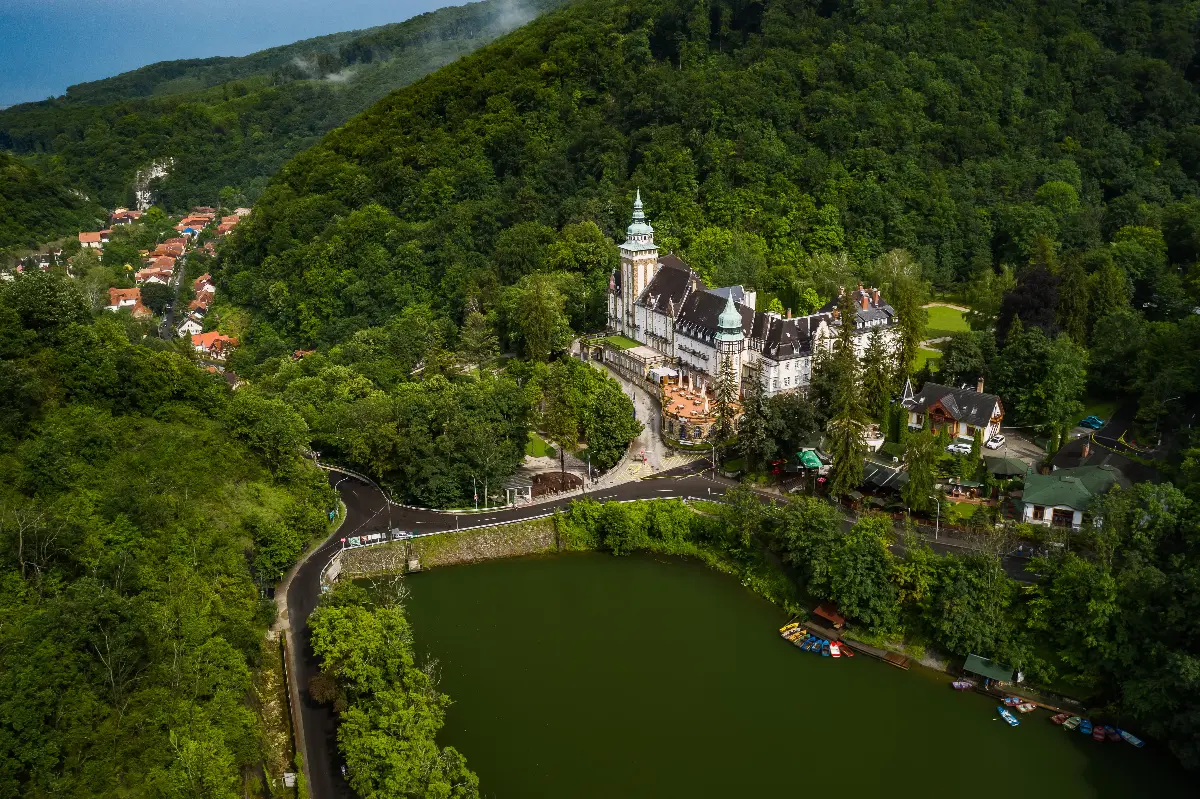
The monumental palace hotel was designed by renowned architect Kálmán Lux, who envisioned a neo-Renaissance building reminiscent of a castle from the time of Matthias Corvinus, with a “modest” 46-meter tower on top, on the hills of Bükk. According to the original plans, the building would have been located directly on the shore of Lake Hámori, right where the summer residence of Pál Weidlich, a merchant from Miskolc, stood.
However, Weidlich was a notoriously stubborn man, and he lobbied until the plans were modified and the hotel was built a hundred meters away. The new location required significant earthworks: workers had to remove nearly four thousand cubic meters of earth and blasted rock, as well as an entire mountain.
Unprecedented crowds at the hotel’s inauguration ceremony
The hotel was completed in 1929, but its inauguration did not take place until 1930. Following a press tour, the palace opened to the general public on 8 June, Pentecost Sunday. Interested visitors arrived in Miskolc and the surrounding settlements not only from the region but from all over the country, and there were even Americans, English, Czechs, French, and Turks among the guests. Although the team at the Lillafüred Palota (Palace) Hotel was prepared for the rush, by Sunday evening almost everything was sold out, down to the last bite.
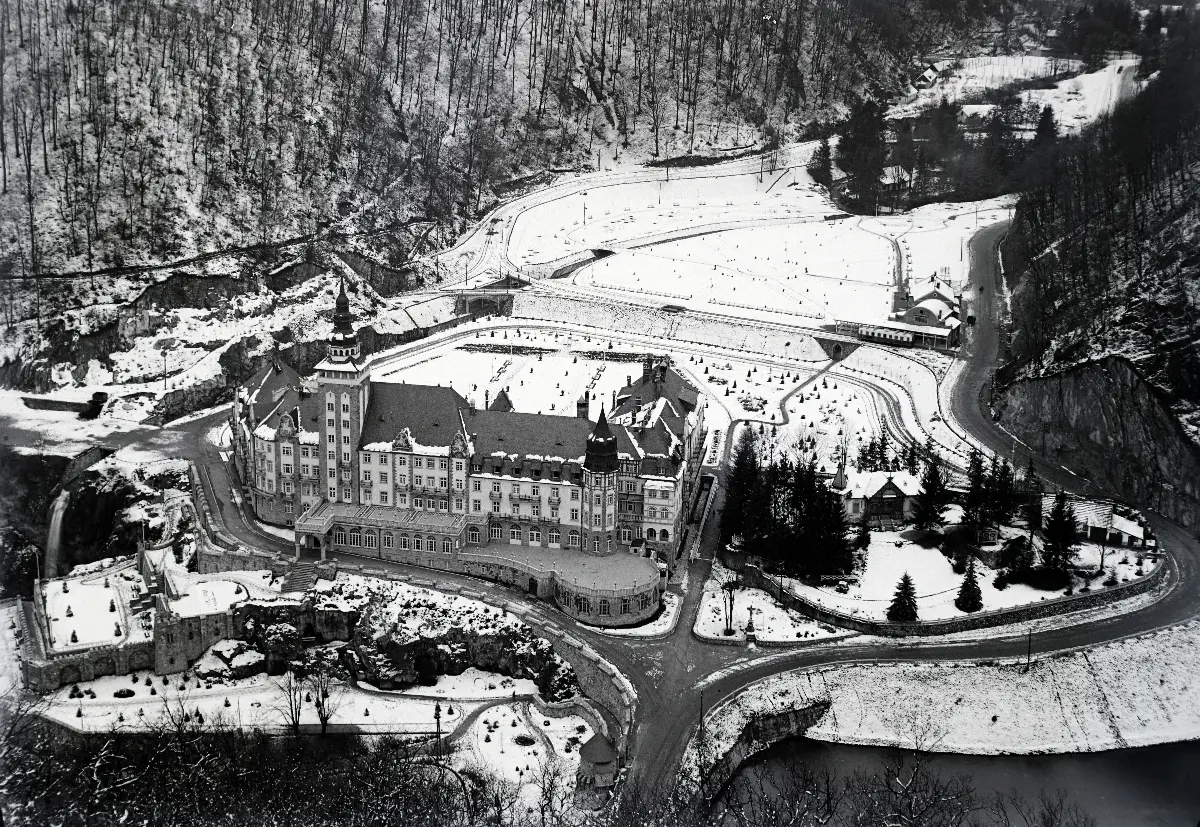
Following the successful opening ceremony, the building became a favourite residence of the social and political elite of the time and often hosted conferences and events.
The landscape of Lillafüred also inspired Attila József, who was attending a writers’ congress: it was here that he wrote one of his most famous love poems, Óda (Ode). The Palotaszálló is also known as one of the locations for the film Meseautó (‘The Dream Car’), which is still popular today.
The Hungarian sound film, shot in 1934, featured the most prominent actors of the era. Interestingly, the renowned artists enjoyed themselves so much in this wonderful environment that the shooting had to be extended for their sake. Béla Gaál’s romantic comedy became a favourite of the audience; cinemas were packed during screenings, in which the Palace Hotel also played a major role.
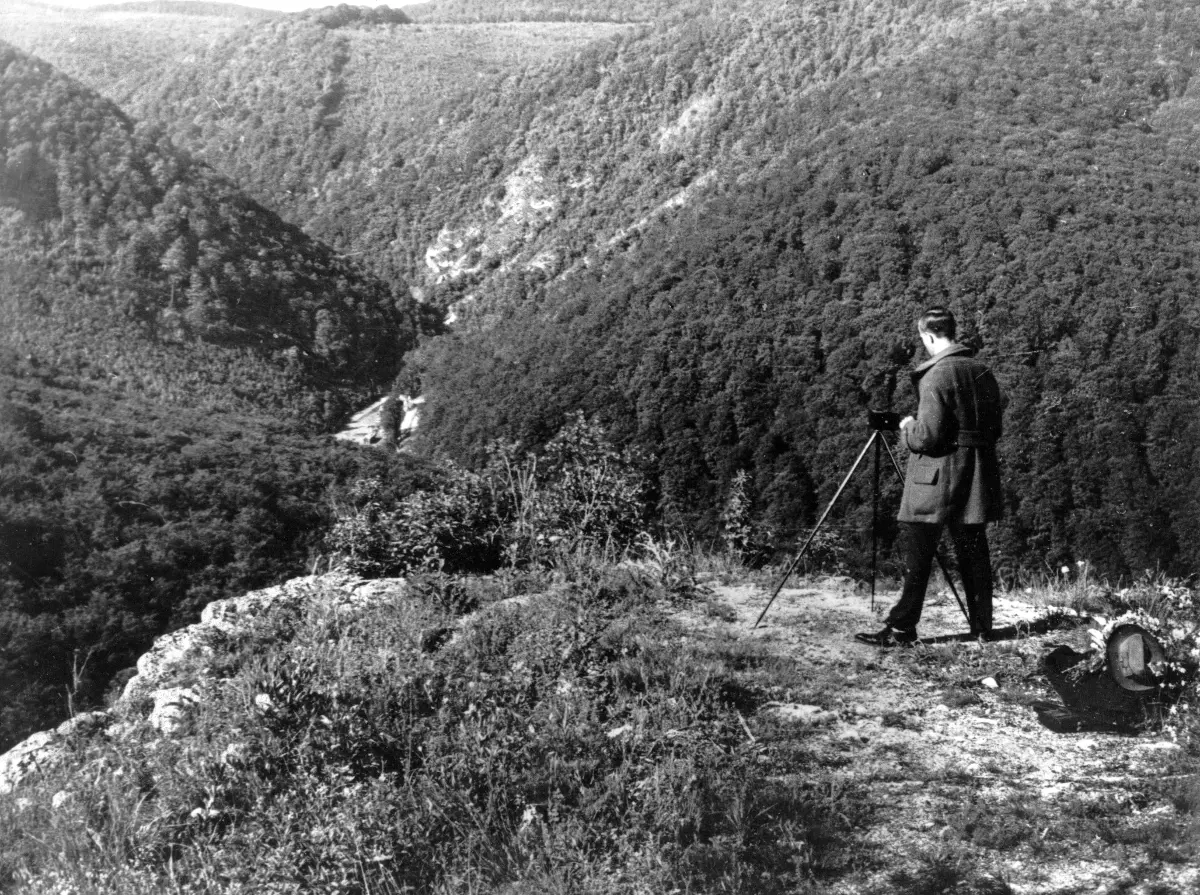
Source of the photo: Fortepan
The period of the Second World War and its consequences
Unfortunately, the Palace Hotel was not spared during the Second World War either. The building was converted into a military hospital where wounded Soviet soldiers were treated. Initially, it was mainly used to care for amputees, but later it functioned as a military sanatorium for lung patients. Although the building was not significantly damaged, its use as a hospital caused irreparable damage to the original furnishings and interior design.
After the war, the right to operate the facility was first transferred to the Bükki Gyógyfürdők (Bükk Thermal Baths), then to the National Council of Trade Unions. In 1946, it was still operating as a sanatorium, but the exact date of its closure is unknown. After that, it operated as a SZOT (trade union holiday) resort for about four decades. After the change of regime, the building was renovated and modernized in keeping with its original spirit, and its services were significantly expanded. In 2015, the Lillafüred Palace Hotel became a national treasure of the Hungarian Heritage Collection.
Did you know? Hungary’s highest waterfall is located in Lillafüred: it plunges from a height of about twenty meters. It was created artificially when the Lillafüred Palace Hotel was built. Its water comes from the Szinva stream; during drier periods, the necessary supply is provided from Lake Hámori. Nearby stands a statue of Attila József, and Anna Cave is also located here, from where you can access the hanging gardens of Lillafüred.
Luxury among period furnishings
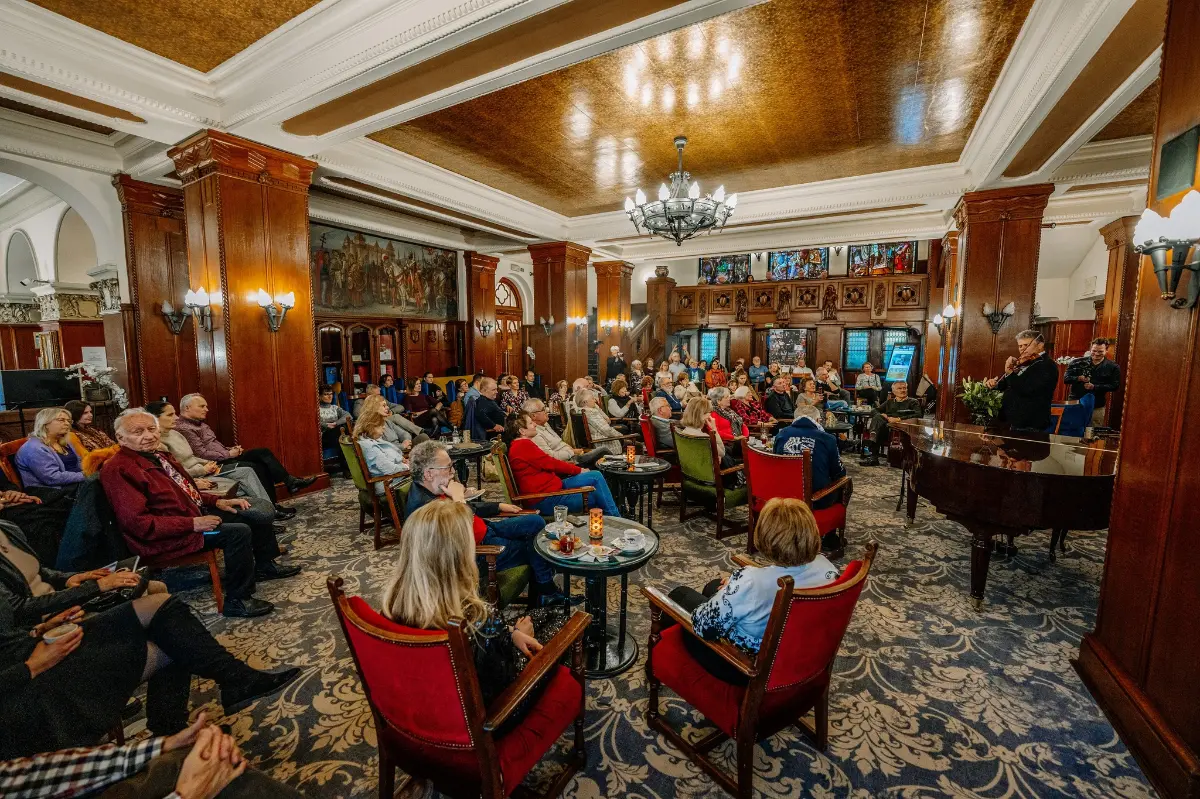
For nearly 100 years, the elite of various eras have been coming to the Lillafüred Palace Hotel to relax and recharge. Preserving historical heritage remains a priority to this day: there is an exhibition space in the tower, and visitors can take part in guided tours of the building’s history and a tour of the building supplemented with QR codes and archive recordings.
When it first opened, the Palace Hotel hosted a lively program of cultural, sporting, and musical events, and in keeping with this tradition, there is still a wide range of programs on offer for interested visitors and guests staying at the hotel. Wine and champagne tastings, literary and chamber theatre evenings, classical music festivals, themed dinners, and nature-oriented programs also add variety to the offerings.
The role of local cooperation is also emphasized in the operation: local musicians and professional partners, artisanal ingredients, cheeses and pastas from local producers, and wines from regional wineries are featured in the offer.