Helyszín címkék:
In Search of Istrian Truffles
Szabó Sára
What will the article cover?
- The uniqueness and history of the Istrian truffle
- The appearance of the Istrian truffle in Hungary
- The possibilities and challenges of cultivating Tuber magnatum
- The future of truffle cultivation in Hungary
- Truffle-related gastronomic experiences and locations in Hungary
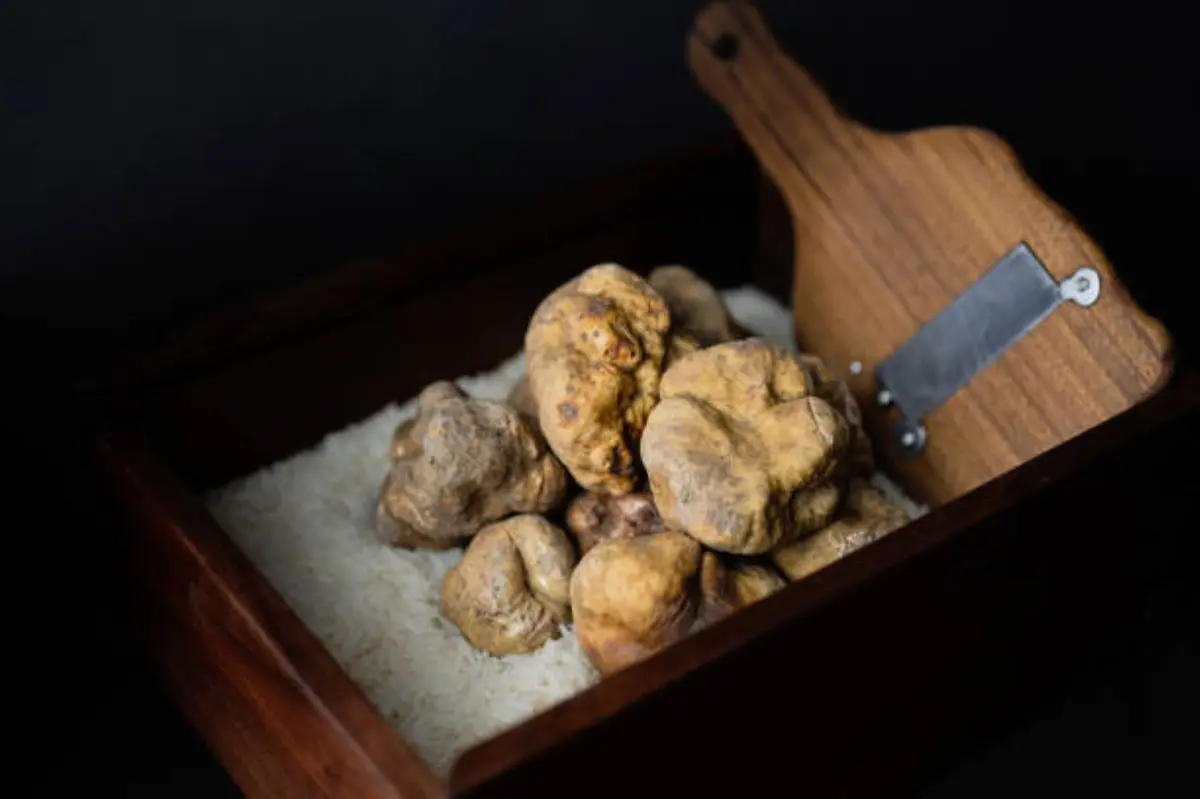
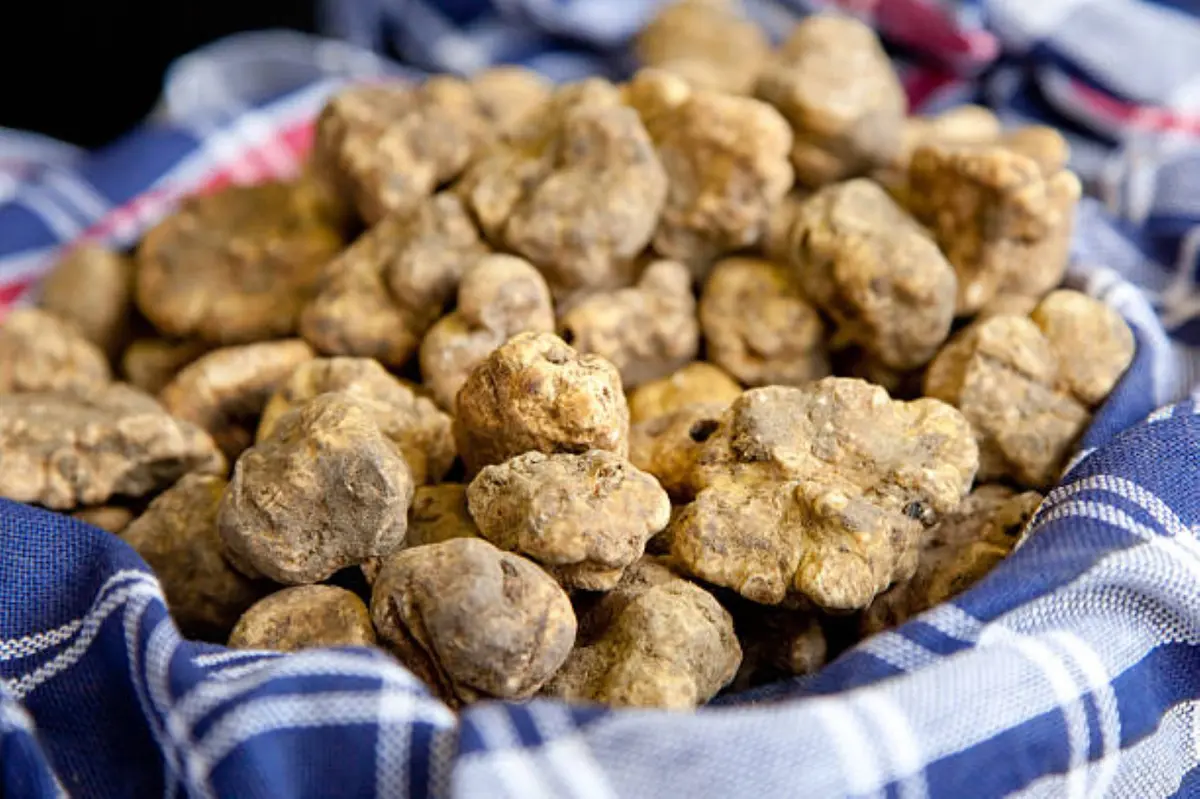
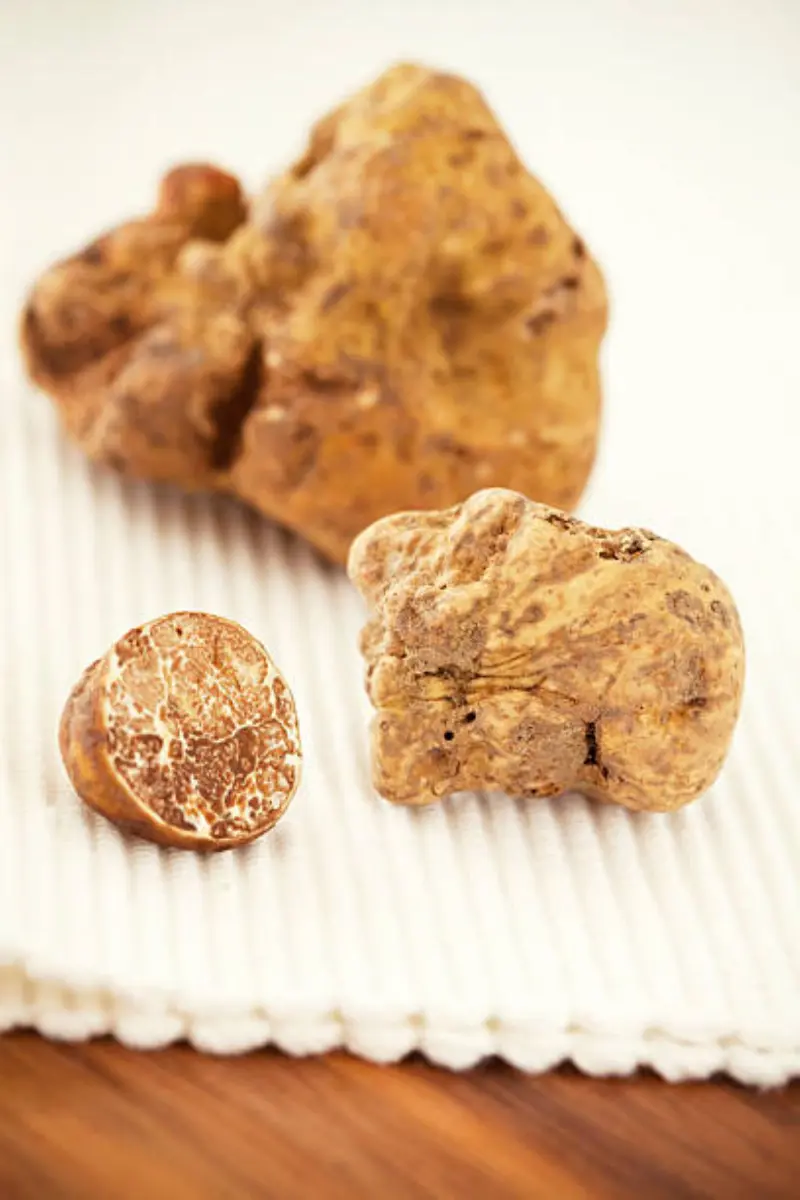
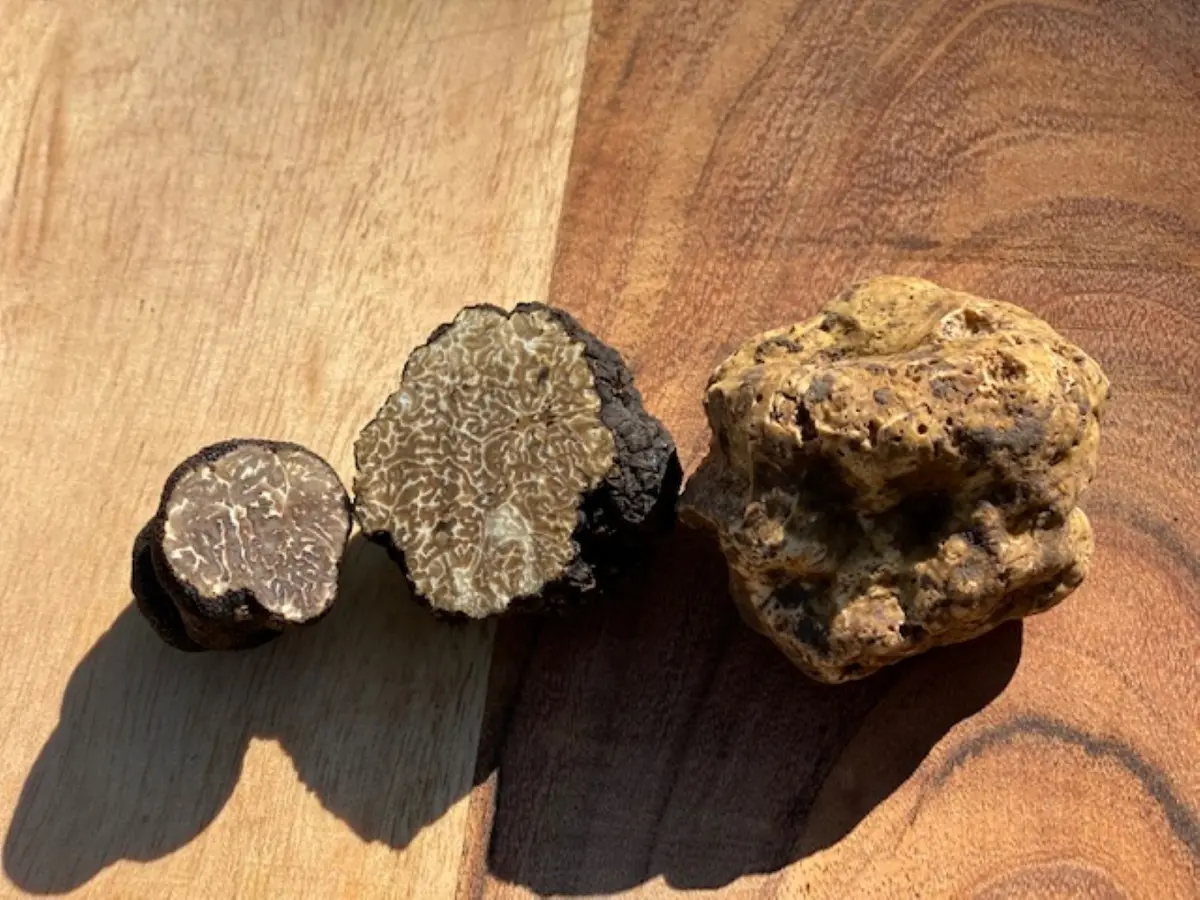
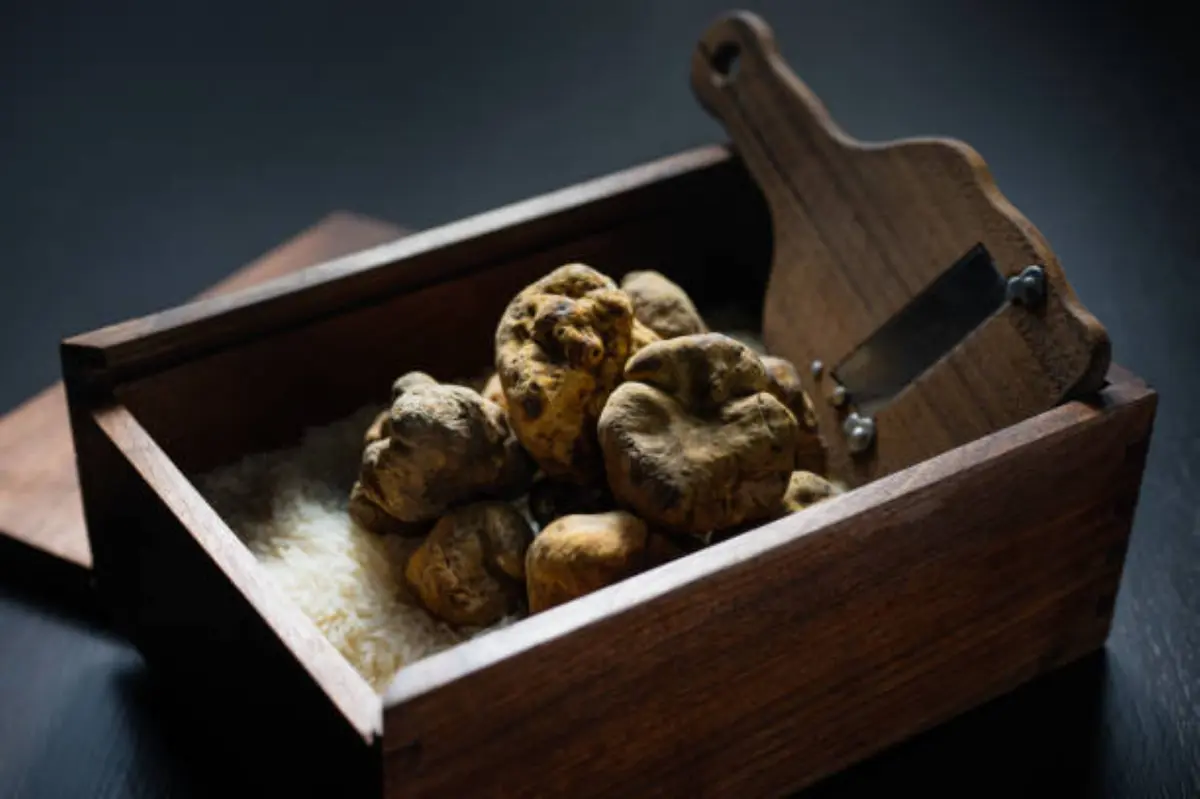
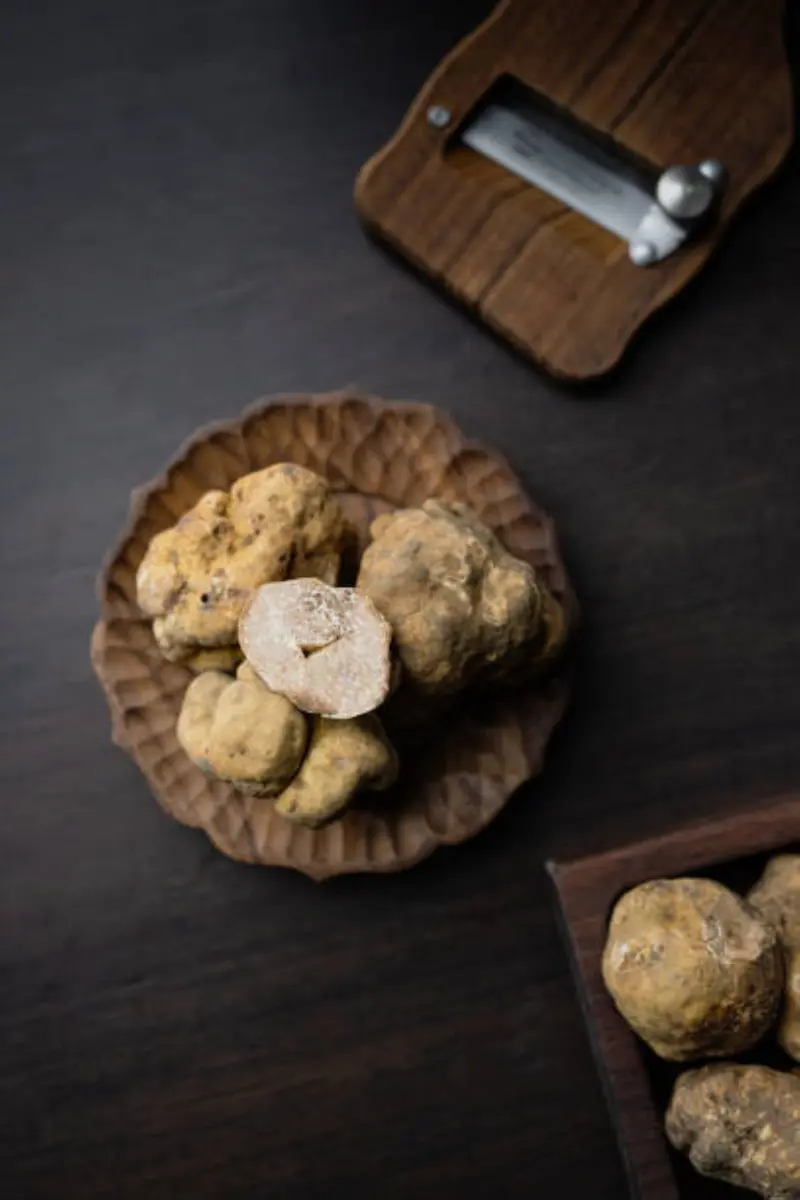
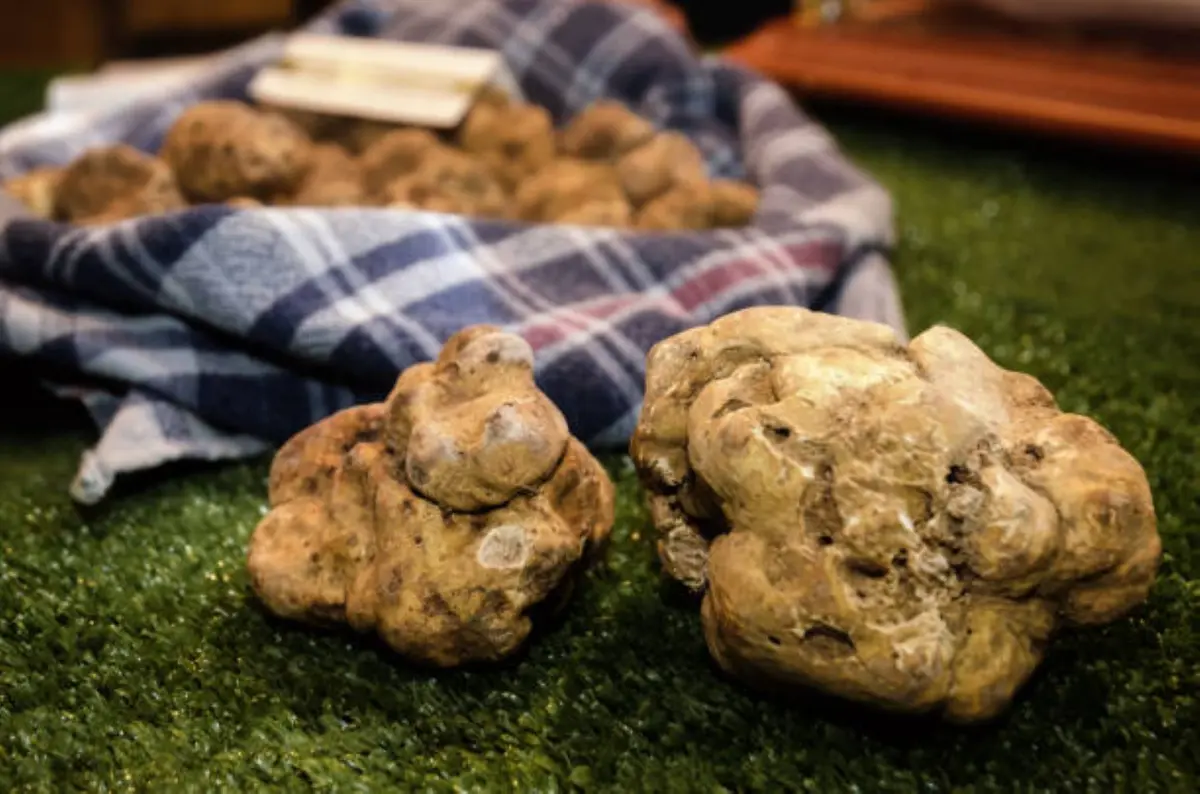
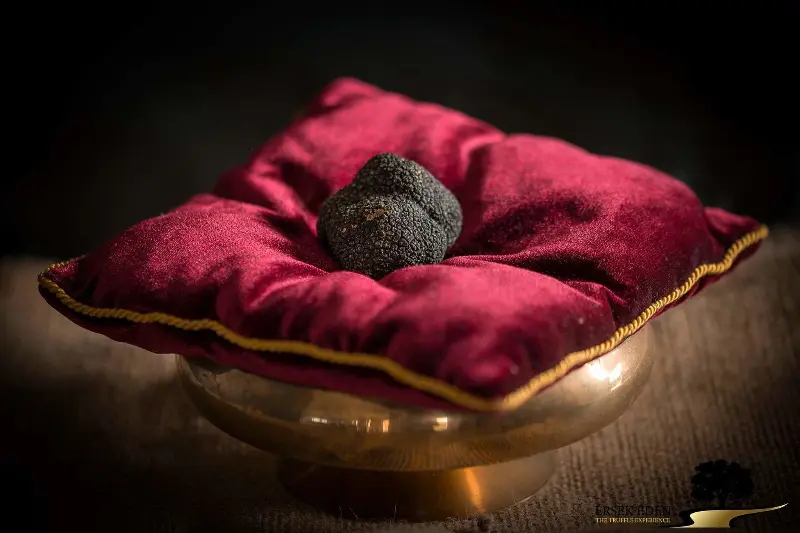
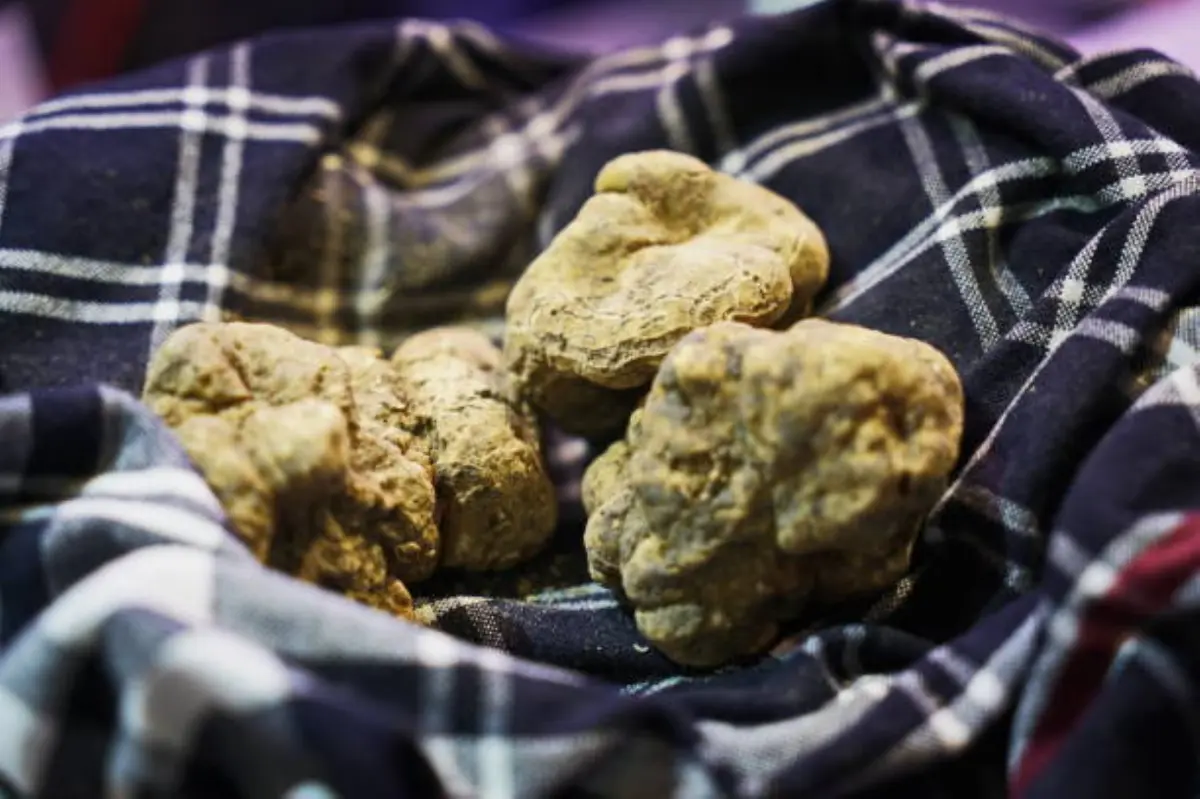
Tuber magnatum, or the Istrian truffle, was already considered a culinary rarity in Italy as early as the 1700s. With its unique, intense, and incomparable aroma, it had already captivated the palates of gourmet Italian rulers back then. Other nations didn’t stand a chance, as it occurs naturally primarily on the Istrian Peninsula and in Piedmont, northern Italy. It can be found sporadically elsewhere, mainly in floodplain forests with calcareous soil, but it takes an extraordinary amount of luck and perseverance to stumble upon a single site. The Istrian truffle is a true rarity, with demand far exceeding supply. Because of its high price, it is called “the gold of the earth,” and, with poetic exaggeration, even a mushroom worth its weight in gold.
The price of Tuber magnatum ranges from 3,000 to 5,000 euros per kilogram, but specimens weighing half a kilogram and worth millions have already been found in Baranya County.
Just as the cicada, the harlequin ladybug, and the Asian tiger mosquito have appeared in our country, so too has the Istrian truffle found its way here.
Already before World War II, Hungary was one of Europe’s leading truffle exporters, and over the past twenty years, we have begun to rediscover our potential in this area. It is clear that the Hungarian climate is favourable for various truffle species, and a few decades ago, the Istrian truffle also made its appearance here. The first specimens popped up in the late 1990s in the Mediterranean and southern regions of our country. Since then, several kilograms have found their way into collectors’ baskets every year. But where exactly? Well, that’s a secret! It’s said that obsessed mushroom hunters won’t even reveal their closely guarded hunting grounds to their own mothers.
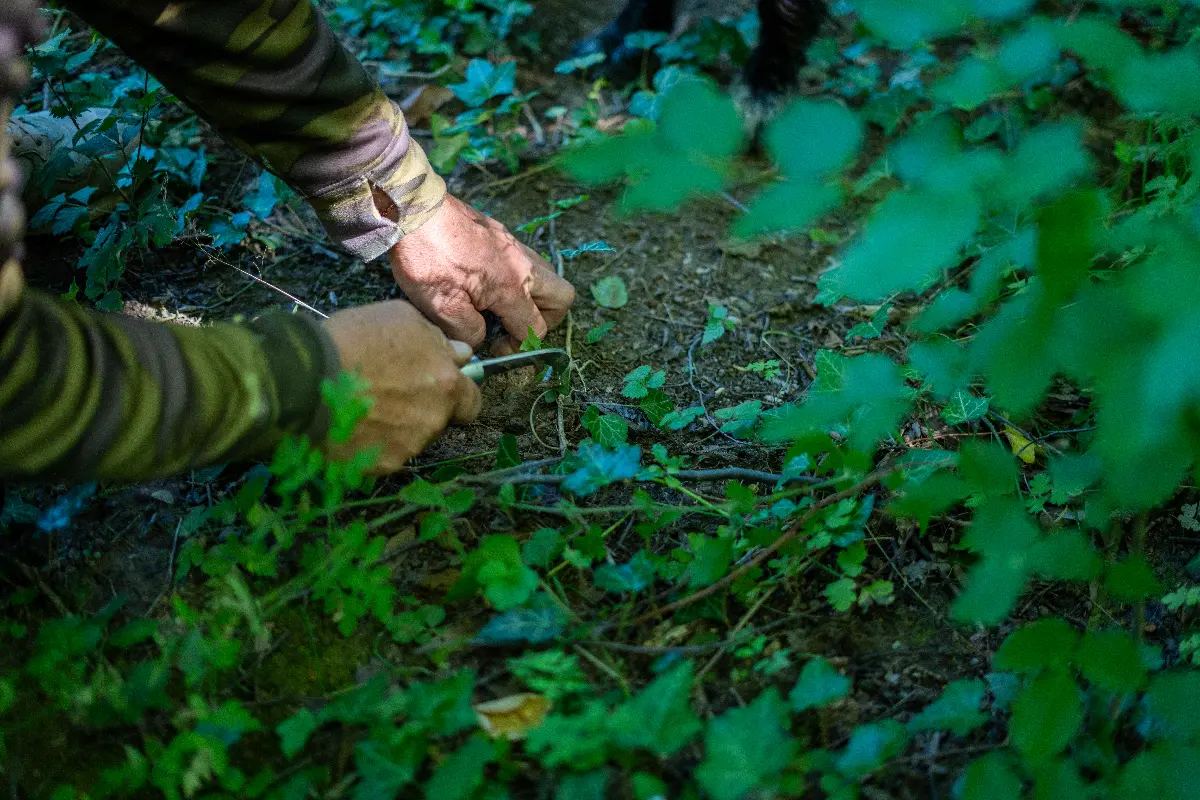
The breakthrough of recent years has been the recognition that Tuber magnatum can also be cultivated
Unlike mushrooms with caps, truffles seek out a living organism – that is, a host plant – with which they can live in symbiosis. This is known as a mycorrhizal relationship: the fungal hyphae form a network within the tree’s root system, allowing the two organisms to mutually aid each other in obtaining nutrients. The French – somewhat envious of the Italians’ dominance in trifle – have long been experimenting with the establishment of artificially mycorrhizal plantations, which involves the artificial creation of this symbiosis. In 2020, it was considered a world first when Tuber magnatum began bearing fruit in such a plantation. This proved what had previously been mere speculation: the Istrian truffle can indeed be cultivated.
It seems likely that the Italians have long been aware of this, but they treat virtually every behind-the-scenes detail regarding the Istrian truffle as a national secret.
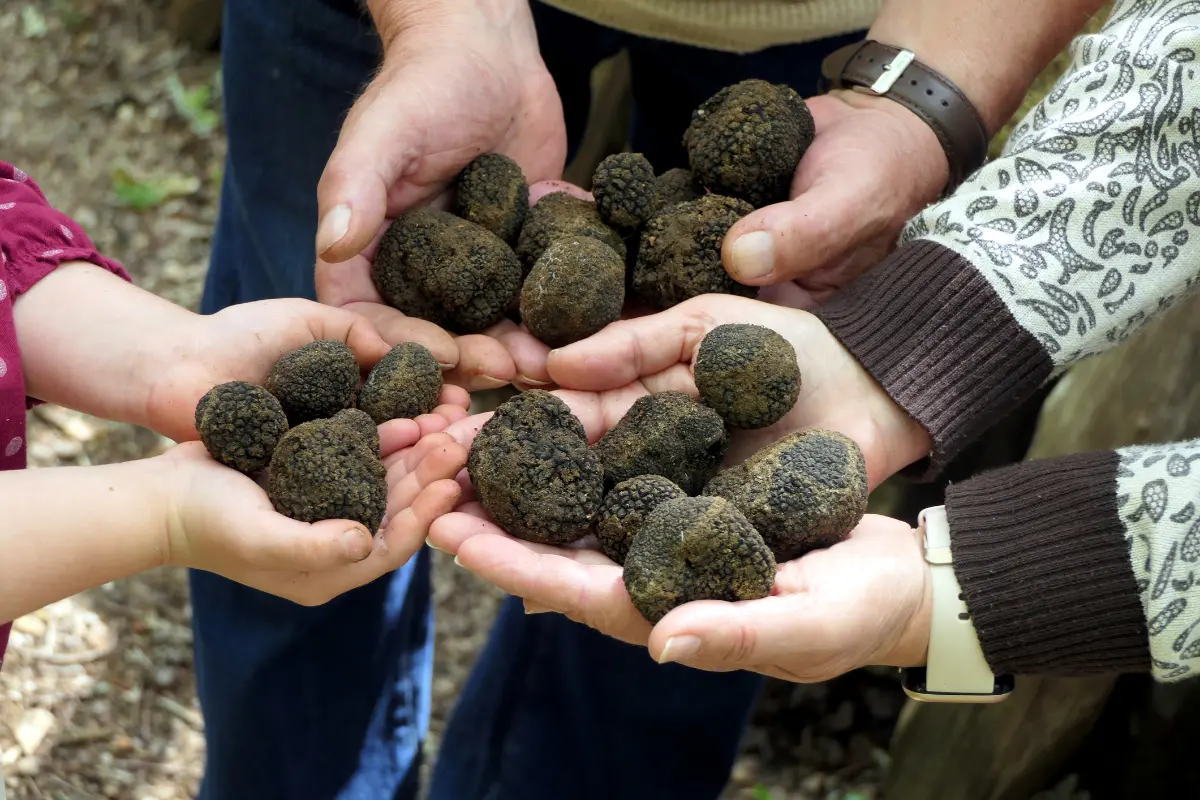
At the same time, extreme weather conditions could highlight the importance of cultivation. According to truffle expert Balázs Hárságyi, the future of truffles is highly uncertain due to the extreme drought. The success of these plantations could help ensure that truffles do not disappear from the region and are not pushed out of the culinary scene. According to the expert, Hungary has not yet succeeded in cultivating Tuber magnatum under intensive conditions; however, the existing summer and large-spored truffle plantations – thanks to irrigation – can ensure the long-term survival of these species.
Where can we taste them?
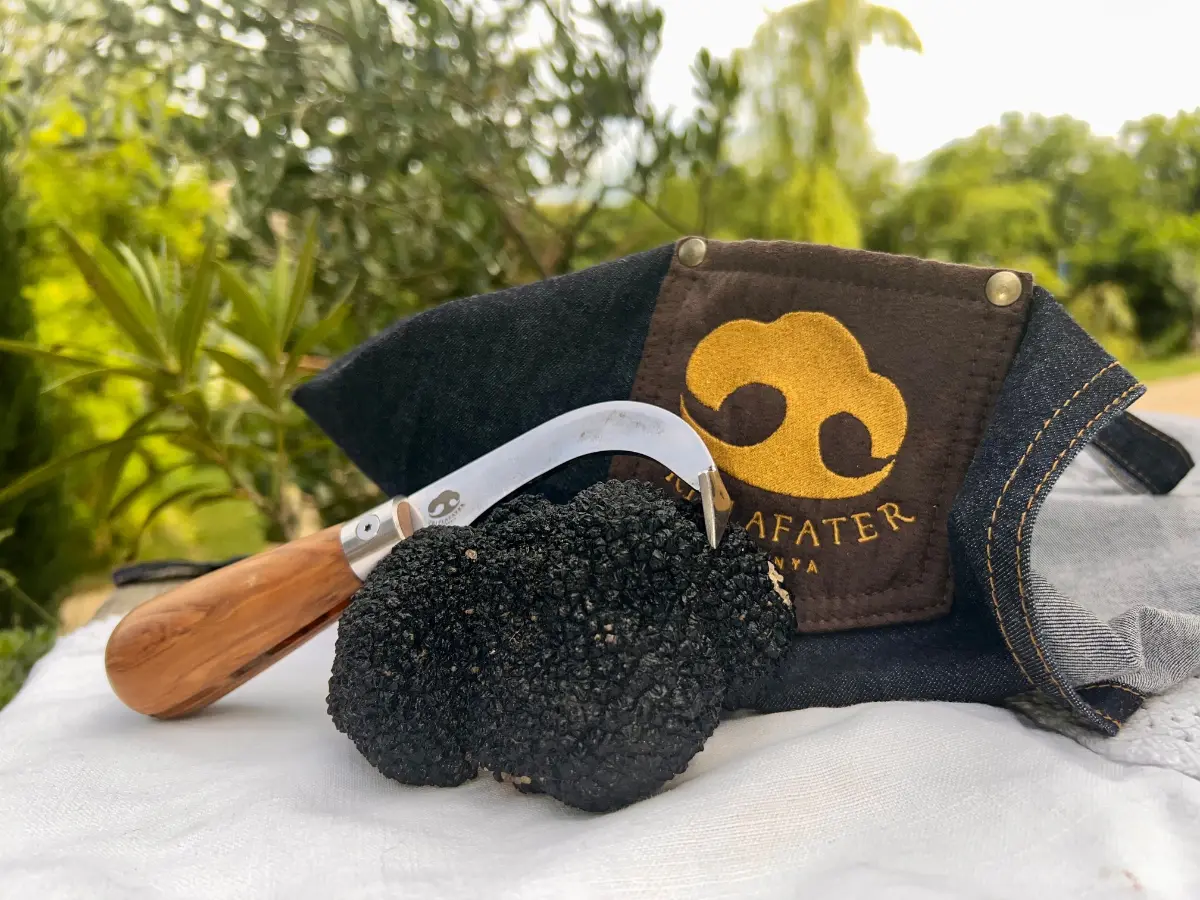
At Triflafater, the restaurant in Palkonya run by Balázs Hárságyi and Szilvia Rechnitzer, you can taste summer truffles from their own plantation. After your meal, you can even stay the night here: the charming Parázs Guesthouse, a protected historic building, offers accommodations for a total of 14 guests across its three apartments.
One of Central Europe’s largest truffle plantations is located just 35 kilometers from Budapest. At Triflafarm, you can set out on a truffle hunt with trained dogs, and after the tour, you can enjoy a multi-course truffle-themed meal in the farm’s open kitchen.
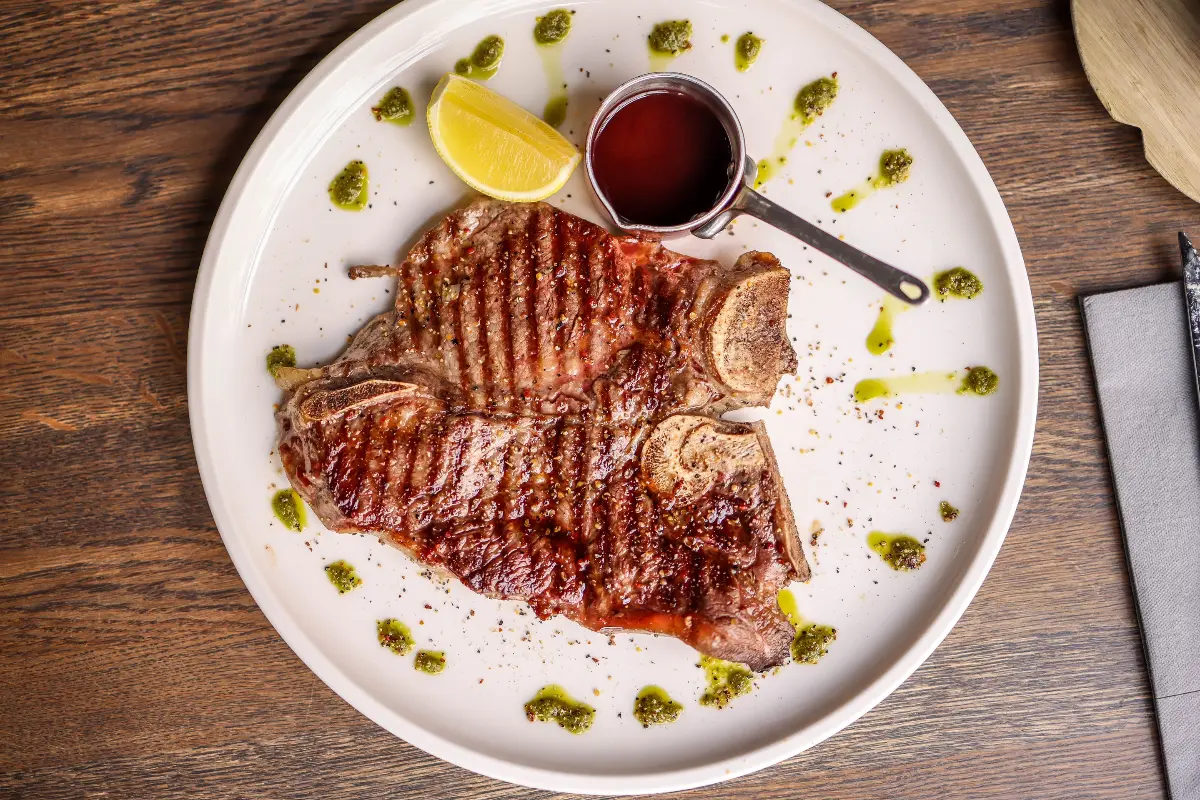
Last but not least, a truffle adventure awaits in Sümegcsehi as well: at the Truffle & Beef gastronomic estate, you can also go on a dog-led truffle hunt, and after the hunt, you can enjoy dishes prepared with truffles and Aberdeen Angus beef at a rustic dining table.