Helyszín címkék:
Wellness Culture with Little Ones – How to Introduce Kids to the World of Relaxation
Szabó Sára
What exactly will we be discussing?
- An experiential introduction to wellness culture
- Considerations regarding programs for children
- Children’s saunas, children’s massages, and shared relaxation time
- Places where you can find such programs
Today, we too know what Latin European peoples have long believed: conscious rest is just as important as active movement. If we observe them, children instinctively handle this well: when they get tired, they slow down; when stimulated, they react immediately. In today’s overstimulating environment, however, it is becoming less and less clear how to “rest properly.” Wellness culture helps point the way; its essence lies in becoming aware of the body’s signals, the ability to experience silence, and the importance of time dedicated to regeneration.
Learning Through Experience and Relaxation
For children, this isn’t about following rules – it’s about experiencing things firsthand.
For them, wellness isn’t about lying quietly; it’s about discovery: what it feels like to alternate between hot and cold, how the body reacts to different water experiences, or what it means to slow down in a calmer space.
If they encounter these in a playful way, rather than as expectations, the experience remains positive, and they’ll be happy to return to it later.

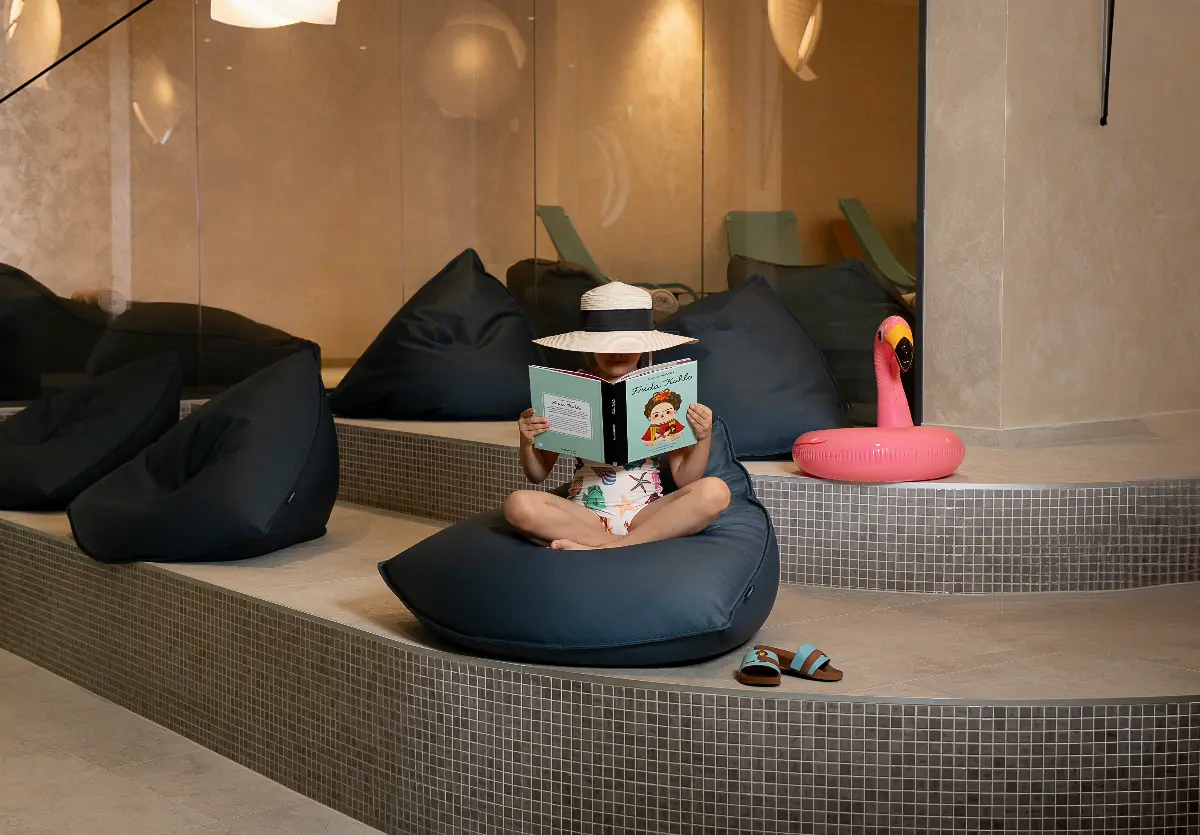
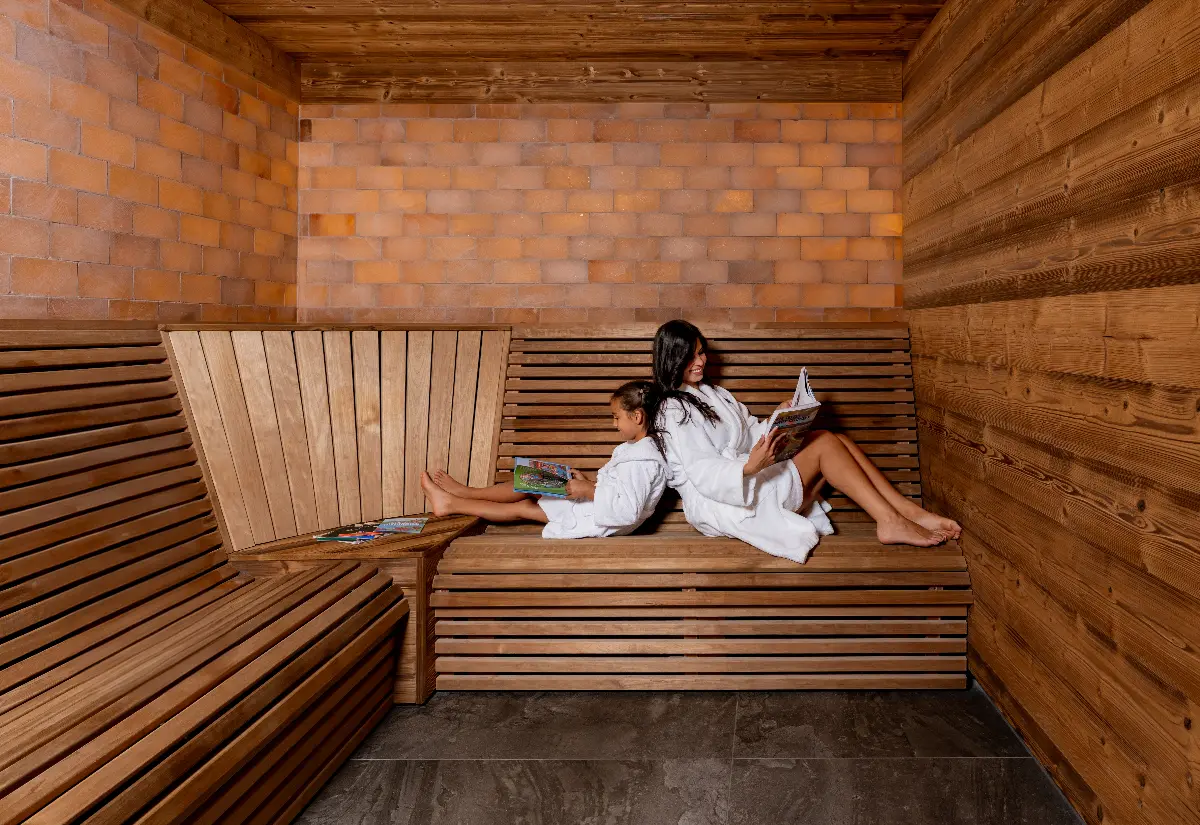
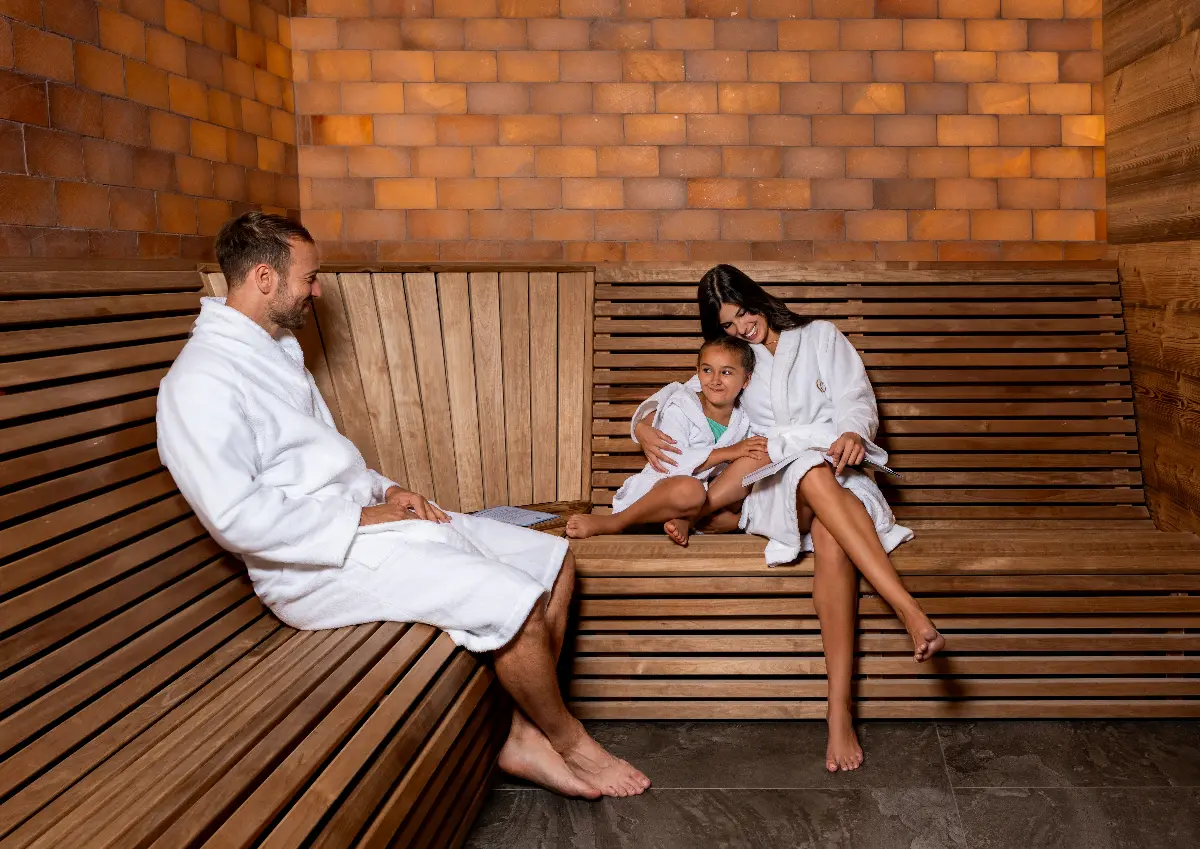
Wellness programs specifically tailored for children are also appearing in more and more places, supporting this experience-based learning. Examples include light-hearted, shorter sauna programs supplemented with playful elements, where little ones can not only try out the sauna but also understand how it works.
Within safe boundaries
However, for all of this to truly work, well-defined boundaries are necessary. Child-friendly wellness does not mean that all boundaries disappear, but rather that the programs are tailored to the children’s age. Shorter durations, a gradual approach, and parental presence all contribute to ensuring that children can safely yet freely experience various forms of relaxation.
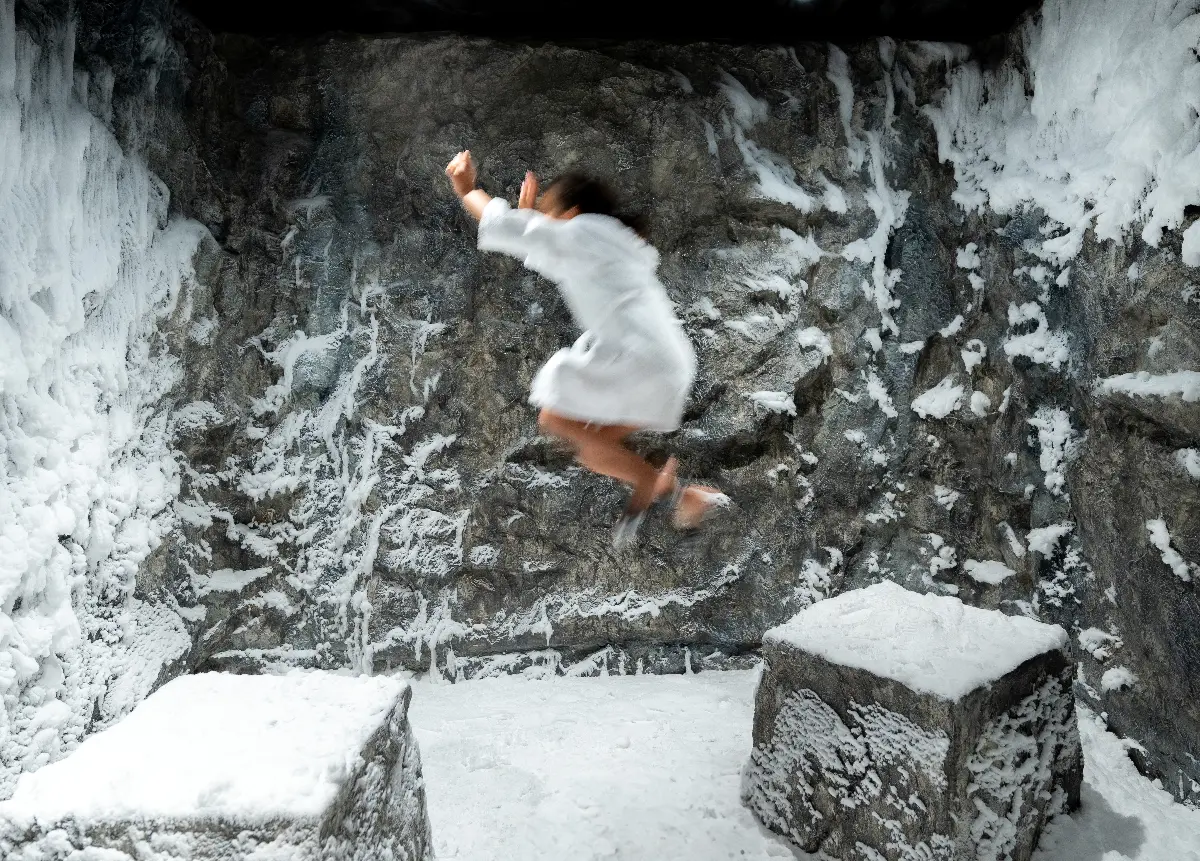
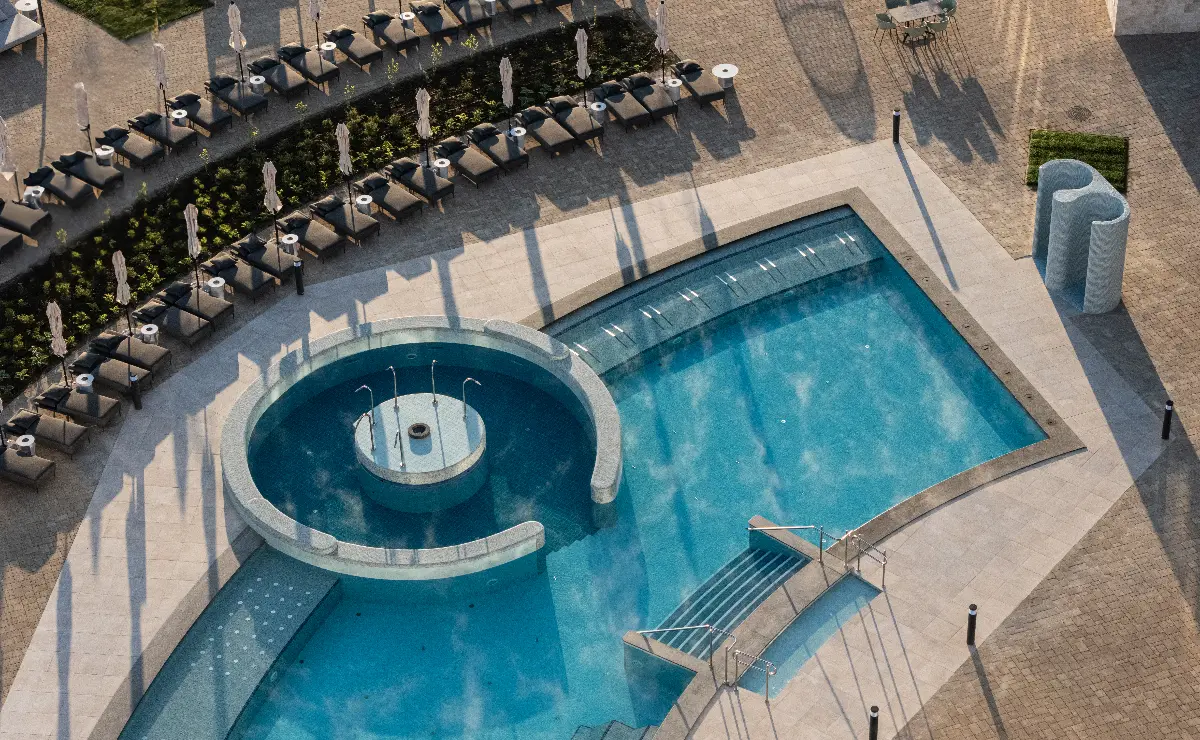
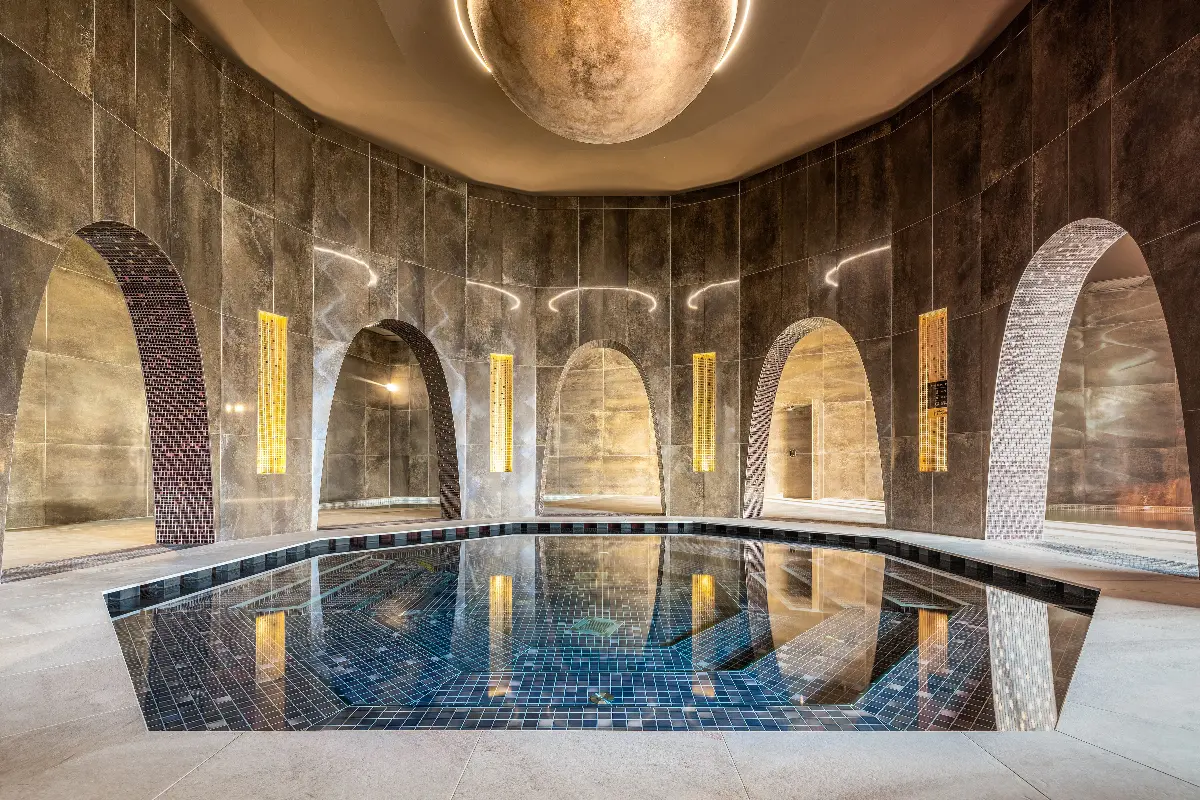
A good example of this is the approach taken by the Le Primore Hotel & Spa in Hévíz: they welcome guests with special family sauna programs and a dedicated sauna area. The Family Sauna creates an environment where children can also enter the world of wellness, while the design of the space and the nature of the programs are tailored to them. The sensory corridor, the snow room, the Kneipp shower, and the tepidarium all help make the various thermal sensations and stimuli accessible in a playful way.
In this environment, sauna use is not presented as a “set of rules” but as a guided experience: the water pours for children are shorter, gentler, and specifically designed to help them get acquainted with the experience.
“In addition to the sauna programs, in response to increased demand, we are also introducing body treatments tailored for children. During the “with mini” couple’s massages – designed for children aged 10–14 – junior guests can experience the treatment alongside their parents. “These are 45-minute sessions where we pay special attention to the aromas used and the intensity of the massage to ensure a truly positive experience tailored to children’s sensitivity,” says Szilvia Farkas, head of the wellness department at Le Primore Hotel & Spa.
She adds that the treatments are organized by age group: a separate baby massage is available for ages 0–3, children’s massage for ages 3–6, junior treatments for ages 10–14, while for those 14 and older, nearly all services are available, with the exception of medical treatments.
“In addition, new programs designed specifically for young people to support mental well-being are being introduced, including children’s yoga,”
she notes.
Shared experiences, genuine connection
It is just as important that wellness does not become mere “childcare.” Shared experiences are what give it its true value: when the family slows down together. Among the certified spas of the Hungarian Spas Association, baby- and family-friendly facilities can be easily filtered, making it simple to find which spas offer wellness treatments and services tailored to children.
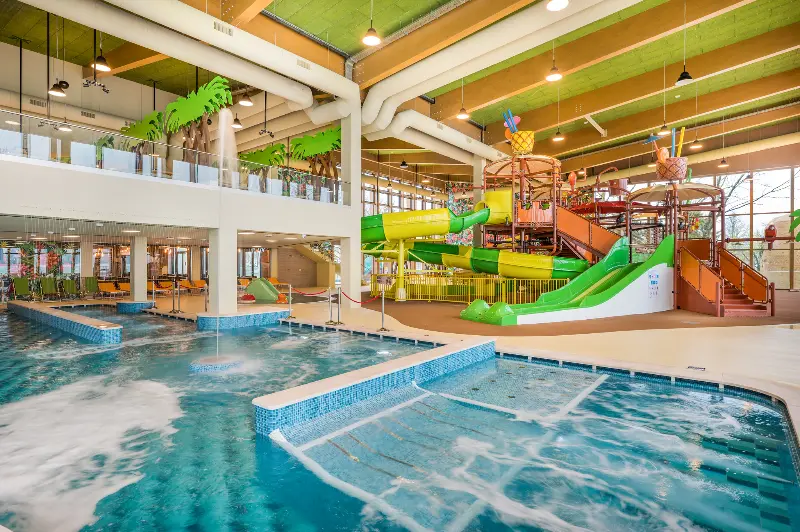
Saliris Thermal & Spa offers a “Girls’ Day” wellness package, while at Aquaticum in Debrecen, little ones can get acquainted with spa culture through a playful program: the world of modern wellness, Roman baths, and Turkish hammams. Exciting junior sauna sessions are becoming available in more and more places; it’s worth checking out the programs at the Eger Thermal and Beach Baths, the Sárvár Medical and Wellness Baths, and the Hagymatikum in Makó, among others.
What they learn now will stay with them later
Passing on wellness culture has a long-term impact. Children who experience mindful relaxation at an early age find it easier to maintain balance as adults. They not only learn how to unwind, but also how to respect others’ peace and how to be present in a space where silence and slowing down are valued.
The Hungarian Spas Association is an association of business organizations and entrepreneurs that operate bathhouses. With significant professional authority, the Association has been preserving and protecting the traditions of Hungarian spa culture for 34 years, actively participating in the design, development, construction, and operation of Hungarian spas. The organization has also been a member of the European Spas Association since 1998.