Helyszín címkék:
The Benedictine heritage from Tihany to Pannonhalma
Kata Kincső Bárdos
What this article is about:
- The Benedictine Order
- The Tihany Abbey
- Pannonhalma
Where it all began – The Benedictine Abbey of Tihany
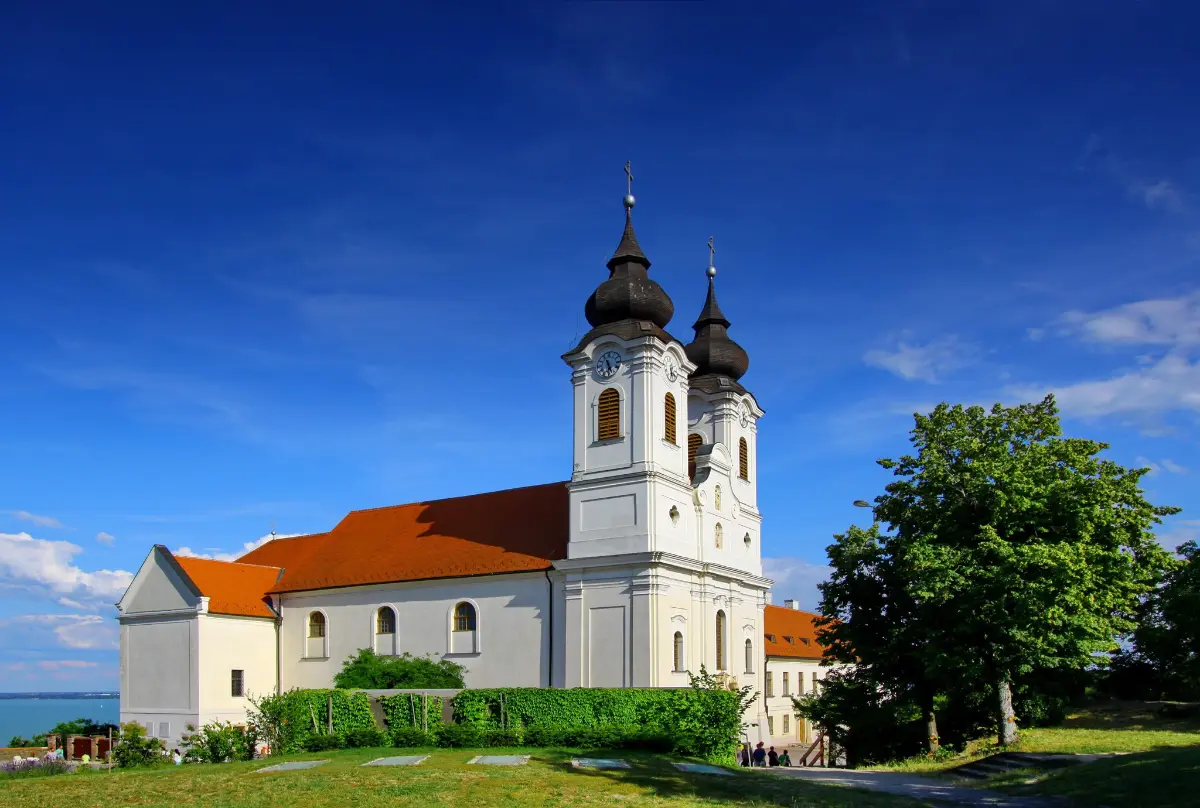
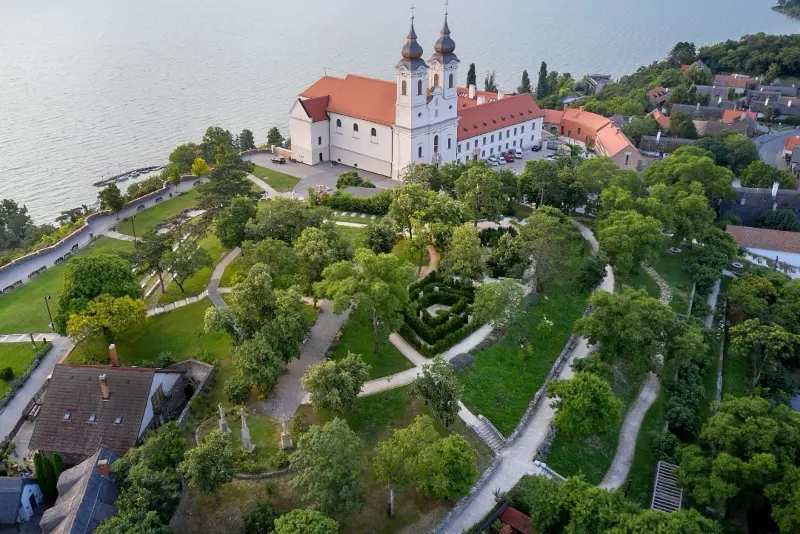
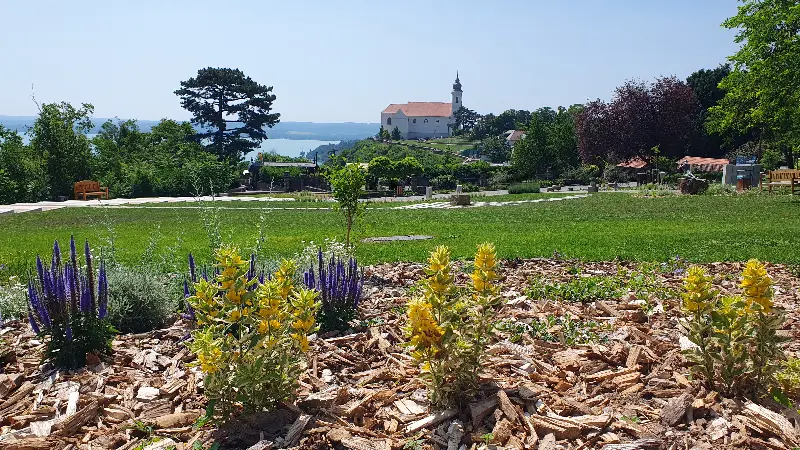
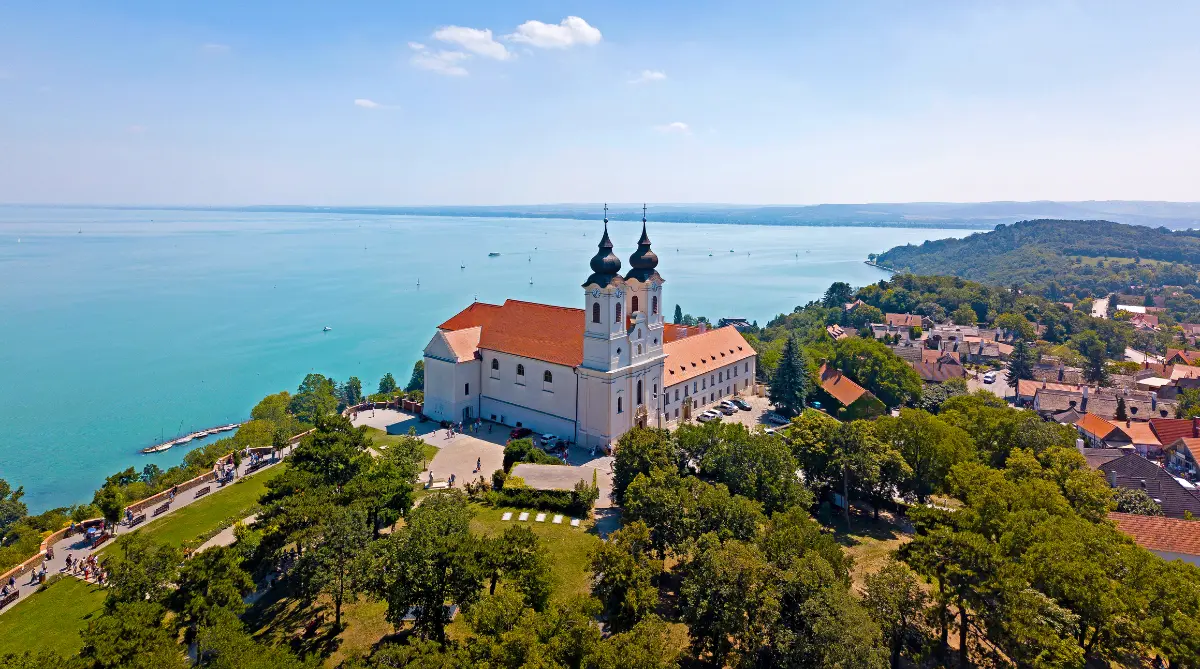
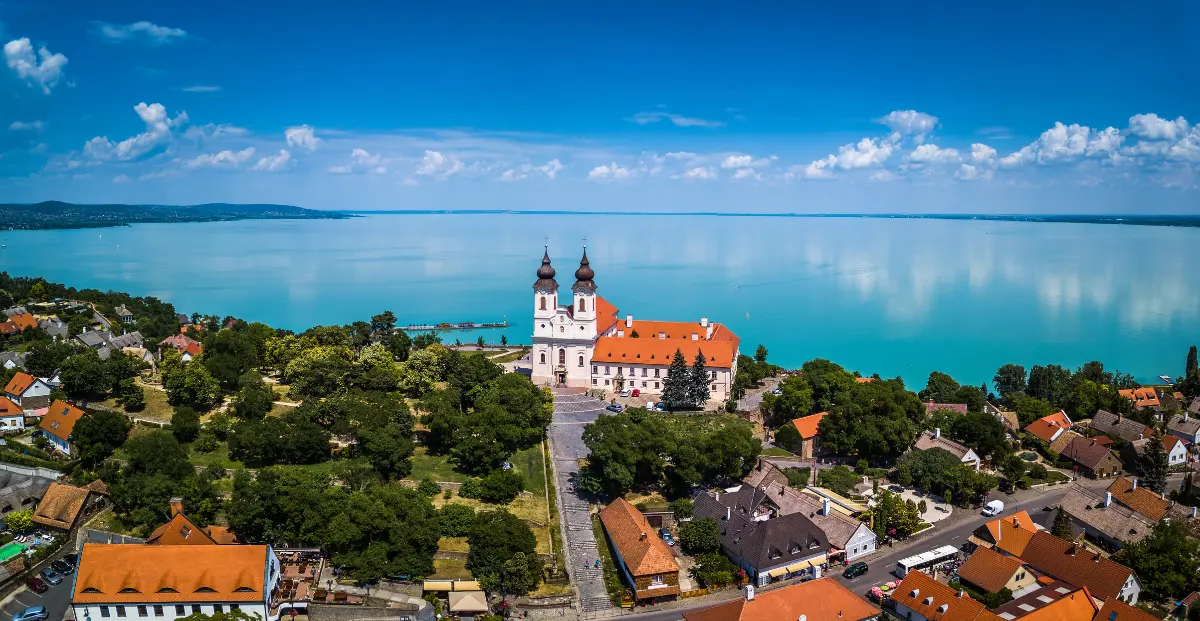
We begin our journey at one of Lake Balaton’s most iconic buildings. The Benedictine Abbey of Tihany is famous for its founding charter from 1055, which is the earliest surviving fragment of the Hungarian language. When we reach the hilltop of the Abbey, we immediately understand why the monks chose this location: the unique light reflecting off the lake, the lavender-filled gardens, and the silence still have a profound effect on visitors today.
The Abbey is one of the most important spiritual centers in the region of Lake Balaton, where the Benedictines were involved in farming, education, and shaping the cultural life of the area, in addition to prayer.
The Baroque interior of the church and the crypt offer a glimpse into centuries past, while the visitor center presents the history of the Order from a modern perspective. During a walk in the area, the Lavender House Visitor Center and the volcanic nature trail of Óvár in Tihany are also nice additional attractions.
Lavender, gastronomy, and stories from Tihany
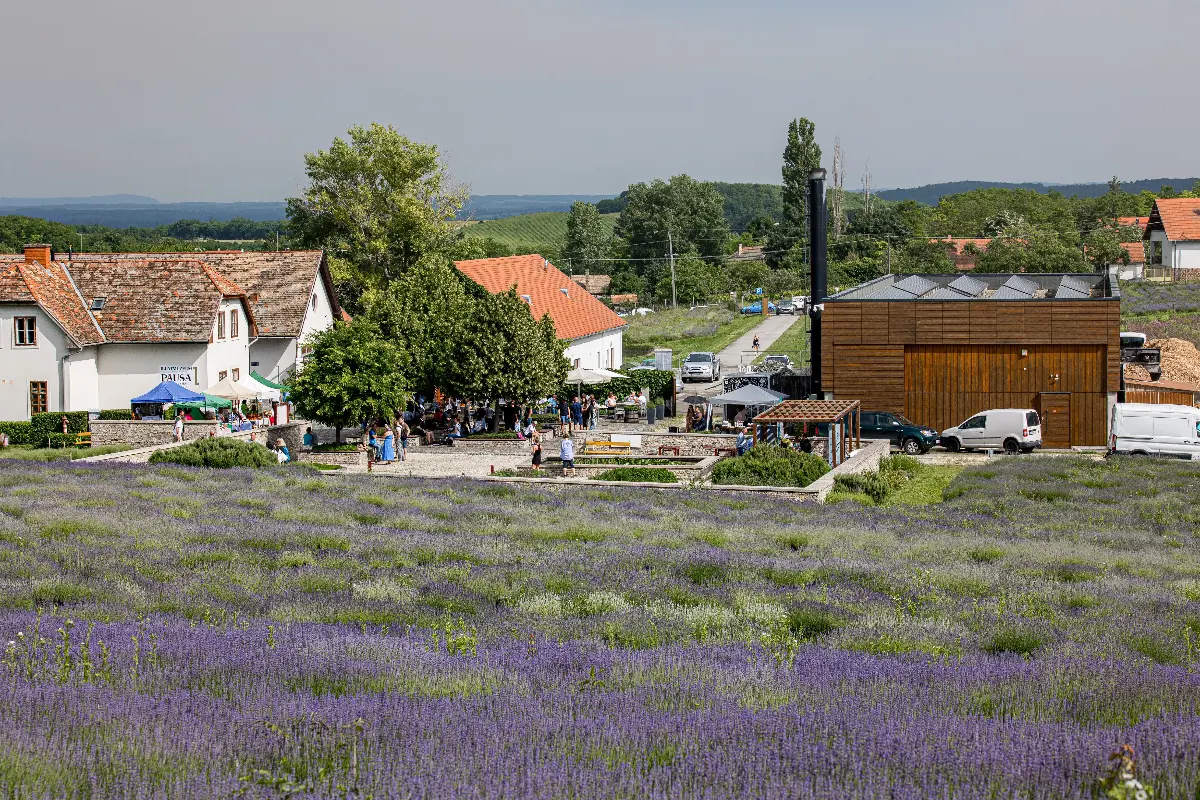
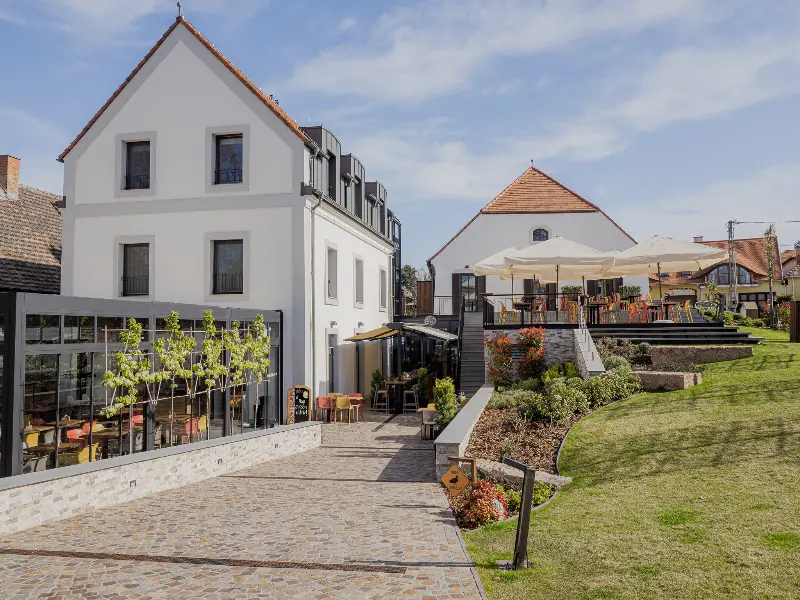
The Benedictine heritage in Tihany lives on not only in buildings. Lavender has been a symbol of the village for decades and is used as a medicinal herb and flavouring. Local cafés and bakeries, such as the Apátsági Rege Cukrászda confectionery or the Tihany Piac Placc market, often offer lavender cakes, syrups, or local specialties.
A road through the Bakony Mountains
Traveling from Tihany to Pannonhalma, we pass through several towns where the influence of the Benedictines can still be felt today. Traveling through the inner regions of the Bakony Mountains, it is worth stopping in the town of Bakonybél, where the Benedictine Monastery of St. Mauritius has been a place of silence and retreat for centuries. The Benedictines settled here already in the Middle Ages, among dense forests and springs, consciously choosing an environment isolated from the world.
Proximity to nature has always played an important role in the lives of the monks of Bakonybél: they were involved in forestry, herb gathering, and occasionally hospitality. A thriving community lives here today, welcoming with open doors those who want to escape the noise and experience what the Benedictine motto “ora et labora” means in the heart of the Bakony Mountains. The hiking trails and springs around the monastery complement the spiritual experience particularly well.
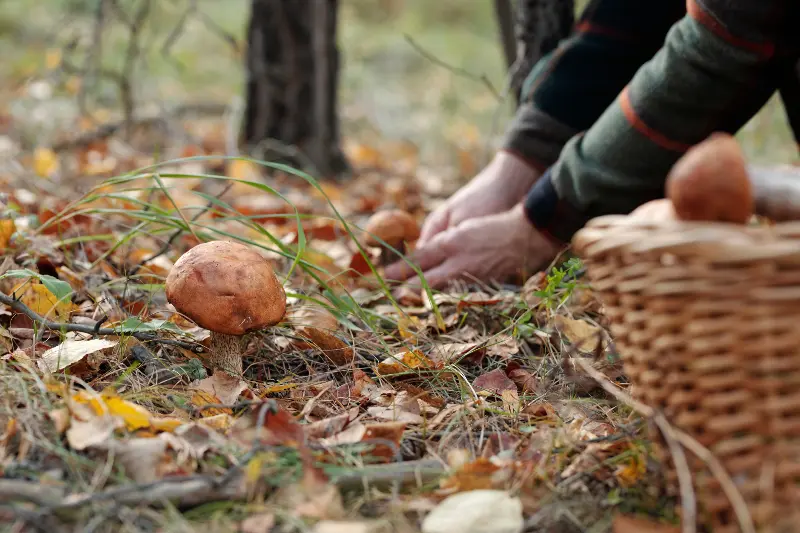
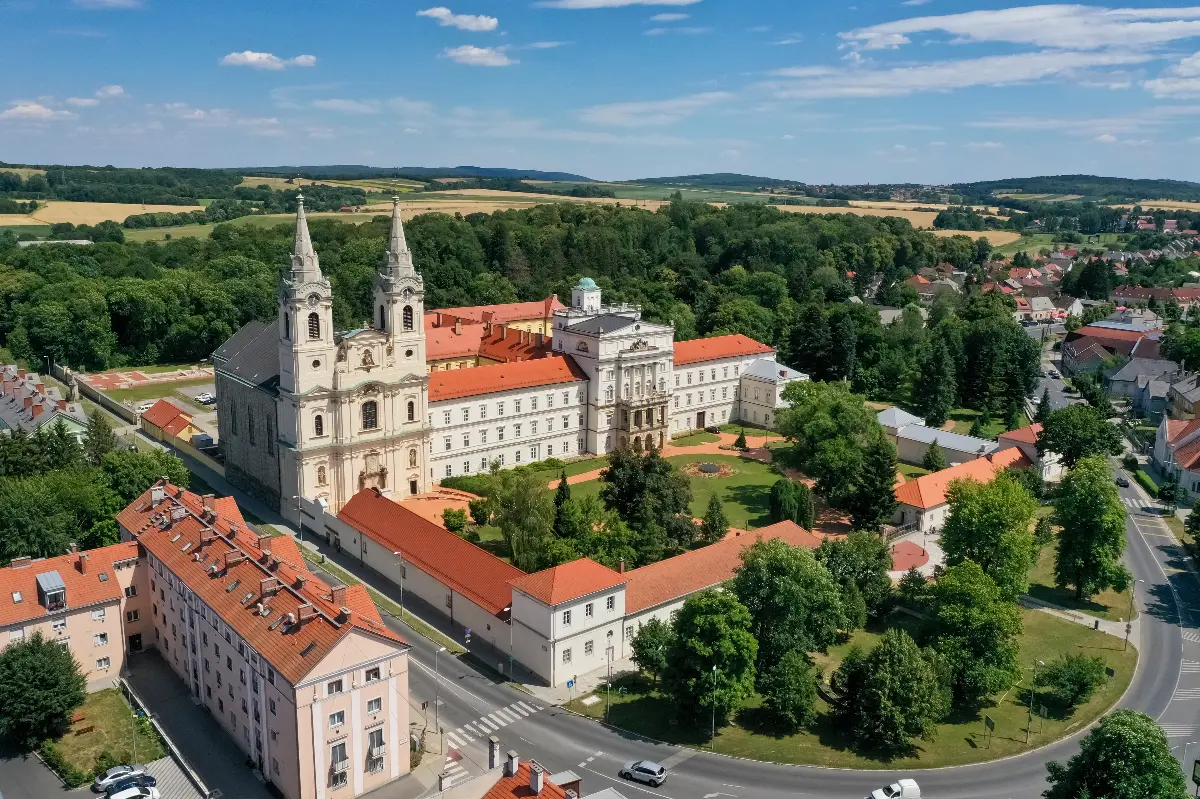
Moving on, it is also advisable to stop in Zirc. The Bakony Natural Sciences Museum and the library of the Abbey – although Cistercian heritage – can be a great addition to our trip. The small restaurants in the area showcase the world of Bakony game and mushrooms, enriching our journey with gastronomic delights.
Pannonhalma – the heart of Hungarian Benedictines
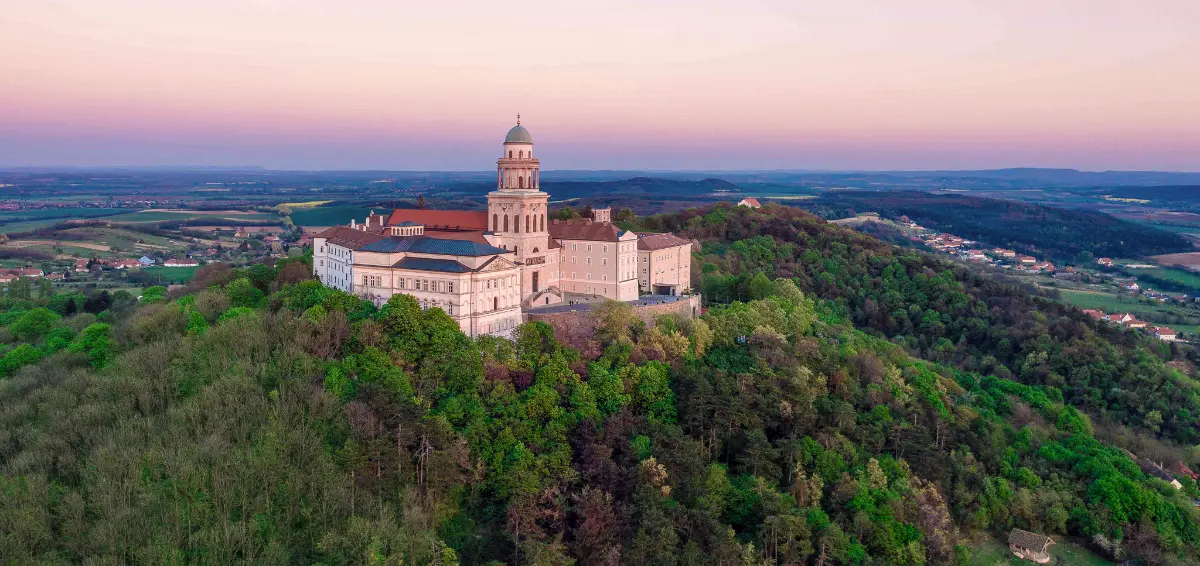
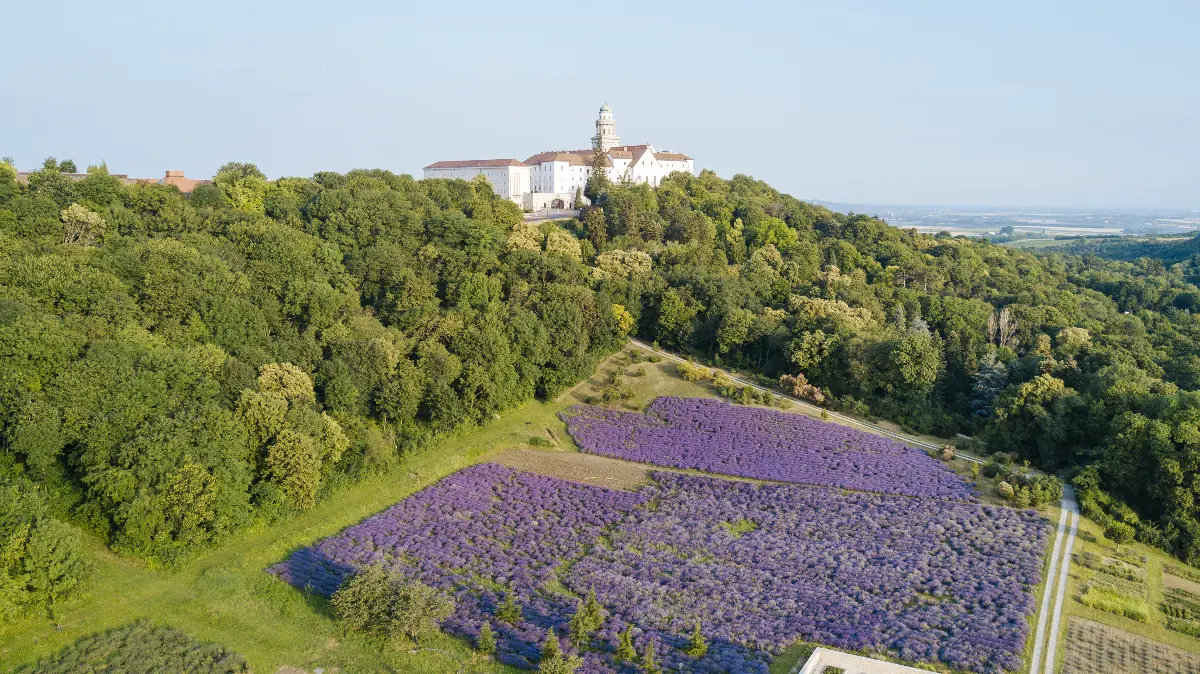
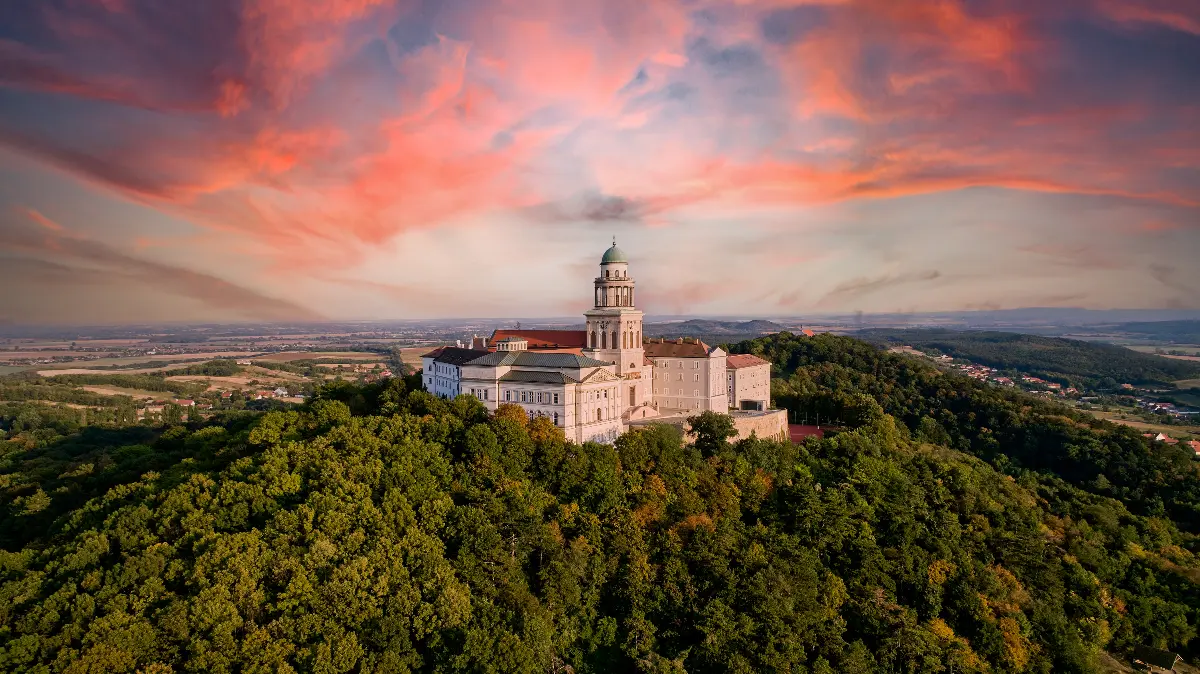
The Pannonhalma Archabbey is not just a monastery, but a world in itself. It was founded in 996 during the reign of Prince Géza and became the center of the Benedictine Order in Hungary. For centuries, monks played a decisive role in education, book culture, and agricultural development. The Monastery still functions as a living community today and is open to visitors.
Once we reach the top of the mountain, we pass through the modern visitor center to reach the walls that are over a thousand years old. The simplicity and acoustics of the basilica offer a truly unique experience, while the Baroque hall of the library is one of the best-preserved cultural spaces in Hungary. The Benedictine Order has always been open to science and culture: exhibitions, concerts, literary events, and themed walks await us throughout the year.
Flavours at the foot of the mountain – wine, beer, and herbs
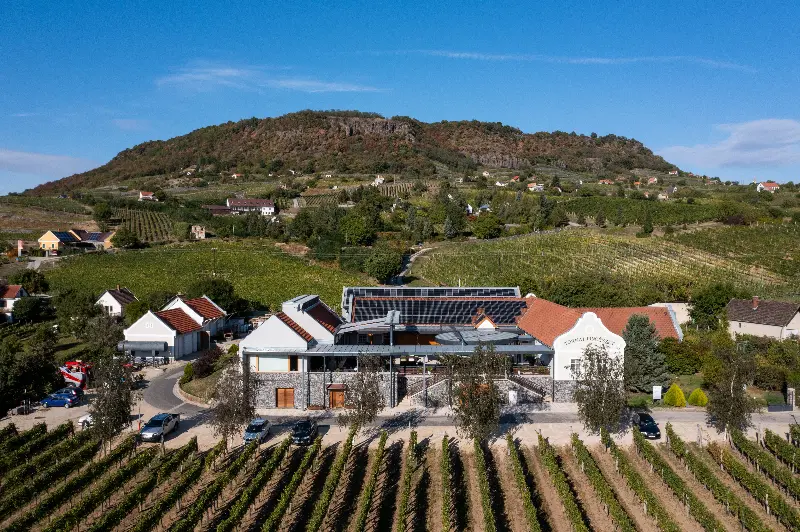
We can conclude our journey in the footsteps of the Benedictine heritage with gastronomic experiences. At the foot of the mountain, we find the Pannonhalma Archabbey Winery (POI), which combines modern technology with monastic traditions. During the guided tastings, you can learn a lot not only about grapes, but also about life in the Monastery.
The Pannonhalma Abbey Brewery operates nearby, producing lighter, aromatic beers that, in keeping with monastic traditions, strive for harmony rather than harshness.