Helyszín címkék:
Farm tour: let's discover the rural manors!
Hype&Hyper
What exactly will we be talking about?
- Salföld Major as an information and ecotourism centre
- The natural values and history of the Hanság region
- Interactive exhibitions about nature and traditional crafts
Salföld Major (Farm), Káli Basin
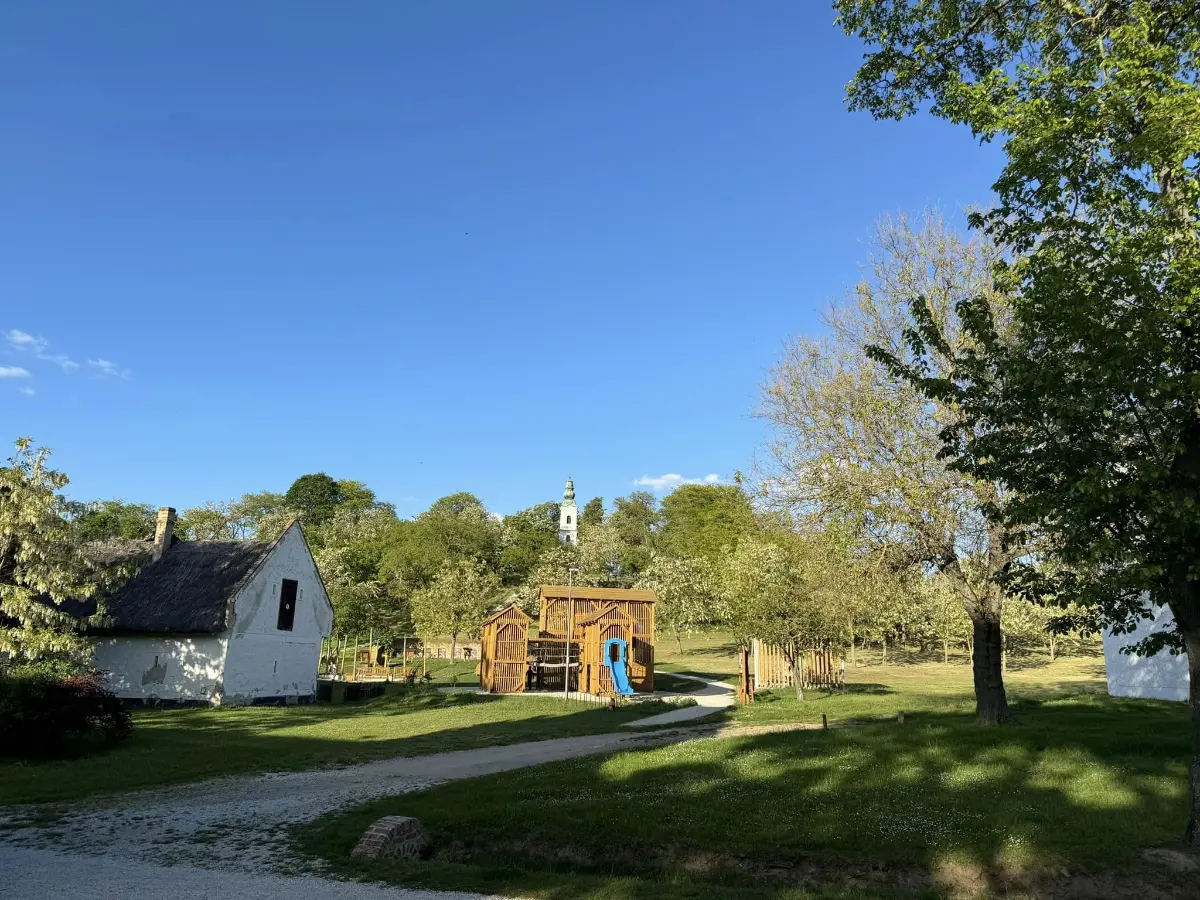
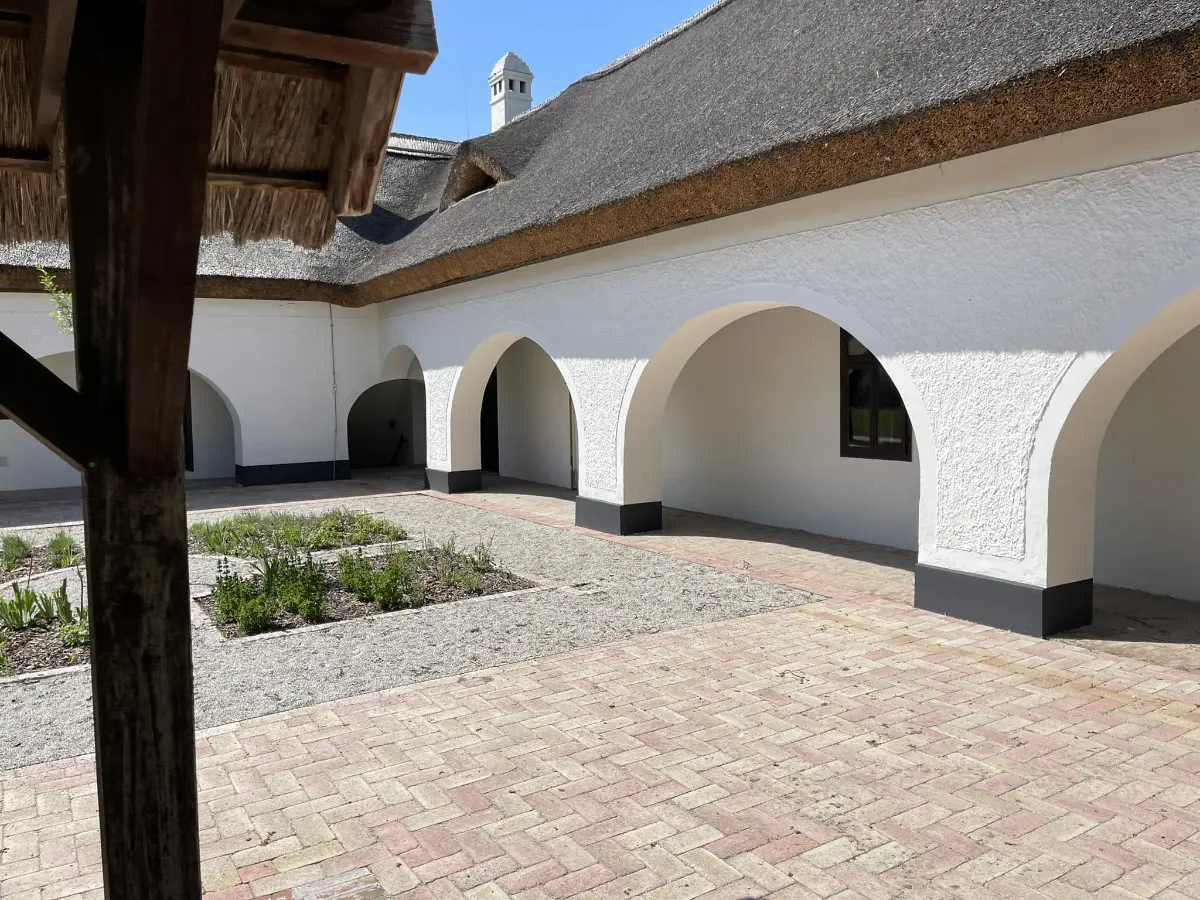
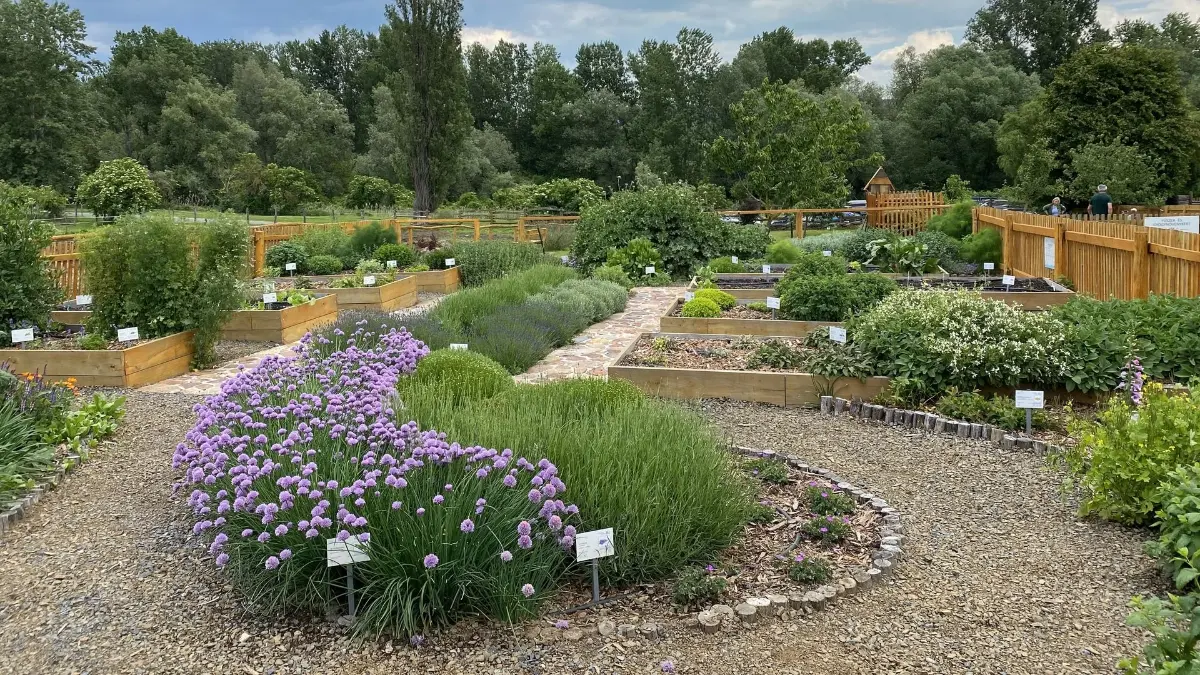
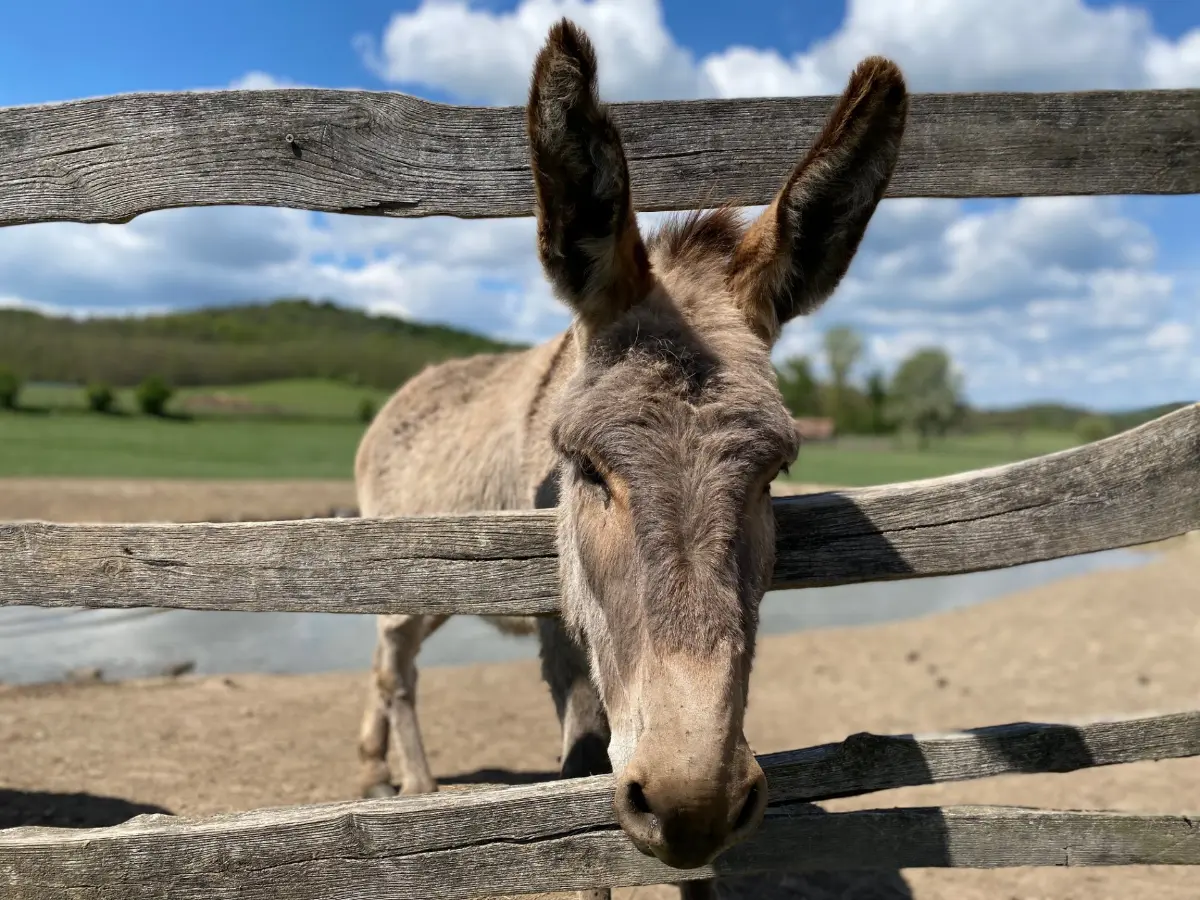
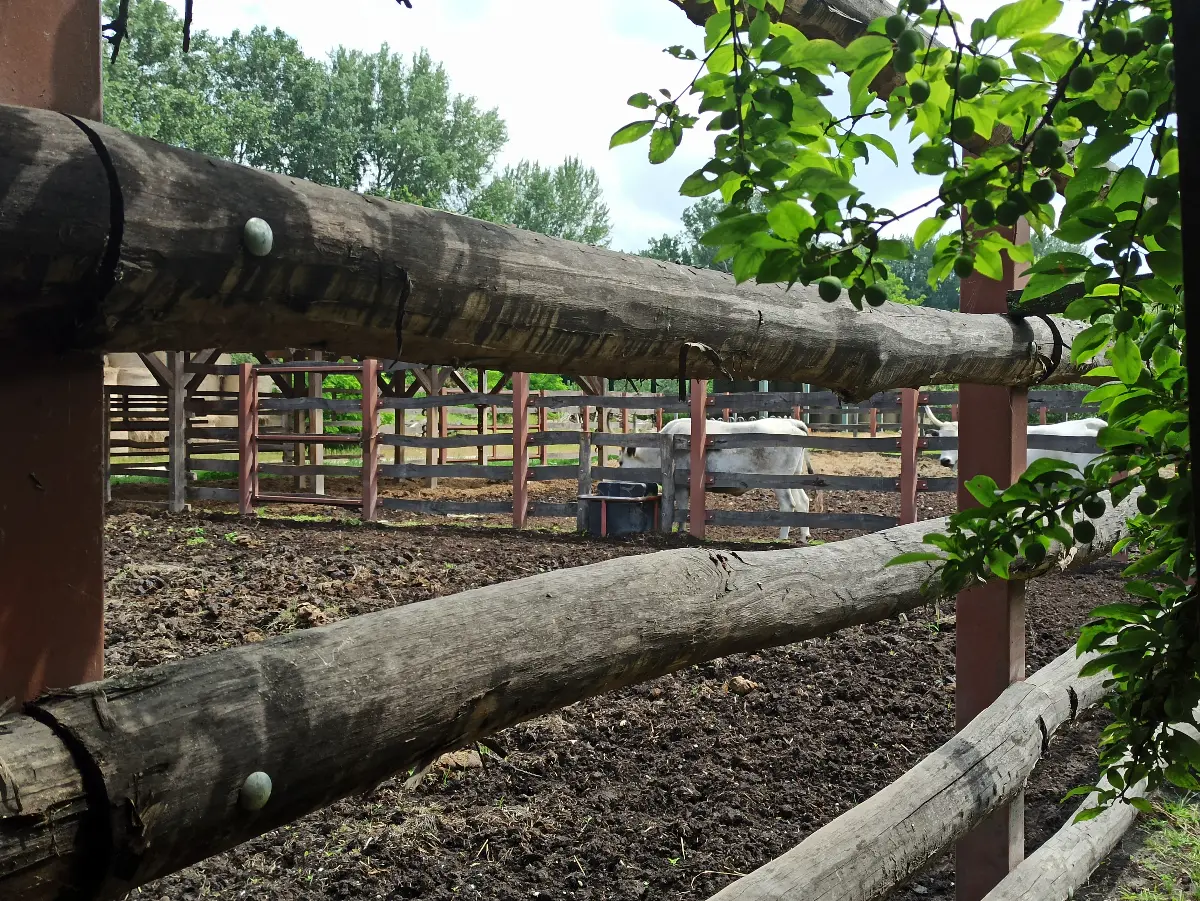
Salföld is located in the heart of the Balaton Uplands National Park, at the gate of the Káli Basin to Lake Balaton. The directorate of the national park, blessed with significant geological, botanical and folk architectural monuments, established the Salföld Major in 1997 on the outskirts of the village to provide an experiential experience of the life of a working farm. Native Hungarian domestic animals such as buffalo, Mangalica, Racka sheep and grey cattle can be seen here, but there are also herding dogs (Mudi, Puli and Pumi) and horses – including the Gidran, considered a national treasure with an adventurous history. A host of small animals await children in the petting zoo, while the Major's constantly renewing spice and herb garden offers fragrant experiences. Using several sense organs, you can get to know the herbs, the effects and uses of the "miracle herbs" through sight, smell, touch and taste. The agricultural machinery exhibition displays traditional tools. The cart and wagon exhibition also takes you back in time. Children can enjoy a playground that fits into the landscape, and in the Racka Hall, the permanent photo exhibition titled Abstract Reality brings closer to the general public what is invisible to the eye: butterflies have always been identified with beauty, but thanks to biochemist Dr. Linden Gledhill, you can also see the perfection of the surface of the wings in macro photographs. The Major is also the information and ecotourism centre of the national park. Publications, souvenirs and even buffalo salami can be purchased in its reception building. From here you can explore the Káli Basin on foot, by bicycle, on horseback, or by horse-drawn carriage and get to know its natural treasures, such as the Hegyestű Geological Demonstration Site, the sea of rocks, or the 13th-century Pauline monastery ruins hidden in the forest south of the village of Salföld.
László and Öntés Major, Fertő Hanság
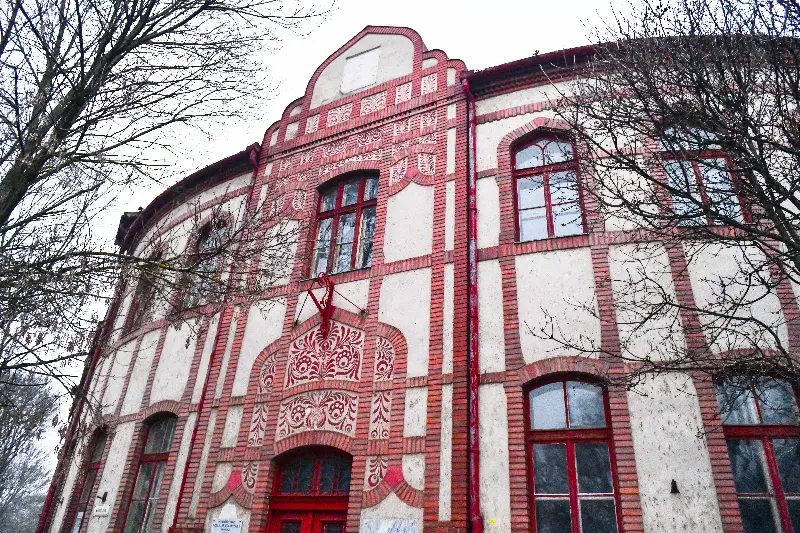
The Hanság Landscape Protection Area was established in 1976 to preserve the remains of the former diverse marsh and fen landscape of the Hanság. In order to present the valuable wildlife and history of the landscape of Hany, which had changed due to previous interventions that significantly transformed the landscape, the exhibition entitled Wildlife of the Hanság was established in 1981 in the former domanial building of the manor in Öntésmajor, a small settlement located 7 km from Kapuvár, on the edge of the protected area. The presented material can be viewed in four rooms, in the corridor and in the reception area. Among the rooms, the exhibition hall of the nocturnal animals of the Hanság, supplemented with animal sounds, is a real speciality of the exhibition. In the other rooms, the exhibited material presents the geological history of the landscape, soil science, the effects of water management, the crafts practised by the people of Hanság, as well as the flora and fauna of the area. In the courtyard around the building, visitors can see old steam engines, in addition to the locomotives and wagons that have survived and been saved from the time of the Hanság light railway. Additional interesting interactive outdoor nature education games and tours will help the younger generation spend their time at the exhibition usefully.
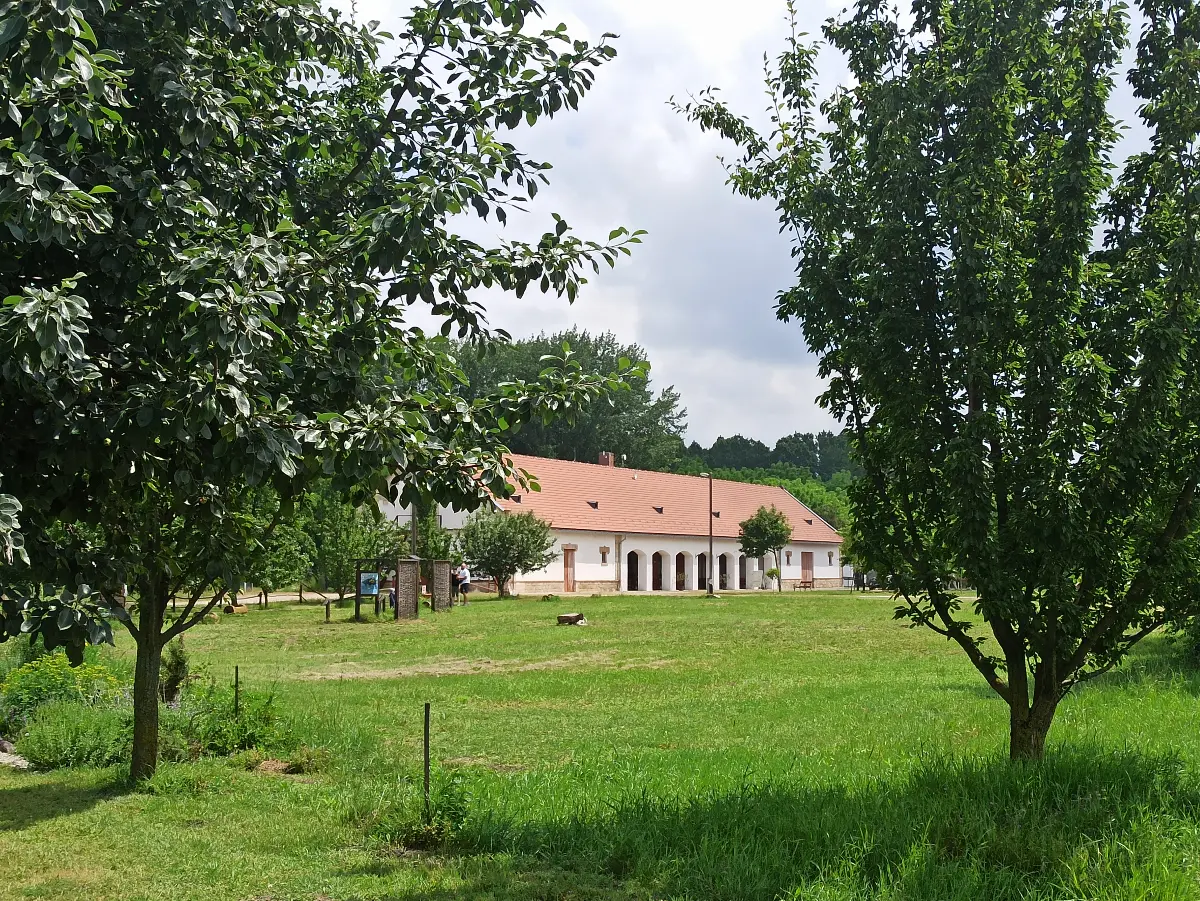
Lászlómajor, the former economic centre of the Esterházy family, is also located in the Fertő-Hanság National Park, in the vicinity of Sarród settlement. The manor, which was established about 150 years ago, has been welcoming visitors since the summer of 2012. In addition to interactive exhibitions dealing with wildlife and old crafts, the manor houses a herb garden and old Hungarian domestic animals and an animal petting zoo. More than 300 specimens of 15 native animal species can be seen, such as the Hungarian grey cattle, the domestic buffalo, the Racka sheep, the Cikta sheep, the dairy Tsigai, the Mangalica and prominent representatives of the Hungarian poultry breeds. In addition, the national park's gift shop is also located here.
In winter, the manors can be visited with prior appointment.
Szántódpuszta Manor, Szántód
Part of the former Szántód settlement, which was depopulated during the Turkish occupation, is home to today's Szántódpuszta Manor. The area serves as a meaningful recreational opportunity for those interested in cultural attractions. The "living manor" presents the everyday life of a manor in the 19th century. In addition to interactive exhibitions, a unique thematic playground, Kneipp path and tea garden await visitors. Those who like active recreation can use horse riding services or hike around the Manor. In addition to visiting the St. Christopher Chapel, pilgrims can also learn about the sacred aspects of the Manor in the historical exhibition. The exhibitions provide insight into the secrets of 19th-century life of the manor as if you had travelled back in time. The building complex located in the area of the visitor centre consists of 6 larger units. The main building is the Reception Building, which is one of the oldest buildings in the plain, and is already listed on a map made at the end of the 18th century, and the ticket-office is also located here.
Among the residential buildings in the plain, the Kiskastély is outstanding, which was once the manorial residence, i.e. the mansion, which the former servants referred to as a castle. After the renovations in the 1970s, the former servants' house operated as a restaurant under the name Ménescsárda. Currently, the building houses a gift shop, a first aid area, and a bicycle service point. The Öregcsárda can be considered one of the most beautiful buildings in the plain in terms of its architectural style, and it currently operates as a catering unit. The Granary houses an interactive exhibition entitled The Way of Wheat, which was important primarily for the self-sufficiency of peasant households and their annual needs for bread. The Pony Stable is a small brick stable built in 1825, on the site of which there was already a building before the 1800s, also intended for animal husbandry, and currently operates as a petting zoo.