Helyszín címkék:
Medicinal and aromatic herbs from which you can brew heart-warming tea during the autumn and winter months
Szabó Sára
What exactly will we be covering?
- Herbal excursions from Bükkszentkereszt to Pannonhalma
- Chamomile: for relieving colds and digestive complaints
- Fennel: anise-like flavours and digestive benefits
- Ginger: warming sips and versatile uses
- Mint: refreshing tea and varied aromas
Herbal excursions: Where you can get to know the ingredients of your tea
If you’d like to explore the world of herbs not just in the kitchen but also in the great outdoors, it’s well worth visiting Bükkszentkereszt, Uncle Gyuri’s herb garden. In the garden, which features over 150 varieties of medicinal plants, you can get a closer look at native medicinal and aromatic plants, whilst guided tours and herbal walks offer the chance to learn more about their uses. The Herbal Centre and the Györgytea showroom and shop, both based in the village, are also linked to herbal traditions.
In Pannonhalma, you can discover the centuries-old knowledge of medicinal plants held by the Benedictine monks. During a guided, interactive tour of the medicinal herb garden at Pannonhalma Archabbey, you can learn about the various plants and the traditions associated with them. The programme includes a demonstration of lavender processing and the distillery, whilst in the tea house you can sample the abbey’s herbal teas. The Fragrance Museum is also an exciting stop if you’d like to learn more about the aromatic compounds found in plants.

The marvellous chamomile: A natural remedy for colds and digestive complaints
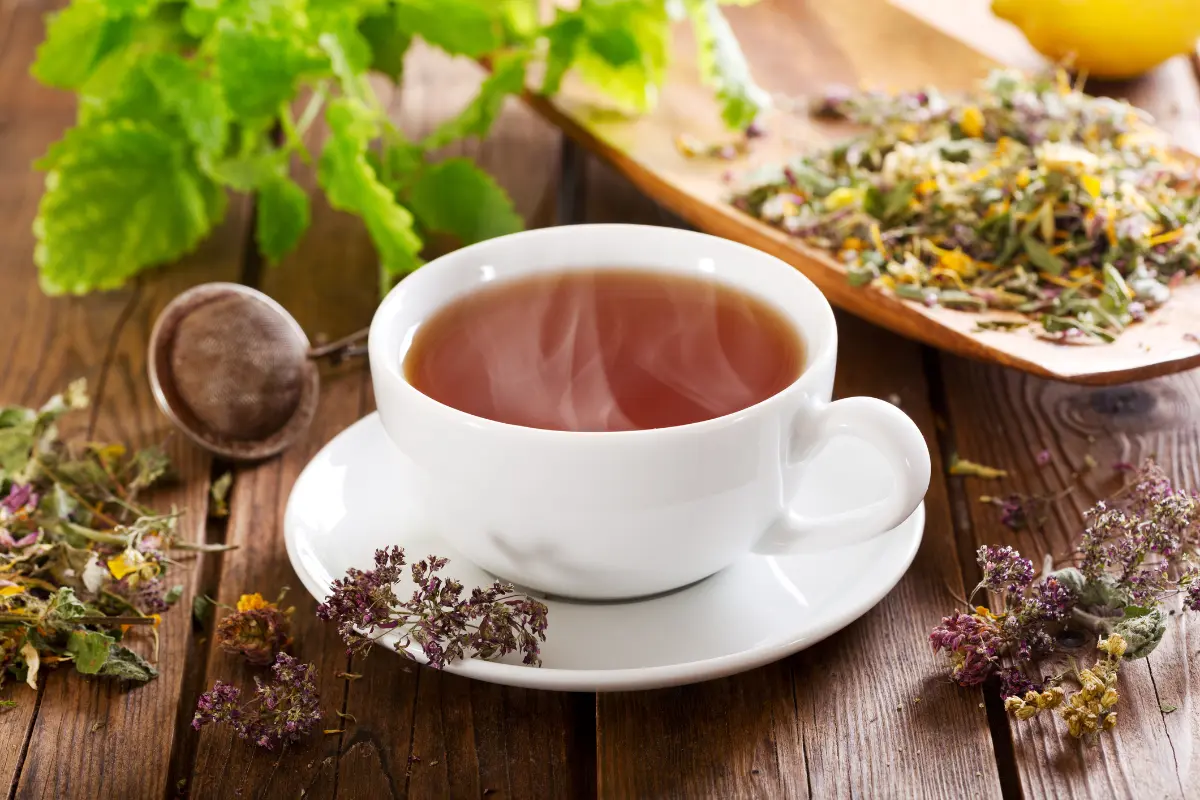
Chamomile teas are lined up in neat rows on the shelves of supermarkets, chemists and herbal shops; yet, if we were to harness all the plant’s magical powers for medicinal purposes, it is better to brew fresh or dried chamomile flowers.
Chamomile, also known as medicinal chamomile, is a real superhero when it comes to reducing inflammation or relieving cramps. Simply pour boiling water over the flowers, leave to steep for a few minutes, then drink it as a tea: the essential oils and flavonoids in the plant soothe the throat and help alleviate the symptoms of a cold. If you’re not keen on the characteristic aroma of chamomile, simply use it for gargling or inhalation: you’ll still feel its beneficial effects.
As an added bonus, chamomile tea can also help combat insomnia!
Fennel: Much more than just a culinary curiosity
Fennel seeds are a favourite spice in the cuisines of the Near and Far East: their aniseed flavour tends to elicit either enthusiasm or a ‘no, thank you’ reaction from people. However, these tiny fennel seeds happily infuse not only food but also hot water with flavour and healing properties.
Although fresh fennel flowers are also perfect for tea, it’s worth using the plant’s seeds as sourcing the flowers may seem a bit of a faff at first: take two or three teaspoons of fennel seeds, give them a quick crush in a mortar, then pour two cups of hot water over them. Just 2–3 minutes’ steeping is enough: strain the liquid, and your tea is ready to drink. Fennel tea can help relieve digestive complaints, furthermore, it’s also said to have diuretic properties. Its flavour is most reminiscent of liquorice: if this isn’t your favourite flavour, you can sweeten the tea – once it’s no longer piping hot – with a little honey and lemon.
Mint: The plant with a thousand faces – goodbye, headache!
Mint isn’t just a great companion for food and refreshing lemonades but also happens to be a favourite of amateur gardeners: it’s almost impossible to get rid of, which is good news, as it means you’ll always have plenty of those vibrant green leaves to hand. There are countless varieties, and it has a host of health benefits: it can aid digestion, and according to some studies, it may even help relieve headaches. To make tea, pluck 8–9 leaves from the mint bush – or even more if you fancy a more intense mint flavour – then pour 1–2 cups of boiling water over them. Leave them to steep for at least 5 minutes, but feel free to leave them in the mug afterwards: in fact, you could even chew a few leaves to freshen your breath. Feel free to experiment with different varieties: peppermint, ginger mint, curly mint and bergamot mint all promise a slightly different flavour experience.
Ginger bonus: A small root, but a magical one
With its small, knobbly appearance, ginger isn’t particularly attractive. But just peel it or slice it into rounds, and it soon becomes clear that its rather unattractive exterior hides a promising interior. It’s divine in dishes, but you can also enjoy it as a tea: pour boiling water over a little chopped ginger, and after a few minutes you can sip the fragrant, steaming drink. If you want to make it even more delicious, add a squeeze of fresh lemon and sweeten it with honey: you might find the experience is just like receiving a liquid hug.
Thanks to its high vitamin and mineral content, ginger can help stabilise blood sugar levels, soothe a cough, ruthlessly combat viruses and other pathogens, and even alleviate nausea and pain caused by arthritis. After all that, what more could we wish for than a few sips of lovely tea whilst cosy on the sofa?!