Helyszín címkék:
From sequoias to lotus flowers: a green journey through time in the historic gardens of the Southern Great Plain
Hajdú Gábor
What this article is about:
- An arboretum, a grove, and a botanical garden linked together in a single route
- The park of Bolza Castle and the Pepi Garden (arboretum), Szarvas
- Széchenyi Grove, Szentes
- Botanical Garden, Szeged
Szarvas: the place where the giants of Schönbrunn took root on the banks of the Körös
The history of the park and arboretum of Bolza Castle in Szarvas is intertwined with a remarkable life story. József Bolza I built his classicist castle in 1780 next to the bridge over the Holt-Körös, and around it he created a 35-hectare garden, which later grew into one of the most significant collection gardens in the country. The stepway still stands in front of the castle's portico, with a statue of a female wolf breast-feeding Romulus and Remus in the middle – this eclectic gesture also indicates the grand vision of the owner. Bolza, who as a royal bodyguard was familiar with the splendour of Austrian aristocratic gardens, was not satisfied with traditional Hungarian solutions. He ordered earth-balled sequoias and gingkos from the Schönbrunn Palace Park, which have grown into impressive specimens that still stand today. He named the Anna Grove, created on the riverbank, after his wife, Anna Batthyány, and among the remaining pedunculate oaks, linden trees, and elms of the former forest, a multitude of exotic species found a place in the growing collection.
The castle garden reached its heyday under Pál Bolza, the owner's grandson, who enthusiastically continued the park's development from 1885 onwards and with the help of his wife, Jozefa Vigyázó, he planted numerous rare species from the nursery in Vácrátót. The arboretum, which was established in a place no longer threatened by floods, is today one of the most significant collection gardens in Hungary, with an area of 35 hectares. It has been a nature reserve since 1943 and is currently maintained by Corvinus University of Budapest. Beautiful bald-cypresses are still reflected in the water of the Holt-Körös river and on its banks – this is one of the most iconic sights of the park.
Szentes: In the shade of 150-year-old trees under the name of Széchenyi
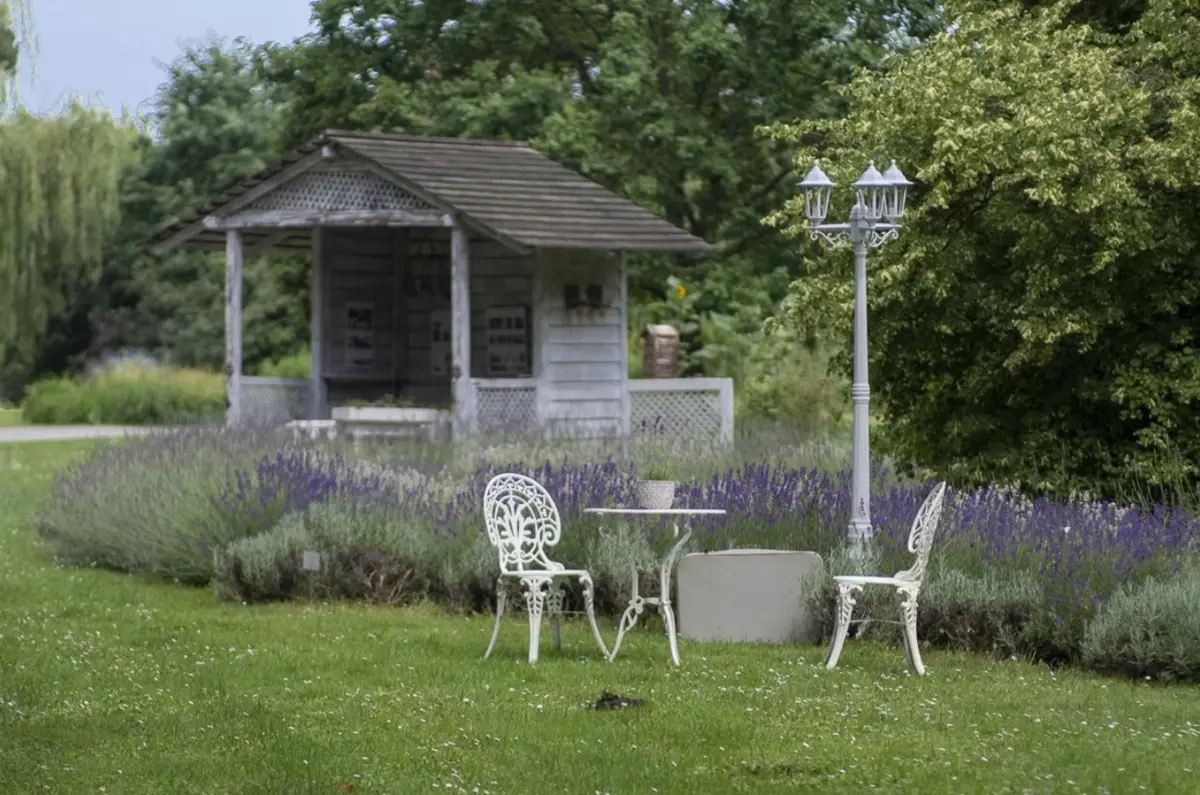
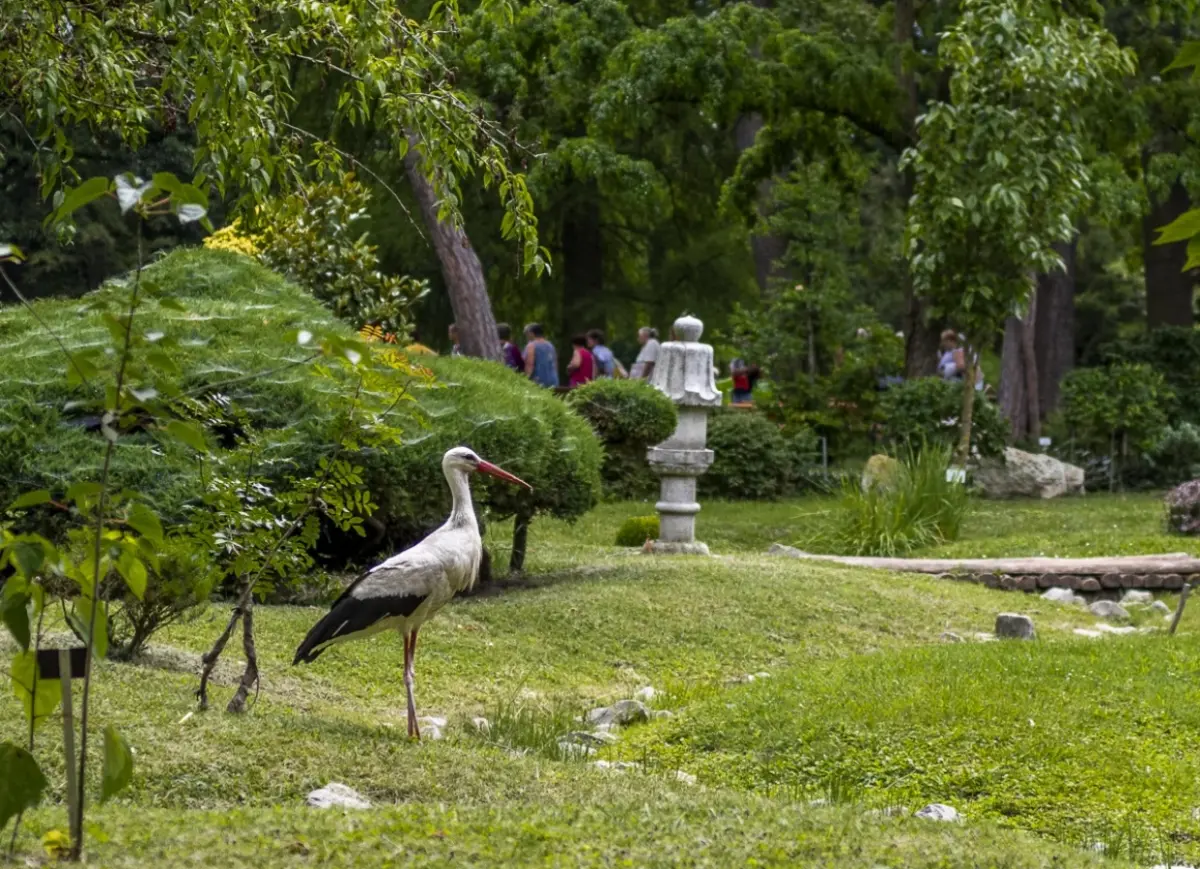
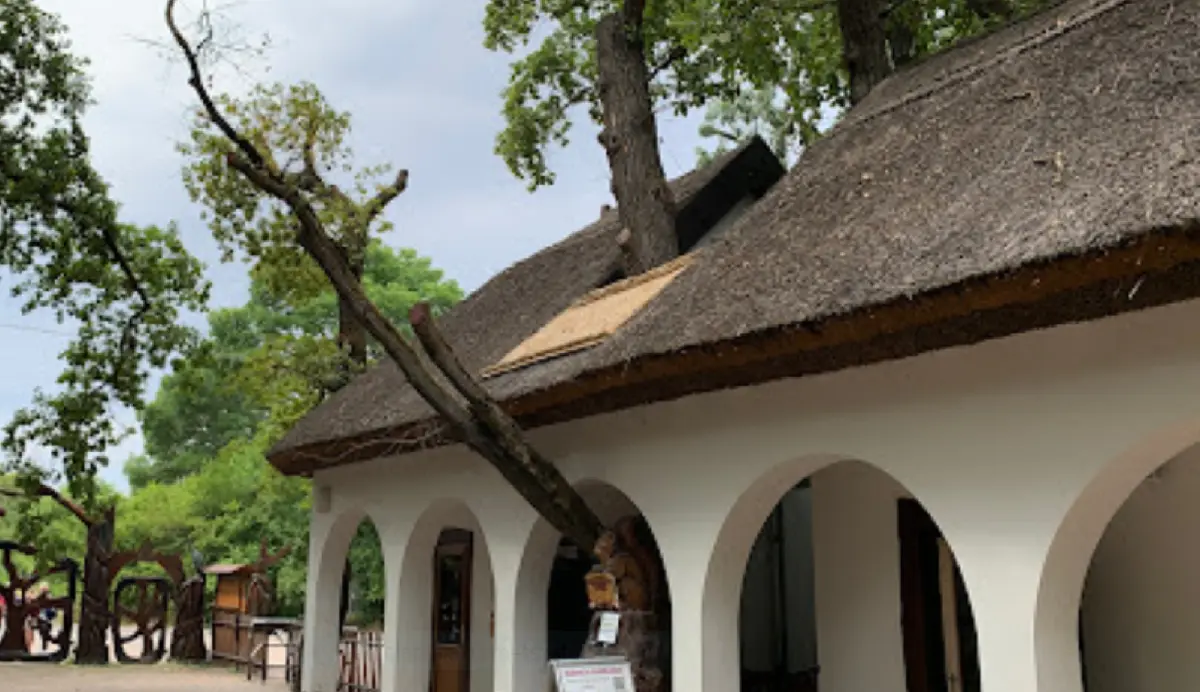
The Széchenyi Grove in Szentes has an atmosphere completely different from the arboretum in Szarvas: this 15-hectare area stretches along the Kurca stream and has been a favourite place of relaxation for generations of the town’s residents. Its development began after 1867, when it was still called a promenade garden, as it was both a public park and a fruit tree nursery. There is a beautiful intention behind the naming of the grove: the people of Szentes wanted to commemorate István Széchenyi for all that the great reformer did to protect the town from flooding. Visitors can still admire the old trees that have been standing since the park was founded, which are now more than 150 years old. The planting was supervised by Vince Dolesch, a qualified horticulturist. The grove was given a more orderly, garden-like form in 1894: it was fenced in and a carved ornate wooden gate was erected. The late Classicist building, originally built as a restaurant, still stands today and currently operates as a museum.
Szeged: the town where lotuses bloom and butterflies flutter in tropical forests
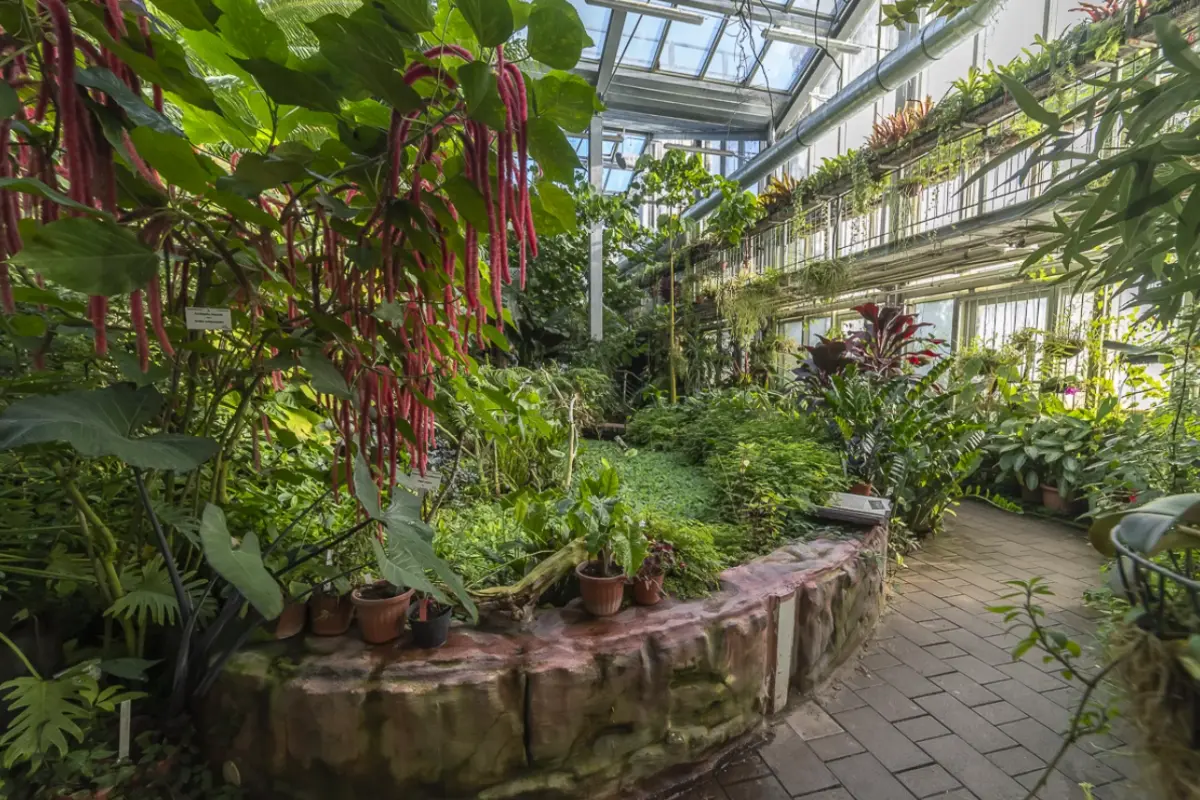
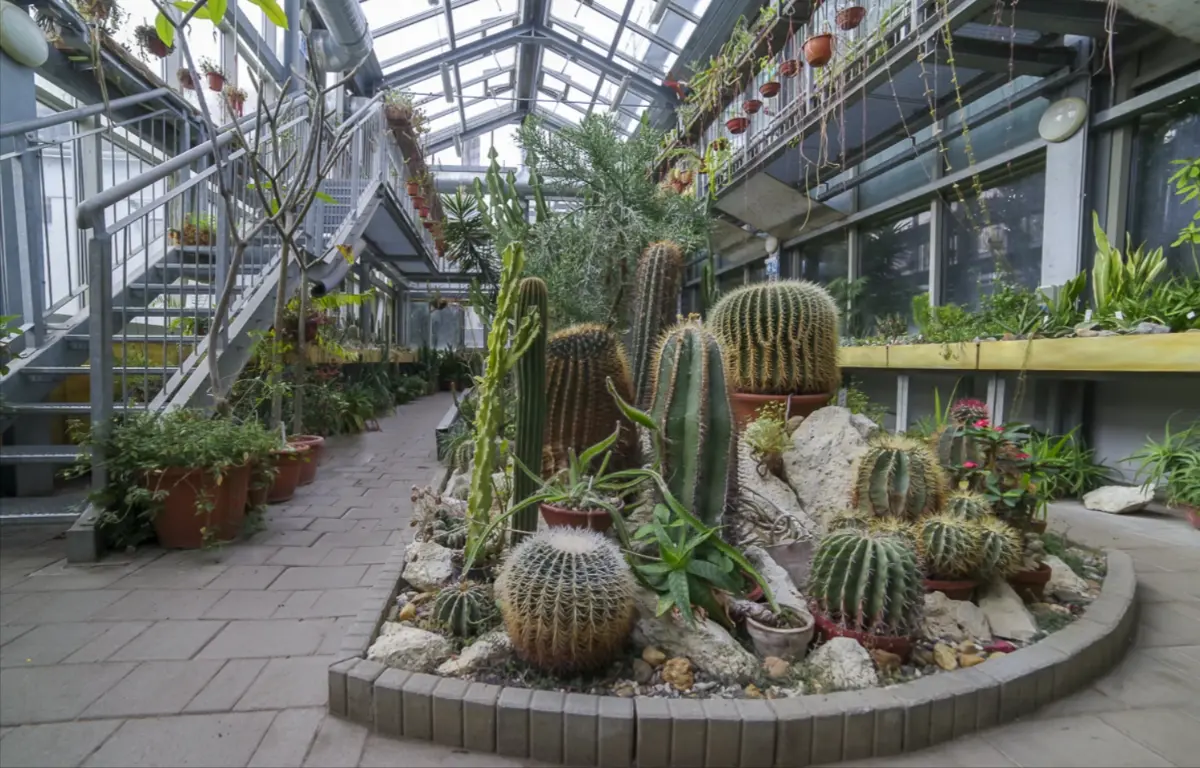
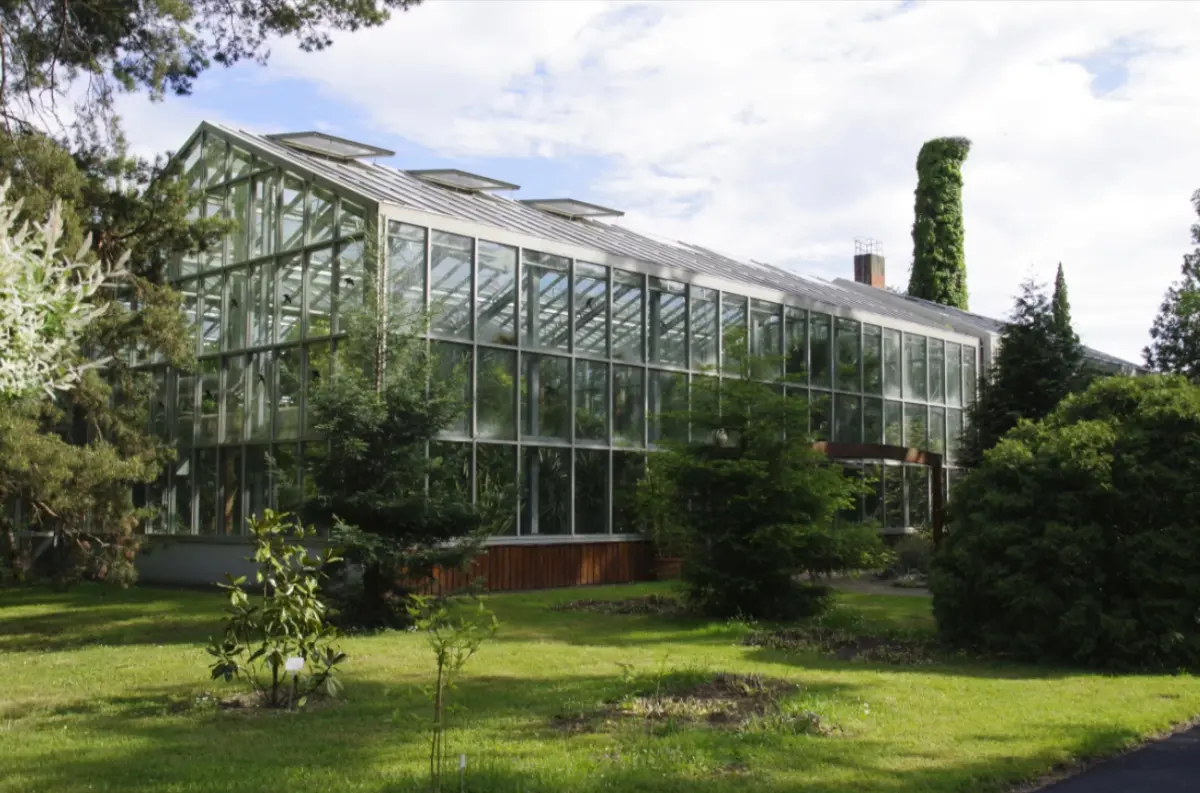
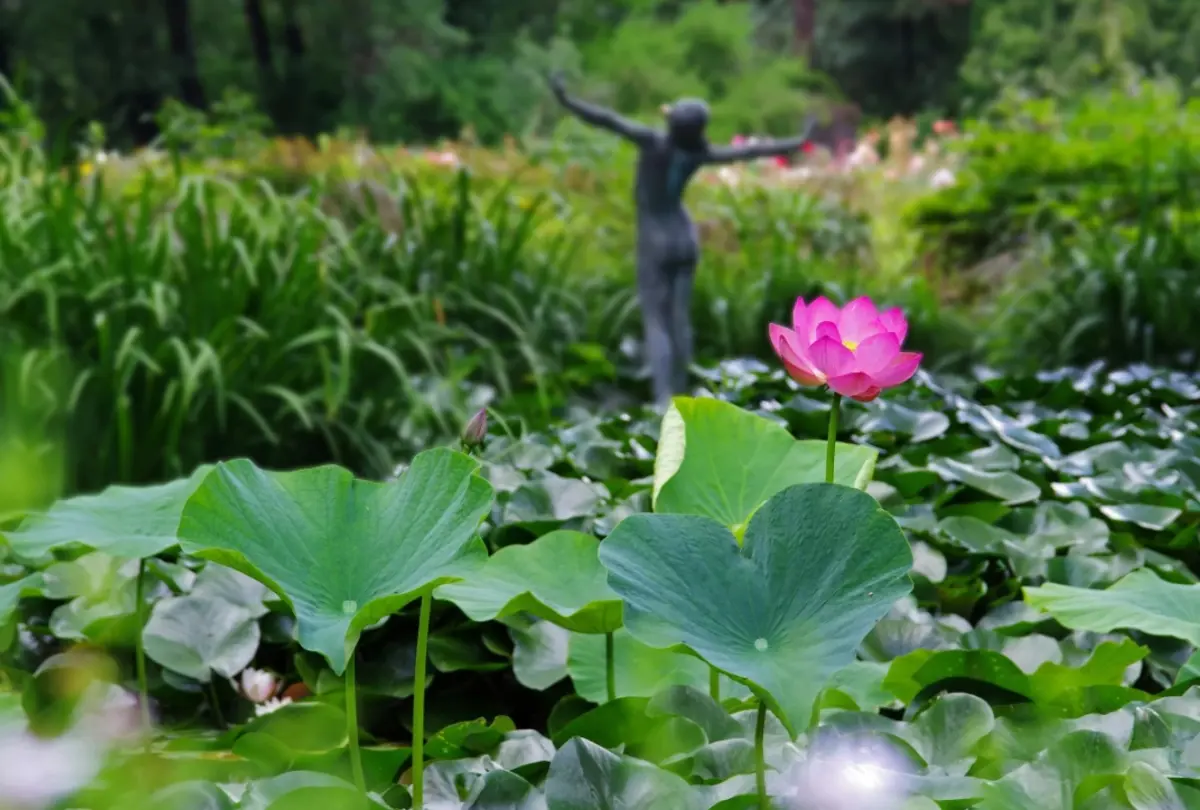
The Szeged Botanical Garden is the botanical garden of the University of Szeged. It has been welcoming visitors for over a hundred years and now covers seventeen hectares along Lövölde Street. It was founded in 1922, it moved to its current location in 1928 and from the outset its purpose has been to study, preserve and display plants. The pride of the garden is Central Europe's largest outdoor Indian lotus plantation, which attracts thousands of visitors to the Lotus Days event during its summer flowering season. But the Botanical Garden is not built around a single theme: there is also a medicinal herb and spice garden, a romantic rose garden, and a special tropical butterfly garden for nature lovers. In the latter, exotic butterflies flutter around in a tropical environment, which is particularly popular with children.
The garden is not only for visitors to stroll around: its experts are involved in the conservation of endangered plant species and maintain close research collaborations with other domestic and international institutions. They also organize interactive programmes for schoolchildren, which "instil" in children a sensitivity to the flora and the value of protecting nature.
Both adults and children should allow plenty of time for the themed units, as a morning can easily fly by in this diverse living garden.