Helyszín címkék:
Five spectacular winter gorge tours in Hungary – icicles, waterfalls, wild stream valleys
Partner content
When winter strips the forests bare, the previously hidden details of the mountain stream valleys become visible. Behind the leafless trees, rocky walls and gorges of various sizes and shapes come into view, while the water freezes in some places and gains new strength in others. Icicles, ice curtains, and waterfalls alternate in these narrowing valleys, where every step bears witness to a short-lived natural phenomenon. A winter gorge hike is not about conquest, but quiet observation – the reward is the view and a sense of timelessness.
Veil in the frost
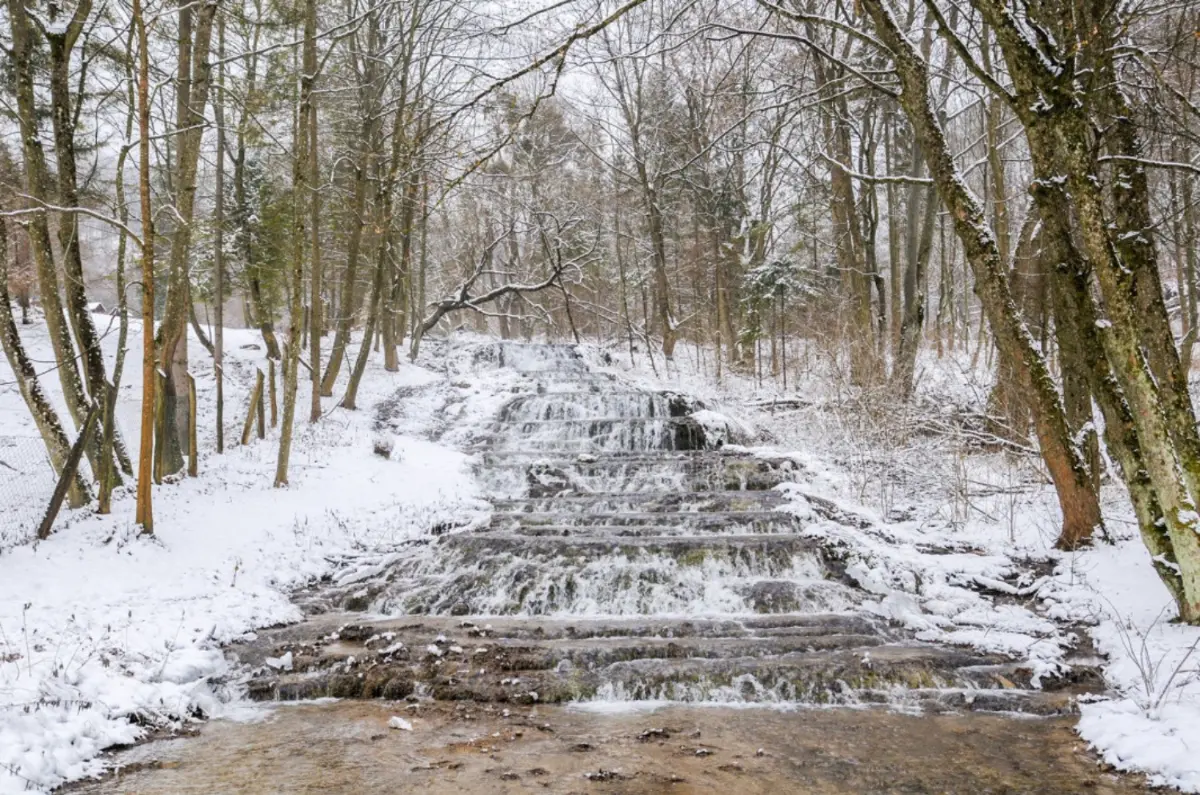
The Szalajka Valley near Szilvásvárad is one of the country’s most popular destinations for day trips, but in winter it shows a completely different side: quieter, cleaner, with snow and frost highlighting the limestone formations of the Bükk Mountains. There is no narrow-gauge railway at this time of year, but the valley still has a warm “reward” in store: it is no coincidence that trout is worth tasting here. The presence of native brown trout in the Szalajka stream has long attracted fishermen. The trout farm was established in the 1920s, and the lake system was developed in the 1960s.
The main attraction is the Fátyol-vízesés (‘Veil Waterfall’), where water cascades down 17–18 limestone steps – in cold weather, the spray often freezes into ice lace on the rocks.
Nearby, the Open-Air Forest Museum showcases old forest crafts, and at the beginning of the valley, a short ski slope provides extra fun for families.
Valley of icicles in the Mecsek Mountains
The Óbányai Valley is one of the most enchanting hiking destinations in the Mecsek Mountains, taking on a completely different character in winter.
At this time of year, hundreds of icicles glisten on the limestone rock faces of Csepegő-kő (‘Dripping Rock’) as the slowly dripping water freezes in the cold.
The tour starts in Óbánya (‘Old Min’), a village with a single street lined with 250-year-old houses with porches, often referred to as the “Hungarian Switzerland”. The settlement lying in the valley of the Öreg-patak (‘Old Stream’) was once the cradle of glassmaking in the eastern Mecsek region.
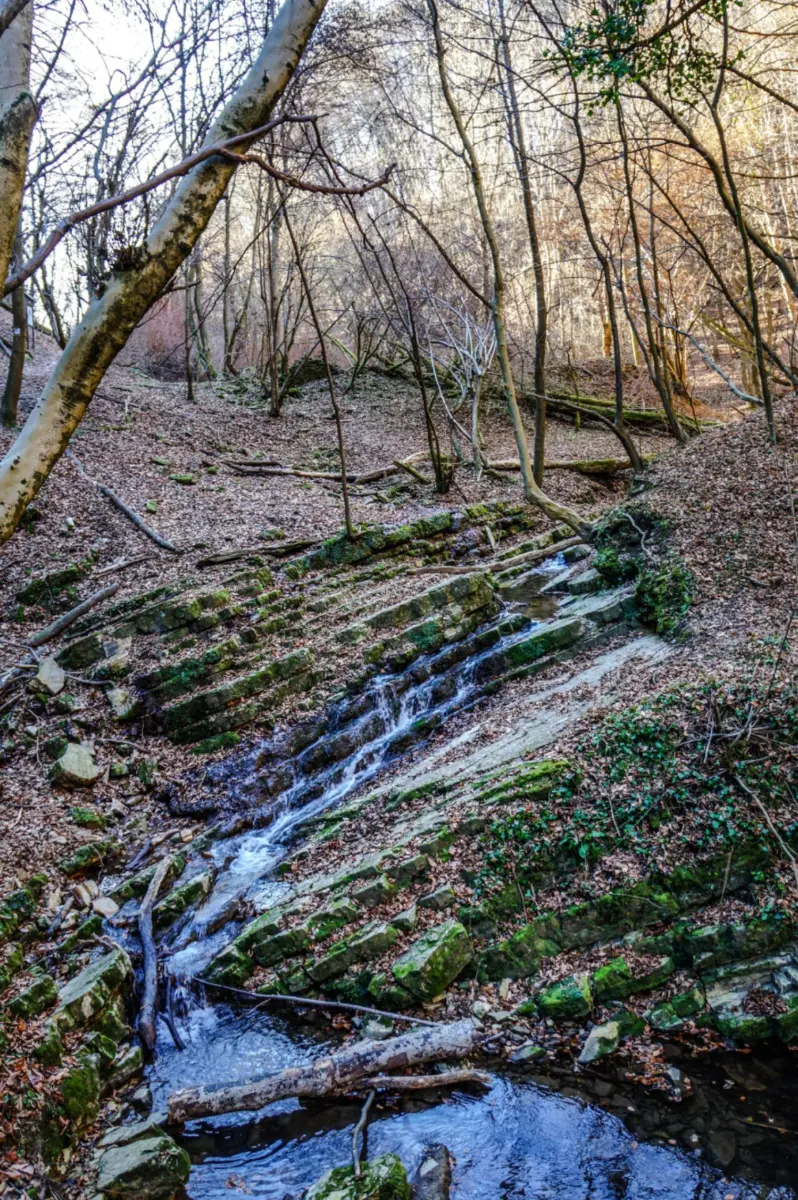
Following the Pál Rockenbauer South Transdanubian Blue Trail, we reach the Óbányai Valley, where water once powered an entire industry: more than twenty watermills once operated along the stream. After Krémer Farm, Csepegő-kő appears, next to which is Ferde-vízesés (‘Sloping Waterfall’), also known as Tündérlépcső (‘Fairy Steps’), with its stepped, displaced Jurassic rock layers. In winter, the ice-covered formations offer a particularly magical sight – a real reward for those setting out on their journey in the cold.
Excursion to the terrain table of the Cuha-szurdok (‘Cuha Gorge’)
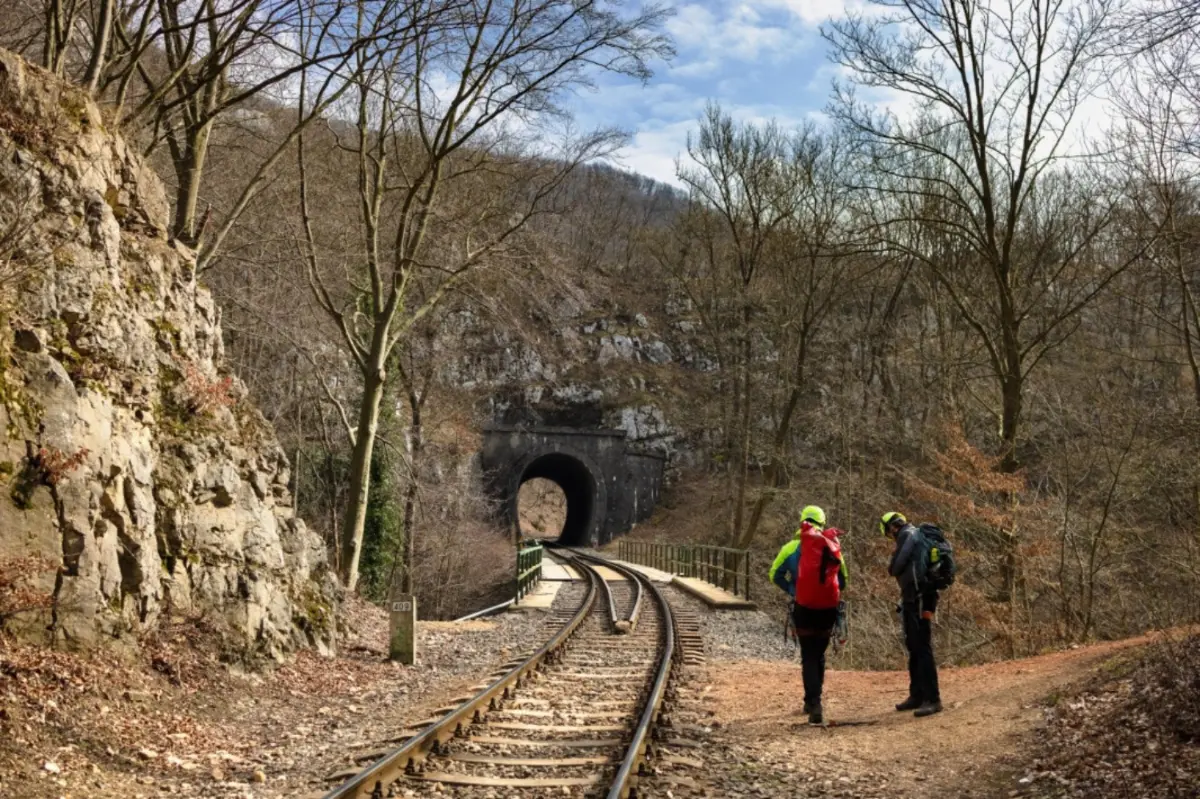
When the train emerges from the canopy of trees and rolls across the viaduct arching in front of the rock walls, it is easy to feel as if we are looking at a carefully constructed model railway – only from a bird’s eye view.
The middle section of the Cuha Valley is one of the most spectacular yet easily accessible gorge regions in the country.
Shallows, cave openings, and rock walls rich in shapes line the path, while the stream rushes and winds its way through the deep valley floor. The hike from Vinye to Porva–Csesznek is short, comfortable, and well-maintained, yet it passes through wild surroundings throughout. The paved forest road and the stream sometimes diverge, sometimes converge, and hikers can walk along the gorge in close proximity to the water, passing under viaducts.
The highlight of the scenery is the eternal battle between the stream and the limestone: a series of bends, rapids, and small pools make the journey memorable.
In winter, the rock walls covered with snow and frost are particularly atmospheric, but at this time of year it is worth preparing for slippery sections and proceeding with extra caution in the gorge.
The longest valley in the Bükk Mountains
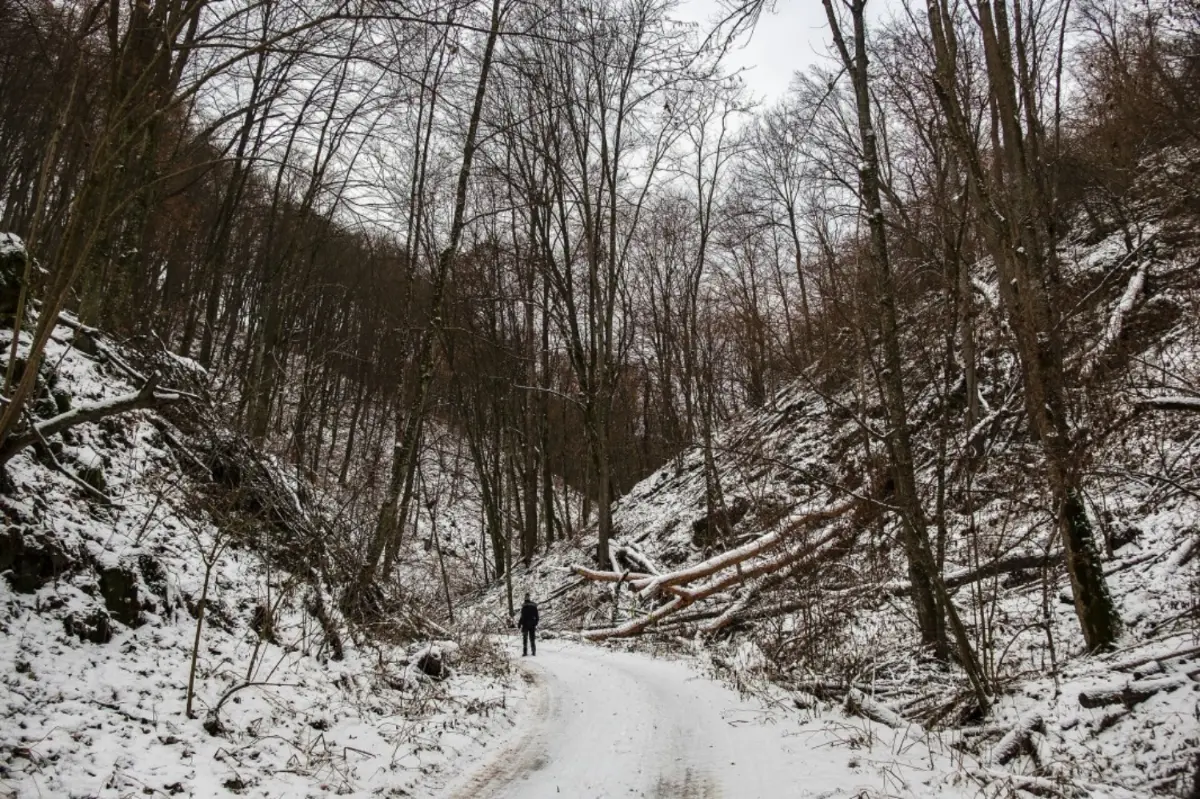
The Hór Valley is one of the most romantic yet little-known landscapes on the southwestern edge of the Bükk Mountains.
The valley stretching from Hollóstető to Cserépfalu was formed by the Hór stream, which, at nearly 18 kilometers long, is the longest valley in the Bükk Mountains.
Over thousands of years, the stream has carved deep into the limestone and volcanic rock, forming narrow, gorge-like sections in places.
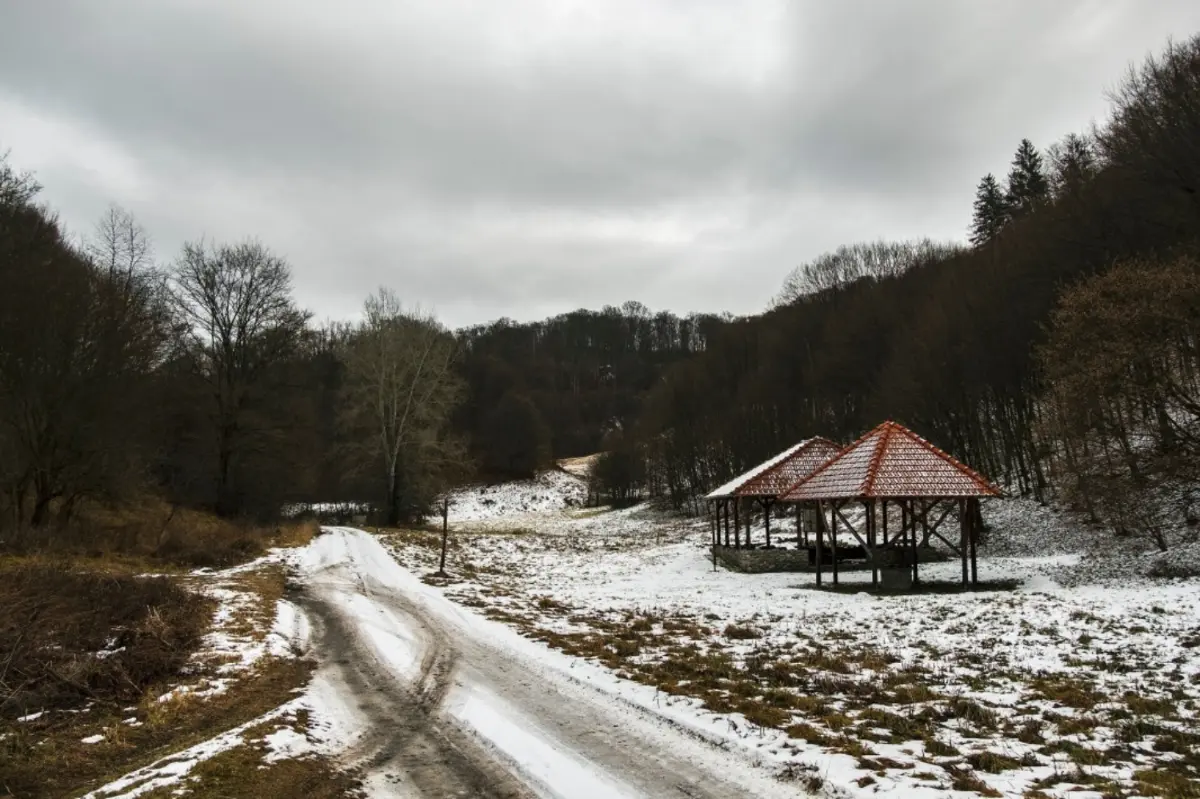
The valley is special not only for its natural beauty, but also for its historical significance: from the Middle Ages onwards, an important transport and trade route ran through it for centuries, even in the lower, narrower parts. For nature lovers, the Hór Valley is a real journey through time. The abandoned mill ruins and traces of former settlements along the trail tell the story of the long coexistence of humans and the landscape. In spring, wildflowers line the path, in autumn, colorful foliage, and in winter, silence and frost-covered forests reign supreme. The valley is not a flashy attraction, but rather a landscape that invites slow exploration – for those who want to get to know the quieter side of Bükk.
Wildness frozen in ice – the Szakadás-árok (‘Rift Gorge’)
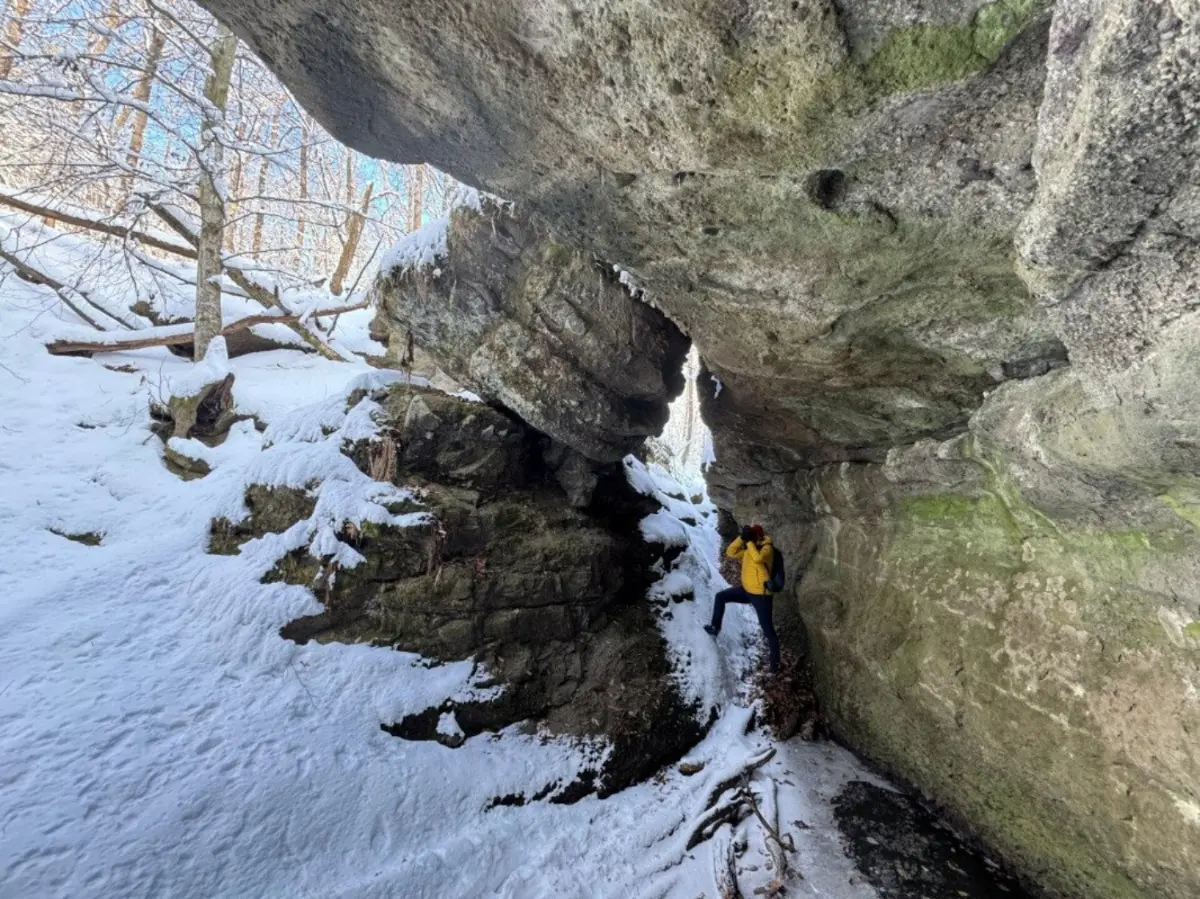
The Szakadás-árok is hidden at the foot of the Mátra Mountains, between Mátraverebély and Pásztó, and easily rivals the Rám Ravine in terms of excitement – only in a much wilder form. In the approximately one-kilometer-long, undeveloped gorge, walls 5-10 meters high close in at places, a stream trickles at the bottom, and water drips from the mossy rocks. The walk is more of an adventure than a stroll: we hop over rocks and balance on fallen trees as we make our way forward. During the approximately eight-kilometer hike, we descend through forests and stream valleys into the depths of the gorge, where the space sometimes widens and sometimes narrows to just a meter or two.
In winter, the Szakadás-árok turns into a real ice world: icicles and ice curtains hang from the rock walls, and ice columns several meters high can form in narrow sections.
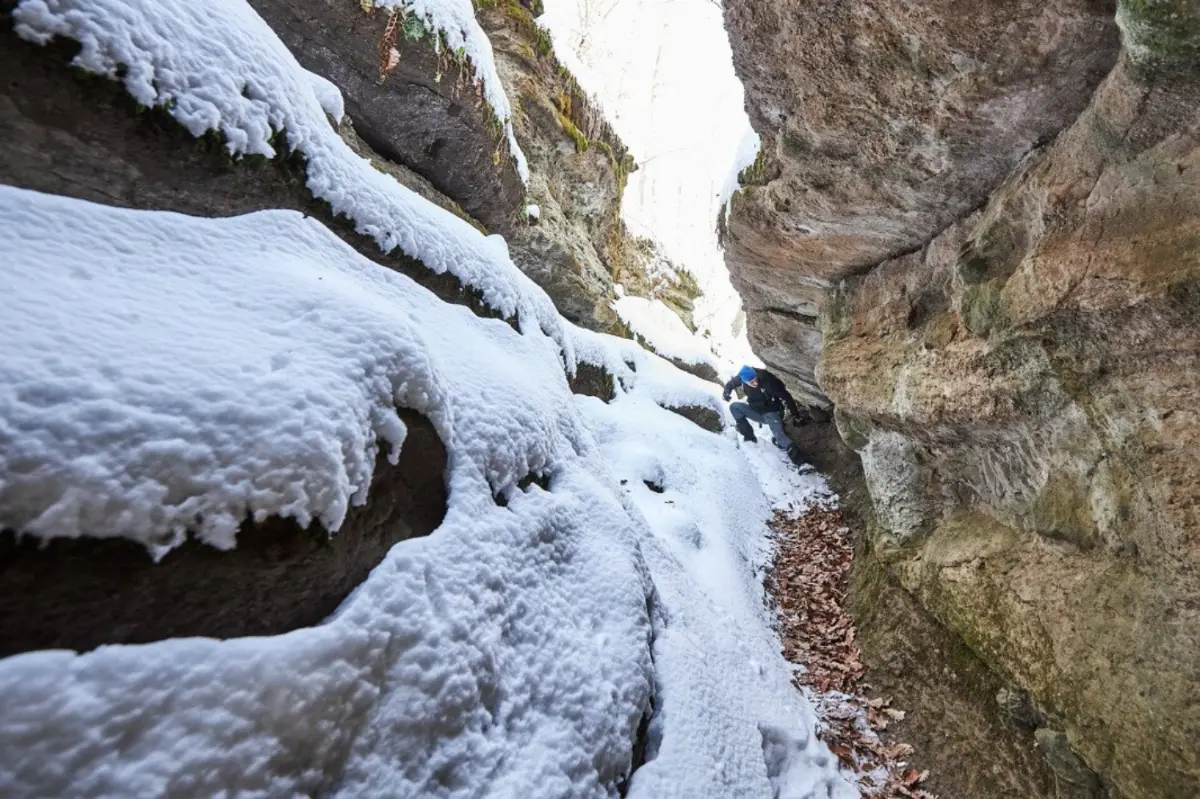
In frosty weather, the hardened ground is often easier to walk on, and the view is a special reward for those seeking the raw, untouched face of winter.
Discover the country with the Hungarian Nature Conservation Association!
If you would like to learn more about Hungary's natural and cultural treasures, visit the Turista Magazin website published by the Hungarian Nature Conservation Association for tips and ideas, or download the Természetjáró app, which offers a selection of the best hiking, cycling, and water tours across the country.