Helyszín címkék:
English gardens, silent hermitages and in the footsteps of a devil’s horseman – A castle tour in the Vértes region
Zsolt Kovács
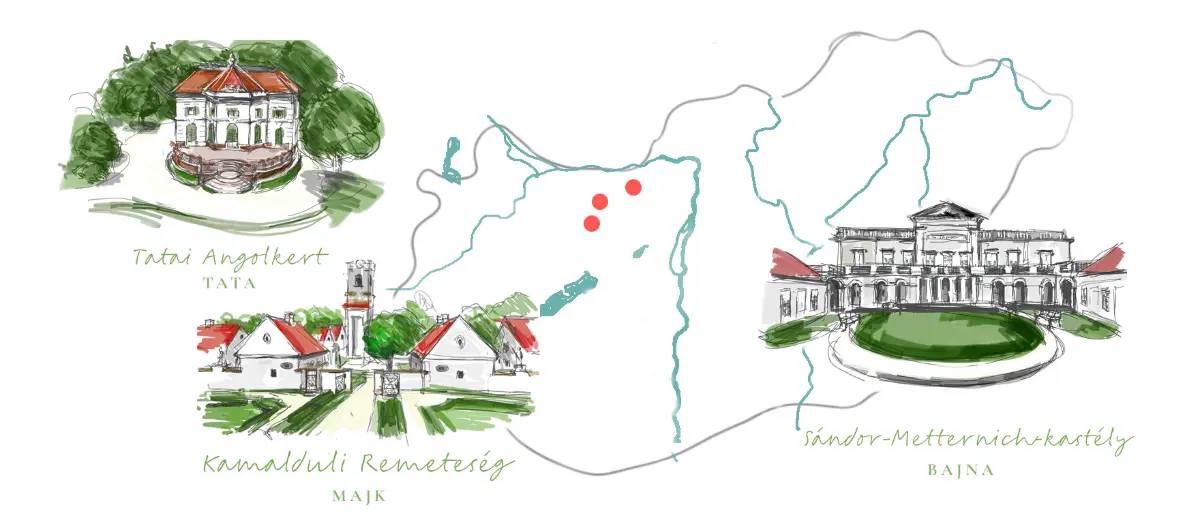
Graphic design by: Nóra Horváth
What is this article about?
- Tata English Garden
- Majki Camaldolese Hermitage
- Sándor Bajnai–Metternich Castle Park
Tata English Garden – Where the dream of a spa town lies dormant
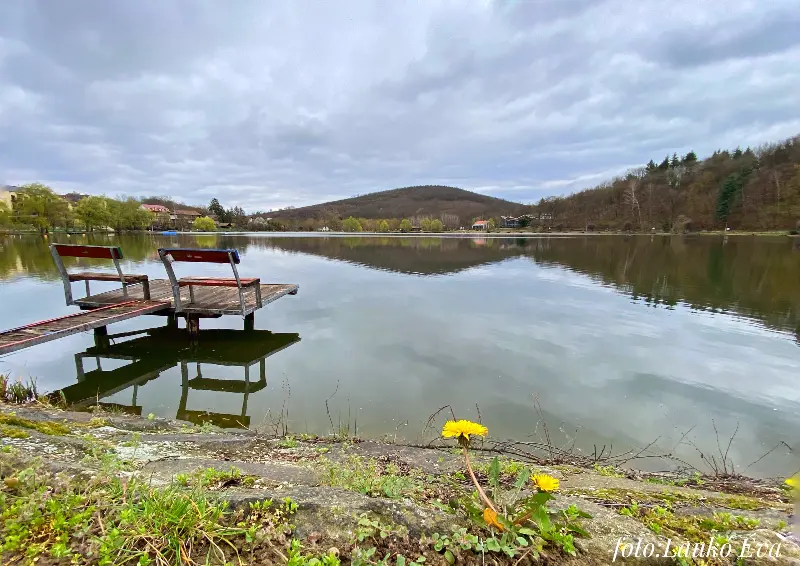
The town of Tata is defined not only by the Old Lake (Öreg-tó) and its countless watermills, but above all by the legacy of the Esterházy family, and one of the most beautiful parts of this legacy is the English Garden. Created in the late 18th century and further developed in the 19th century, this landscape park stretches along the shore of Lake Cseke and has been enriched with romantic features such as the artificial ruin, which still stands today, the Turkish Mosque, the artificial cave known as ‘Hell’, arched bridges, as well as the Palm House and the Esterházy Summer House, regarded as the jewel in the park’s crown. The history of the garden actually tells the story of a grand dream that never came to fruition: at the end of the 19th century, the Esterházy family planned to develop Tata into one of the Monarchy’s best-known spa towns, centring the developments around the English Garden and the neighbouring Crystal Spa. Although the plans were only partially realised, the English Garden has nonetheless remained one of the most beautiful landscape parks of its era.
Walking amongst the park’s trees, one can find exotic species – including unusual deciduous conifers, such as swamp cypresses – whilst boating is also possible on Lake Cseke. The park’s crowning glory, the imposing Esterházy Summer House, has recently been restored and has reopened its doors; it now serves as an exhibition space.
The best news, however, is the accessibility: the Tata English Garden is open all year round, free of charge and at any time, thus you won’t be disappointed even on a November outing – you’ll just need to check the opening times of the Summer Residence and the Cellarius Treasure House if you’d like to see them from the inside, as well.
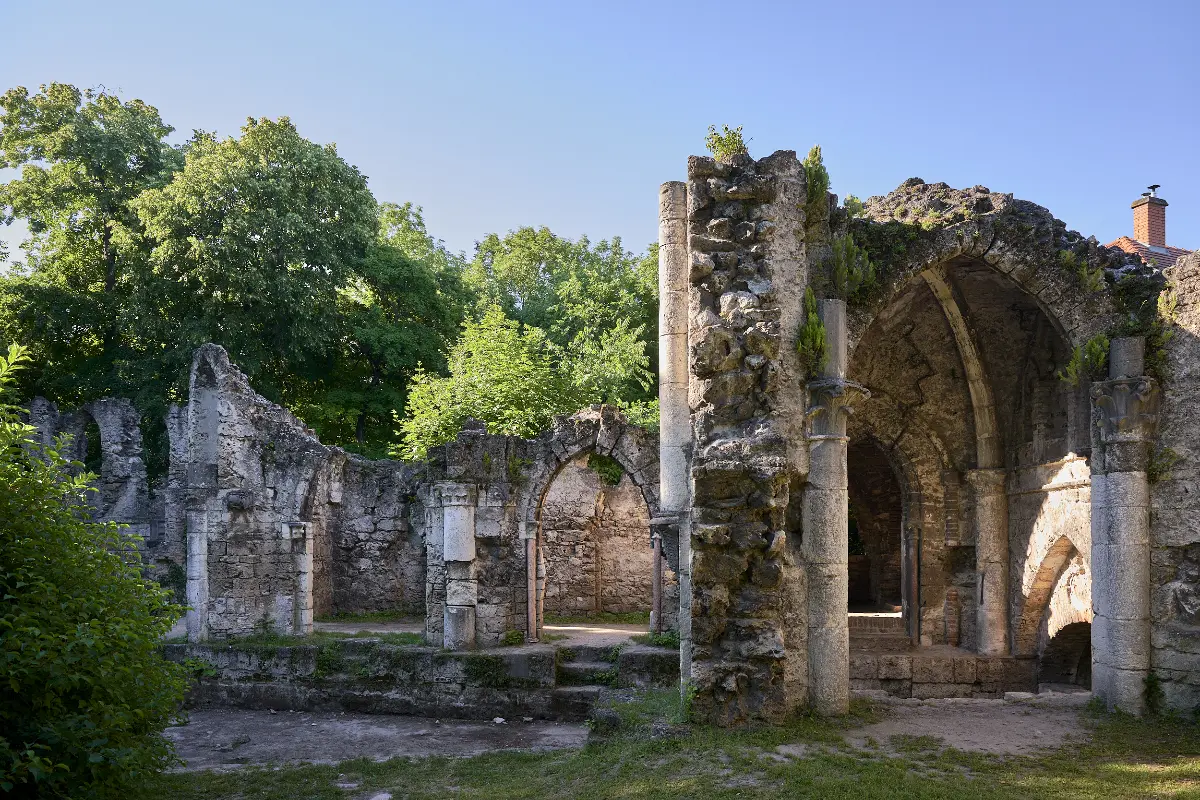
Majki Camaldolese Hermitage – A realm of tranquillity deep in the forest
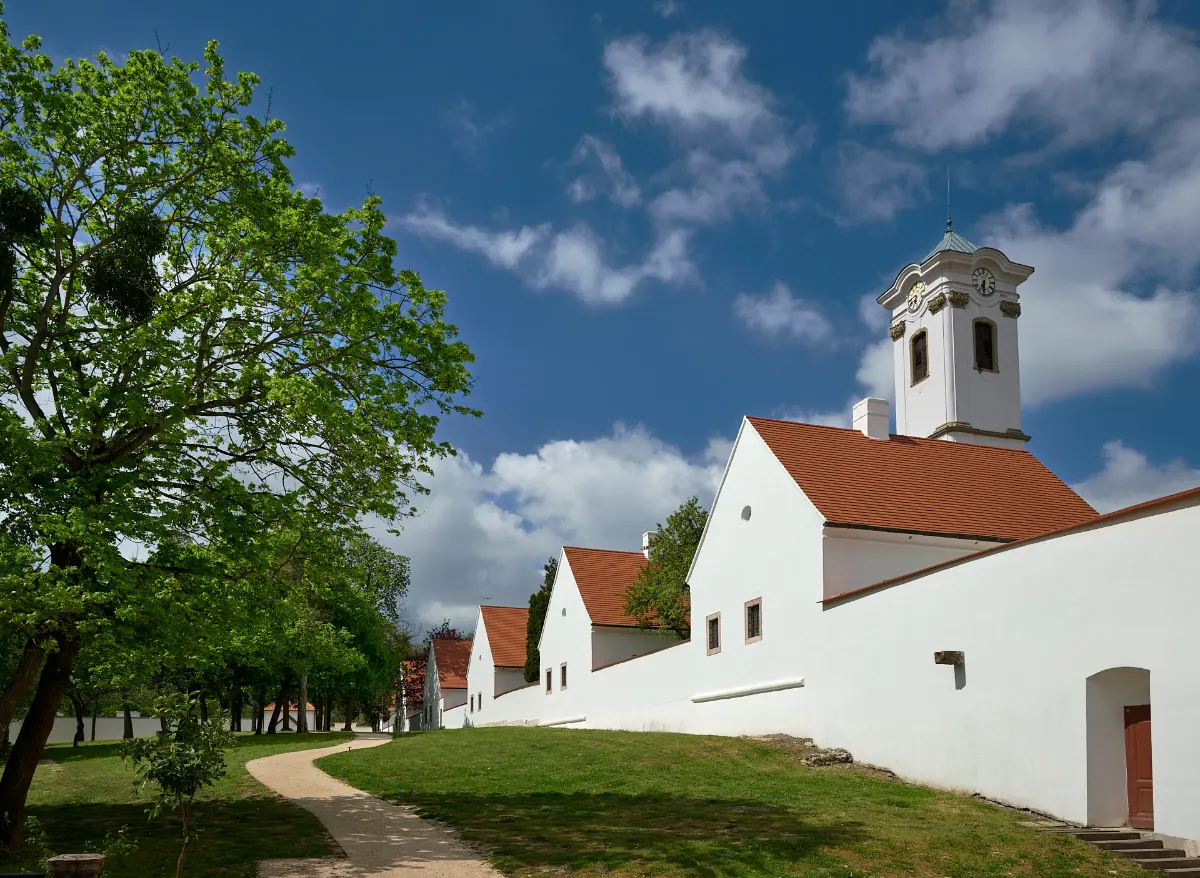
On the outskirts of Oroszlány, nestled within the wooded embrace of the northern Vértes and surrounded by lakes, lies one of Hungary’s most extraordinary historic complexes: the Majki Camaldolese Hermitage. The order was established here in 1733 by Count József Esterházy of Fraknó, who donated 1,200 hold of wilderness to the monks, along with lakes and mills. The members of the Camaldolese Order took a strict vow of silence – they were permitted to speak only a few times a year – and spent their lives in prayer and tending the gardens of the hermitages. The complex, comprising 17 cell houses, the monastery building (Foresteria) and the surviving tower of the former church, is considered a rarity throughout Europe.
Following the dissolution of the order, the estate was returned to the Esterházy family in 1828, who converted the site of the former Foresteria into a comfortable hunting lodge and laid out an elegant English garden around it. The servants moved into the old hermit’s dwellings. Following a renovation lasting several years and funded by the EU, the manor house and the hermitage were reopened to the public – today, both can be seen in their original splendour. The hermitage is open to visitors even in winter: between 1 November and 31 March, it is open from Tuesday to Sunday between 9.00 a.m. and 5.00 p.m.; the monastery gates open to visitors every half hour, and the site can be explored either on a guided tour or independently.
Sándor Bajnai–Metternich Castle Park – The realm of the ‘Devil’s Horseman’
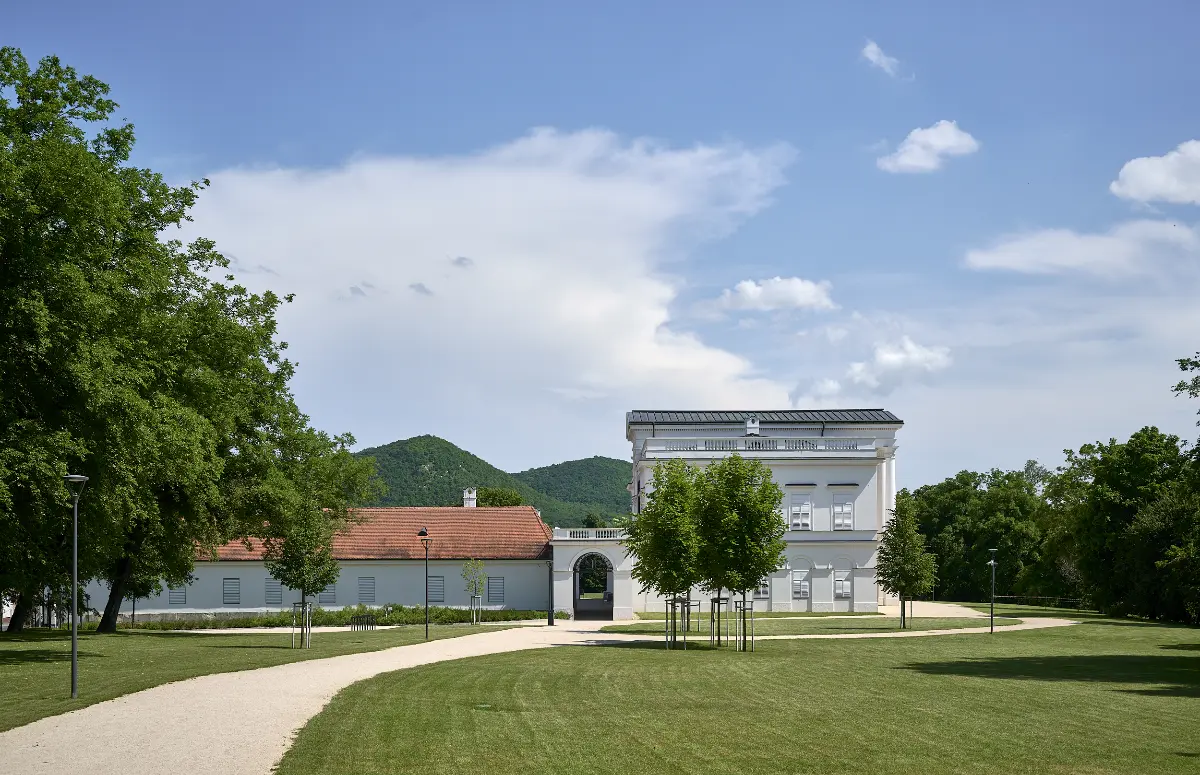
Our final stop is Bajna, specifically the Classical-style castle standing on the highest point of the village, which was converted by the Both family in the mid-18th century from their former manor house into a Baroque, and then by the Sándor family in the mid-19th century into a Classical-style aristocratic residence. A legendary resident of the mansion was Count Móric Sándor, known in popular parlance simply as the ‘Devil’s Horseman’: legends of his daring equestrian feats circulated throughout Europe, and it is said that he even leapt from the mansion’s balcony on horseback. By the late 1840s, the castle was one of the country’s finest Neoclassical buildings, surrounded by a ten-hectare ornamental park.
The castle was reopened following many years of restoration, after the façades, interiors and park had all been restored to their former splendour. You can enjoy a pleasant stroll in the large park bordering the castle complex to the south. The atmosphere of the park is enhanced by the view of the surrounding countryside, the mature trees and the on-site children’s playground.
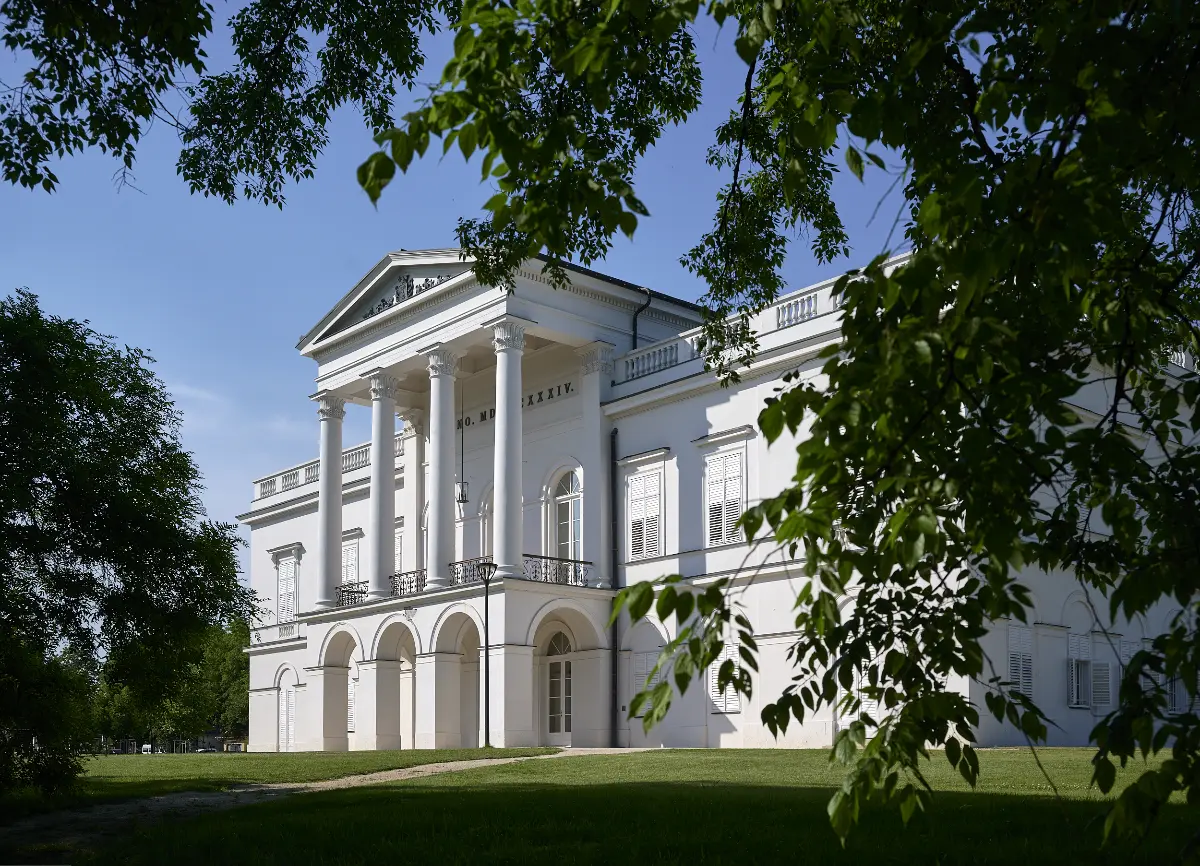
The castle and the park welcome visitors during the same opening hours: from 1 November to 31 March, Tuesday to Sunday, 10.00 a.m. to 5.00 p.m.
The three sites form a convenient loop that can be walked in its entirety, even on a winter’s day. Let’s start in Tata, where, in the English Garden – as it is free and open all year round – we can even take a longer walk early in the morning. From here, it’s about a half-hour drive to the Majk Hermitage on the outskirts of Oroszlány, where it’s worth timing your arrival to coincide with the opening hours between 9.00 a.m. and 5.00 p.m. Finally, head to Bajna, where you can take a thought-provoking stroll to round off the day in the grounds of Ördöglovas (‘Devil’s Horseman’) Castle. As all three sites maintain regular opening hours even in winter, this itinerary is an excellent choice in November, or even on a snowy December weekend.
Photographs by György Darabos