Helyszín címkék:
The Bolza Family, the Széky Family – A journey through time in the gardens of the Middle Tisza Region’s arboreta
Zsófia Bartha
What exactly will we be talking about?
- The Tiszakürt Arboretum, which offers a different experience in every season
- The Széky family’s historic garden
- A green experience on the outskirts of the town
Tiszakürt: Amongst the giant plane trees of the Bolza Family
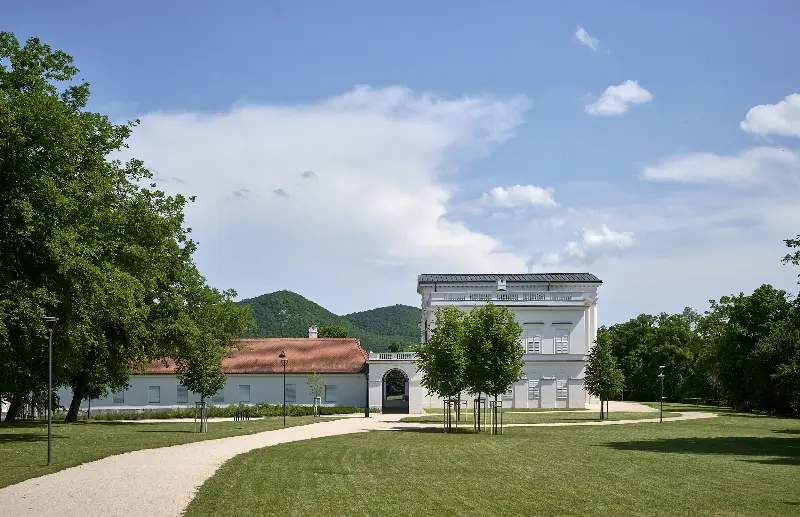
In the heart of the Tiszazug, in Tiszakürt, the story of a unique garden began in the early 1850s. The Bolza Family of Counts – to whom we also owe the Szarvas Arboretum – began work at that time on landscaping the approximately 17-hectare park surrounding their manor house. The estate’s plant collection grew ever richer over the decades, but the war and nationalisation caused severe damage to it. Efforts to save and revive the garden began in the late 1950s.
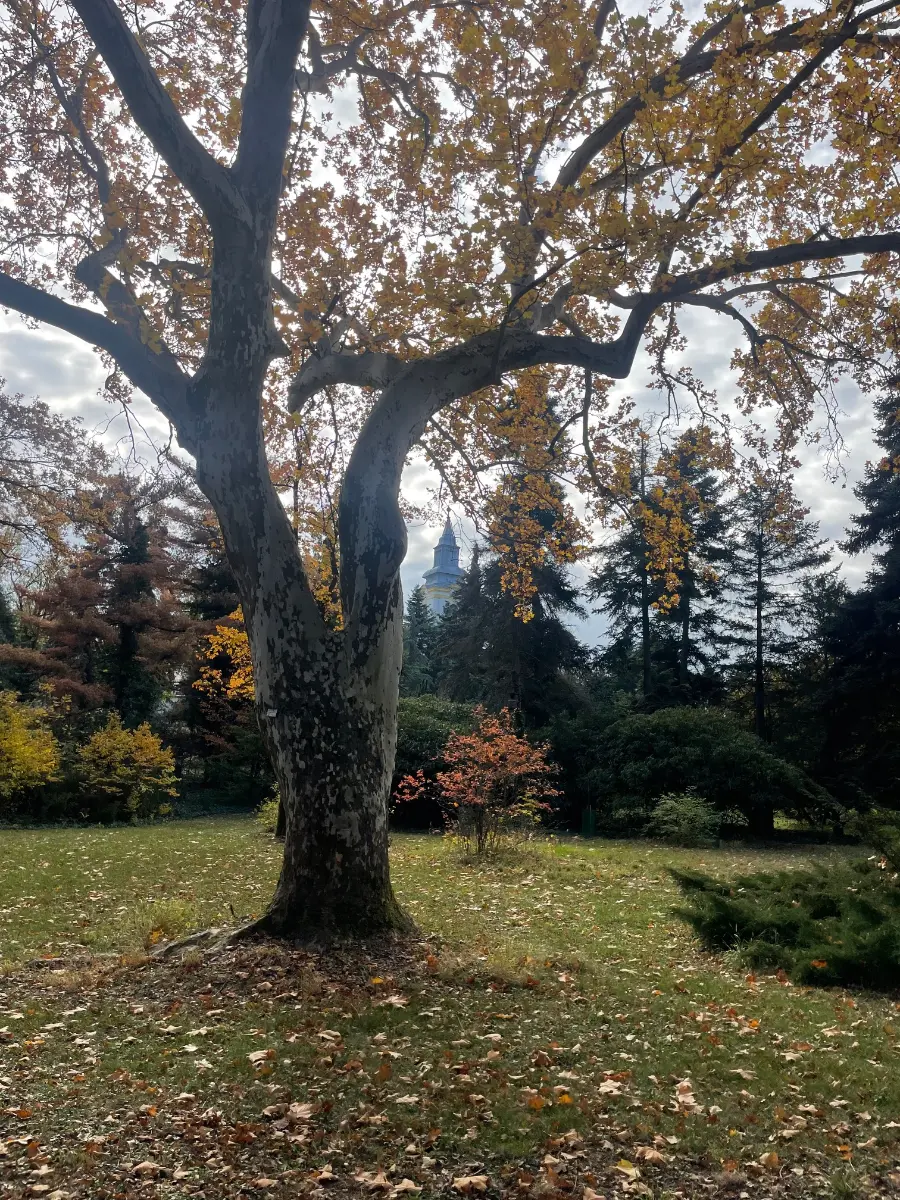
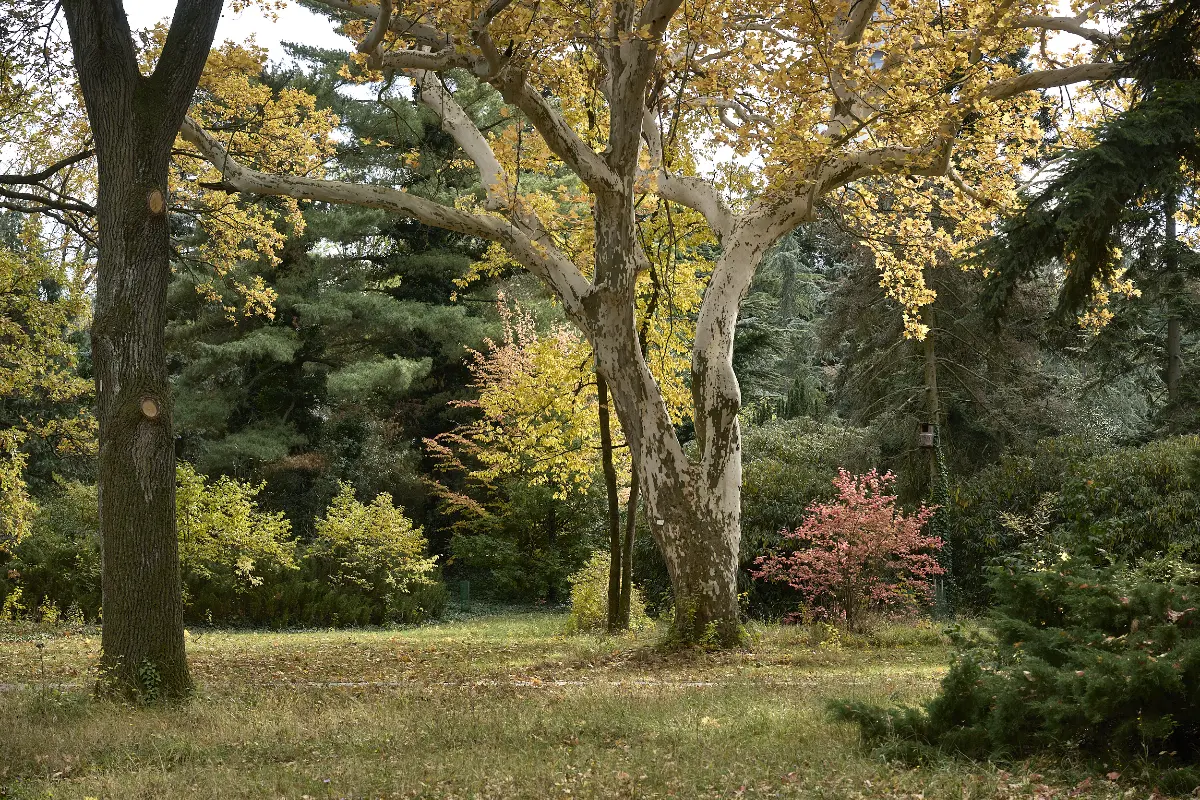
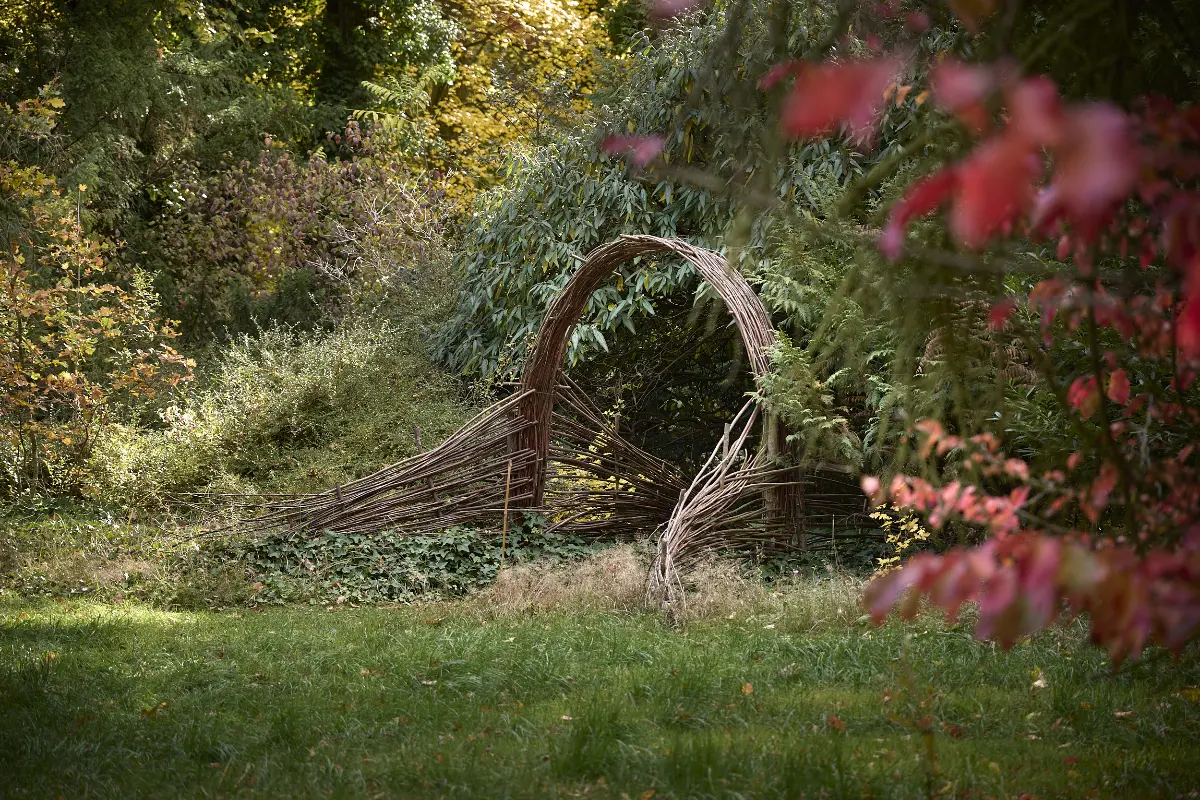
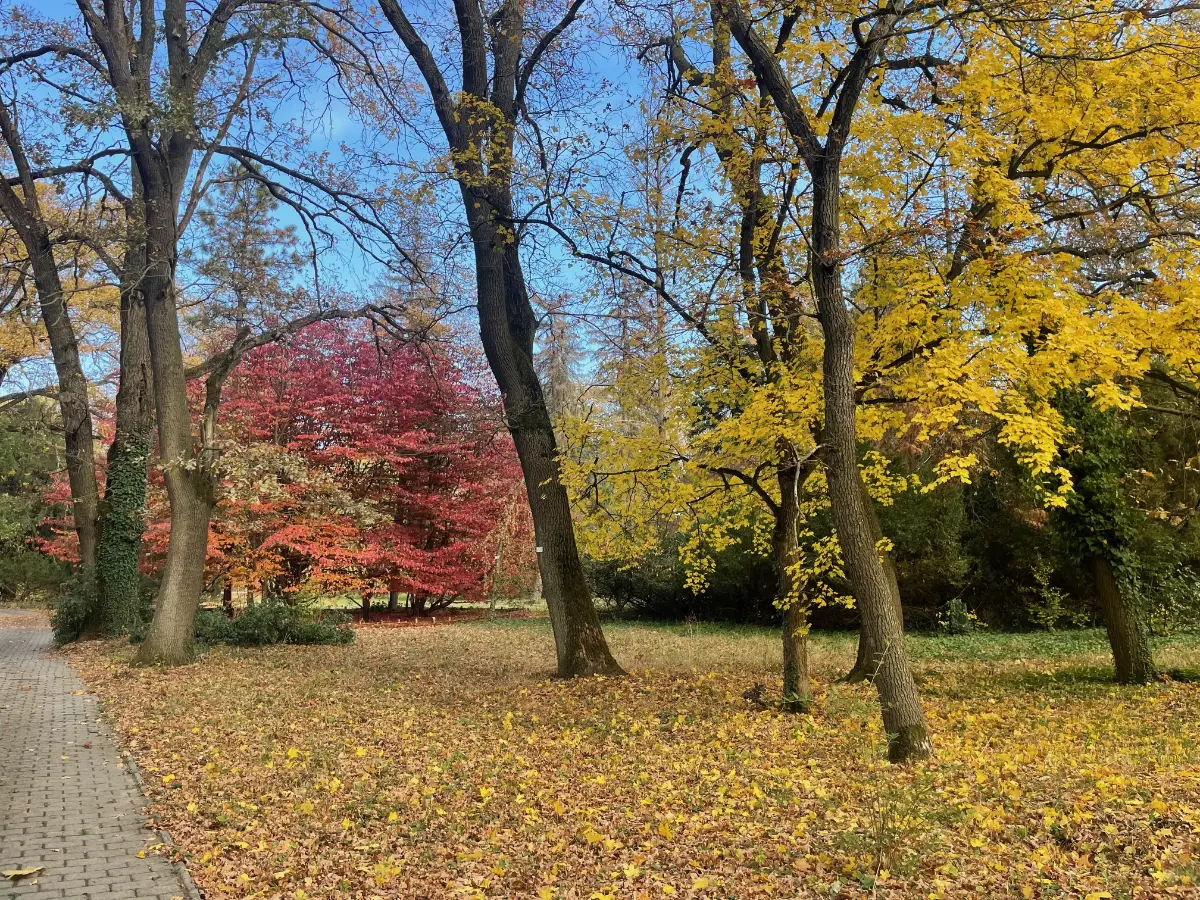
Today, the arboretum, covering some 60 hectares, is home to nearly 1,200 plant species. Its most valuable part is the Old Garden, where well-tended clearings, shady paths and ancient trees alternate. Visitors’ attention is primarily drawn to the huge maple-leaved plane trees: one three-trunked specimen has a trunk circumference of nine metres. Alongside the Scots pines, English oaks and ancient yews, Csaba Vas’s nearly six-metre-tall statue of Nike is also a remarkable sight.
Photos: Ilona Torkosné Egervári
The future of the arboretum is now being shaped by adaptation to climate change and an ecologically-minded approach to garden management. Work has begun on developing a management approach that uses innovative solutions and experimentation to find methods for the long-term preservation of the historical garden’s natural values. Thus, visitors can discover not only an arboretum with a rich history, but also a garden where answers to the challenges of the future are being sought.
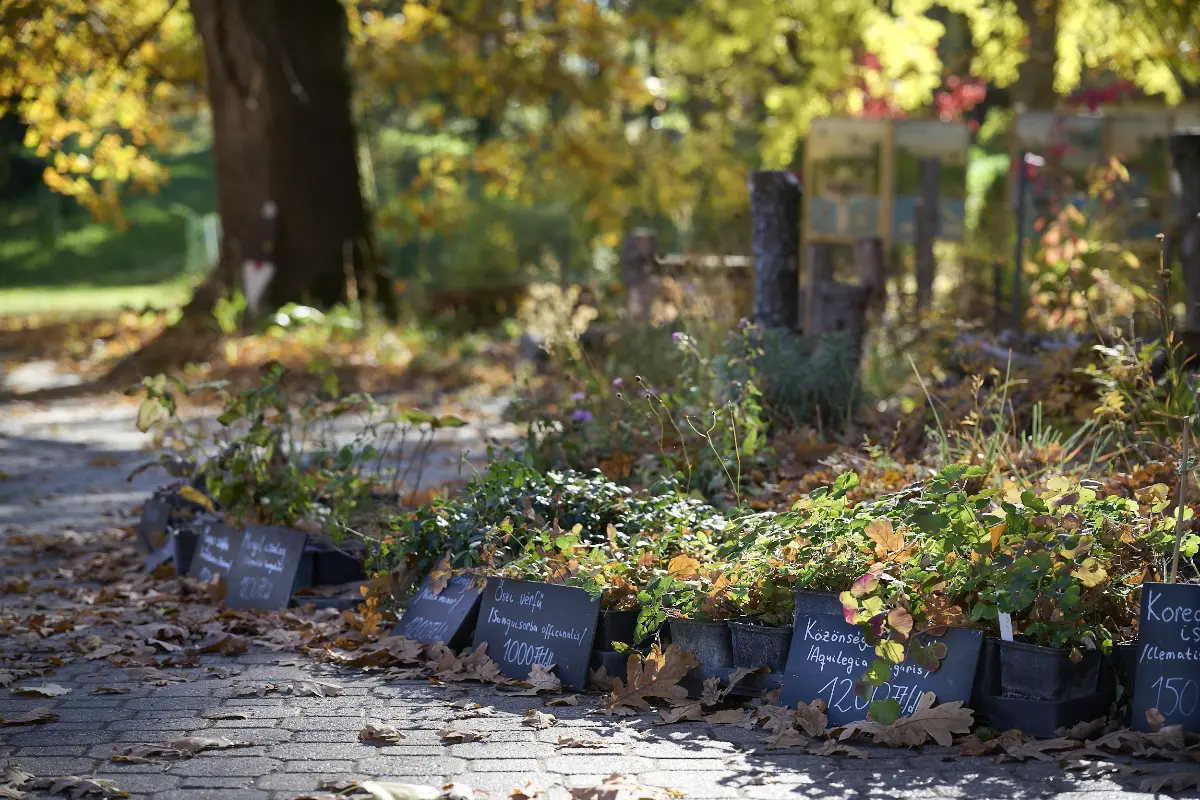
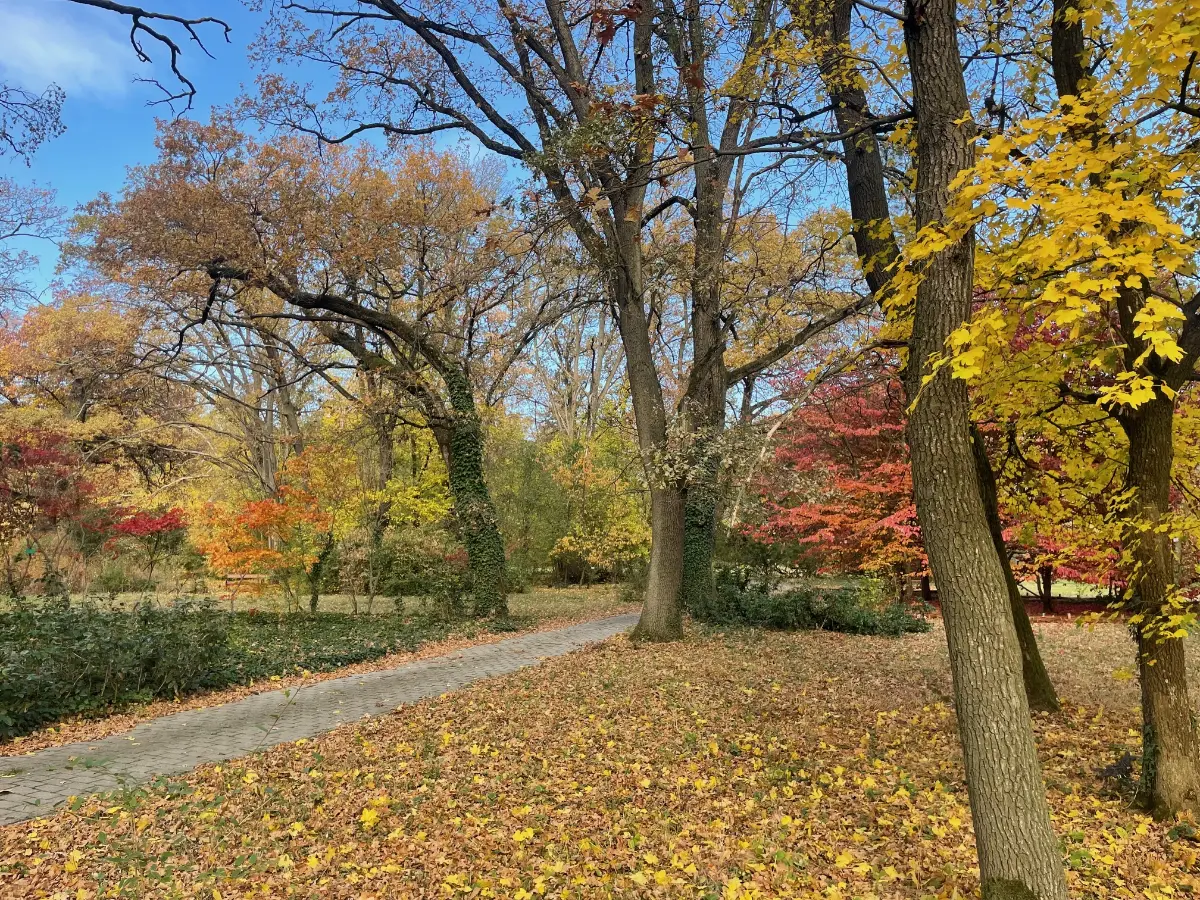
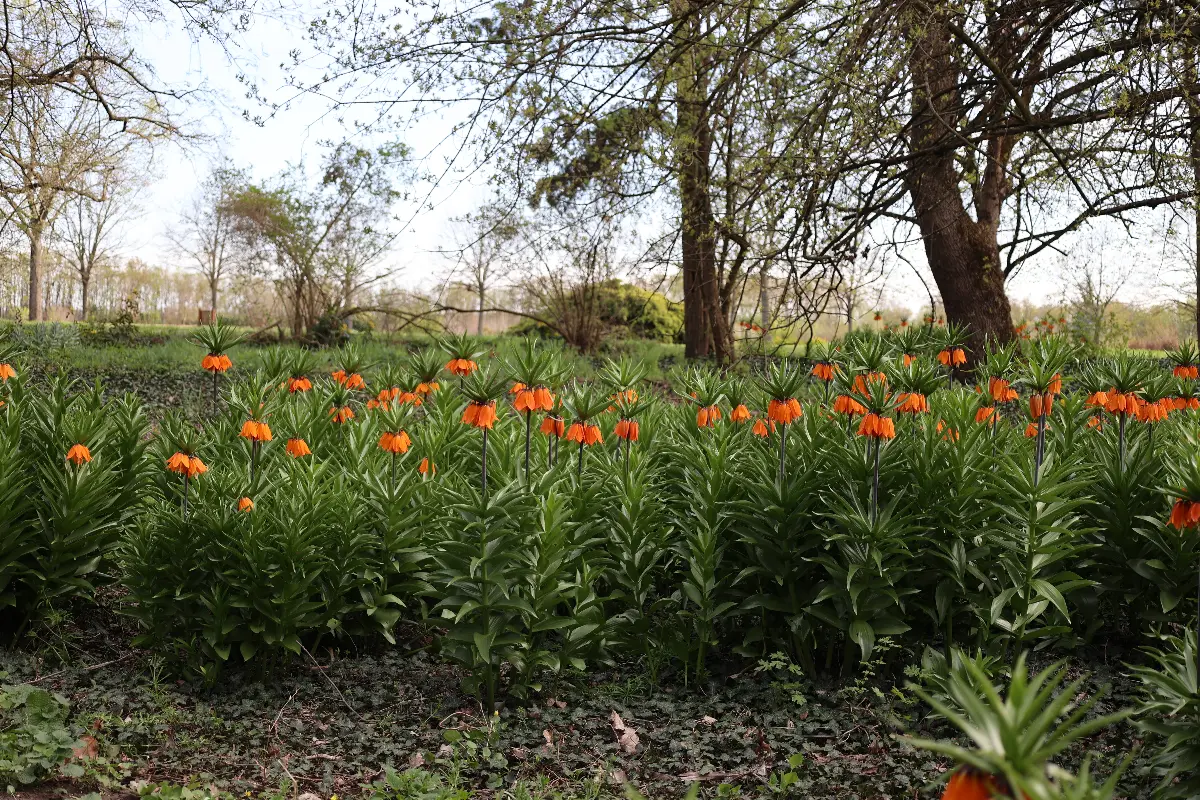
Tiszakürt offers a different experience in every season. In spring, snowdrops and winter aconites signal the reawakening of nature; later, crocuses and daffodils bring colour to the glades; and in autumn, the garden is painted in shades of yellow, red and brown by the foliage.
Visiting hours: daily from March to November, except Mondays. Closed from mid-December to early January. A full-price admission ticket costs 2,000 forints.
Photos: Darabos György
Tiszaigar: The secrets of a military engineer’s garden
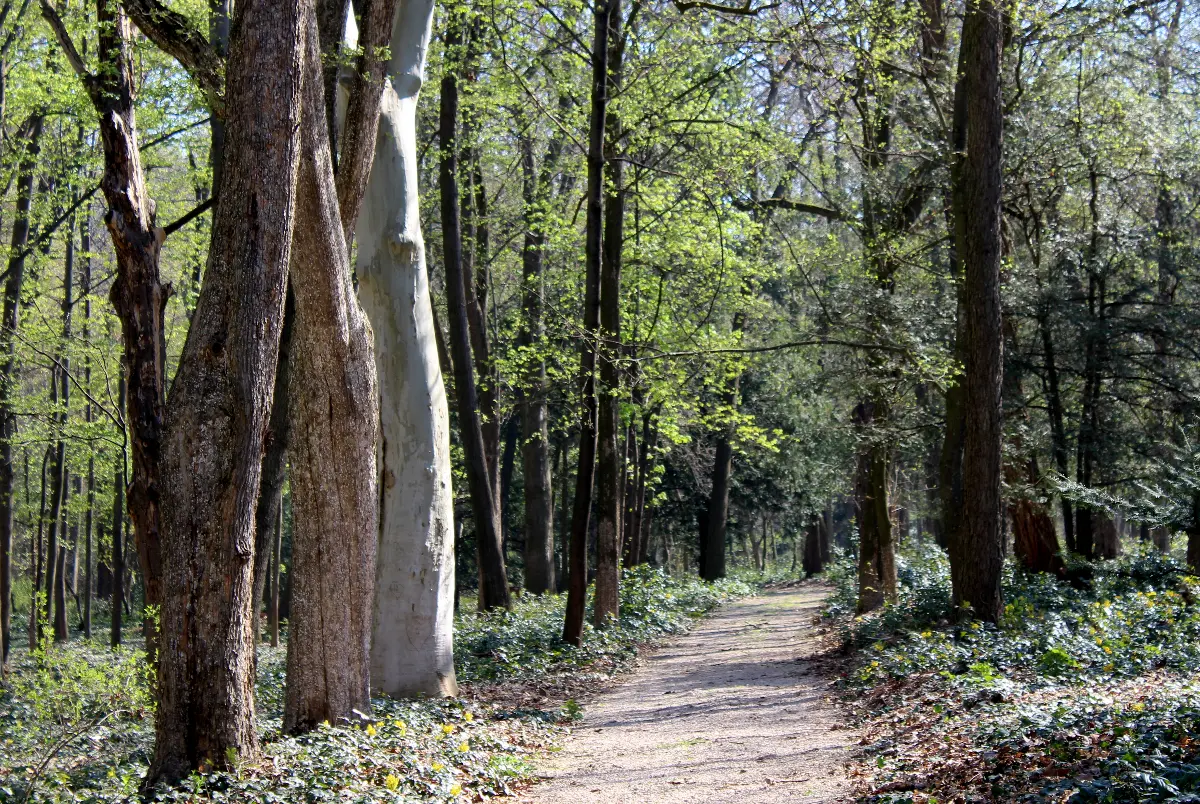
The Széky Family’s historic garden was established near Tiszafüred, on the site of a former riverbed. Its creator, Péter Széky, a landowner and military engineer, began laying out the park in 1867, modelled on foreign castle gardens. His son later enriched the collection with alpine and exotic plants, whilst the final major improvements were carried out by his granddaughter, Ilona Széky, who completed the work by 1920. The garden went through a difficult period following the Second World War, but its restoration began in the 1950s. It was granted nature conservation status in 1956. Today, the site, covering nearly twenty hectares, is home to more than 400 plant species.
Source of the photo: NEFAG Zrt.
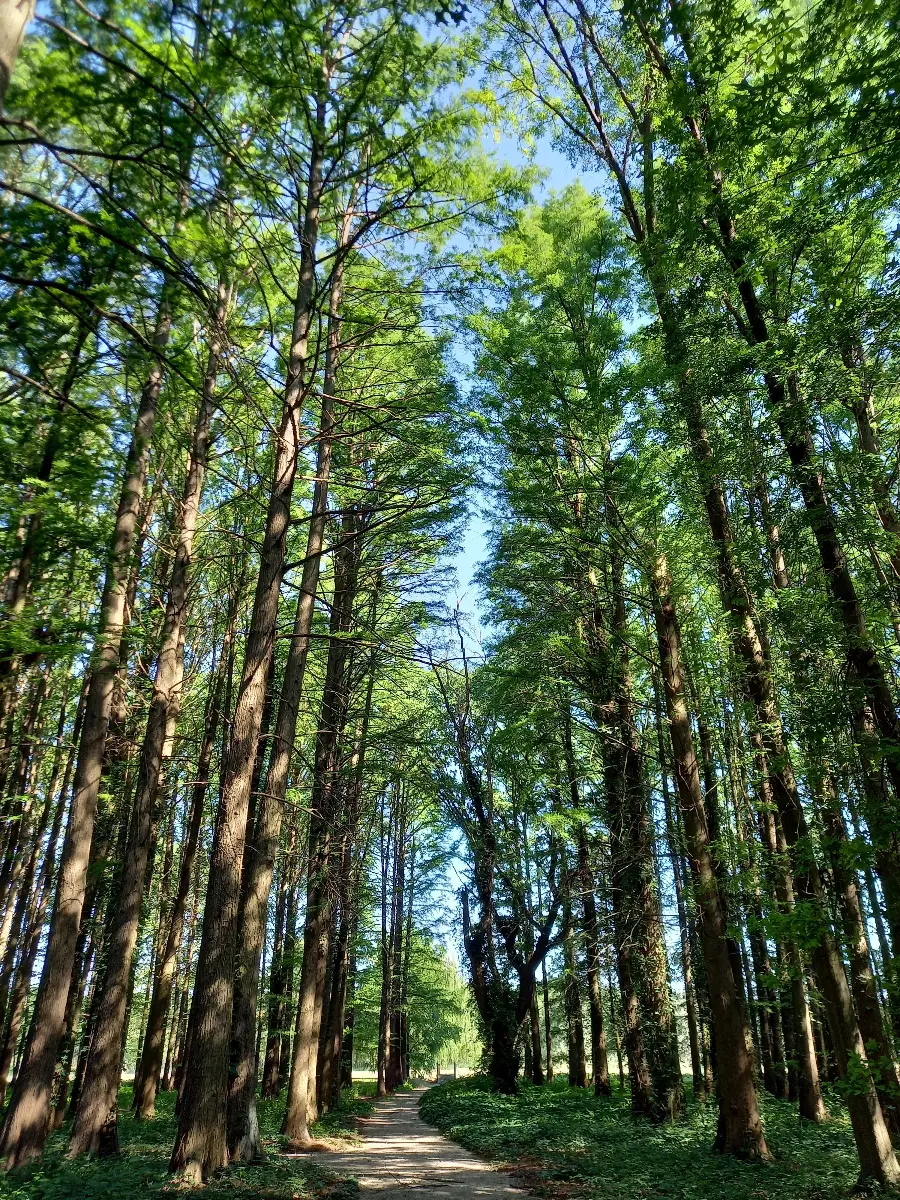
One of the park’s greatest attractions is the swamp cypress grove, which covers 2.5 hectares. Walking amongst the monumental trees, one feels as though they have stepped into another world, and it is easy to forget that one is in the Great Plain. Another pride of the garden is a twin-trunked English oak, several hundred years old. Alongside these, giant sequoias, tulip trees, ancient yews, furthermore, in spring, flowering magnolias add variety to the flora.
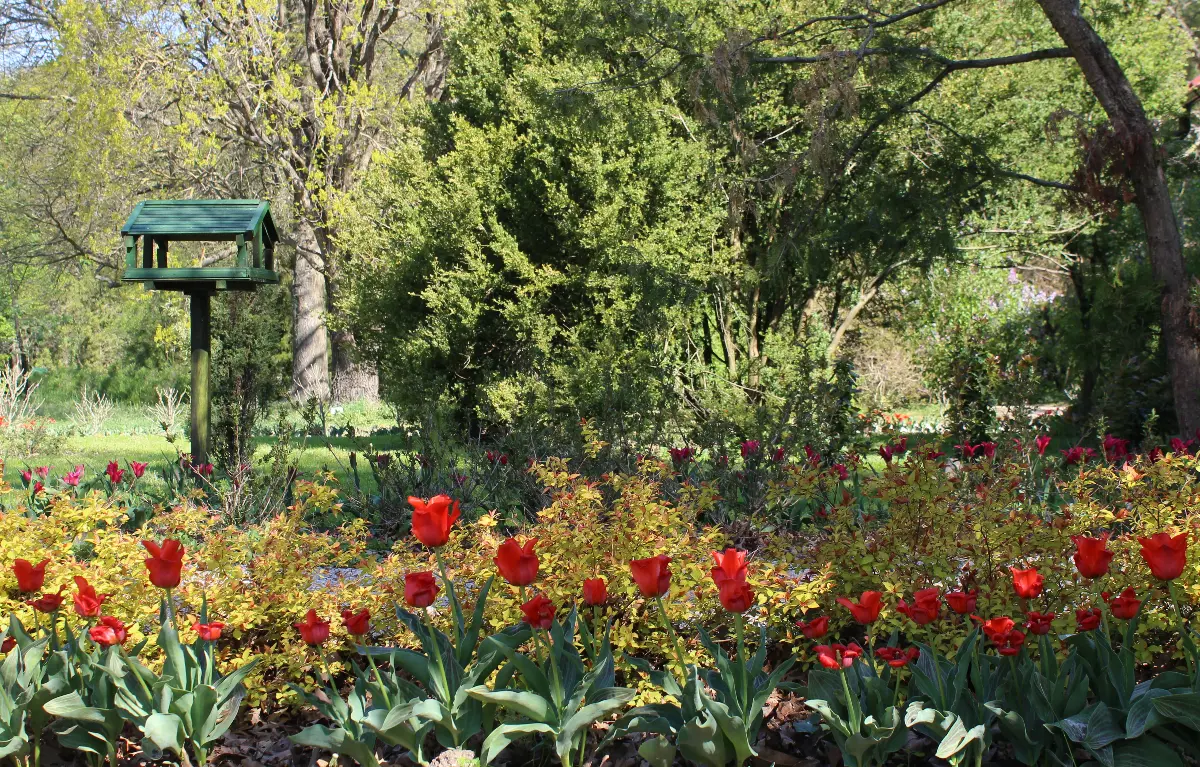
Visiting hours: all year round, daily from 8.00 a.m. to 5.00 p.m. The well-maintained footpaths, information boards and the children’s play area ensure a pleasant outing for families. Lake Tisza, located nearby, offers further opportunities for day trips.
Source of the photo: NEFAG Zrt.
Szolnok: A woodland retreat on the outskirts of the city
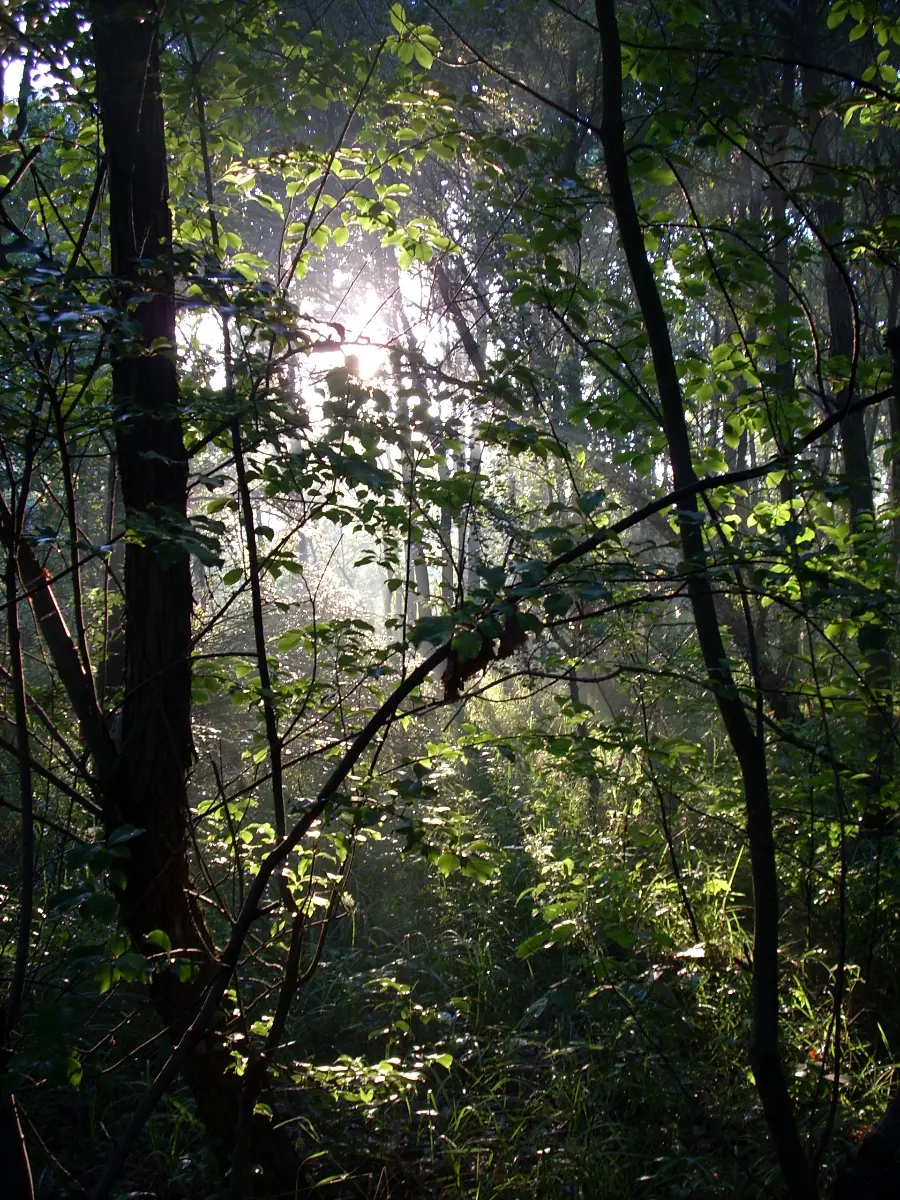
Situated at the confluence of the Tisza and Zagyva rivers, Szolnok offers a green experience that is different from historic arboreta, yet still unique. The Széchenyi Park Forest, covering some 125 hectares, is not the legacy of a former aristocratic garden, but a well-maintained, near-natural forest where visitors can unwind in the immediate vicinity of city life.
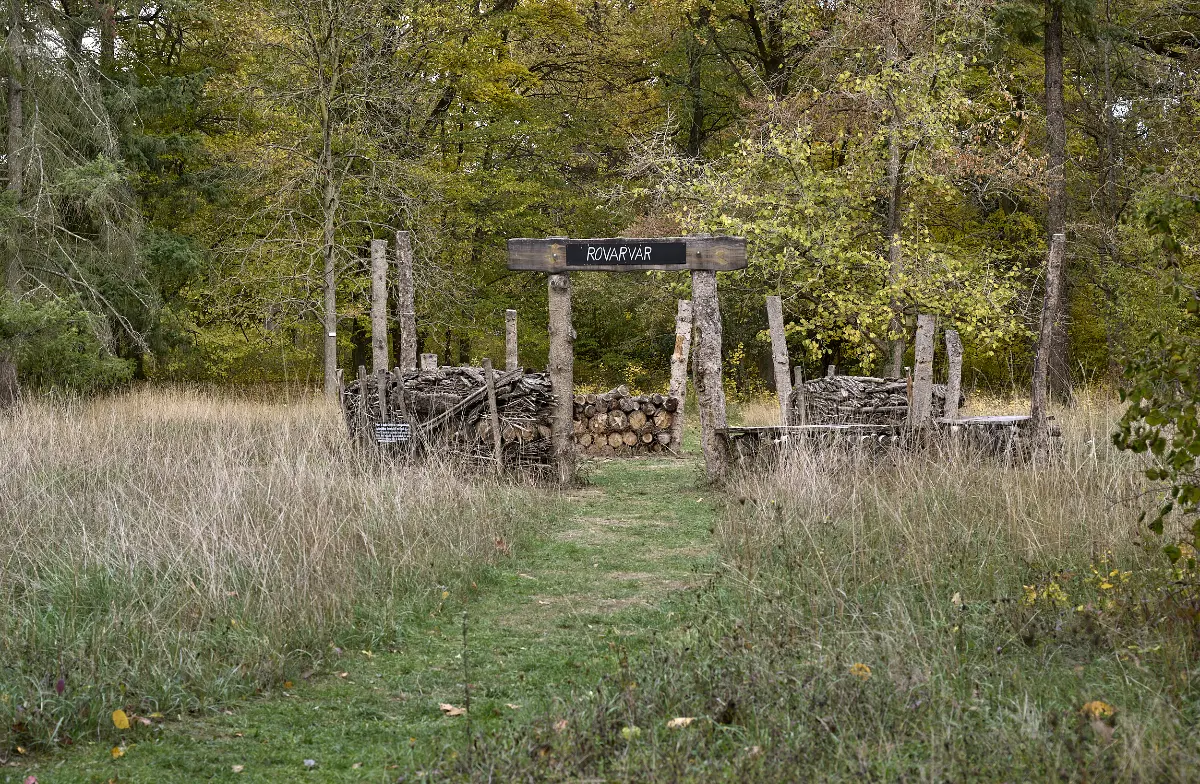
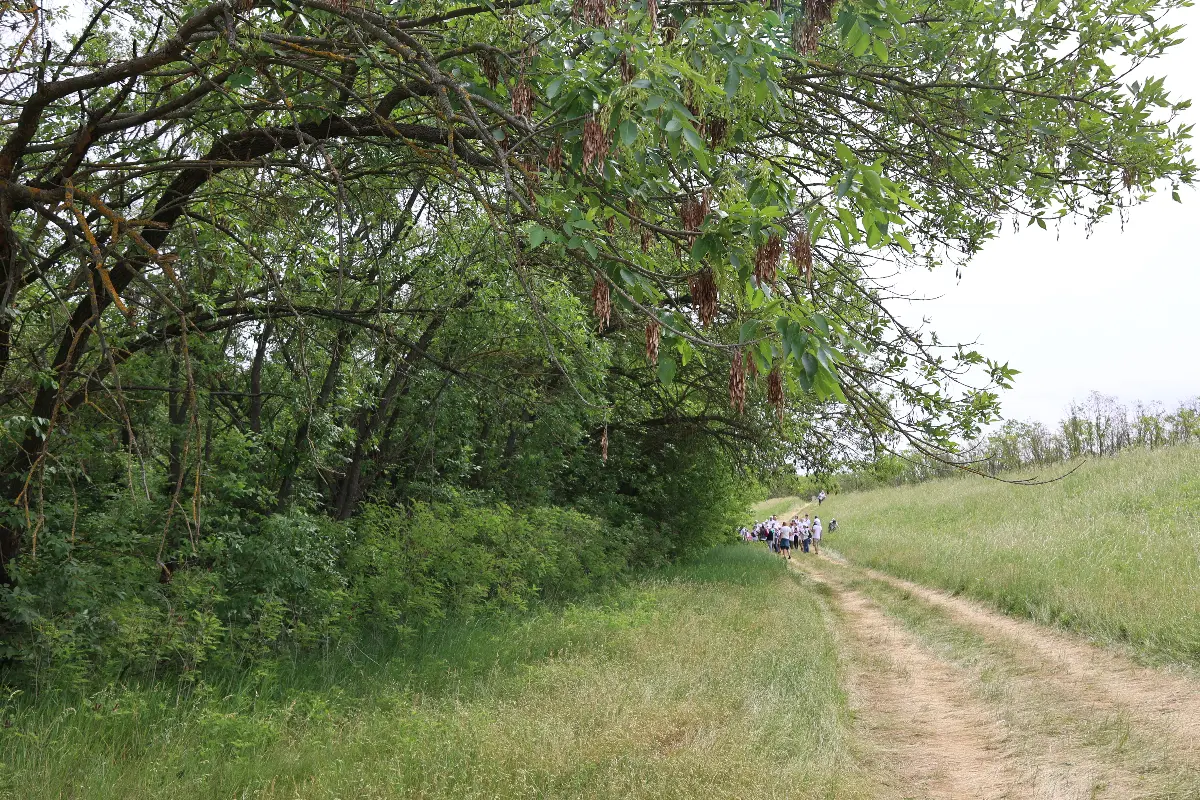
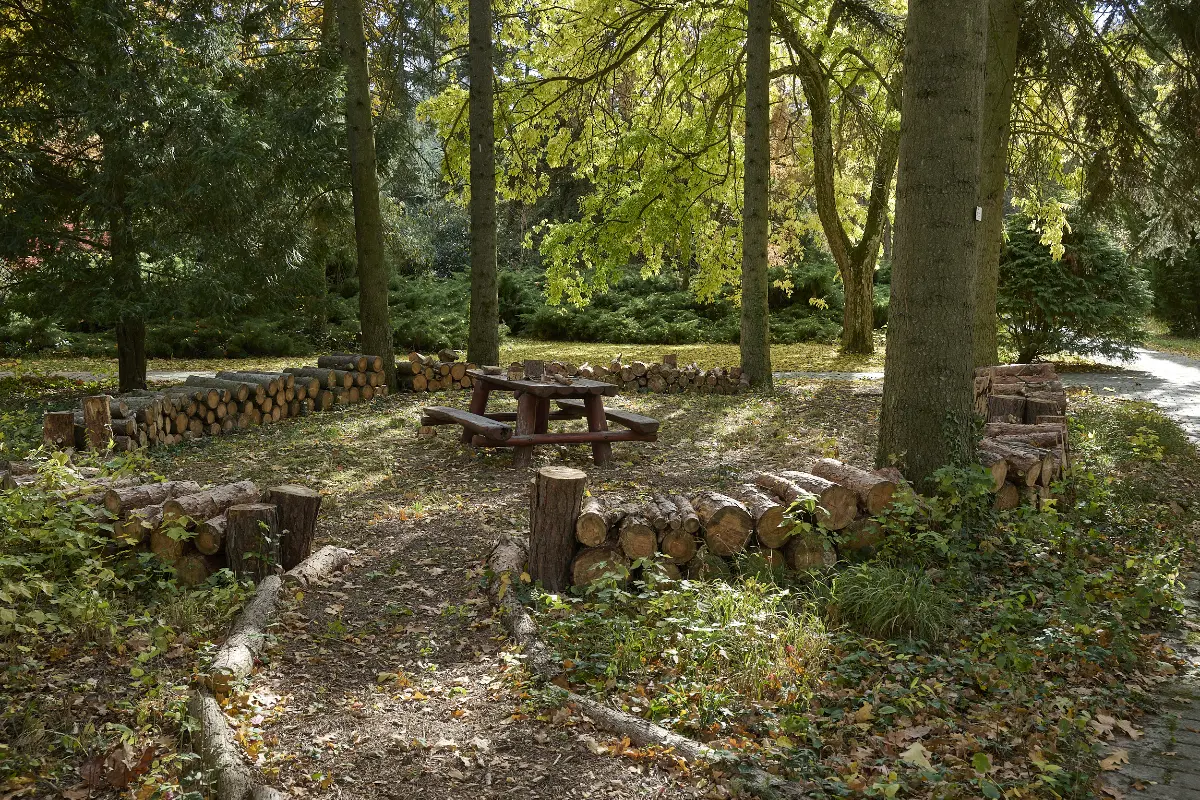
Nearly 7.5 kilometres of footpaths wind through the area, and visitors can also enjoy cycling and horse-riding trails. The ten stations along the Bagolyvár (‘Owl’s Castle’) Nature Trail showcase the forest’s wildlife, engaging children in the exploration through fun activities. The 1.2-hectare playground is a favourite destination for families, whilst designated fire pits on the Nedves Meadow provide opportunities for picnics. One of the greatest advantages of the park forest is that visits do not need to be timed to coincide with opening hours: it is freely accessible every day of the year, day and night.
Source of the photo: NEFAG Zrt.
Three stops, three unique worlds along the River Tisza
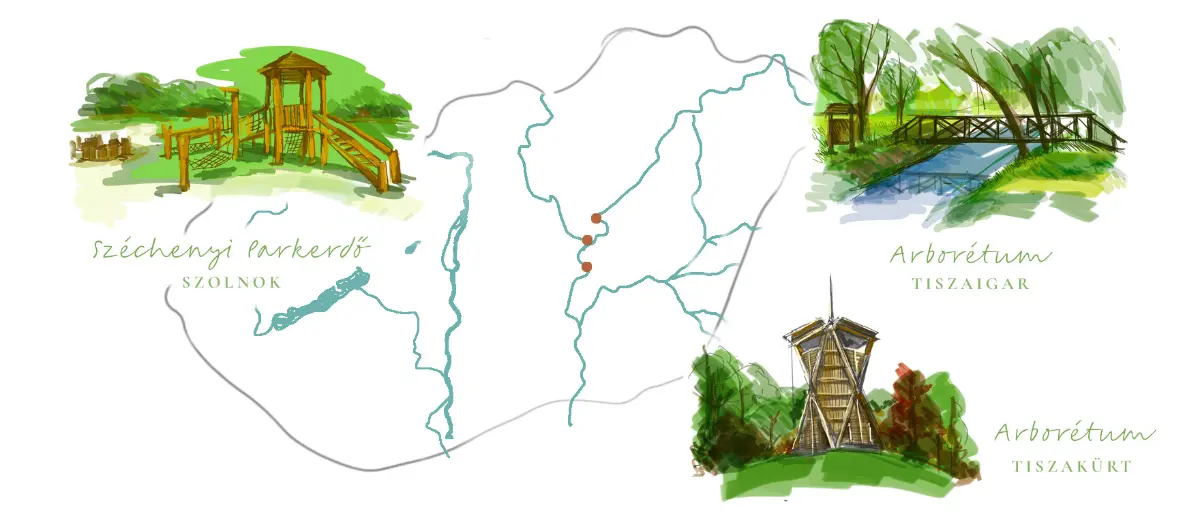
On the Central Tisza Region’s garden tourism route, you can discover three locations, each with its own distinct atmosphere. In Tiszakürt, it is the Bolza Family’s legacy and the mighty plane trees; in Tiszaigar, the Széky Family’s collection of exotic plants; and in Szolnok, the forest trails and nature-based relaxation that make the trip memorable.
The three locations can even be visited as part of a two-day itinerary, allowing plenty of time for leisurely walks and exploring the surrounding area. In May, the fresh, green foliage and flowering plants offer a particularly beautiful sight, whilst in October, the autumn colours provide a stunning spectacle.
Walking along the Tisza, you can not only discover unique gardens and natural treasures but also experience how former family estates and garden dreams can become part of our shared natural heritage.