Helyszín címkék:
Wine with Nothing Taken Away or Added – A Conversation About the World of Natural Wines
Szabó Vivien
What exactly will we be discussing?
- Péter Isó’s personal journey into the world of natural wines
- The philosophy of natural wines, the diversity of Hungarian terroirs, and the approach of experimental winemakers
- Local spots and opportunities where we can get to know natural wines better
IT ALL STARTED WITH A LIGHT RED WINE
For Péter Isó, his journey into natural wines began not with a professional decision, but with curiosity. In the year before the pandemic, he started ordering wines more seriously, and after a while, a new term entered the picture: natural wine.
“Back then, even if such wines were available, they weren’t really marketed as ‘natural wines’ – often I only found out by doing some research. I drank one such wine – a light red – and somehow it completely transformed me; it clicked something inside me. I liked its free-spirited character.”
And the switch proved to be permanent. “From that point on, I’ve ordered nothing but natural wines, and I don’t think I’ll ever go back to conventional wines.”
WHAT MAKES A WINE ‘NATURAL’?
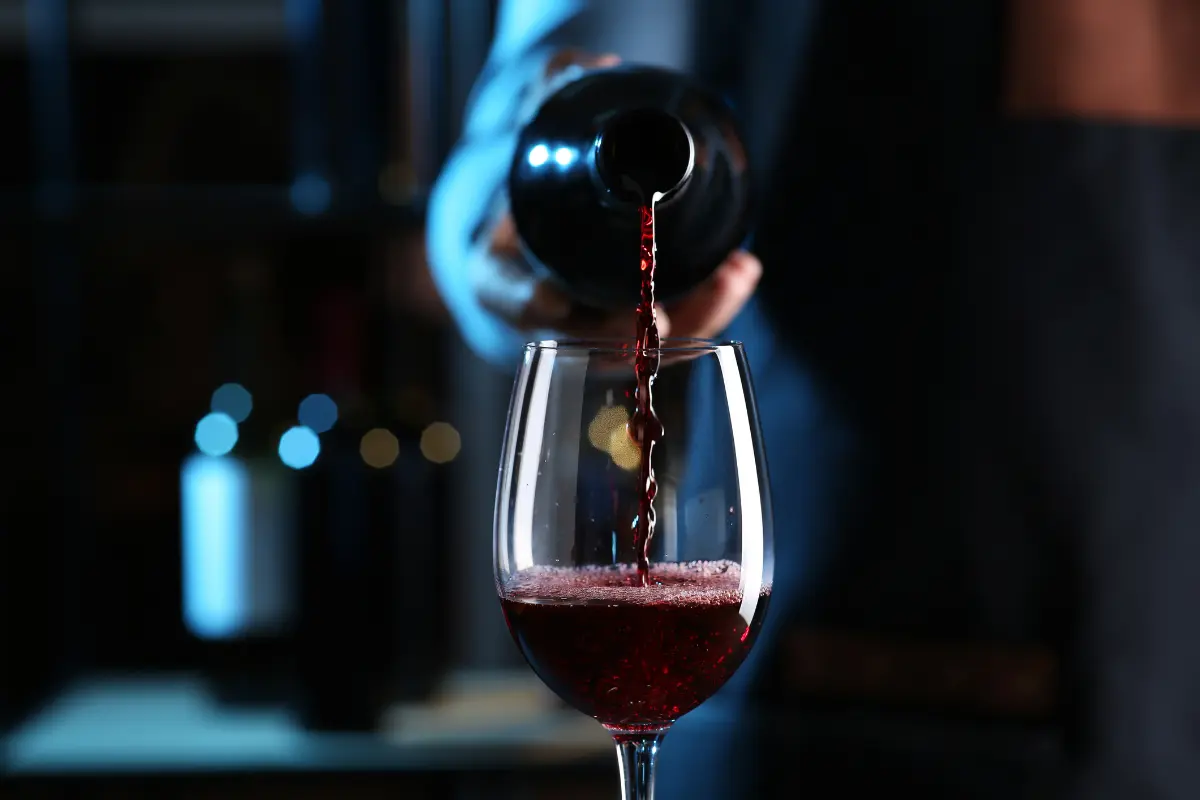
There isn’t a single, universal answer to this question, but Hungary is in a unique position in this regard: here, legislation defines the conditions under which the term ‘natural wine’ may be used. Péter’s own approach is somewhat more flexible: for him, it’s more of a spectrum.
“For me, it has to be free of commercial yeast – meaning fermentation starts naturally – unfiltered, unclarified, and produced with minimal sulphur use, if possible, and the agricultural aspect should involve at least some form of organic farming, but ideally biodynamic farming.” According to him, however, the essence of it can be summed up even more simply. “Natural wine aims to represent the ‘grape juice only’ approach with the philosophy that nothing is added to it and nothing is taken away from it.”
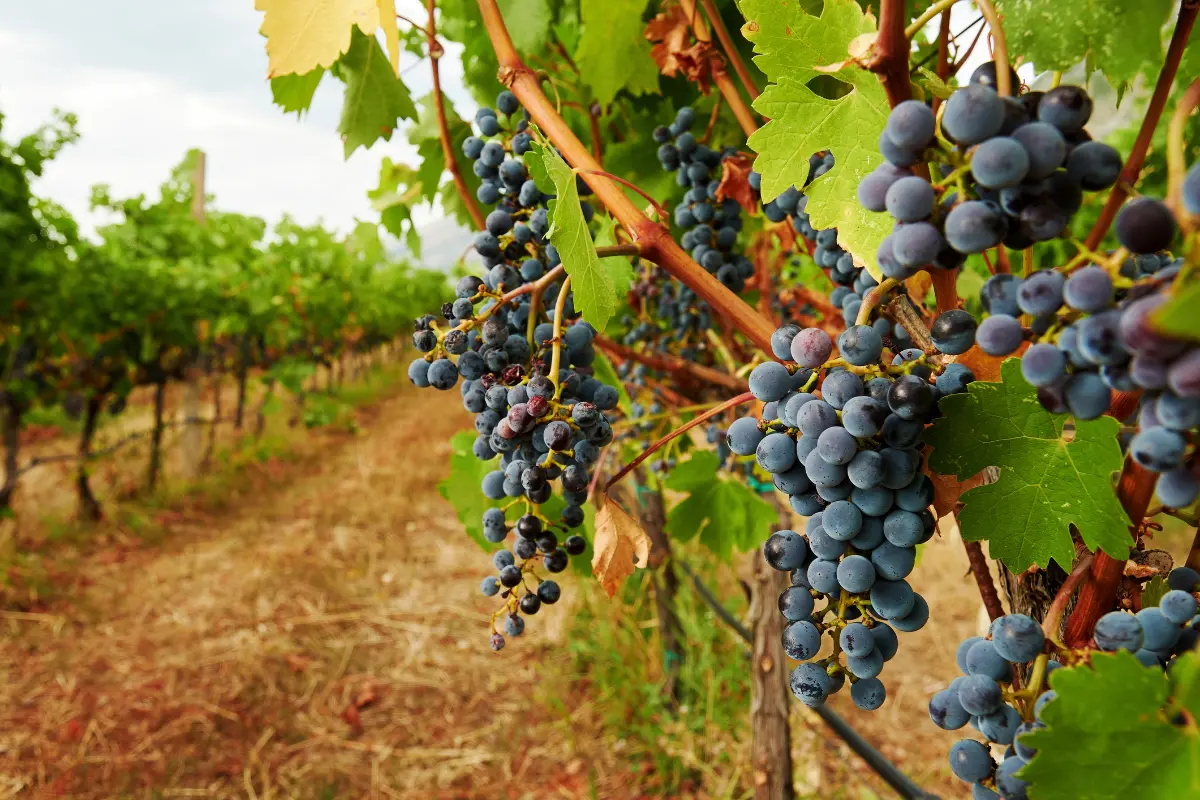
This approach necessarily means that the final result is less predictable. While with conventional wines it is often important for a known vintage to offer a similar experience year after year, natural wine seeks to preserve the unique characteristics of the vintage, the terroir, and the winemaker. “With conventional wines, the goal in many cases is to try to produce the same thing every year, with the same characteristics. With natural wine, the emphasis is more on reflecting the characteristics of the vintage and the growing region, while allowing the winemaker to bring their own individuality to the wine.”
This may also explain why the category is so divisive. Those accustomed to the familiar flavour profiles of traditional wines may encounter characteristics that feel unusual at first.
A SMALL COUNTRY WITH A SURPRISINGLY DIVERSE RANGE OF WINES
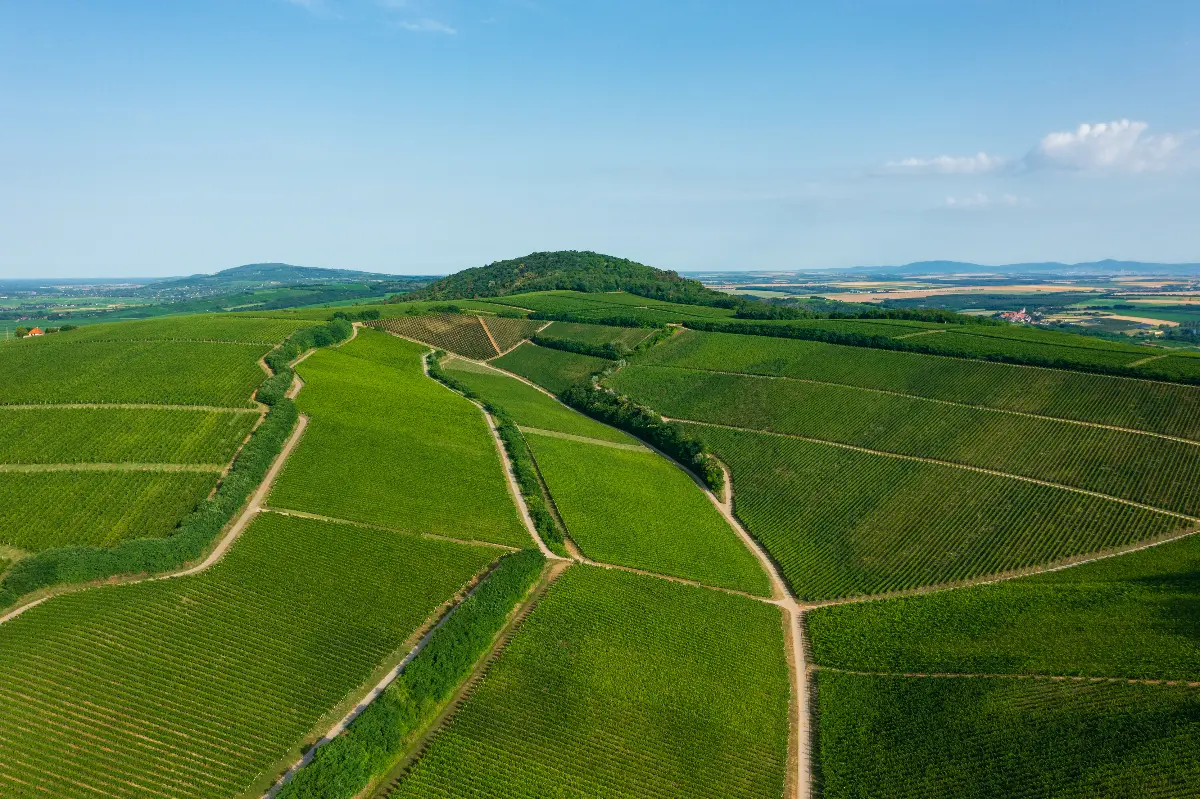
The natural wine scene also clearly highlights just how many diverse growing regions are concentrated in Hungary. “Considering the size of the country, we have a vast number of growing regions and grape varieties, each with their own distinct characteristics and potential. This makes our country truly unique.”
The Balaton Uplands, Tokaj, Villány, and the volcanic growing regions each offer completely distinct characteristics, and all of this is concentrated within a relatively small geographical area. “This is an asset we must protect and fully capitalize on.”
WHERE EXPERIMENTATION IS NOT AN END IN ITSELF
Among the players in the natural wine world, a wide variety of models can be found, ranging from small producers working with just a few rows of vines to estates that provide jobs for several families. What connects many of them is that they want to express something through their wine. They articulate their convictions and stances – whether regarding their relationship to agriculture, mass production, or traditions, or what they consider valuable in a wine. They go against the mainstream and innovate extensively. Moreover, innovation doesn’t necessarily mean something completely new. Often, it’s about rethinking old methods, forgotten knowledge, or local grape varieties. I find this incredibly appealing.”
WHERE CAN YOU EXPLORE NATURAL WINES IN HUNGARY?
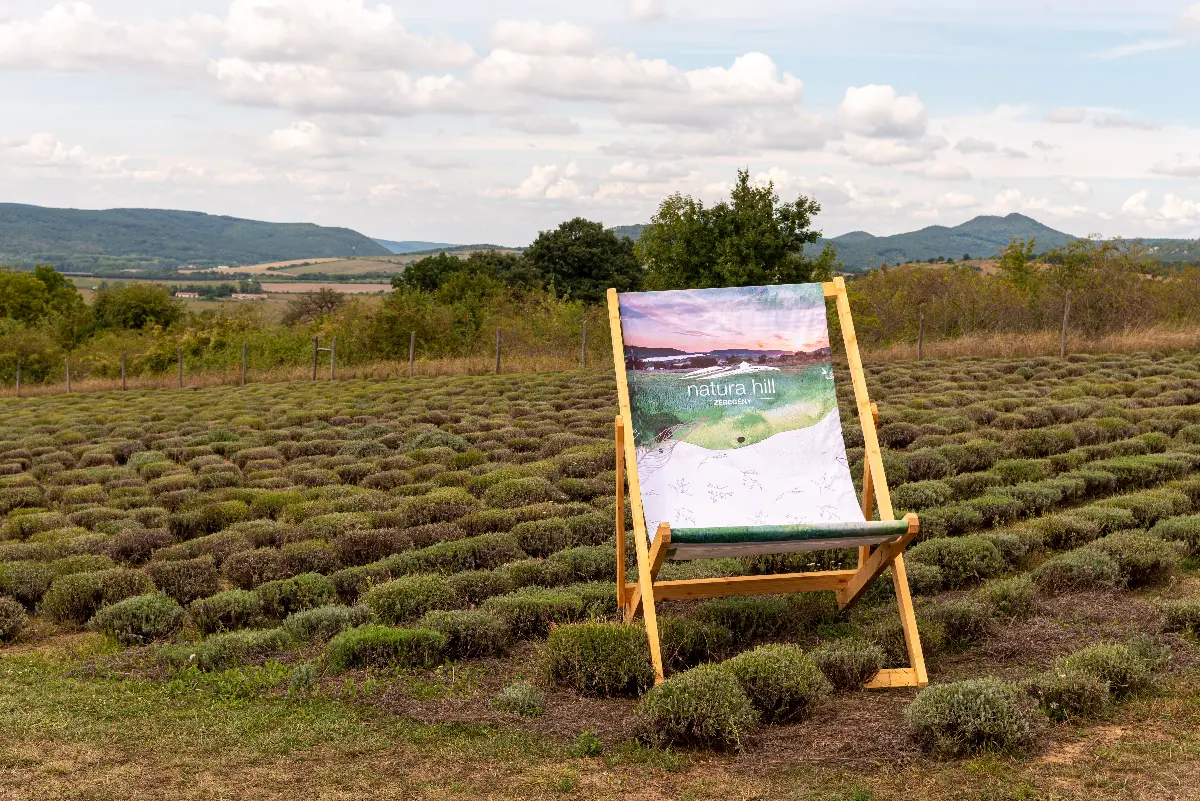
Today, natural wines can be found not only in Budapest but also in numerous rural locations. In Pécs, for example, Morzsa has been offering a serious selection for years, and in the Danube Bend, these wines feature prominently in Natura Hill’s lineup. In Szeged, too, you can find more experimental restaurants, and many wineries are making this world more accessible through open cellars and seasonal events.
One of the interesting aspects of the natural wine scene is that the wine doesn’t necessarily stand alone. More and more restaurants and smaller eateries are treating their wine lists like their food menus: as a carefully curated selection. For instance, WineVandal’s selection includes both Hungarian and international wines, and the first criterion for selection is quite simple. “It has to appeal to me and my friend and co-owner, Gábor. We only sell what we ourselves enjoy drinking. We like it when it comes from a small family business and has a good story behind it. Meanwhile, consumer tastes are constantly changing. For a while, light reds were in the spotlight, then interest in orange wines grew dramatically. Trends come and go, but our guiding principle remains the same: the wine that goes into the bottle – and ultimately into the glass – should reflect a place, a winemaker, and a philosophy.”