Helyszín címkék:
Short supply chain (REL) in households and family experiences
H. Horváth Orsolya
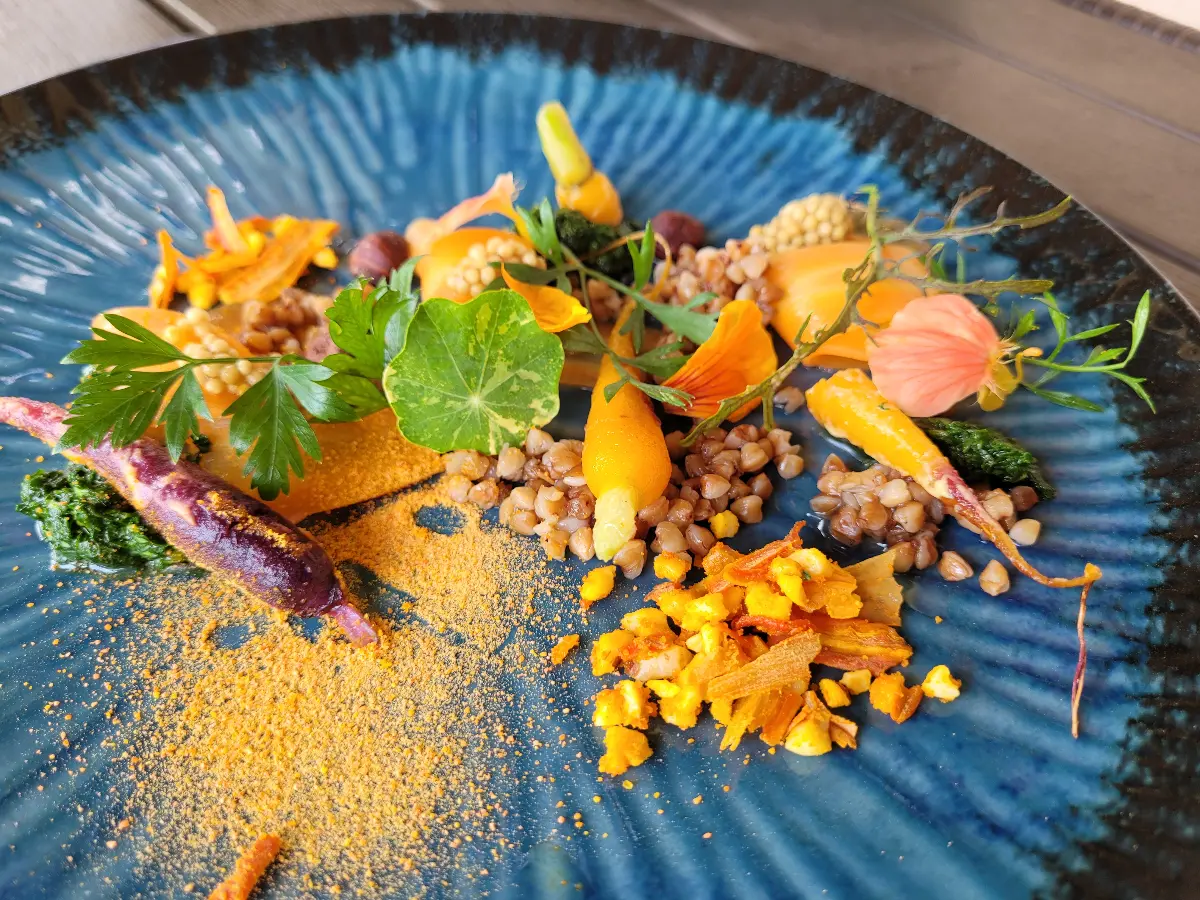
Back to our roots: how local producers are transforming our dining tables
Short food supply chains are not just a buzzword, but the key to a tastier, healthier, and more sustainable future. We investigated why it is worth taking a look behind the scenes and where to find the most exciting open houses in the country.
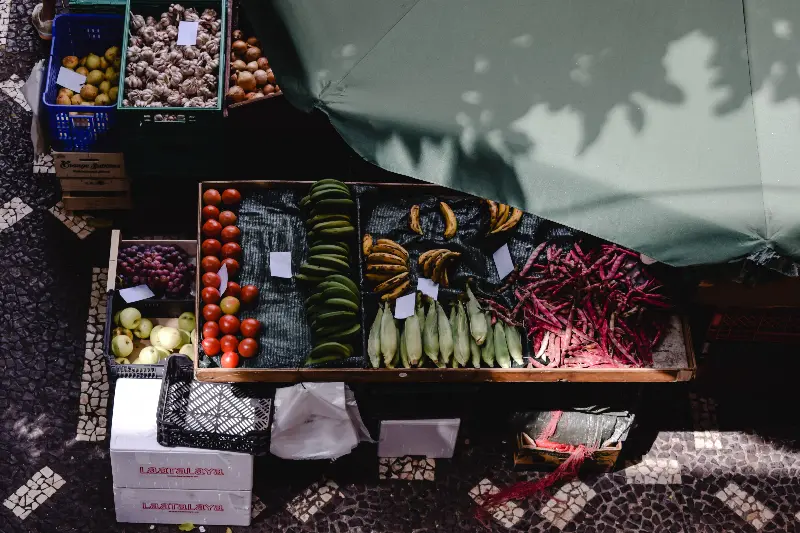
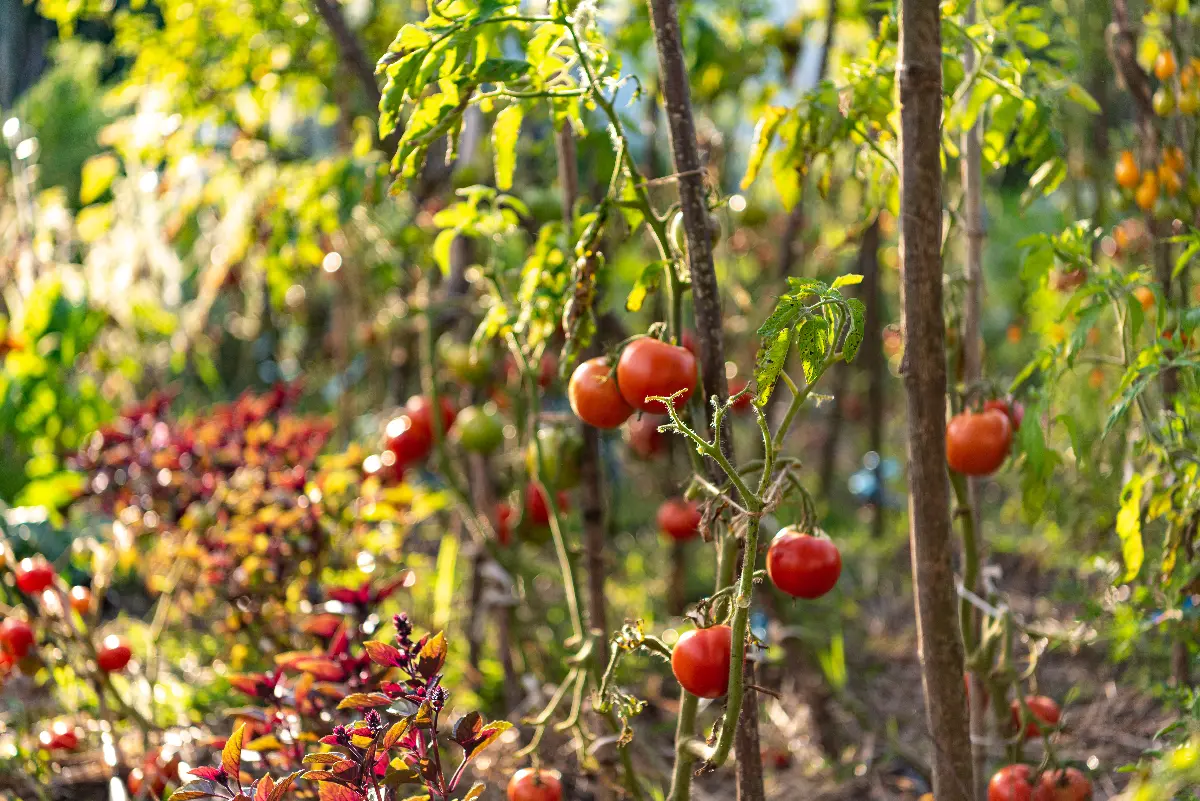
We often hear encouragement to buy local products, but perhaps we think less often about why this is so vitally important. The Kislépték Egyesület (Small Steps Association) has been working for years to bring rural farmers and consumers closer together. Their goal is clear: to support environmentally friendly farming practices that are suited to the local landscape and not only protect biodiversity but also provide a livelihood for rural families. According to Dr. Katalin Kujáni, president of the association, strengthening the local economy could be a breakthrough for small communities and an opportunity for us to obtain food from clean sources.
- Why is it worth buying from local farmers? We asked Dr. Katalin Kujáni, REL’s subject matter expert.
The concept of short food supply chains has been in the public consciousness in Hungary since 2010. This model means that the product reaches us through no more than one intermediary within a given geographical unit, she replied.
- Why is this good for us, the customers?
Primarily for safety reasons. Strict hygiene regulations within the European Union guarantee that what we eat does not contain prohibited chemicals – unlike many imported goods from outside Europe, where chemicals that have been banned here for decades are still in use today. When we buy directly from the producer, we can see the face behind the product: we know how the cheese was made and what the animals were fed.
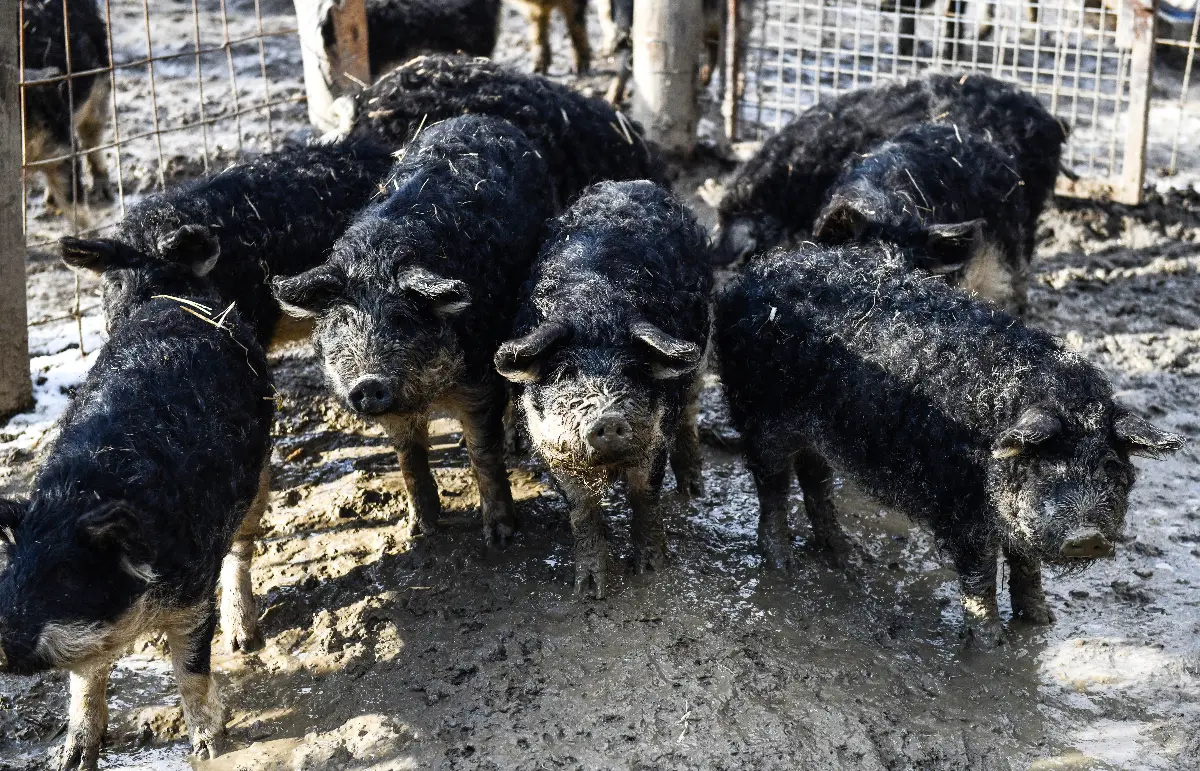
Another compelling argument is taste and diversity. Large-scale industrial production globally focuses on only 4-5 plant species, while the Carpathian Basin is full of forgotten treasures. Just think of Mangalica pork, which is rich in omega-3 fatty acids, gray cattle, or specialties such as Swiss chard, rose hips, and ancient grain varieties (emmer, spelt). These plants and animals embody the character of their habitat – the unique flavours that have been shaped by the local soil, rain, and sunlight, making them truly one-of-a-kind, emphasized the expert.
Let’s open the gates!
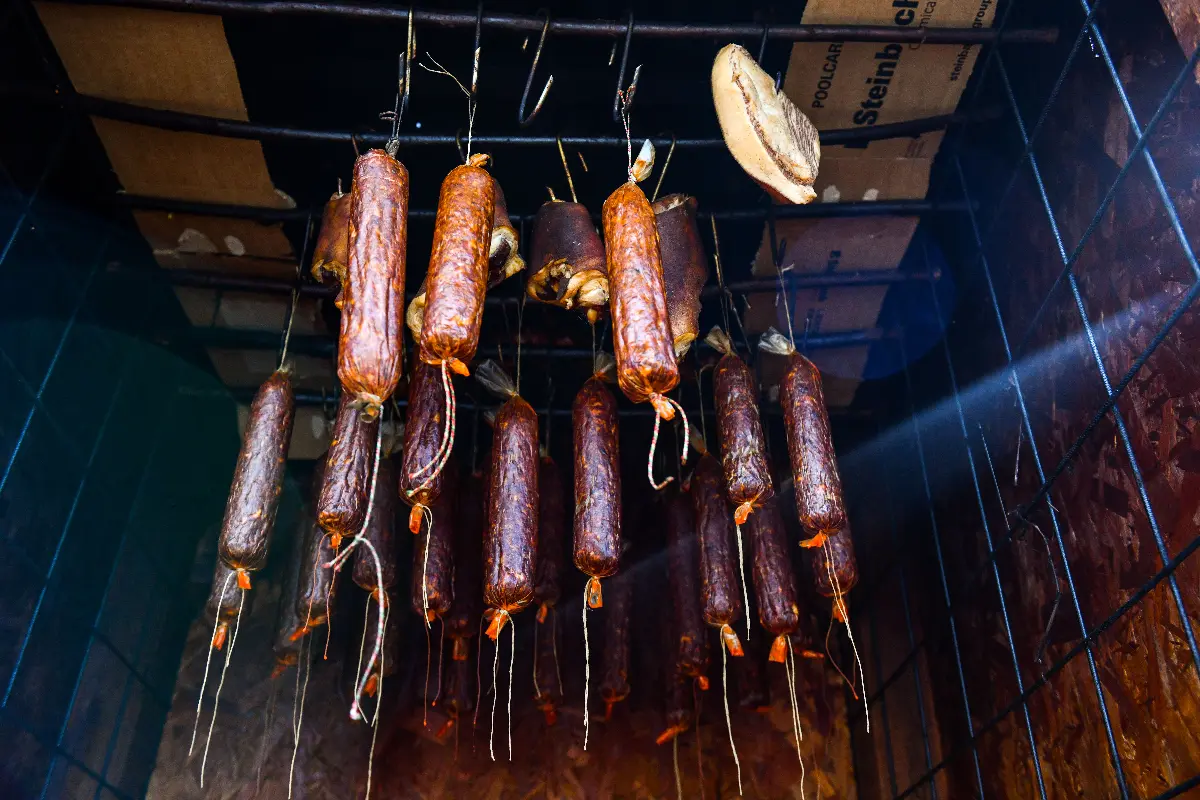
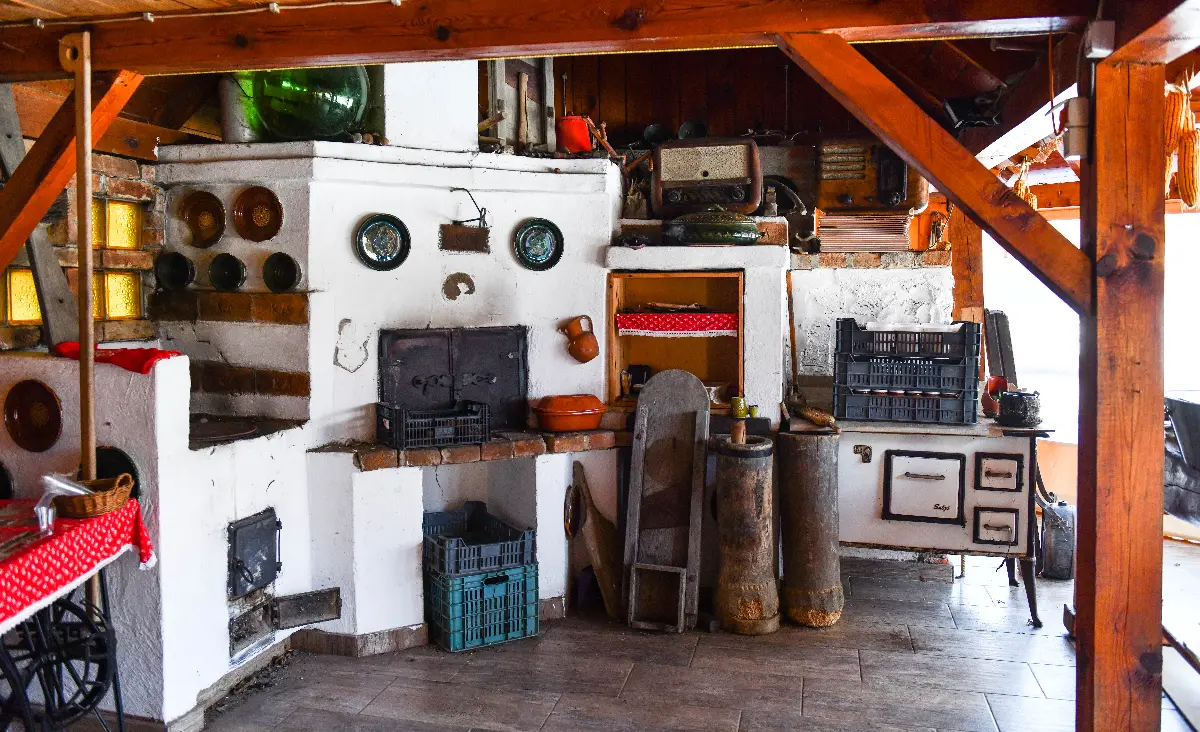
Twenty years ago, it was still natural to see pigs being slaughtered at our grandmother’s house, and we knew how and from what ingredients stew was made. Today, due to urbanization, this knowledge is beginning to fade, and often even parents are unable to teach their children about the natural food production process. Yet demand is huge: millions of people watch “how it’s made” videos about their favourite foods and drinks.
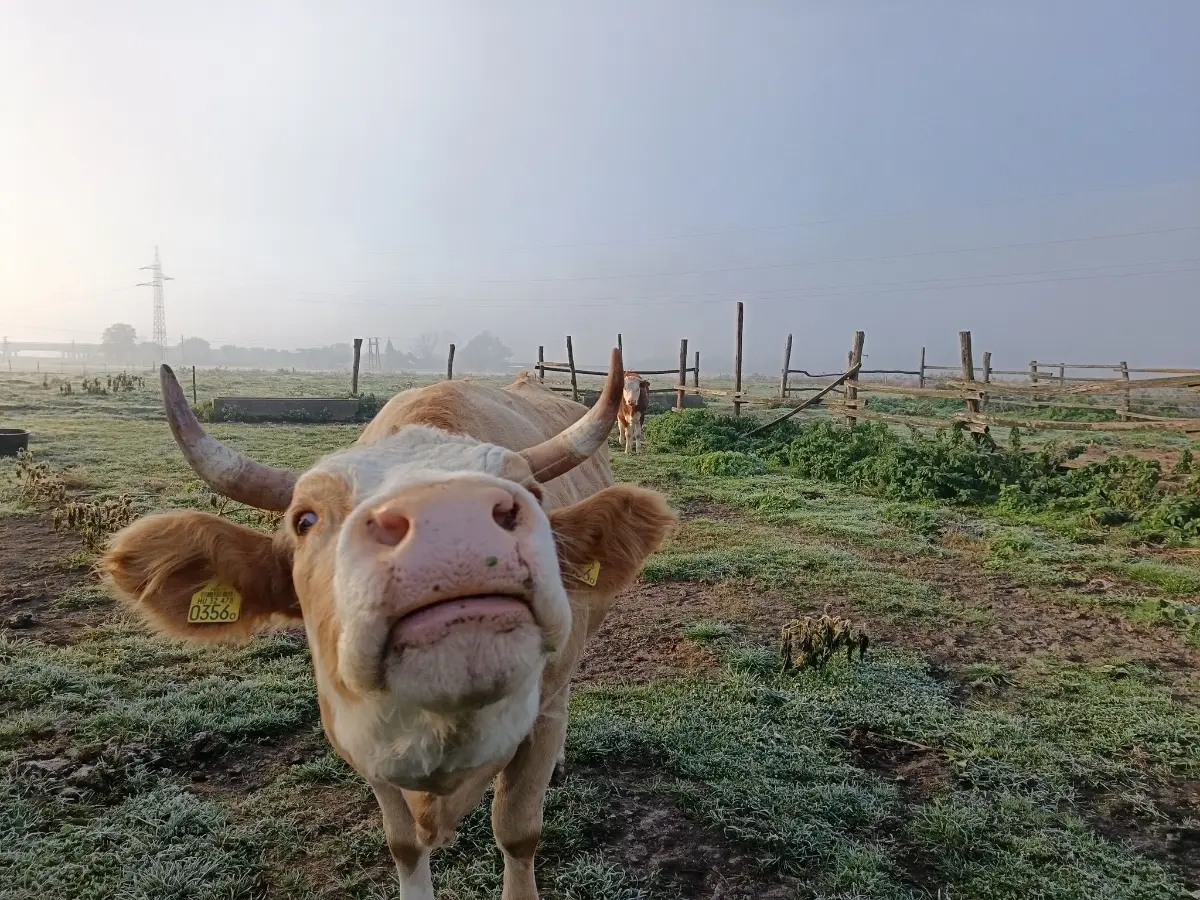
This curiosity is satisfied by “open gates” and experience-based programs.
These places are not only for shopping, but also for learning while having fun. We can understand why a propolis lollipop is more valuable than a store-bought gummy candy, or we can take part in honey tasting, where we learn to recognize the aromas of different flowers.
The Kislépték Egyesület’s training courses for producers – such as experiential beekeeping training – help prepare hosts to welcome guests and provide unique experiences. A good example of this is the tasting experience already available at Mosolygó Méz Manufaktúra (Smiling Honey Manufactory) in Császártöltés.
Family experiences from local products
We can regularly participate in “open gate” programs in various regions of the country. The initiative was launched in 2018 by the Zala Termálvölgye Egyesület (Zala Thermal Valley Association), when local farmers joined forces to organize an open day at their farms. In 2025, the initiative was expanded to the national level, with 140 households welcoming families under the patronage of the Ottó Herman Institute.
This is an excellent collaboration, showcasing successful small producers and manufacturers. Similar initiatives can be found throughout the country in the Fertő region, the Rábaköz region, the Hajdúság region, and the Balaton Highlands.
The most important message: if we want to eat healthy and delicious food, we should look for local products. The HÍR trademark (referring to Traditions-Flavours-Regions) can also help us find our way around, as it collects ingredients and products characteristic of different regions, such as Rábaköz pretzels or Hetés fumut, a special doll-shaped cake.
Let’s rediscover the flavors of our environment and support local economies with our choices! You don’t have to go far to find authentic flavours, just keep your eyes open.
A tip from Hello Hungary: Where is it worth going?
If you feel like exploring, here are three excellent destinations where the REL approach is put into practice:
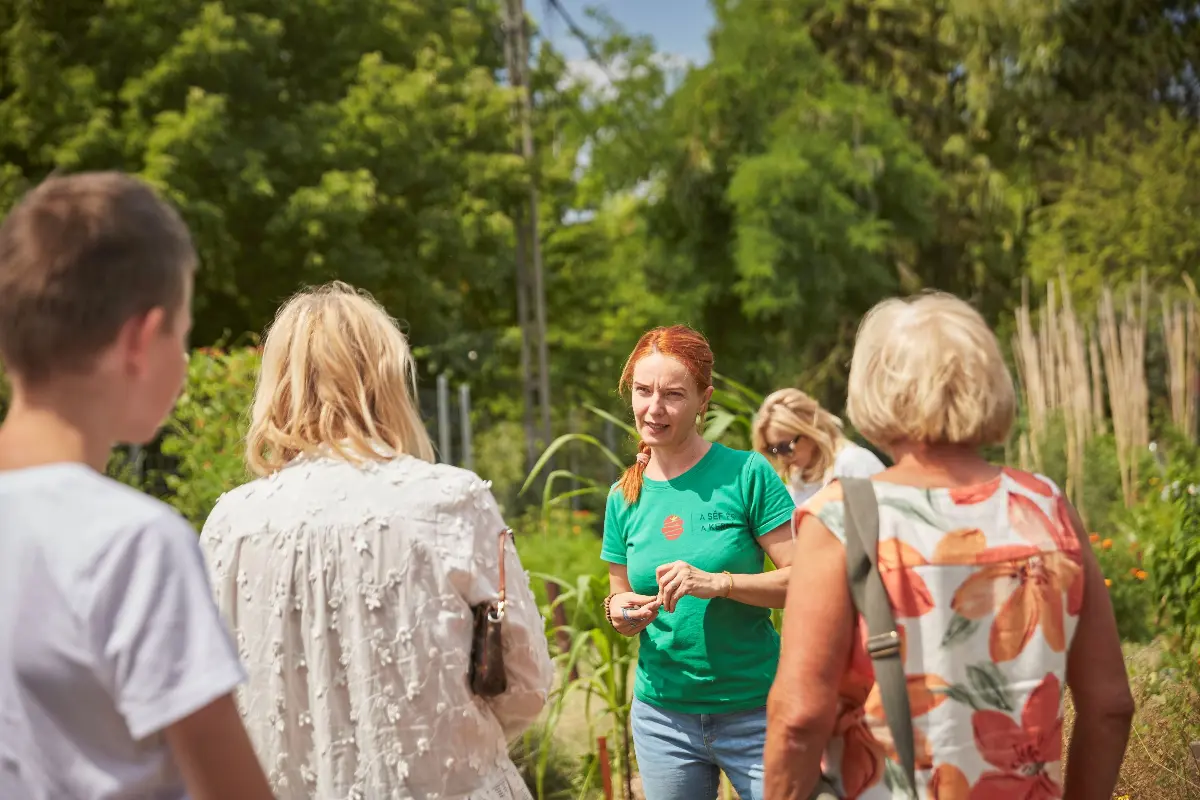
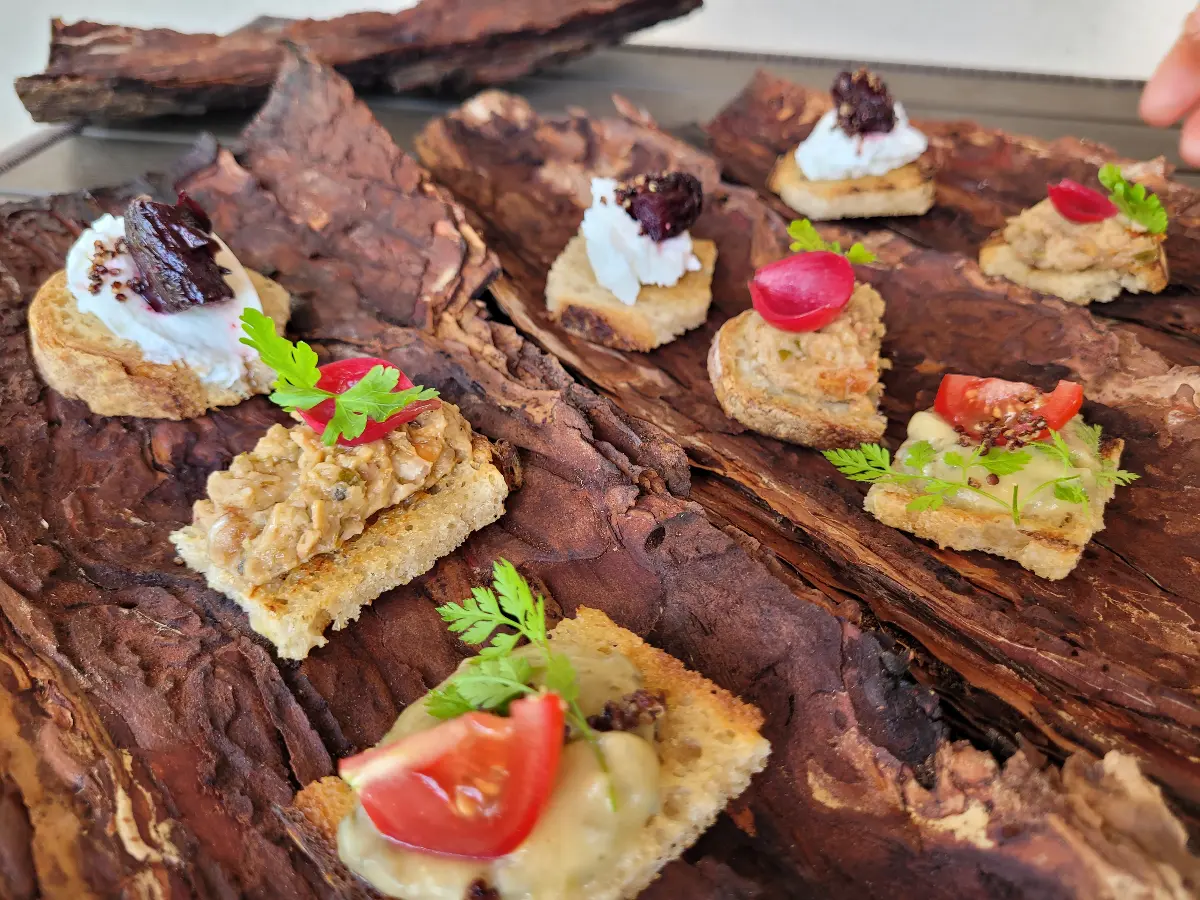
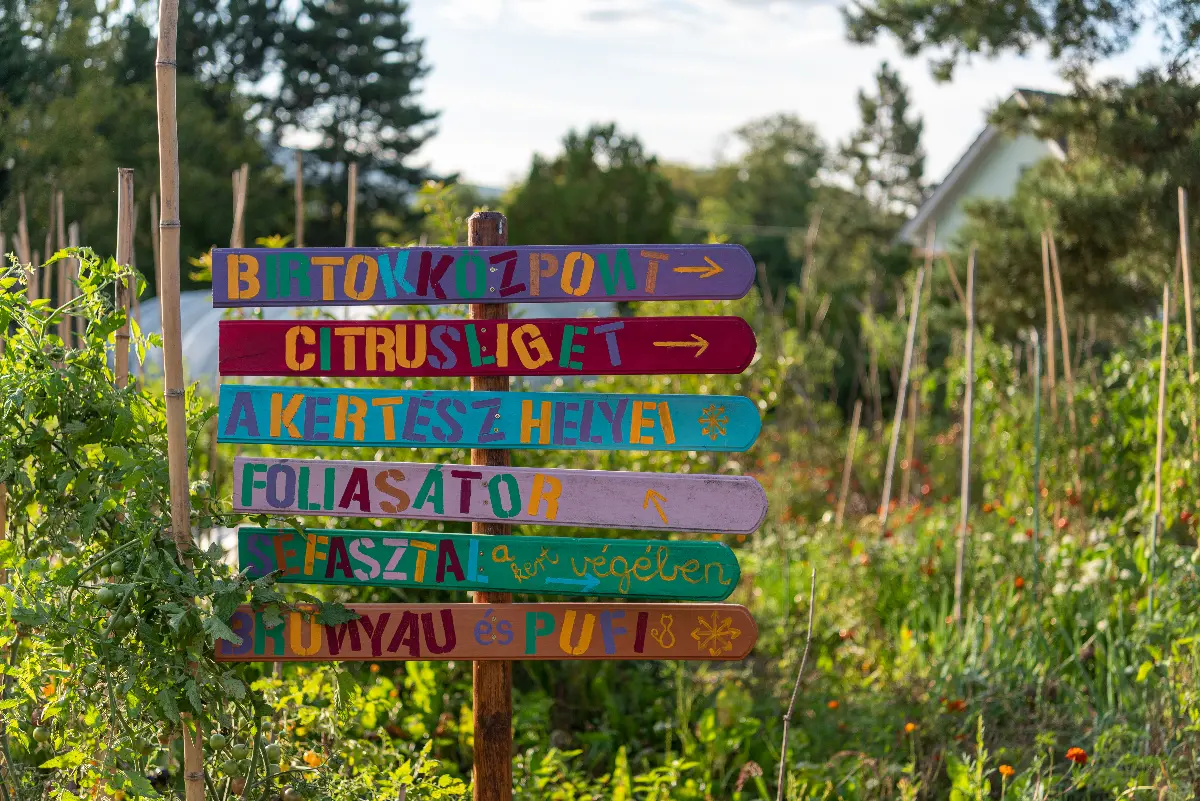
A Séf és a Kertész (The Chef and the Gardener) (Pócsmegyer). In this little oasis on Szentendre Island, chef Gábor Horváth and gardener Patrícia Török are making the “from garden to table” dream come true. Here, you can not only taste dishes made from chemical-free vegetables, but also learn the tricks of the trade during regular tasting sessions combined with garden tours. Sustainability is a fundamental principle here: they compost, and seasonality dictates the menu.
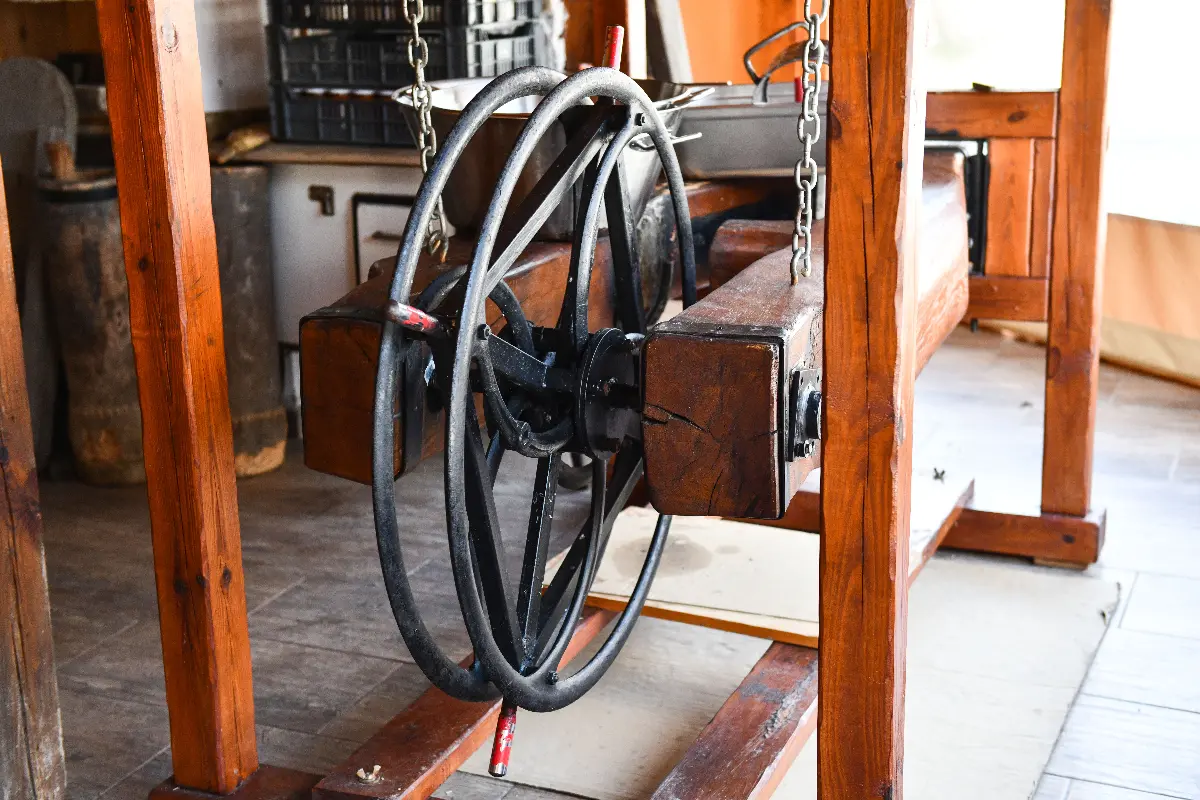
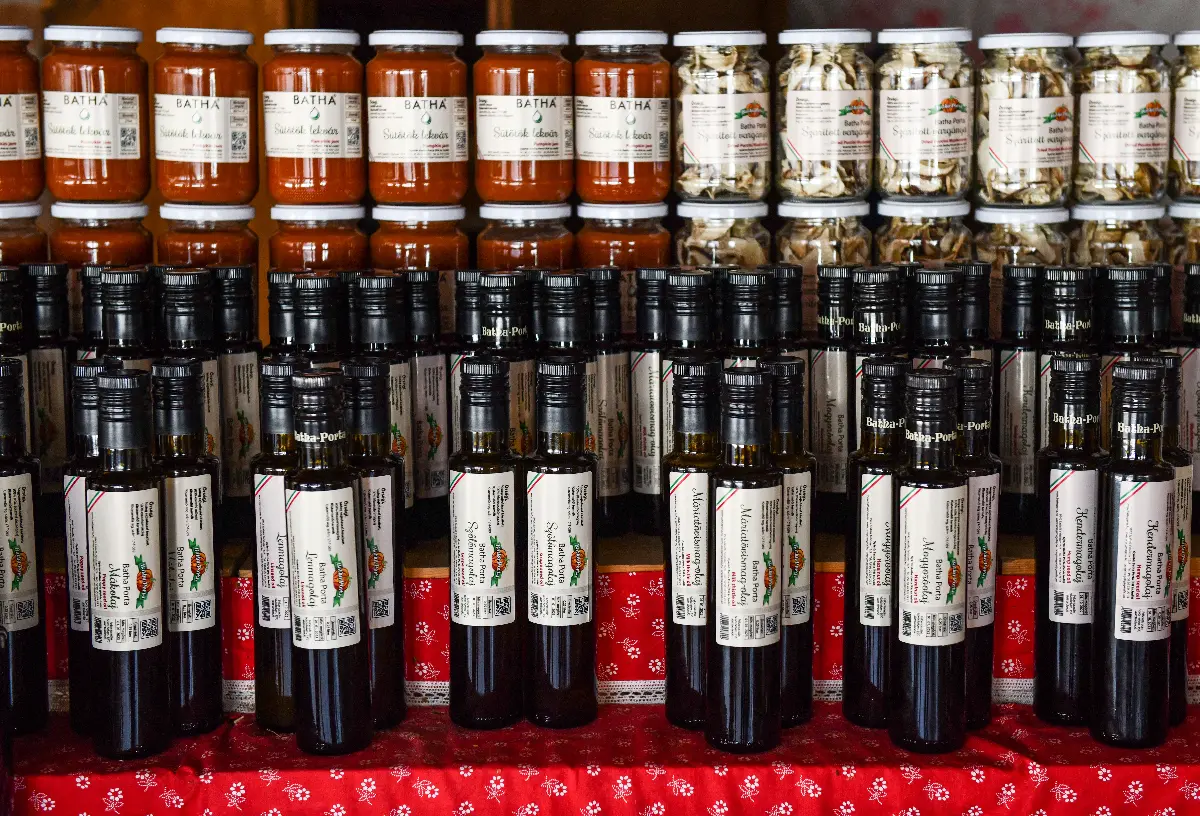
Batha Porta (Batha Farmhouse) (Szalafő). In the heart of Őrség, the Batha family has been producing the region’s “black gold”, pumpkin seed oil, for decades. Visitors can watch the traditional oil pressing process, which uses a manual wooden press, and demonstrations are held every Wednesday. At the Kiscsupor apartment restaurant, you can sample authentic dishes made from local ingredients, after booking in advance.
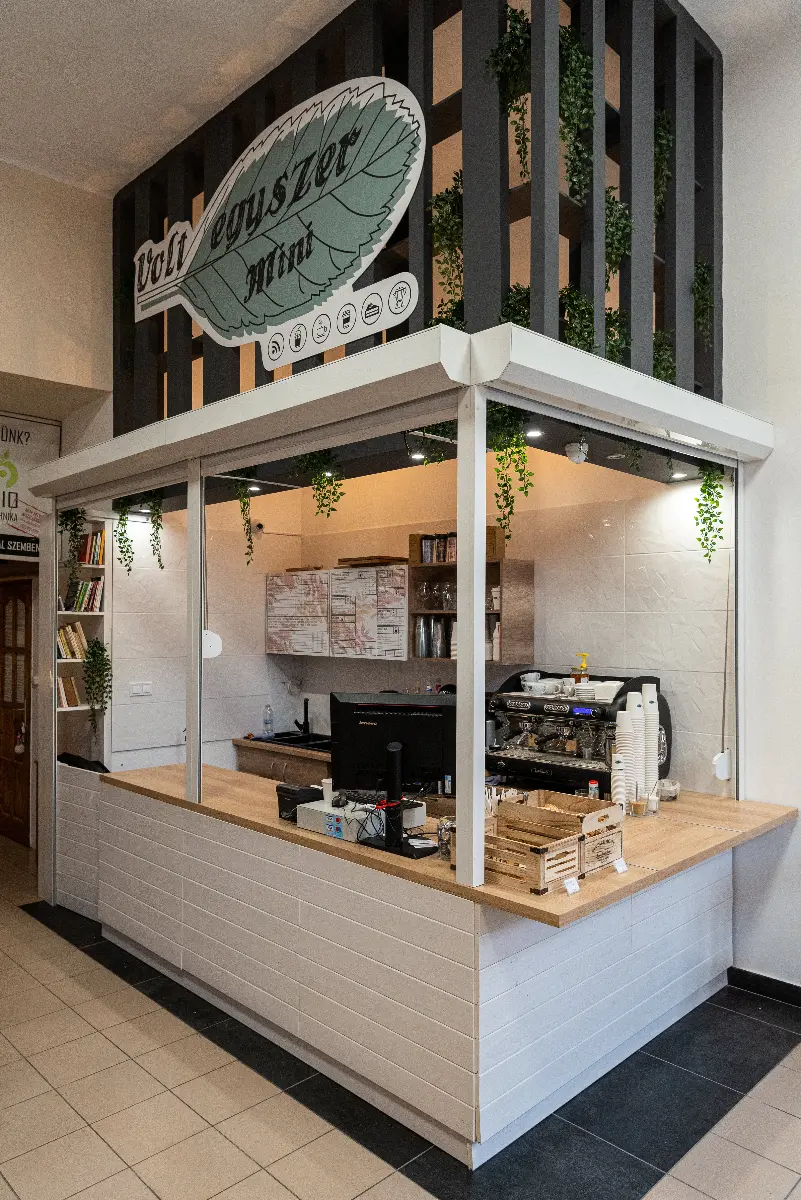
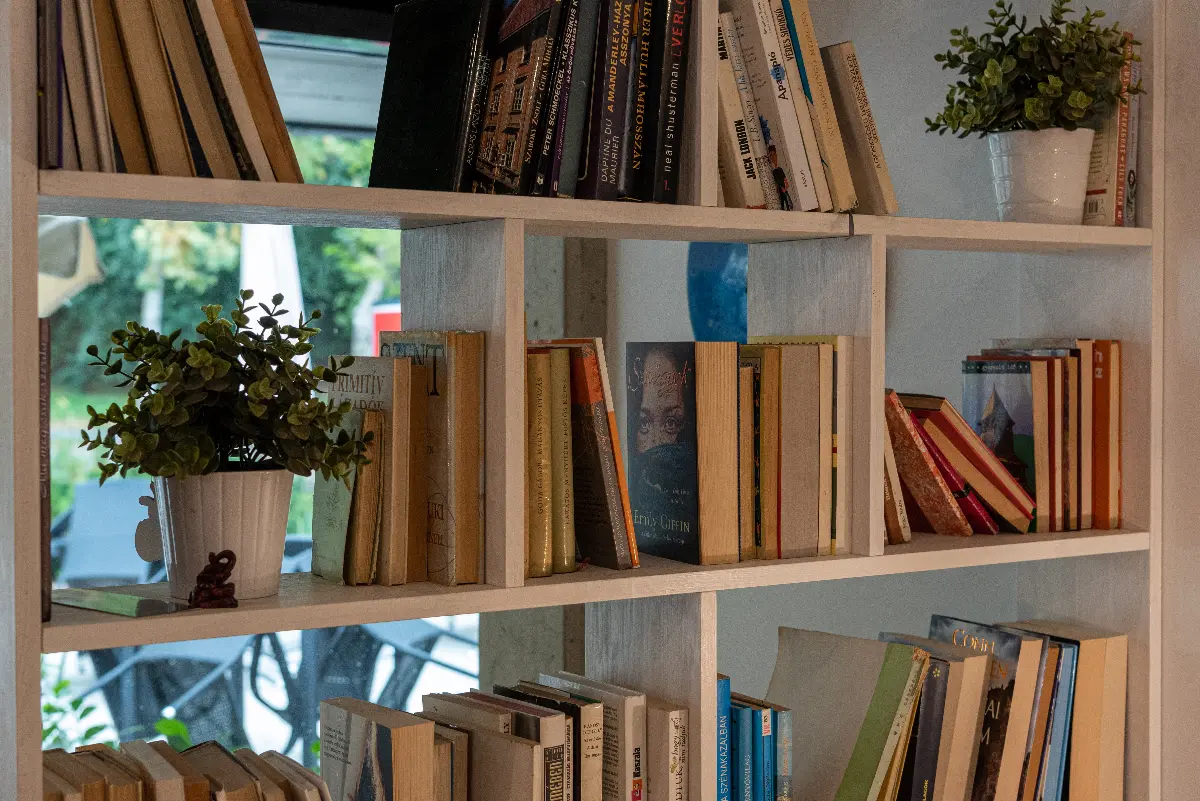
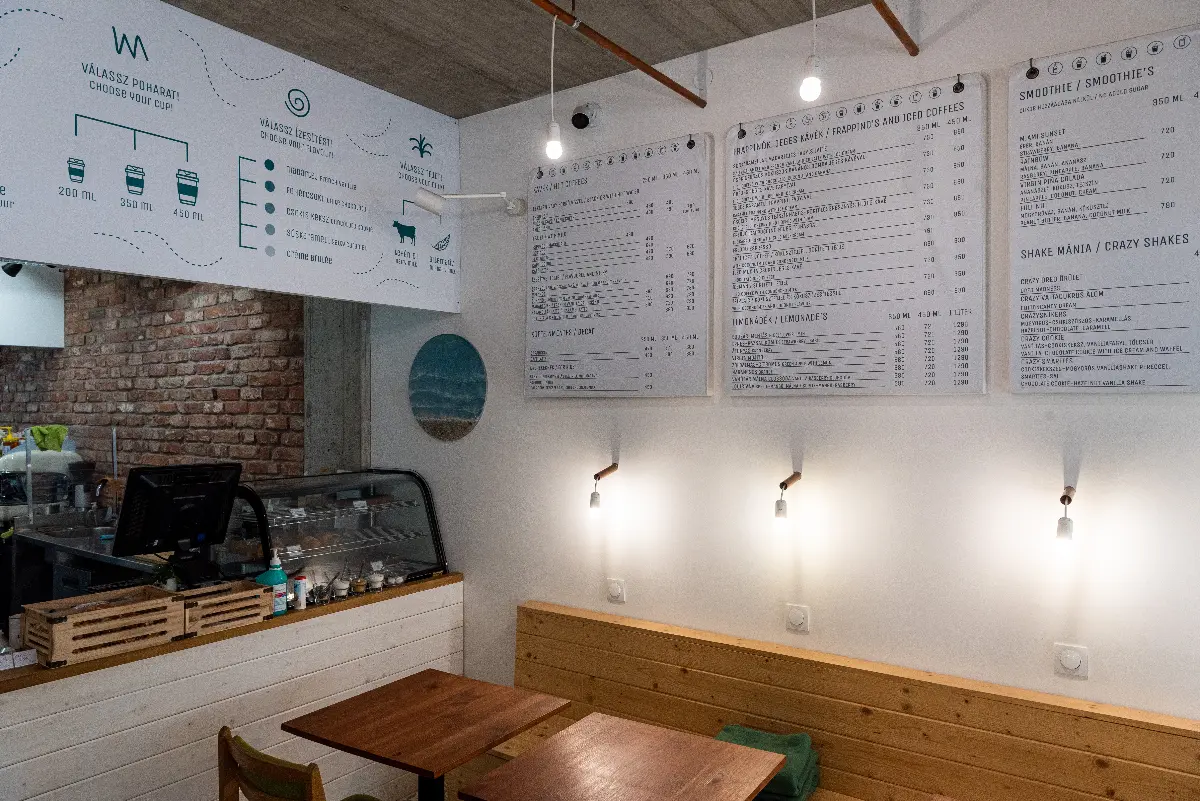
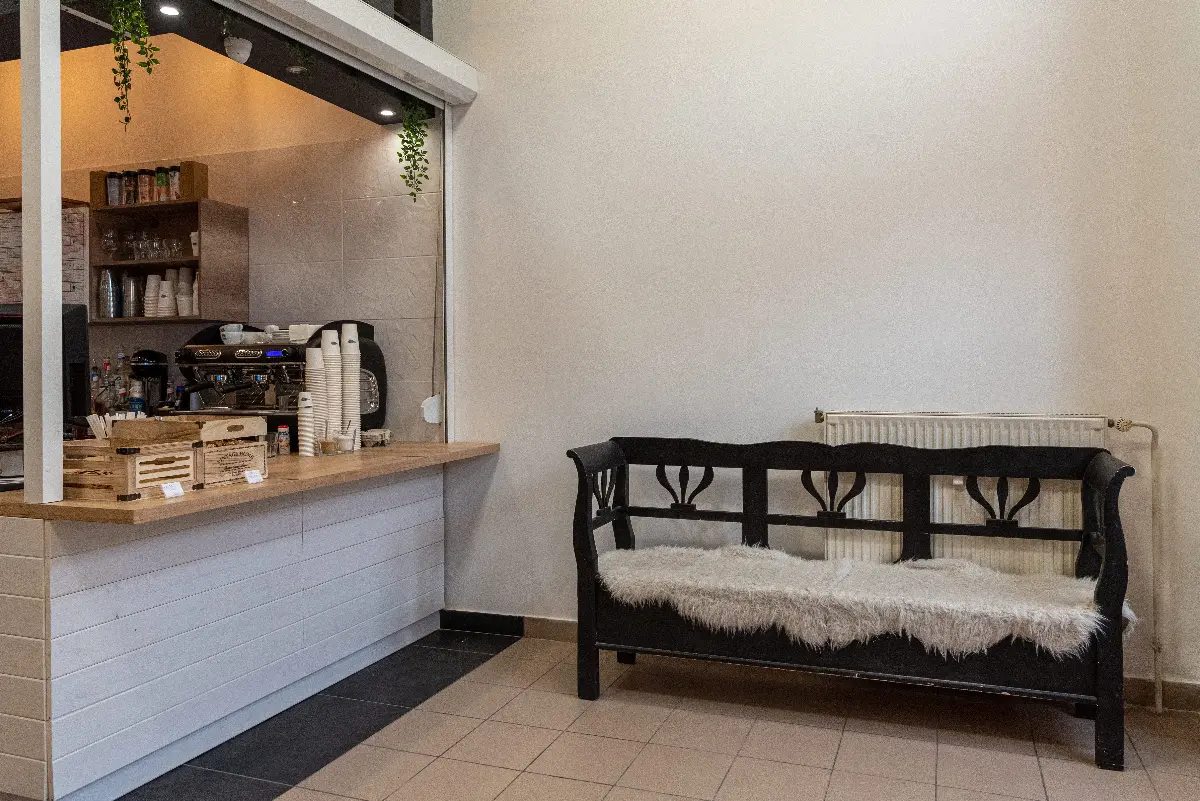
Volt Egyszer (Once Upon a Time) (Debrecen). This café in the civic city proves that local quality can also make its mark in the big city. It’s an excellent meeting place where the modern coffee experience and the enjoyment of dishes made from carefully selected ingredients complement each other. It is a particularly child-friendly place, so you can feel free to drop in for a cake or breakfast even with the youngest children.