Helyszín címkék:
Sümeg: 5 interesting sights + 1 bonus
Kilár Boróka
What exactly will it be about?
• Sights of Sümeg Castle, knight tournaments and medieval feasts
• The Bishop's Palace in Sümeg – Baroque architecture and wine museum
• Kisfaludy Memorial House – a literary journey through time
• Franciscan Church of Our Lady of the Cross – artistic and religious treasures
• Sümeg Calvary – historical statues and stations
1: The tomb of Sándor Kisfaludy and Róza Szegedy
1. Sümeg Castle – the living Middle Ages
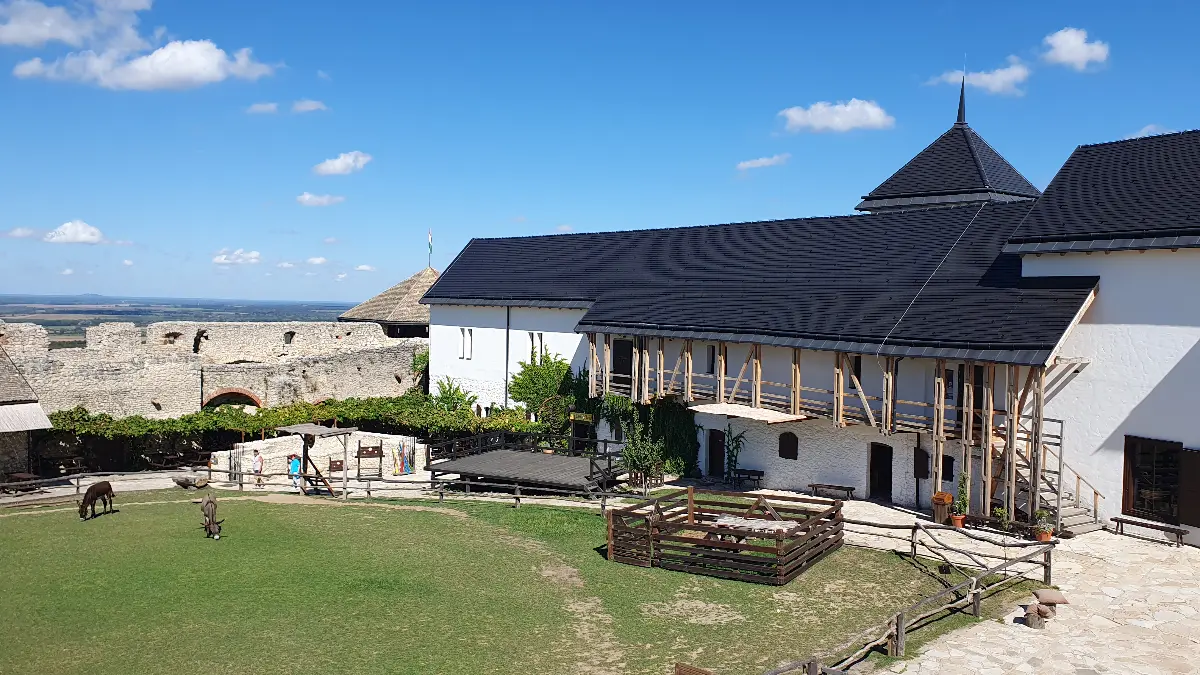
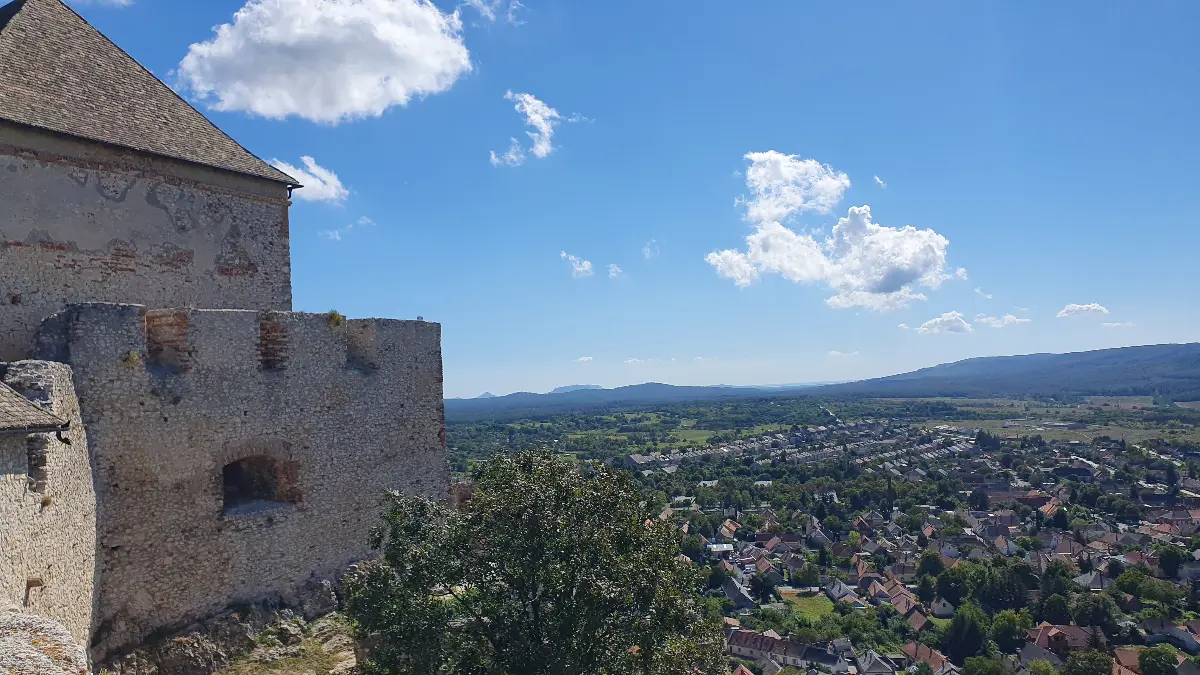
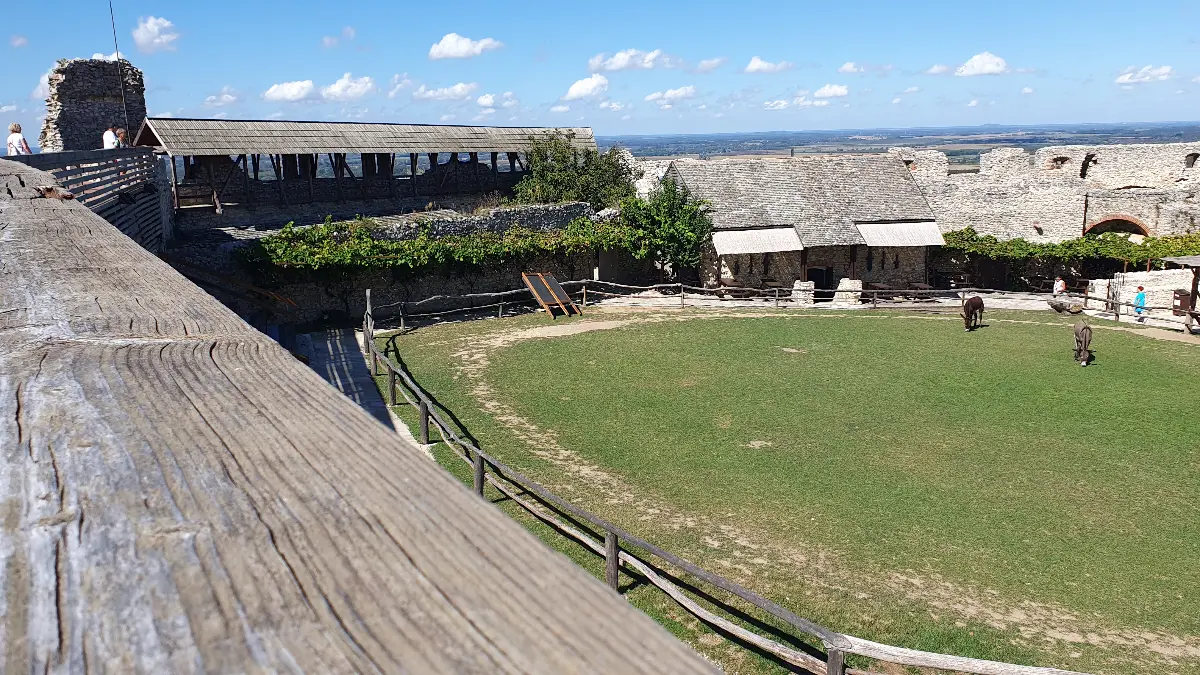
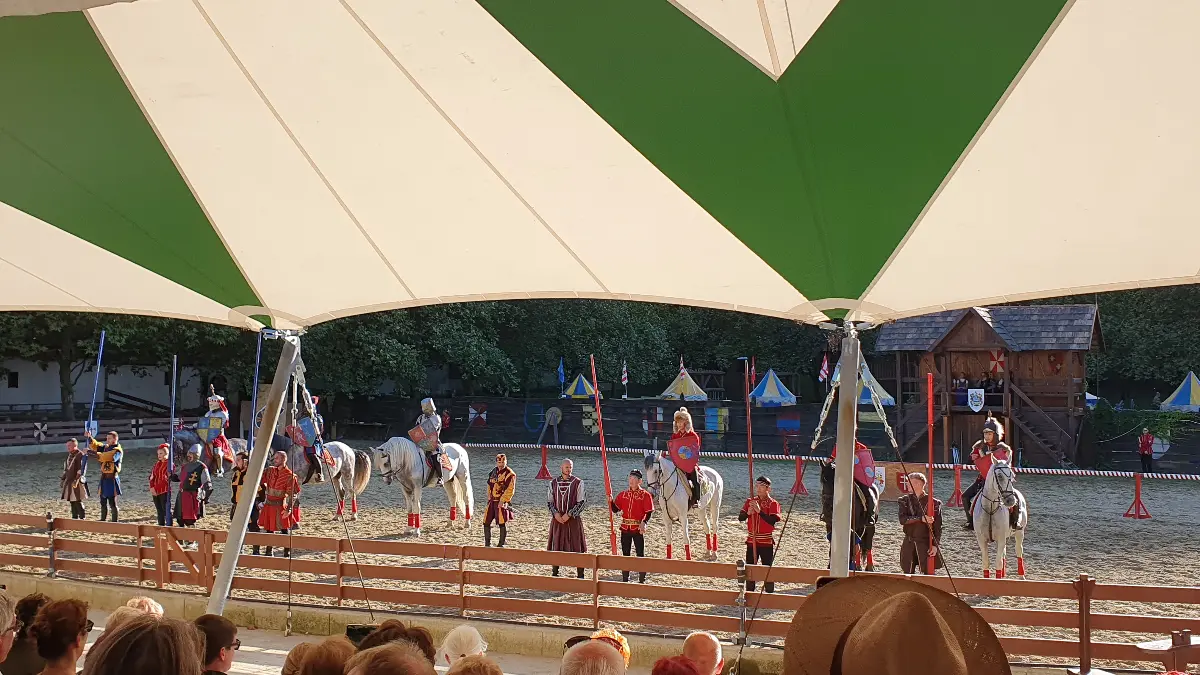
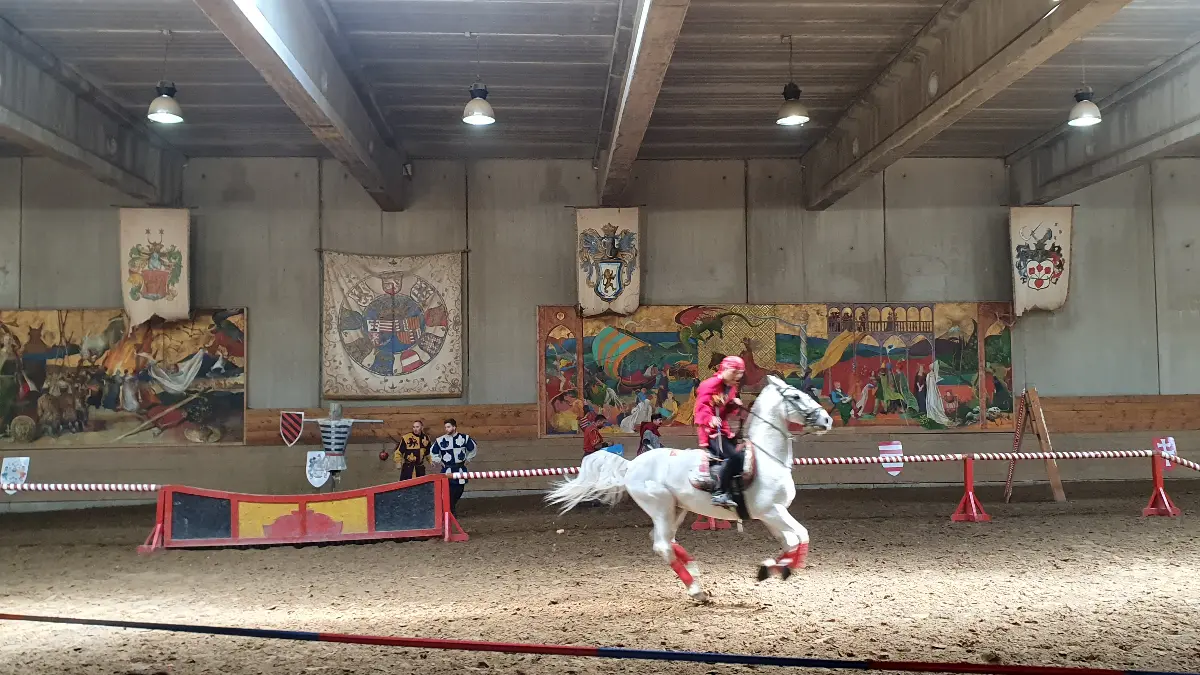
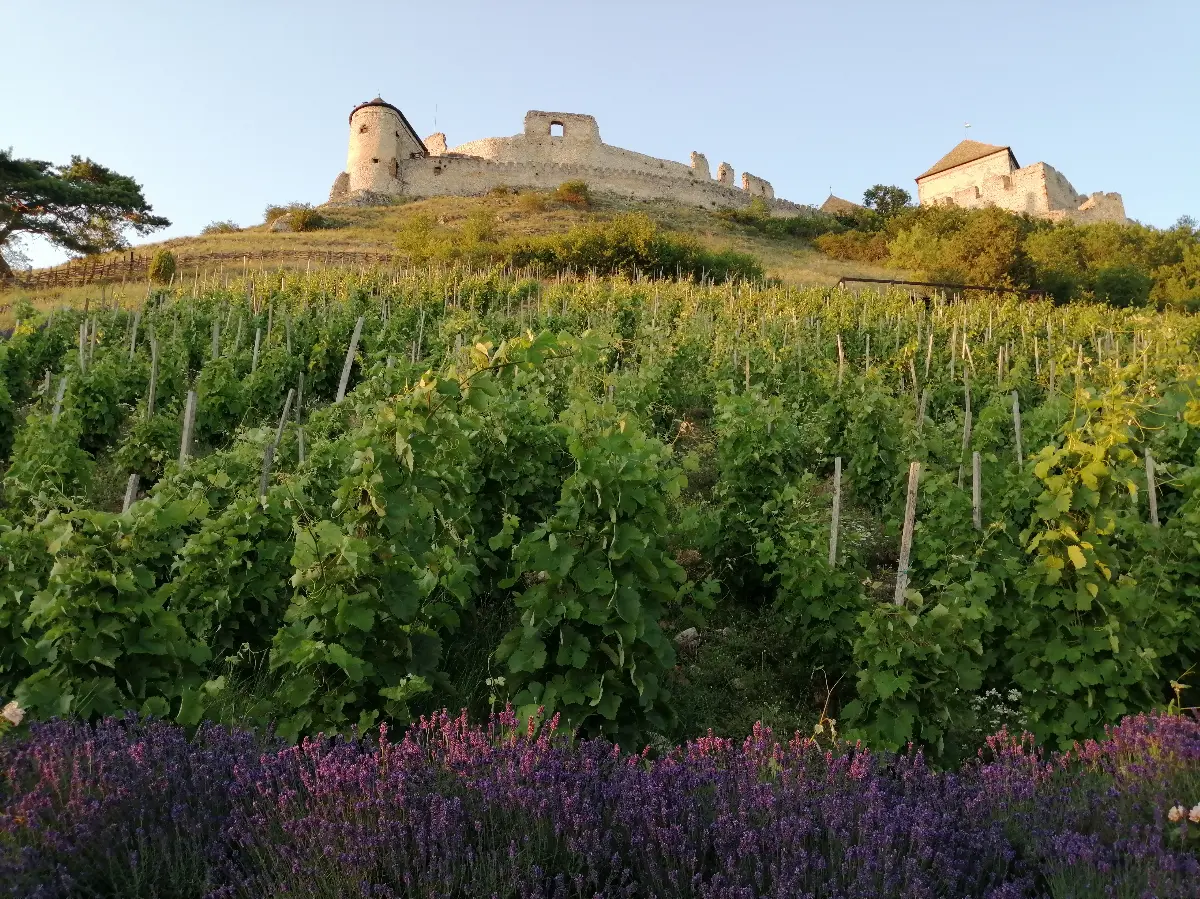
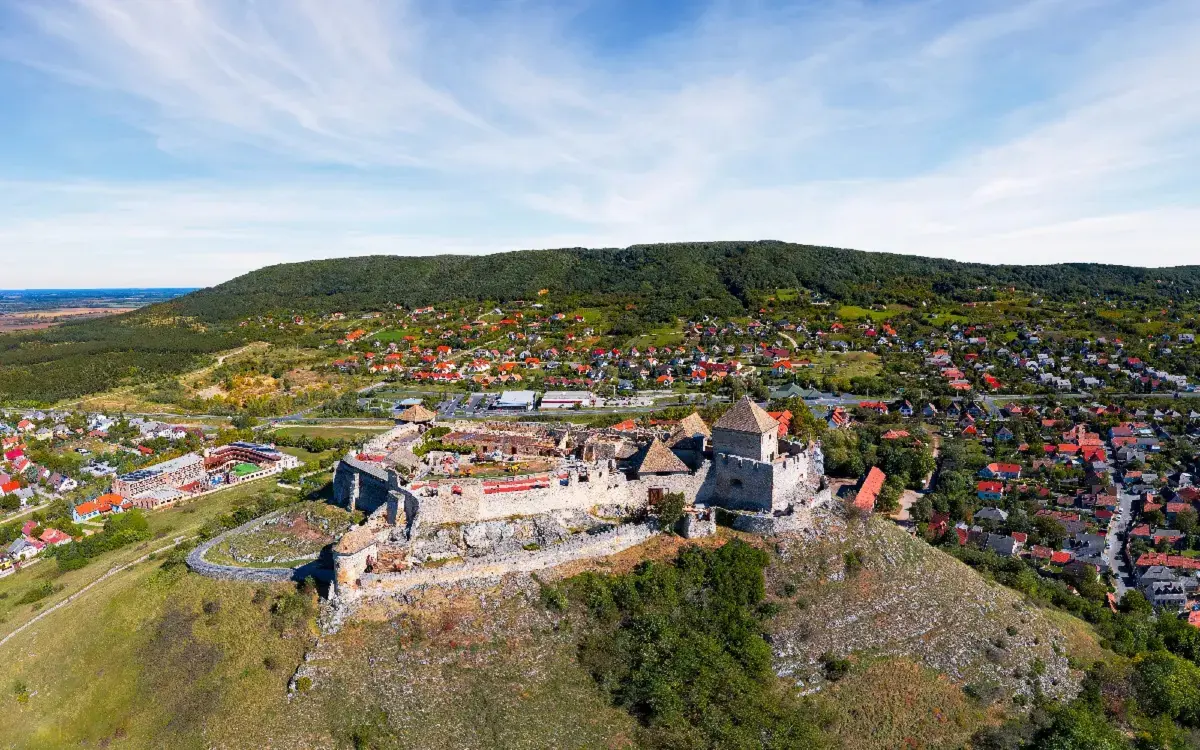
Sümeg Castle, standing 245 metres above the town, is not only spectacular, but also one of the best-preserved medieval fortresses in Hungary. After the Tatar invasion, Béla IV had the first residential tower built on the limestone hill, which over the centuries grew into one of the strongest castles in Transdanubia. During the Turkish era, it was further expanded and reinforced with corner bastions. Later, it was the scene of the Rákóczi War of Independence. The castle finally lost its military significance in the 18th century and slowly began to fall into ruin. Fortunately, life returned to its walls in the 20th century, and it was gradually renovated. Today, in the rebuilt buildings, you can learn about the history of the castle and its former inhabitants through exciting exhibitions. In addition, at the foot of the castle, horse shows and medieval feasts bring the old times to life for you.
2. Bishop's Palace – Baroque elegance
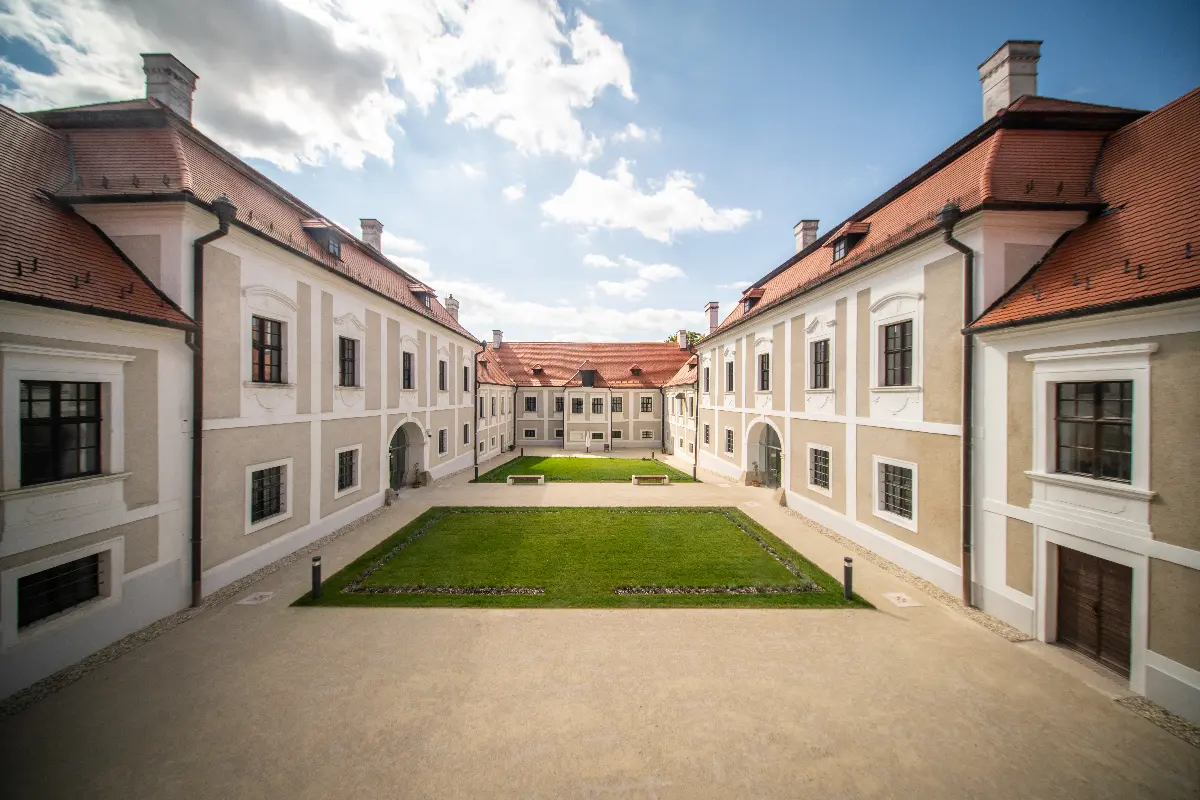
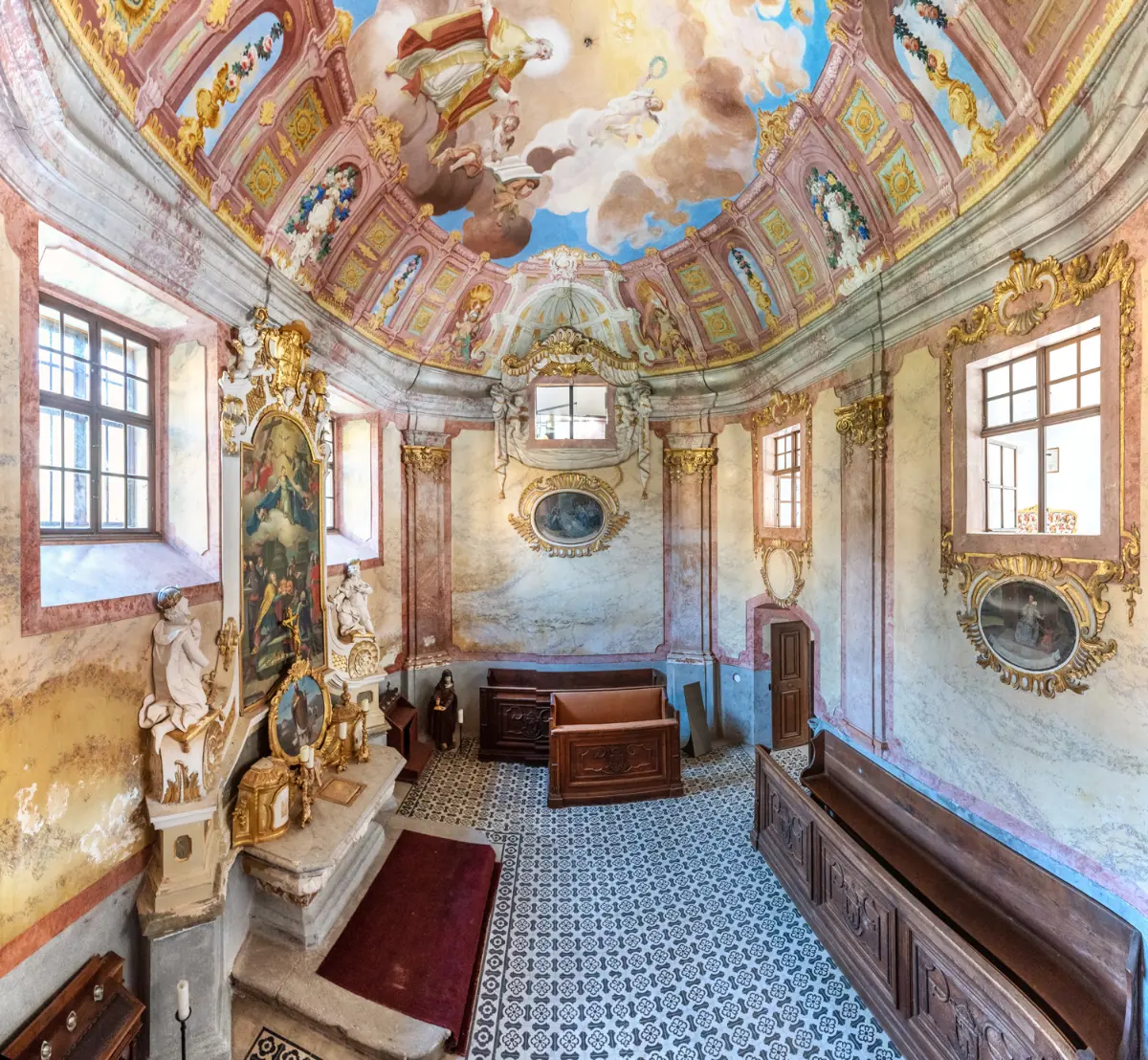
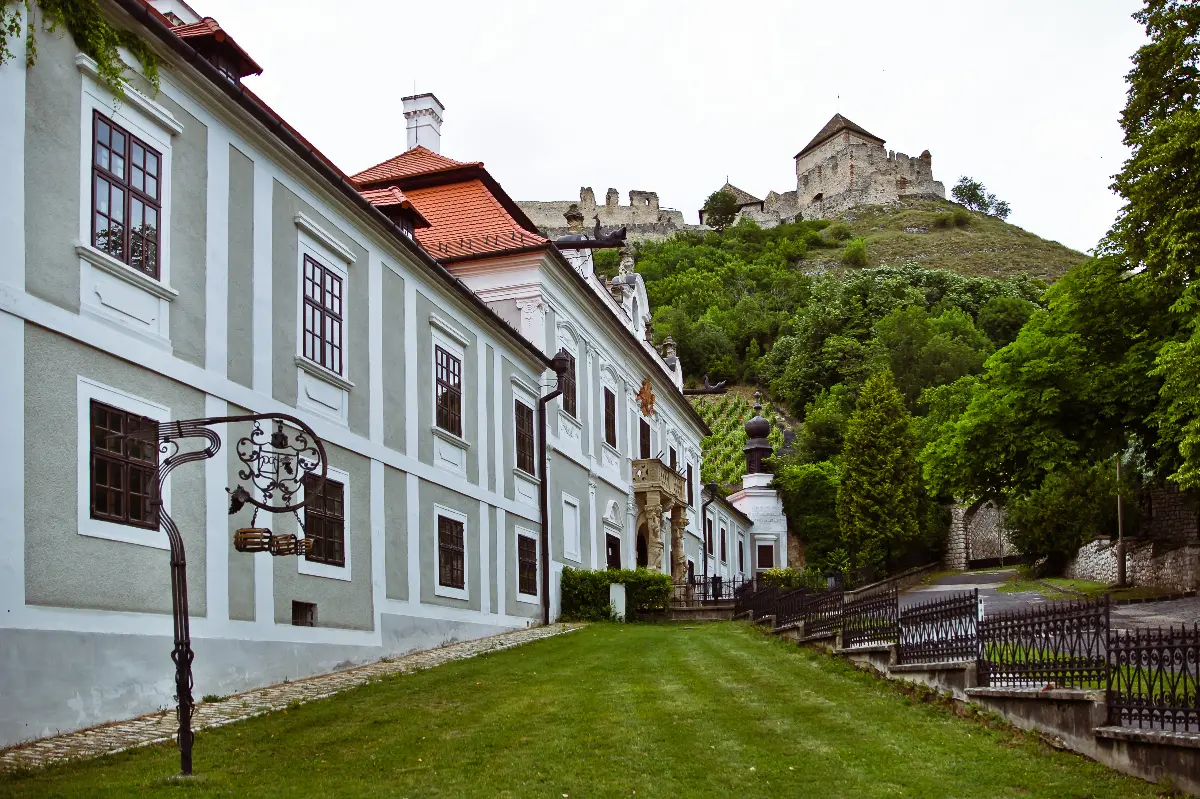
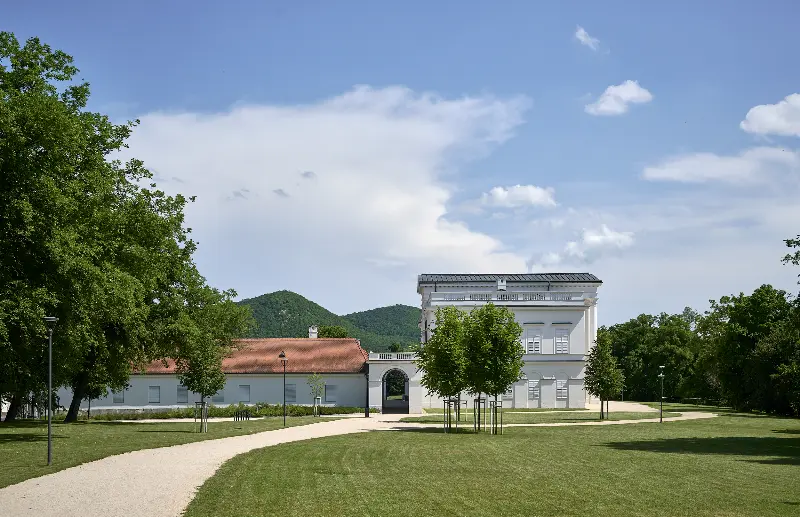
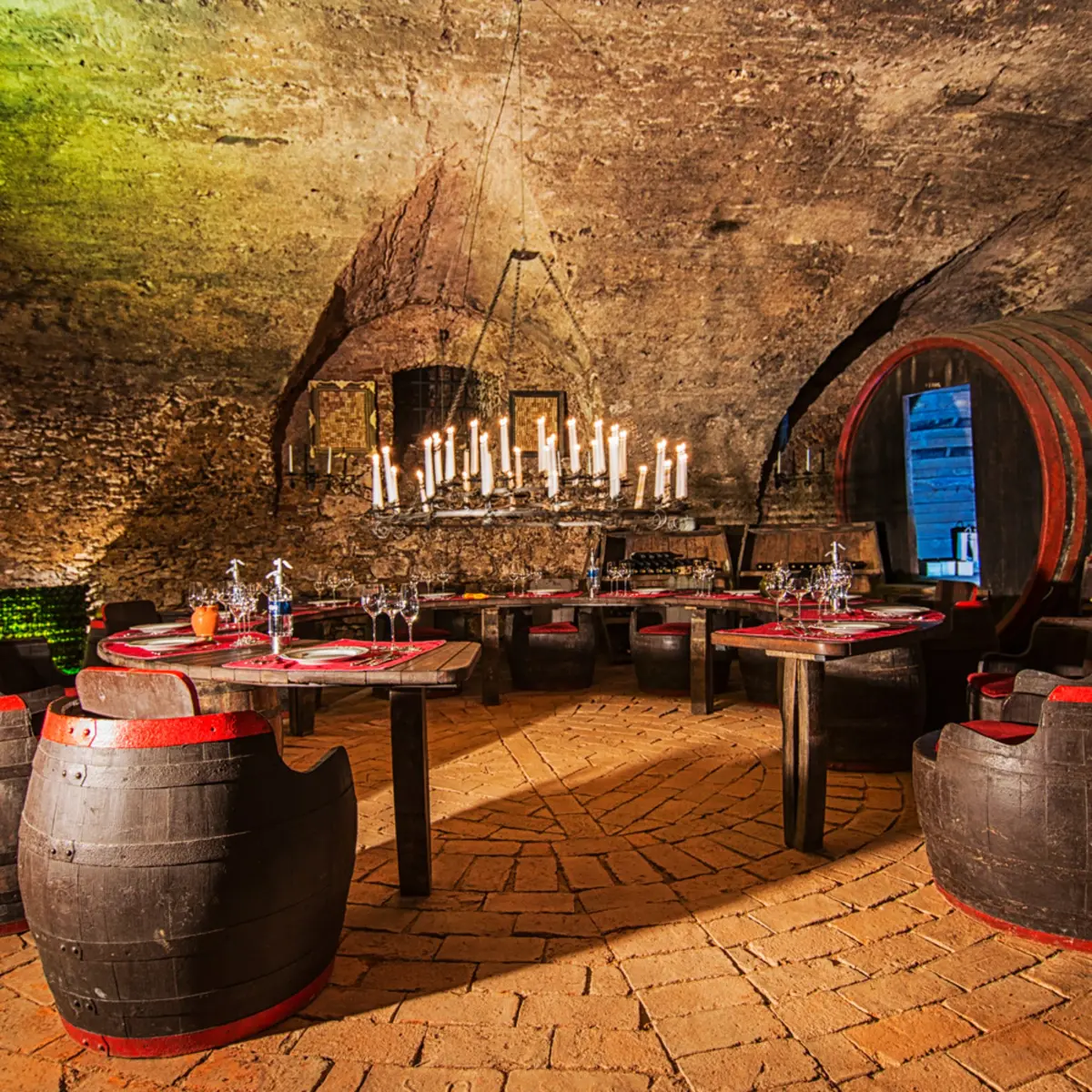
At the foot of the castle stands Sümeg's most beautiful monument, the Bishop's Palace, an elegant four-towered castle built between 1748 and 1755. The Baroque wonder was built according to the plans of Bishop Márton Bíró Padányi, who was denied permission to rebuild the castle, so he built this palace as the new pride of the town. The chapel, stucco work, and wall and ceiling frescoes are still impressive today thanks to extensive restoration work. The basement of the building houses a unique wine museum and wine shop. The Egly Vineyard and Winery, Palota Cellar is the perfect place to get acquainted with local wines.
3. Kisfaludy Memorial House – a literary journey through time
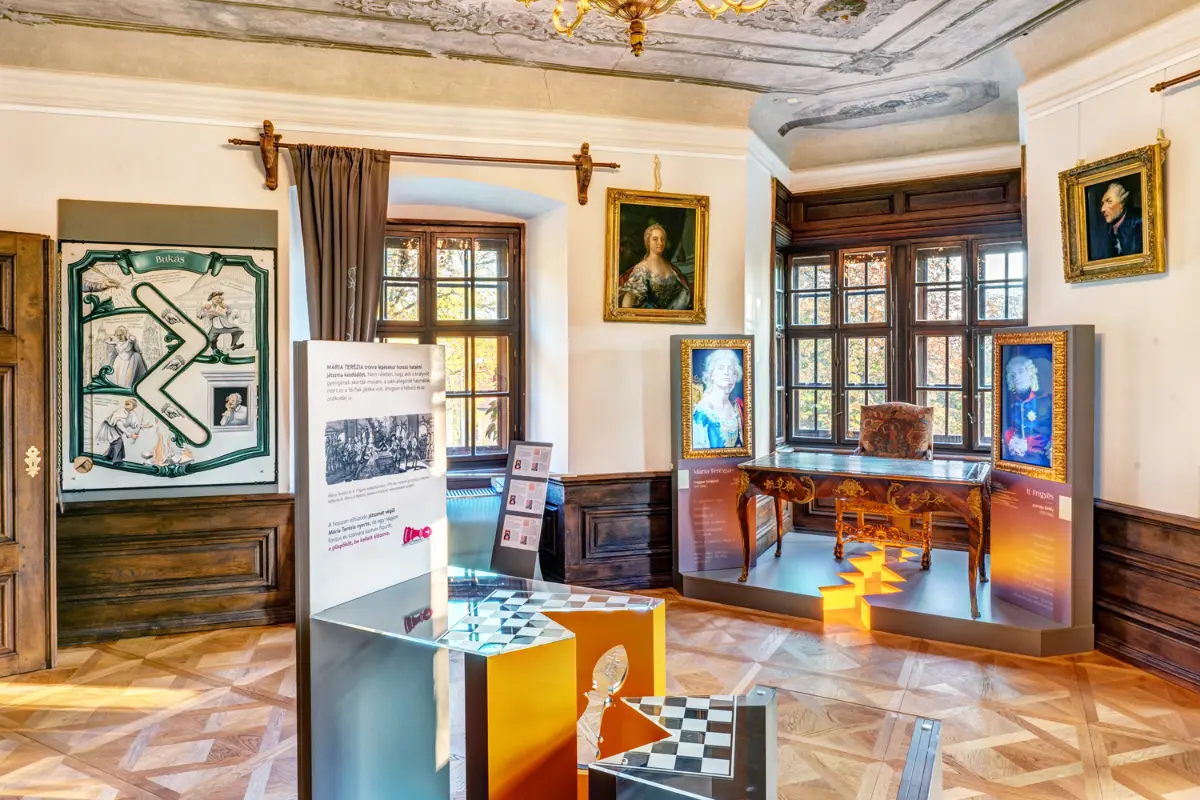
This is where Sándor Kisfaludy, one of the leading poets of Hungarian Romanticism, lived and worked. The memorial house displays his personal belongings and manuscripts, and also houses the town museum. The building's rich history is linked to the literary and cultural traditions of the area, providing a deeper insight into the past of Sümeg.
4. Franciscan Church of Our Lady of the Cross
The Baroque church and the former Franciscan monastery next to it preserve special artistic and religious values. It was founded by Bishop György Széchenyi in the 17th century. The interior of the church is particularly richly decorated: carved altars, sculptures, and valuable works of art make it impressive. Its most treasured possession is the medieval Pietà statue, which depicts Mary with Christ taken down from the cross. This place is a national Marian shrine, visited by thousands of pilgrims every year thanks to the famous miracle of healing recorded here in the 17th century.
5. Calvary – historical statues and stations
Next to the cemetery in Sümeg, on the south-eastern border, is the Calvary statue group, which was created in 1926 in memory of King Charles IV, originally in Tihany. The sculpture group was moved here in 1968, preserving a piece of Hungarian history, and the 14 stations depicting Christ's Way of the Cross can also be viewed. The area was renovated in 2019 with the cooperation of the local community, and together with the cemetery chapel, it remains an important place of pilgrimage and remembrance in Sümeg.
1 bonus: The tomb of Sándor Kisfaludy and Róza Szegedy
The love between Sándor Kisfaludy and Róza Szegedy is a true romantic story. They met in the autumn of 1794 during the grape harvest in Badacsony, where the poet immediately fell in love with Róza. Although the young girl initially rejected his proposal, their long correspondence eventually brought them together. They married in 1800 and lived happily together for 32 years. Kisfaludy became one of the most famous poets of his time. Róza Szegedy died in 1832 and Sándor Kisfaludy in 1844. Not only their former home in Sümeg, but also their final resting place is one of the town's special historical monuments.