Helyszín címkék:
Hungary’s hidden cat sculptures were crafted from stone, ceramic, and bronze
Imagine
What's the article about?
- The Relationship Between Cats and Humans
- Unique Cat Sculptures in Hungary
- Hidden Sculptures in Győr and Nagykőrös
- Cats and Other Animal Sculptures in Pécs
According to scientists, humanity’s relationship with cats dates back nearly ten thousand years, and virtually every advanced civilization has attempted to domesticate them. Over time, their presence became increasingly natural, though they only became truly common pets in the 20th century.
These beloved four-legged friends slowly made their way into the world of art with their soft paws: they appeared in paintings, sculptures, and films, and often even became the main characters. This was also the case in Hungary, where over the past century, numerous sculptors have worked to create cats made of stone, wood, bronze, or even aluminium for public spaces.
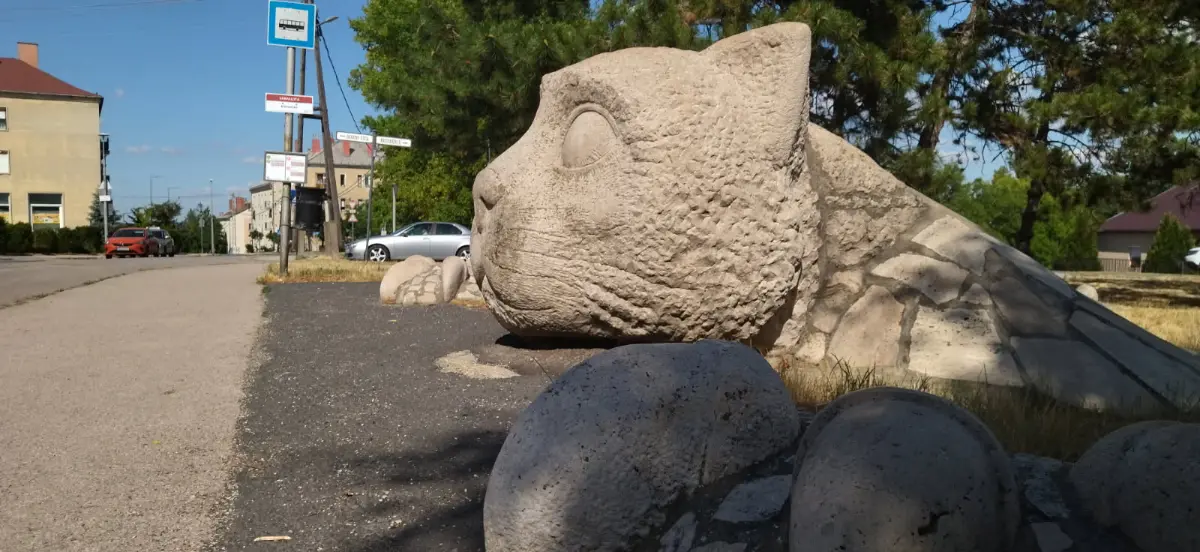
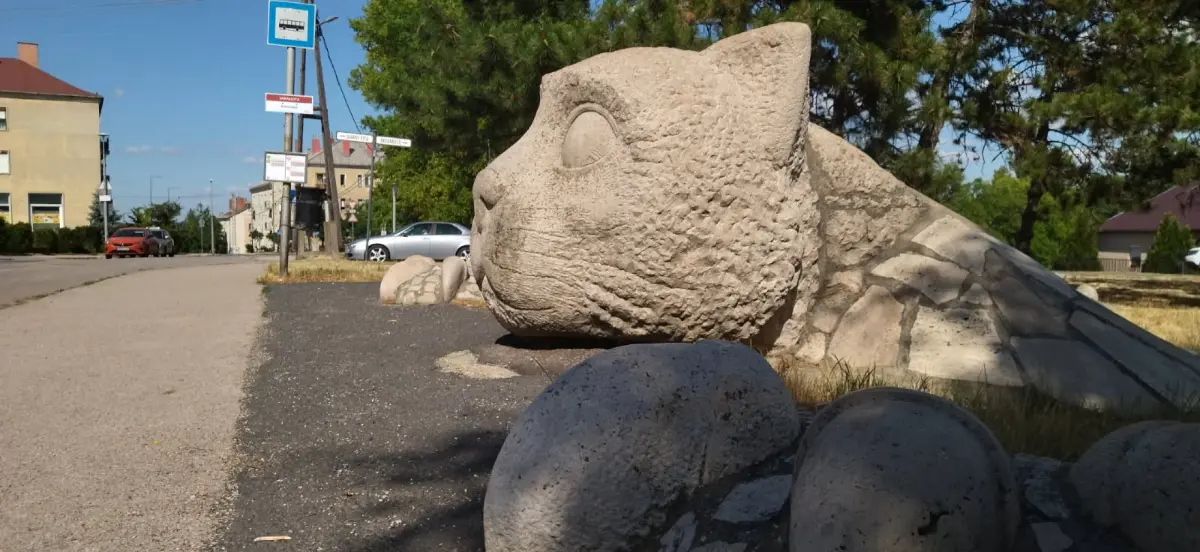
The largest of these is undoubtedly the work of Pál Gyulavári (1949), which he conceived in his early thirties for Várpalota. Located on Tési Hill along Erdődi Pálffy Tamás Street, much of the limestone sculpture’s body is buried underground, though the animal’s front legs and head rise above the grass and asphalt, watching the traffic, those waiting at the bus stop, and the residents across the street.
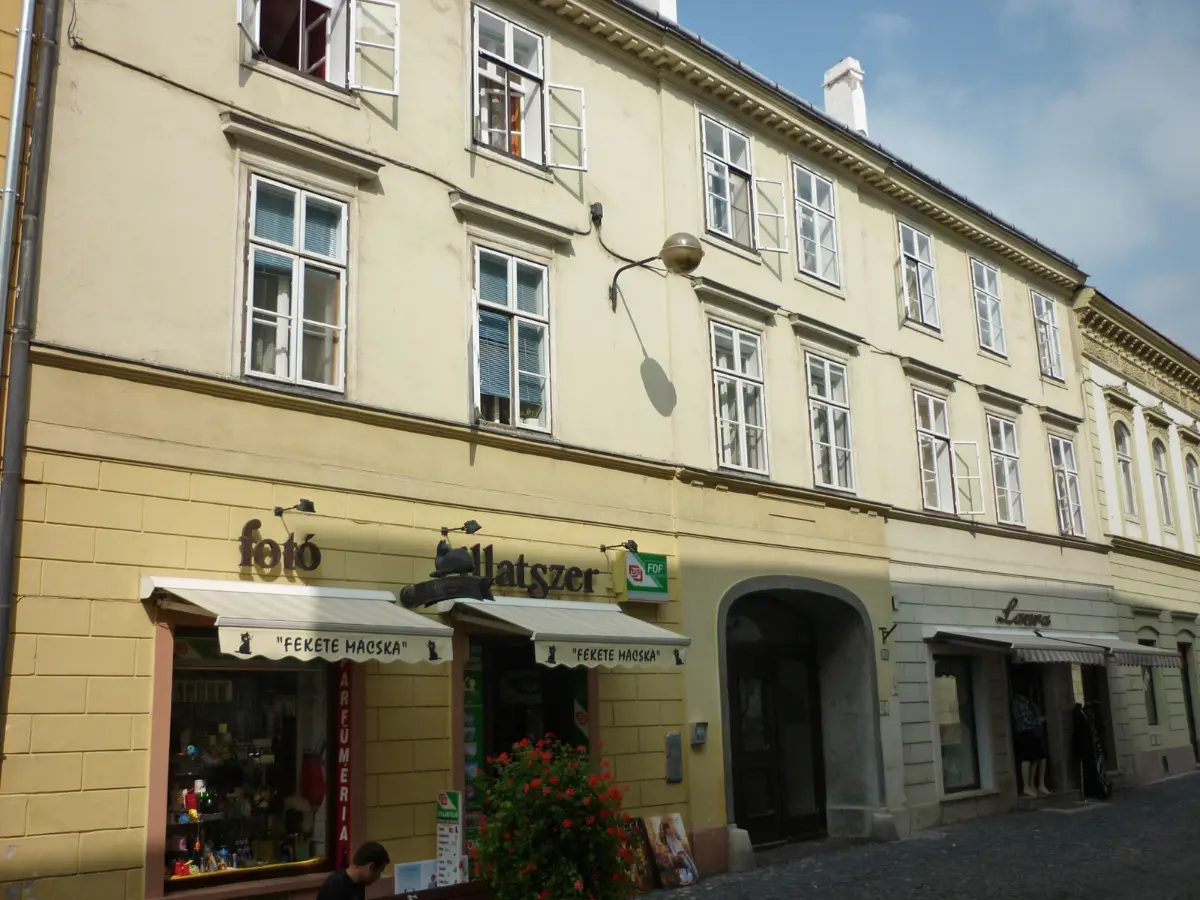
While in the western part of the country, it’s worth visiting Győr, where you should stop in front of the building at 7 Király Street, as the sign depicting the eponymous Black Cat has been displayed above the entrance to the photo and perfume shop located there since 1985, competing for the title of the world’s cutest black cat statue. If you get hungry, it’s time to stop by the elegant Lamareda Restaurant and Bistro (4 Apáca Street), just a three-minute walk away; for lighter bites, head to Mono Cake & Dessert (24 Bajcsy-Zsilinszky Street), which tempts with countless specialties.
Glanthor / Wikimedia Commons
Staying in the city, we find the work of Ferenc Lebó, winner of the Munkácsy Prize (1960) – and creator of the reliefs on the bell of Pope John Paul II at St. Matthias Church in Budapest – a bronze statue of a little girl seated on a stone bench near the pharmacy and the doctor’s office, holding a tiny kitten in her lap. The statue, tucked away along Mécs László Street, isn’t easy to find, but the joy of discovery makes up for the brief search.
We can continue our tour in Nagykőrös, located on the border of Pest and Bács-Kiskun counties, by walking through Heroes’ Square, where a drinking fountain appeared in 2017 featuring “Cat” by Zsuzsanna Szemők (1953), the artist behind numerous other works of varying sizes in the city.
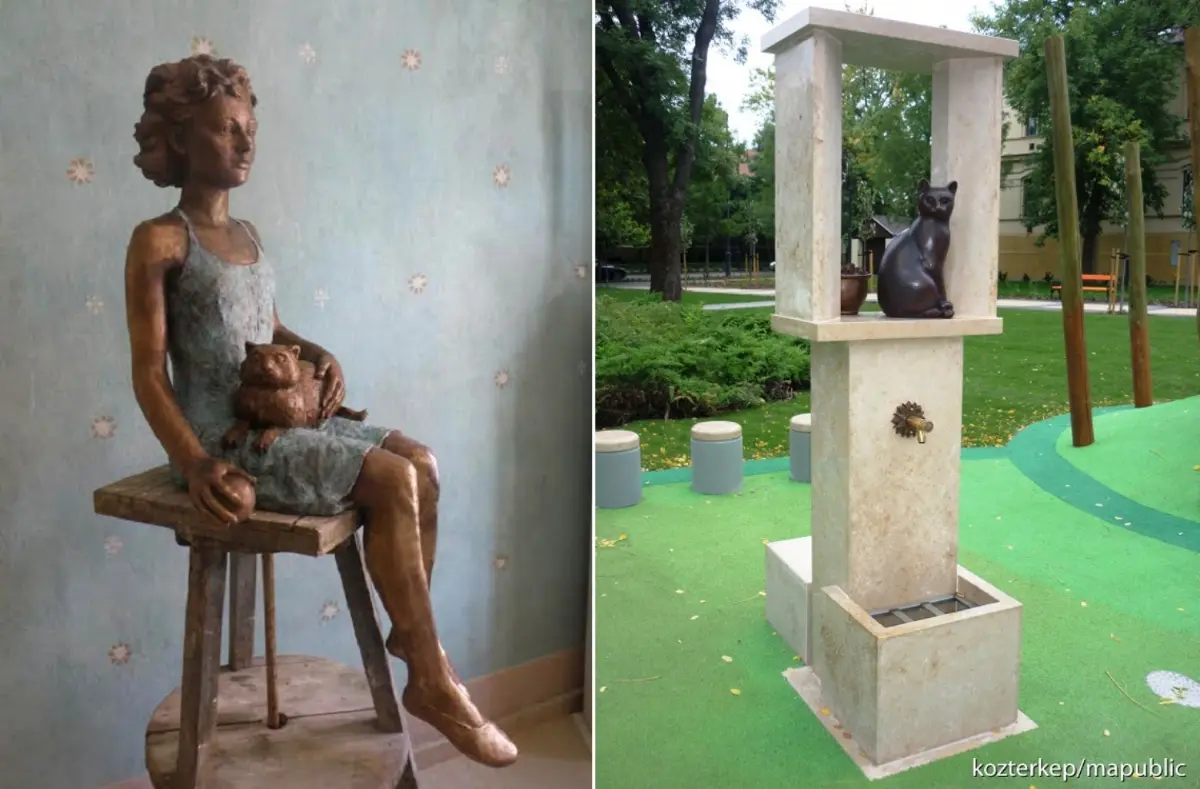
Left: Sculptor Ferenc Lebó; right: Ferenc László / Köztérkép
The last two items on our list are located in Pécs. Of these, the pair of cats above the gate at 5 Anna Street is in a less-visited spot. One of them wraps its body around the house number, while the other lounges in the niche above, dangling one of its front paws over the heads of passersby.
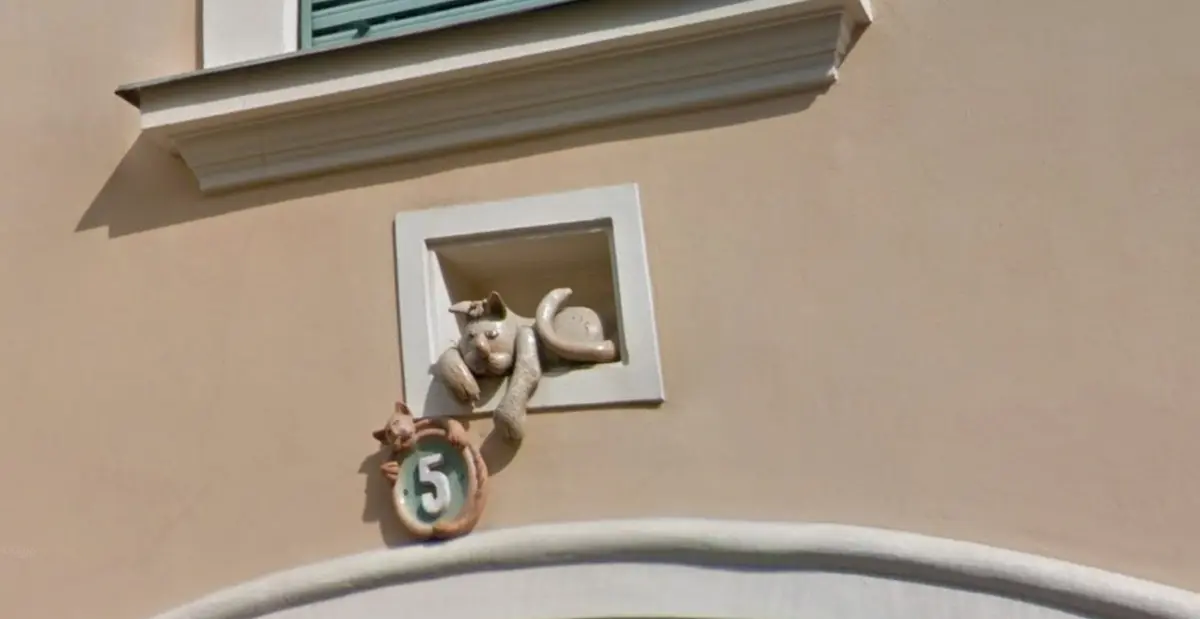
Photo: Google Street View
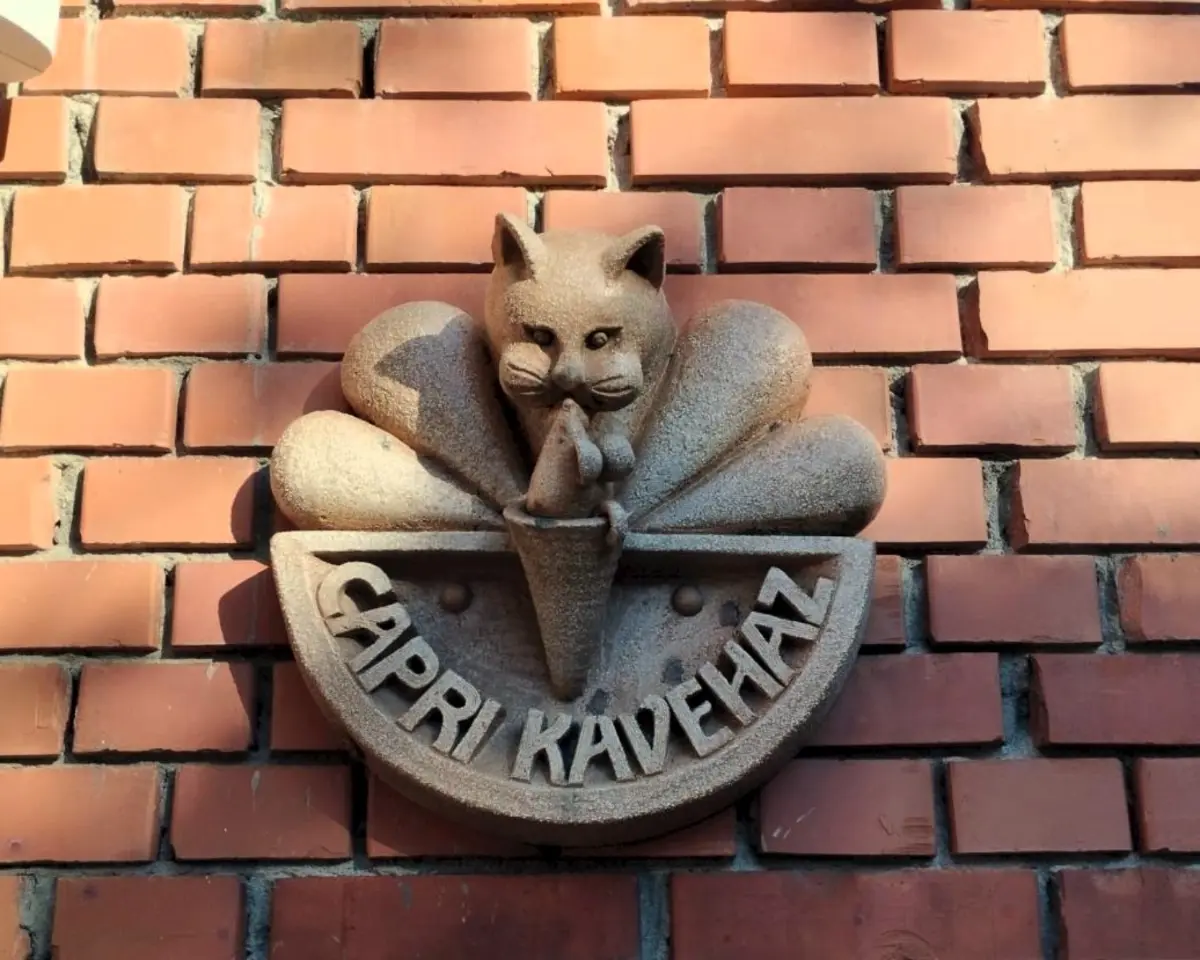
The animals were “born” in the studio of local ceramic artist Gyöngyi Baksa (1951), just as were the pair of signs installed in 1985 by Capri Cukrászda (Pécs, 7 Citrom Street), which serves excellent Italian ice cream. One of them depicts a cat holding a mouse peeking out of a funnel, while the other holds an empty coffee cup out toward passersby.
Of course, the list could go on with other animals, too; since Hungary’s towns and cities – both large and small – and even Budapest itself are “inhabited” by stone bears, elephants reborn as slides, and bronze deer, camels, penguins, stags, and dogs. It is therefore worth taking a look around our own neighbourhood, and it is quite possible that we will come across one of them.
Do you love exciting stories, time-traveling adventures, and hidden places? Then you should explore the country through guided city walks! For example, Imagine’s programs—they’ve been organizing city walks, exclusive building tours, gastronomic tours, and team-building events across the country for over 15 years.