Helyszín címkék:
Hungary awaits: Following the autumn bird migration with binoculars
Partner content
What exactly will the article cover?
- Crane watching on the Great Plain
- Birdwatching at the Holt-Tisza
- The birdlife of the Kis-Balaton
- Nature trails and visitor sites
- Cycling along Lake Fertő
The autumn season is particularly favorable for observing water birds: this is when we can witness the impressive migration of cranes and wild geese to their wintering grounds.
The migration of cranes in the Great Plain
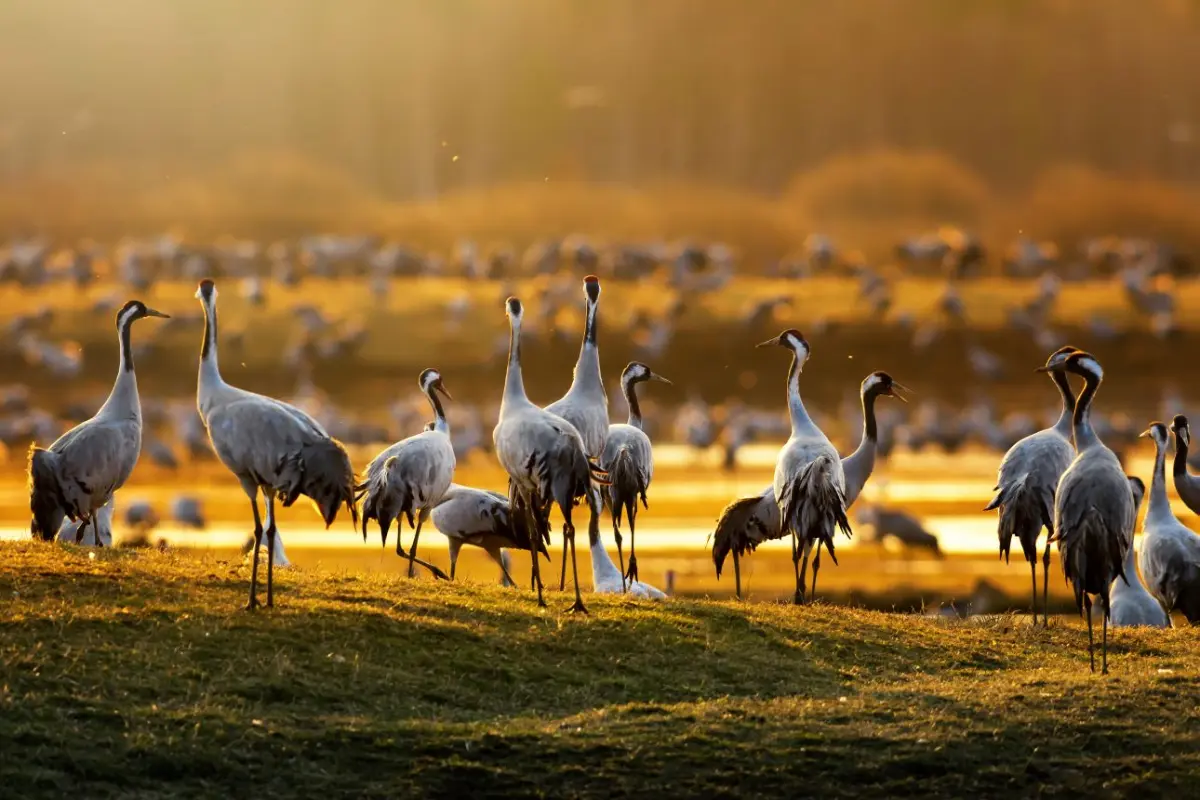
Due to the shrinking of their habitat, cranes no longer breed in Hungary, but during their migration they pass through the Great Plain in flocks of tens of thousands. Most large migratory birds gather in Hortobágy in the second half of October, while in the Southern Great Plain, the number of cranes heading for their winter quarters peaks in mid-November. During their rest here, we can admire the dazzling phenomenon known as crane migration: in the mornings, they fly out to the fields in search of food, then at sunset they return in huge flocks to the safety of the fish ponds and shallow salt marshes.
Where should we go to watch the birds?
From the end of September to the end of October, the Hortobágy National Park Directorate organizes crane tours at dawn and dusk on weekends and on weekdays during the autumn break.
On guided tours of Lake Fehér in Kardoskút, part of the Kiskunság National Park, we can observe flocks of cranes calling loudly as they fly overhead. In such cases, guided tours allow us to enter areas of Lake Fehér that are not normally open to visitors.
Birdwatching at the Holt-Tisza (“Dead Tisza”)
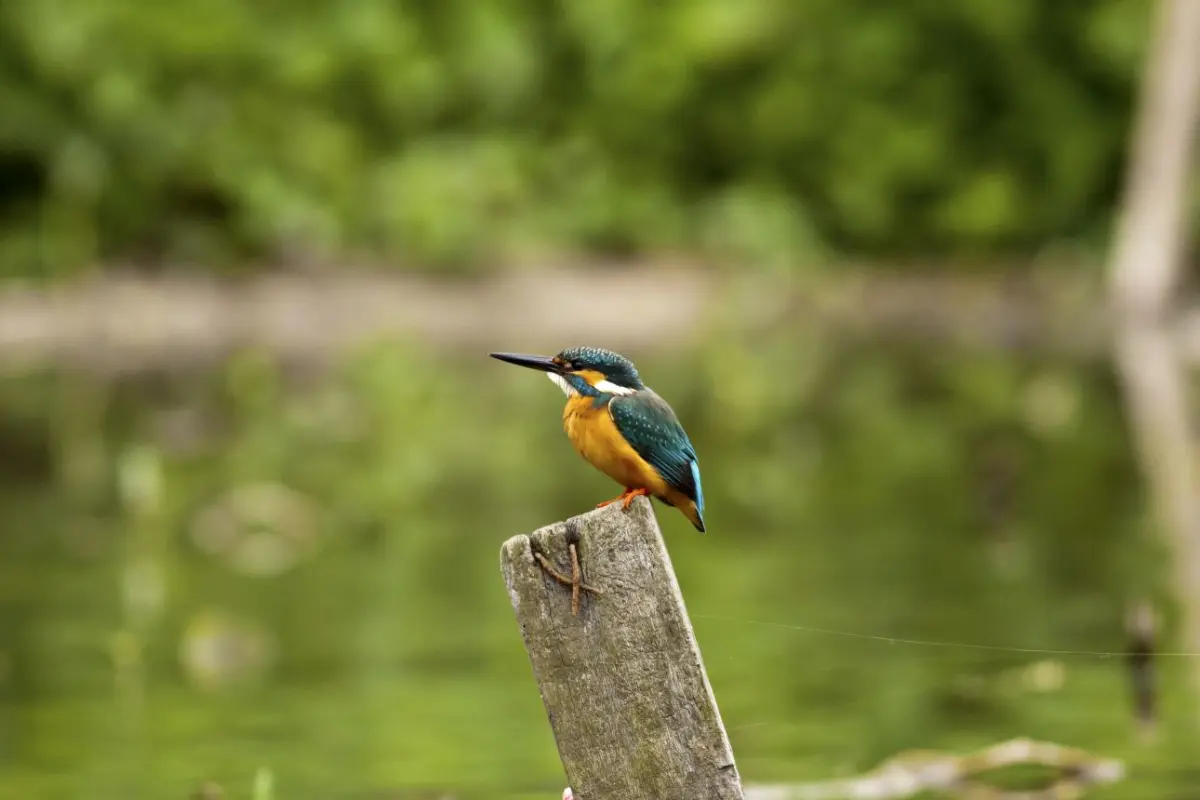
Of course, it’s not just the cranes that are worth following in the fall; there are birdwatching spots all over the country. In Tiszakécske, we can walk along the Nádirigó nature trail along the Holt-Tisza, where kingfishers, red herons, and bitterns meet. Learning is fun along the two-and-a-half-kilometer route of the Tiszakécske backwater, which recently underwent habitat rehabilitation: insect hotels, landscape puzzles, memory games, and fish scales showing the actual size of species at the stations help players acquire knowledge.
On hidden islands, in the heart of Kis-Balaton (Little Lake Balaton)
Kányavári Island is the only freely accessible island in Kis-Balaton, where visitors can gain insight into the daily life of the bustling wildlife. Let’s cross the three-arch wooden bridge leading to the island, then set off on the Búbos vöcsök (‘Great crested grebe’) nature trail. The 15 stations along the walking trail provide a wealth of information about the bird life of Kis-Balaton: each sign describes a different group, such as shorebirds, songbirds, and birds of prey. If we have time, we will also visit the Kis-Balaton Visitor Center, from where guided tours depart to the István Fekete memorial site and the highly protected Diás Island.
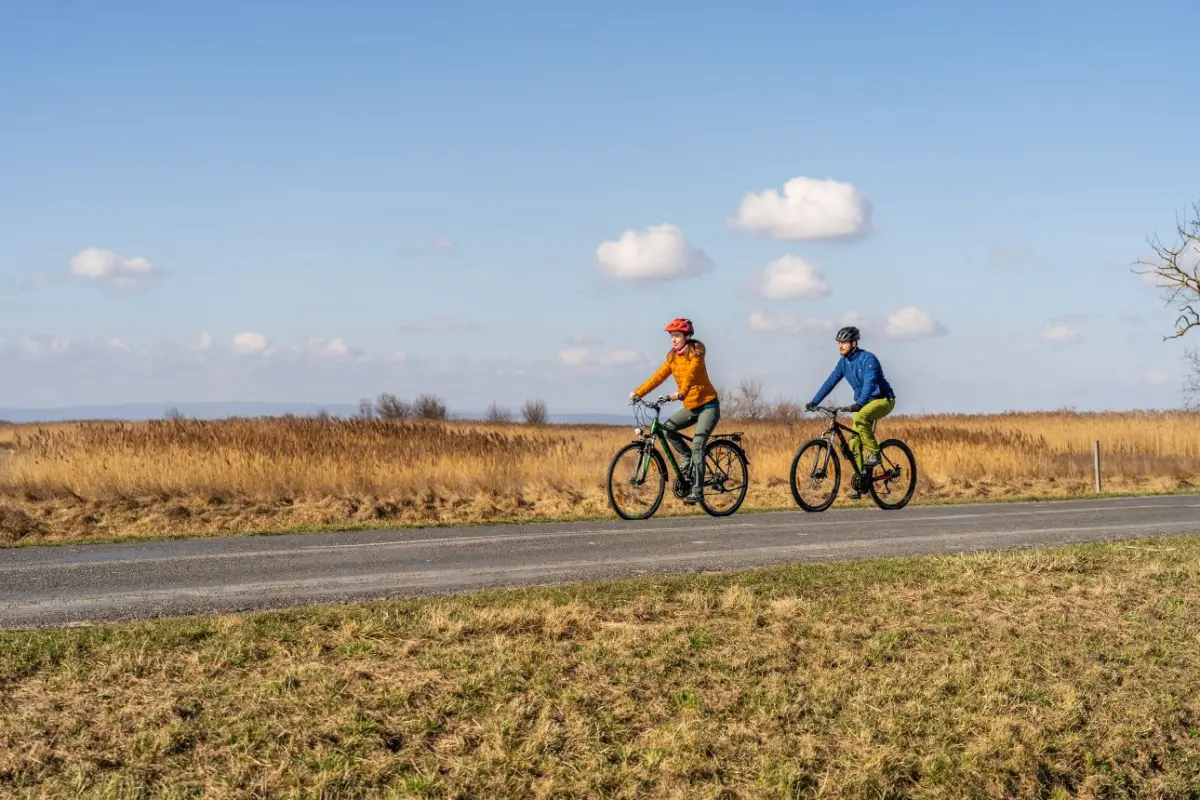
Cycling along the Lake Fertő bird sanctuary
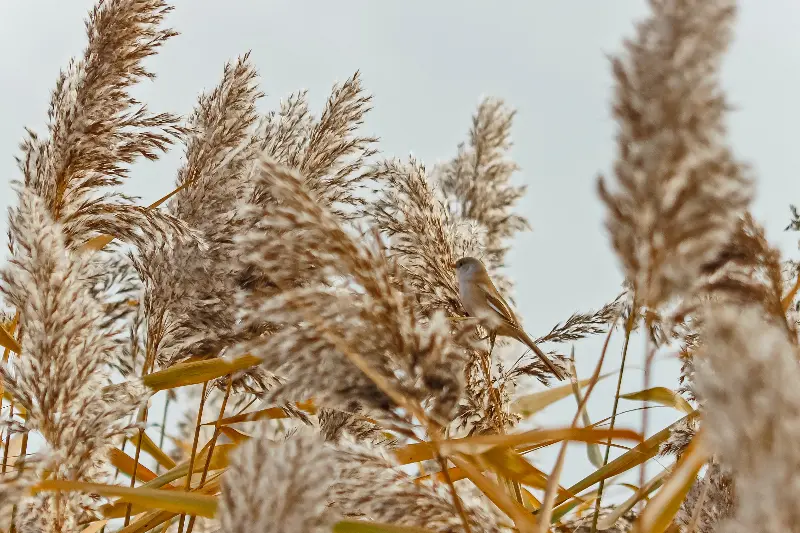
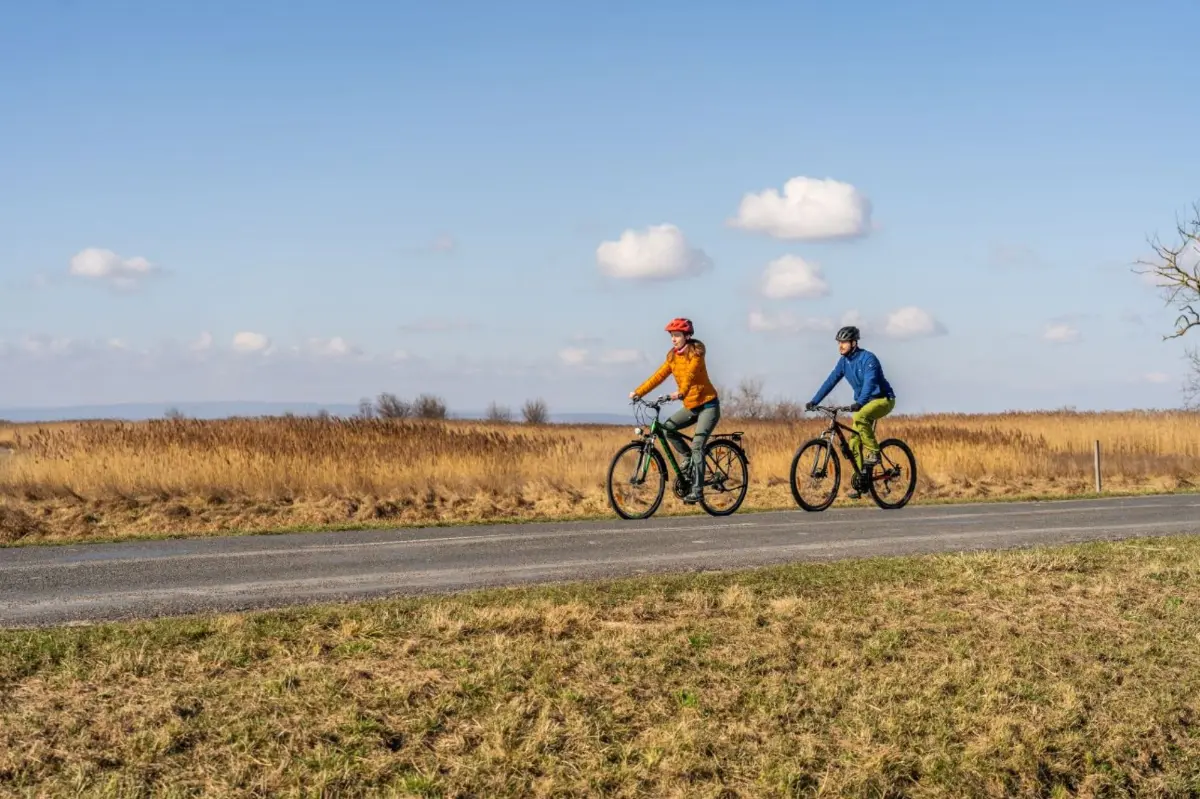
Lake Fertő, which straddles the Hungarian-Austrian border, is recognized as a wild water area of international importance and is Central Europe’s largest bird sanctuary. In addition to birdwatching, the wildlife of the dense reed beds and extensive marshes can also be observed from the EuroVelo 13 cycle route that circles the lake. There is little difference in elevation on the bike path that runs between villages and vineyards, so you can confidently set off on longer or shorter sections even with children.
The article was originally published in the Hungarian Tourism Association Foundation’s magazine titled Magyarország vár (“Hungary awaits’’).
Source: turizmus.com