Helyszín címkék:
Summer in winter
Hajdú Gábor
The history of winter-gardens dates back to ancient Rome, but the precursors of their current form were the 16th -17th century greenhouses, which were created during the colonial period to grow exclusive plants. In addition to the orange-houses that were fashionable throughout Europe and were associated with palaces, residences, and villas, glazed "summer corners" became popular among the English aristocracy. At that time, heated winter-gardens attached to residential buildings also appeared. As time went on, winter-gardens became fashionable throughout Europe, and their function expanded with their popularity: in the 18th-19th centuries, they became community spaces, hosting social events, concerts, and performances. Thus, not only the residents could enjoy the exotic southern scenery with its special atmosphere, but they were also open to visitors. Owning an orange-house or as it was called at the time, an “orangery”, was also a status symbol, not only because of the expensive plants, but also because the building itself cost a huge amount of money to build and maintain. Modern winter-gardens which can be used all year round became widespread in the middle of the 19th century, after heating technologies made it possible to care for plants even in the frosty months. We do not have precise data on the appearance of the first documented winter-gardens in Hungary, but in the 18th century there were already such gardens in the winter residences of the Andrássy, Esterházy, Festetics, and Rákóczi families. With the development of construction and heating technology, a new type of building was born: the palm house, which was also built in botanical gardens and public parks.
Enchanted by orangeries
In our country, citrus plants were obtained from Italy, which is why the name “Italian trees” became widespread. Wintering and caring for the valuable trees was not an easy task, and it was not easy to find a competent specialist. No baroque garden existed without citrus trees and other southern plants, such as agaves, cypresses, pomegranates, olive trees, and less often coffee trees. Citrus trees could not be missing from the famous garden of the “Hungarian Versailles”, i.e. of Eszterháza. The first known winter-garden in Hungary was located in what is now Fertőd: one of the ground-floor wings of the castle was arranged as an “orangery”.
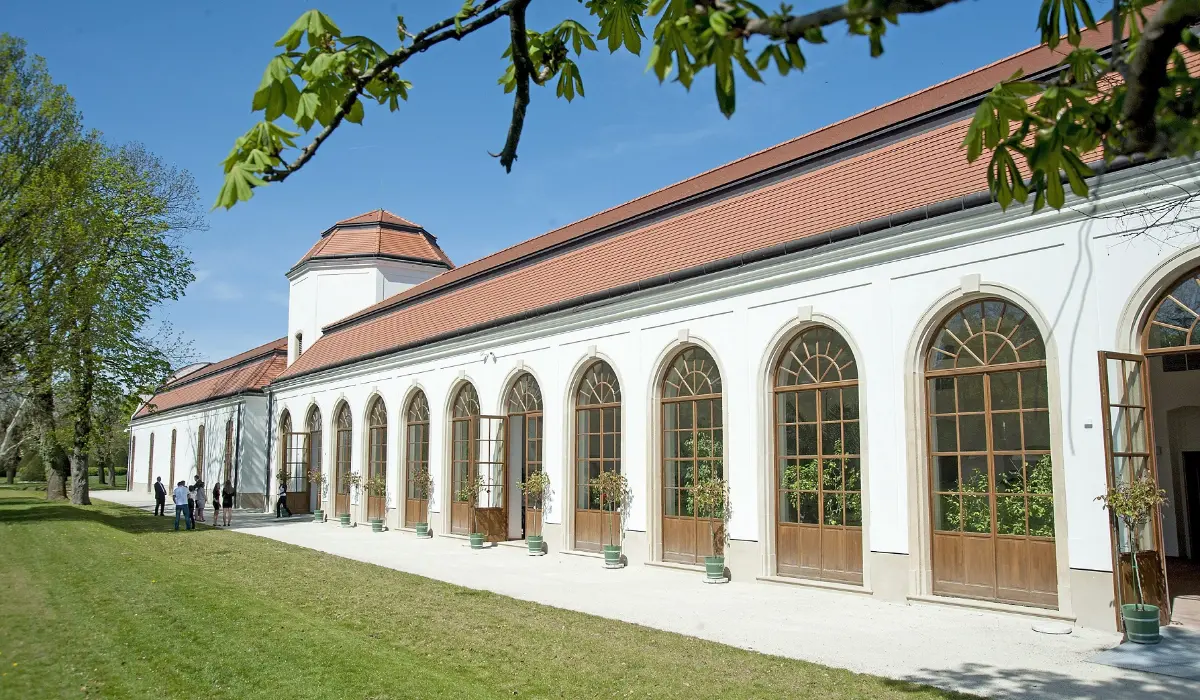
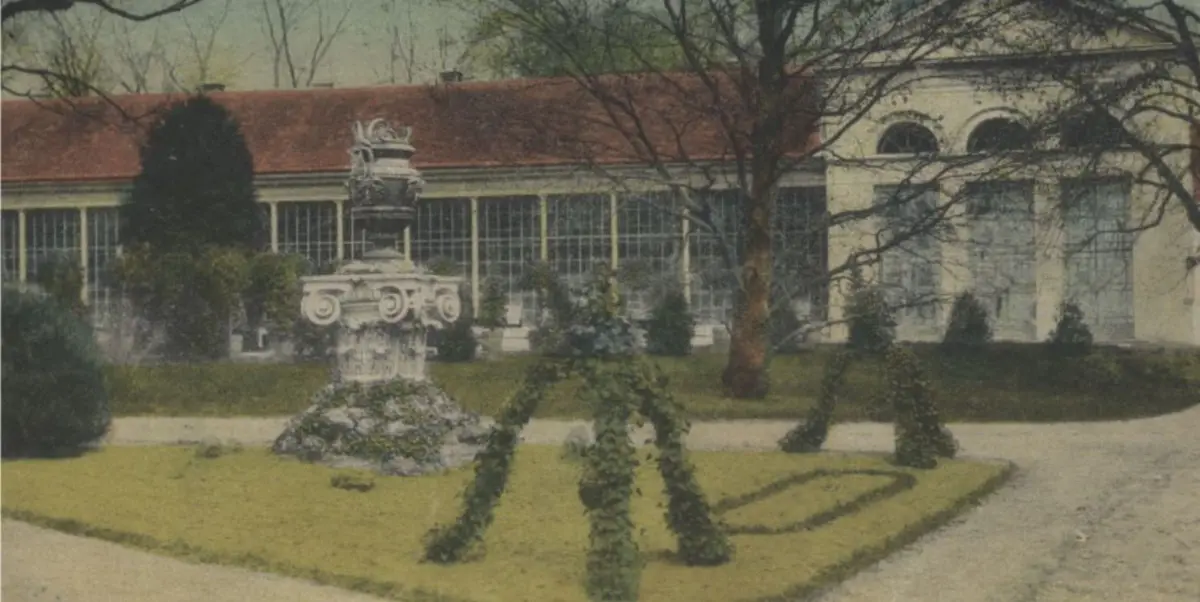
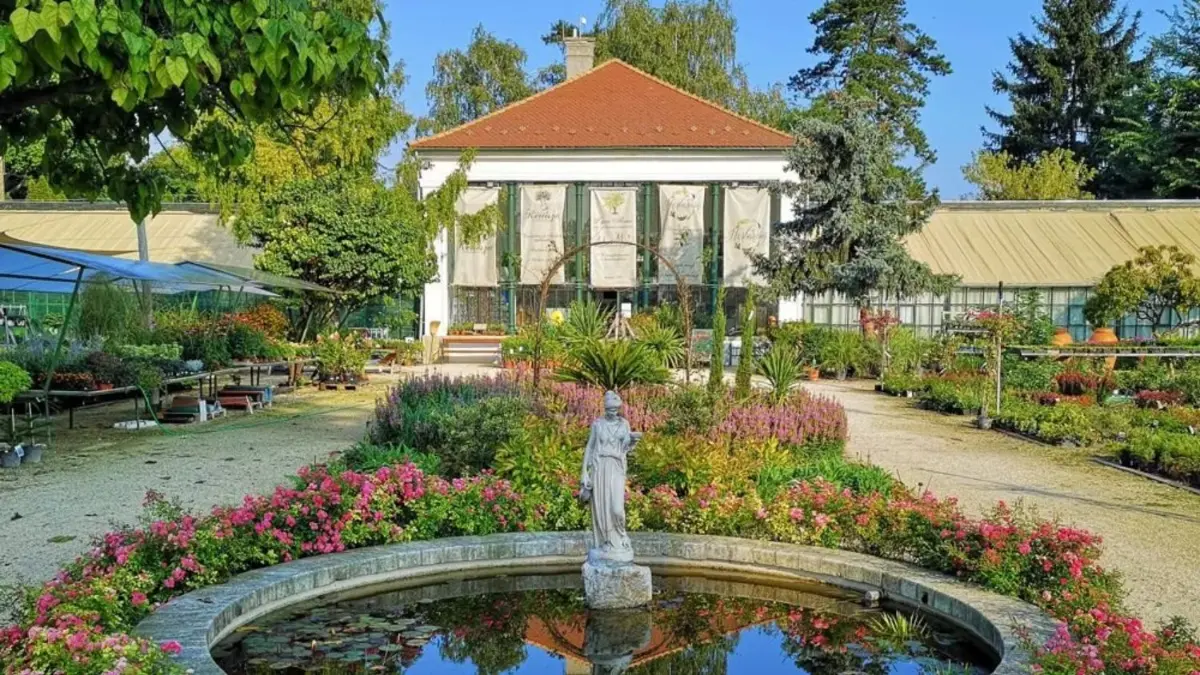
The orangery of the Grassalkovich Castle in Gödöllő is also considered one of the most significant winter-gardens, designed by József Hild. The pavilion received its current form in 1871, when the entire castle, including the orangery, was renovated for Franz Joseph and Queen Elisabeth according to the plans of Miklós Ybl. Also during the reign of Queen Elisabeth, in 1870, the palm house was built in the upper park of the castle. The modern, well-equipped, iron-framed palm house was built based on Austrian models. Next to it, a horticultural training camp, gardeners' apartments, and then a heated greenhouse were built in 1895. The building is still in operation as a horticultural centre.
Tropical atmosphere in the garden
In our country, by the 1860s, citrus trees had lost much of their role as status symbols. Not only did their number decrease, but they were replaced by tropical plants that required a greenhouse climate. The palm house embodied wealth, the conquest of distant continents, and control over the natural climate. Many orange houses were converted into palm houses at that time, for which hot water heating was introduced. The palm house, built in 1872 in the citadel of Hungarian horticultural culture, the Alcsút estate of the Hungarian branch of the Habsburgs, was designed by Miklós Ybl. The greenhouses opened on two sides from the central hall of the huge building, and watering was done using collected rainwater in a way that is still considered modern. Unfortunately, the building was destroyed together with the nearby castle, and today only the ruins of the heating channels can be seen.
The palm house in Tata, built in 1787 at the entrance to the English Garden, is luckier than the one in Alcsút. The 5-6 metre high ceiling was crowned by a 12 metre high dome. The Esterházy family first wintered their less cold-tolerant plants here, and then they turned the palm house into a kiosk for the refreshment of the citizens of Pest visiting the English Garden. In the late 1930s, university and college students in Tata held their famous Anna balls here. Today, it functions as an event centre.
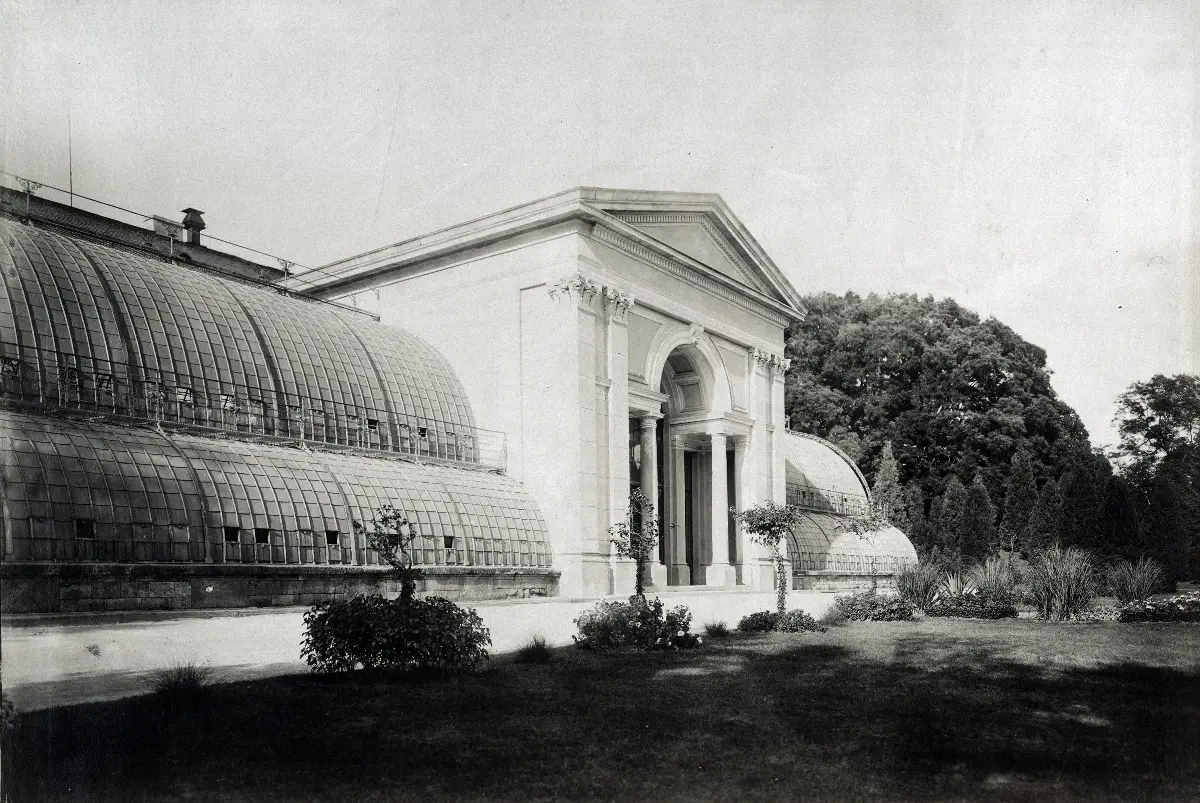
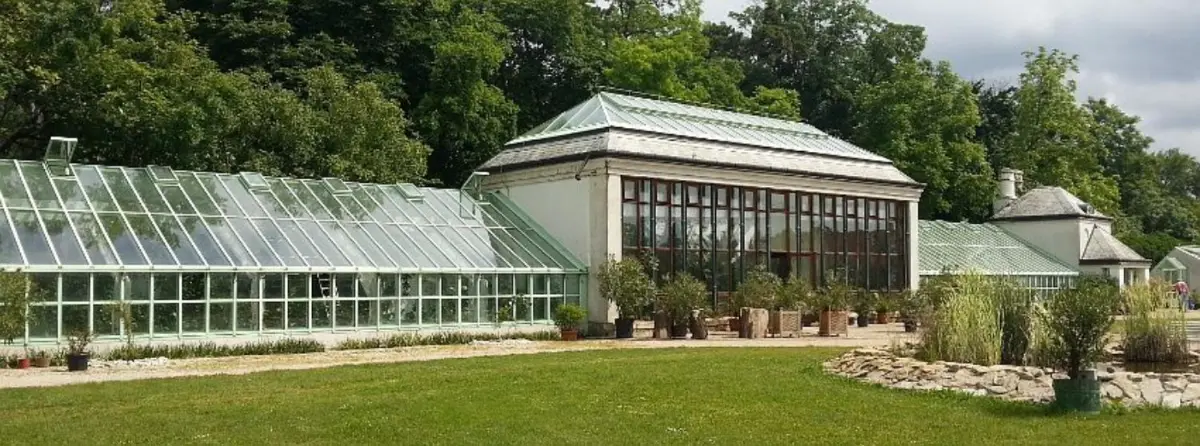
The palm house, originally serving as a “plant sanatorium”, stands in the park of the Festetics Castle in Keszthely, and was built in 1880 by Count Tasziló Festetics (II). Already during the time of the Festetics family, plants weakened in the castle were strengthened here, after which they were returned to the central building. The large potted plants of the park were also wintered here. The palm house is also worth visiting because its building is surrounded by a rock garden, an aquarium, a garden pond and a bird park – a wonderful sight!