Helyszín címkék:
The Romance of Iron and Brick – A New Life for Industrial Spaces
Szabó Vivien
From Industrial Past to Cultural Space
Industrial architecture creates a unique atmosphere: the vast halls, exposed steel structures, and stripped-back brick walls create spaces that remain highly functional even after production has ceased. In recent years, these buildings with their distinctive atmosphere have been given new life in several Hungarian cities.
Former factories and power plants have often retained their original character while being transformed into grand exhibition spaces, cultural centres, or large-capacity event venues. When we step into these spacious halls, we encounter both the imprints of industrial history and the buzz of contemporary cultural life.
Digital Experiences in the Former Steel Town
For a long time, Ózd had been associated with steelmaking, but today a new kind of industrial heritage has emerged in the city. In one of the buildings of the former factory complex, the Ózd Digital Power Plant operates as an interactive exhibition space and cultural center, welcoming visitors.
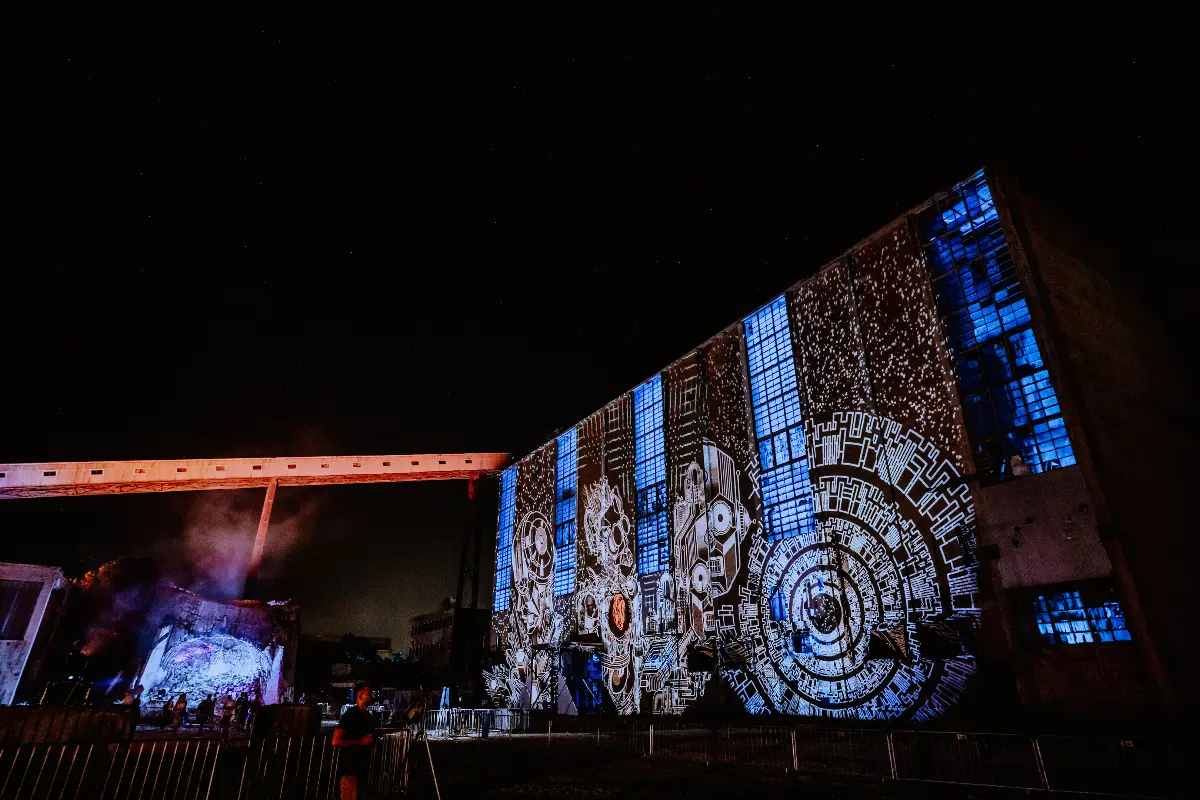
The exhibitions introduce us to the world of digital culture, technology, and the creative industries. The old industrial setting provides a unique backdrop for modern content: multimedia installations and interactive displays have found their place among the brick walls and massive windows.
Walking through the factory district today, it is no longer just traces of the industrial past that unfold before us. New programs and exhibitions are emerging among the old halls, and the area is slowly regaining its vibrancy, now in a new role: as a cultural meeting place.
From Factory Yard to Festival Grounds
In Veszprém, a former industrial site has taken on a new role in the city’s cultural life. The Veszprém Gyárkert KultúrPark (‘Veszprém Factory Garden Cultural Park’) now hosts concerts, outdoor programs, and community events. The area once functioned as an industrial complex, but in recent years it has been transformed into a summer event venue.
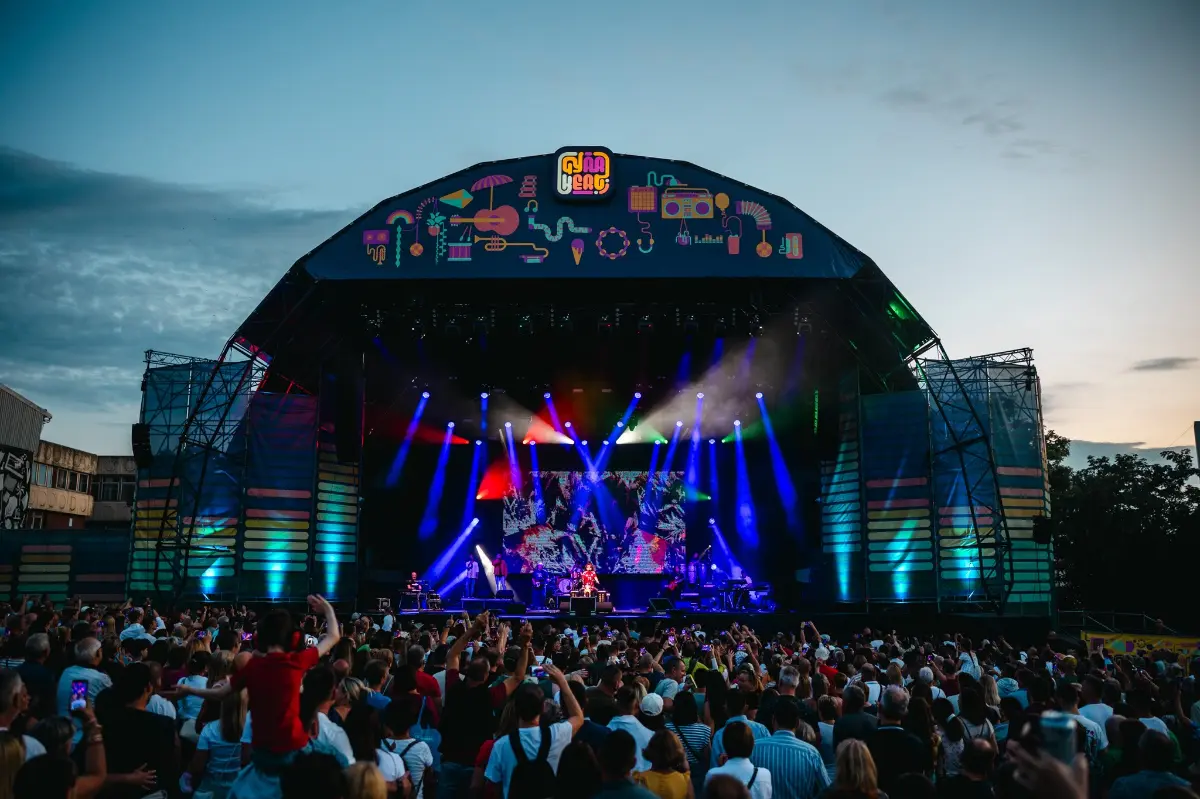
Gyárkert really came into the spotlight during the Veszprém–Balaton European Capital of Culture program, when large-scale concert series and a festival atmosphere took over the old walls. Since then, several well-known performers have taken the stage here, including Iggy Pop, Kraftwerk, Paul Kalkbrenner, and Morcheeba.
A porcelain factory transformed into a cultural quarter
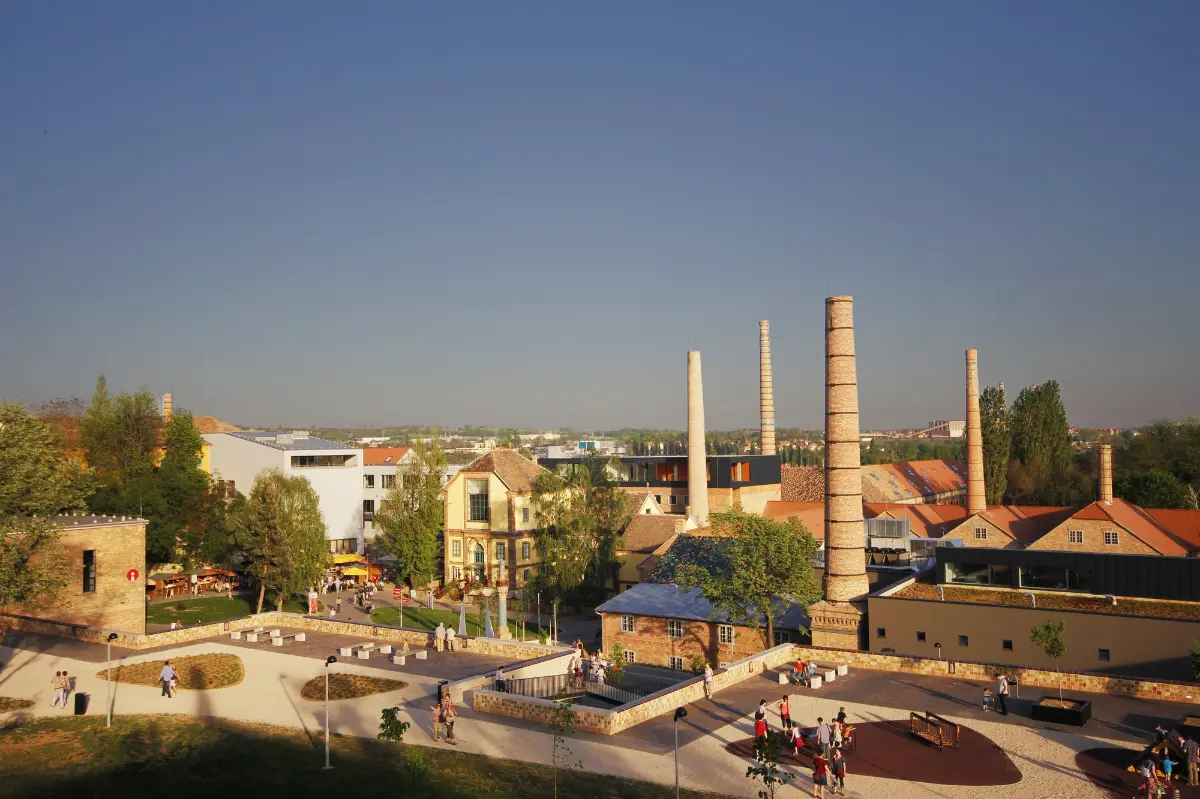
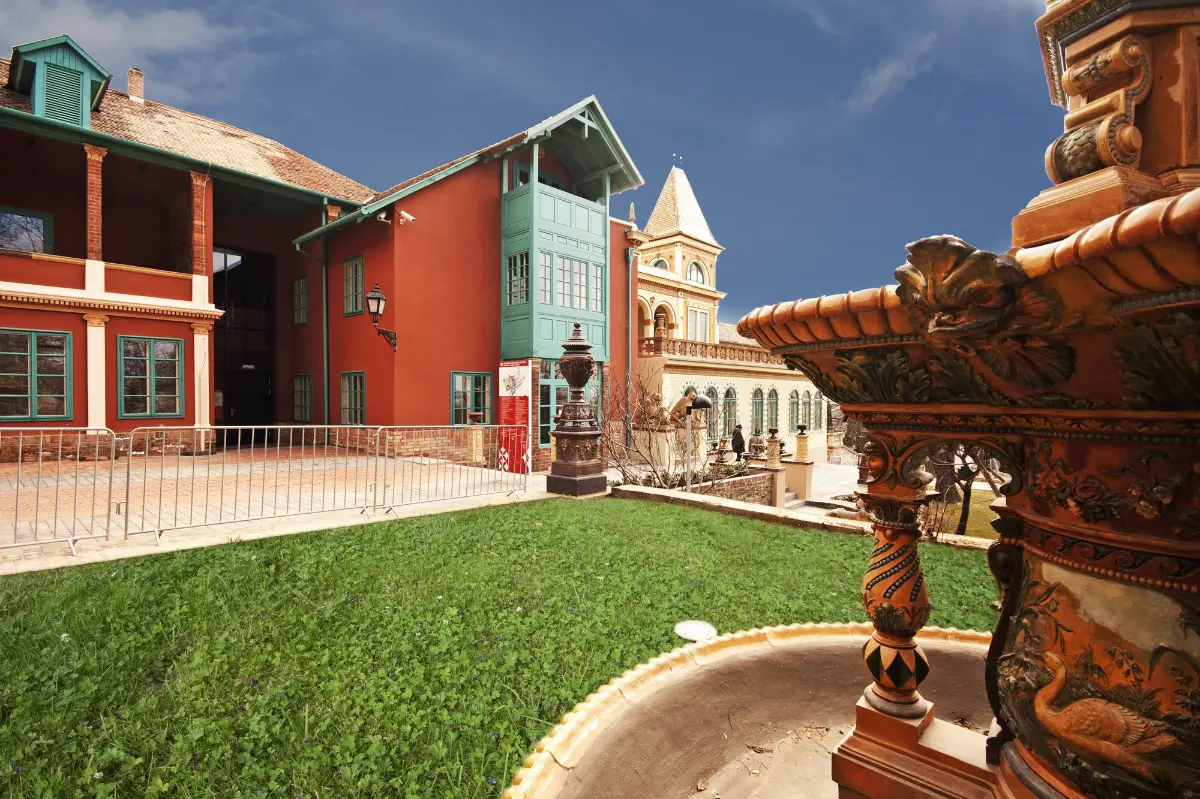
In Pécs, the Zsolnay Cultural Quarter was established on the site of a former porcelain factory and is now one of the country’s most diverse cultural centres. The factory’s history dates back to the mid-19th century, when a world-famous porcelain and ceramics workshop operated here under the leadership of Vilmos Zsolnay. The factory shaped the life of the city for more than a century before the area was given a new purpose.
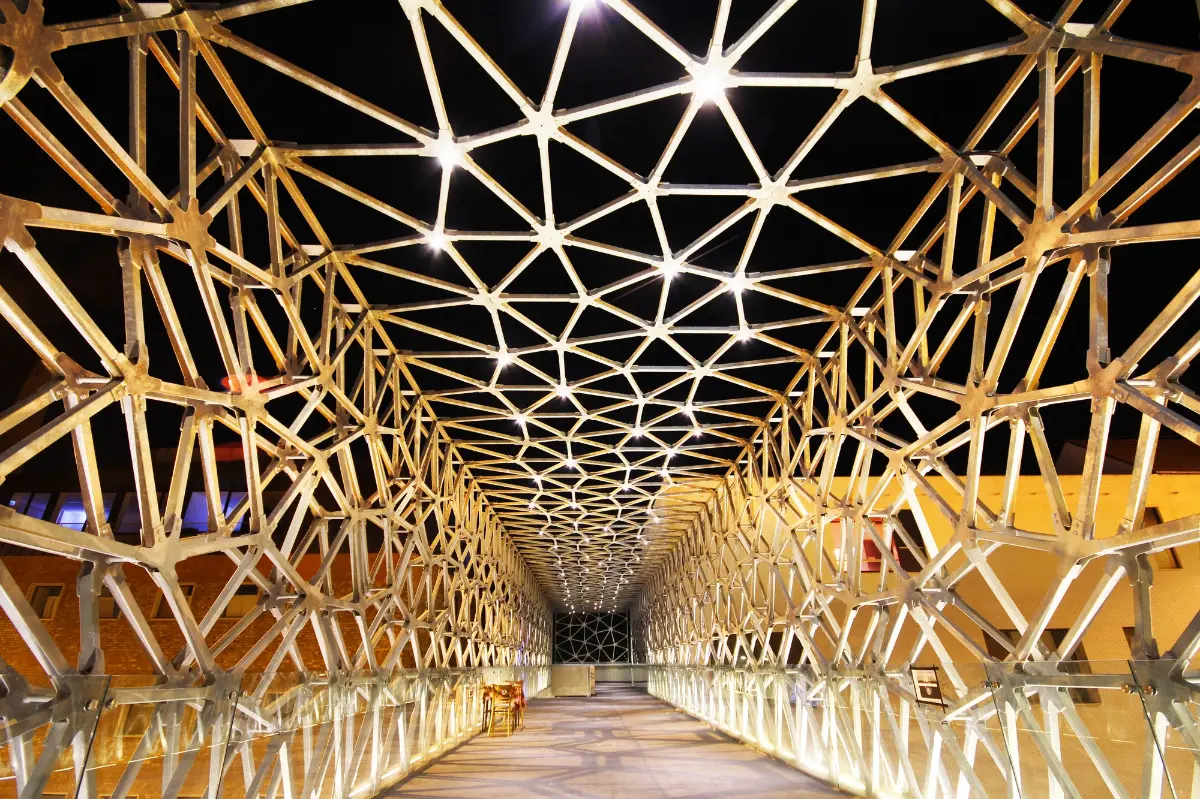
During the renovation, the buildings were preserved and repurposed for cultural functions: today, museums, exhibition spaces, workshops, and university institutions operate in the old halls. Walking through the neighbourhood’s courtyards, the industrial past is still clearly visible today. The brick-built halls, chimneys, and former workshop buildings have retained their original character, while the spaces have been given new life.
Among the old factory courtyards, visitors can choose from cafés, galleries, and community programs, and during the summer months, festivals, concerts, and outdoor events fill the area.
From Power Plant to Cultural Hub
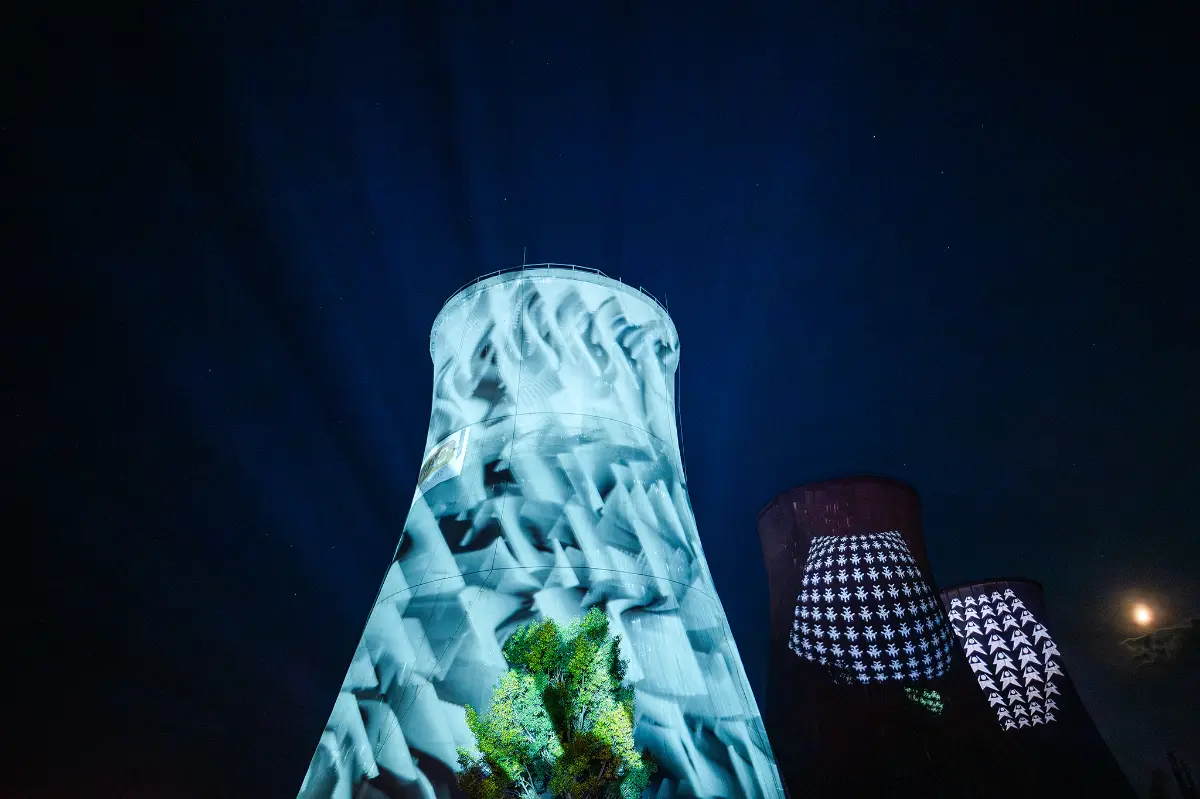
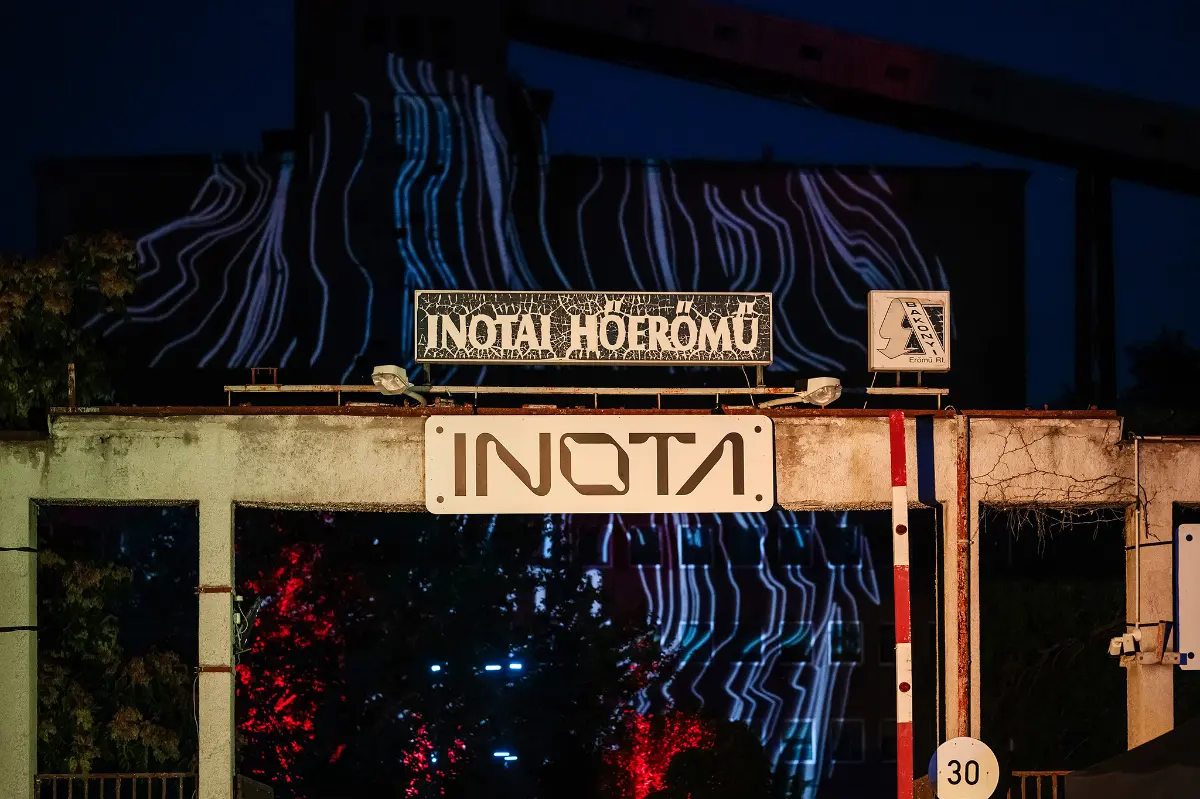
On the outskirts of Várpalota stands the Inota Thermal Power Plant, one of the iconic landmarks of Hungarian industrial architecture. The power plant was built in the early 1950s and played a pivotal role in the energy supply for many years before it was gradually decommissioned.
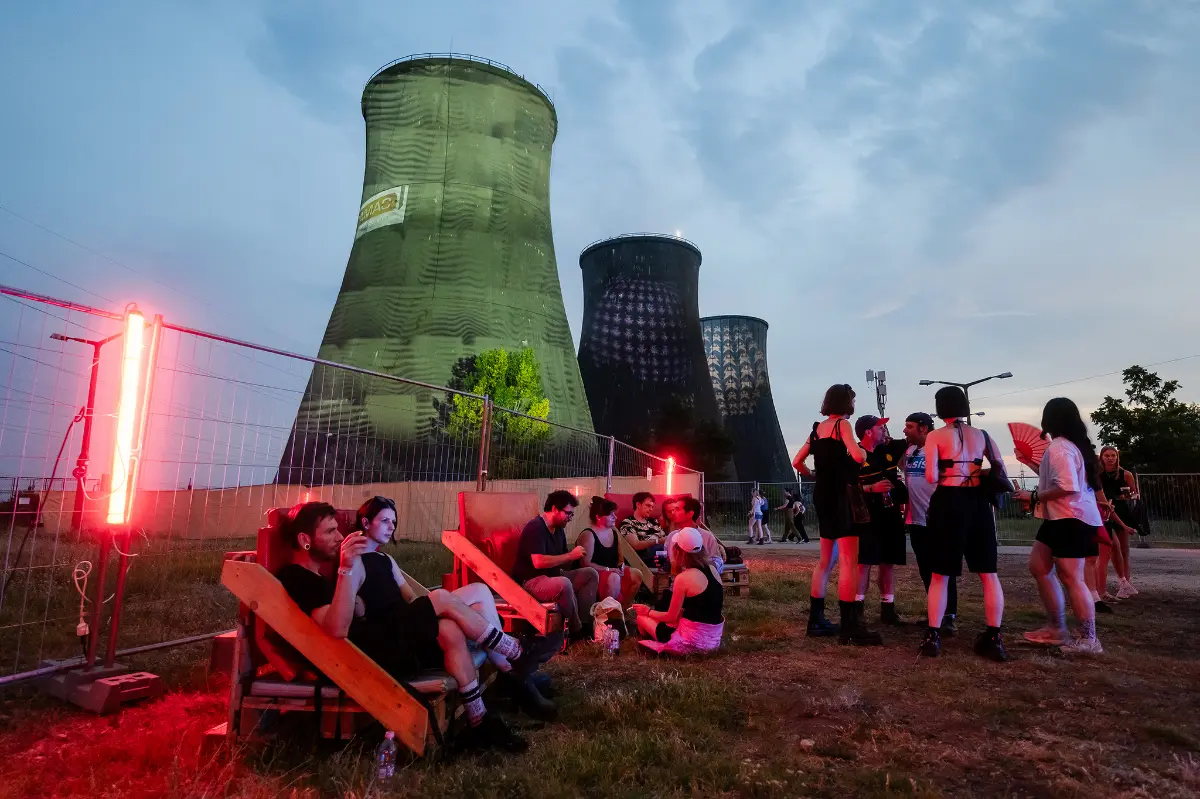
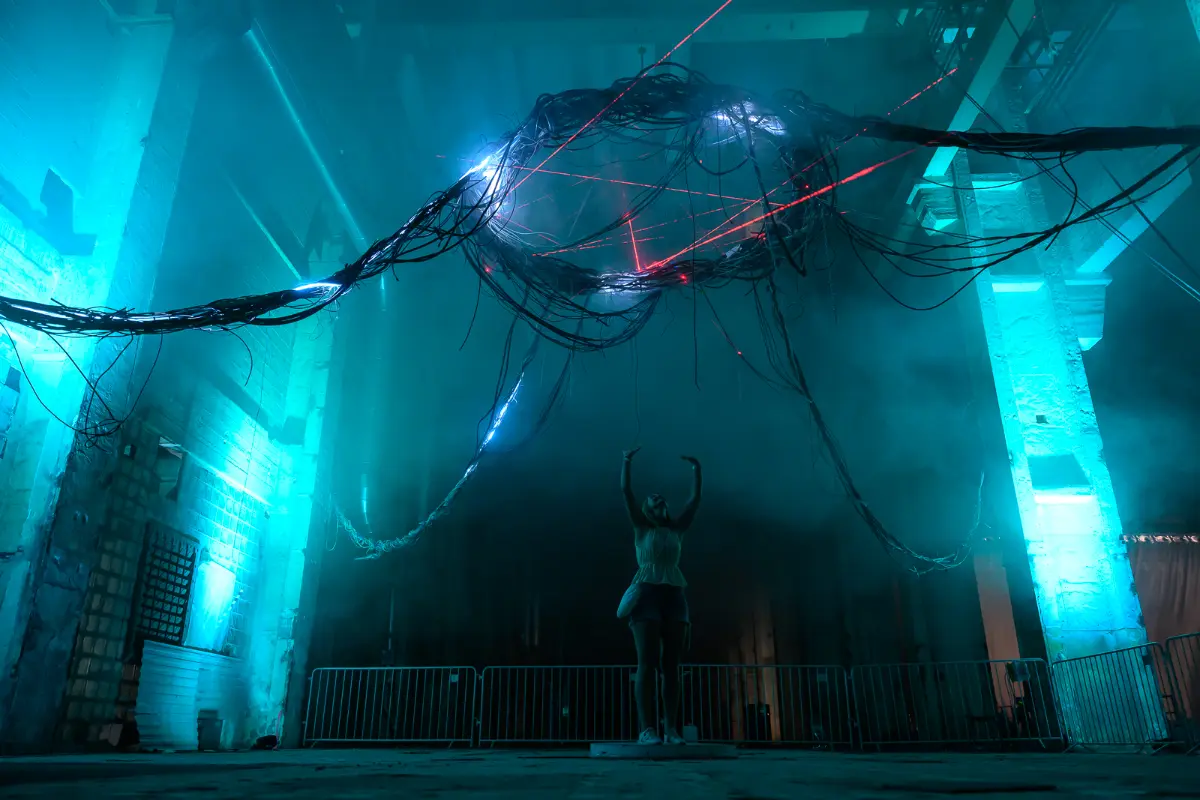
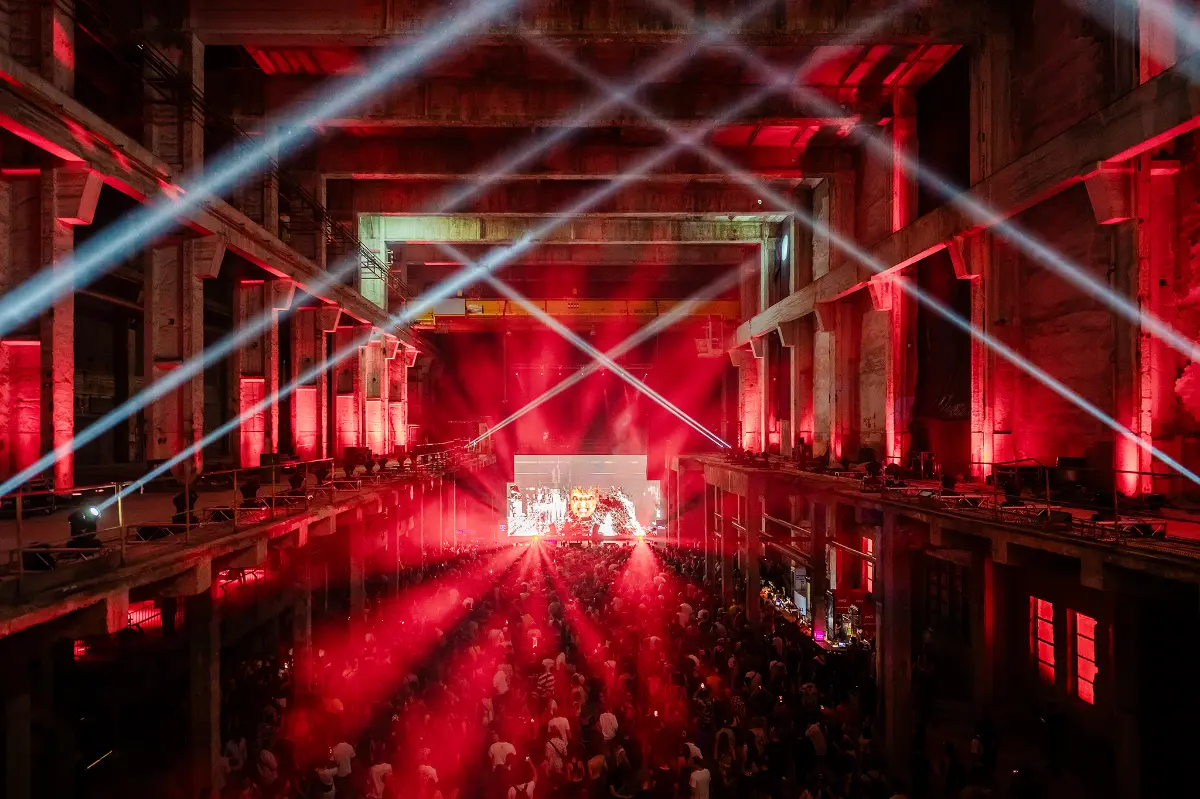
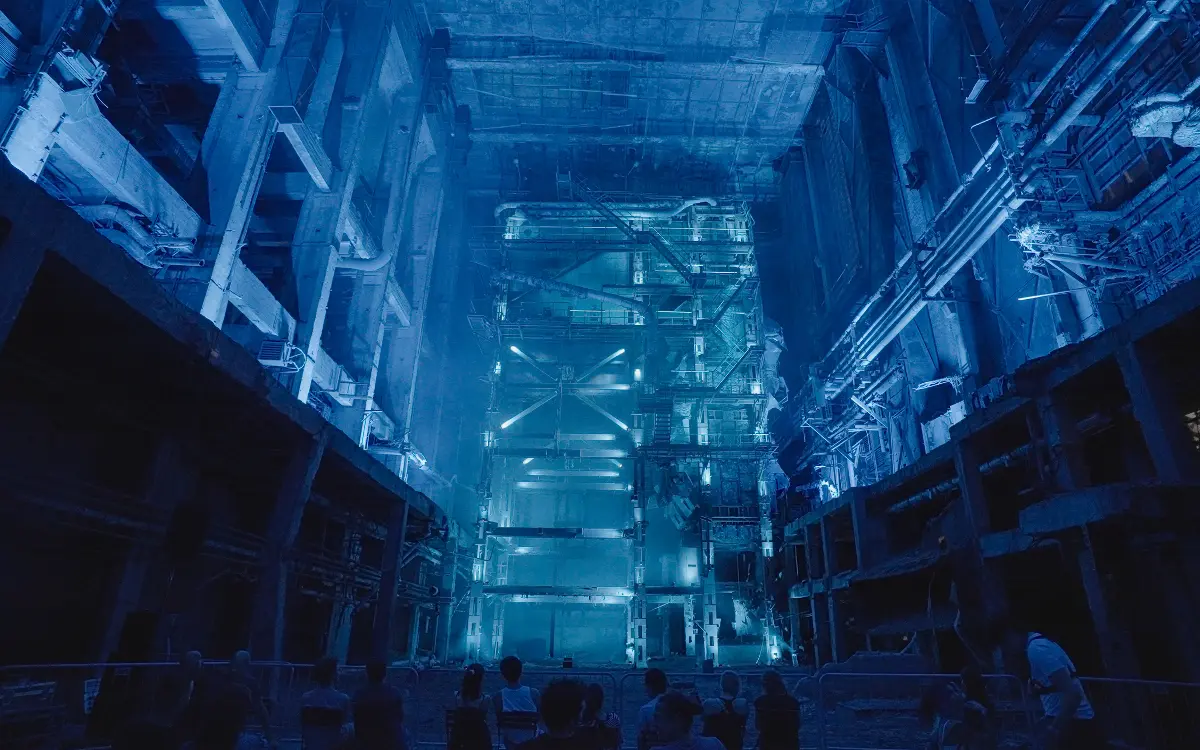
In recent years, these massive industrial buildings have taken on a new lease on life. The monumental space of the turbine hall – with its soaring windows, concrete pillars, and steel structures – provides a unique backdrop for the INOTA Festival. During the event, international electronic music performances and spectacular light installations fill the spaces of the former power plant, where sound and light take on new meaning amidst the old industrial structures.
As a visitor, one of the most powerful experiences is the space itself. The massive halls, the remaining industrial equipment, and the use of raw materials create a unique atmosphere. When we enter the industrial site, it’s easy to imagine how the turbines and generators once operated here – and today, music, light, and contemporary art installations bring this same monumental space to life.
When the Past Takes on a New Role
The transformation of industrial spaces is not just about preserving buildings. These places also offer cities the opportunity to create new community spaces.
When you visit these sites, you immediately sense that the steel and brick are not merely a backdrop evoking the past. Today, the former halls host exhibitions, concerts, and community programs. Instead of the clatter of machinery, music plays, and a new kind of life emerges in the factory yards – one that preserves the atmosphere of the past while making room for the present.