Helyszín címkék:
The forgotten stories of Kővágóörs in the Káli Basin
Kilár Boróka
- Kővágóörs and the forgotten history of the Káli Basin
- The significance of the Jewish community in Kővágóörs
- The history of the synagogue in the Balaton Highlands
- The cultural heritage and natural attractions of Kővágóörs and the Káli Basin
The past encased in stone
Walking around Kővágóörs, we can find traces of ancient times everywhere in the sandstone houses, old fences, and unusual rock formations. The name of the settlement is no coincidence: “Kővágó” (meaning stone-quarrying) refers to the fact that for centuries, stone was quarried here to make millstones and build houses and churches throughout the region. The word “Örs” comes from an ancient personal or tribal name, the origins of which can be traced back to the time of the Hungarian conquest.
The name of the village can be found in written sources as early as 1121: Sol comes, a member of the Atyusz clan, mentions it for the first time in his will. This document not only confirms the existence of Kővágóörs, but also provides insight into the early land ownership conditions in the Balaton Highlands. In the Middle Ages, the Atyusz clan, as well as the bishopric and chapter of Veszprém, were significant players in the region, so Kővágóörs quickly became part of the economic and ecclesiastical life of the area.
The forgotten synagogue of Lake Balaton
By the end of the 19th century, Kővágóörs had grown into one of the most important Orthodox Jewish centers in the Balaton Highlands. Nine surrounding settlements belonged to the local congregation, and for a time, guidelines for religious life in Tapolca also came from here. The Jewish community made up nearly a third of the village’s population: merchants, craftsmen, and winegrowers lived here, who were closely integrated into everyday life in Kővágóörs.
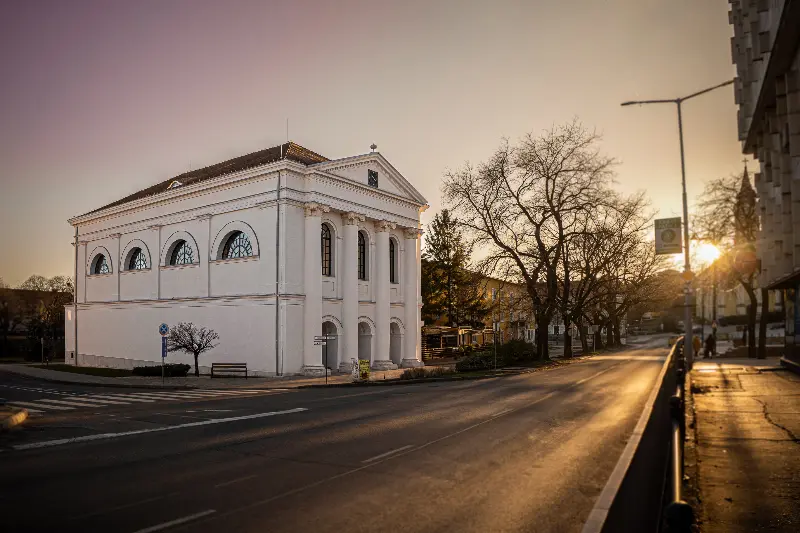
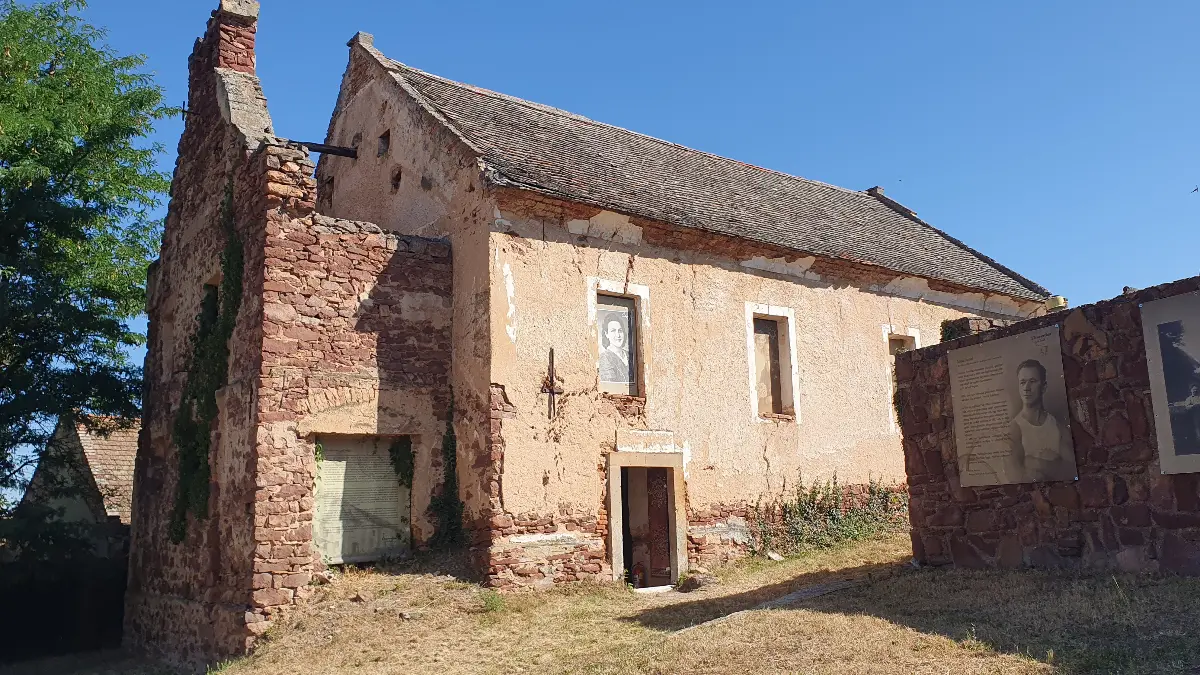
The memory of this community is preserved in one of the most distinctive buildings of Kővágóörs: a half-ruined synagogue. Many people walk past it on Dózsa György Street without realizing what a rich history it hides. It was probably built in the 1820s in a classicist style: behind its restrained forms, there was once a vibrant religious and community life. Then, at the turn of the 19th and 20th centuries, Kővágóörs’s role slowly faded into the background. The tragedy of the Holocaust brought this story to an abrupt end: the local and surrounding Jewish population was deported, and no one returned to Kővágóörs.
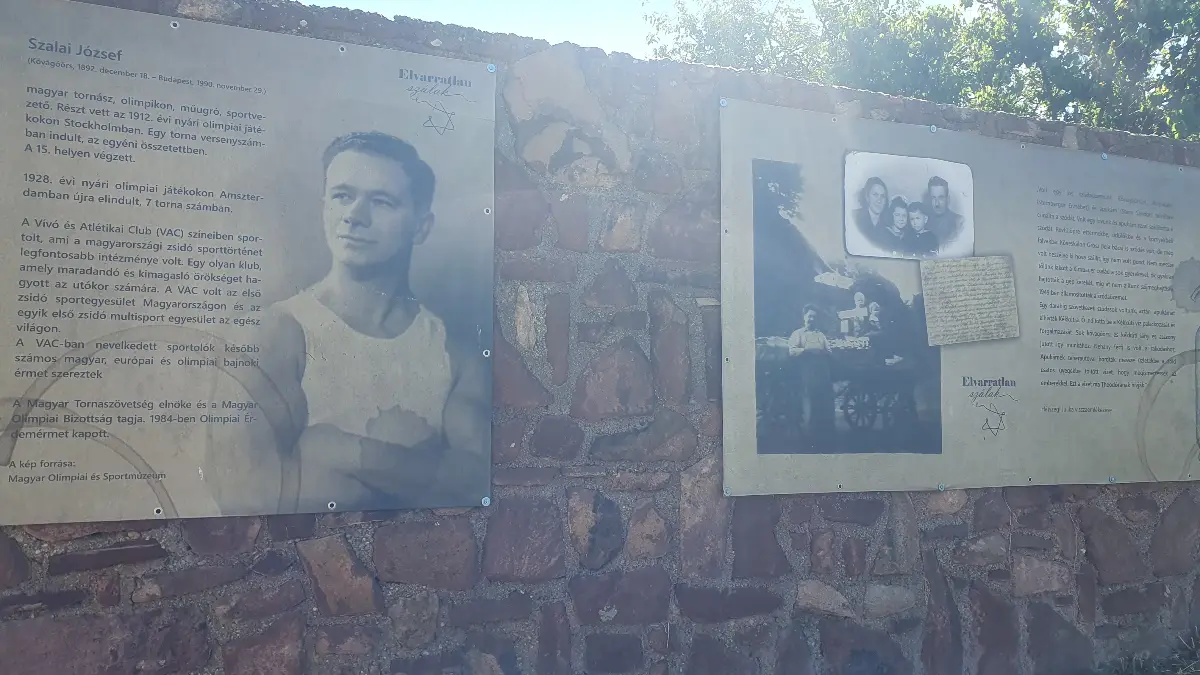
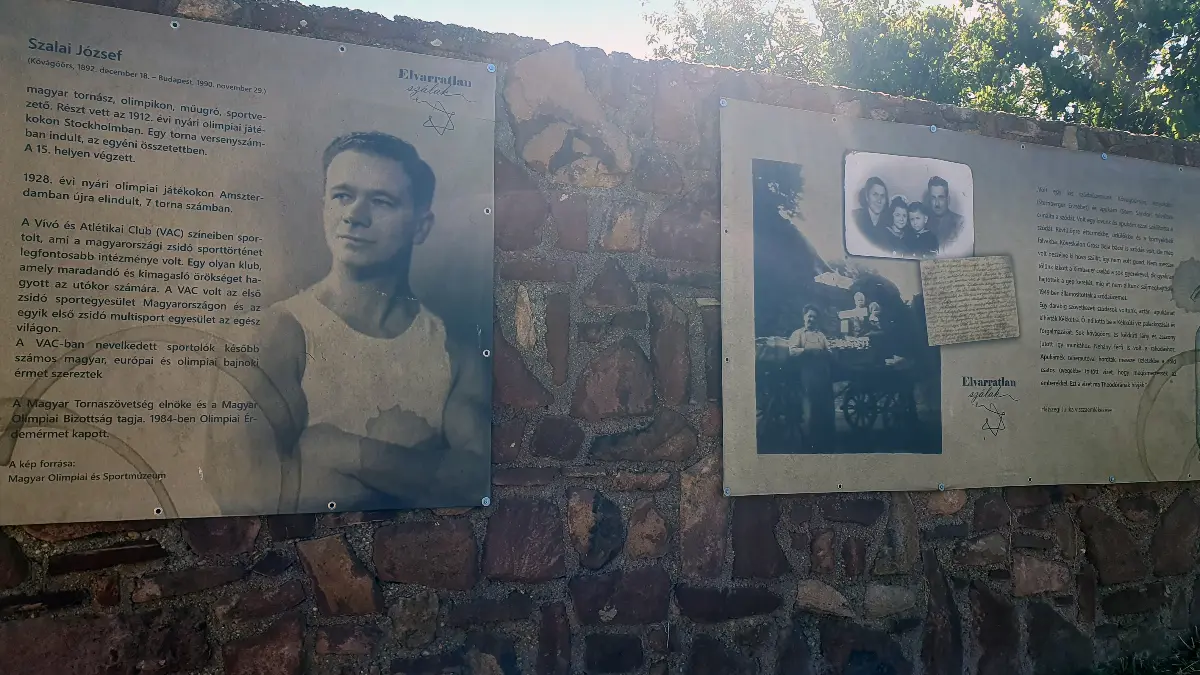
The fate of the synagogue also took a sad turn: during the decades of socialism, it was used as a cement warehouse, then stood abandoned for a long time. Although it was declared a historic monument in 1985, its condition continued to deteriorate. However, in 2020, a new chapter began: the building became the property of the Káli Basin Synagogue Foundation. Today, the synagogue garden and walls can be visited as a quiet memorial site, where outdoor exhibitions, information boards, and occasional community events help visitors learn about the forgotten history of Kővágóörs.
Recommendation: what to see in Kővágóörs and the surrounding area?
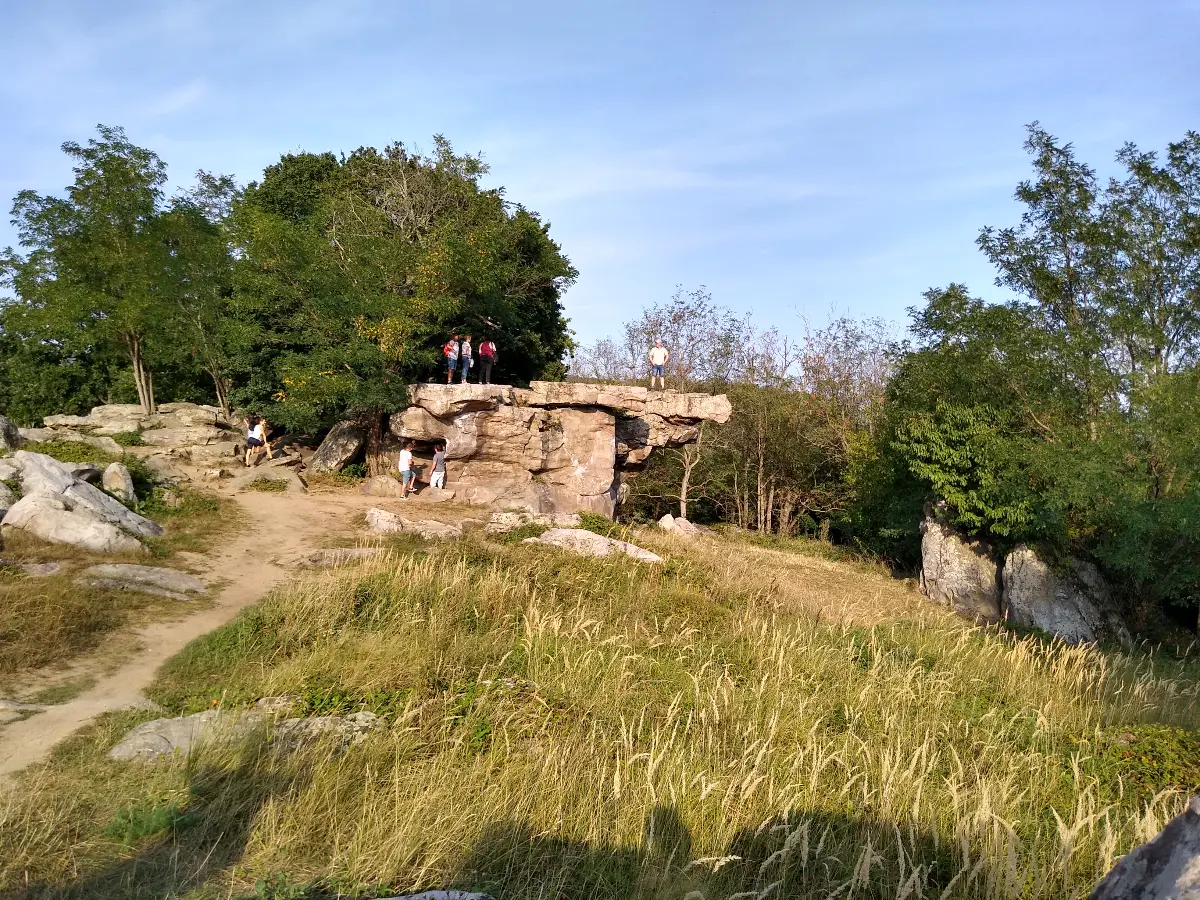
It is also worth taking the time to explore the other treasures of the village. Towards Köveskál, next to the village, we find the stone sea of Kővágóörs. The huge, moss-covered rocks are one of the unique natural attractions of the Balaton Highlands. Even a short walk here is enough to completely escape the hustle and bustle of everyday life.
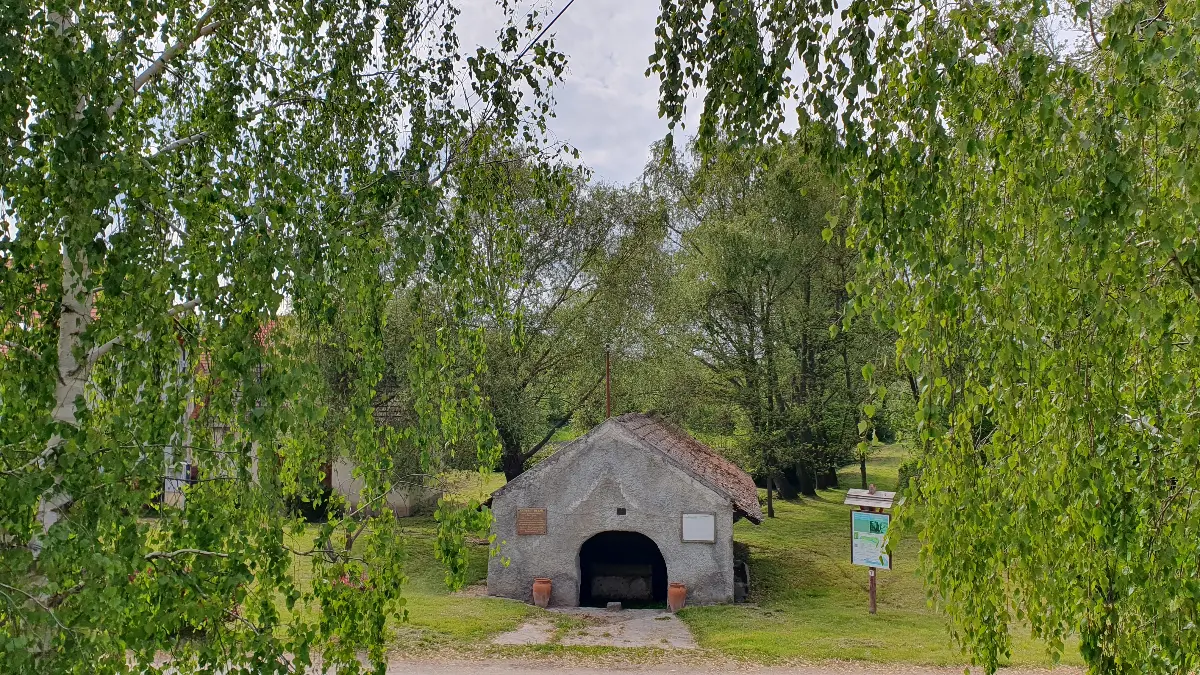
The old wash house is located at the other end of the village, towards Kékkút. This small building preserves the atmosphere of everyday life in the old days: community events, conversations, and shared work. A rare and valuable relic that helps us imagine how people lived here a hundred years ago.
The other treasures of the Káli Basin are not far away either: The sour water spring and Theodora Well in Kékkút are real curiosities – this is also the starting point of the Theodora nature trail, an easily accessible, approximately 8 km long footpath that can be visited free of charge. It presents the geological, hydrological, botanical, and zoological attractions of the Káli Basin through 15 stations.
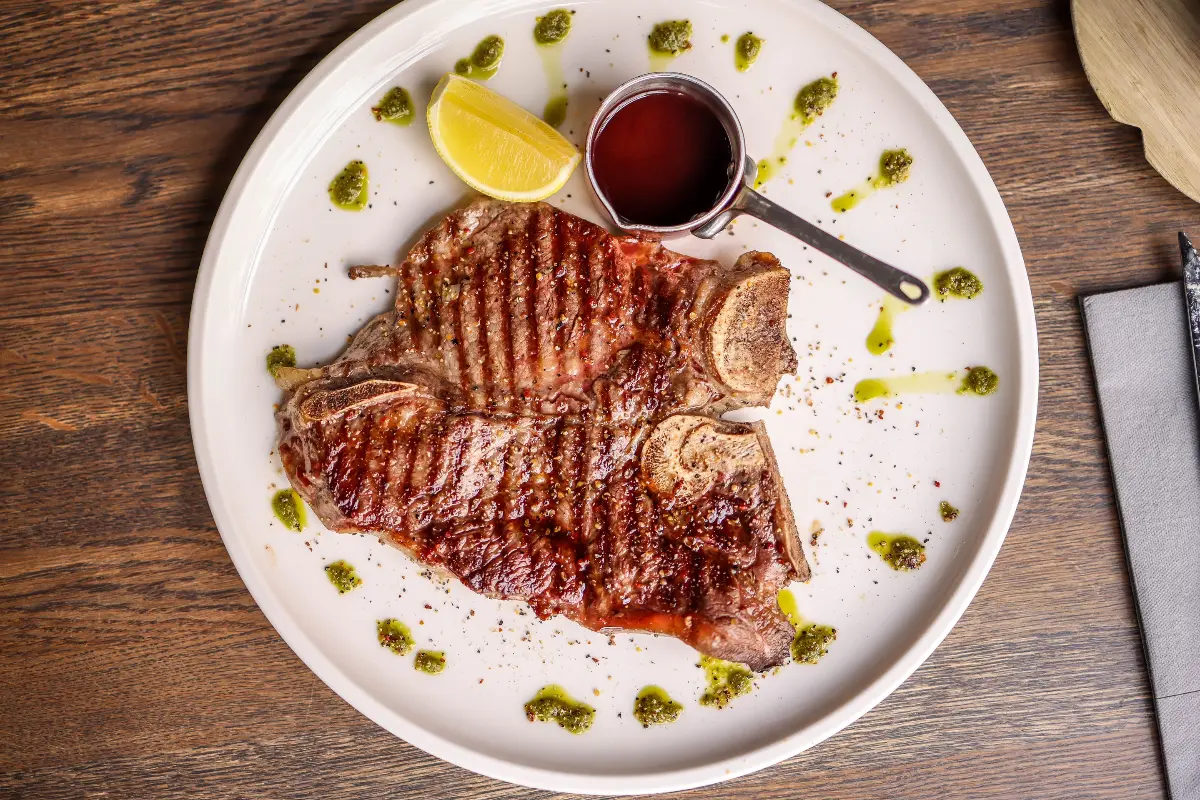
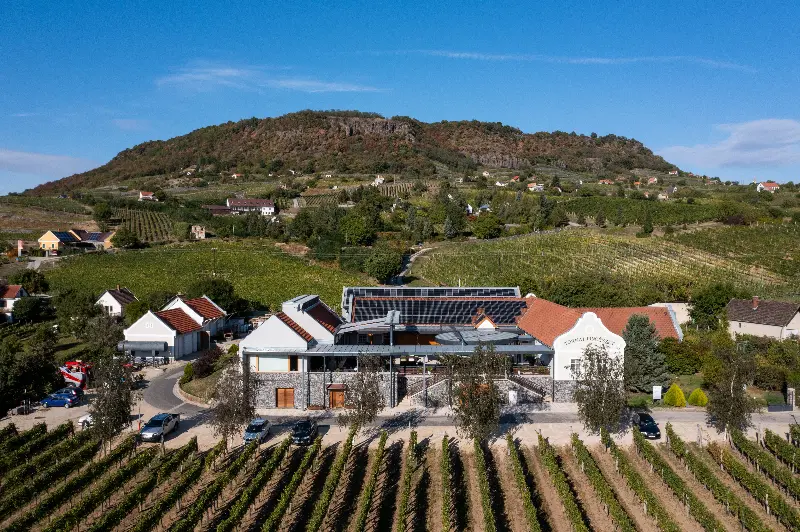
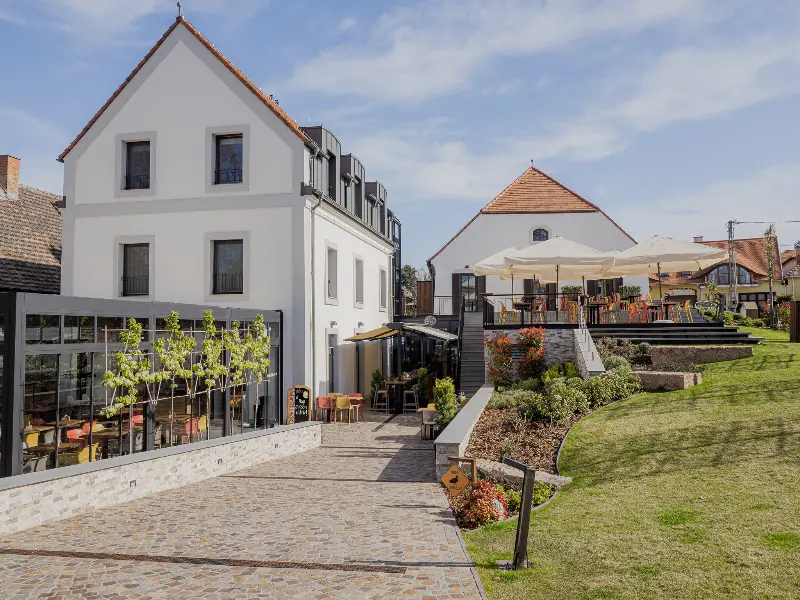
The Salföldi Major evokes the world of traditional farming, while the streets of nearby Köveskál, with their quiet courtyards and centuries-old walls, are also a pleasant place to stroll. It is also worth stopping for lunch or dinner: the Káli Art Inn Restaurant, the Mi a Kő Restaurant and Winehouse, and the Kővirág – Étel, Ital, Ágy (Stone Flower – Food, Drink, Bed) caterers offer Hungarian cuisine in a family atmosphere, based on local ingredients. The restaurants in the area reflect the relaxed pace of life in the Káli Basin and the close connection to the landscape. We can confidently end the day at one of these!