Helyszín címkék:
Where is the future rolling? – Skateparks and skatepark communities in the country
Szalay Ibolya
What this article is about:
- Skateparks as active community spaces in Hungary
- The atmosphere and operation of urban and rural skateparks
- Skateboarding, BMX, and rollerblading in one space
- The different rhythms of indoor and outdoor skateparks
- Places where movement and community meet
Győr – where the park is part of the town
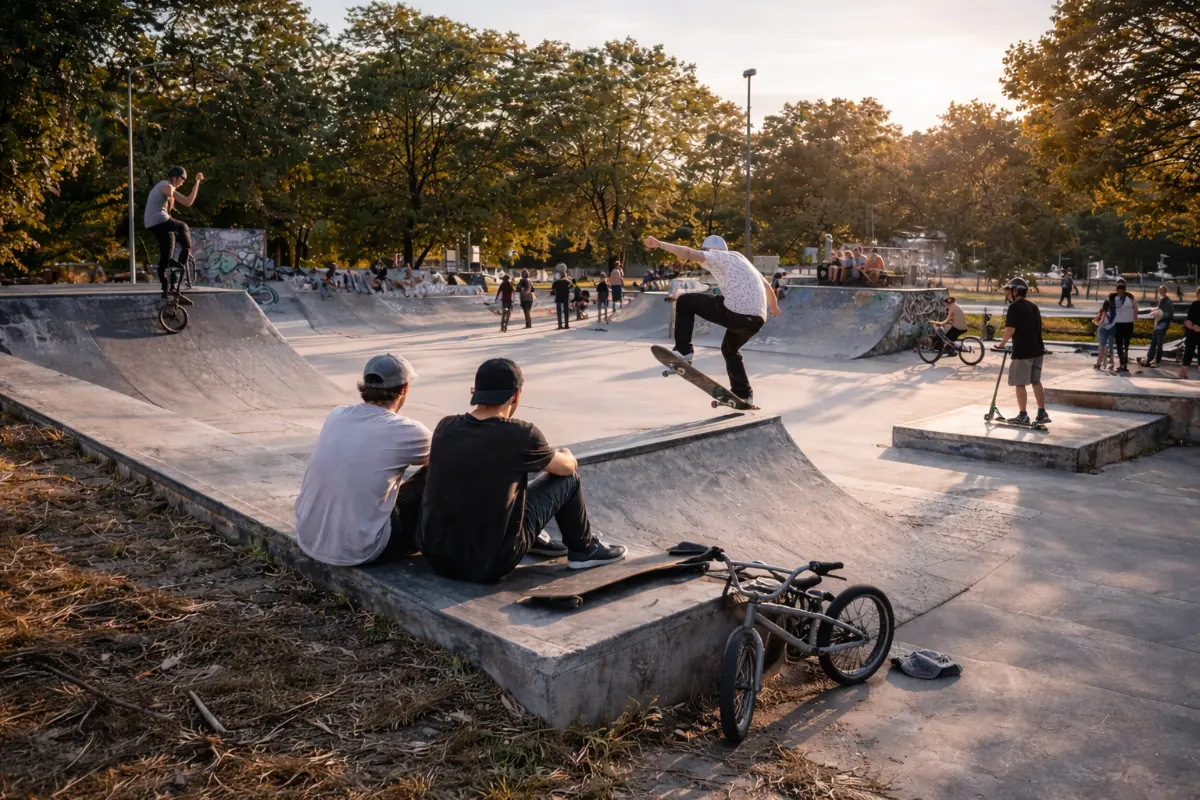
The Győr Skatepark is not located on the outskirts of the town, it is not hidden away, but is easily accessible. The atmosphere is friendly: when you arrive, you don't feel like outsiders.
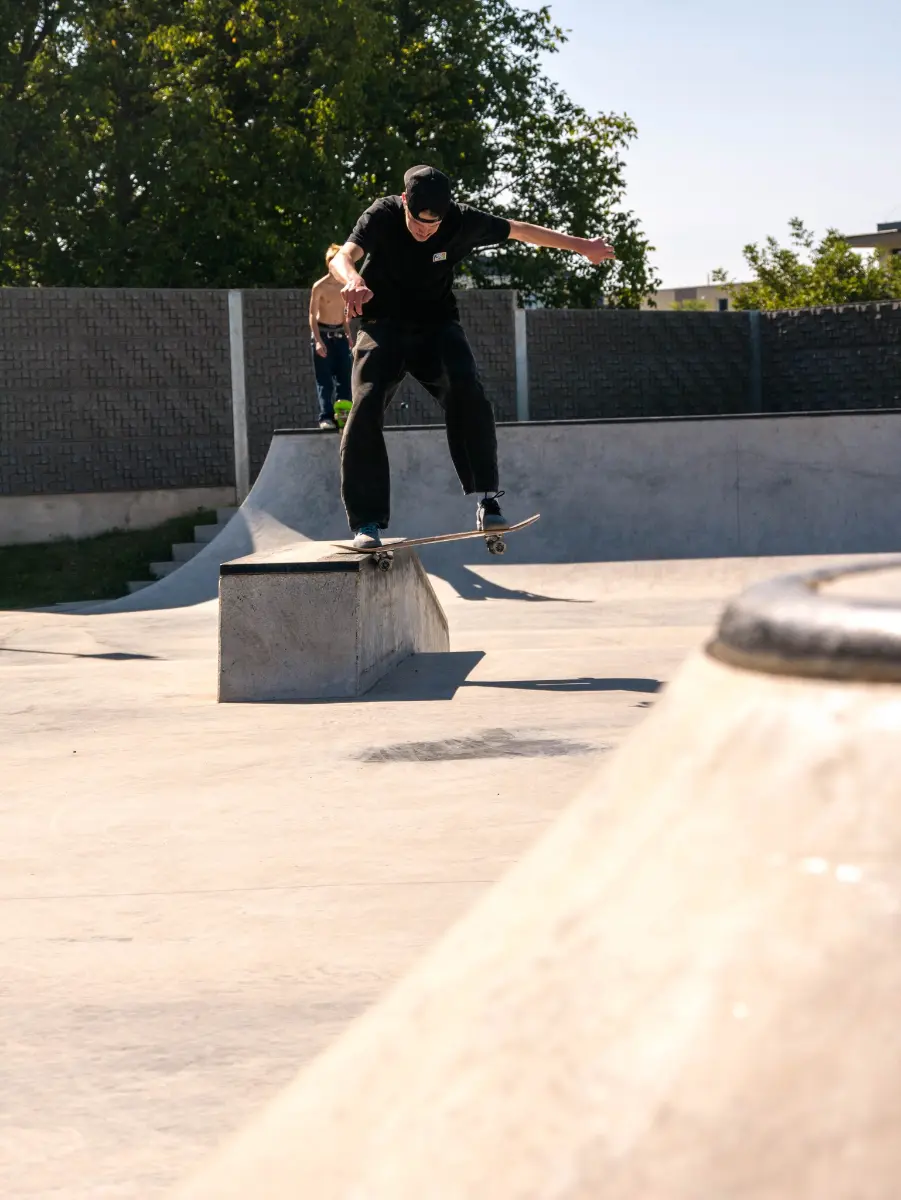
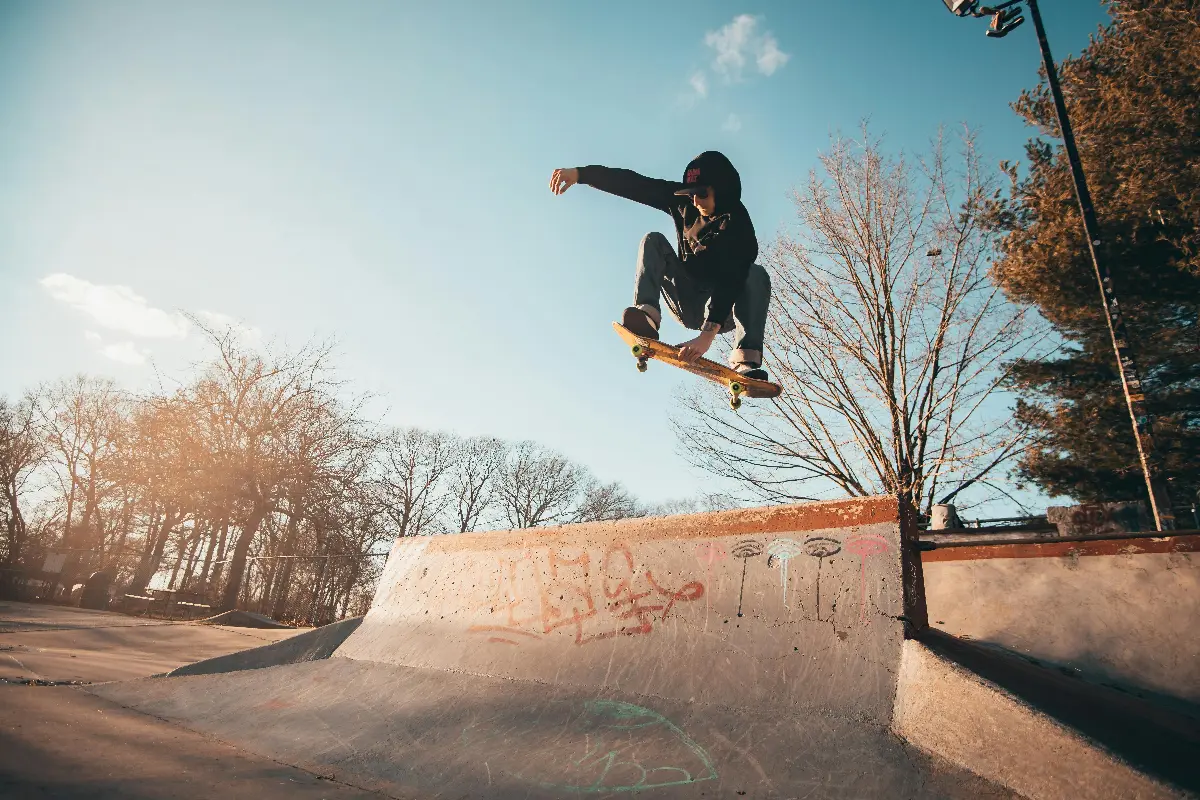
The layout of the track is well thought out. The lines are clean, the flow works, and the various elements are not obstacles thrown at each other, but are connected in a system. Beginners and advanced skaters alike will find space here, and what is just as important, it is also pleasing to watch. The skatepark here is not only a functional space,
but also an urban spectacle
– it is enjoyable to watch the movement, the rhythm, and the dynamics.
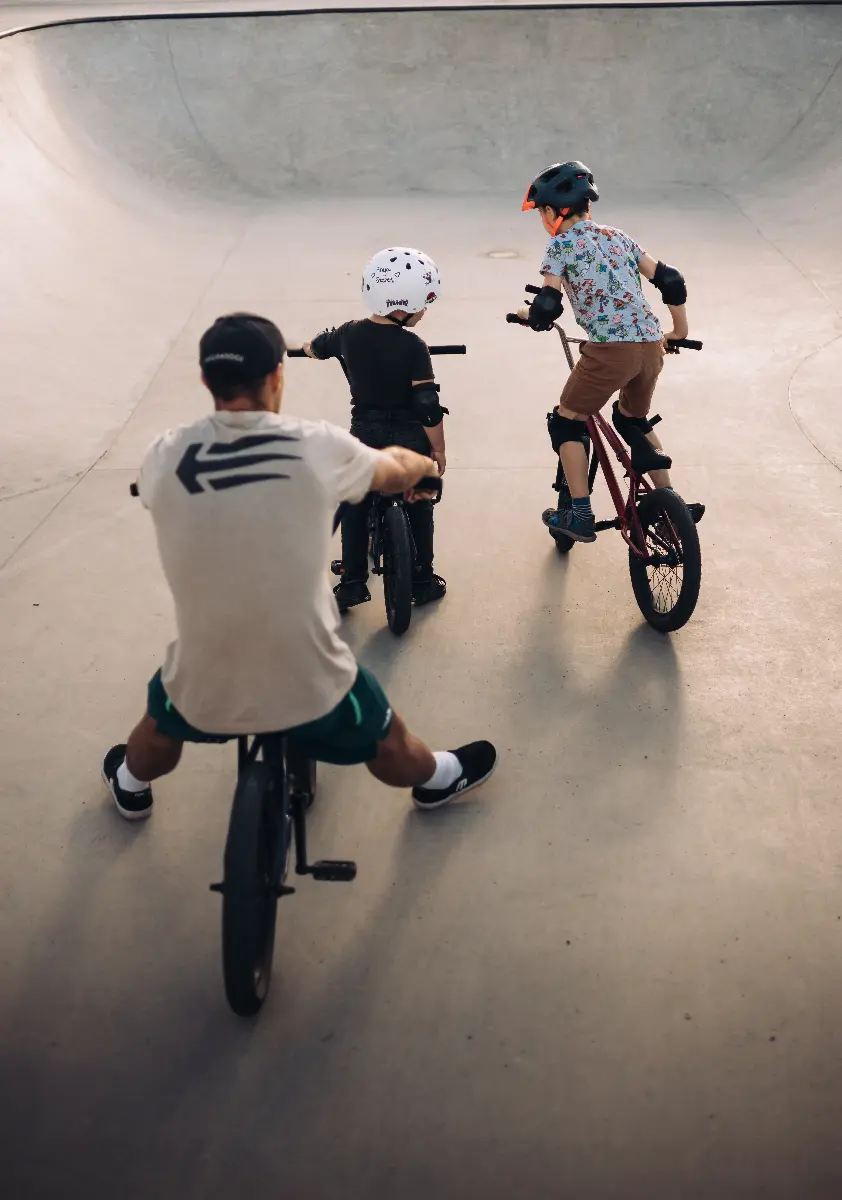
The presence of the community is palpable: in the afternoons, people of all ages gather here in the square, and skateboards, BMX bikes, and scooters roll not against each other, but
alongside each other.
Győr is easily accessible by car and train, and the track is a short walk from the town centre, so visiting it can even be part of a city programme. And if you are looking for contrast, the Győr Bishop's Castle Tower offers a completely different perspective: silence and panoramic views above, concrete and momentum below.
Vecsés – indoor space, its own rules
The Garden Skatepark in Vecsés is an indoor track, which is especially useful when the weather is "uncooperative."
There is no wind, no rain breaks, no slippery concrete
– the place can be used in all weather conditions. The emphasis is not on spectacular appearance, but on a continuously accessible, predictable track. The space is more closed and its design is more concentrated, which requires a different kind of attention.
The indoor skatepark brings a different rhythm. Movement is more intense, practice is more focused, and feedback on mistakes is faster. Here, the group doesn't scatter,
but works together in one space.
Vecsés is close to Budapest and easily accessible by car and public transport, so it's not just an option for locals. Due to its proximity to the capital, the community is more diverse: beginners, advanced skaters, occasional visitors, and regulars all come here, which is why this place is not only suitable for training but also an excellent meeting point.
Towards the east – Bodrogkisfalud and Szank
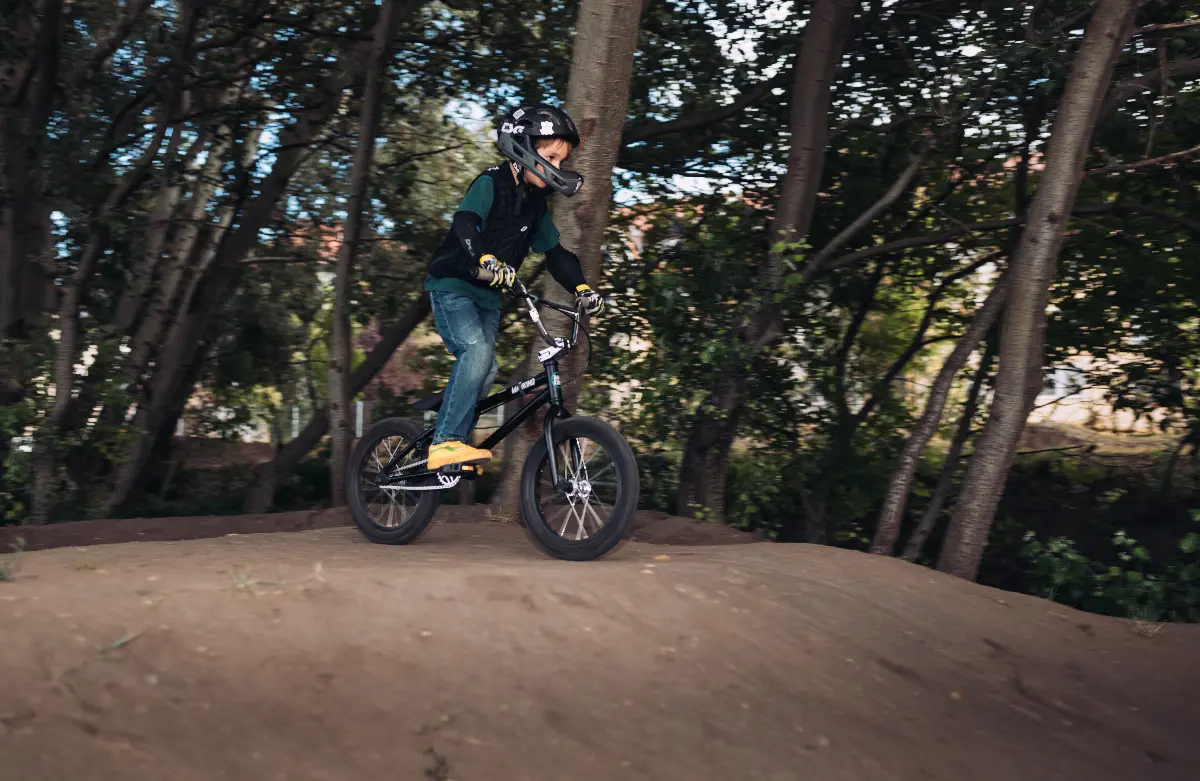
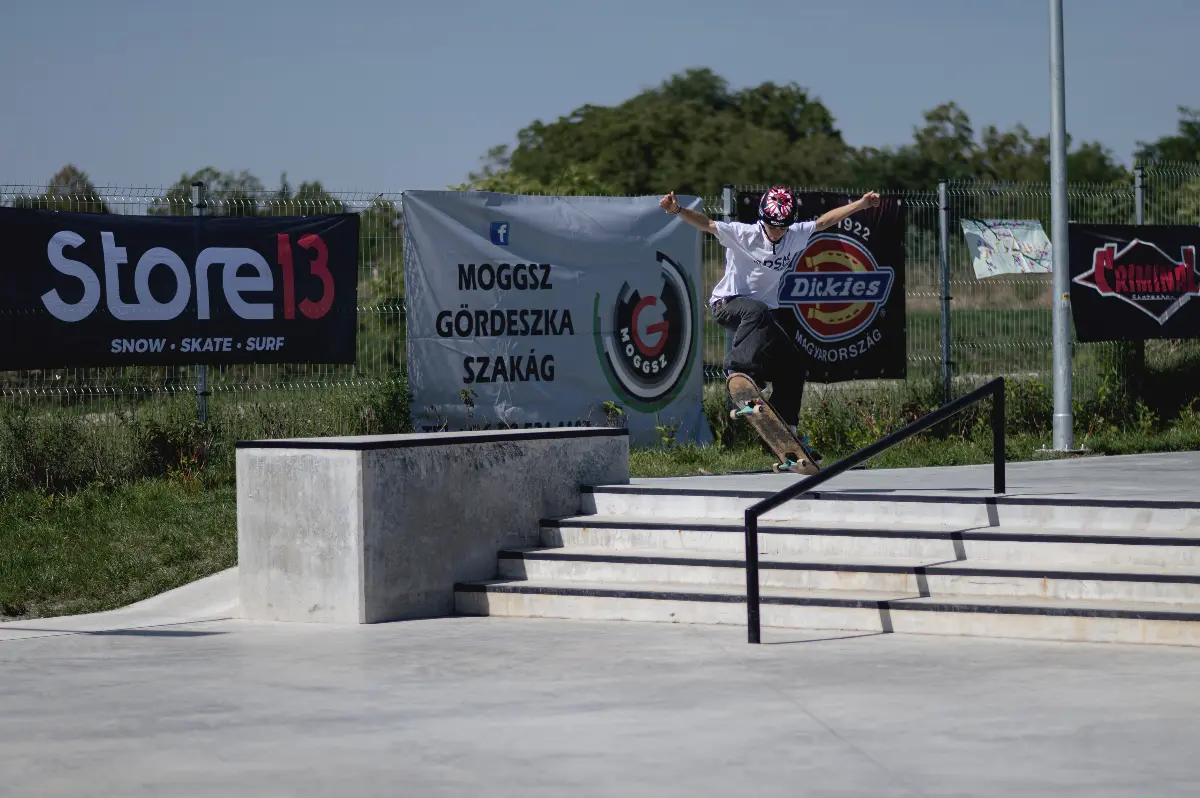
The Skatepark Bodrogkisfalud is a smaller-scale track. There is no monumental element system here, no oversized ramp, but there is intensive use. The space is proportionate, transparent, and the locals really take ownership of it. The park is not an isolated attraction in the village – locals come here not only to train but also to meet up.
Smaller tracks often create a more intense community. Everyone knows everyone else, beginners fit in more quickly, and advanced skaters help them.
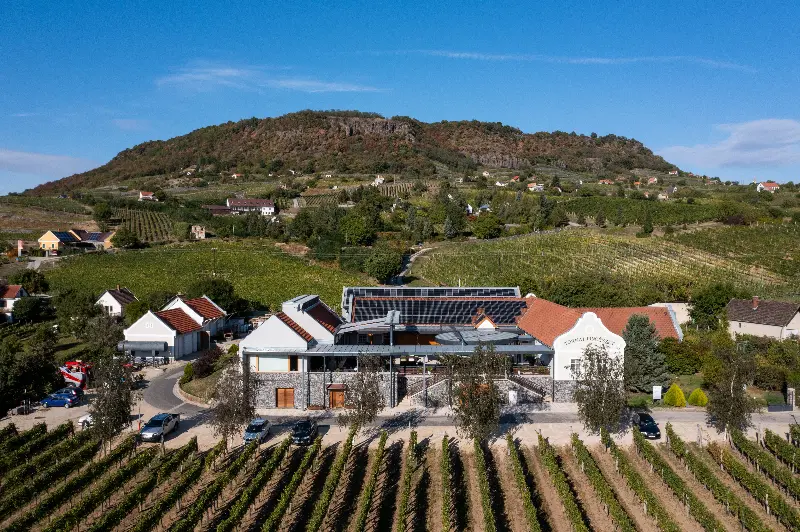
While in Tokaj-Hegyalja, it is worth visiting the Szélkiáltó Winery. The contrast is striking: here, concrete is replaced by rows of grapevines, and the pace is quieter and more relaxed. After an afternoon ride, this kind of change of pace feels really good.
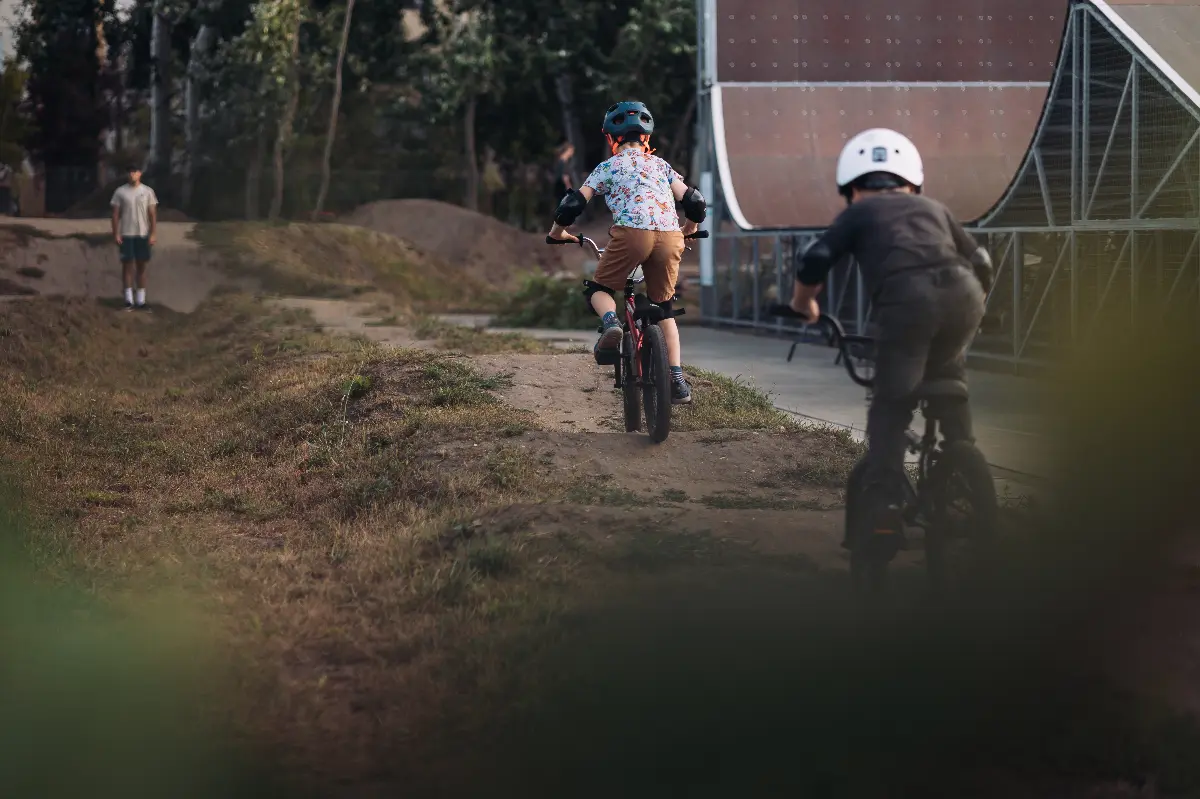
Skate Park Szank and the surrounding tracks follow a similar logic: they do not function as attractions, but as spaces for use. These places prove that skate culture
is not exclusively a big-city phenomenon.
Approach – practical considerations
Most of the listed tracks are freely accessible, open public venues. They can be reached by car and public transport, and in larger towns (Győr, Vecsés) the tracks are easily accessible from the town centre. For rural locations, it is worth checking the exact address and opening hours in advance.